Somaliland and Somalia are often confused by outsiders, yet the two regions are fundamentally different in politics, governance, stability, and international recognition. Somalia, located in the Horn of Africa, is a fragile state still grappling with decades of civil war, insurgency, drought, and foreign intervention. Somaliland, by contrast, has operated as a de facto independent state since 1991, maintaining relative peace, functioning institutions, and political stability, despite remaining largely unrecognised internationally.
In 2026, Israel formally recognised Somaliland as an independent country, a landmark decision that has the potential to influence the Horn of Africa’s geopolitics and open the door for further recognition by other nations.
Understanding the differences between Somaliland and Somalia requires examining their colonial history, the Somaliweyn concept, the civil war, clan structures, governance models, and the lived realities of citizens in both regions. While they share language, culture, and religion, the contrast in stability, governance, and international engagement is stark, making Somaliland a unique case study in the Horn of Africa.
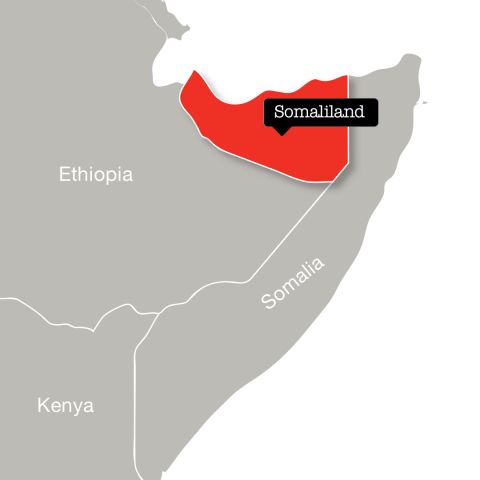
Table of Contents
Colonial Legacies and the Birth of Somalia and Somaliland
The Somali people are spread across five regions: Somaliland, Somalia, Djibouti, Ethiopia’s Ogaden region, and Kenya’s North Eastern Province. During the colonial era, these regions were controlled by different European powers. British Somaliland covered the northwest, including what is today Somaliland, while Italian Somaliland controlled the south. French Somaliland became modern-day Djibouti. The Ogaden region in Ethiopia changed hands between Italy, Britain, and Ethiopia, while Kenya’s Northern Frontier District was split between Italy in the north and Britain in the south.
Prior to colonisation, the Somali people shared language, religion, pastoralist traditions, and cultural practices but lacked a unified political entity. The idea of Somaliweyn, or “Greater Somalia,” emerged in the 20th century, advocating for the unification of all Somali-inhabited regions into one independent nation. When British Somaliland and Italian Somaliland gained independence in 1960, they immediately united to form the Somali Republic, partially realising the Somaliweyn vision. The Ogaden region returned to Ethiopia, the Northern Frontier District became part of Kenya, and French Somaliland later became independent as Djibouti, though there was some local support for union with Somalia.
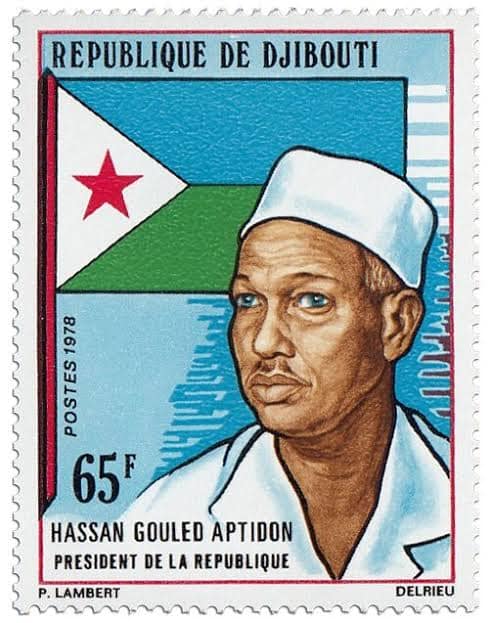

Italian memorial for the soldiers killed by Somali troops at Lafoole
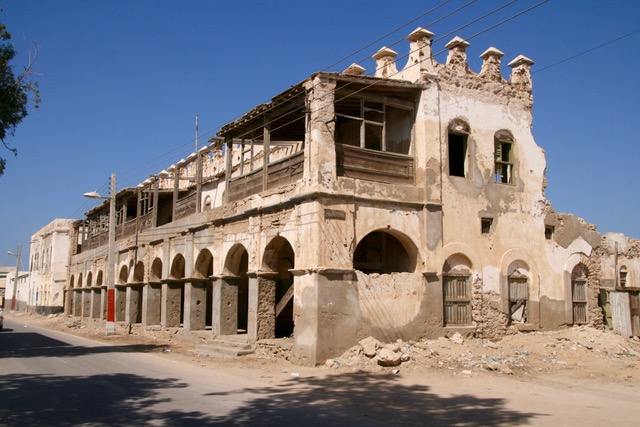
Bomb damaged coral stone buildings, Berbera, Somaliland.Photo: Philip Davies.
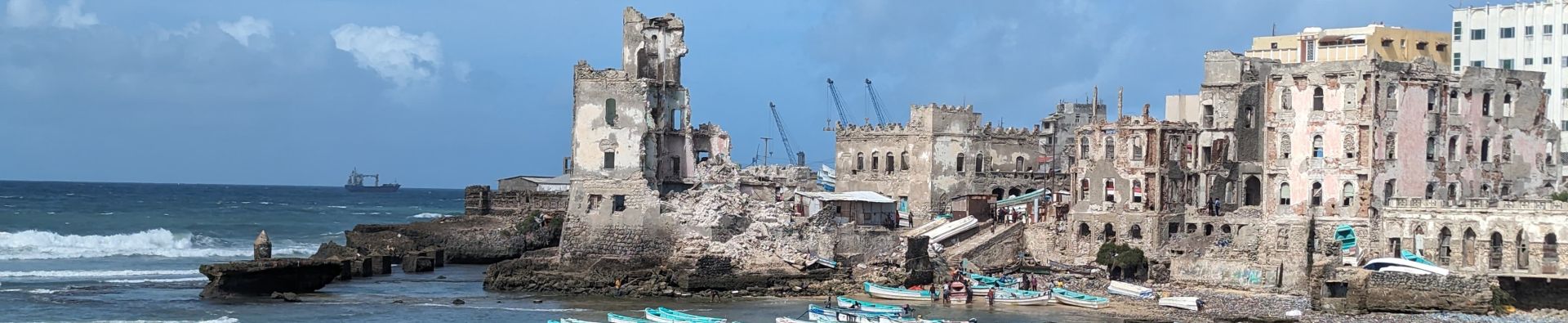
Somalia under Siad Barre
The Somali Republic initially pursued centralised governance, but political instability and dissatisfaction grew quickly. In 1969, Major General Mohamed Siad Barre seized power in a coup d’état, establishing a military regime. Barre aligned with the Soviet Union, later switching allegiance to the United States during the Cold War, attempting to leverage superpower rivalry for strategic advantage. Barre implemented Marxist-inspired policies, nationalising industries, promoting literacy programs, and framing governance through the lens of socialism adapted to Islamic society.
In 1977, Barre invaded the Ogaden region of Ethiopia, miscalculating Soviet support. Ethiopia, assisted by Cuban and Soviet forces, repelled the Somali forces, resulting in a humiliating defeat. Barre’s popularity collapsed, sparking the formation of opposition movements. Chief among these was the Somali National Movement (SNM), founded in London in 1981 by members of the Isaaq clan concentrated in northern Somalia. Barre’s regime viewed the SNM as a threat and responded with extreme violence. Hargeisa and Burao were bombed, villages destroyed, and tens of thousands killed. State forces targeted the Isaaq population broadly, not just combatants, leaving mass graves and displacing hundreds of thousands. Commanders even filmed themselves issuing orders for atrocities, a grim record of what is often described as a genocide against the Isaaq, although other clans were also affected.

The Declaration of Somaliland
In 1991, after the fall of Siad Barre, the SNM declared the independence of Somaliland. Unlike other separatist movements, Somaliland immediately set about building functioning governance structures. Clans that had resisted initially gradually agreed to a system of shared governance, establishing a constitution, government institutions, a military, and even its own currency. In contrast to Somalia, which descended into civil war, Somaliland has maintained relative peace for decades.
While Somaliland remains unrecognised by the vast majority of the international community, it has conducted regular elections, with losing parties peacefully handing over power, and has created a functioning police force and judiciary. In 2026, Israel became the first major state to formally recognise Somaliland, signalling growing international attention to the region’s stability and governance. This recognition may help Somaliland gradually gain legitimacy on the global stage, though neighbouring states remain cautious about any formal acknowledgment due to the risk of encouraging separatist movements within their own borders.

Governance, Economy, and Daily Life in Somaliland
Somaliland’s population is estimated at around 5 to 6 million people, with major urban centres including Hargeisa, Burao, Berbera, and Borama. The government budget is extremely limited, averaging roughly 100 USD per person annually, and the economy is heavily reliant on remittances from the diaspora, trade with Ethiopia, and minimal domestic agriculture. Despite these challenges, Somaliland has avoided terrorism since 2008, maintaining security in its cities and towns. Streets are walkable, markets are active, and locals freely discuss politics, history, and current events.
Education remains limited, with significant portions of the population illiterate. Female genital mutilation is still widely practiced, and poverty is endemic. Food production is minimal, requiring imports from Ethiopia and the UAE. Despite these challenges, Somaliland has leveraged its stability and relative governance to present itself as a safe destination in a volatile region, attracting researchers, aid workers, and intrepid travellers interested in seeing a functioning state emerge from decades of conflict.
Somalia Today
Somalia, by contrast, continues to face extreme instability. The south, including Mogadishu, is plagued by ongoing clan rivalries, insurgency from Al-Shabaab, periodic US air strikes, and recurring droughts. Governance is fragmented, with local authorities, militias, and Islamist groups competing for power. Clan structures remain central to Somali society, with Darood, Hawiye, Raxanweyn, and Isaaq populations dominating different regions and local politics. These divisions, coupled with the legacy of Barre’s regime and decades of civil war, make Somalia markedly different from its northern neighbour.
Travel to Somalia remains hazardous, with most international organisations advising against visiting southern regions. Infrastructure is limited, and the risks of kidnapping, terrorism, and armed conflict are high. In stark contrast, Somaliland offers relative security and functioning public services, making it an anomaly in a region otherwise associated with instability.

Culture, Clans, and Identity
Understanding both Somalia and Somaliland requires understanding Somali clans. Clan loyalty influences politics, social relationships, business, and marriage, making it one of the most important structures in Somali society. The Isaaq dominate Somaliland, while Darood, Hawiye, and Raxanweyn dominate other regions in Somalia, Puntland, and Ethiopia. Clan dynamics were central to the civil war, the formation of opposition movements like the SNM, and the current functioning governance structures in Somaliland.
Somali culture is deeply tied to pastoralist traditions, Islam, poetry, and oral storytelling. Festivals like Eid al-Fitr, Eid al-Adha, and local celebrations are observed across the Somali regions, but the experience differs markedly between Somalia and Somaliland due to the ongoing conflict in the south and the relative peace in the north. Somalilanders take pride in their stability, independence, and emerging international recognition, cultivating a sense of national identity distinct from Somalia.
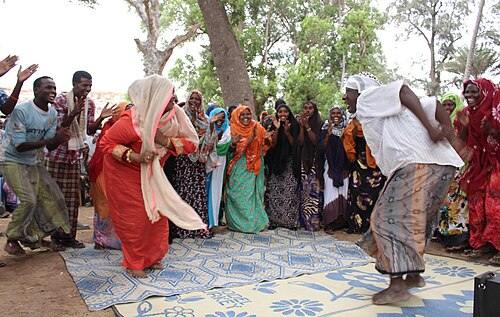
Travel and Tourism in Somaliland
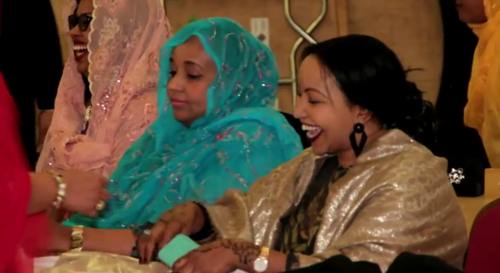
Despite its poverty, Somaliland is remarkably accessible for travellers. Major cities such as Hargeisa, Burao, and Berbera provide basic infrastructure, lively markets, and open communities willing to discuss politics and history. Sites like the Laas Geel cave paintings, dating back thousands of years, offer some of the most impressive rock art in Africa. Qaat chewing is a daily cultural practice, and visitors can experience traditional Somali cuisine, markets, and festivals. The port of Berbera offers opportunities for understanding trade dynamics, while the surrounding countryside showcases arid landscapes, mountains, and pastoral communities.
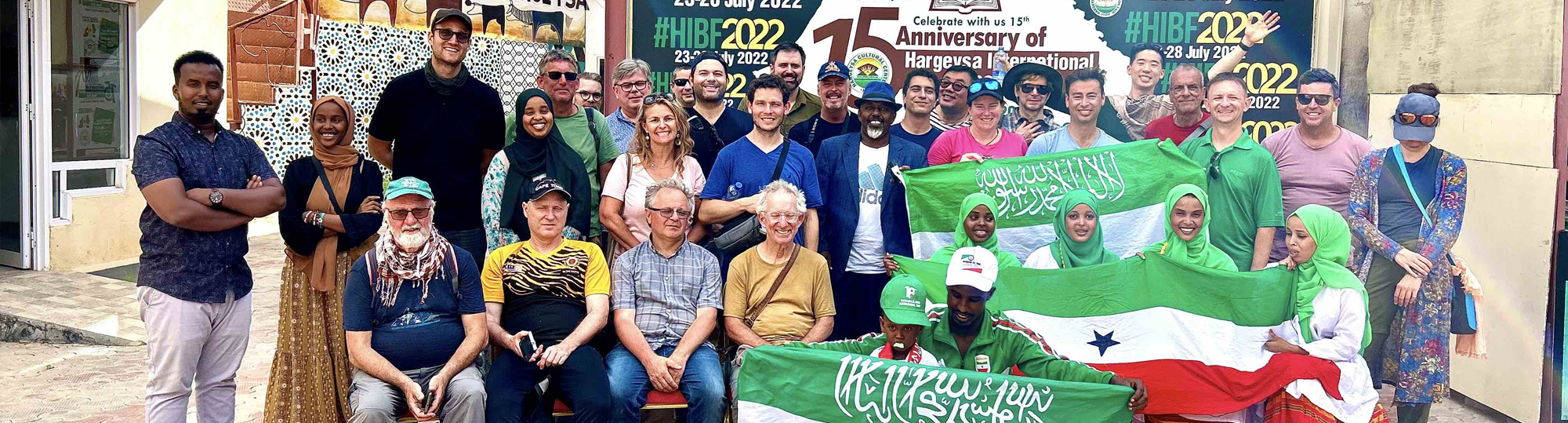
Travel in Somaliland is relatively safe for small groups, men travelling alone, and researchers. Roads are generally secure, and the population is welcoming, in stark contrast to southern Somalia. The combination of security, cultural richness, and untouched landscapes makes Somaliland one of the most under-explored regions in Africa.
The Future of Somaliland and Somalia
Somaliland has demonstrated that it is possible to maintain order, governance, and relative peace even in one of the poorest regions of the world. With international recognition slowly advancing, highlighted by Israel’s 2026 recognition it is likely that Somaliland will continue to build its institutions, attract investment, and maintain political stability.
Somalia’s path remains uncertain. While progress has been made in some southern regions, instability, clan conflict, and insurgency continue to challenge governance. The contrast between Somalia and Somaliland illustrates how historical decisions, governance, and clan dynamics shape the long-term trajectory of nations. For those seeking to understand the Horn of Africa, Somaliland stands as a functioning alternative to the chaos of Somalia, offering as well as what it means to be a nation state.
Click to see our tours to Somali and Somaliland.
About Post Author