Being the second city in a country that is notoriously one of the most boring in Africa hardly makes Nouadhibou exactly a metropolis. It is, though, an extremely important part of Mauritania, with its links to both the Iron Ore train and Western Sahara making it a focal point for much travel into the country. While it is not exactly a party place, its importance to the country means there is enough to see and do to keep you entertained for at least a few days. This is the Nouadhibou guide.
Table of Contents
What is the Nouadhibou Guide?
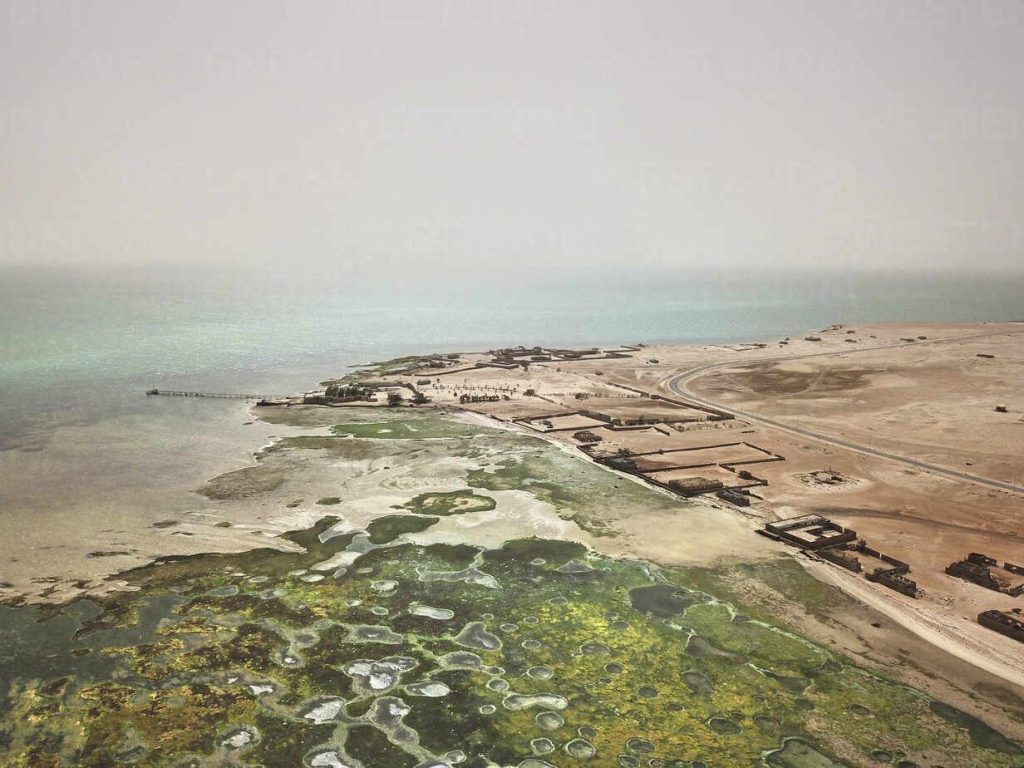
Nouadhibou is a city of contrasts. Founded as a small fishing settlement during the colonial French period, it gradually became Mauritania’s second largest city thanks to its strategic location on the coast. Today it is home to around 100,000 people and functions as a commercial hub for the iron ore industry, fishing, and trade with neighboring Western Sahara. Its proximity to the peninsula and the Atlantic gives it a unique geographic position, combining desert landscapes with the occasional bustle of port activity.
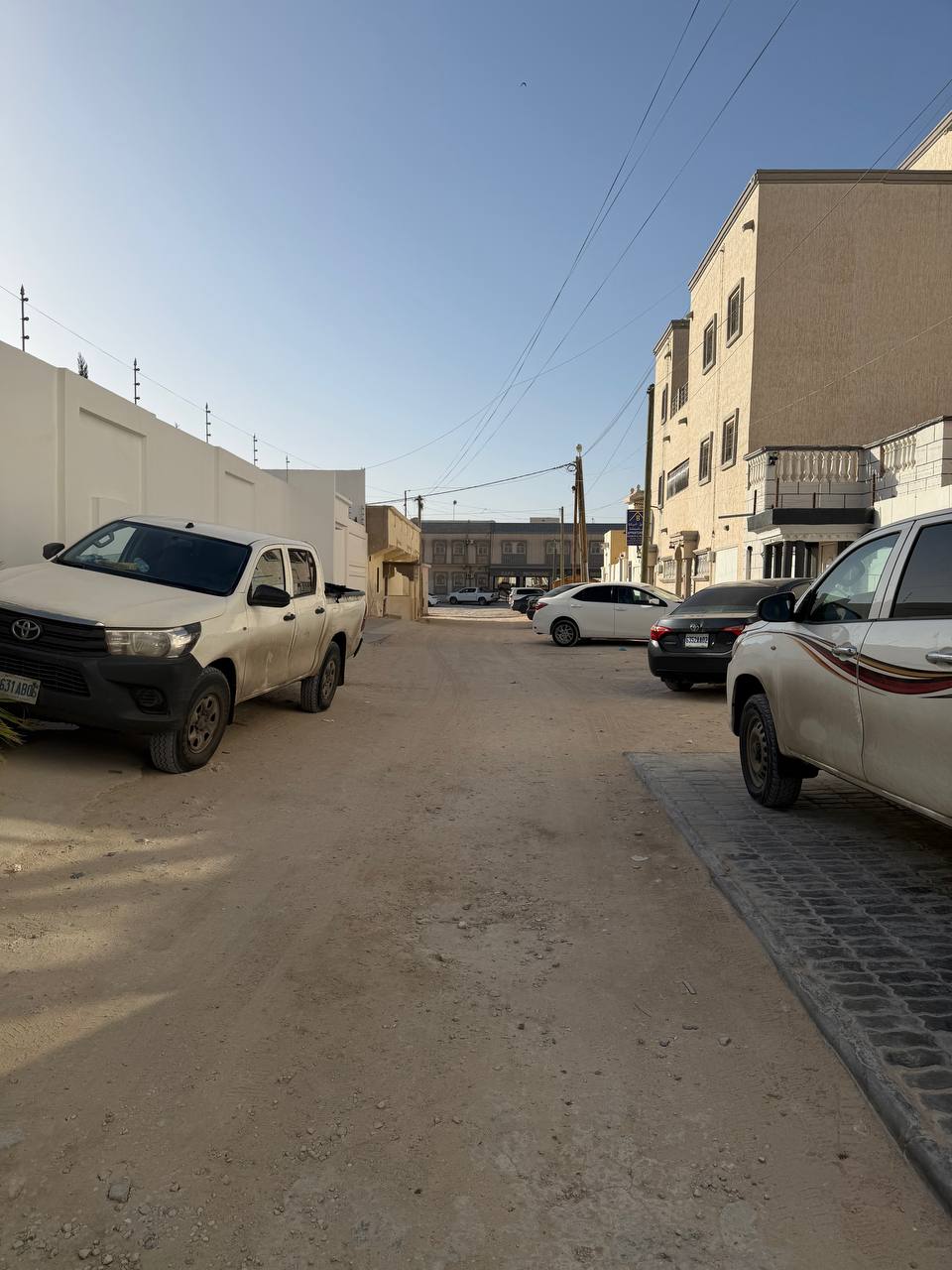
Despite the lack of traditional tourist infrastructure, Nouadhibou is crucial for understanding Mauritania’s economy and how the country connects to the wider region. The port is busy with fishing vessels and cargo ships, while the town itself is a mix of flat concrete buildings and sprawling informal settlements. It is here that travelers get a glimpse of real Mauritania, away from the desert highways and luxury resorts of the capital.
Links to Western Sahara
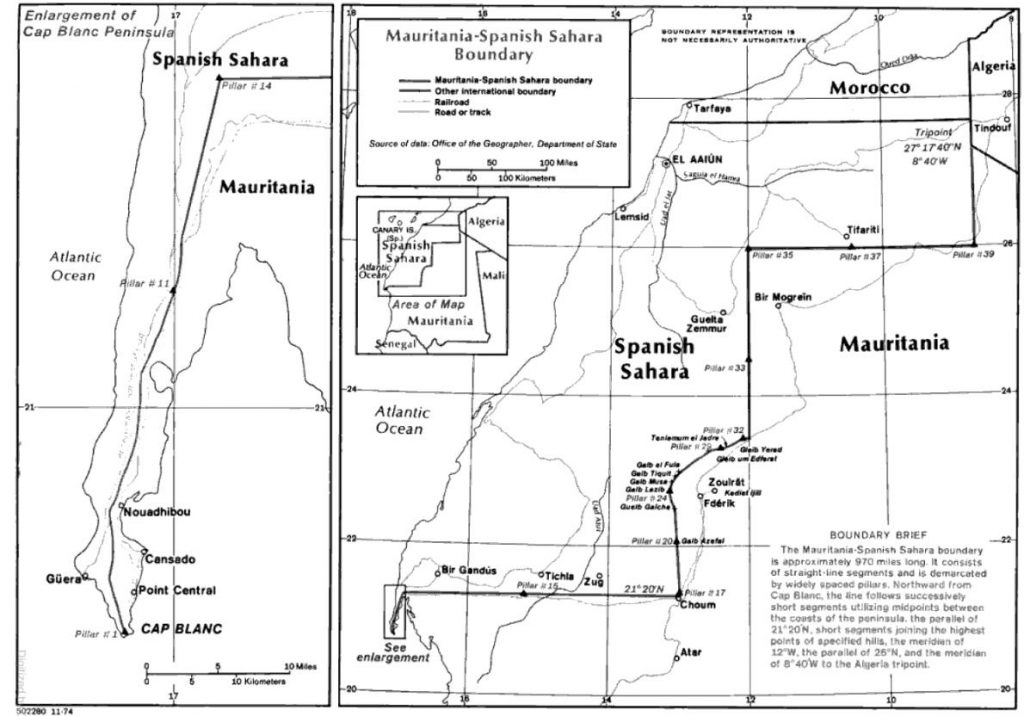
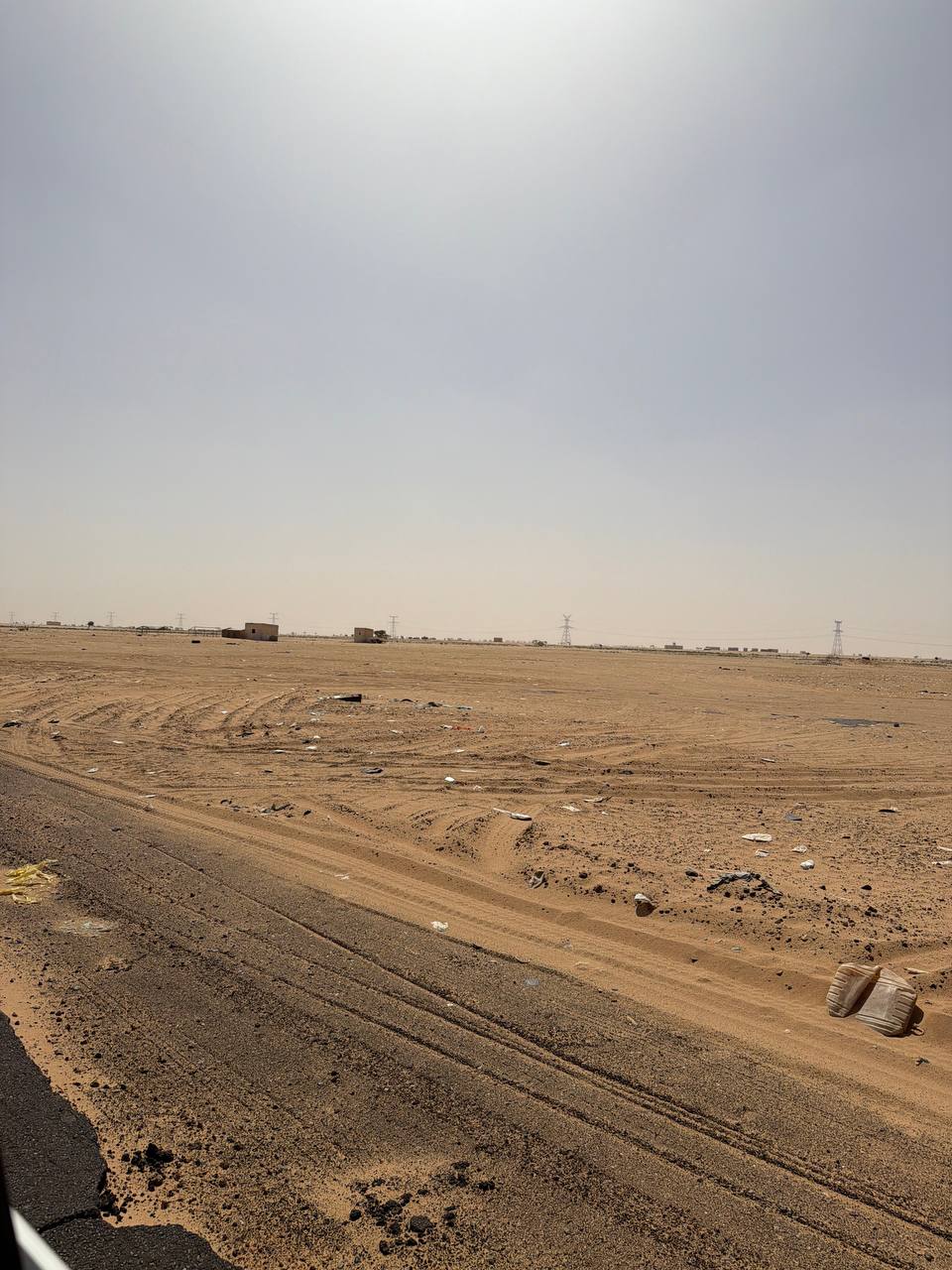
Nouadhibou is essentially perched on a thin stretch of land that juts into Western Sahara. The border is one of the oddest in the region, there is no barrier for most of its length, and many travelers cross it without even noticing. Technically, this is Moroccan-controlled territory, and it is easy to pick up a Moroccan cell signal in some parts of the peninsula. This proximity has historical roots, with trade and movement across the peninsula predating modern borders. For adventurous visitors, walking a short distance west can place you in the largely empty Western Sahara landscape, a region that is sparsely populated but geopolitically sensitive. And while we are neutral, we do still support the “status quo” here.
Understanding this geography is essential for anyone interested in regional politics, or just wanting to tick off a “crossed into Western Sahara” box while on a Mauritanian trip. The peninsula is barren but dramatic, with desert sands giving way to Atlantic tides, and for photographers or those who enjoy the strange edges of countries, it is worth a morning walk.
Click to check our Western Sahara Tours.
Links to the Mauritanian Iron Ore Train
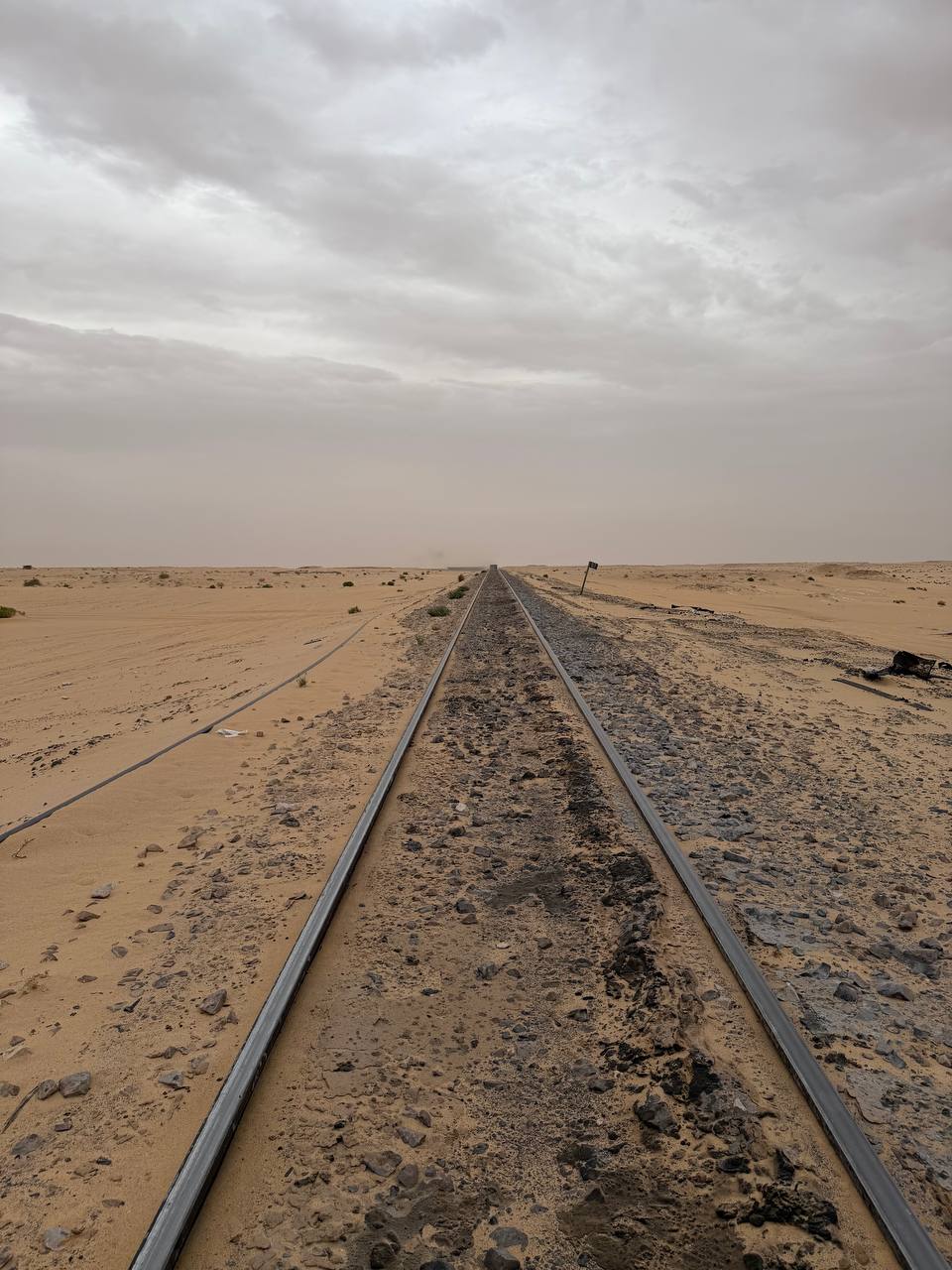
No visit to Nouadhibou is complete without seeing the legendary Mauritanian Iron Ore train. This is not a passenger train in the traditional sense; it is a rolling behemoth carrying iron ore from the mines near Zouérat across hundreds of kilometers to the port in Nouadhibou. The train is among the longest in the world, sometimes stretching for over two kilometers. Tourists rarely get on board, mainly because official passenger cars are scarce and heavily booked, but there are excellent vantage points along the route where you can watch this metallic river pass. It is fascinating to see, a reminder of how essential iron ore is to Mauritania’s economy.
The train runs almost daily, loaded with bright orange ore cars, hauled by powerful locomotives that thunder across the desert plains. Watching it pass, often with a backdrop of vast desert and an empty sky, is a quintessential Mauritanian experience. Some travellers even attempt to hop on unofficial cars, though it is risky and largely discouraged. Either way, seeing the train in action gives a tangible sense of the country’s resource-based economy and the scale of industrial activity in an otherwise quiet region.
What to Do in Nouadhibou Guide
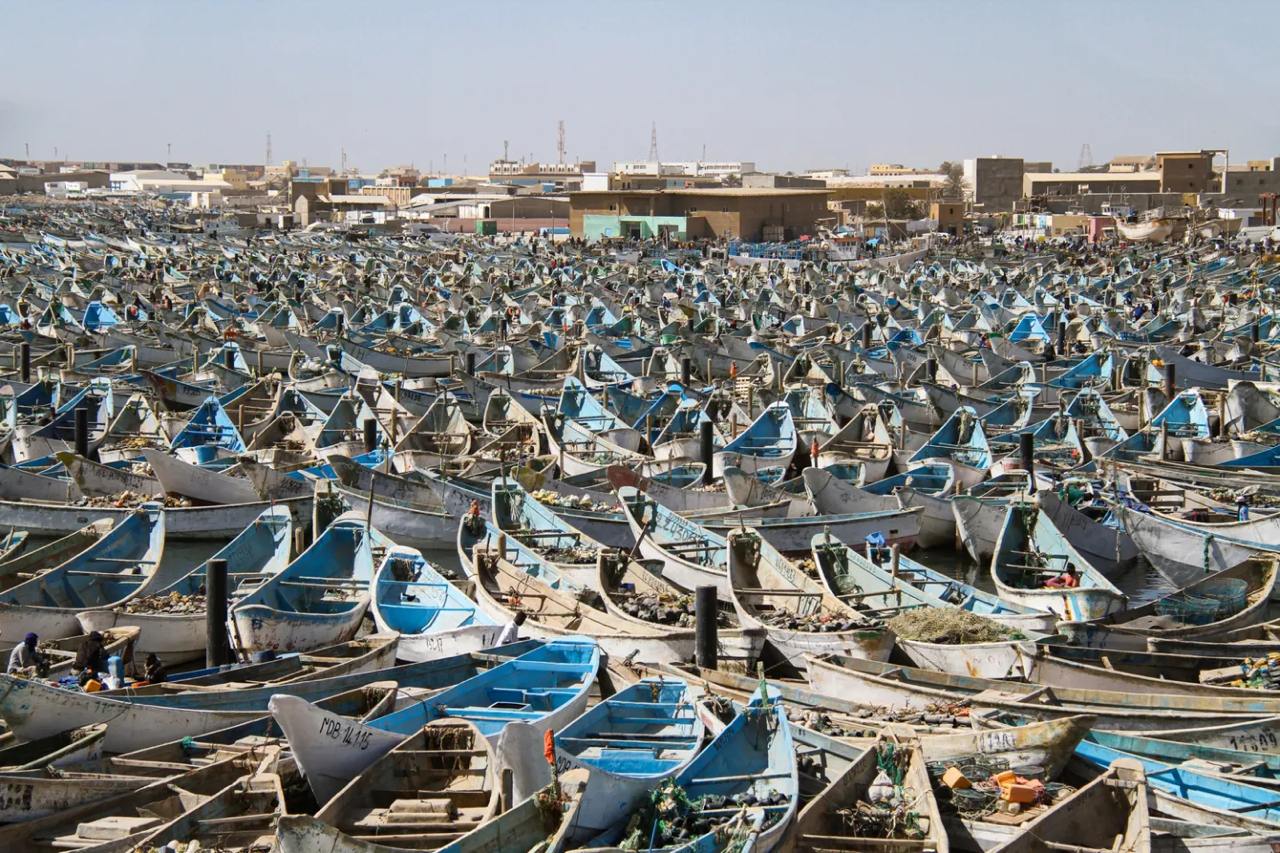
While Nouadhibou does not offer museums or nightlife, it has a character all of its own. The port is a magnet for those who enjoy watching the constant activity of fishing boats unloading their catch, maintenance crews hauling nets, and the occasional cargo ship being prepared for export. You can walk along the docks, watch fishermen at work, and see the real trade that sustains the city. Beyond the port, the city streets are a mixture of market stalls, small shops, and open-air workshops. There is a peculiar charm in wandering the backstreets, where you can observe daily life, barter at markets, and glimpse Mauritanian street culture.
Watching the Iron Ore train from nearby hills or open plains is also considered one of the main activities. For photographers or those seeking a desert-wetland contrast, Nouadhibou provides a rare combination of industrial spectacle and natural openness. Walking along the coastline at sunset offers a brief escape from the concrete and iron, with the Atlantic stretching to the horizon and the occasional heron or pelican interrupting the stillness.
Eating, Sleeping, and Getting Out of Nouadhibou Guide
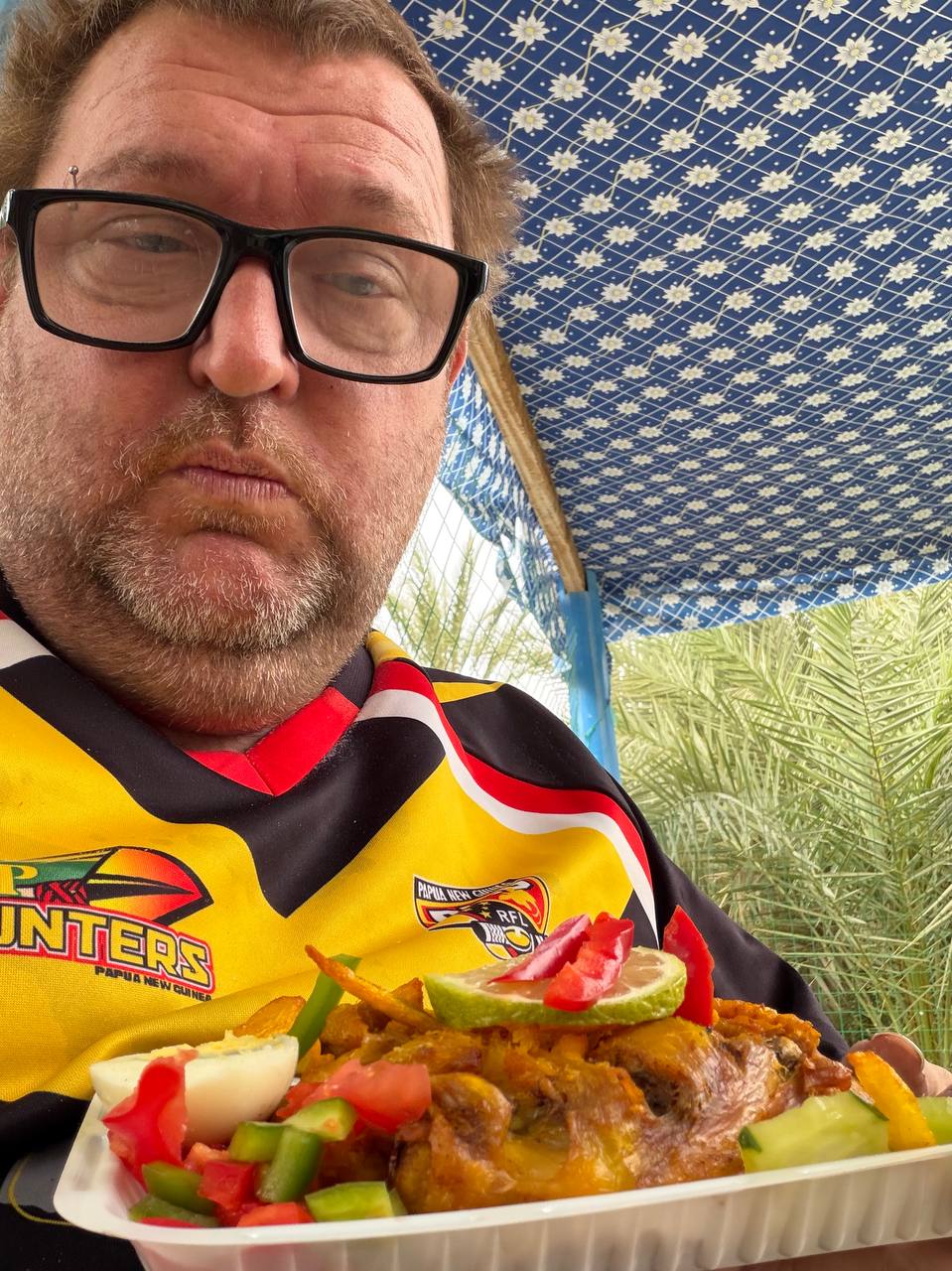
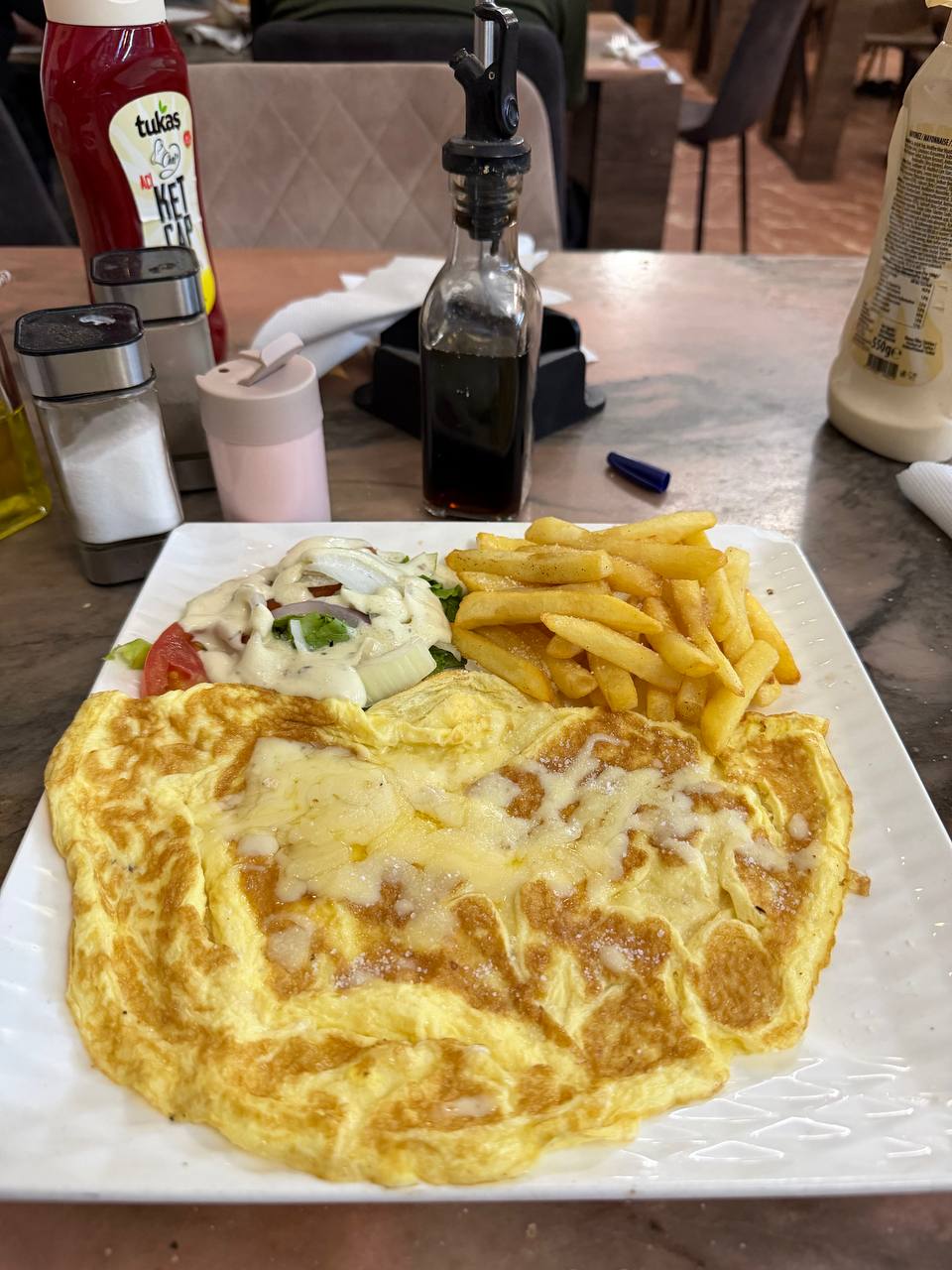
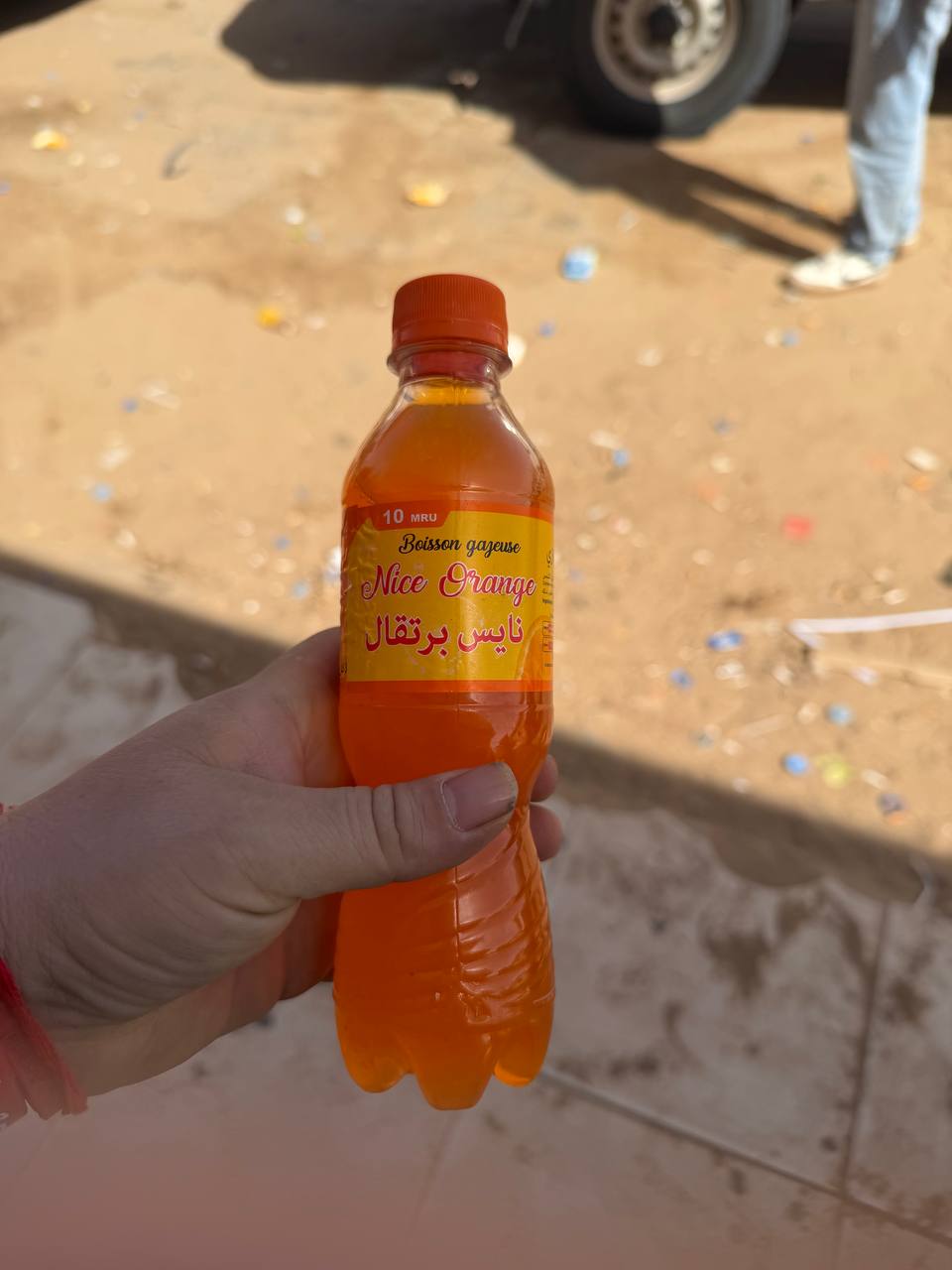
Eating in Nouadhibou is a modest affair but rewarding if you know where to look. Street food Nouadhibou is actually quite good. Simple grilled fish stands along the port serve freshly caught meals that cost little more than a few euros. Local breads, beans, and small snack stalls provide cheap options for lunch on the go. For more substantial meals, there are modest restaurants catering to locals and the occasional adventurous tourist.
Accommodation is similarly functional rather than luxurious, with a handful of guesthouses and hotels offering basic comfort. Most are near the centre or close to the port. Rooms are usually clean, with running water and electricity, though air conditioning can be inconsistent.
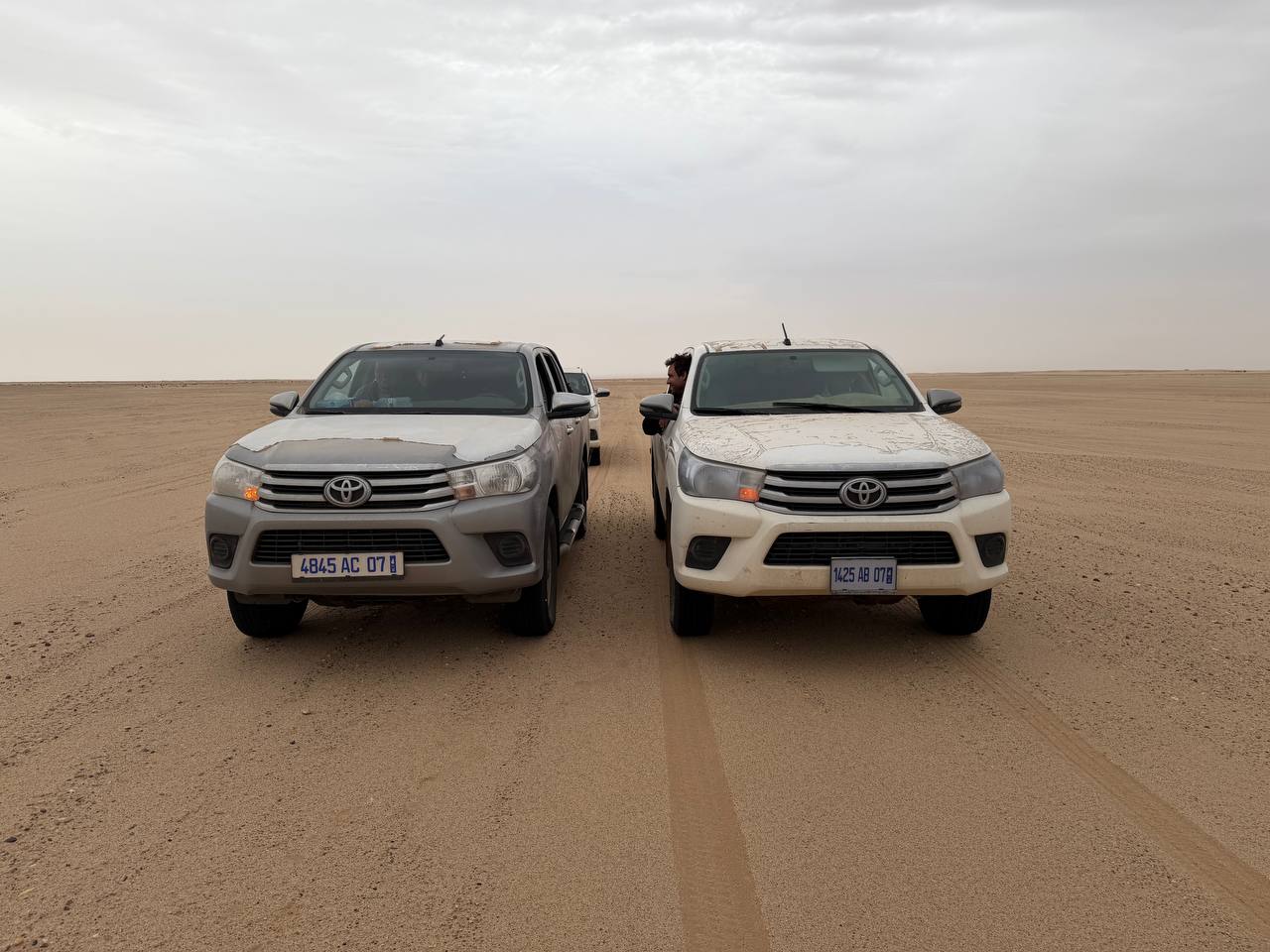
Getting out of Nouadhibou is relatively straightforward if you have time and patience. By road, the journey to Nouakchott, the capital, is around 700 kilometers and takes roughly 12 hours on the main highway. The drive itself is part of the Mauritanian experience, with desert landscapes, occasional sandstorms, and roadside villages marking the passage. For the truly adventurous, it is technically possible to catch a ride on a container ship leaving Nouadhibou for international ports. While this is neither quick nor guaranteed, it offers an unusual perspective on trade and transport along the West African coast. Either way, leaving Nouadhibou requires patience, flexibility, and a willingness to embrace the slow rhythms of life in this remote corner of Mauritania.
Conclusion
Generally speaking and at least on our Mauritania Tours we end a trip in Nouadhibou, rather than starting there. This though is a fluid thing depending greatly on how and if you manage to get on the train. Overall though it is a great place to spend a night at the start or indeed at the end of a trip that involves the train, or as part of a wide tour of this big interesting country.
About Post Author