by Andy Khong
A Hidden Jewel of South-East Asia
When you think of tropical fruits in South-East Asia, durians, mangosteens, rambutans, pomelos, snake fruit, and jackfruit usually come to mind. But tucked away in the vibrant markets and roadside stalls lies a delicious secret: the Langsat fruit (Lansium domesticum). Sweet, tangy, and refreshing, langsat is a must try for any traveler looking to experience authentic local flavors. Watch link here on the langsat fruit.
Where Does Langsat Come From?
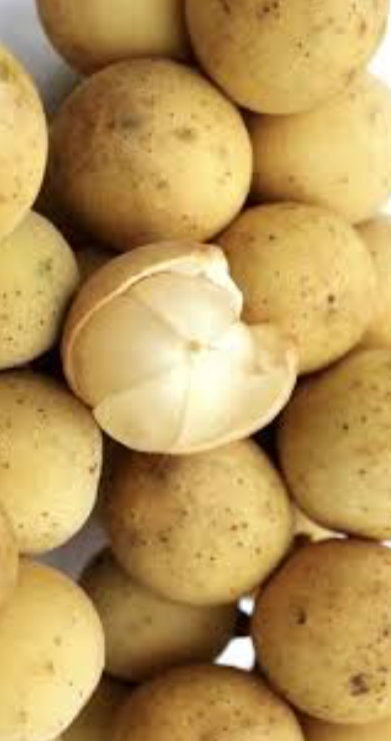
Langsat is native to the Malay Peninsula and western Indonesia, where it has been cherished for generations. From there, it spread across the region and is now a favourite in Malaysia, Indonesia, Thailand, and the Philippines. In Thailand, it’s popularly called “longkong”, while in Malaysia and Indonesia, you’ll often hear it referred to as “langsat, duku, or duku langsat”. Duku fruit is thicker- skinned, sweeter, often sold side-by-side with langsat – adding to the confusion of both fruits. Many locals even use the combined name “Duku Langsat”.
What It Looks and Tastes Like
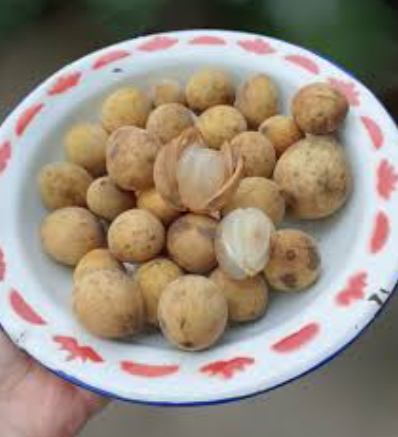
At first glance, langsat might look unassuming — small, round, pale-yellow fruits about half the size of a plum. But peel one open, and you’ll find translucent, segmented flesh that glistens like pearls.
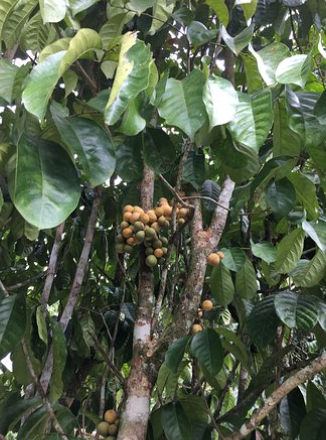
The taste? A refreshing mix of sweet and slightly sour, often compared to lychee with a hint of grapefruit. Some segments may have small seeds, but others are seedless and melt in your mouth. See how langsat is harvested from trees.
Why You Should Try It
Beyond its delicious taste, langsat is packed with goodness:
- Vitamin C to boost your immunity
- Fibre for healthy digestion
- B vitamins and minerals for energy
Read this link on medical uses of Langsat.
[Fun fact: locals sometimes burn the dried peel as a natural mosquito repellent!]
How Locals Eat Langsat
Most commonly, langsat is eaten fresh right after peeling. But you might also encounter it in:
- Jams and preserves
- Candied langsat, cooked in syrup
- Juices, sorbets, or yogurt mixes
If you’re exploring rural villages or homestays, don’t be surprised if your host proudly offers you langsat during its harvest season.
When and Where to Find It
Langsat is a seasonal fruit, usually available between July and October depending on the country. The best place to find it is in lively wet markets, though you’ll also see bunches sold by roadside vendors.
[Traveler’s Tip: Choose fruits that are firm but slightly tender with a yellowish hue. Avoid overly spotted ones. They’ll keep for a few days at room temperature, or up to a week in the fridge].
A Fruit with a Story
Unlike globally famous tropical fruits, langsat feels like a local secret — a fruit that connects you with tradition, seasonality, and community. By tasting langsat, you’re not just enjoying a snack — you’re savoring the culture of the region.
Final Bite
For first-time visitors to South-East Asia, langsat is more than just fruit. It’s an experience: peeling back its humble skin to discover sweet, juicy pearls of flavor that embody the warmth and hospitality of the region.
So next time you wander through a bustling market in Malaysia, Indonesia, Thailand, or the Philippines, look out for this golden treasure. Try it fresh, savor its taste, and let langsat be your first sweet introduction to South-East Asia’s hidden culinary wonders.
Check out YPT tours to South-East Asia.
About Post Author