Islam is the fastest growing religion in the world, including by birth rate into muslim households as well as by rate of conversion. With over almost two billion muslim in the world, across Asia, Europe, Americas, Africa and beyond. With such a significant population, there are many places of worship. Here are the largest mosques in the world based on worshipper capacity and how/ whether you can visit them!
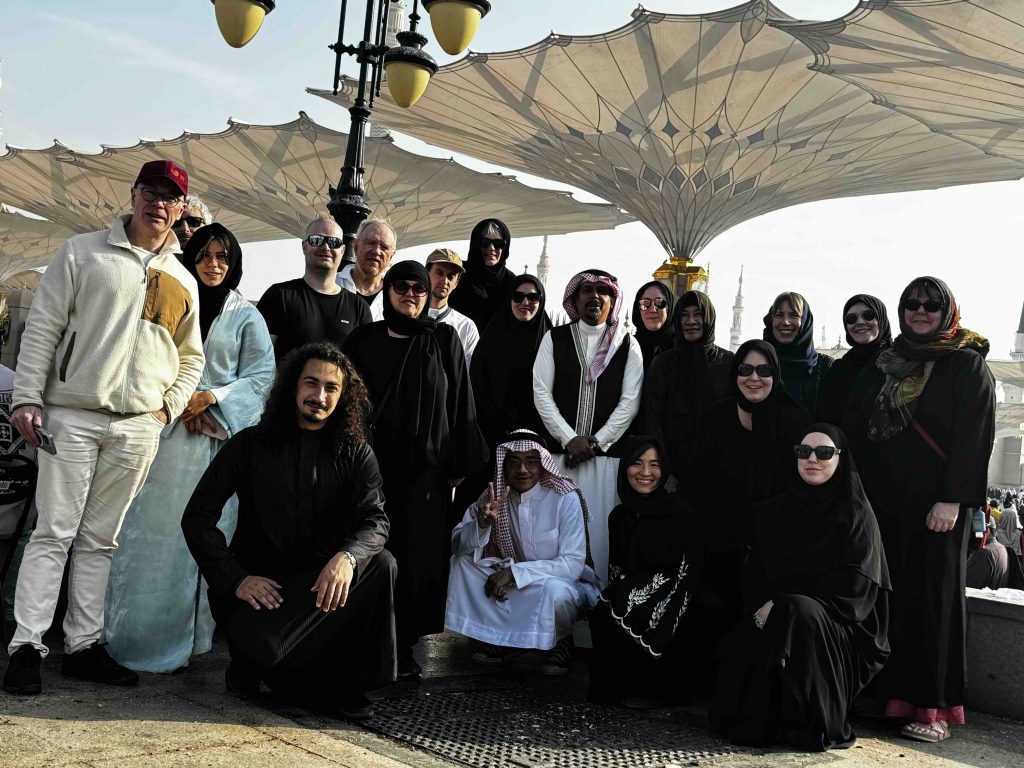
Table of Contents
1. Masjid Al Haram
Masjid al-Haram, located in Mecca, is the holiest site in Islam and the focal point of Muslim prayer worldwide. At the center of the mosque stands the Kaaba, a cube-shaped structure that Muslims face during their five daily prayers. The mosque surrounds the Kaaba with vast marble courtyards and multi-level prayer halls capable of accommodating millions of worshippers during major religious events. Pilgrims performing the Islamic pilgrimages of Hajj and Umrah gather here to perform the ritual of tawaf, circling the Kaaba seven times.
The mosque has been expanded numerous times throughout history by different Islamic rulers, including the Ottoman Empire and modern Saudi leadership. Today it is the largest mosques in the world, with towering minarets, extensive colonnades, and sophisticated infrastructure designed to manage the enormous flow of pilgrims. Despite its massive scale and modern additions, the spiritual center of the complex remains the Kaaba, believed by Muslims to have been originally built by the prophet Abraham and his son Ishmael.
Can you visit Masjid Al Haram?
Masjid Al Haram is perhaps the most important mosque for muslims and therefore entry is restricted for muslim worshippers only. If non-muslims break this law and visit even the city of Mecca, the penalty included fines deportation and even imprisonment.
2. Masjid An-Nabawi (Prophet’s Mosque)
Al-Masjid an-Nabawi, located in Medina, is the second holiest mosque in Islam after Masjid al-Haram. It was originally established in 622 CE by the Prophet Muhammad shortly after his migration from Mecca to Medina during the Hijra. The mosque began as a simple structure built with palm trunks and mud bricks, serving not only as a place of worship but also as a center for governance, education, and community life in the early Muslim society.
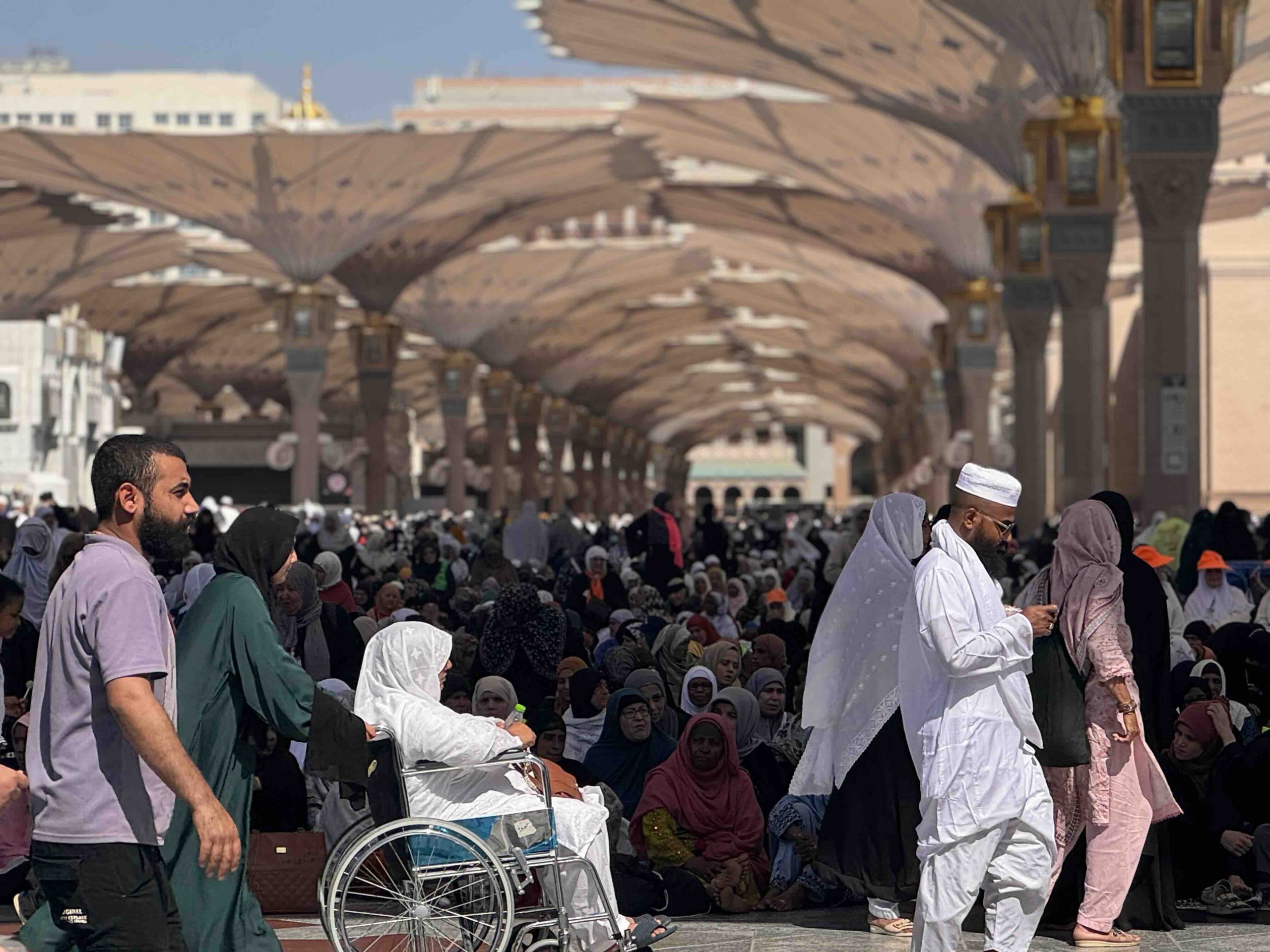
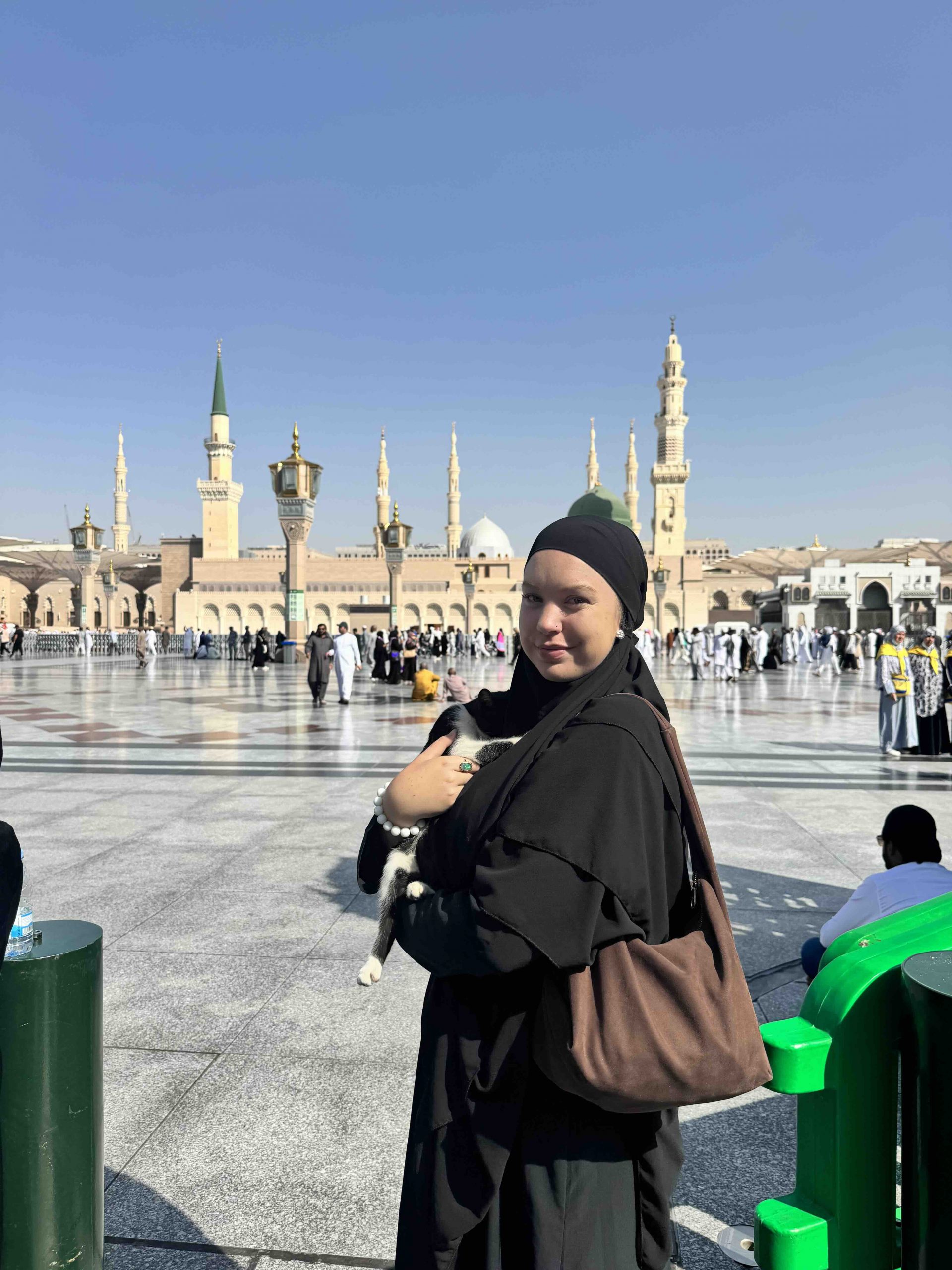
Over centuries, successive Islamic rulers expanded and beautified the mosque. Today it is an immense complex with elegant courtyards, retractable shade umbrellas, and multiple minarets. One of its most significant features is the Green Dome, which marks the location of the tomb of the Prophet Muhammad, as well as the graves of the first two caliphs, Abu Bakr and Umar.
Within the mosque lies the Rawdah, a revered prayer area believed to be one of the gardens of paradise. Millions of Muslims visit Masjid an-Nabawi each year, particularly during Hajj or Umrah journeys, to pray and pay their respects.
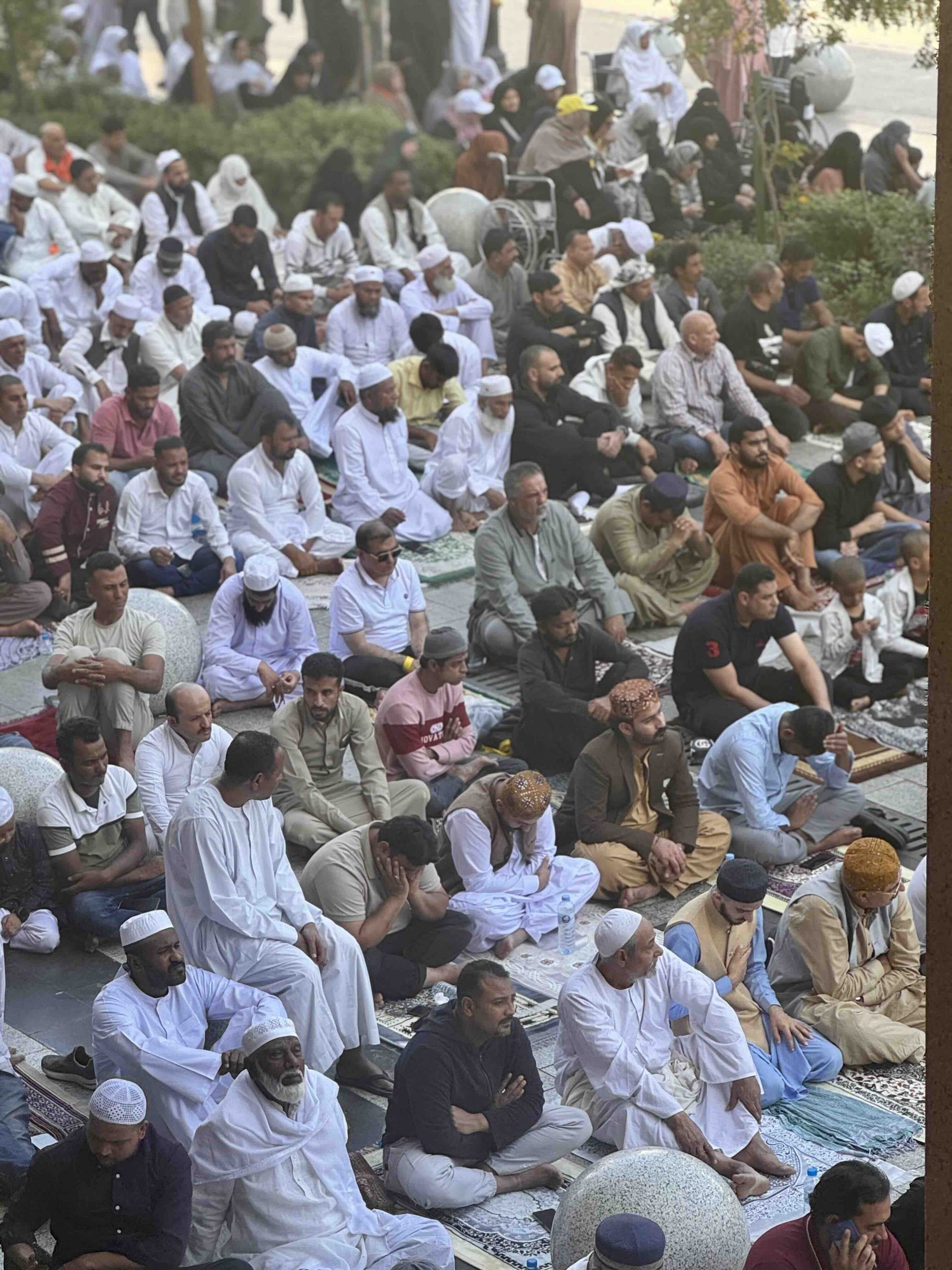
Can you visit Masjid An-Nabawi?
It is possible for non-muslims to visit the outside of the mosque, which is very beautiful, however access inside the gates are only permitted to Muslims.
Our Saudi Arabia group tours include a visit to the outside of the Prophet’s Mosque when we visit Medinah!
3. Imam Reza Shrine
Imam Reza Shrine in Mashhad is the most important religious site in Iran and one of the most significant pilgrimage destinations in the Shia Muslim world. The shrine contains the tomb of Ali al-Ridha, also known as Imam Reza, the eighth Imam in Shia Islam. He died in 818 CE and was buried in what was then a small settlement that eventually grew into the major city of Mashhad.
The shrine complex has expanded dramatically over centuries and now covers a vast area filled with mosques, courtyards, libraries, seminaries, and museums. Its architecture reflects centuries of Persian Islamic design, featuring golden domes, turquoise tilework, and intricately decorated iwans. The main golden dome above the tomb is one of the most recognizable symbols of Mashhad and draws millions of pilgrims annually.
For Shia Muslims, visiting the shrine is an act of devotion and remembrance of the Imams, who are considered spiritual leaders and descendants of the Prophet Muhammad. Pilgrims gather to pray, recite religious texts, and seek spiritual blessings. Beyond its religious importance, the Imam Reza Shrine also plays a major cultural and social role in Iran, functioning as a center for religious scholarship and charitable activity while remaining one of the largest mosques in the world and one of the most visited shrine complexes in the world.
Can you visit the Imam Reza Shrine?
Non-Muslim visitors are generally allowed to enter parts of the shrine complex, particularly the large courtyards and outer areas. However, access to the inner shrine where the tomb is located may be restricted to Muslims. In many cases, non-Muslims can still visit if they are accompanied by an official guide from the shrine administration, who explains the religious significance and ensures visitors follow the rules.
Visitors must follow a strict dress code. Women are required to wear a chador, which is usually provided at the entrance, and men must wear modest clothing such as long trousers and covered shoulders. Photography may also be restricted in certain areas.
Imam Reza is not only one of the largest mosques in the world but is one the largest shrines too.
4. Grand Jamia Mosque
Grand Jamia Mosque in Karachi is one of the largest mosques in the world and Pakistan. Located in Bahria Town Karachi, the mosque was designed to accommodate tens of thousands of worshippers and serves as a major center for Islamic prayer and community life in the city. Construction began in the 2010s and reflects a modern interpretation of classical Islamic architecture.
The design of the mosque draws inspiration from historic Mughal architecture, particularly the grand mosques of South Asia such as the Badshahi Mosque in Lahore. Built largely from beige stone, the structure features four large minarets, multiple domes, and a vast central courtyard. The mosque’s interior prayer hall is supported by hundreds of pillars and decorated with traditional geometric and floral motifs.
Beyond its scale, the Grand Jamia Mosque functions as a hub for religious education and community gatherings. It hosts sermons, Quranic studies, and religious celebrations, particularly during major Islamic events such as Ramadan and Eid al-Fitr. As Karachi continues to grow as one of the largest cities in the Muslim world, the mosque represents both the city’s religious life and its architectural ambitions, combining traditional Islamic design with contemporary construction on a monumental scale.
Can you visit the Grand Jamia Mosque?
Grand Jamia is one of the largest mosques in the world that is open to visitors, although access may be limited during Friday prayers or major religious events, when the space is reserved for worshippers. Photography is usually permitted in the outer areas but may be restricted inside the main prayer hall.
5. Al-Aqsa
Al-Aqsa Mosque, located in Jerusalem, is one of the most sacred sites in Islam and the third holiest mosque after Masjid al-Haram and Masjid an-Nabawi. The mosque sits within the larger compound known to Muslims as Al-Haram al-Sharif. According to Islamic tradition, it is closely associated with the Isra and Mi’raj, during which the Prophet Muhammad is believed to have traveled from Mecca to Jerusalem and ascended to heaven.
The current mosque structure dates largely to early Islamic periods, particularly during the rule of the Umayyad Caliphate in the 7th century. Over time it has undergone many reconstructions due to earthquakes, political changes, and historical conflicts. Architecturally, the mosque features a large prayer hall topped by a lead-covered dome and supported by rows of arches and columns.
Al-Aqsa holds deep religious significance for Muslims worldwide and is a central place of prayer and pilgrimage. It can accommodate thousands of worshippers, especially during Friday prayers and the month of Ramadan. Beyond its religious role, the mosque and its surrounding compound are also at the heart of political and historical tensions in Jerusalem, making it one of the most symbolically important and contested religious sites in the world today.
Can you visit Al-Aqsa?
Non-Muslims can visit the compound where the Al-Aqsa Mosque is located, but access is restricted and conditions can change depending on the political and security situation in Jerusalem.
However, non-Muslims are usually not permitted to enter the Al-Aqsa Mosque prayer hall itself. Access to the mosque building is reserved for Muslim worshippers. Non-Muslim visitors can walk around parts of the compound and view the site from the outside, including the nearby Dome of the Rock, but entry into the interior religious structures is generally restricted.
Visitors must follow strict rules while inside the compound. Religious displays by non-Muslims, such as prayer or visible religious symbols, are not allowed. Modest dress is also expected.
How YPT Can Help You Visit The Largest Mosques In The World!
YPT can assist with organising tours to Saudi Arabia, Iran and Pakistan to visit (from the outside or within where permitted) the largest mosques in the world!
About Post Author