Set on the Atlantic coast, Luanda is a city that often surprises first-time visitors. It’s a busy, fast-growing capital with modern towers and heavy traffic, but once you start exploring, you notice how much history and culture are woven into the city. Colonial forts, colourful murals, and the ocean that is never far away.
For a long time, Angola wasn’t a typical travel destination in Africa, partly because visas used to be difficult to obtain, which kept the country off the radar for many travellers. That’s no longer the case; citizens from almost 100 countries can now visit Angola visa-free for up to 30 days.
After finally visiting Angola myself and completely falling in love with the country, I realised just how much there is to discover there. That’s why I wanted to share some of the places that make Luanda special and show what the city has to offer.
Table of Contents
1. Walk Along the Luanda Marginal and Luanda Bay
One of the best ways to get a feel for the city is by walking along Avenida 4 de Fevereiro, commonly known as the Marginal. This waterfront promenade curves around Luanda Bay, offering ocean views on one side and the modern skyline on the other. Palm trees line the path, popular with locals jogging, cycling, or enjoying the sea breeze.
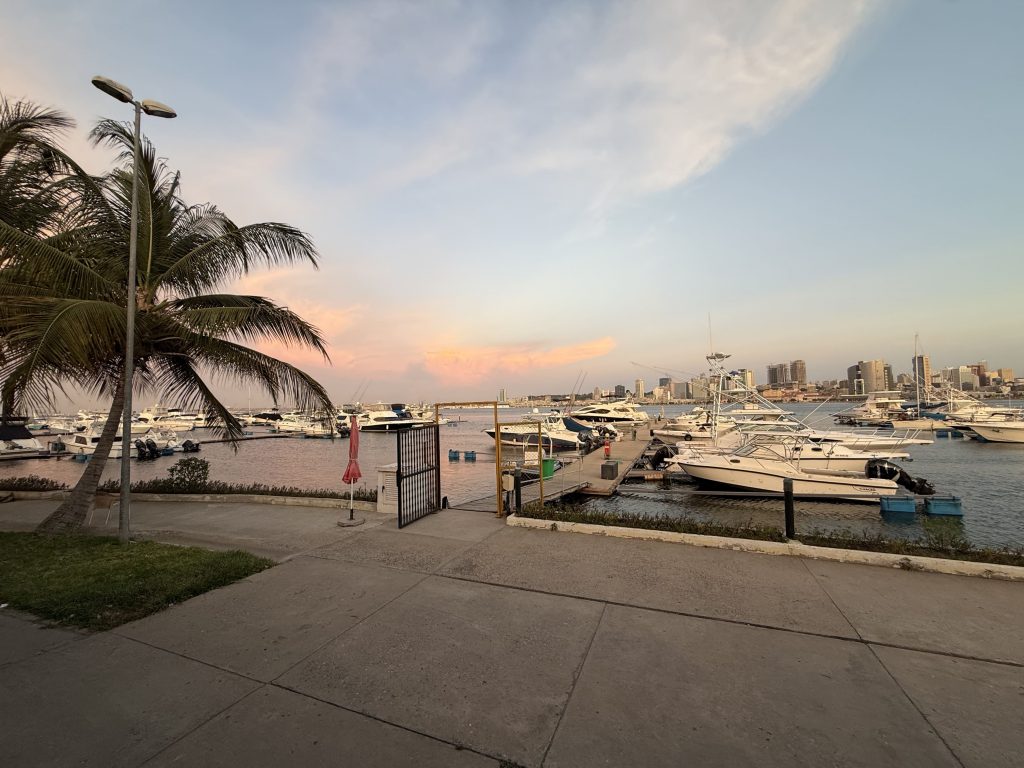

Take your time exploring the bay itself, where fishing boats and yachts sit in the harbour. Stop at Clube Náutico da Ilha de Luanda for some fresh seafood.
Late afternoon is the best time to visit, as the sun begins to set over the Atlantic, and the temperature is milder.
2. Spend a Day at a Beach Club
Luanda sits right on the ocean, and taking advantage of the coastline and its pristine beaches is a must. One relaxing option is spending the day at a beach club.
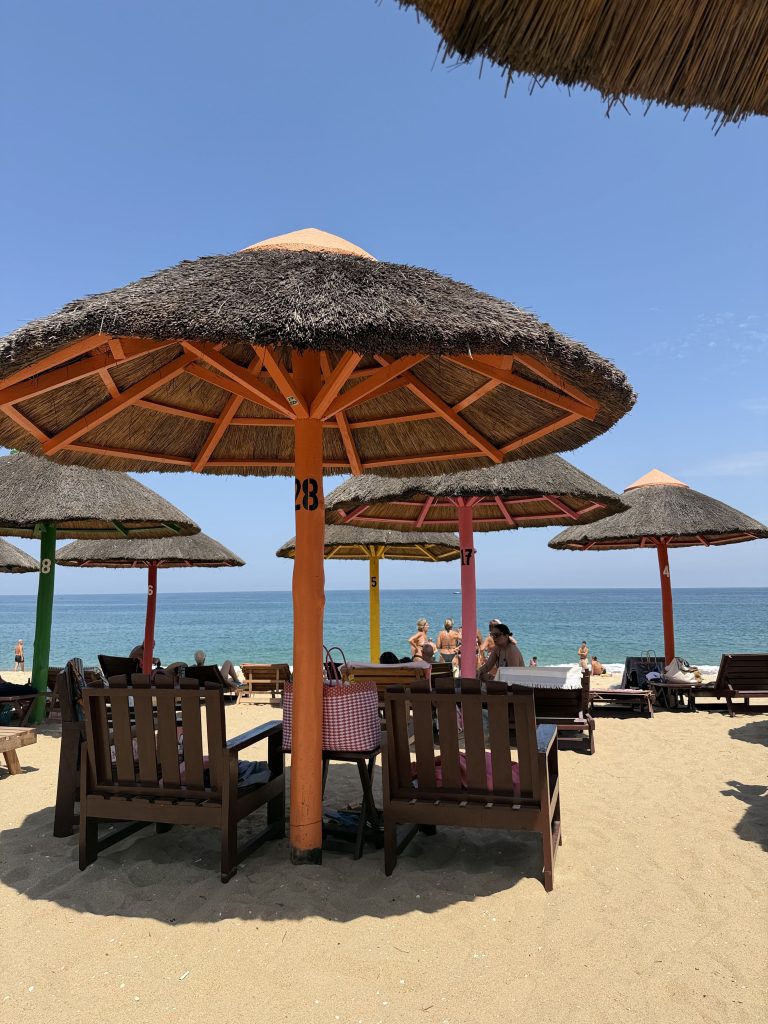
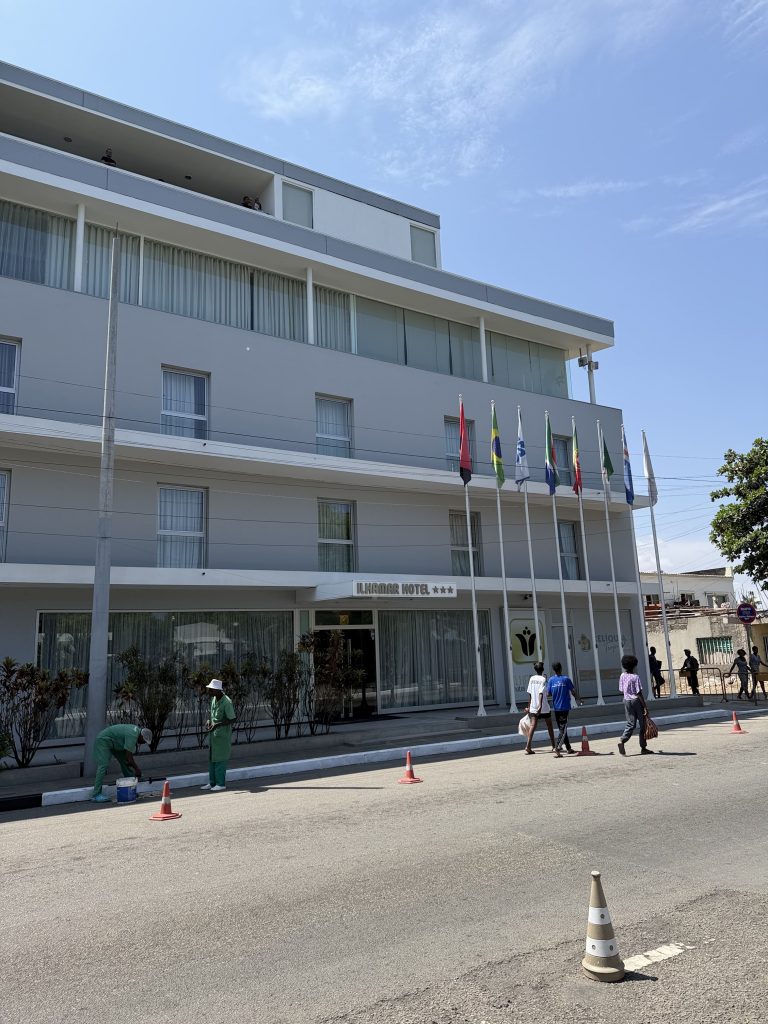
A big tip is to stay at Hotel Ilhamar. The hotel is located in a quiet area with beautiful views. Guests have access to a private beach, with chairs, umbrellas, and beach towels provided, making it easy to settle in for the day. Food and drinks can be ordered directly to your lounge chair, so you can spend hours simply enjoying the ocean and the sun.
Even if you’re not staying at the hotel, visitors are welcome to stop by and enjoy the beach club.
3. Explore the Fortress of São Miguel
Overlooking the city from a hilltop is Fortaleza de São Miguel, one of Luanda’s most important historic landmarks.
The fortress was built by the Portuguese in the late 16th century, shortly after the founding of Luanda. For centuries, it served as the main defensive structure protecting the colonial city and its harbour.
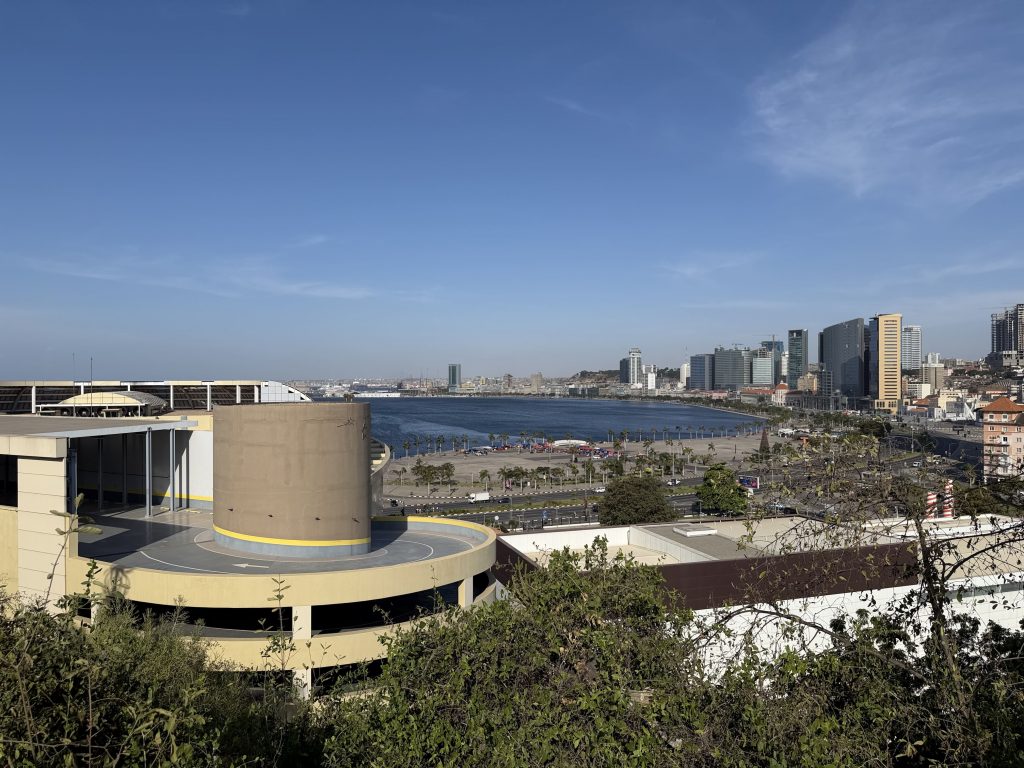
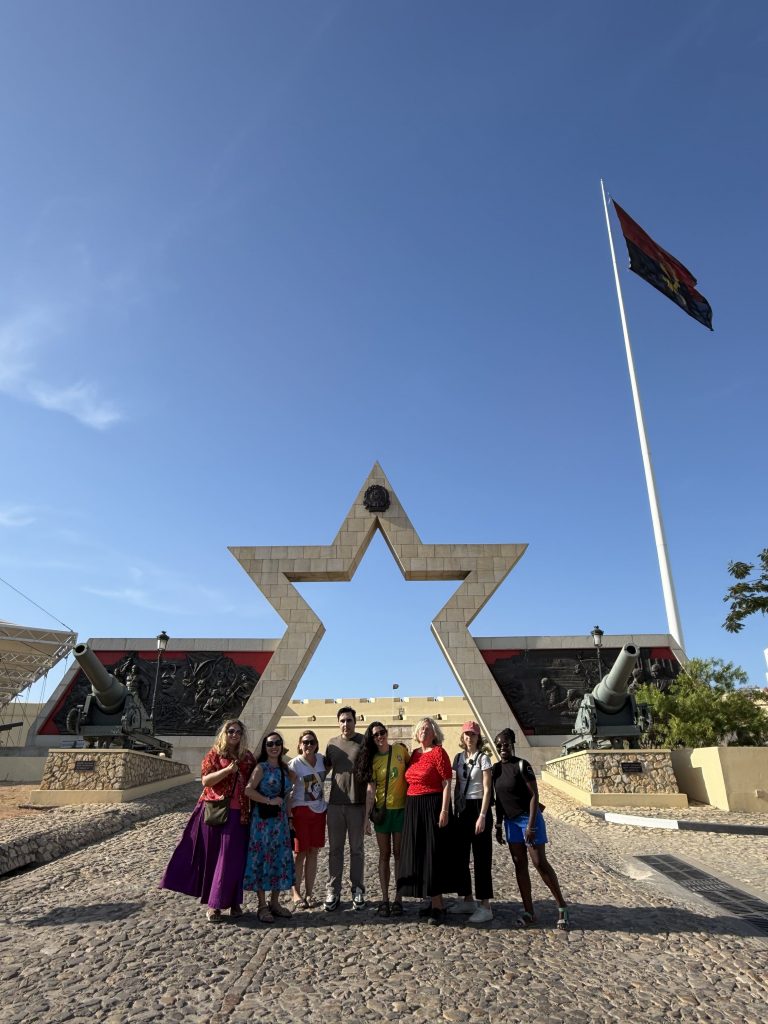
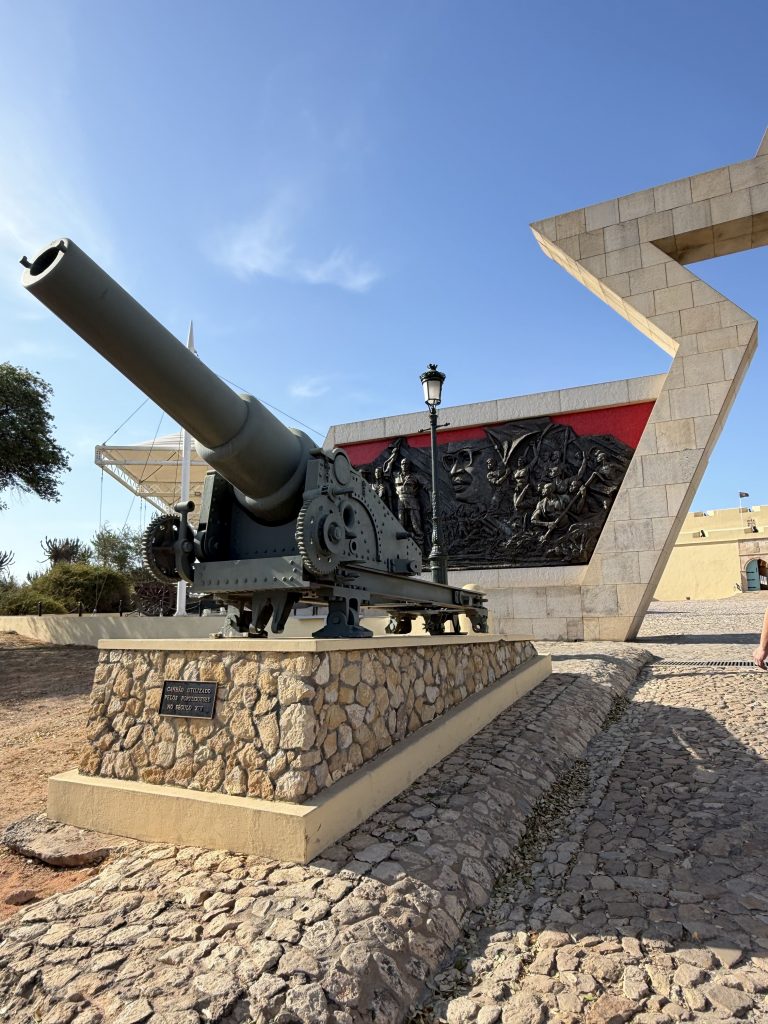
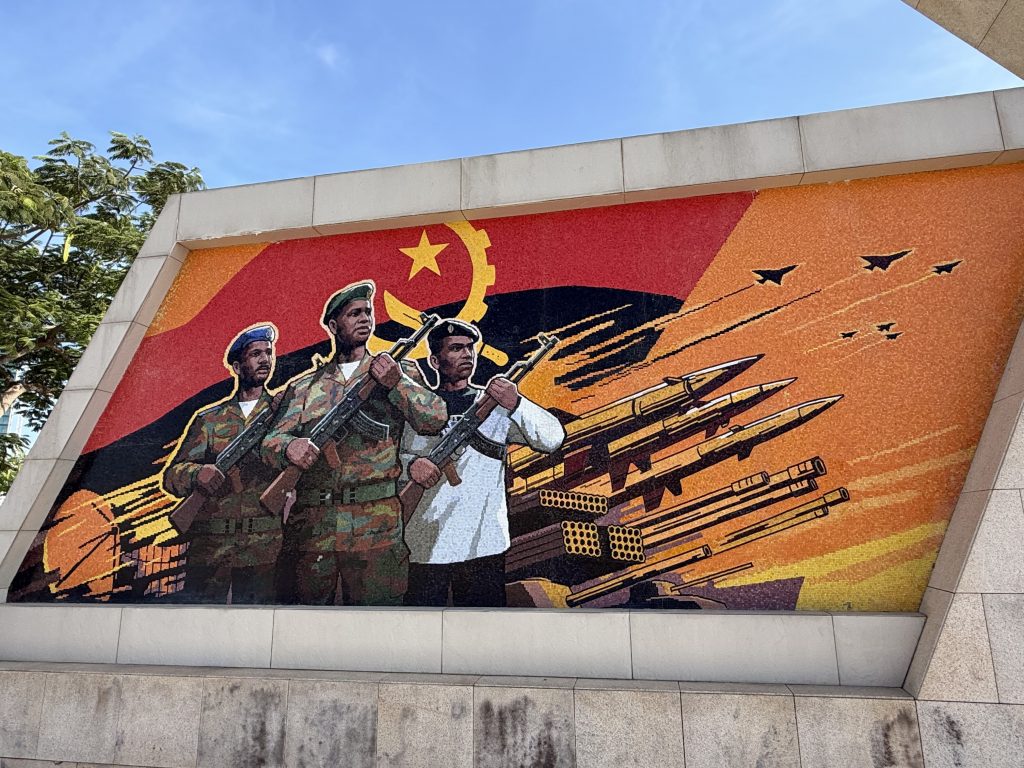
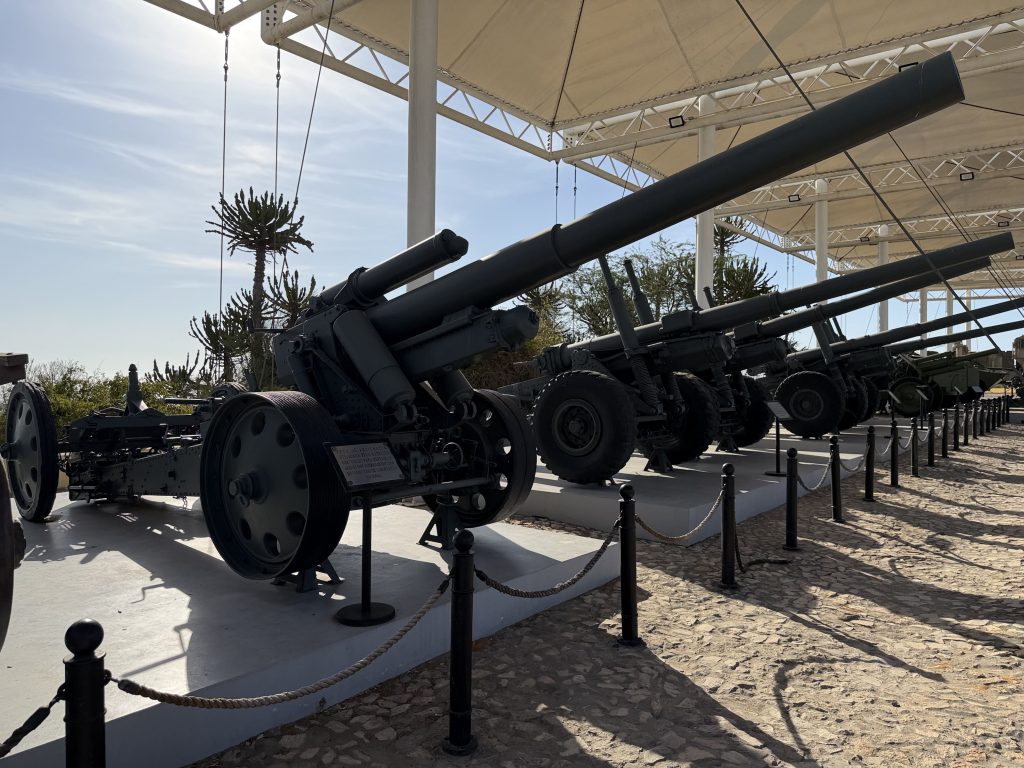
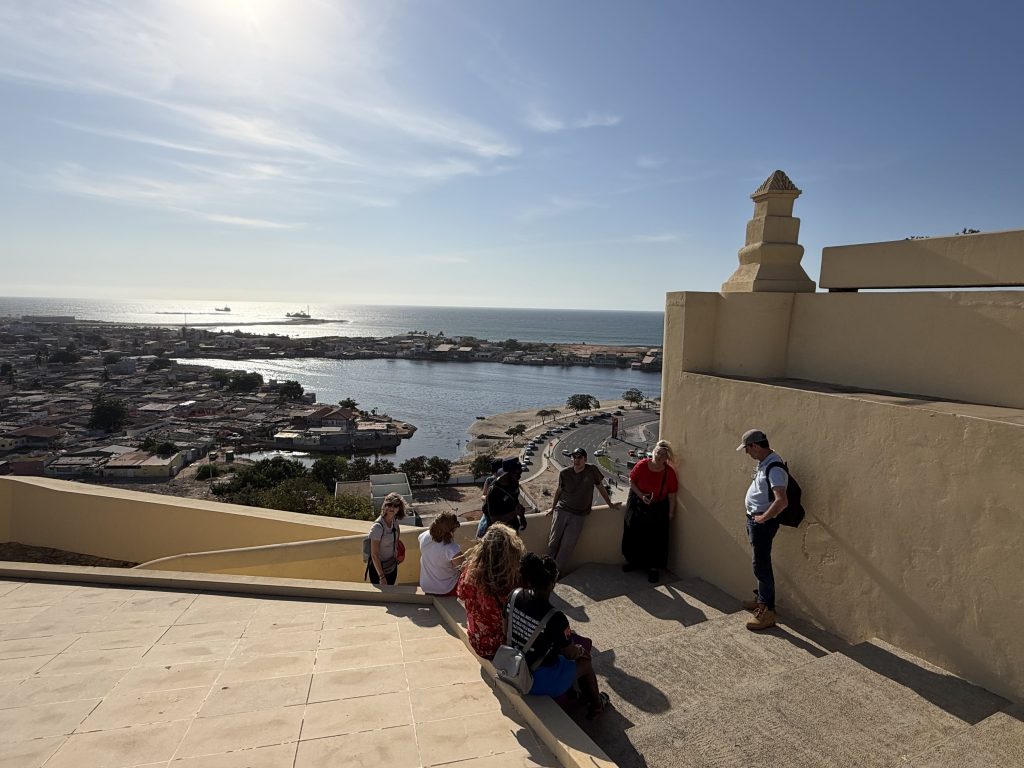
Inside the fortress walls, you’ll find old cannons, tiled murals depicting scenes from Angola’s history, and museum exhibits related to the country’s military past. Beyond the history, the real highlight is the view, you can see the entire city, the bay, and the coastline.
4. Visit the National Museum of Slavery
A short drive outside the centre is the Museu Nacional da Escravatura, one of the most historically significant sites in the region.
The museum is located in a small white chapel. During the colonial era, enslaved Africans were brought here to be baptised before being sent across the Atlantic. From this coastline, thousands of people were transported to the Americas.
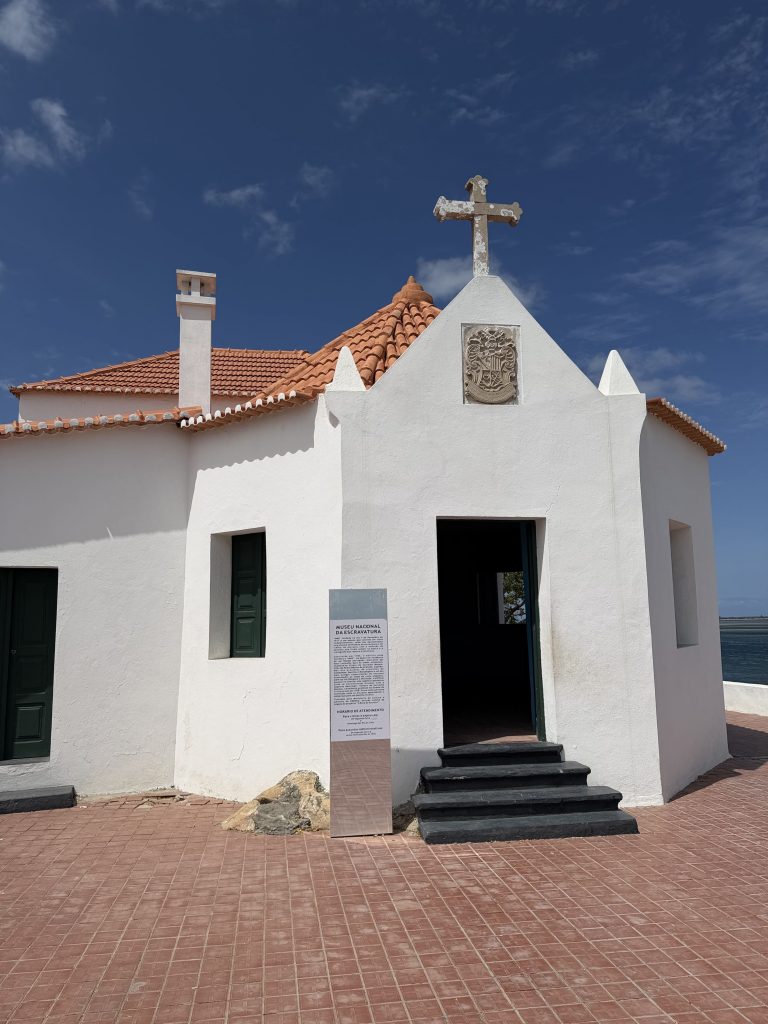
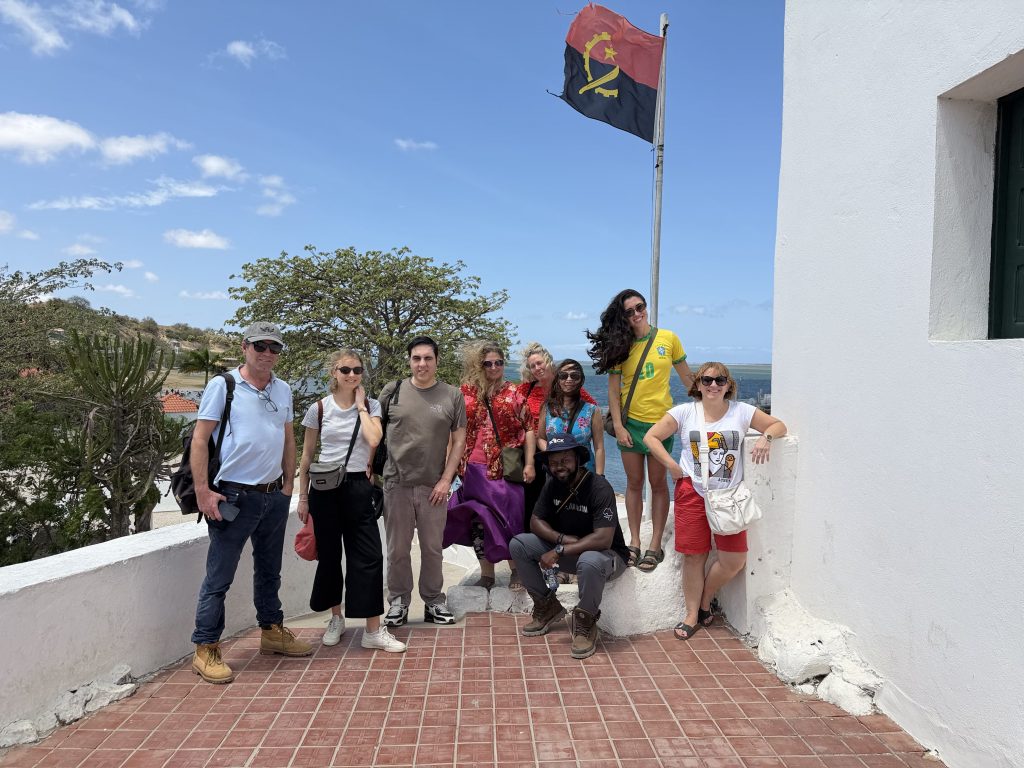
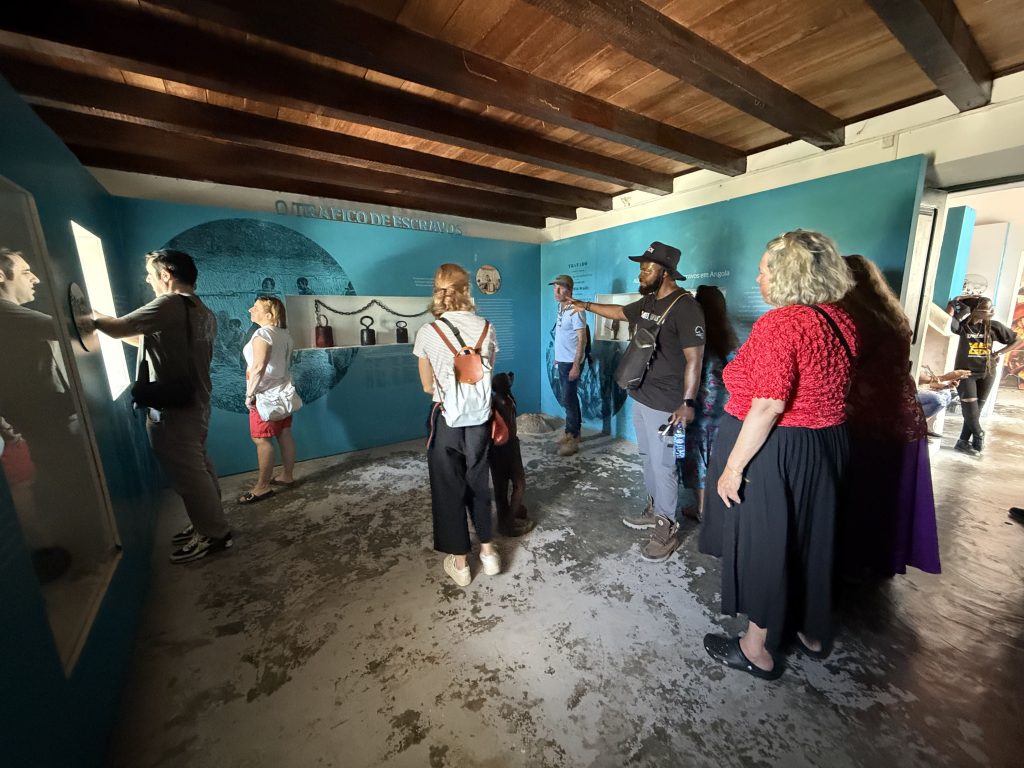
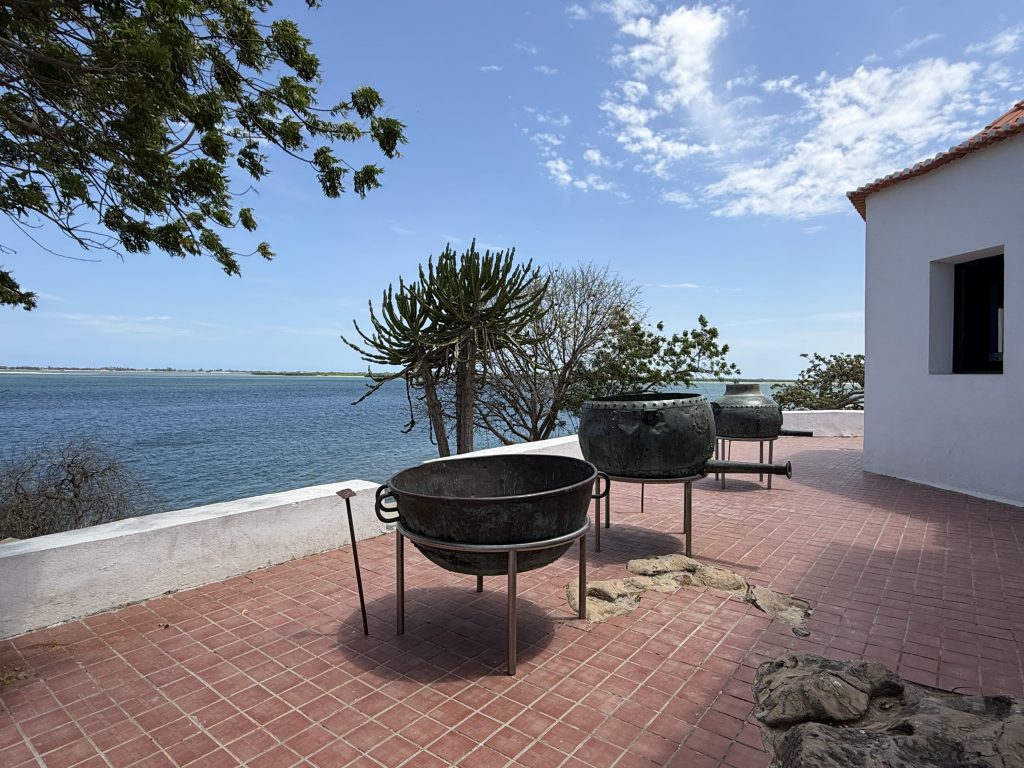
Today, the museum displays artifacts, documents, and exhibitions that explain Angola’s role in the transatlantic slave trade.
5. Browse the Local Craft Market
Just outside the National Museum of Slavery, you’ll find the Mercado de Artesanato, where artisans sell handmade items.
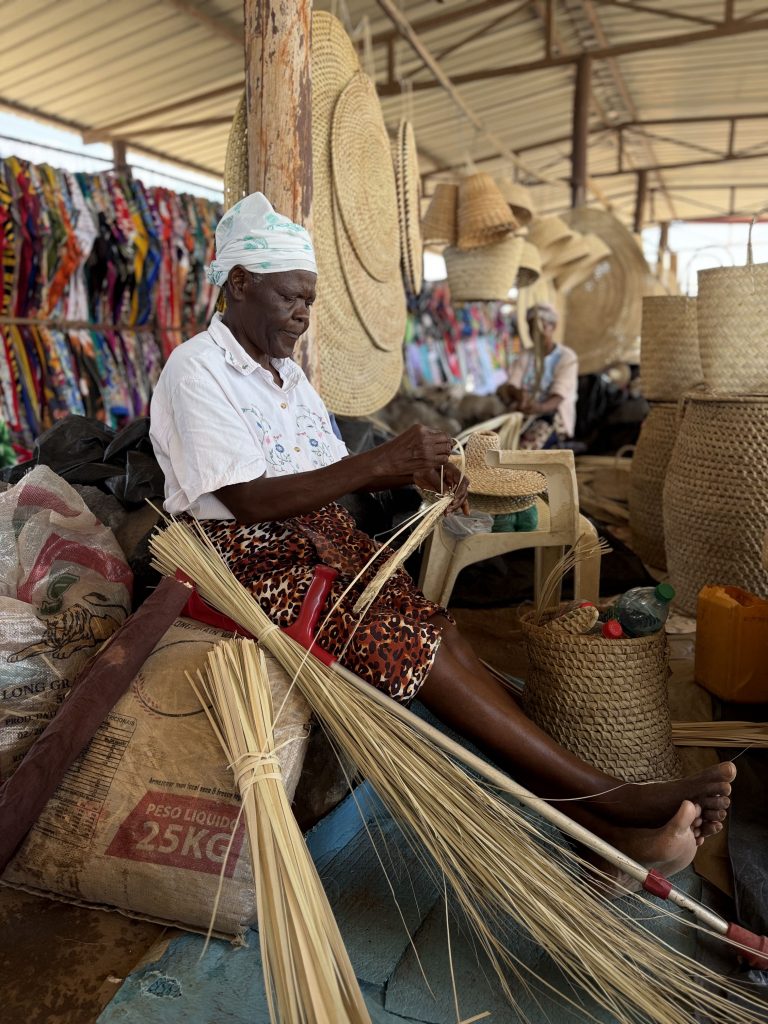
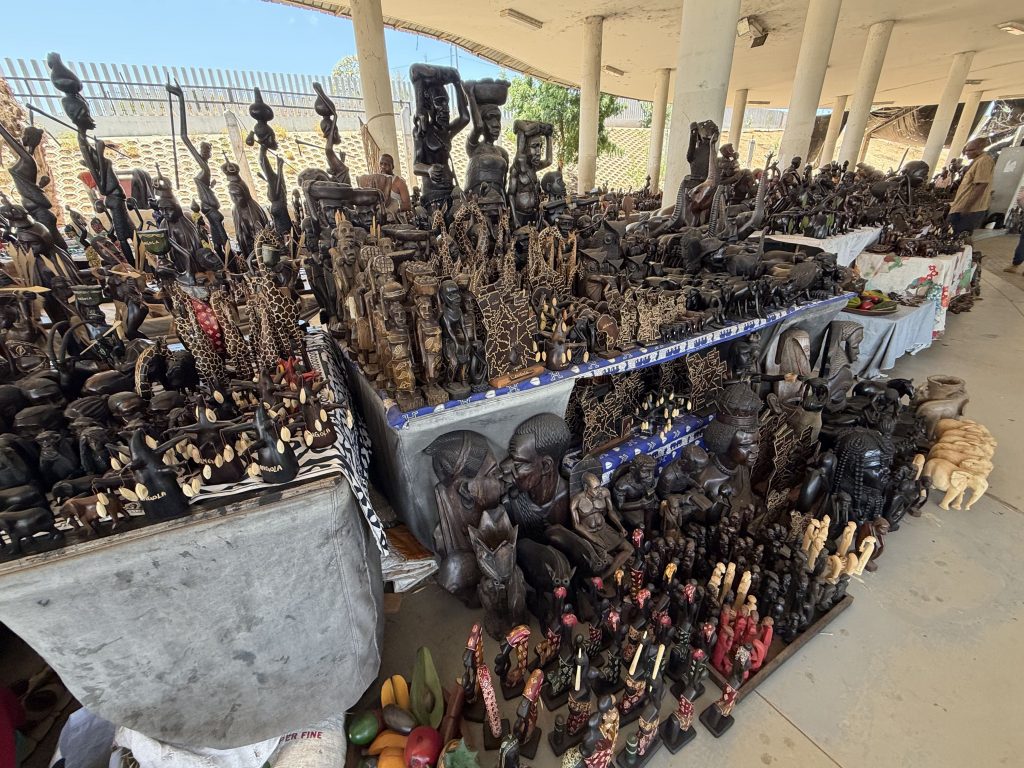
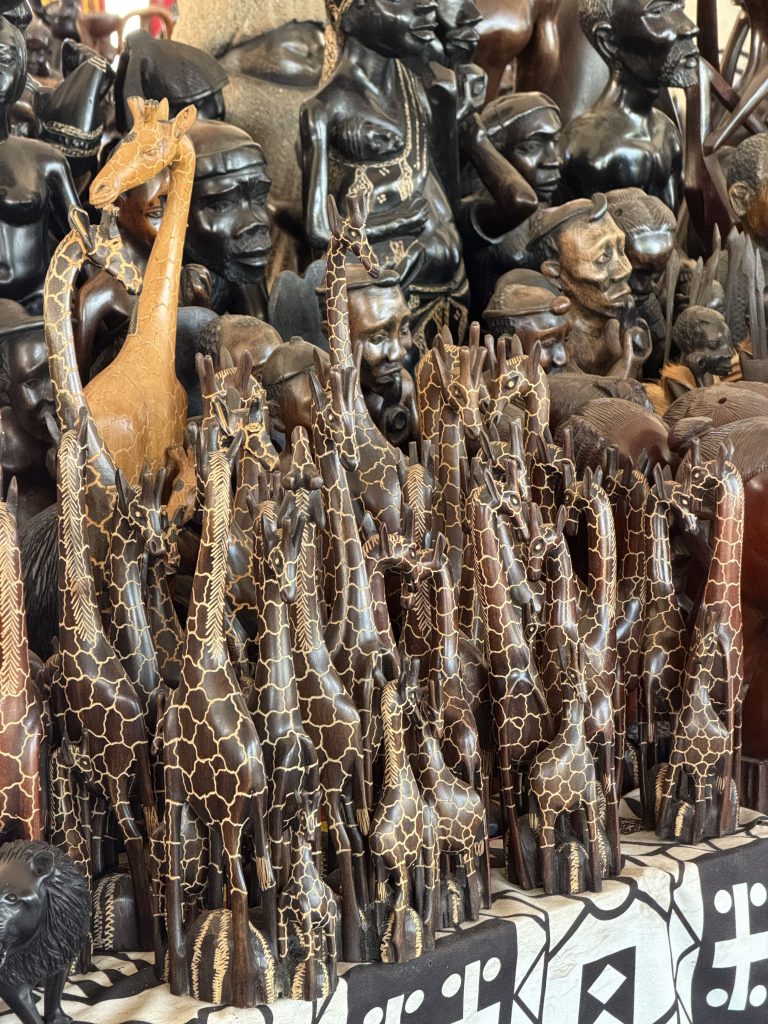
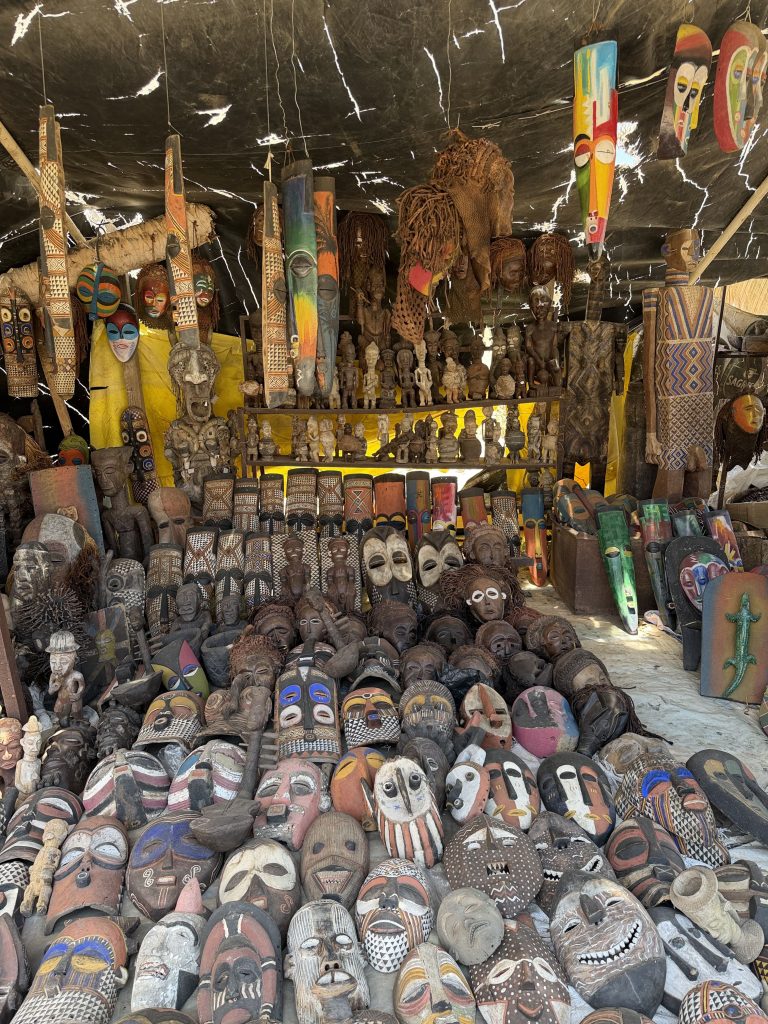
Stalls display wooden carvings, traditional masks, paintings, woven baskets, and jewellery made from local materials. The market has a relaxed and friendly atmosphere, and many of the sellers are the artists themselves.
It’s a great place to pick up a souvenir while supporting local craftspeople. Even if you’re not planning to buy anything, it’s worth taking a walk through the stalls.
6. See the Iron Palace
One of the most unusual buildings in Luanda is the Palácio de Ferro.
This ornate iron structure was imported from Europe in the 19th century and assembled in Luanda during the colonial period. Its design is often linked to Gustave Eiffel, the engineer famous for creating the Eiffel Tower.
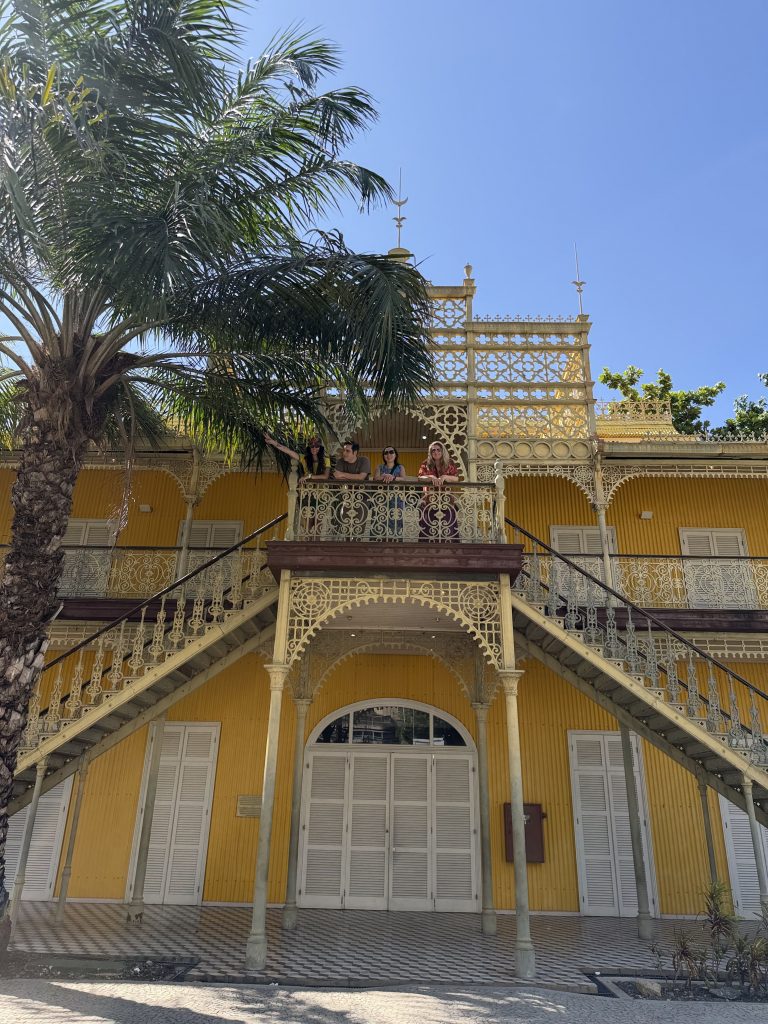
After years of neglect, the building was restored and today hosts exhibitions, art events, and cultural activities. Its delicate iron balconies and decorative details make it a distinctive piece of architecture in the city.
7. Visit Praça da Independência
The Independence Square sits at the centre of the city and has long been an important gathering place.
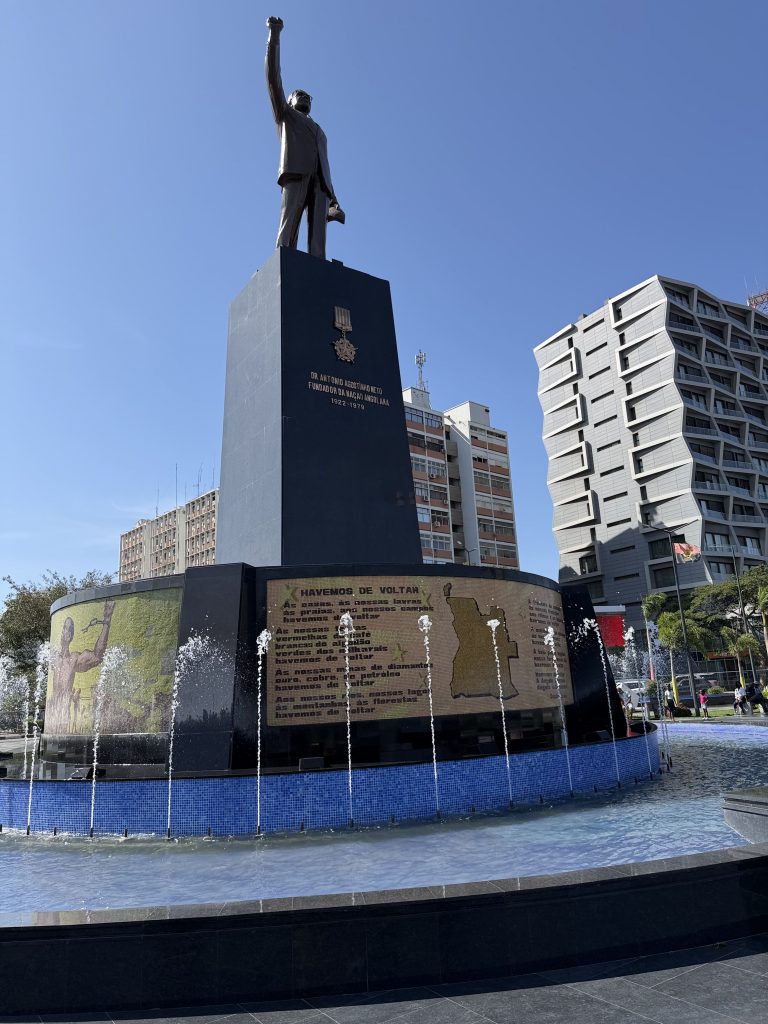
The square commemorates Angola’s independence from Portugal in 1975 and is surrounded by important government buildings and monuments. A large statue honours the country’s first president, Agostinho Neto.
8. Look for the Colourful Murals from the Airport
The drive from Quatro de Fevereiro International Airport to the city centre offers views of the street art.
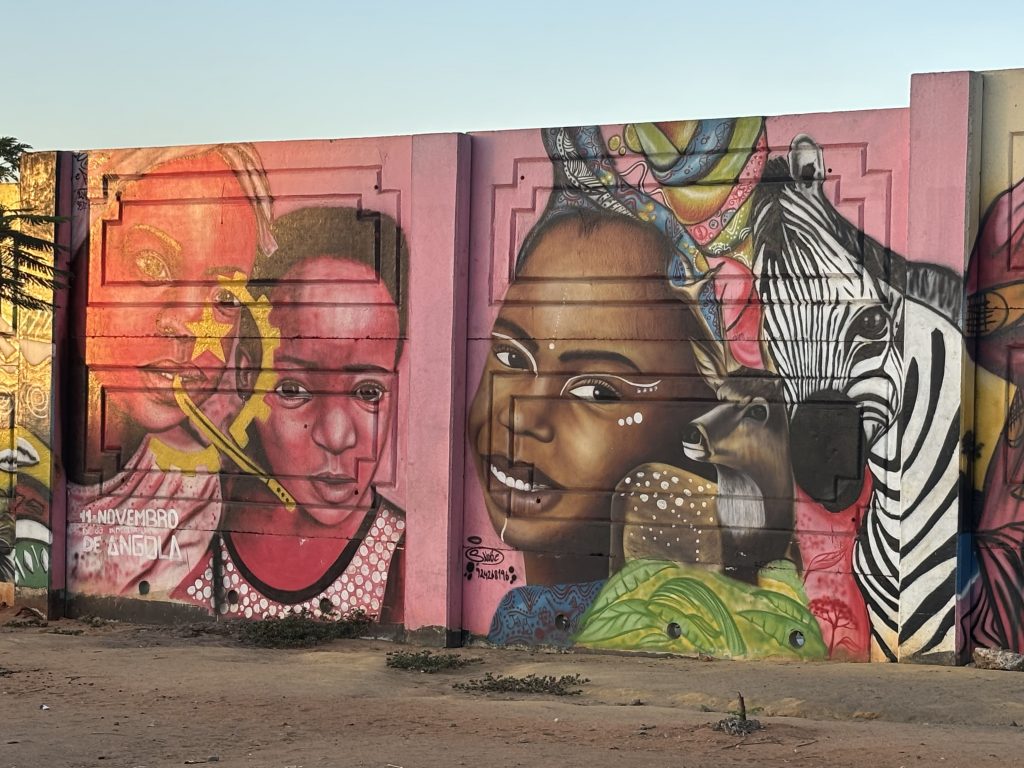
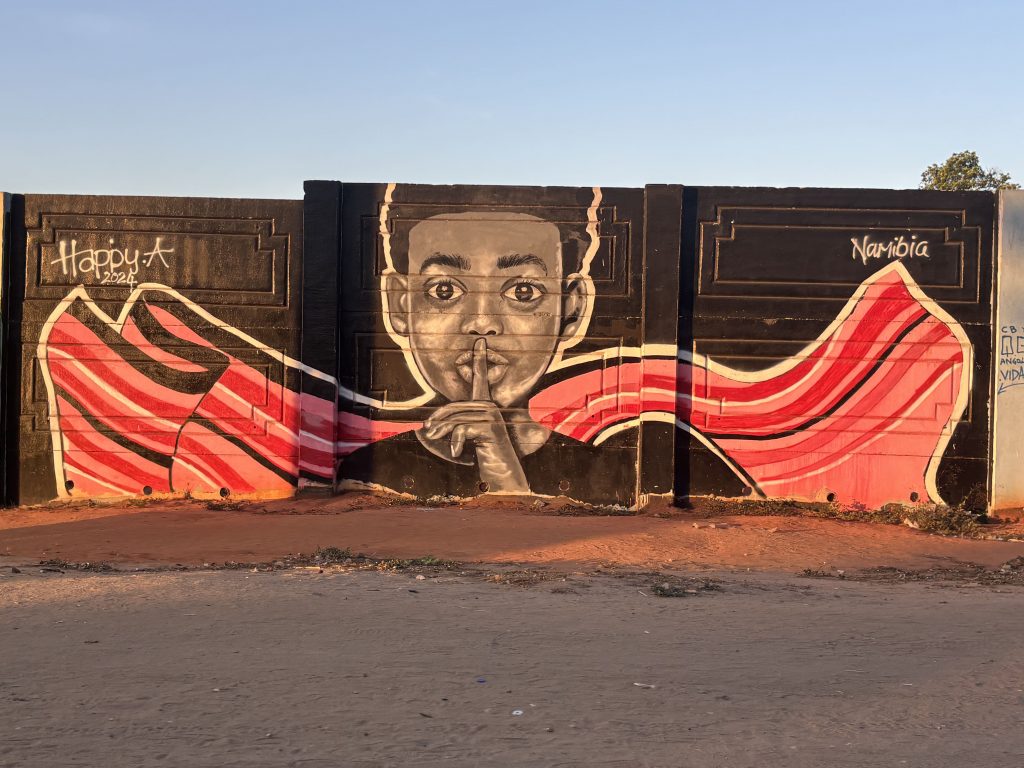
Large murals decorate walls along the road, painted in bold colours and expressive styles, and often carrying a political message in support of the People’s Movement for the Liberation of Angola (MPLA). Some portray cultural figures, while others celebrate everyday life in Angola.
9. Don’t Miss the Carnival (If You Visit in February)
If your visit happens to fall in February, you need to experience the Carnival of Luanda.
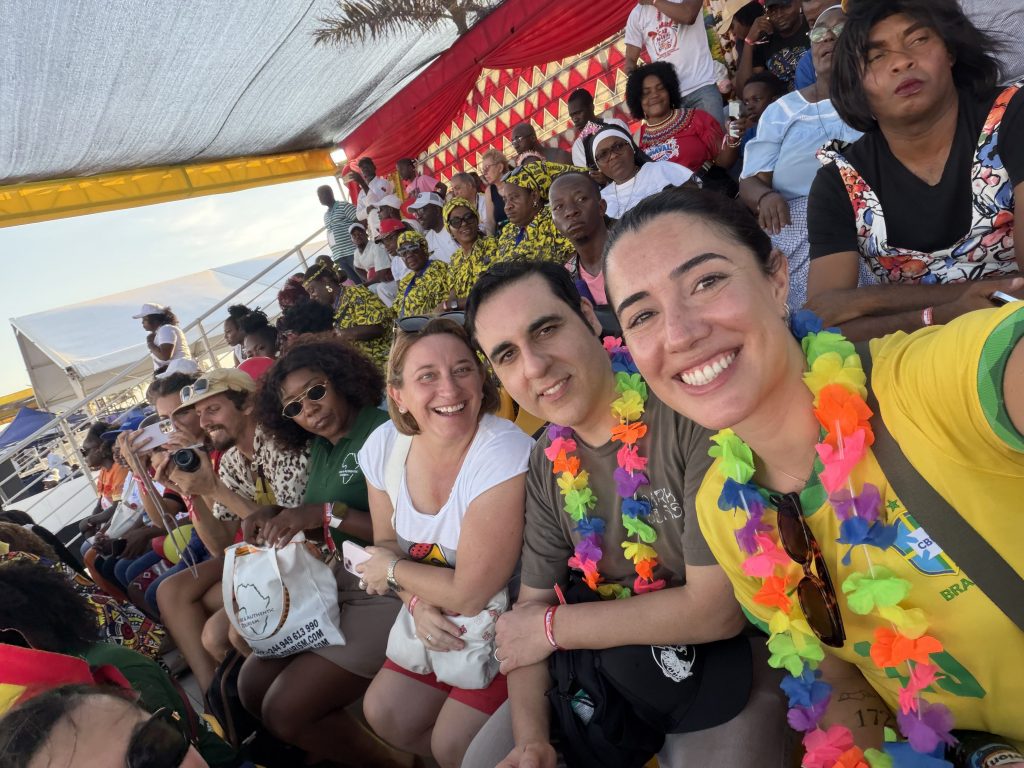
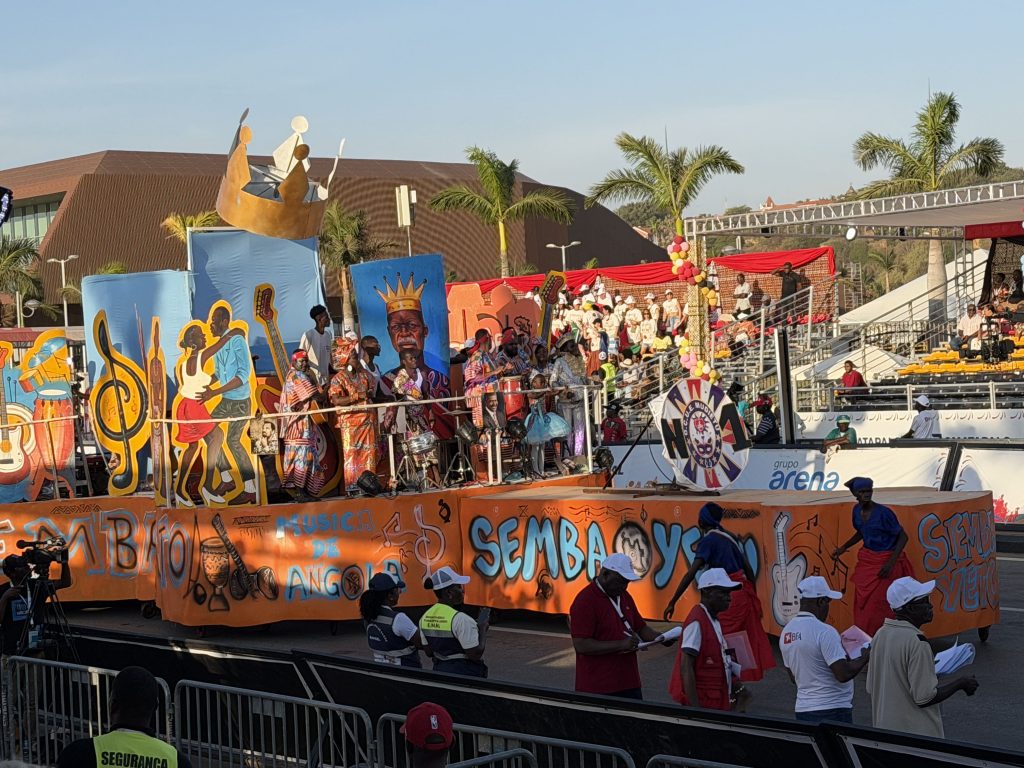
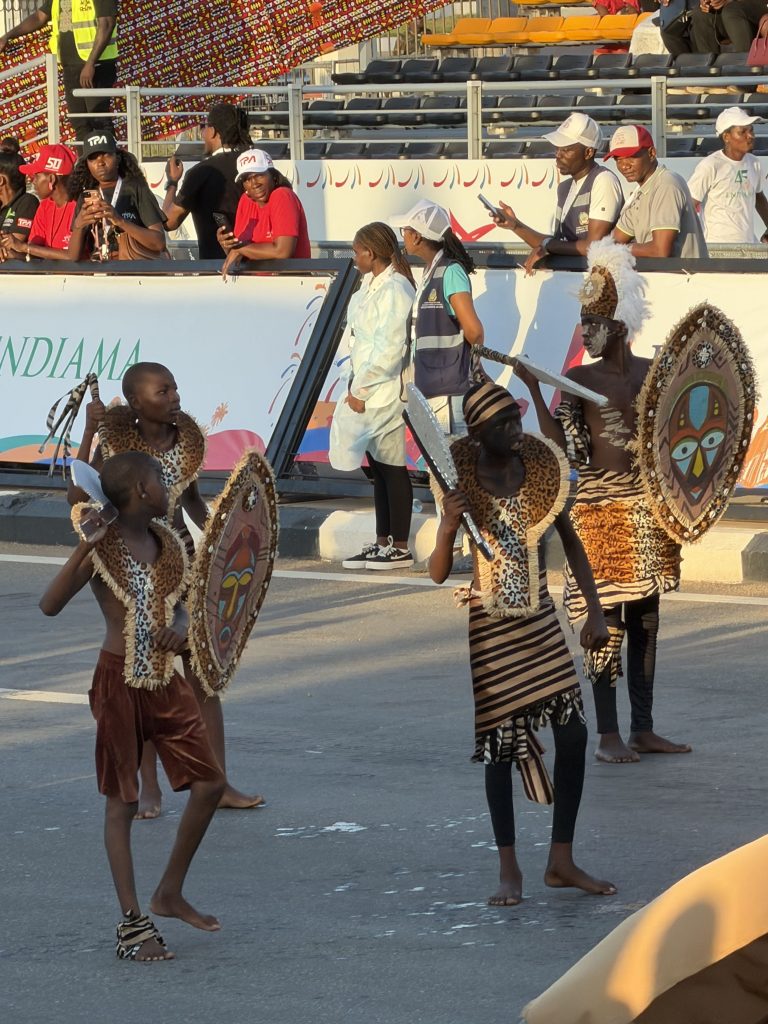
Carnival is one of the biggest celebrations in Angola and a major cultural event in the capital. Dance groups, musicians, and performers gather for large parades featuring elaborate costumes, energetic choreography, and traditional rhythms. The celebrations take place in a dedicated parade area similar to a Sambadrome.
10. Try the Local Food Scene
Food is a big part of life in Luanda, and the city has no shortage of good restaurants.
Angolan cuisine blends African ingredients with Portuguese influences, creating delicious dishes. A few local classics to try, including:
- Muamba de Galinha, a traditional chicken dish cooked with palm oil, garlic, and okra
- Mufete, a grilled fish served alongside roasted plantains, beans, and cassava
- Funge, a smooth cassava side dish served with many meals
I’ve written a separate guide with some of the best restaurants in Luanda, which you can check here: The Guide to Angolan Cuisine.
11. Take a Day Trip to Quiçama National Park (extra tip)
If you have time to venture outside the city, consider a day trip to Parque Nacional da Quiçama.
Located about 70 km south of Luanda, Quiçama is Angola’s most accessible national park and one of the few places where you can go on a safari close to a major capital city.
The park covers large areas of savannah, forests, and river landscapes. After Angola’s civil war, many animals had disappeared, but conservation projects have helped bring wildlife back to the region.
Today, visitors may spot animals such as the African elephant, giraffe, zebra, and roan antelope.
Guided safaris are available, and the park offers a completely different landscape from the city.
You can check our Angola tours here.
About Post Author