For many in the west the word Kurdistan has become synonymous with Iraq Kurdistan, but for the broader region and the Kurdish people it means not just their homeland, but a state that they would like to see.
Alas though this is not a belief held by the countries that occupy Kurdistan, with the word itself being almost banned in much of the region. What though is Kurdistan, who are the Kurds and which states do they occupy.
Table of Contents
What is Kurdistan
Kurdistan literally means the land of the Kurds, a term that has been used for centuries in Persian, Ottoman, and Arabic texts to describe the mountainous regions where Kurdish tribes have lived, farmed, and defended themselves from empires and invaders. It is not just a geographical term; it is a cultural, historical, and political concept that carries the dreams and identity of the Kurdish people.
The Kurds are one of the largest stateless nations in the world, and Kurdistan represents their language, music, festivals, tribal loyalties, and desire for autonomy. Attempts to create a Kurdish state have been repeatedly suppressed, from promises in the 1920 Treaty of Sèvres to modern-day crackdowns across Iraq, Turkey, Iran, and Syria. Despite borders and divisions, Kurdistan endures as a homeland, an idea, and a vision that refuses to be erased.
Where is Kurdistan
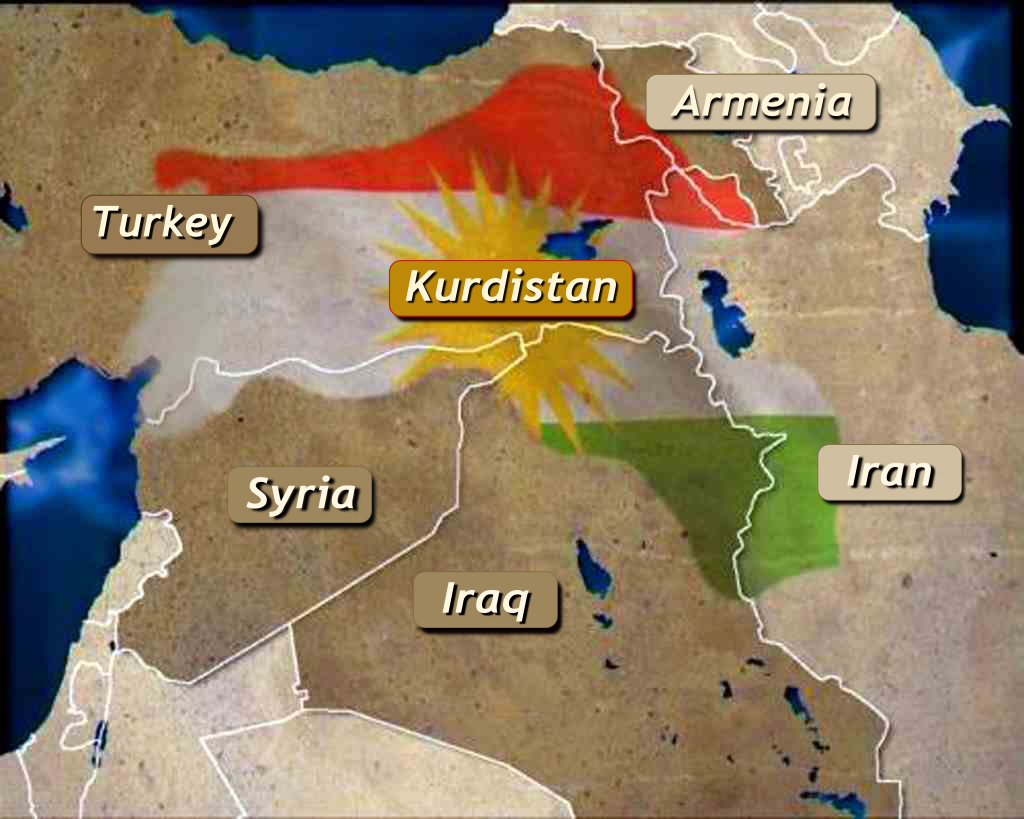
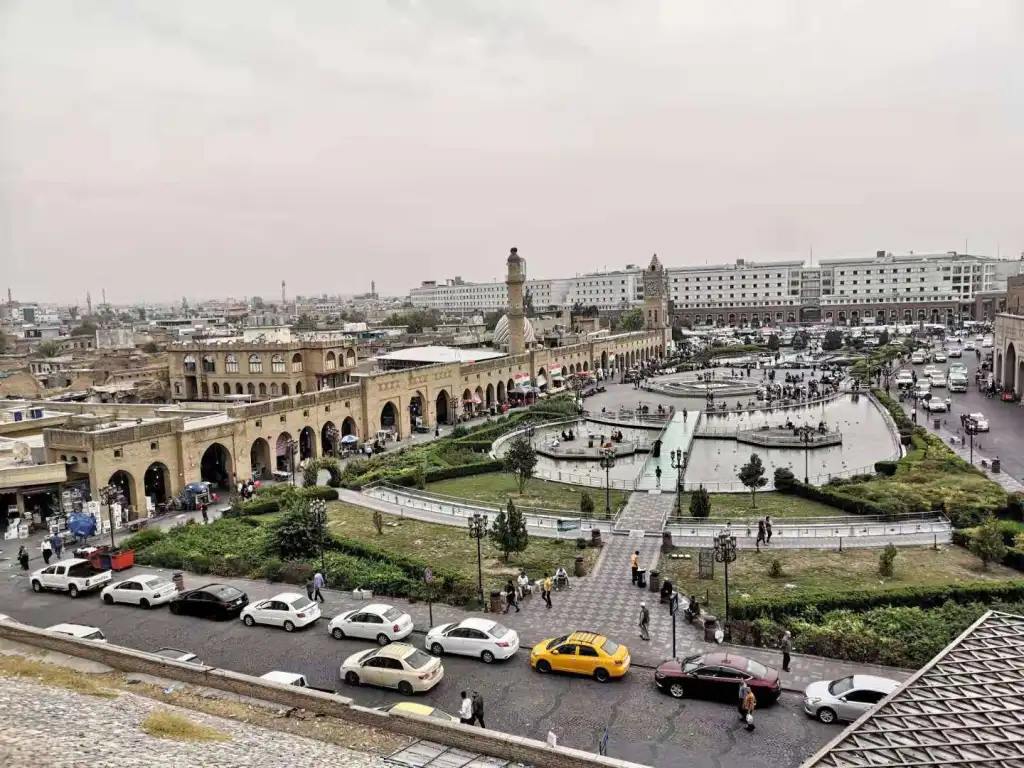
Kurdistan stretches across four modern states, forming a mountainous, rugged, and strategically important region in the Middle East. Northern Iraq contains Iraqi Kurdistan, with Erbil, Sulaymaniyah, and Duhok as the main centers of culture, politics, and economy. Southeastern Turkey hosts the largest Kurdish population, with cities like Diyarbakir, Van, and Hakkari forming the cultural heart of Turkish Kurdistan. Western Iran contains Iranian Kurdistan, including Sanandaj, Mahabad, and Kermanshah, where Kurdish traditions and language are maintained despite state pressures.
Northern Syria, known as Rojava or Syrian Kurdistan, has towns like Qamishli, Kobani, and Afrin, where Kurds established self-rule during the civil war. These regions share language, culture, and history, but are fragmented by borders, politics, and historical conflicts.
Click to read about Rojava.
Kurdistan Regions
Kurdistan can be divided into four main regions, each with its own political context, history, and major cities.
- Iraqi Kurdistan (Southern Kurdistan): Covers northern Iraq, including Erbil, Sulaymaniyah, and Duhok. It has semi-autonomous status with its own government, parliament, and Peshmerga forces. This is the most internationally recognized Kurdish region. Had an independence referendum (link), that no one listened to.
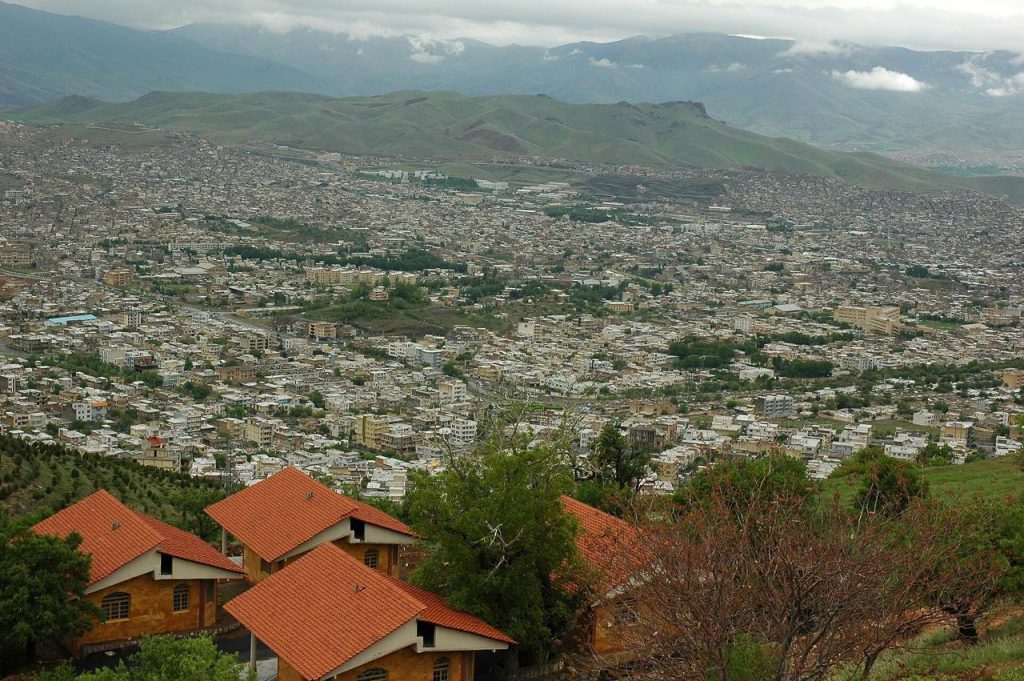
- Turkish Kurdistan (Northern Kurdistan): Spans southeastern Turkey, including Diyarbakir, Van, Hakkari, and Mardin. This region has experienced decades of conflict with the Turkish state, yet remains the largest Kurdish population center.
- Iranian Kurdistan (Eastern Kurdistan): Includes western Iran, covering Sanandaj, Mahabad, and Kermanshah. Kurds here preserve language, culture, and traditions despite heavy political repression.
- Syrian Kurdistan / Rojava (Western Kurdistan): Located in northern Syria, including Qamishli, Kobani, and Afrin. This region gained prominence during the Syrian civil war, establishing semi-autonomous Kurdish governance.
These four regions together form the cultural and historical Kurdistan, a homeland split by borders but united by identity, language, and history.
What would a Kurdish state look like
A Kurdish state would combine territory from Iraq, Turkey, Iran, and Syria, creating a landmass similar in size to Jordan or slightly smaller than Iraq. Its population would be around 30–40 million, larger than Oman or Kuwait but smaller than Iraq or Syria. Major cities would include Erbil, Diyarbakir, Sulaymaniyah, Sanandaj, and Qamishli.
The landscape would be mountainous in the north, fertile in the south, and oil-rich in Iraq. Economically, it could survive on agriculture, trade, and energy exports. Geopolitically, it would be extremely fragile, surrounded by four powerful neighbors unwilling to relinquish territory, but culturally cohesive and fiercely independent.

Who are the Kurdish people
The Kurds are an Indo-European ethnic group native to the Kurdistan region, living across Iraq, Turkey, Iran, and Syria. They speak Kurdish in several dialects, including Kurmanji and Sorani, and preserve their culture through music, poetry, storytelling, and education where possible. Most Kurds are Sunni Muslims, but Shia Kurds, Yazidis, Christians, and smaller religious minorities exist, reflecting a diverse cultural and religious heritage.

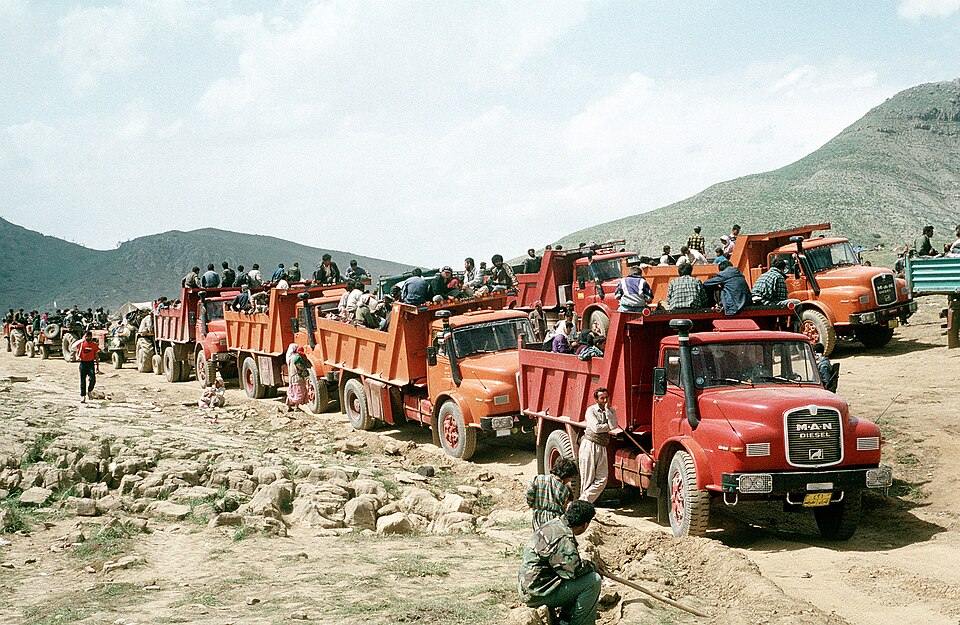
Kurdish society places strong emphasis on tribal loyalty, family, hospitality, music, and dance. Newroz, the Kurdish New Year, remains a central symbol of Kurdish identity and resistance. Despite centuries of marginalization, forced assimilation, and periodic massacres, the Kurds maintain a strong sense of nationhood. Yes, they would love to be independent, but this is unlikely to happen any time soon.
Click to see our tours to Iraqi Kurdistan and Rojava.
About Post Author