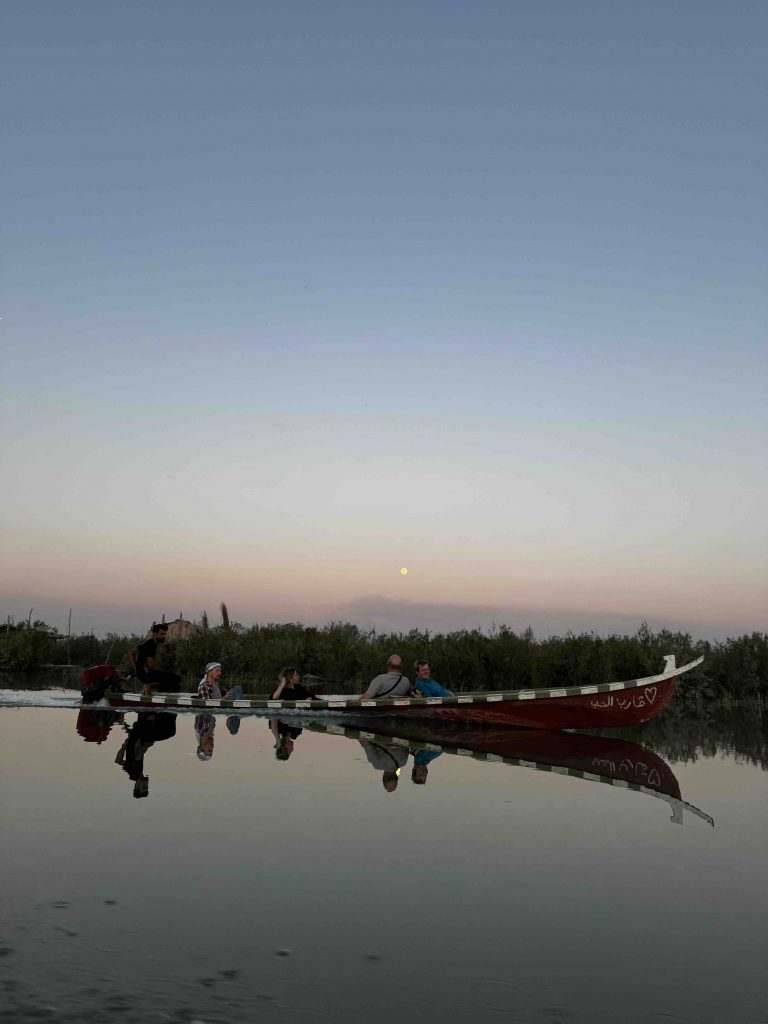
The Mesopotamian Marshes are an incredible ecosystem at the bed of the Euphrates and Tigress rivers. The ecosystem is made up of the Central marshes, Hawizeh marshes (South of the Euphrates) and Hammah marshes (South-West of the Euphrates). The population of the marshes are the Ma’dan (commonly referred to as the Marsh Arabs). In the 1950’s there was estimated to be 500,000 marsh Arabs living in the Mesopotamian Marshes, however, by 2003 there was an estimate 20,000 left. The people left due to Saddam drying ups the Marsh plains and often escaped to Iran or further to overseas locations to seek refuge. Now, the number is unknown but expected much less than the 20,000 populous in 2003.
The locals use the Mesopotamian Marshes as a source for prosperity – fishing, agricultural cultivation and the famous water buffalos all provide a source of income and resources. However, the water levels have been somewhat unstable due to political and environmental reasons.
Table of Contents
What did Saddam do to the Mesopotamian Marshes?
During 1991, many Iraqis (especially Shias) fled South to the Mesopotamian Marshes to avoid the fighting and bloodshed after the uprisings against Saddam were met with his classic cruelty. At this time, post the Gulf War there was significant protests against Salaams rule. He responded with a heavy hand indeed, leading many to flee their homes to avoid being targeted. The marshes presented an opportune hiding place – basic necessities such as food and water could be obtained in the marshes and surrounding areas. Also, the long, meters long reeds provided the perfect hiding place for those wanting to become invisible.
However, Saddam unfortunately built dams to dry the marshes and force those hiding out. The dams created to the north affected the water supply and many of the marshes dried up completely or to an uninhabitable state. This forced many of the people who were seeking refuge in the Marshes to flee again. The migration however was not just from those seeking refuge in the marshes, but the animals too. As the marshes dried up, animals migrated for better food and water resources.

What are the effects of Saddam’s damming program?
The effects of the damming program meant that by 2003, 90% of the marshlands had dried up and the lands that formerly held the flood plains were barren. However, after the destruction of the dams and a focus on restoring the marshlands, the water has returned to a reasonable level and much of the former flora and fauna, as well as human inhabitants have returned and call the marshlands home again.
Will the Mesopotamian Marshes Dry Up?
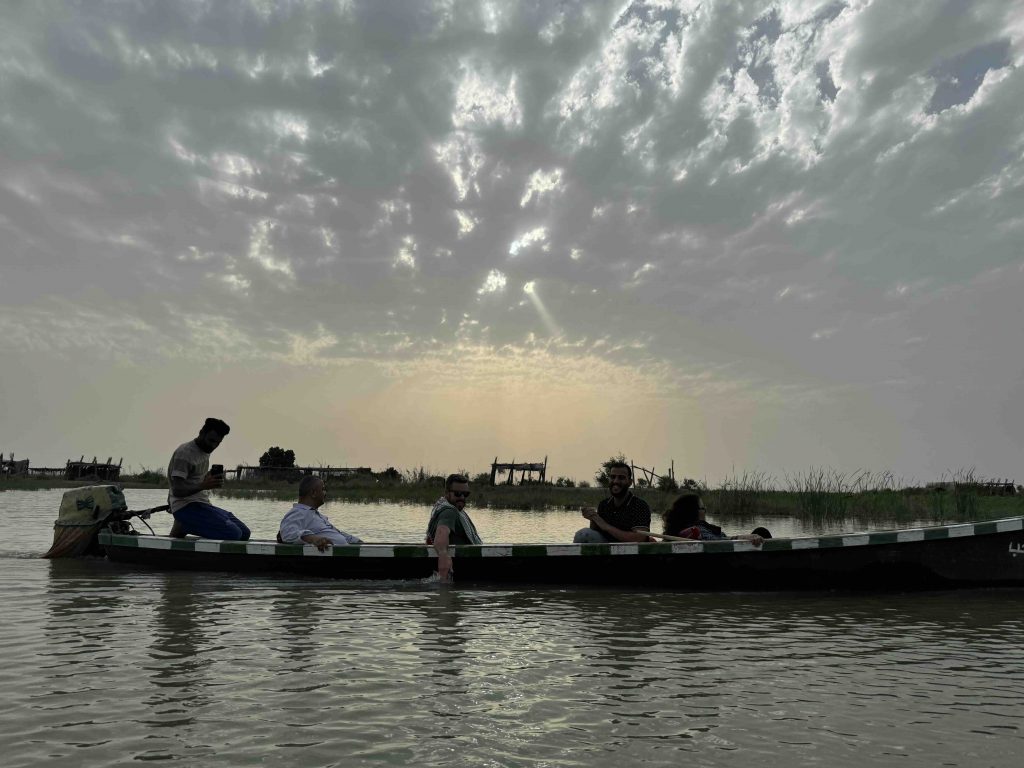
The marshes have seen a complete range of conditions and has been able to bounce back. When Saddam dammed the rivers leading to the marshland, most animals and fish no longer thrived in the dry environment Once the dams were destroyed, slowly but surely, flare and fauna, as well as rain has returned, submersing the marshlands to an operational level. Many animals such as birds, fish and the iconic water buffalo have returned to the marshlands as has the water.
However, there are two main concerns to the marshlands survival – one is political and one is environmental.
The first concern is politics. Countries above Iraq can really complicate the water source for all of Iraq by building dams to preserve more water for national use. This may be an issue in the future when water resources could possibly be more scarce. However for now, the Iraq government has good relations with neighboring countries when it comes to water management and current agreements, if followed, ensure that the rivers will not be dammed to a point in which water will not flow freely to Iraq.
The second concern is climate change. With climate change, it is always a concern that the environment could change completely – not just from complete drought, but also flooding. This was largely a concern during 2020 – 2023, however with recent rain, the marshes have returned to a comfortable level.
“The marshes need to be one meter deep at least – if they are not, it might not make it through the summer. Right now, I would say the water levels are around one and a half to two meters. Alhamdulillah we have had rain”
One Iraqi Tour Guide in March, 2025
Visit The Mesopotamian Marshes While You Can!
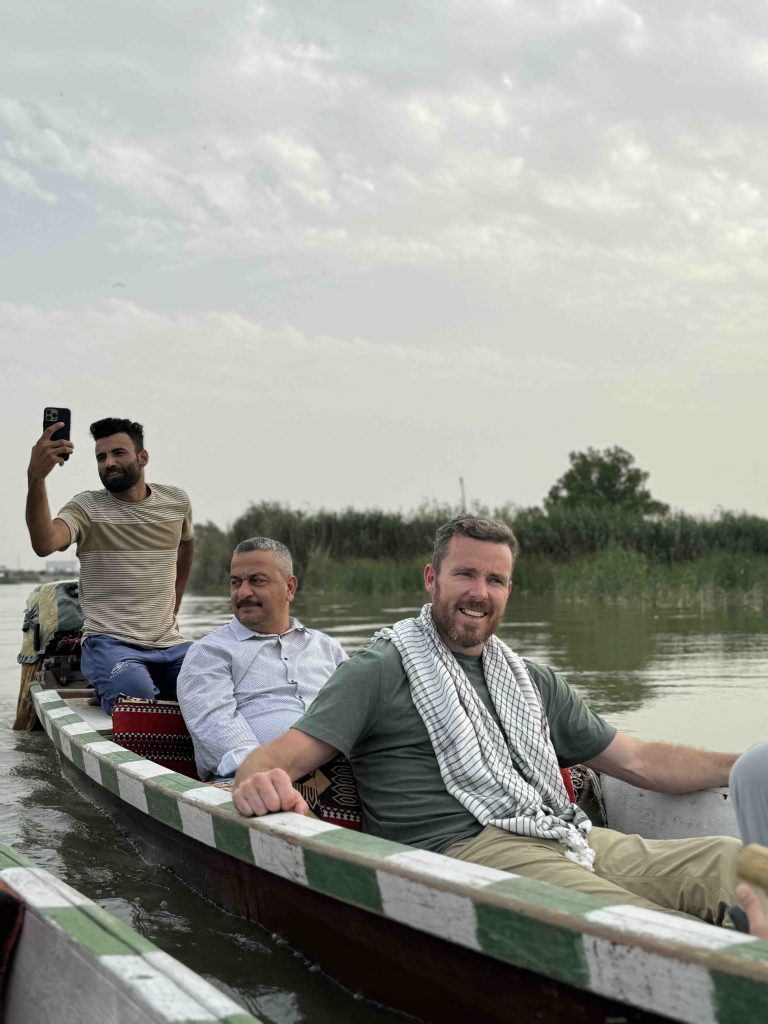
Join us in Iraq on one of our many Southern Iraq Tours or add Kurdistan with our Whole Iraq Tours to visit the Mesopotamian Marshes! Eat Masgouf locally caught and
About Post Author