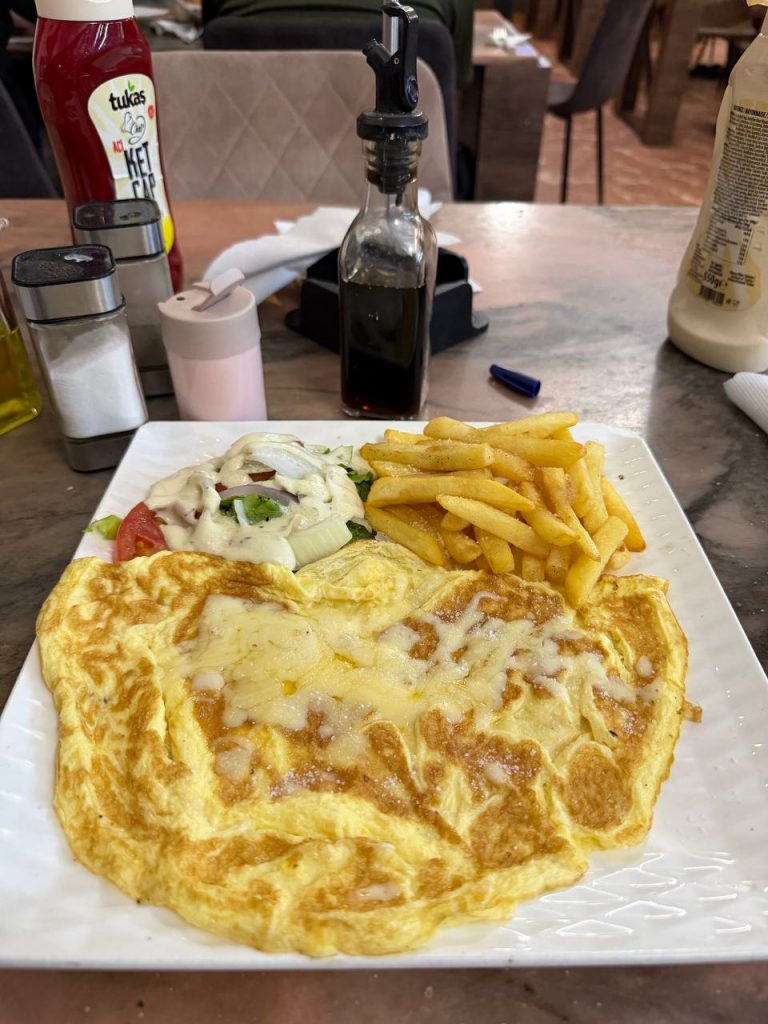
Mauritania cuisine is not a exactly fine dining. It is a harsh, hot country where food is about survival, not indulgence. The desert climate and limited infrastructure mean that fresh vegetables are scarce, fish is only reliable on the coast, and meat is precious inland.
Most meals are based on rice, millet, bread, fish or goat and lamb. Spices are used sparingly, sauces are heavy and simple, and presentation is not a concern. Mauritanian cuisine is functional, rustic, and gritty, and that is exactly what makes it interesting. Do not though expect Algerian style options.
Table of Contents
What the Mauritanian Cuisine?
The country’s food is shaped by Arab, Berber, and West African influences. Meals are filling and calorie-heavy, designed to fuel people for long days in the heat. There is no pretence. Meals are communal, often eaten by hand from shared bowls, and usually washed down with sweet green tea.
Top 5 Mauritanian Dishes to Try
If you are passing through Mauritania hungry, here are five dishes you should not miss. Not because they are gourmet masterpieces, but because they define the country’s cuisine and survival-driven approach to eating.
Thieboudienne
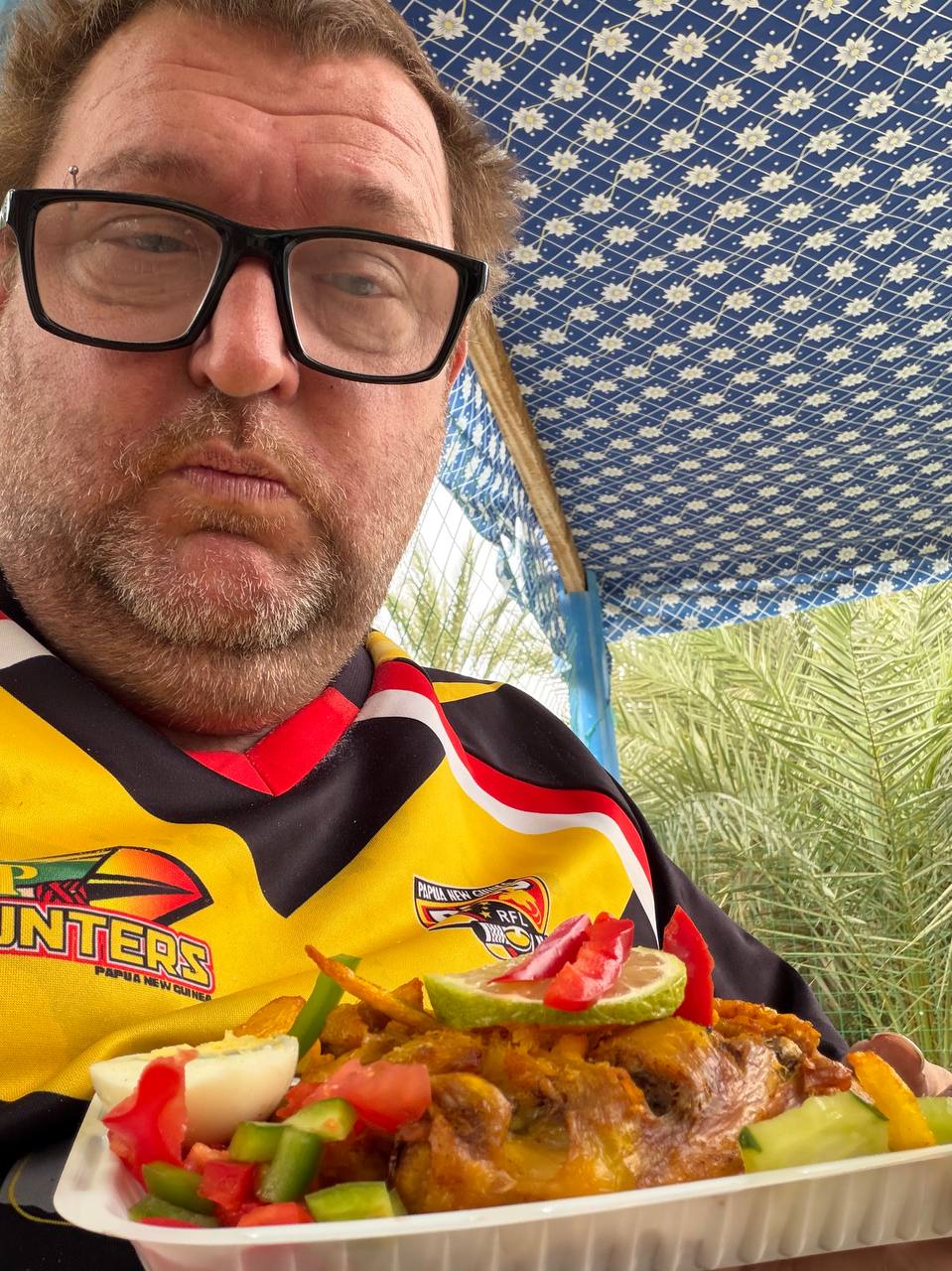
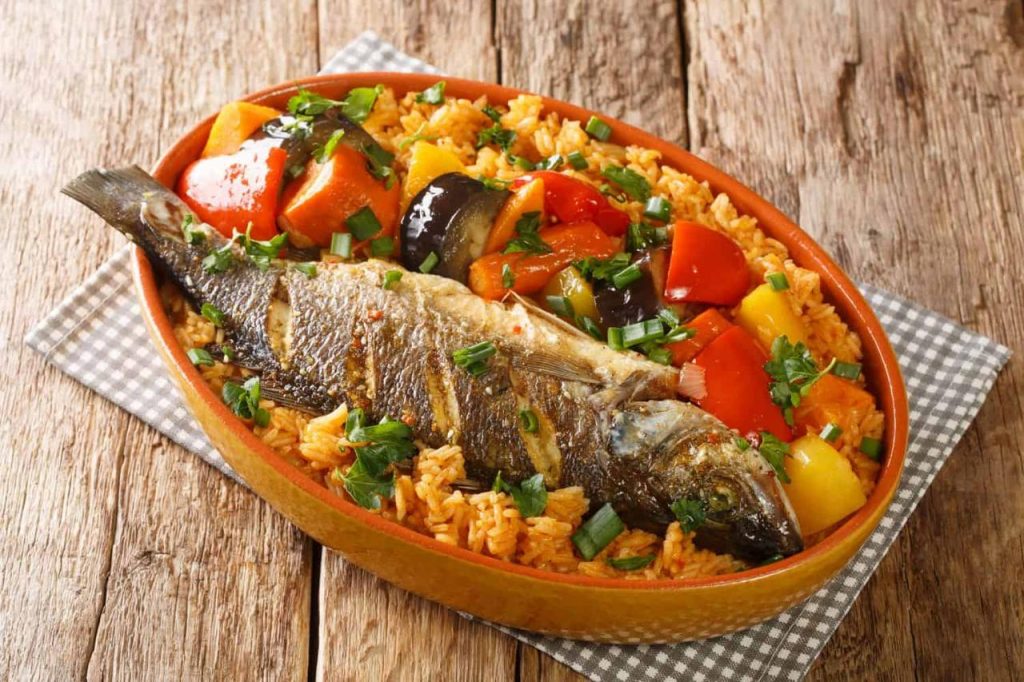
Thieboudienne is the national dish and the most famous example of Mauritanian cooking. It is rice cooked with fish in a tomato-based sauce, often including whatever vegetables are available such as cassava, carrots, or eggplant. The fish gives it a salty, coastal flavour, and the sauce is heavy and slightly tangy. It is filling, cheap, and widely available along the Atlantic coast. Don’t expect subtlety. The dish is oily, smoky, and sometimes overcooked, but it hits the spot if you are hungry. The rice soaks up the sauce and makes for a hearty, no-nonsense meal.
Mechoui
Mechoui is whole lamb roasted over an open flame or slow-cooked until the meat falls from the bone. The skin is crispy, the meat fatty, and the aroma of smoke dominates the surrounding air. It is communal, messy, and primal. People often tear chunks of meat off with their hands and eat it with bread or rice. It is heavy and greasy, but when done well, it is one of the only moments Mauritanian food feels indulgent. It is not for the faint-hearted or hygiene-obsessed, but it is authentic.

Mahfe
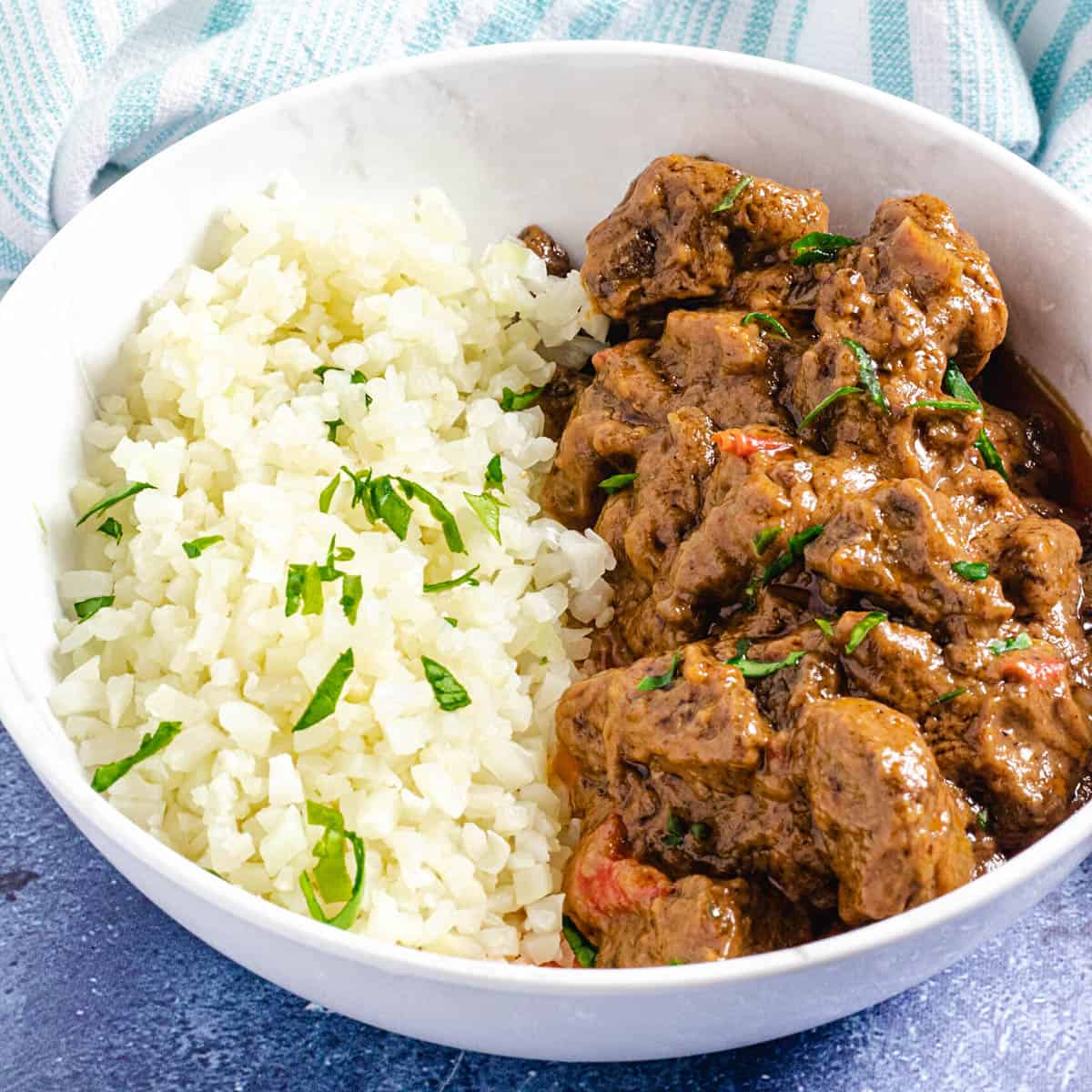
Mahfe is a peanut-based stew with meat, usually lamb, goat, or chicken. It is simmered for hours until the meat is tender and the sauce thick and nutty. It is earthy and heavy, served with rice, millet, or bread. The flavours are simple but satisfying. Peanut sauces dominate the Sahelian diet and Mahfe is a classic example of utilitarian cuisine — calorie-dense, filling, and cheap to prepare in bulk.
Couscous with Meat or Vegetables
Couscous in Mauritania is steamed semolina served with a stew of meat, sometimes chicken, lamb, or goat, and whatever vegetables are available. It is a staple dish that stretches small amounts of meat to feed more people. The couscous itself is bland, but the stew is salty, oily, and filling. It is practical food, eaten for survival rather than pleasure. The portion is usually generous, and the dish is eaten communally with hands or spoons.
Street-Style Grilled Meats and Fish
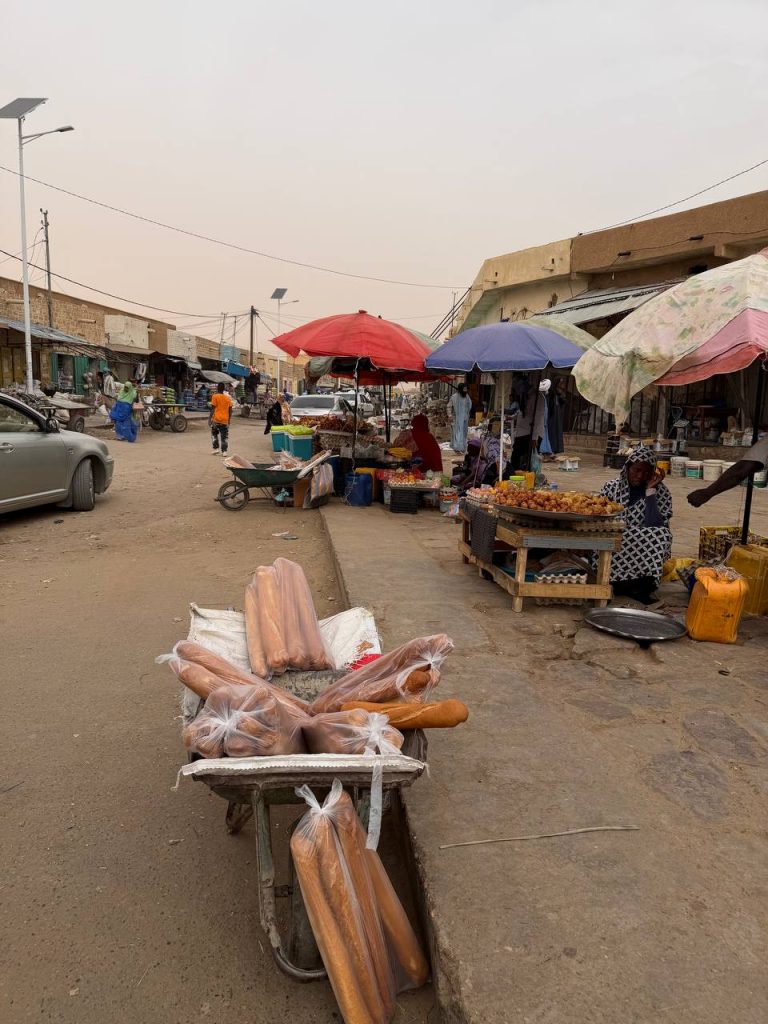
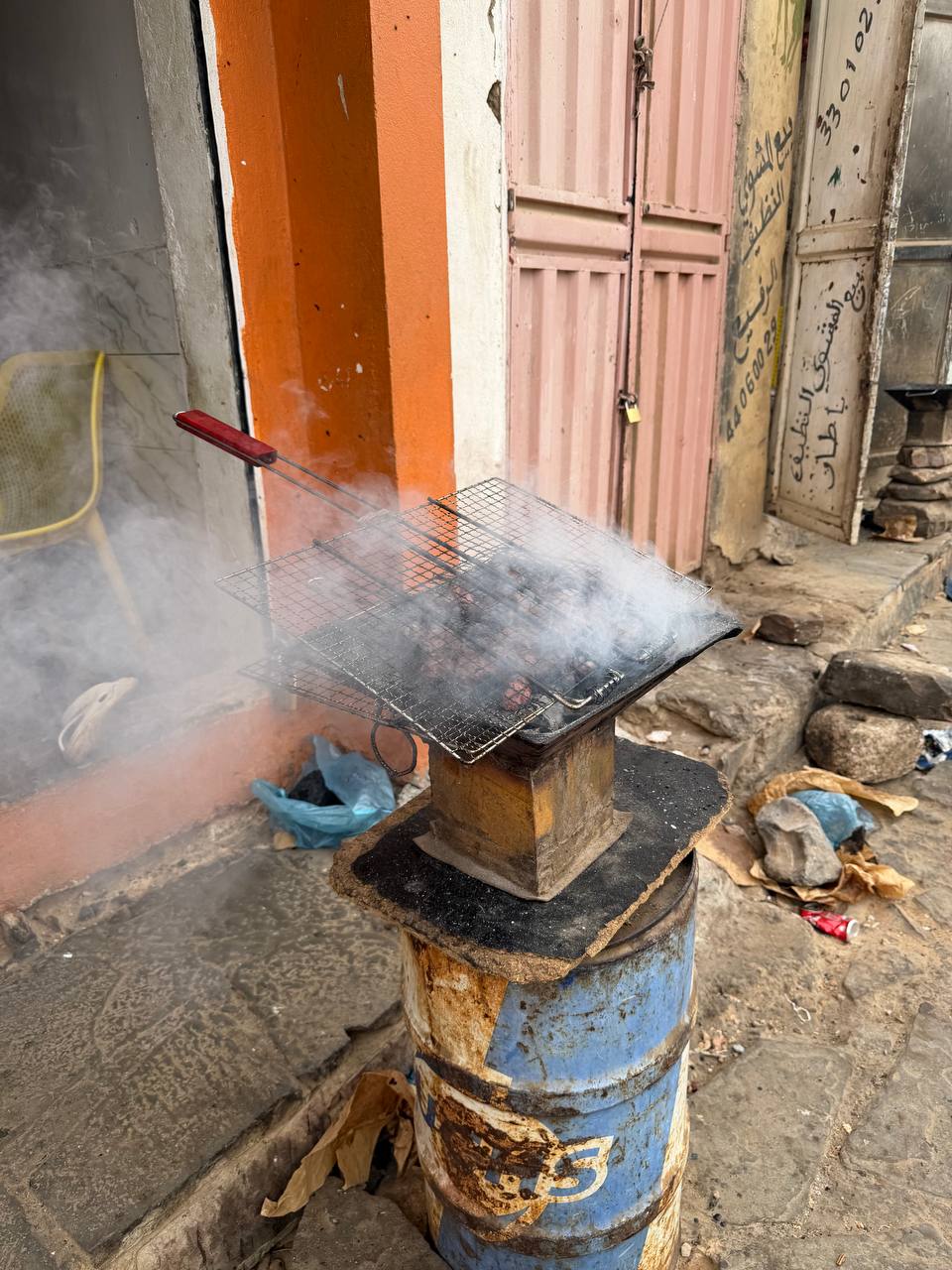
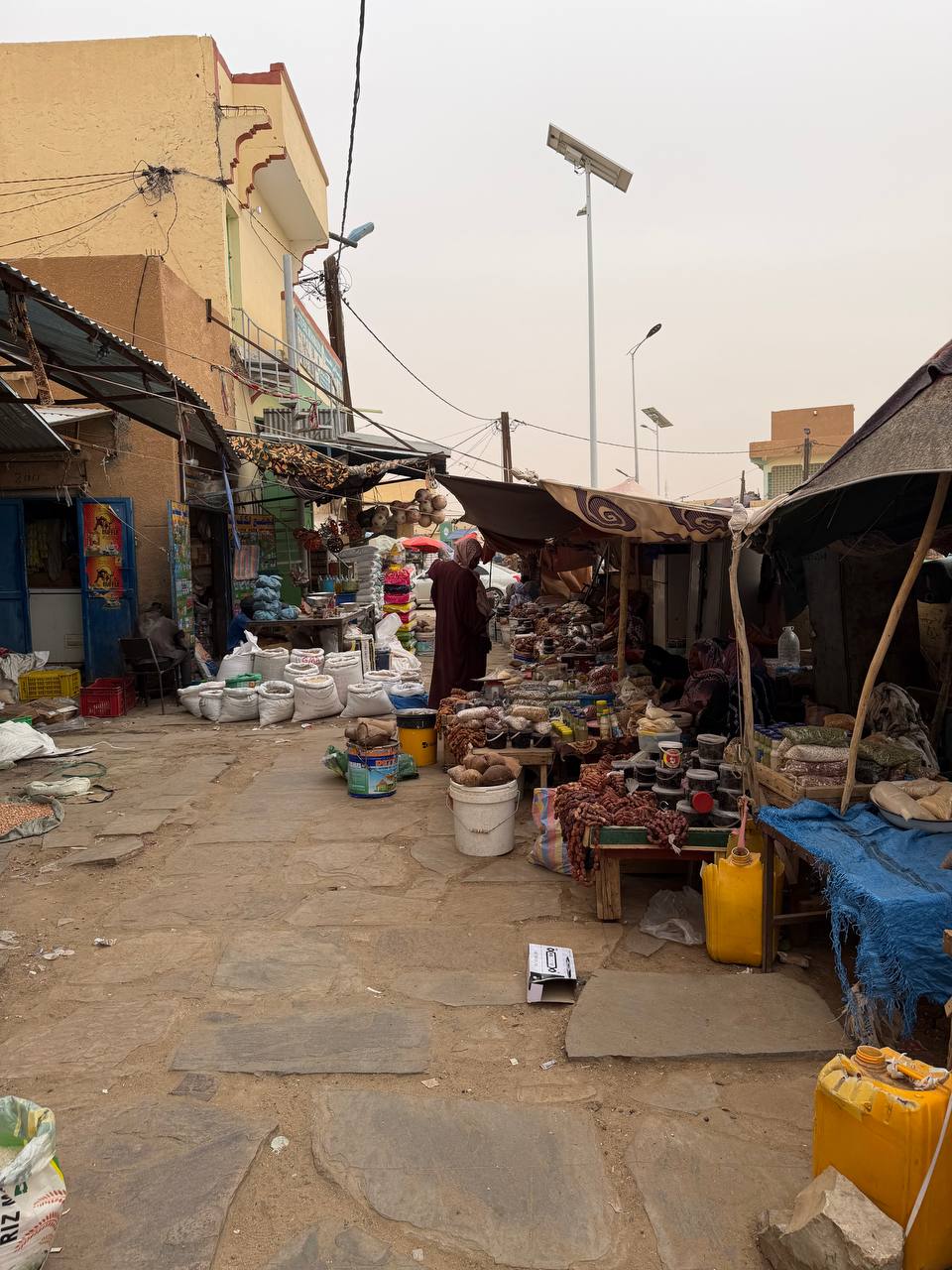
Street food is where Mauritanian cuisine is at its most honest. Markets and coastal streets sell skewers of lamb or goat, small fried fish, or ground-meat balls cooked over open fires. They are sold cheaply, often wrapped in bread or eaten with a small portion of rice. The flavours are smoky, greasy, and unrefined. The hygiene can be questionable, but that is part of the experience. Street food is fast, filling, and gives a real taste of how locals eat when they are not cooking at home.
Street Food in Mauritania
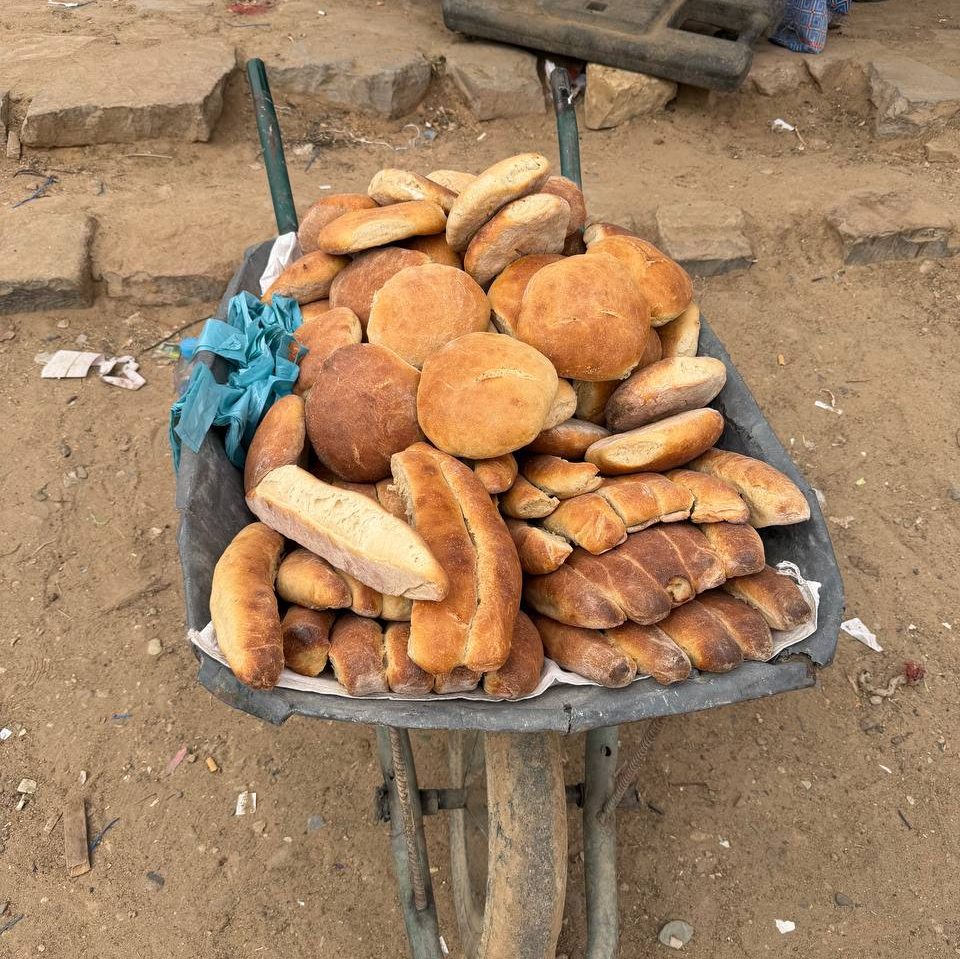
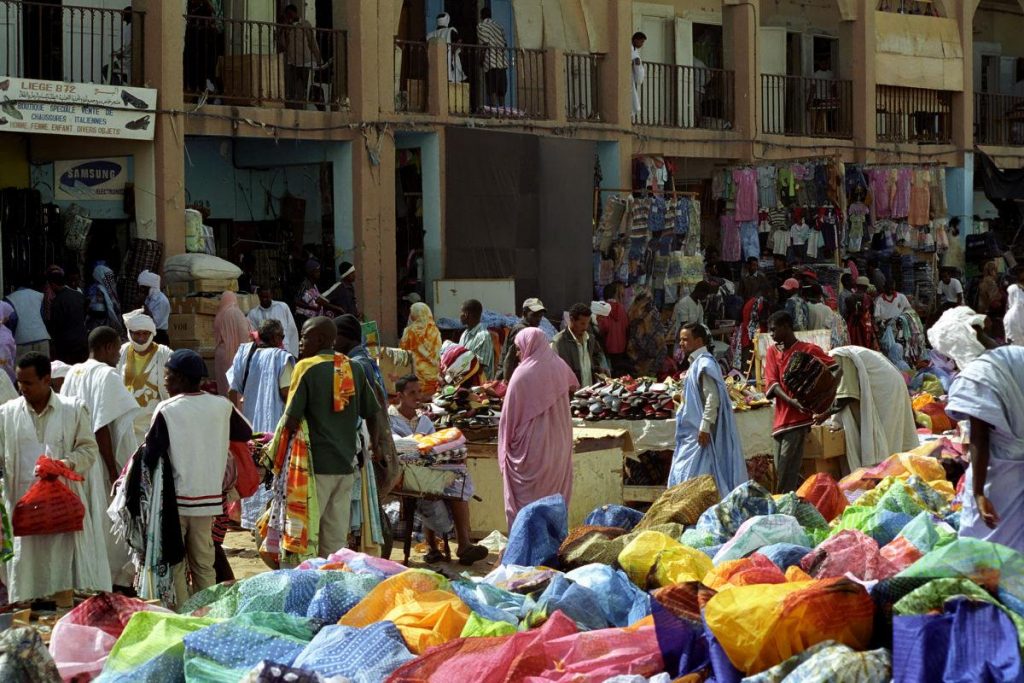
If you want the real deal, forget restaurants. Street stalls are where most people eat. You will find cheap fried fish, skewered meats, small meat balls, and simple bread. Bread is used as a tool to scoop up stews or wrap meat. Couscous or rice with a thick stew is also sold by street vendors. Sweet options are rare. Tea is served almost everywhere, often green and very sweet, in three rounds that form a ritual of social interaction rather than refreshment.
Markets are dusty and crowded. You might have flies, smoke, and heat all in the same meal, but this is real life. Vendors cook over charcoal fires or small grills. Portions are generous, and meals are filling. Prices are low. A small fish dish or skewer of meat costs around one to three dollars, while a bigger serving with bread or rice can reach four to six dollars. Tea is cheap, usually fifty cents to one dollar per glass.
Eating street food in Mauritania is messy. Hands get dirty, sauces drip, and plates are rudimentary. But it is honest and practical. You see the effort people put into getting something edible on the table, and you see the scarcity they work around. It is not refined or polished, but it is real.
What is it like eating on the Iron Ore Train
Essentially the main, well only reason to come to Mauritania is for the Iron Ore Train, and while eating on there consists mostly of bananas breads and other fruits, on the journey you can expect decent food.
This involves your local guides and drivers cooking up up a feast when you stop. Again this is breads and stews for the most part, with camel as well as mutton being the meats of choice. Go for some camel milk if you feel so inclined too. Vegetarians in Mauritania get the same, minus the meat.
Conclusion
If you travel through Mauritania, you should eat what locals eat. You will taste the desert, the coast, and the smoke of roasted meats. You will witness community, shared meals, and survival-driven cuisine. It is ugly, messy, and sometimes questionable, but it is honest.
You will not find fine dining, but you will see what Mauritania lives on. You will leave understanding a country in a way fancy restaurants and polished menus cannot convey.
Click to check our Mauritania Tours.
About Post Author