Varosha is one of Cyprus’ most symbolic reminders of the conflict that reshaped the island in the 1970s. It was the most developed resort district of Famagusta, but everything stopped during the Turkish military intervention in 1974. The district was fenced off and emptied, leaving an entire urban area sealed behind barbed wire. Fifty years have passed with almost no civilian access.
Table of Contents
A Resort Interrupted
Before 1974, Varosha had become synonymous with rapid development. The Argo Hotel, the King George, the Florida and the Asterias were part of a hotel corridor that catered to a rising international clientele. Urban planning was loose, construction was fast and investors were confident. The district saw some of the most ambitious hospitality projects in the eastern Mediterranean. Its beaches, streets and modernist buildings placed it among the island’s busiest tourist zones.
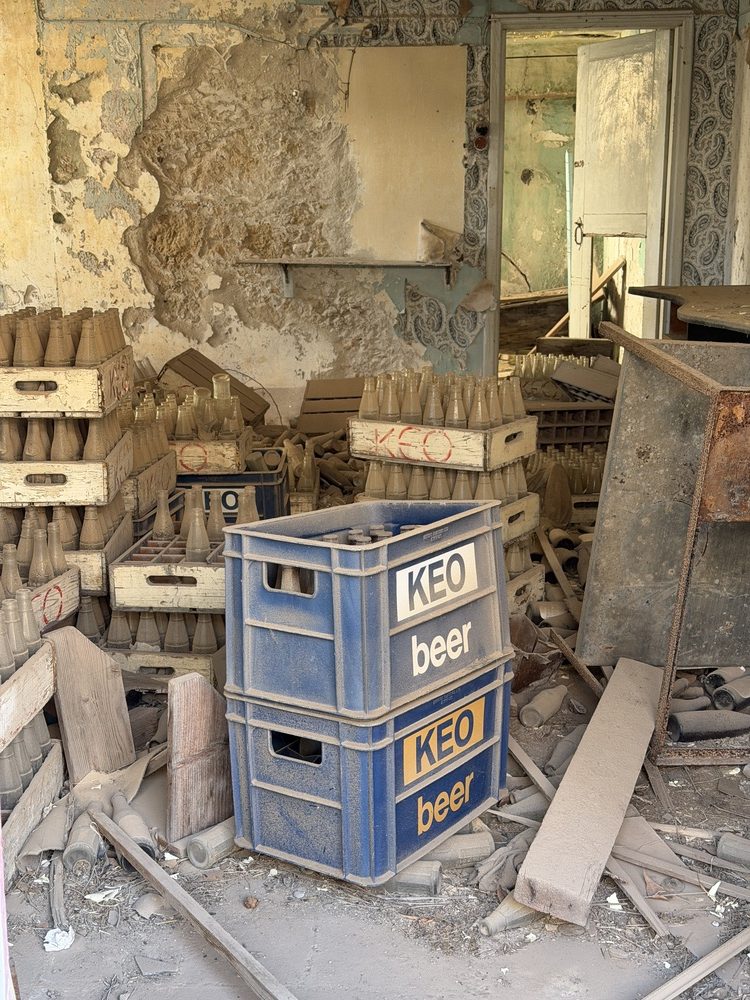
This momentum halted on 14 August 1974, the day Turkish forces advanced towards Famagusta during the second phase of the intervention. Residents escaped in haste, expecting to return when the fighting stopped. They left homes furnished, shops stocked, cars parked and construction sites active. Instead, the area was cordoned off by the Turkish military. United Nations resolutions later called for the return of the district to its lawful inhabitants, although the area remained locked behind perimeter fences for decades.
Negotiation, Stagnation and Slow Reopening
Varosha became a bargaining chip in every major negotiation round between the Greek Cypriot and Turkish Cypriot sides. Each initiative raised the possibility of reopening the district under UN administration, but the political stalemate held firm. Discussions shifted with time, yet the fences stayed up, trapping the district in a state of suspended decay.
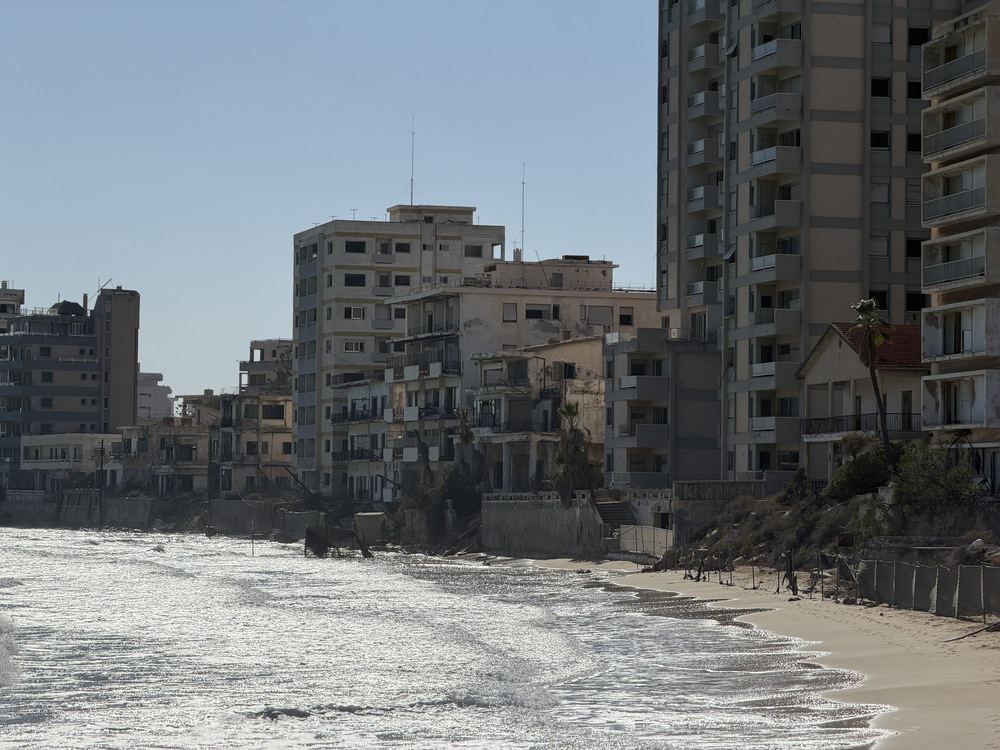
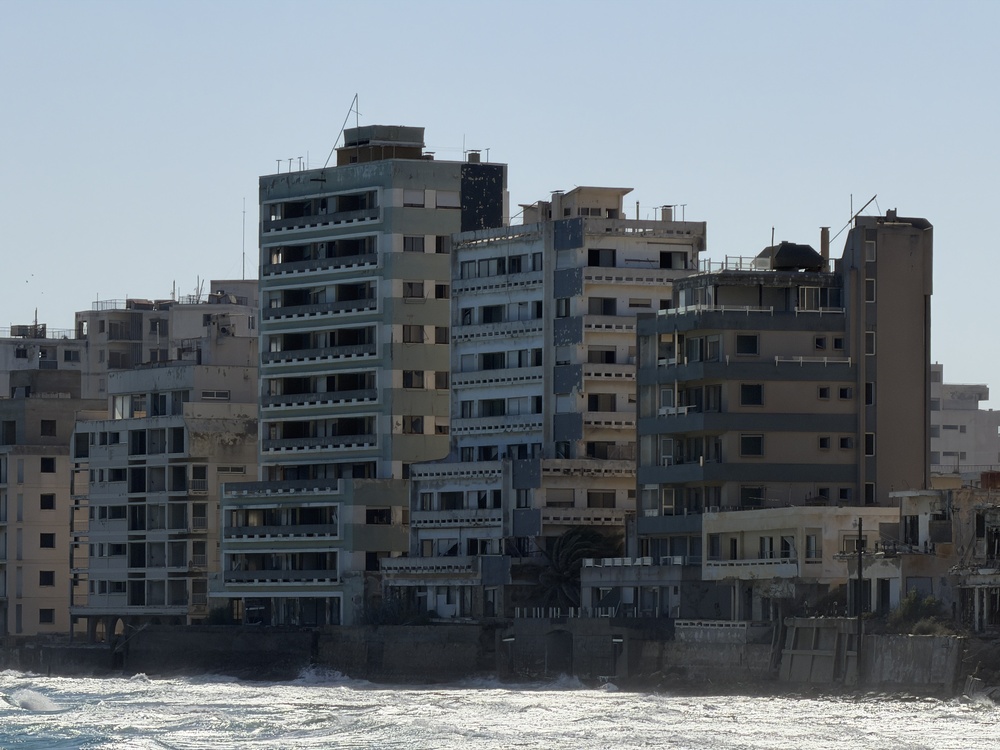
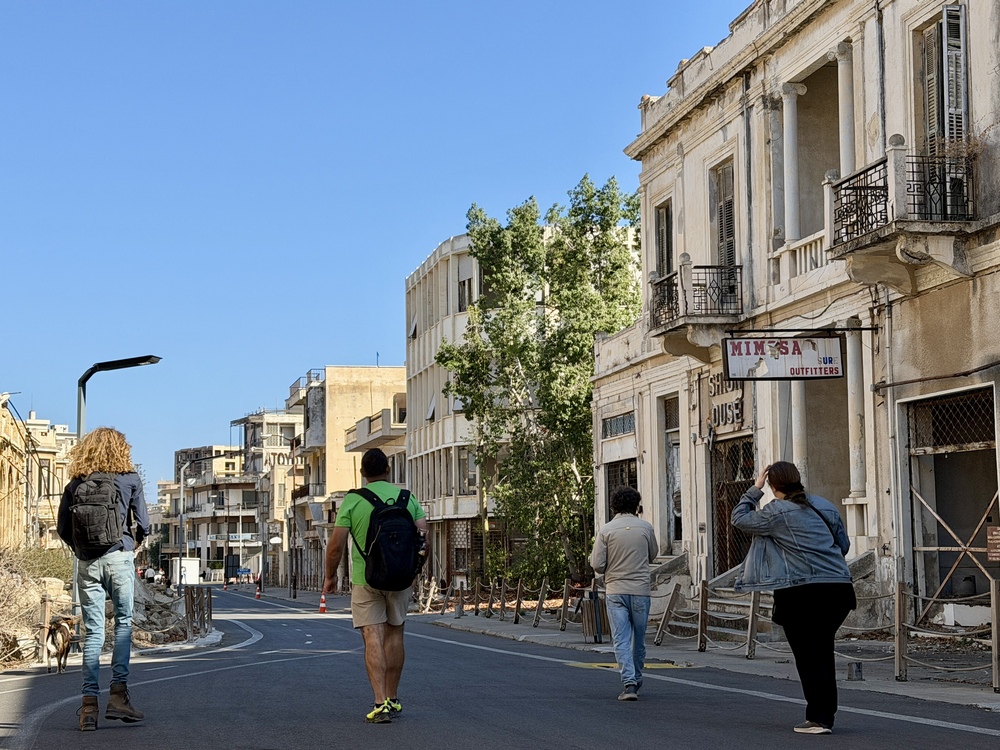
A significant change occurred in 2020 when authorities in the Turkish Republic of Northern Cyprus initiated a partial reopening of Varosha’s beachfront. Streets that had been inaccessible since 1974 became walkable again. Visitors could observe the remains of hotels, apartment blocks and abandoned infrastructure. Access is still tightly controlled and large areas remain sealed, though the coastline and several streets now allow limited public entry.
The Greek Cypriot View of the Reopening
For many Greek Cypriots, the reopening of Varosha without a broader political settlement is a direct challenge to long-standing UN resolutions and a perceived attempt to alter the status of the district unilaterally. Varosha’s pre-1974 residents, most of whom built their lives there, continue to regard the area as their rightful property. The partial opening in 2020 was therefore met with concern, frustration and, in some cases, a sense of dispossession being reinforced rather than resolved.
There is also the fear that gradual access may pave the way for redevelopment under conditions that exclude the original inhabitants. Greek Cypriot officials have protested the move at the United Nations and the European Union, arguing that the opening undermines trust and weakens the prospects of a negotiated solution. For many who grew up hearing family stories of the evacuation, the reopening feels less like a step towards reconciliation and more like a shift that cements the division.
The Atmosphere of a Paused City
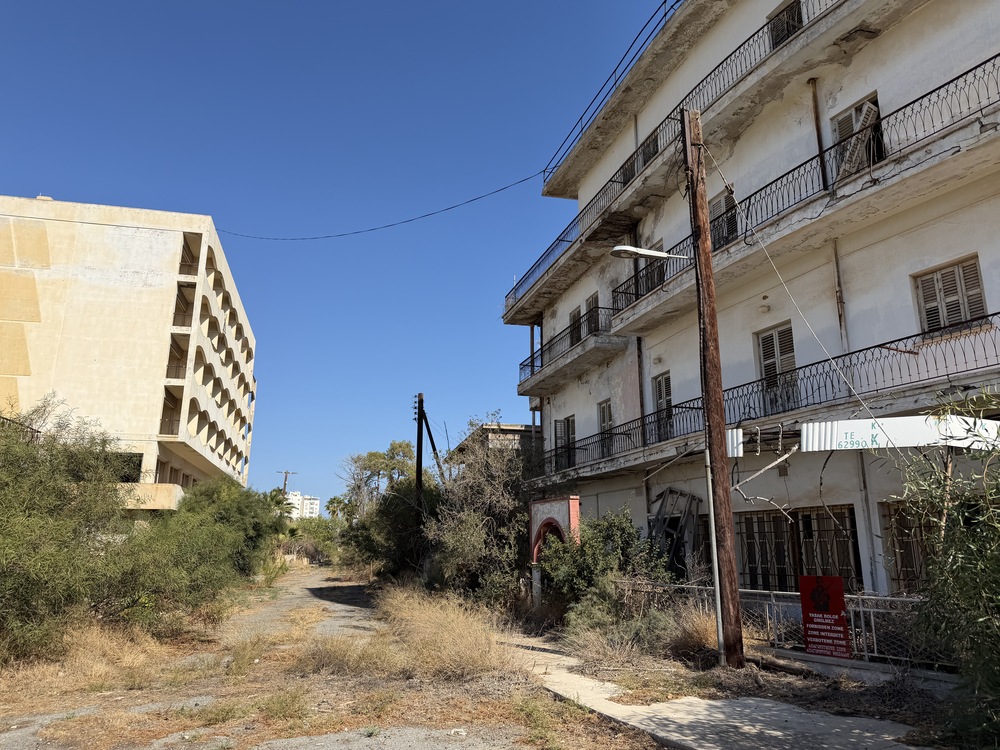
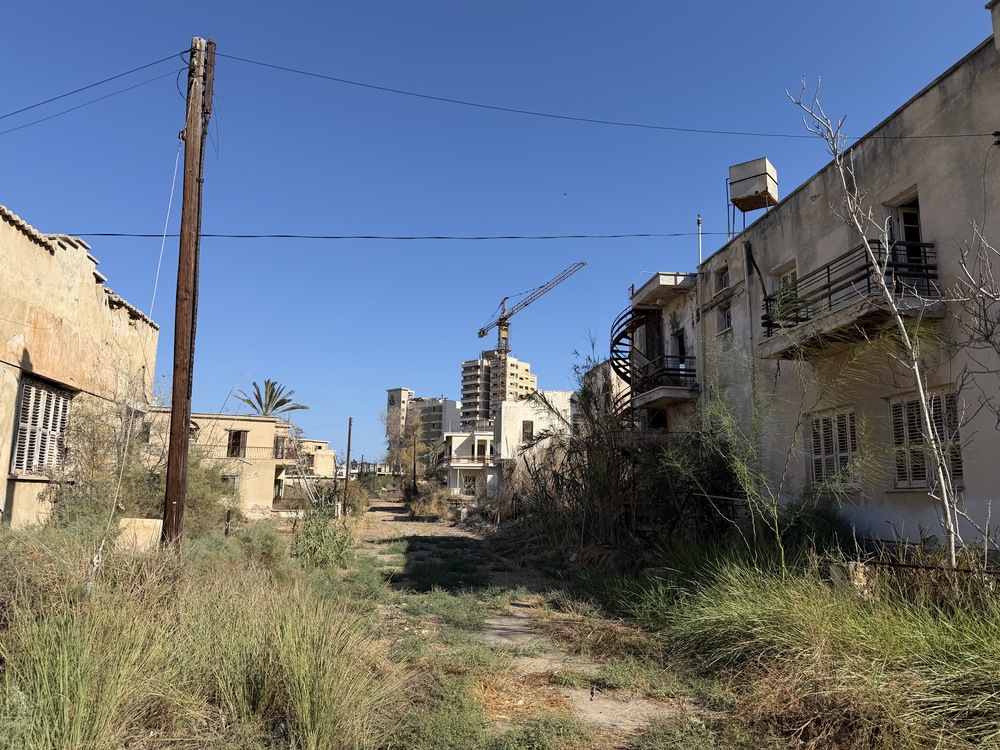
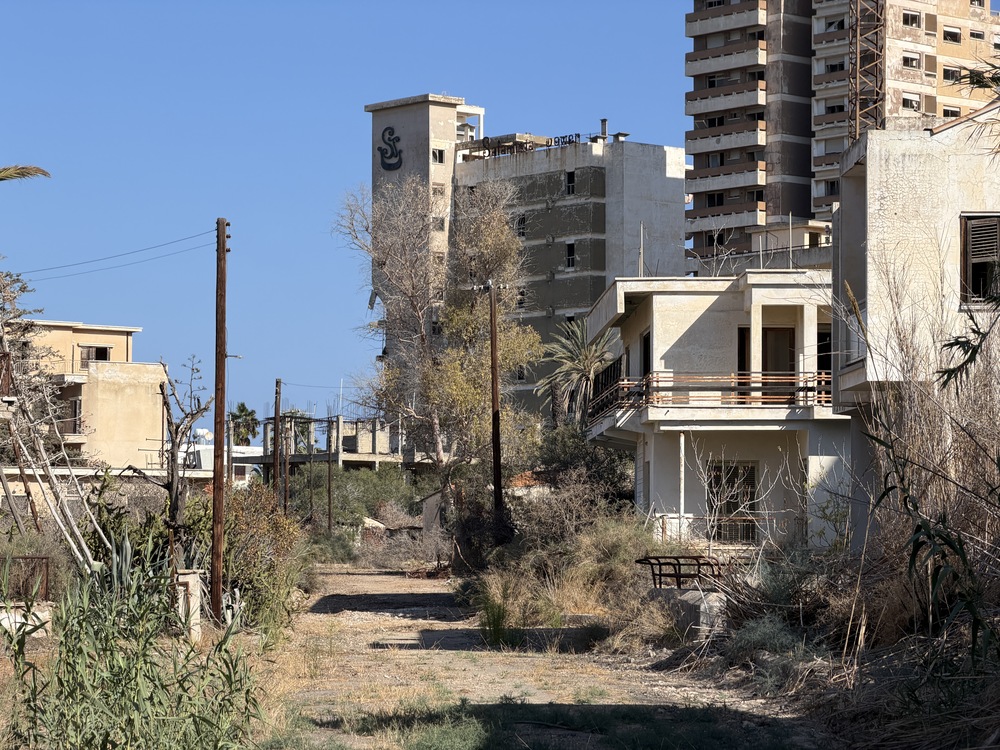
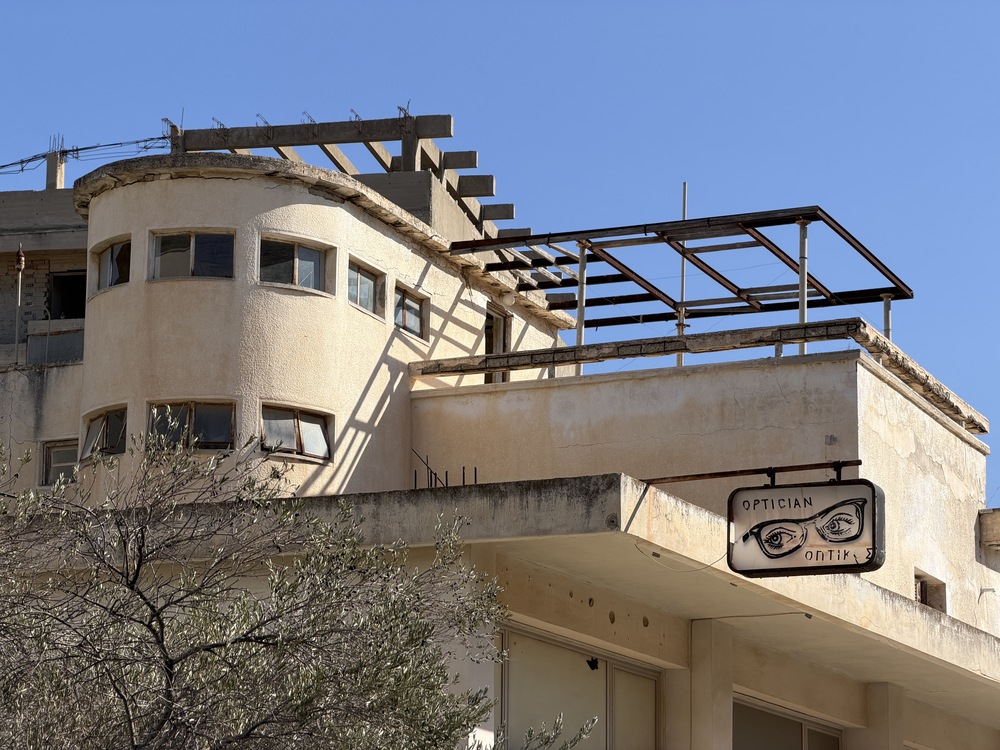
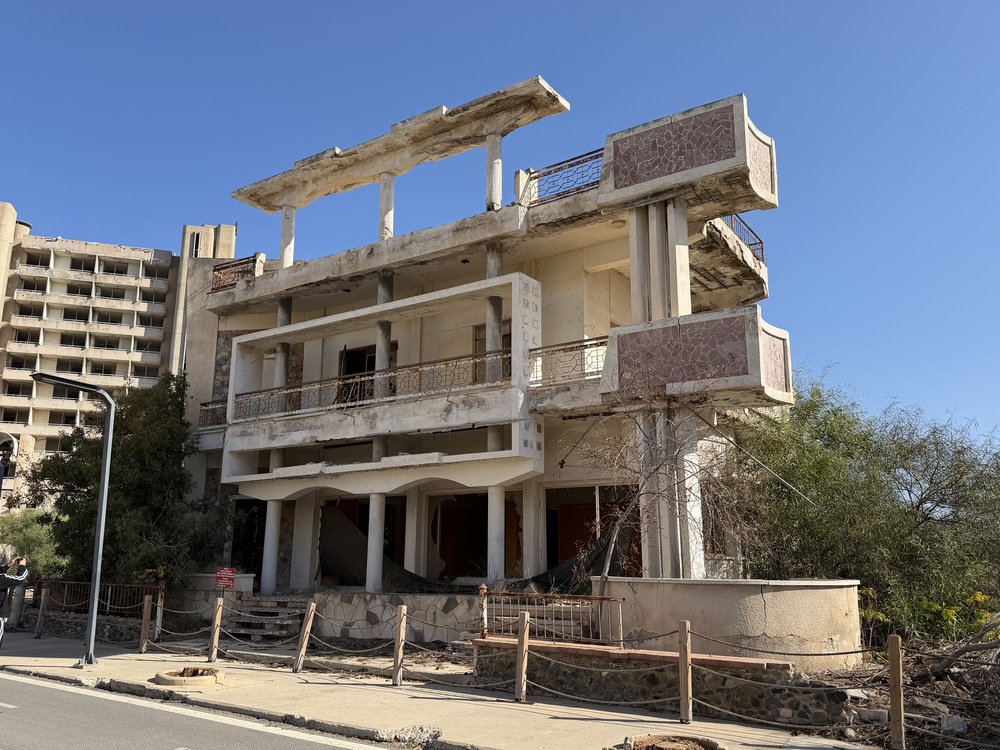
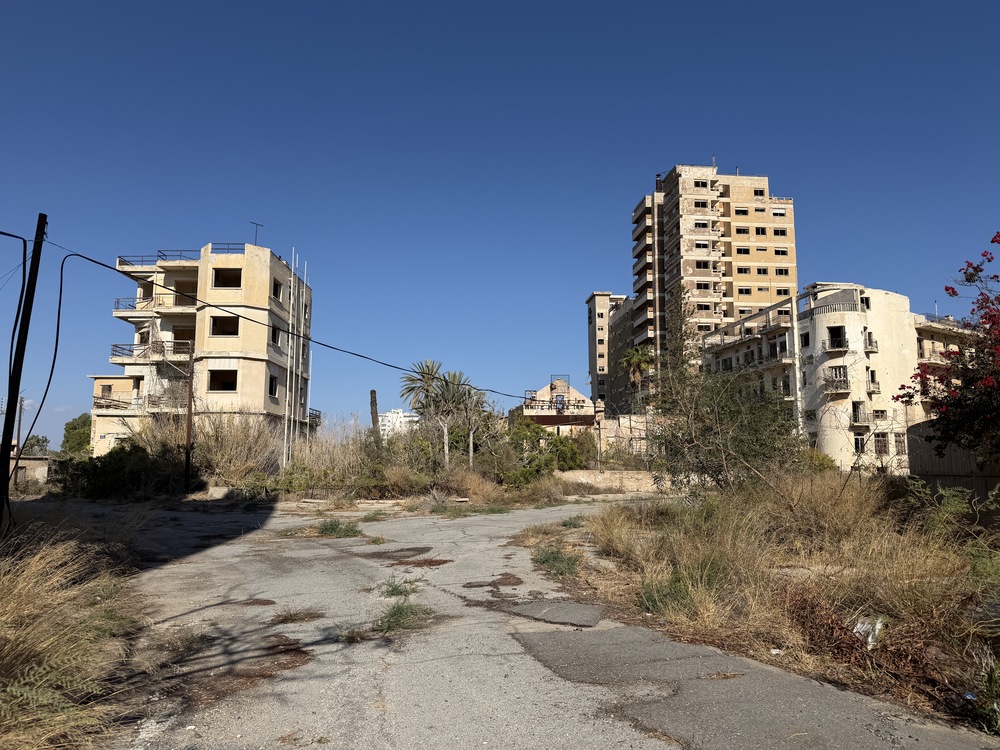
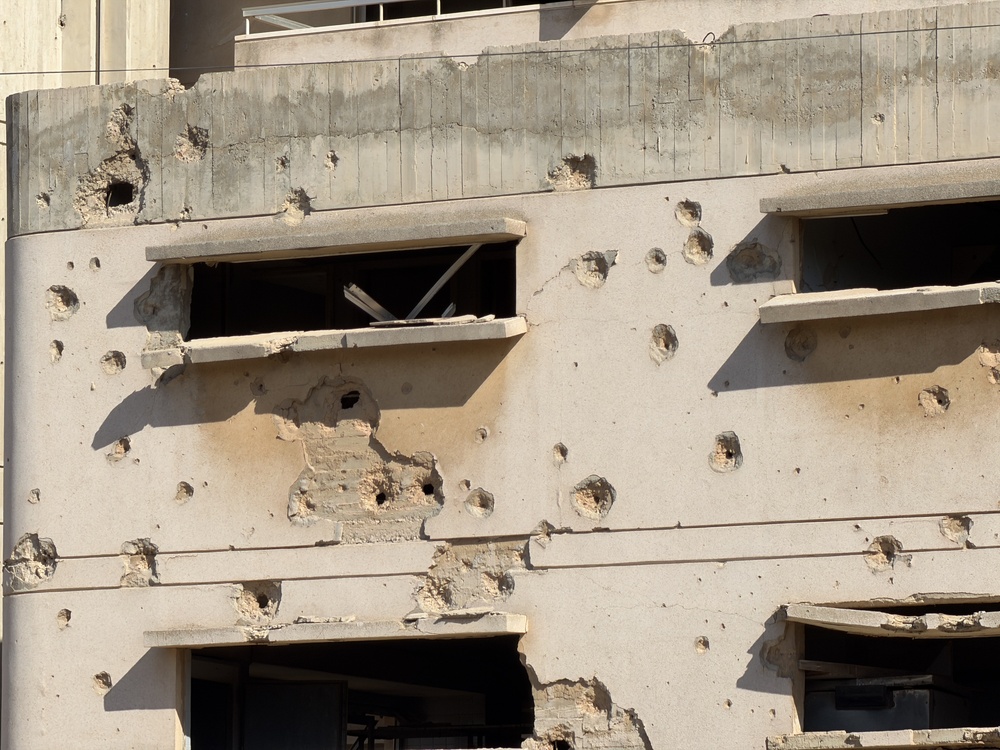
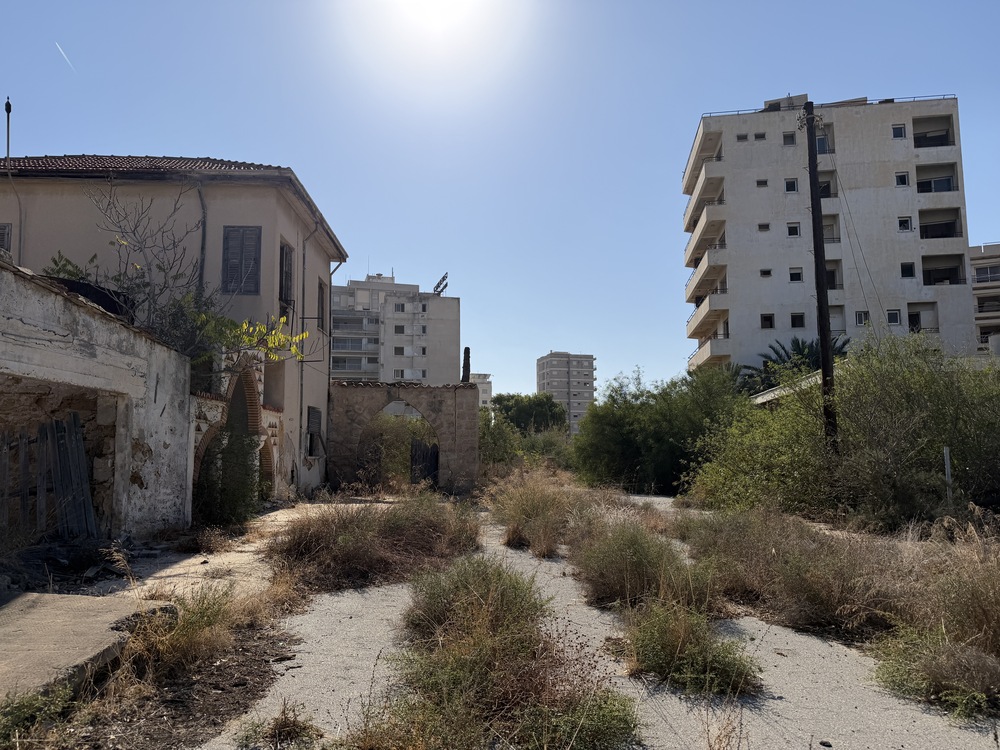
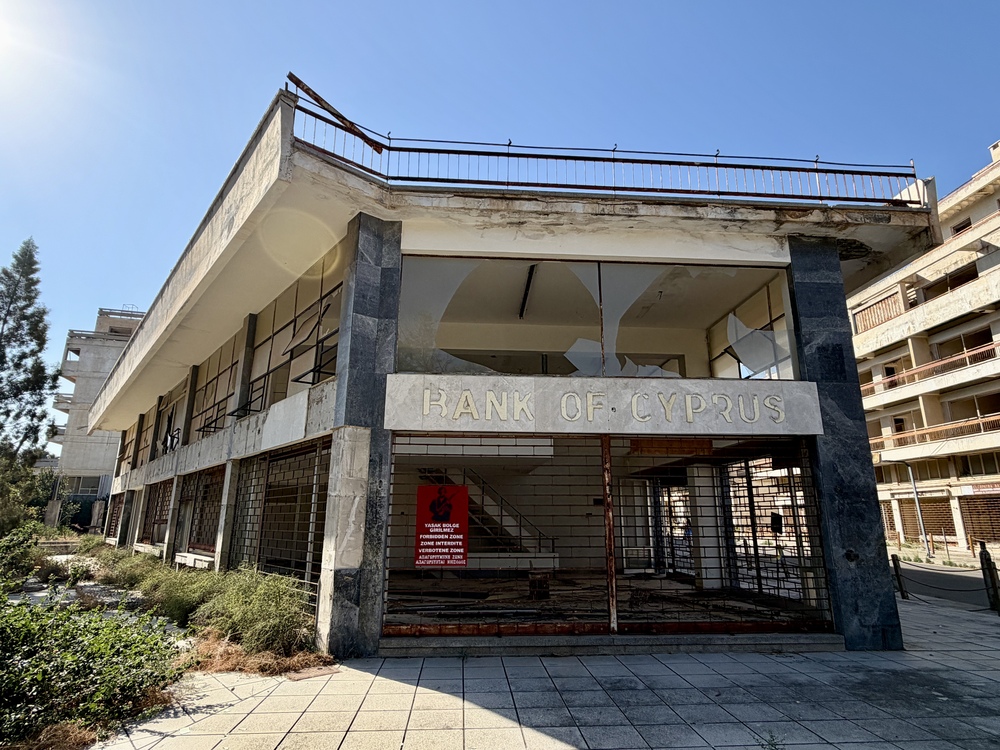
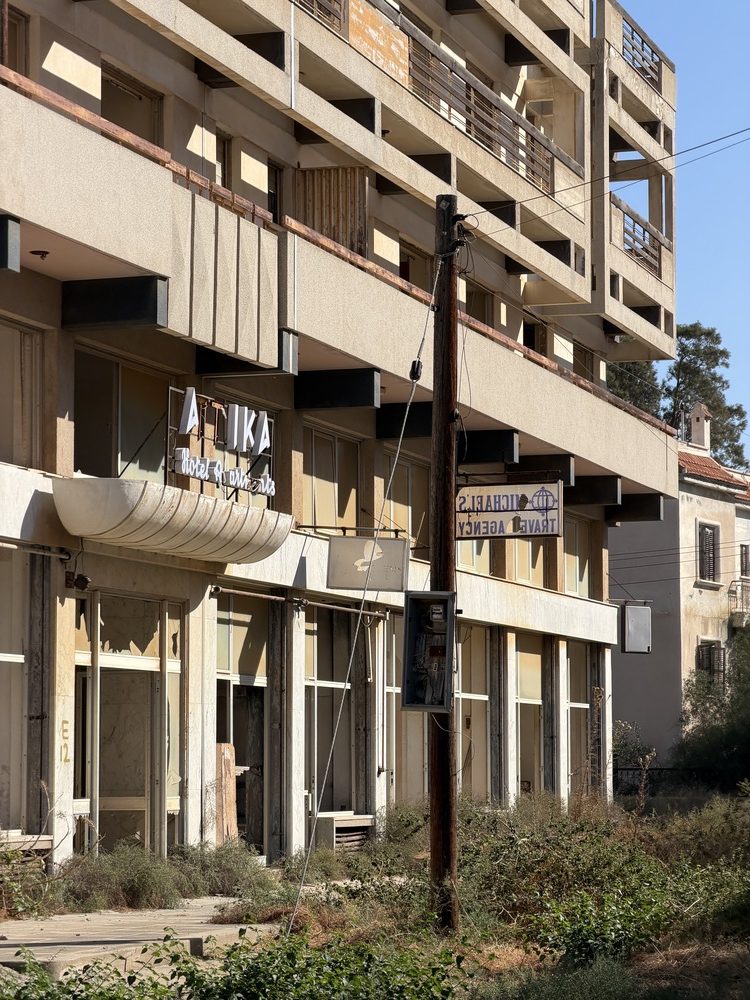
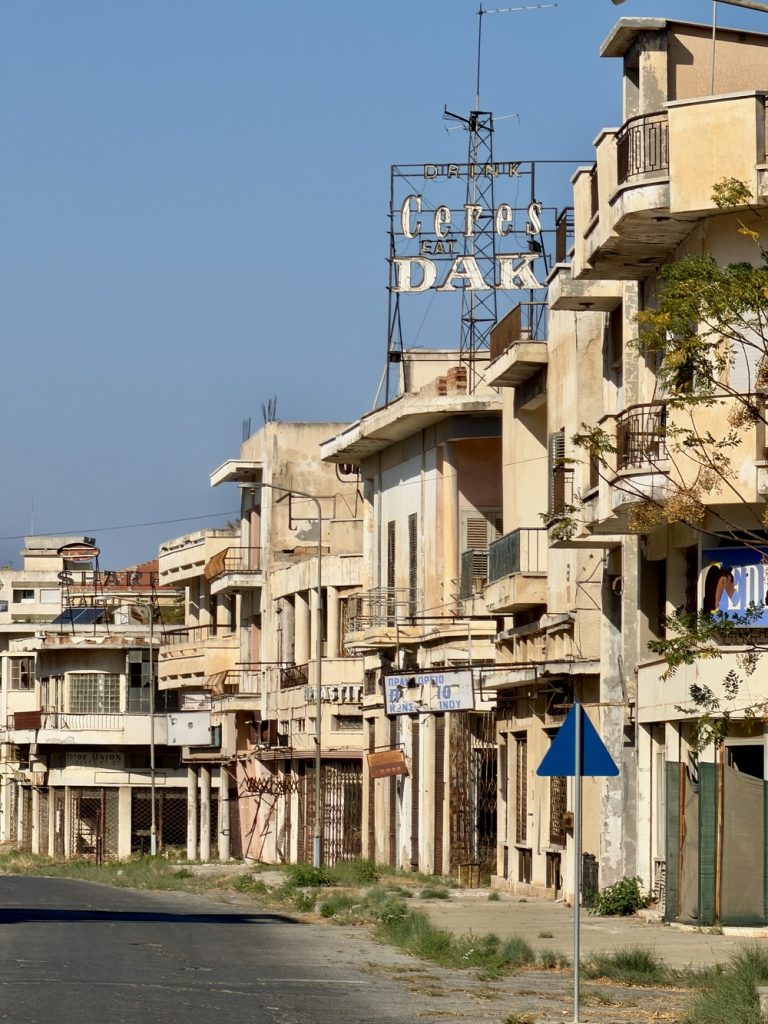
The first impression of Varosha is its silence. A simple absence of regular city noise, replaced by the natural sound of the sea. Sun-bleached facades line the beachfront. Signs hang at angles. Entrances collapse inward. Construction cranes that once symbolised ambition remain fixed where they were left. There is no restoration, no reconstruction and no reshaping of the environment for visitors.
Walking through the reopened streets, one sees the contrast between the Mediterranean setting and the abandoned built landscape. The area functions as a rare example of a modern city quarter left untouched for decades, producing a real-time archaeological process. Decay is visible year by year.
Visiting Varosha Today
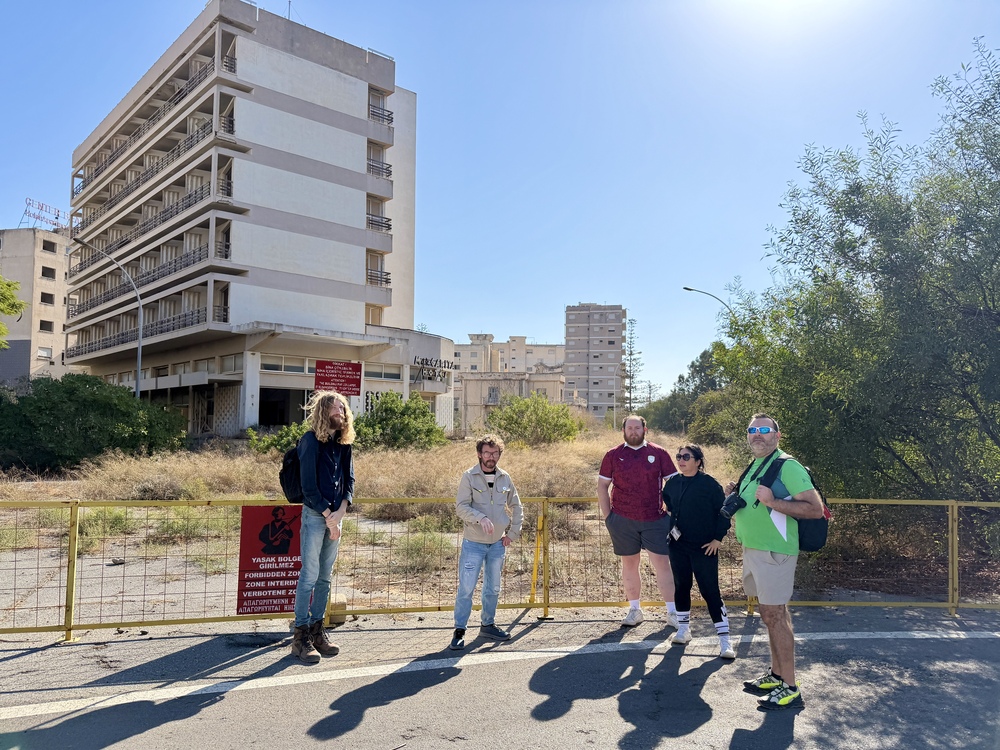
Visitors must enter through the designated checkpoint in the TRNC-controlled part of Famagusta. Access is on foot or bicycle. Security personnel monitor movement and large sections remain inaccessible behind new perimeter barriers. The reopened zone covers the main beachfront and several parallel streets leading inland.
The experience is direct and uncluttered. Signs indicate restricted areas. Former hotels stand on either side, their architecture showing the island’s 1970s development style. Vegetation has grown through foundations and stairwells. Streetlights remain in position but no longer function. The beach itself is clean and draws a small number of local visitors, yet its backdrop remains unmistakably vacant.
Varosha can be visited within a couple of hours, although those interested in architectural history or the political context of the Cyprus conflict often stay longer. The remainder of Famagusta is active and provides a useful contrast between a functioning urban environment and a district left behind.
Why YPT Visits Varosha
YPT includes Varosha because it is an unrepeatable case study of political division, urban abandonment and the practical consequences of stalled diplomacy. It gives an immediate sense of what it means when a community evacuates with no chance to return. There is no attempt at spectacle, only the remnants of a once-dense resort district that became a sealed zone for almost half a century.
About Post Author