The capital of the Russian Far-East, a firm part of the Trans-Siberian Railway and pretty much bordering the Democratic Peoples Republic of Korea, it would be fair to say that Vladivostok is fairly poetically and economically important to the Russian Federation.
The city though is also important touristically, with YPT alone having used it as a staging pad for tours in and out of North Korea, Sakhalin and even further afield via railway. And while North Korea might remain closed as of now, there is still a lot to draw you into Vladivostok.
Table of Contents
What the Vladivostok?
Vladivostok sits at the southern tip of the Muravyov-Amursky Peninsula, overlooking the Sea of Japan, with steep hills rising from the harbour and a mixture of Soviet-era apartment blocks, wooden houses, and newer developments. Founded in 1860 as a military outpost to secure Russia’s Pacific borders, it quickly became a major port and naval base. Today it is the administrative centre of Primorsky Krai and the largest city in the Russian Far East. The population is around 600,000 in the city proper, with students, naval officers, and traders filling the streets.
Historically, the city has seen Japanese occupation, civil conflicts, Soviet industrialisation, and post-Soviet opening to international trade. Vladivostok’s strategic position makes it the gateway to China, North Korea, Japan, and the Pacific. Its cold maritime climate shapes daily life, long winters contrast short summers, and its rough terrain gives the city a gritty, lived-in character that travellers find fascinating.

What is there to do in Vladivostok?
Vladivostok is not a museum city. It is a working port, a naval hub, and a steep, hilly urban sprawl with plenty to explore if you like a mix of history, sea views, and a touch of grit. Walking around, you’ll find forts, harbours, lighthouses, and markets, all giving a sense of the city’s purpose and history. It is not polished, but it is alive and worth the time, especially as a base for further trips into the Russian Far East.
Russky Bridge
The massive cable-stayed bridge linking Vladivostok to Russky Island, offering dramatic views over the city and harbour.

Vladivostok Fortress
Historic military forts scattered across the hills, with tunnels, bunkers, and artillery emplacements.

Sportivnaya Harbor
The working port with cargo ships, fishing boats, and naval vessels. Great for walking along the docks and watching maritime life.

Tokarevsky Lighthouse
A lighthouse perched on a narrow spit of land, giving panoramic views of the sea and city skyline.

Arsenyev Regional Museum
Covers the natural history, culture, and history of Primorsky Krai, giving context to the city and region.

Eating and drinking in Vladivostok
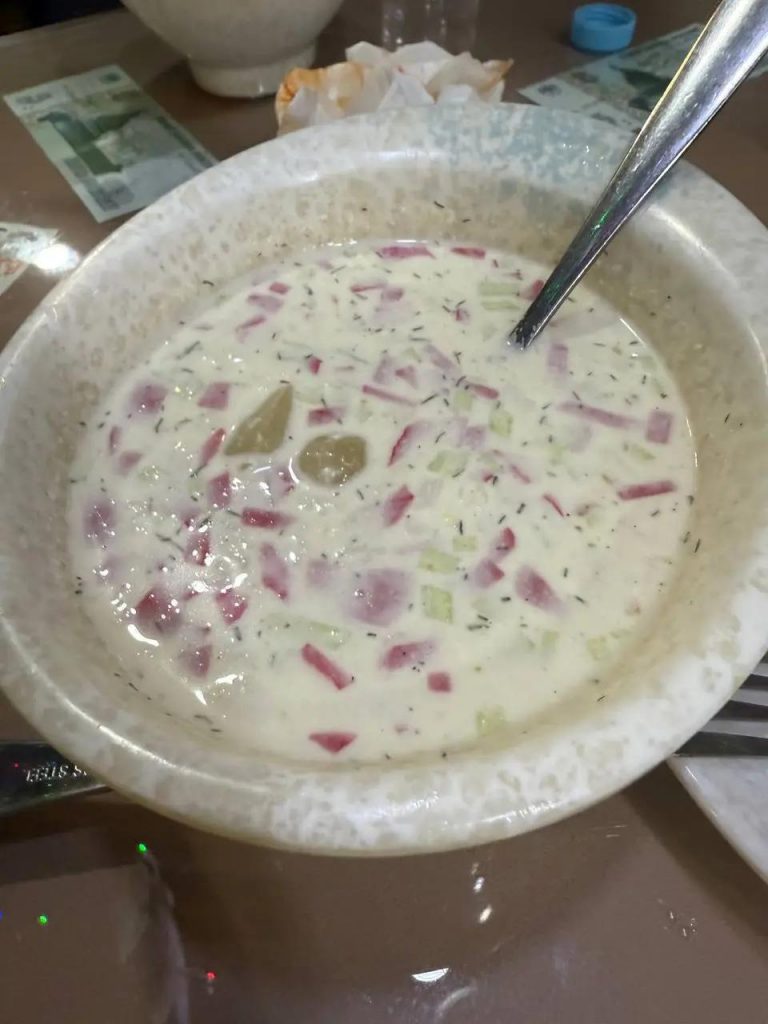
Street food is rare, especially in winter, so the city relies on cafes, canteens, and restaurants serving hearty Russian food and fresh seafood. The bar scene is small but lively thanks to students and naval personnel, and most places are simple, practical, and inexpensive.


Varvar Bar – Krupskaya Street 16
Craft beers, simple bar food, and a relaxed atmosphere.
Stolovaya No.1 – Ulitsa Svetlanskaya 95
Classic Russian canteen-style meals at very low prices, good for breakfast or lunch.

Bardeaux Restaurant – Pushkinskaya 25
Seafood-focused menu including salmon and pollock, a more refined dining option in the city.
Moloko Bar – Svetlanskaya 48
Casual bar, cheap vodka, and occasional live music. Popular with students and young locals.
Koryushka Cafe – Sportivnaya Harbor 2
Small seafood cafe specializing in local smelt and other regional fish, often visited by harbour workers.

Getting in and out of Vladivostok
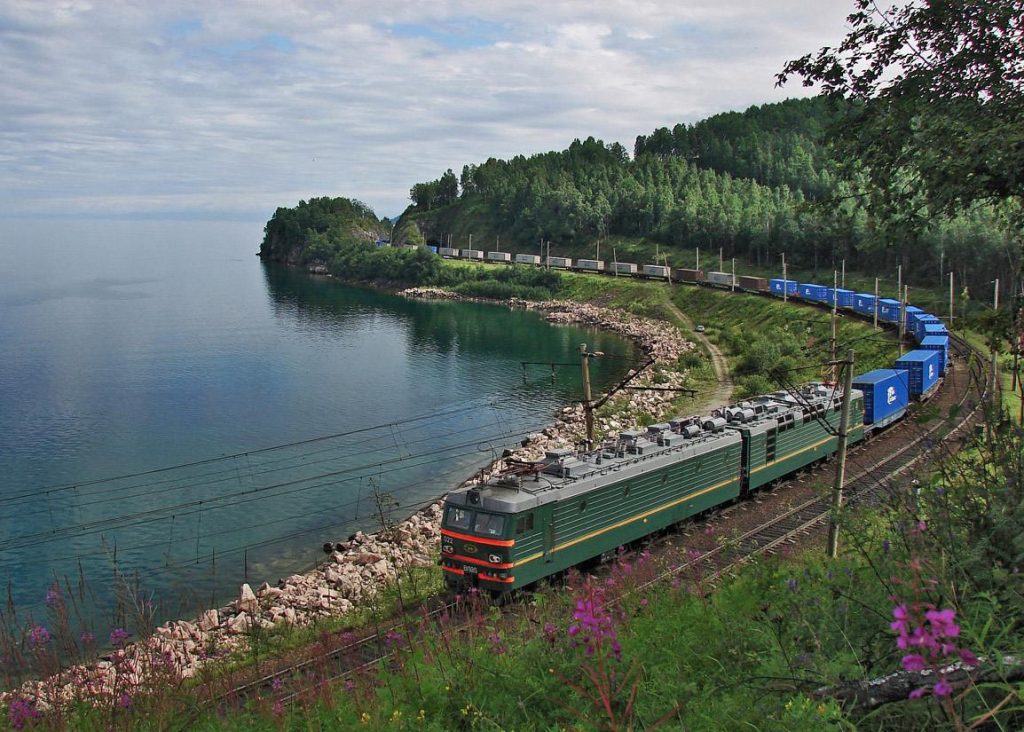
Vladivostok is the main transport hub of the Russian Far East. It is connected by train, road, ferry, and air, making it the perfect base for further exploration. The city sits on the Trans-Siberian Railway, links to China, and has regional connections to islands, border towns, and North Korea. Travel here is not fast, distances are huge, and schedules are minimal compared to Europe, but that’s the charm.
- Chinese land border (Hunchun/Primorye to Harbin) – Roughly 450 km by road. Expect a 10–12 hour bus or private transfer depending on border waits. Road conditions are reasonable, but winter can slow things down.
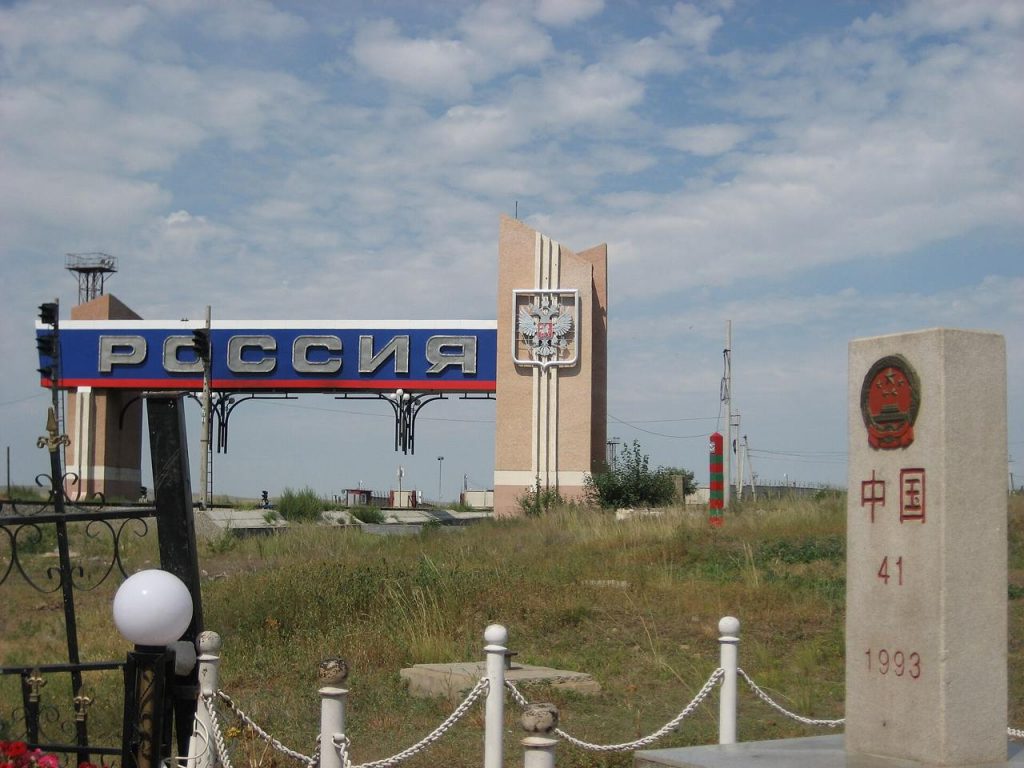
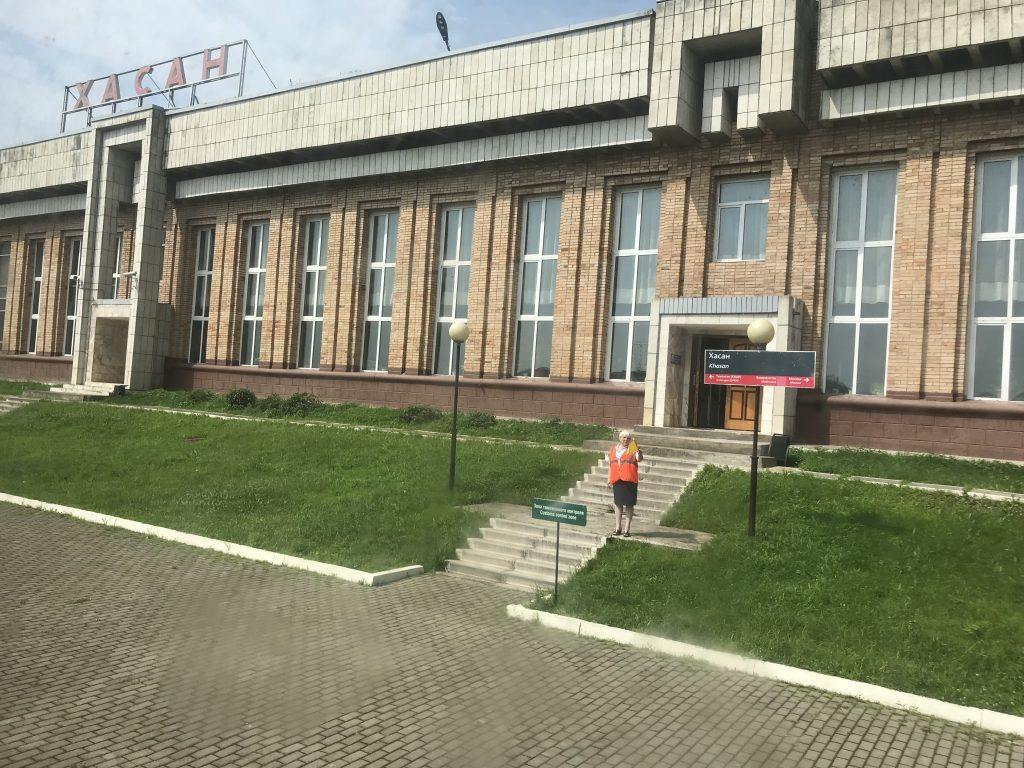
- North Korea train (Khasan to Tumangang) – Only for travellers with permits. Around 30 km from Vladivostok to Khasan by train (~1.5 hours), then cross into North Korea. Access is extremely limited, trains operate once or twice per week, and all visas must be arranged in advance.
- Trans-Siberian Railway to Moscow – About 9,000 km, 6–7 days nonstop if you take the express. Most travellers break the journey into sections, stopping in Irkutsk, Yekaterinburg, or Novosibirsk. Trains are comfortable but long, with multiple sleeper classes.
- Birobidzhan (Jewish Autonomous Region) – Around 600 km west of Vladivostok by train. A direct train takes roughly 10–12 hours. Bus options exist but are slower. A remote area, it’s quiet and completely off the normal tourist track.
- Sakhalin Island (Vladivostok to Korsakov/Poronaysk) – About 230 km across the strait. Travel requires a ferry plus train or bus on Sakhalin itself. The ferry takes 6–8 hours depending on weather, and local transport adds a few more hours to reach Yuzhno-Sakhalinsk, the main city.
To summarize
While not technically the most interesting of Russian cities there is still a real Russia-meets-China edge to the place. Combine this with the North Korean element, as well as the town’s own unique customs, traditions, and feel and you have an interesting place.
Most importantly though this is a pure travel nexus and staging ground for seeing much more of the Russian Far East and beyond. You will not go bored with Vladivostok.
Click to see our Russia Tours.
About Post Author