Lebanon is an incredible country blessed with fertile lands, prosperous coastlines, friendly people and centuries of fascinating, successful empires. However, Lebanon has also faced hard times – civil wars, territory incursions, an economic crisis and the port explosion have really hurt the country economically and has reduced the amount of capital, foreign investment, social security and infrastructure. Unfortunately – this has meant a lot of projects that began remain unfinished or half completed. When you walk around the cities you are likely to see ghost projects – places that were abandoned during construction or renovations. In this blog you will find 5 of the most iconic Lebanese buildings that are yet to be finished – many without a finish date in site.
Table of Contents
The Zara Hadid Building, Beirut
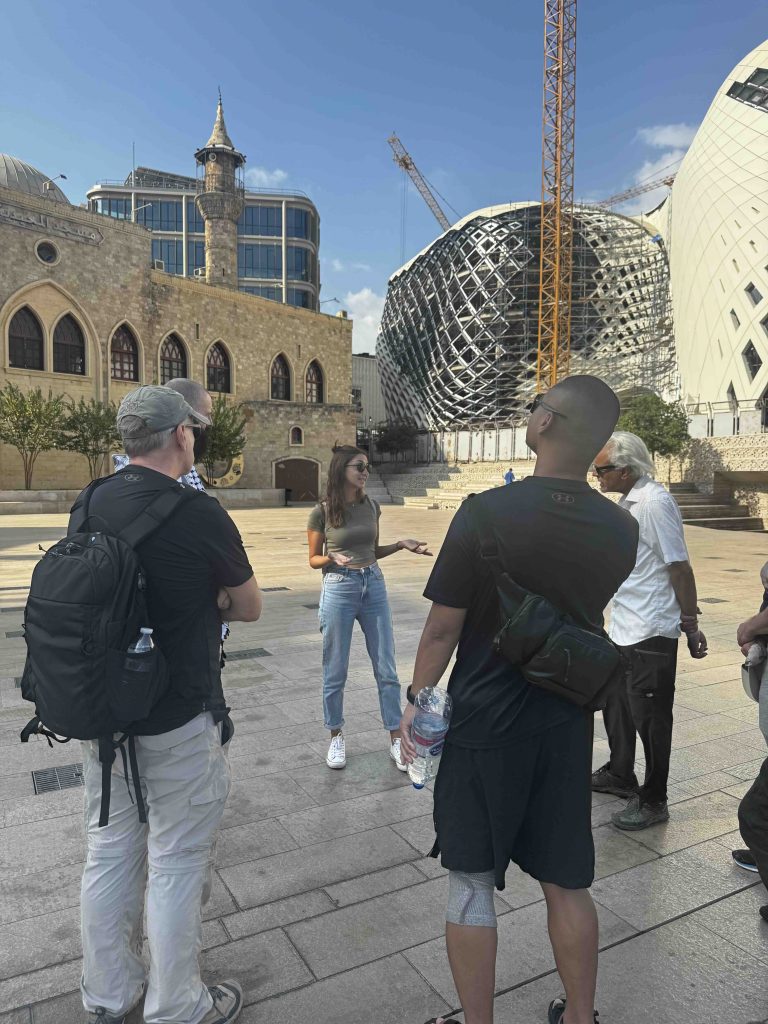
The Zara Hadid building, located in the Beirut Souks was a project from the famous British-Iraqi Architect Zara Hadid. The project is one of the unfinished buildings in the commercial district in Beirut Central District. The progress on the building stalled due to many factors including the financial crises, loss of international investment and lack of confidence after the Beirut Port explosion. In 2020, a fire ripped through the building just months after the Port explosion creating great structural damage to the building.
With the passing of Zara Hadid, an uncertain future in Lebanon as well as the damage from the fire – whether the building will stay as it is or eventually be completed is until now unknown.
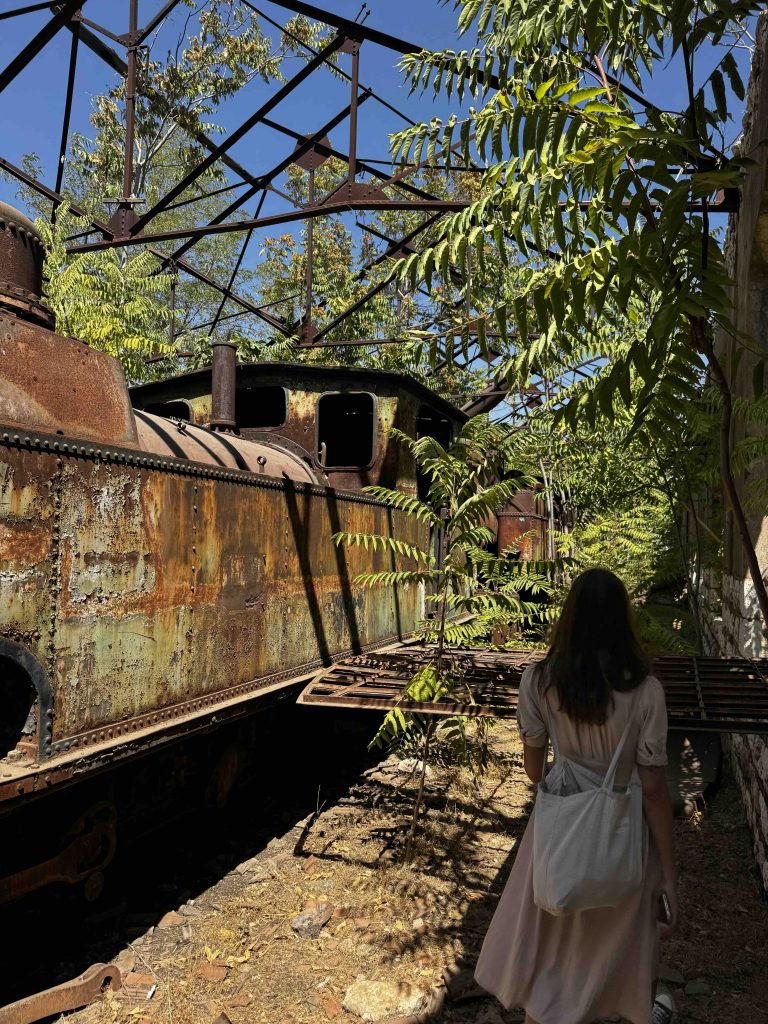
Abandoned Train Stations
There are many train stations in Lebanon that used to operate as an extension of the Orient Express. This included the Taurus Express, a high-end train service originally created in 1930, operating between Istanbul, Aleppo, and Nusaybin, which had expanded its route to include Beirut via Aleppo by 1965.
However by the 1980s as tensions in the Levant and Iraq increased, parts of the routes ceased to operate including in Syria, Iraq and Lebanon.
Domestic railways in Lebanon had two routes: The Coastal Line and the Inland (Bekka) line. The coastal line has stops at: Tripoli, Chekka, Batroun, Jbeil (Byblos), Jounieh, Beirut, Damour, Saida (Sidon) and Tyre (Sour). The Inland train had stations in: Beirut, Baabda, Sofar, Aley, Bhamdoun, Dahr el-Baidar, Chtaura, Rayak, Zahlé, Taanayel and Masnaa.
Unfortunately no trains currently operate in Lebanon and the train hubs remain abandoned. These do make for very interesting stops for train lovers.
Tripoli Fair Ground
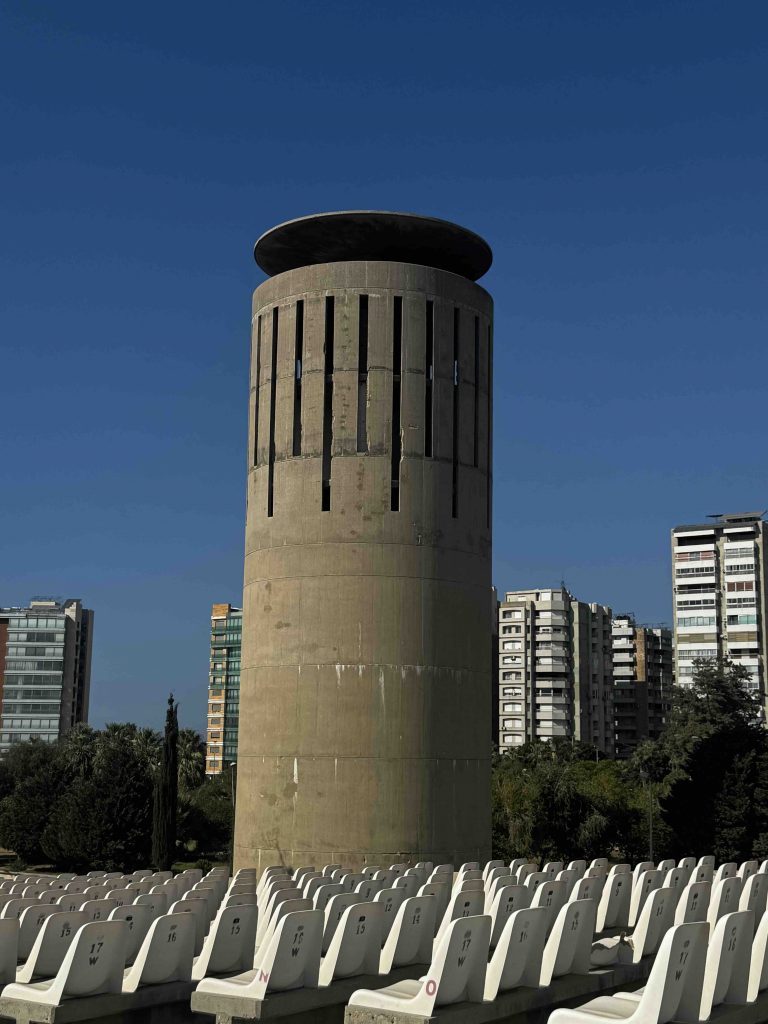
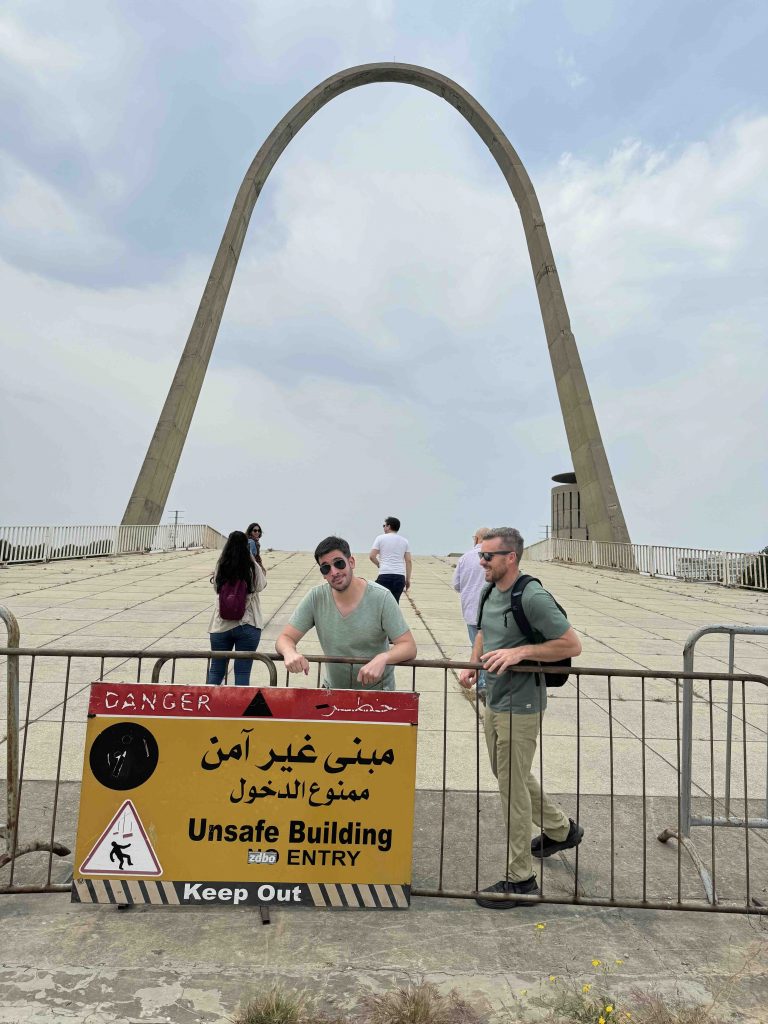
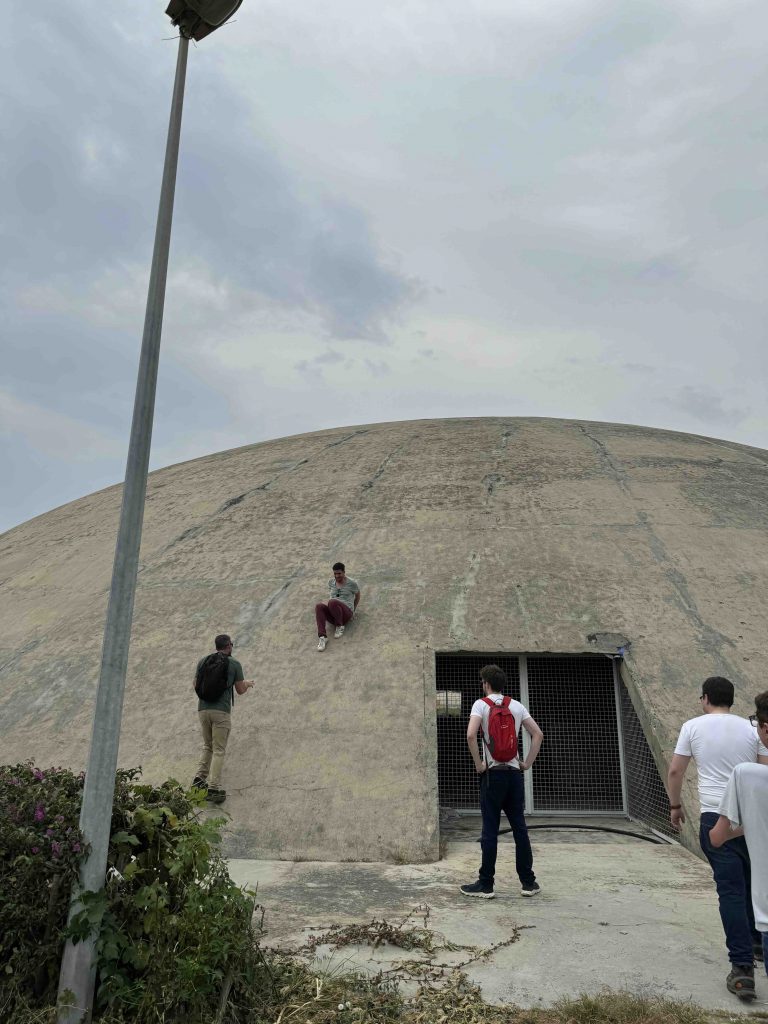
The Tripoli International Fairground, also known as the Rachid Karami International Fair, is a large, modernist complex in Tripoli, Lebanon, designed in the 1960s by famed Brazilian architect Oscar Niemeyer. Envisioned as a major hub for international exhibitions and cultural events, construction began in 1963 but was abruptly stopped in 1975 due to the onset of the Lebanese Civil War. As a result, much of the site was left unfinished and largely unused. Today, it is recognized as a heritage site and occasionally hosts public events, though it remains mostly abandoned and in disrepair, with future plans for its revival still uncertain.
The space itself is a huge land size and consists of many free standing structures intended to be used as stages, a theatre, a helicopter pad, museum and exhibition spaces and even underground tunnels.
The abandoned area rarely has people visiting and makes a great place to explore!
The Holiday Inn Hotel, Beirut
The Holiday Inn Beirut was one of the city’s most iconic buildings—a new, modern hotel that opened in the early 1970s in the bustling Hamra district. It quickly became a hotspot for tourists and locals alike, embodying Beirut’s reputation as the “Paris of the Middle East” with its class. The hotel was once one of the tallest and was a stylish design and prime location made it a symbol of Lebanon’s booming tourism industry and hopeful future.
But when the civil war broke out in 1975, the Holiday Inn was used for something much less desirable. The building became a battleground, used as a sniper’s perch and caught in the crossfire of fierce fighting. It was badly damaged and eventually abandoned, left as a haunting ruin in the heart of the city. Unlike other parts of Beirut that were rebuilt, the Holiday Inn remains a frozen reminder of the war—a symbol of both the city’s turbulent past and its enduring spirit.
Capturing the Holiday Inn was like claiming control over downtown Beirut as from the Holiday Inn, most of the nearby suburbs were visible and it was advantageous for its vantage shots. Christian, Palestinian (and affiliated forces), and even the Syrian military occupied the Holiday inn at one point during the war.
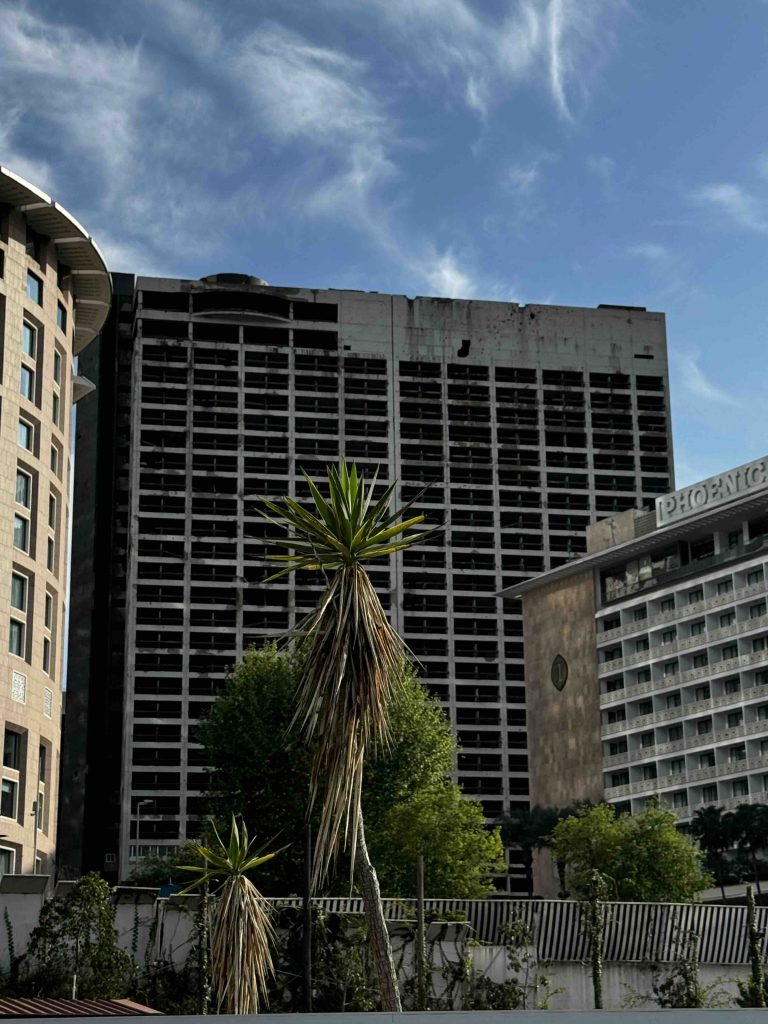
Downtown Beirut
Downtown Beirut is filled with unfinished and abandoned buildings that quietly tell the story of the city’s troubled past and uncertain future. Many were damaged during the Lebanese Civil War and never repaired, while others were left half-built because of economic struggles, political gridlock, or stalled development plans.
One of the most well-known examples is the St. George Hotel—once a glamorous landmark, it now stands frozen in time, caught up in long-running legal battles. Then there’s The Egg, a concrete dome that was meant to be a cinema but was never finished. Over the years, it’s become a kind of urban symbol—sometimes used for protests, art installations, or just quiet reflection.
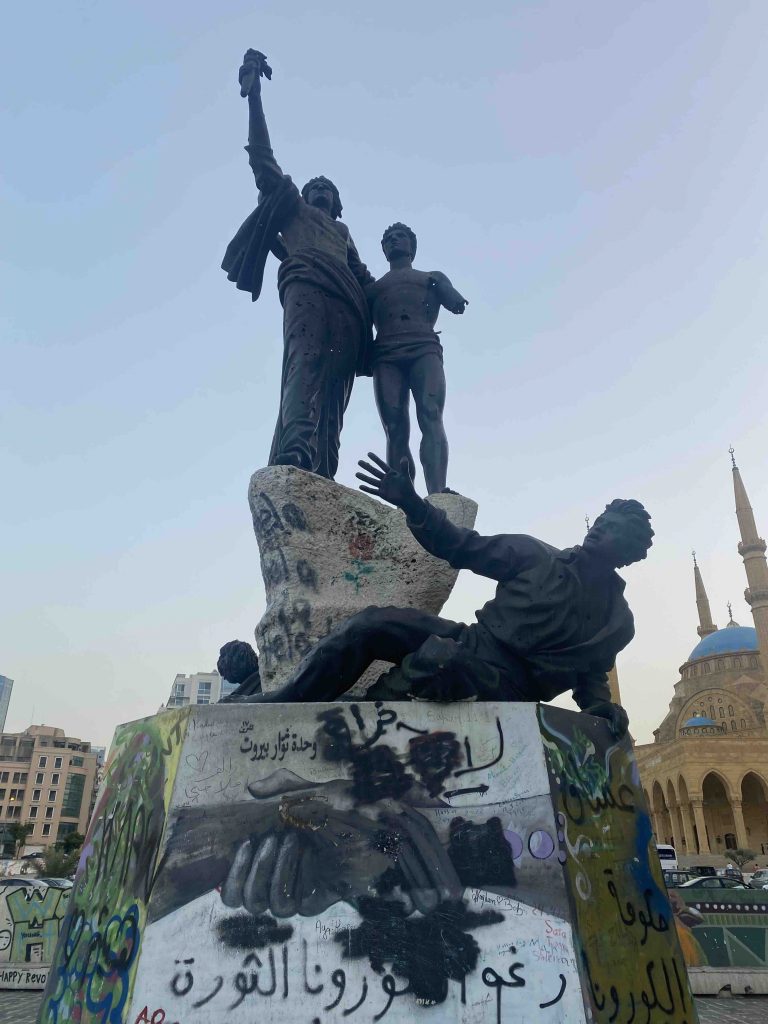
Around Martyrs’ Square, you’ll find more remnants: old theaters, war-scarred facades, and buildings that were partially restored but left in limbo. These places aren’t just neglected—they’re caught between Beirut’s vibrant history and its stalled efforts to move forward.
Despite major post-war reconstruction, especially led by Solidere, many parts of downtown feel incomplete. Plans were made, but not always followed through. And while some of these spaces have found new life in small ways—used for pop-up events or protest gatherings—they mostly sit unused, waiting for a clearer vision of what the city wants to become.
What Are The Future Plans For Fixing Infrastructure in Lebanon?
For now, it is largely unknown and mostly up to private entities to rebuild buildings. Wth a lack of International confidence, attracting foreign investment is a difficult task.
There are positives however. After the Port explosion, many buildings in nearby suburbs were rebuilt. In Downtown Beirut, many refurbished buildings and projects are underway, such as the renovation of the Beirut Souqs which has increased the amount of people shopping and spending time there.
How To See The Most Iconic Lebanese Buildings
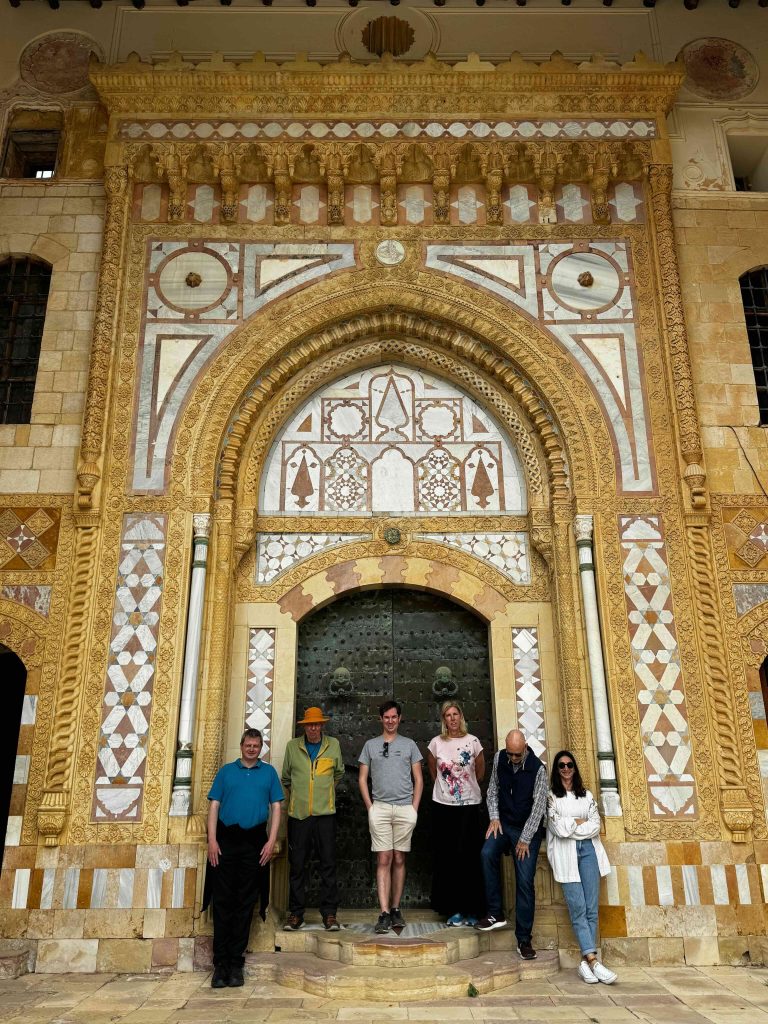
You can see many of these buildings and more on our tours to Lebanon! During our tour downtown, you can see the half finished buildings, the Zara Hadid building and the Holiday Inn. North in Tripoli, we will stop by the abandoned fair ground as well as an abandoned train hub!
About Post Author