Introduction
Longan (Dimocarpus longan) is a tropical fruit native to southern Asia, particularly China, India, and South-East Asia. Revered for centuries for its sweet, delicate flavour and medicinal properties, the fruit is commonly known as the “dragon’s eye.” This evocative name comes from its appearance – translucent white flesh surrounding a shiny black seed that resembles an eyeball. Though less famous internationally than some tropical fruits, longan holds a cherished place in Asian culture, cuisine, and traditional healing.
Botanical Background
The longan tree belongs to the Sapindaceae family, which also includes lychee and rambutan. It is an evergreen tree that can grow between 10 and 20 meters tall under favourable tropical and subtropical conditions. The tree thrives in warm climates, abundant sunlight, and well-drained soil.
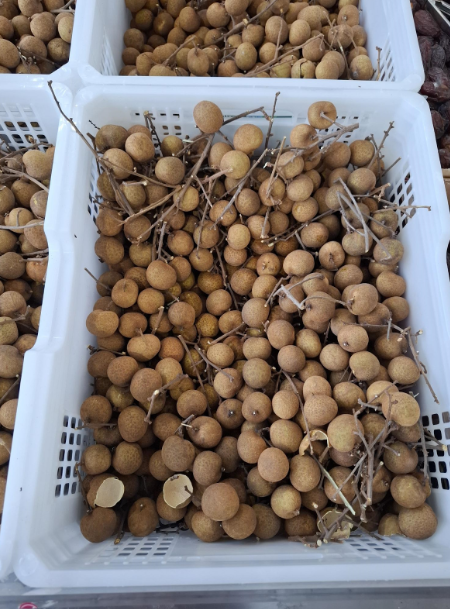
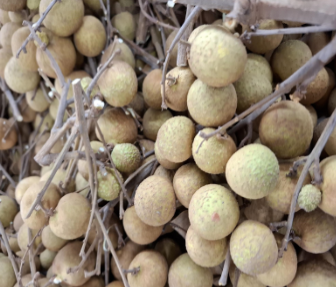
Longan fruits grow in clusters. Each fruit is small and round, typically 2–3 centimetres in diameter, with a thin, leathery, tan-brown shell. Inside is a juicy, translucent flesh that surrounds a smooth, dark seed. The fruit ripens during summer and early autumn, depending on the region. Watch how to peel longan.
Longan trees are remarkably productive and can bear fruit for decades, making them valuable both agriculturally and economically.
Historical and Cultural Significance
Longan has been cultivated for more than 2,000 years, especially in southern China, where it was once considered a fruit of royalty. Ancient Chinese texts praised it for its ability to nourish the body, calm the mind, and promote longevity.
In traditional Chinese medicine, dried longan is believed to strengthen the heart, improve blood circulation, reduce anxiety, and support restful sleep. It is commonly used in herbal soups and tonics.
Today, longan is widely grown in China, Thailand, Malaysia, Vietnam, Cambodia, Taiwan, and increasingly in tropical regions worldwide, including northern Australia, Florida, and Hawaii.
In many Asian cultures, longan symbolizes clarity, harmony, and prosperity. It is often served during celebrations and family gatherings.
Nutritional Profile
Longan is a nutrient-rich fruit that provides energy and essential vitamins while remaining low in fat.
A typical 100-gram serving of fresh longan contains:
- Calories: 60–70 kcal
- Carbohydrates: 15–16 g
- Protein: 1–1.5 g
- Fat: Less than 0.5 g
- Vitamin C: Up to 80% of daily recommended intake
- Riboflavin (Vitamin B2): Important for cellular energy
- Potassium: Supports heart and muscle function
- Magnesium and phosphorus: Important for bone and metabolic health
- Antioxidants: Including polyphenols and flavonoids
Its high vitamin C and antioxidant content make longan particularly beneficial for immune health and cellular protection.
Health Benefits
1. Strengthens the Immune System
Longan’s rich vitamin C content helps the body resist infections, supports wound healing, and enhances iron absorption.
2. Rich in Antioxidants
The fruit contains natural antioxidants that protect cells from oxidative stress, which contributes to aging and chronic disease.
3. Supports Skin Health
Vitamin C aids collagen production, helping maintain firm, youthful skin and reducing wrinkles and damage caused by environmental exposure.
4. Promotes Relaxation and Better Sleep
In traditional medicine, dried longan is known as a calming food. It is often used to reduce anxiety, improve sleep quality, and relieve fatigue.
5. Aids Digestion
Longan contains natural sugars and fibre that support digestive health and help prevent constipation.
6. Supports Heart Health Potassium in longan helps regulate blood pressure, supports cardiovascular function, and promotes healthy circulation.
Differences Between Longan and Lychee
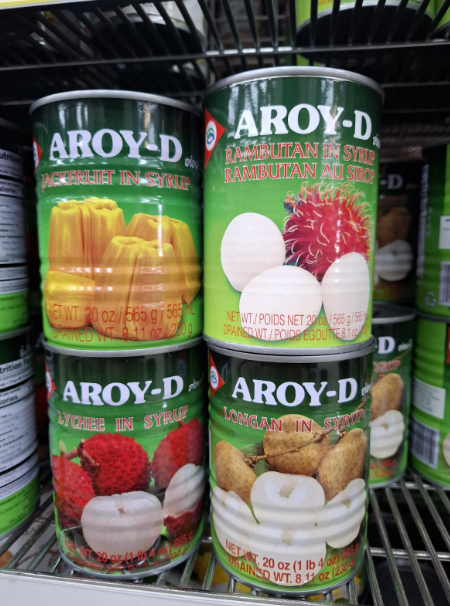
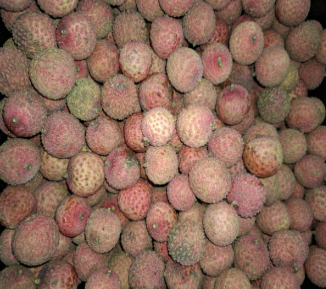
Because of their similar appearance and shared botanical family, many people in the West mistakenly assume longan and lychee are the same fruit. While they are related, they are distinctly different. Lychee has a bright red, rough, and spiky shell, while longan has a smooth, tan-brown shell. The flesh of lychee is more aromatic, floral, and slightly tart, whereas longan has a subtler fragrance and a sweeter, more honey-like flavour. Lychee is generally juicier and more dramatic in taste, while longan is more delicate and refined. In texture, lychee flesh is softer and more perfumed, while longan flesh is slightly firmer and clearer. Longan is also more commonly used in traditional medicinal preparations, particularly in dried form. Read the difference with Rambutan, Longan, and Lychee. Watch video clip here on differences with longan, rambutan, mangosteen, lychee, and langsat (Thai name: longkong).
Culinary Uses
Longan is extremely versatile and can be consumed in several forms:
- Fresh
Fresh longan is eaten by simply peeling the shell and enjoying the sweet flesh inside.
- Dried
Dried longan is widely used in herbal teas, soups, and desserts. Drying intensifies its sweetness and medicinal value.
- Desserts
It is commonly added to:
- Sweet soups
- Jellies
- Ice cream
- Syrups
- Rice-based desserts
- Beverages
Longan is used in juices, teas, and refreshing summer drinks. Longan tea is especially popular for its calming and nourishing effects.
- Savoury Applications
In South-East Asian cuisine, longan is occasionally paired with meats, salads, and rice dishes to add a natural sweetness.
Interesting Facts
- The name “longan” (pronounced “Lung-Ngan”) literally means “dragon eye” in Cantonese. It is known as “lam-yai” (ลำไย) in Thailand.
- Longan trees can remain productive for over 50 years.
- The fruit is considered a warming food in traditional Chinese dietary therapy.
- Northern Australia has become a successful region for cultivating high-quality longan.
Conclusion
The longan fruit is a remarkable tropical delicacy combining sweetness, nutrition, and cultural significance. Though often overshadowed by its more famous cousin, the lychee, longan possesses its own unique charm, with a gentler flavour, medicinal value, and culinary versatility. Whether eaten fresh on a warm day, brewed into a soothing tea, or added to traditional dishes, longan offers both nourishment and pleasure.
Its delicate sweetness, rich history, and health-supporting properties make it truly deserving of its poetic name – the dragon’s eye.
Other fruits you could try when travelling through South-East Asia are Pomelo (Giant Citrus Fruit), Jackfruit (World’s Largest Fruit), Snake Fruit, Durian (King of Fruits), Mangosteen (Queen of Fruits), Langsat, or Rambutan (Hairy Fruit). For YPT’s Tours of South-East Asia (click here).
About Post Author