If you are trying to understand Mauritania, the first thing to do is get serious about the Languages of Mauritania, because this is not a country you can sum up in two words. People will tell you Arabic and French and call it a day, but that is lazy.
Mauritania sits between the Sahara and the Sahel, between North Africa and West Africa, and the way people speak reflects centuries of migration, conquest, trade, religion, and colonial influence. The Languages of Mauritania are messy, layered, tribal, political, and fascinating, and ignoring them is the fastest way to misunderstand the country.
Table of Contents
Arabic and Hassaniya Arabic
Arabic is the official language of Mauritania, but what you actually hear day to day is Hassaniya Arabic. This is not the neat Modern Standard Arabic of textbooks or news broadcasts; it is a dialect that developed with the Maqil Arab tribes centuries ago and gradually became the dominant language of the desert and coastal communities. Hassaniya Arabic is the language of identity for the Bidhan or White Moors, it’s the language of markets, taxis, government offices, and desert nomads. It borrows from Berber and West African languages, giving it a rhythm and vocabulary completely distinct from Moroccan or Gulf Arabic.
Written Arabic is Modern Standard Arabic, and it dominates official documents, media, and religious schools. Qur’anic education means that even people in rural areas can read classical Arabic for religious purposes, even if daily communication runs on Hassaniya. When discussing the Languages of Mauritania, Arabic is the heavyweight. Everything else revolves around it.

French and the Colonial Legacy
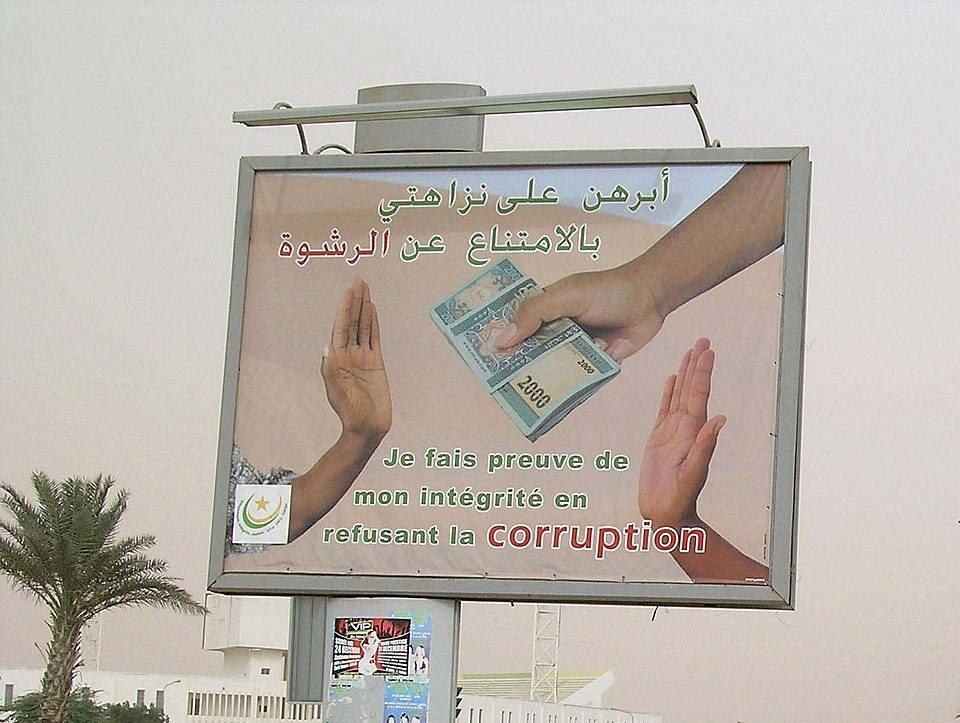
French is not official, but you ignore it at your peril. Mauritania was part of French West Africa until 1960, and the language remains embedded in administration, law, banking, and education. Walk into any government office or university, and you will deal with French. Many educated Mauritanians switch seamlessly between Arabic and French mid-sentence, and street signs often carry both languages. French is the working language of bureaucracy and business.
Its presence is strongest in urban areas and among the educated elite. In rural regions, knowledge of French drops fast. For travellers, French will get you far more reliably than English. It is not the language of identity or emotion, but it is essential for paperwork, official forms, and any higher-level interaction.
Pulaar, Soninke, and Wolof
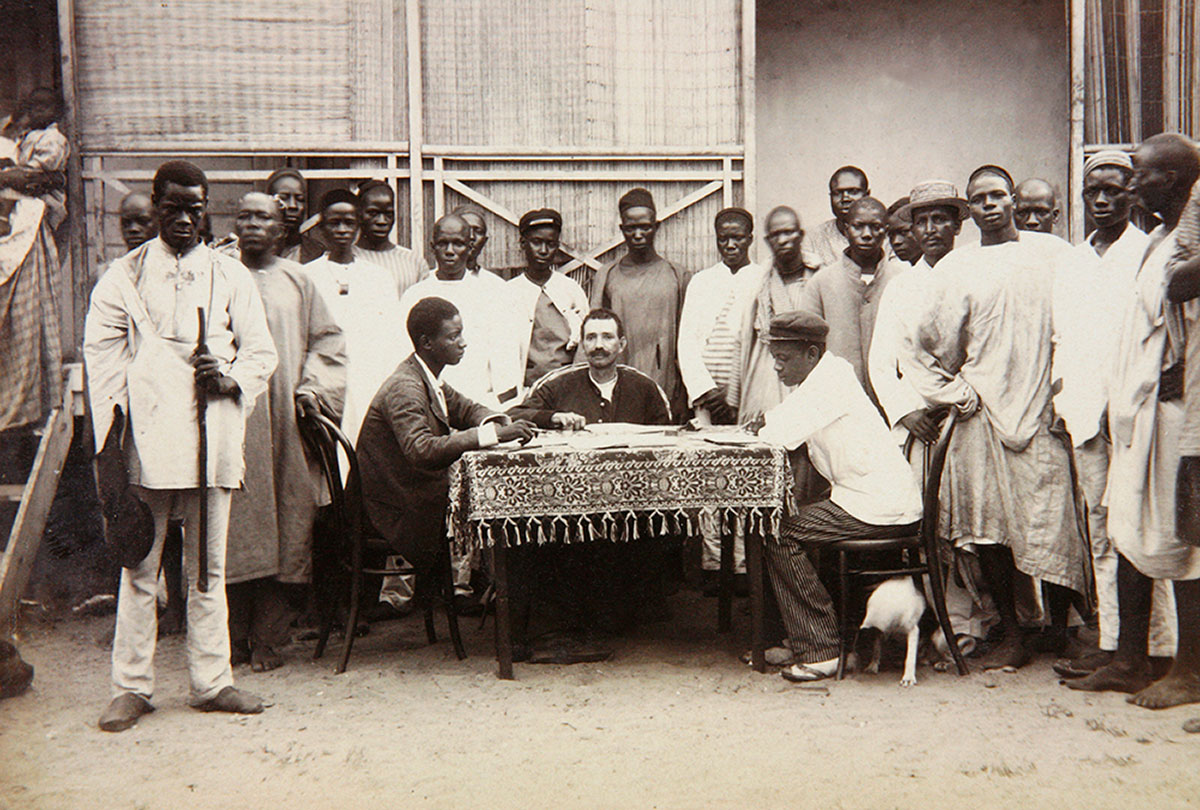
If you think Mauritania is only about Arabs and French speakers, think again. In the south along the Senegal River, large black African communities speak languages entirely separate from Arabic. Pulaar, also called Fula or Fulfulde, is the main one. Spoken by the Halpulaar, it connects Mauritania with Senegal, Mali, and wider West Africa. It is a major language, not a fringe dialect, and in southern towns you will hear it as frequently as Hassaniya.
Soninke is another key language, with roots in the ancient Ghana Empire and communities spread across West Africa. Wolof also appears in trading communities near the Senegal border. These languages are recognised officially, but historically politics has favoured Arabisation, sidelining black African languages in schools and government. In Mauritania, the Languages of Mauritania are tied to power and identity as much as they are to daily communication.
Berber and Minority Languages
Historically, Berber languages were spoken in parts of Mauritania, though over centuries most speakers shifted to Hassaniya Arabic. Traces remain in tribal names, customs, and certain words. Berber presence is minor today but forms part of the deeper historical layers of the Languages of Mauritania.
There are also migrant languages from other parts of West Africa, especially in Nouakchott markets. Bambara, Serer, and other regional tongues appear in commerce and daily life, even if they do not feature in official statistics.

English in Mauritania
English is the newcomer in the Languages of Mauritania. It is taught in schools after French, and its reach is growing thanks to globalisation, NGOs, and foreign investment in mining and fishing. Some young urban Mauritanians speak decent English, particularly those educated abroad or working in international business.
That said, this is not a country where English will get you through every situation. Taxi drivers, market traders, and rural communities rarely speak it. French is far more useful in official settings, and Arabic dominates everywhere else. Travellers who rely only on English will survive with patience, gestures, and Google Translate, but learning even a few Arabic phrases will make life much easier and earn respect.
Useful Phrases in Mauritania
Knowing a handful of phrases makes navigating Mauritania much smoother, and since Arabic dominates, that is your safest bet:
- Salam alaikum – Hello
- Wa alaikum salam – Response to hello
- Labas – How are you?
- Labas alhamdulillah – I am fine, thank God
- Shukran – Thank you
- Na’am – Yes
- La – No
- Bshhal – How much?
- Ma’a salama – Goodbye
In French, you will also get by with:
- Bonjour – Hello
- Merci – Thank you
- Combien – How much?
- Ou est – Where is?
In the south, Pulaar speakers greet with Jam tan, meaning “peace only.” Recognising the language shows you understand the local culture, which is always appreciated.
Understanding Mauritania Through Its Languages
The Languages of Mauritania reflect the country itself. Hassaniya Arabic dominates culturally and politically. French runs through administration and education. Pulaar, Soninke, and Wolof anchor the south and connect Mauritania to West Africa. Berber roots linger quietly in the background. English is growing but remains limited.
These languages are not just about communication; they are about power, identity, history, and migration. Spend time listening to how people speak in Nouakchott, in southern towns, and in desert camps, and you will understand more about Mauritania than any museum or guidebook can convey.
If you actually care about getting Mauritania beyond the map, paying attention to the Languages of Mauritania is the fastest way to do it.
Click to check our Mauritania Tours.
About Post Author