Kiribati currently refuses to issue visas to holders of Taiwanese passports, and there is no confirmed end date for this policy, despite the country offering visa-free entry to more than 120 countries and territories worldwide.
Kiribati is one of the least visited countries in the world and is also one of the destinations included in YPT’s Least Visited Countries Tour. This policy further reduces the number of potential travellers to Kiribati.
Table of Contents
Kiribati Visa Ban on Taiwanese Citizens
As of January 2026, YPT received confirmation from the relevant authorities in Kiribati that, because Kiribati supports the One China policy, visa applications made using Taiwanese passports are not recognised. Consequently, all visitor visa applications from holders of Taiwanese passports will be declined.
As a result, any attempt to apply for a Kiribati visa using a Taiwanese passport will now be refused, and there is no confirmed end date to this unclear Kiribati visa ban on Taiwanese passport holders. Therefore, Taiwanese citizens are unable to obtain a Kiribati visa unless they hold a second non-Taiwanese passport.
In June 2024, Taiwanese travellers reported that Kiribati refused to issue visas to Taiwanese visitors because the country does not recognise Taiwanese passports.
At the time, Taiwan’s Ministry of Foreign Affairs responded that it had not received any official notification from Kiribati stating that Taiwanese passports were not recognised. It instructed its representative office in Fiji to look into the matter.
The Taipei Representative Office in Fiji stated that Kiribati may have tightened border controls ahead of its parliamentary election in August and was applying stricter checks to foreign visa applications, without targeting any specific country.
After diplomatic ties were severed in September 2019, Kiribati did not clarify whether visa-free treatment for Taiwanese would continue. In September 2023, the Kiribati Immigration Department released a document listing visa-free countries and regions, and Taiwan was not included.


Background of the Kiribati Visa Ban on Taiwanese Citizens
In recent years, the People’s Republic of China has sought to strengthen its influence in the South Pacific by drawing closer to countries in the region. Palau, the Marshall Islands and Tuvalu did not change diplomatic recognition; Kiribati, despite opposition from Washington and Canberra, re-established diplomatic relations with Beijing for a second time in 2019.
Kiribati gained independence from the United Kingdom in 1979 and established diplomatic relations with the People’s Republic of China in 1980. In 1989, the Republic of China (Taiwan) sent representatives to Kiribati and sought to exchange aid for diplomatic recognition. Kiribati rejected the proposal, stating that since it had already established relations with the People’s Republic of China, it should not establish relations with what it described as a province of China.
In 2003, Kiribati established diplomatic relations with the Republic of China (Taiwan). According to media reports from mainland China, the Taiwanese government provided one million US dollars in funding to presidential candidate Anote Tong in 2002. It also provided cash to his political party and other related individuals in order to negotiate bilateral relations with Kiribati.
On 7 November 2003, Kiribati formally established diplomatic relations with the Republic of China (Taiwan). The People’s Republic of China did not immediately sever relations. For more than three weeks, its ambassador remained in place and diplomatic ties were not formally cut. This led to the rare situation in which the flags of both governments were displayed in Kiribati at the same time. Some analysts believed that China delayed the decision because of its space tracking and control facilities in Kiribati. The delay was seen as an attempt to reverse the situation and to allow time to deal with issues related to these facilities.
After diplomatic relations were established, Taiwan provided Kiribati with assistance in infrastructure development and agricultural technology. In 2008, Taiwan also paid Kiribati’s outstanding debt to Air Pacific, now Fiji Airways. This allowed the airline to continue operating flights between Tarawa and Kiritimati.

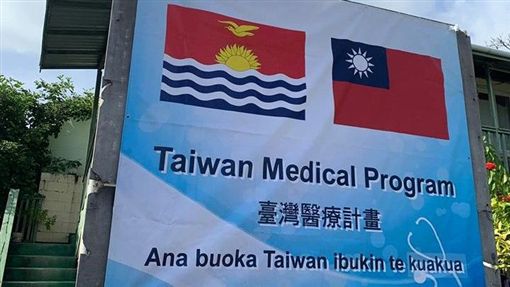
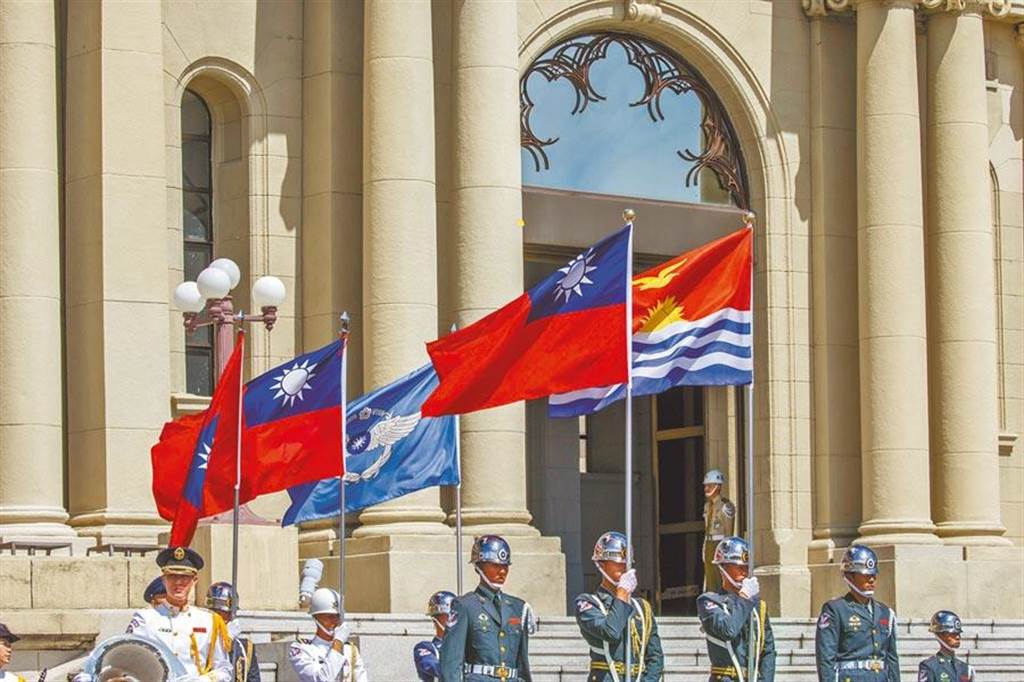
In 2019, Kiribati severed diplomatic relations with the Republic of China (Taiwan) and re-established relations with the People’s Republic of China for a second time. According to Taiwan’s Ministry of Foreign Affairs, the decision followed a request by the President of Kiribati for a large amount of financial assistance to purchase civilian aircraft. Taiwan offered concessional commercial loans, but this proposal was not accepted. The People’s Republic of China was willing to provide two civilian aircraft as a grant and promised further funding to purchase additional aircraft and commercial ferries. China denied this claim.
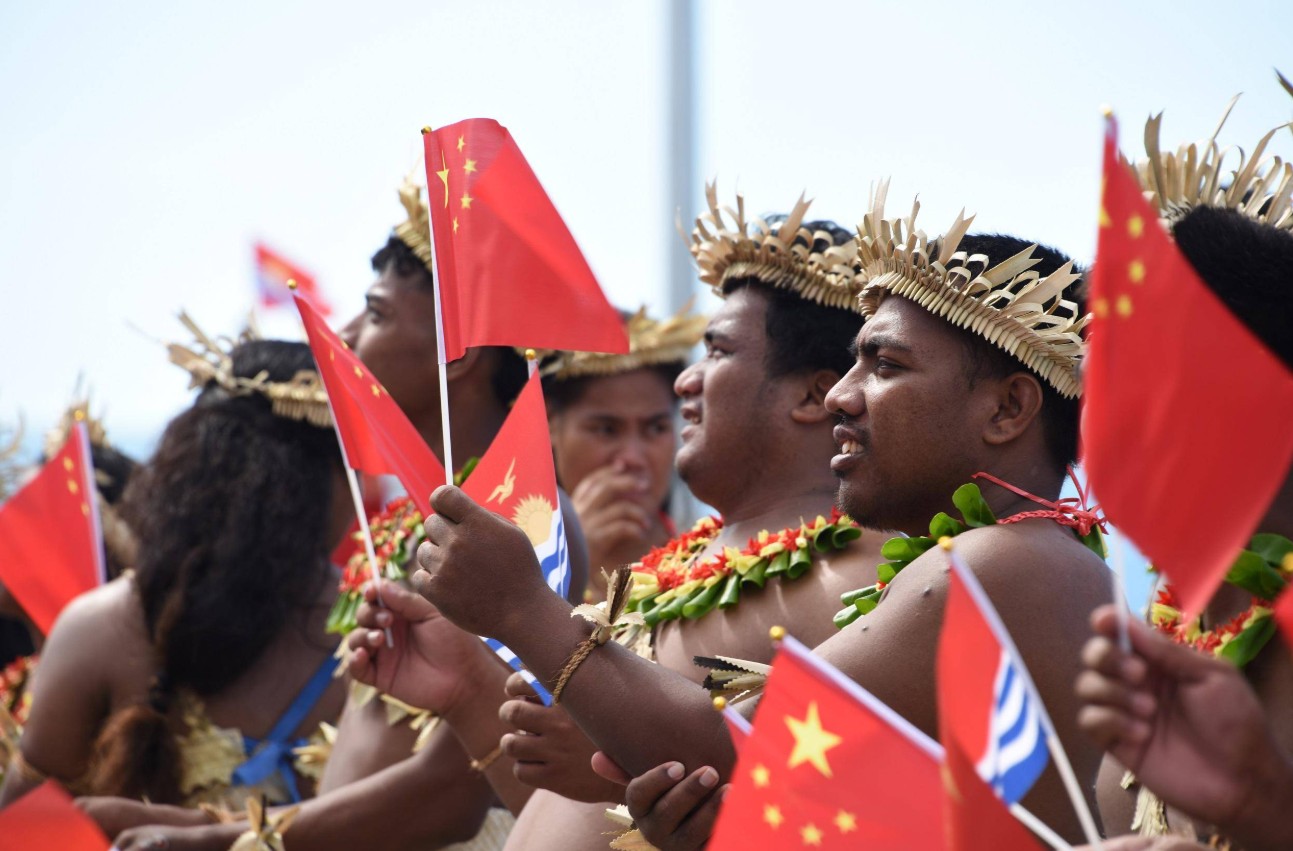
On 1 September 2023, Kiribati formally granted visa-free entry to holders of passports from the People’s Republic of China.

Conclusion
Kiribati’s refusal to issue visas to holders of Taiwanese passports and the Kiribati visa ban will further reduce the number of potential travellers to this already rarely visited country.
In practice, Kiribati now joins Georgia, Venezuela, and Ascension Island as countries and territories that effectively bar entry to Taiwanese citizens. Although Moldova does not recognise Taiwanese passports as well, Taiwanese citizens are still able to enter and exit Moldova via Transnistria.
The Kiribati visa ban is particularly unfavourable for Taiwanese travellers wishing to join our Least Visited Countries Tours. However, YPT will continue to monitor the situation closely and provide updates as information becomes available.
About Post Author