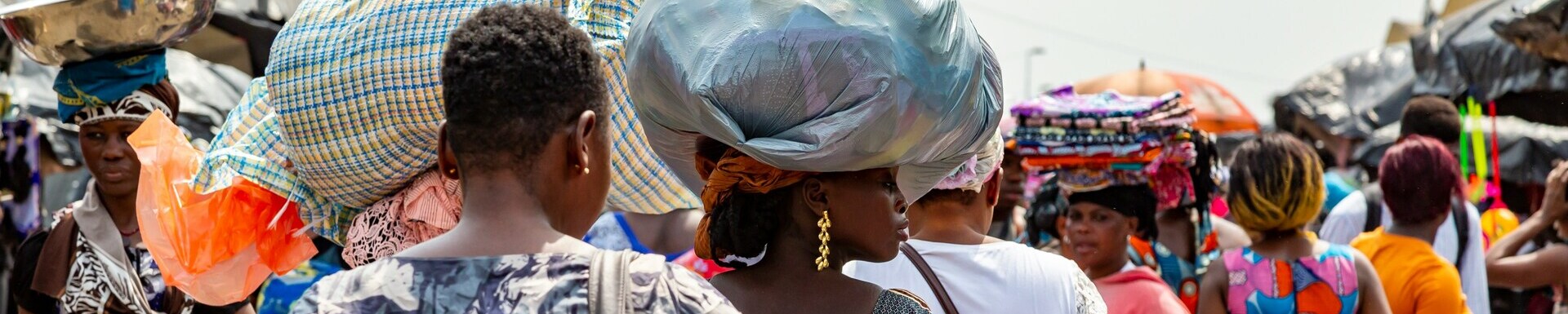
Along the Gulf of Guinea in West Africa, you’ll find Côte d’Ivoire, one of the region’s most fascinating destinations. The country is the largest producer of cocoa in the world, meaning most chocolate eaten around the world begins its journey here. Its economic capital, Abidjan, is often called the “Manhattan of West Africa” because of its modern skyline, lively nightlife, and music culture.
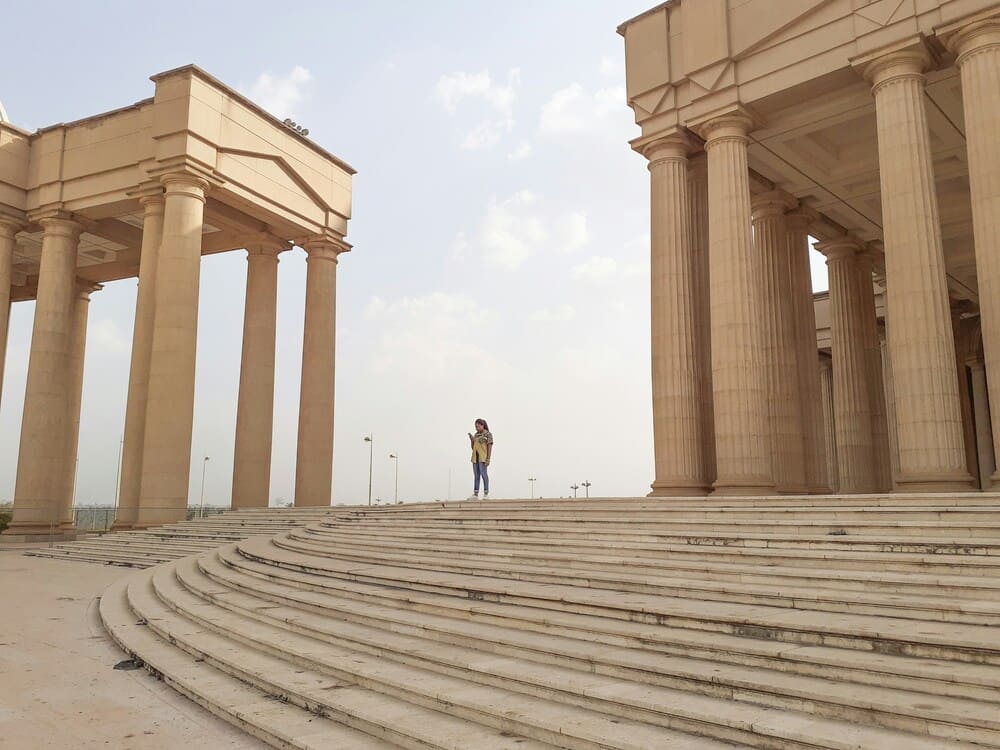
Our Ivory Coast tours wouldn’t be complete without visiting the political capital, Yamoussoukro, which is the home to Basilica of Our Lady of Peace of Yamoussoukro, officially the largest church in the world.
Group Tours to Ivory Coast
Currently, we offer one yearly tour to Ivory Coast. This trip can be combined with our Benin and Togo tour and our Ghana Tour, to unlock more secrets of the West Africa region.
Ivory Coast Essentials Tour – February 7th to 12th, 2027 – 2195€
Independent tours to Côte d’Ivoire
As well as our already scheduled group tours, we also offer private and bespoke Ivory Coast tours, designed exactly for you and your preferences.
Example of an Ivory Coast Itinerary (6 days)
Day 1 – Abidjan and Grand-Bassam
- Arrive at Abidjan International Airport at your own convenience, with flights from main cities in Europe, US and Africa. Transfer to Grand-Bassam, the former French colonial capital and now a UNESCO World Heritage Site, about 45 minutes drive away.
- Dinner at a local restaurant where you can sample fresh seafood and authentic Ivorian dishes. Try grilled fish with attiéké, a cassava couscous dish, and tropical fruits while enjoying the ocean view, a perfect first taste of the country!
- Overnight at our hotel in Grand-Bassam
Day 2 – Grand-Bassam and Assinie-Mafia Lagoon
- Breakfast at the hotel.
- Guided walking tour around Grand-Bassam. We’ll wander the historic colonial quarter, with pastel-coloured buildings, cobbled streets, and charming old houses while learning more about the town’s past as the first French colonial capital.
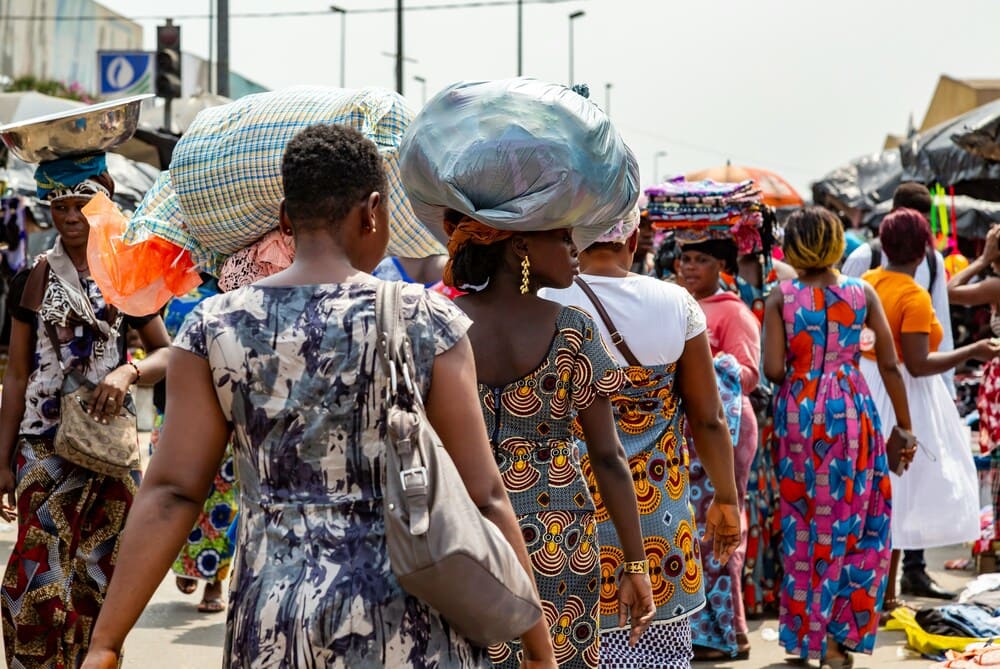
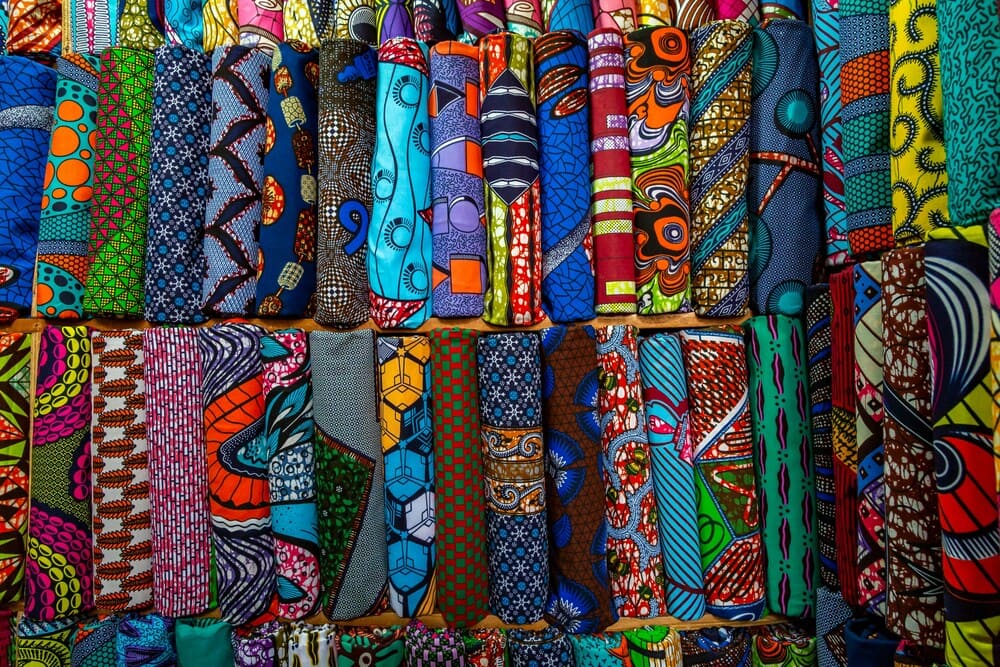
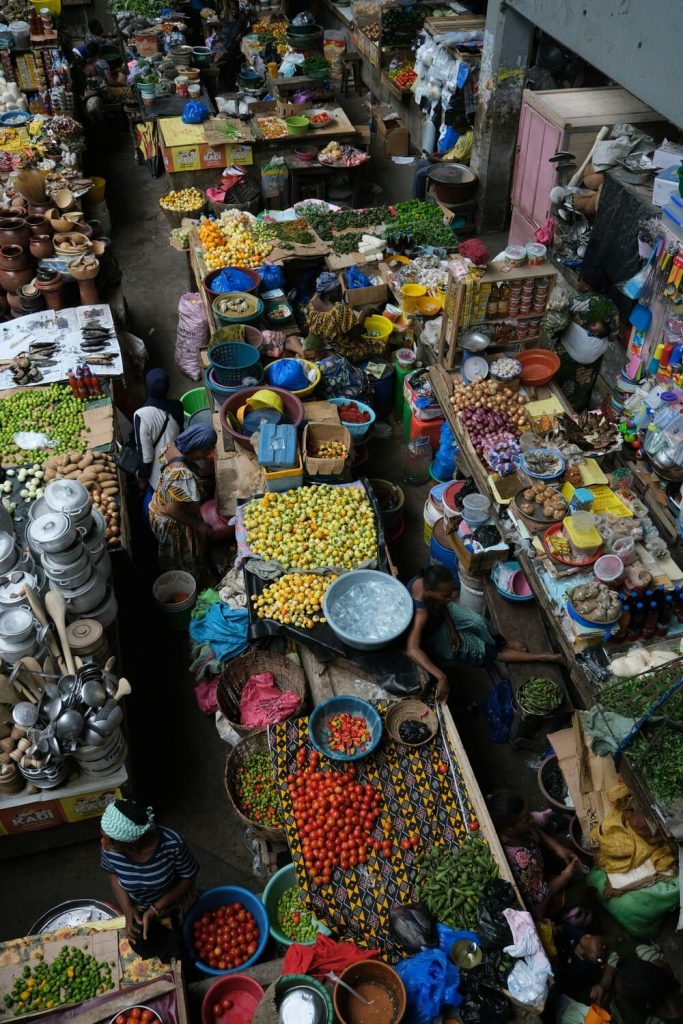
- Next, we’ll explore the local markets, where you can browse all sorts of handmade crafts and colourful textiles. It’s the perfect spot to pick up a few gifts and souvenirs!
- After we’ll visit the National Museum of Costume, which showcases traditional clothing, masks, and ceremonial costumes from across the country. It’s a fascinating glimpse into Côte d’Ivoire’s diverse cultures and colourful heritage.
Afternoon
- Lunch at a seaside restaurant.
- After lunch, we head east along the coast to Assinie-Mafia, a peaceful beach area where locals relax on the weekends. Here we’ll board a boat for a scenic cruise on the Ébrié Lagoon. We’ll see mangroves and tiny fishing villages, before watching the sun set over the lagoon.
- Dinner at the resort restaurant with fresh seafood, grilled fish, and other Ivorian specialties.
- Overnight in our Resort
Day 3 – Fishermen Village and Abidjan
- After an early breakfast at the resort, we’ll set out to visit a local fishing village along the Ivorian coast. Watch the fishermen bring in their morning catch, see traditional nets and canoes, and get a firsthand look at daily life in a coastal community here in Côte d’Ivoire.
- On the drive back to Abidjan, we can enjoy views of scenic coastal roads and glimpses of everyday life in small towns along the way.
- Lunch at a local Abidjan restaurant featuring classic Ivorian dishes like grilled chicken with fried plantains, locally known as alloco.
Afternoon
- After lunch, we’ll head to Blockhaus Beach, one of the city’s liveliest seaside spots. Here you’ll have some free time to wander along the shoreline, watch locals play beach football, relax under a palm tree while taking in the views of the Atlantic Ocean.
- Dinner will be at a local Abidjan restaurant serving traditional Ivorian cuisine. Try dishes like grilled fish, chicken yassa, or plantains, paired with fresh tropical fruits or juices.
- After dinner, we highly recommend you explore Abidjan’s vibrant nightlife. From lively coupé-décalé clubs to cozy bars with afrobeat or reggae music, there’s something for everyone!
- Overnight at our hotel in Abidjan
Day 4 – Yamoussoukro and Bouaké
- After an early breakfast in the hotel, we’ll hit the road to Yamoussoukro, the political capital of Côte d’Ivoire. Our first stop is the Basilica of Our Lady of Peace of Yamoussoukro, officially the largest church in the world. It is inspired by St. Peter’s Basilica in Rome, and can hold up to 18,000 people.
- We’ll visit the Presidential Palace area, a complex surrounded by manicured gardens and impressive fountains.
- Next, we’ll head to the sacred crocodile lake, where Nile crocodiles roam freely in a tranquil lagoon right in the middle of the city. The locals consider this lake sacred, believing the crocodiles are protected by ancestral spirits.
Afternoon
- Lunch at a local restaurant in Yamoussoukro.
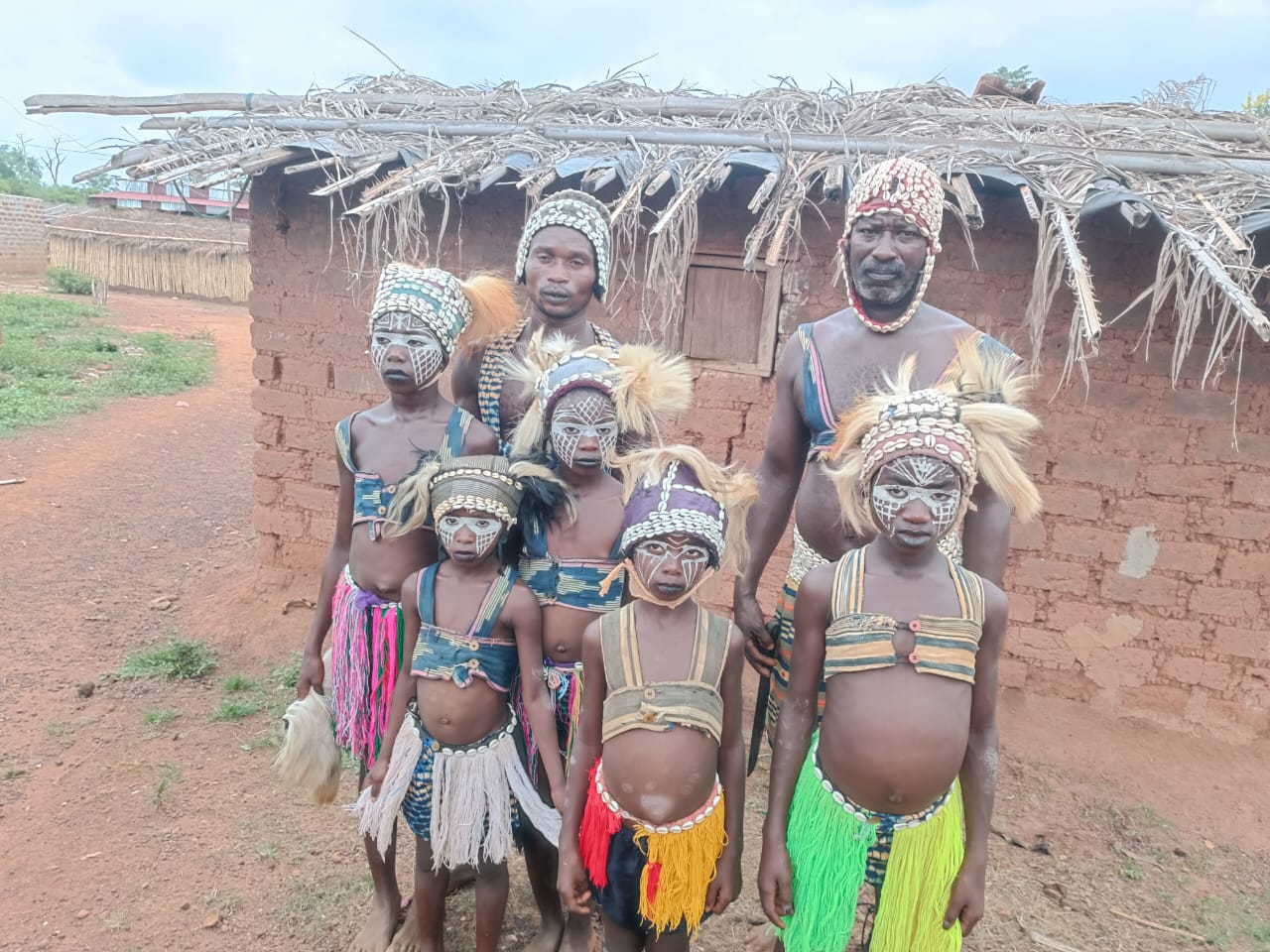
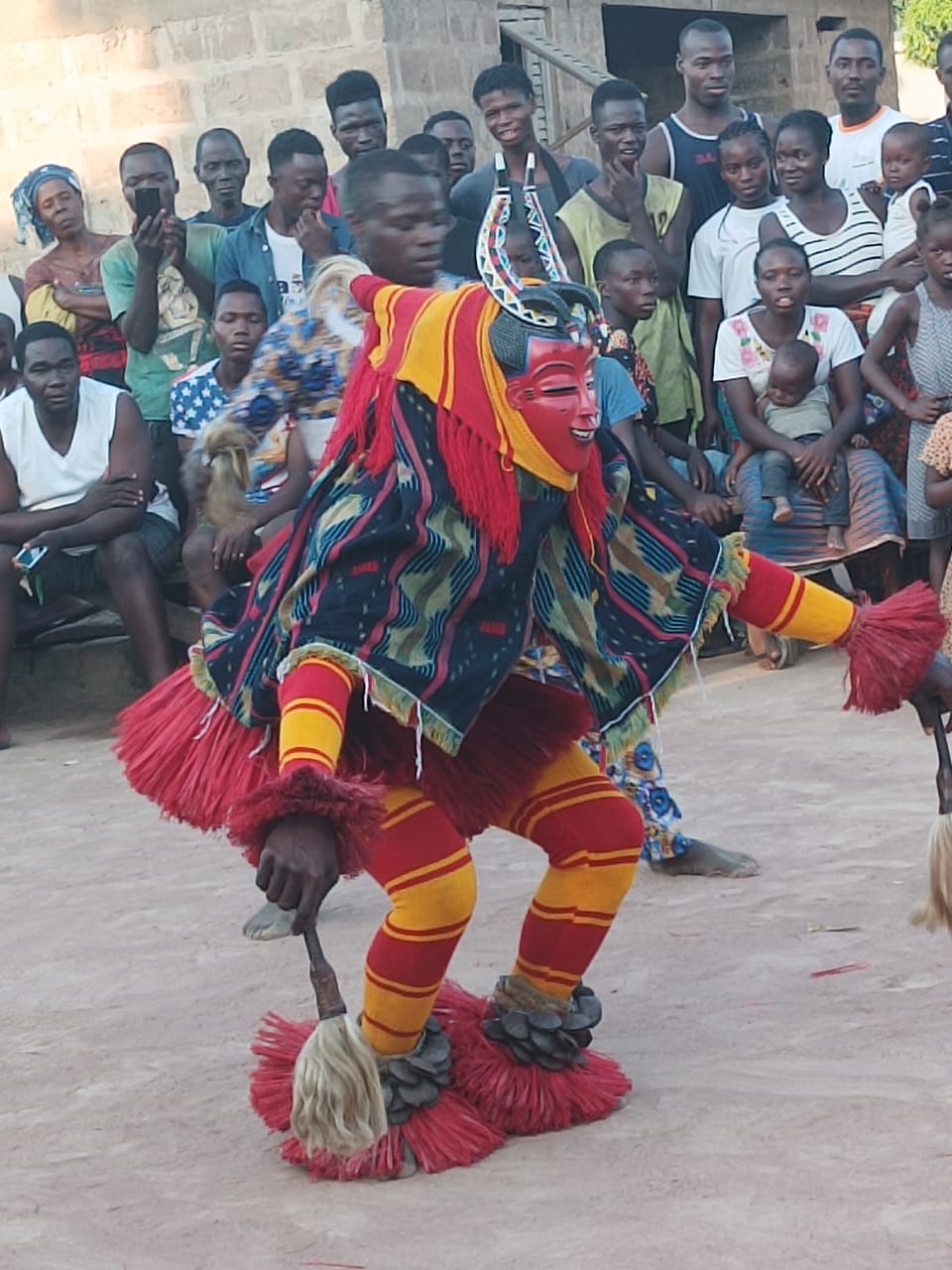
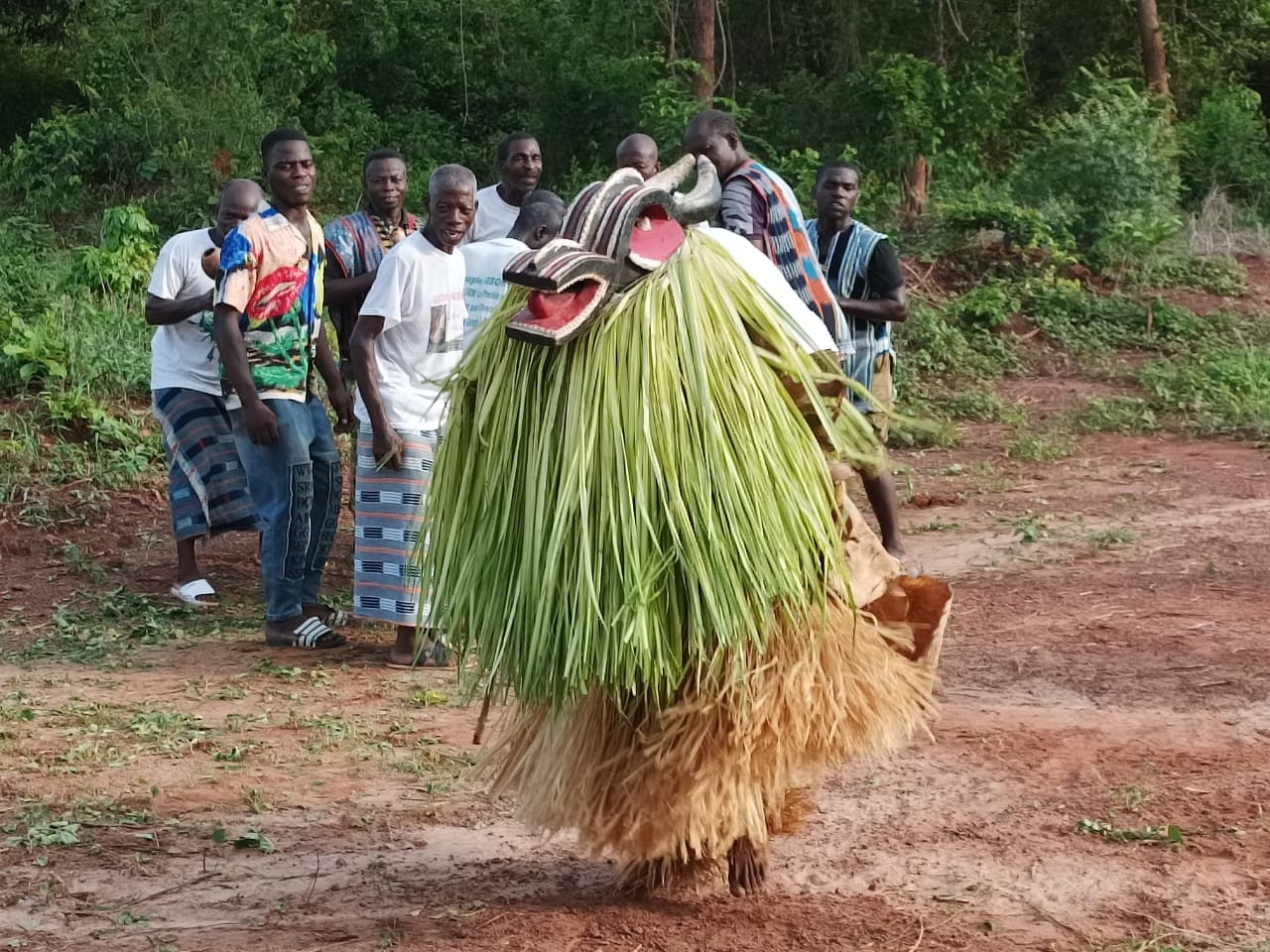
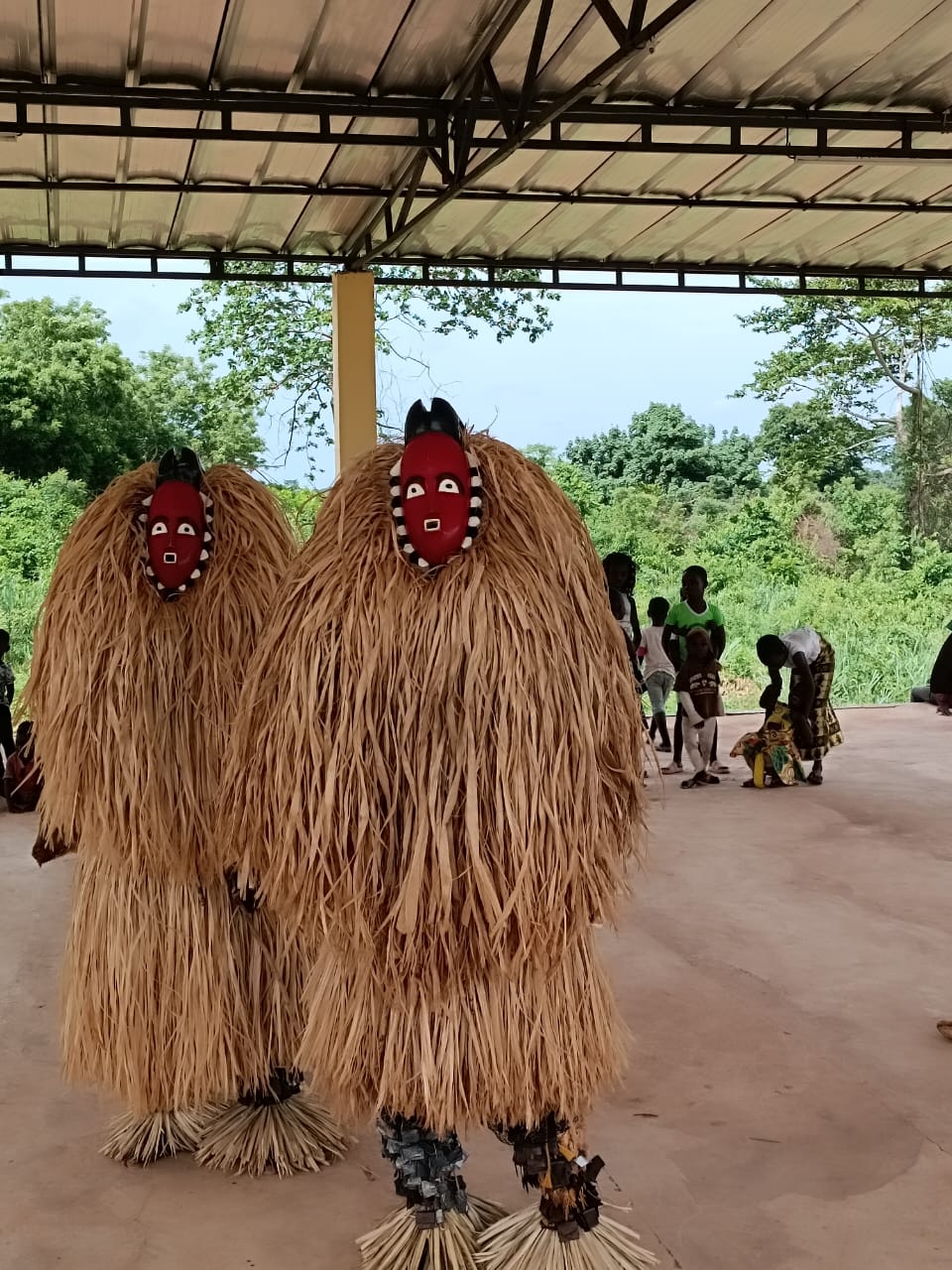
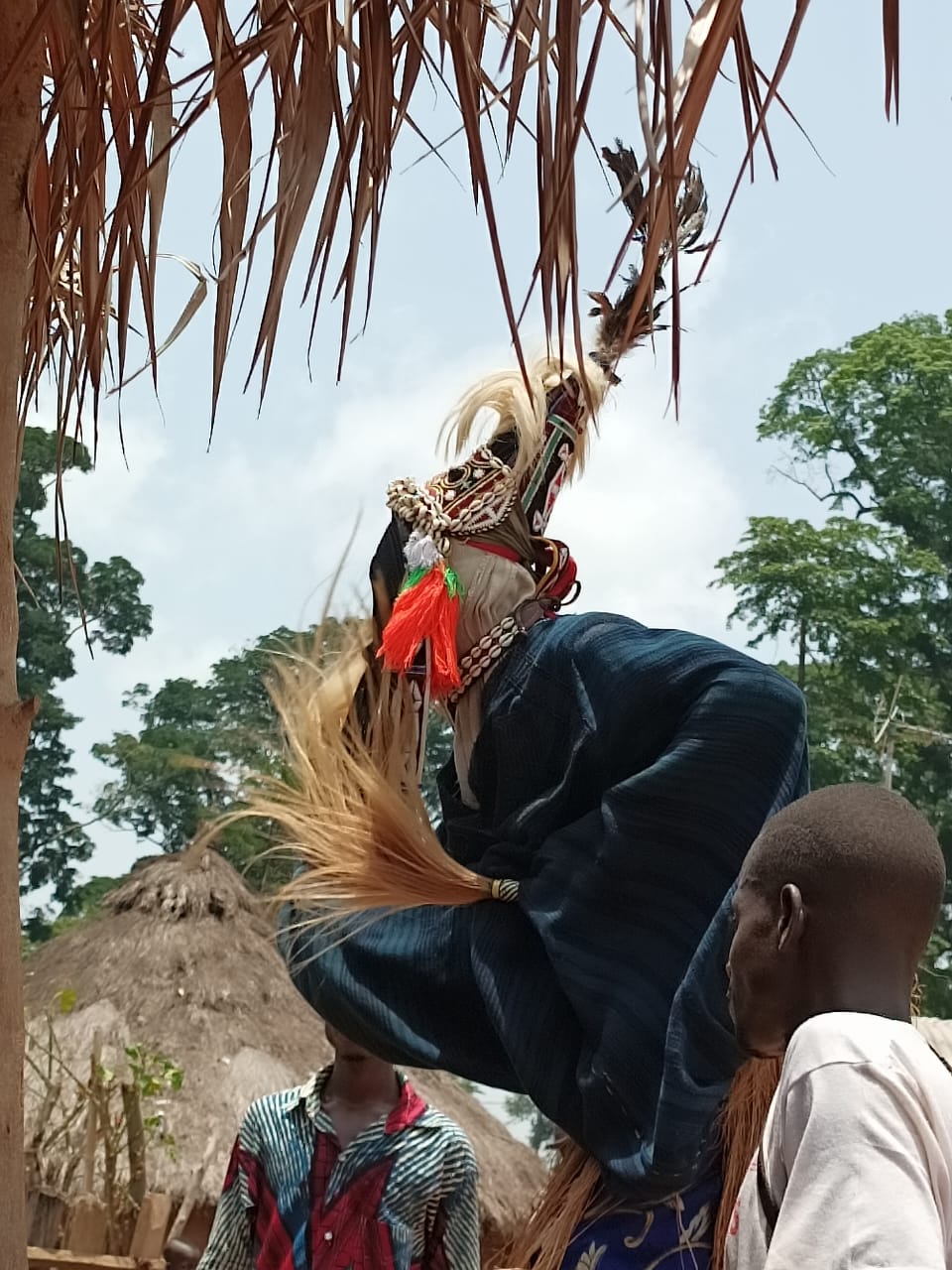
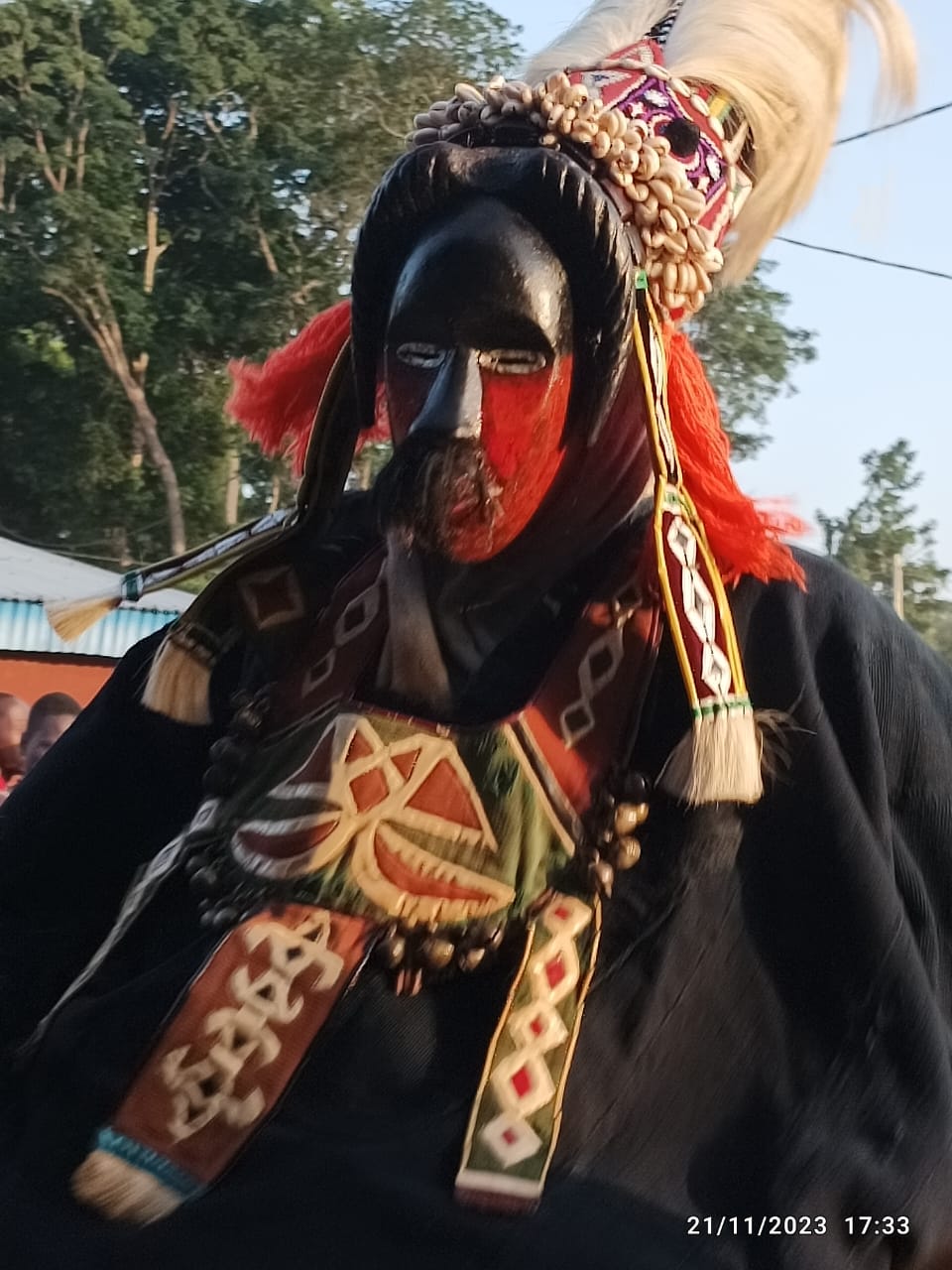
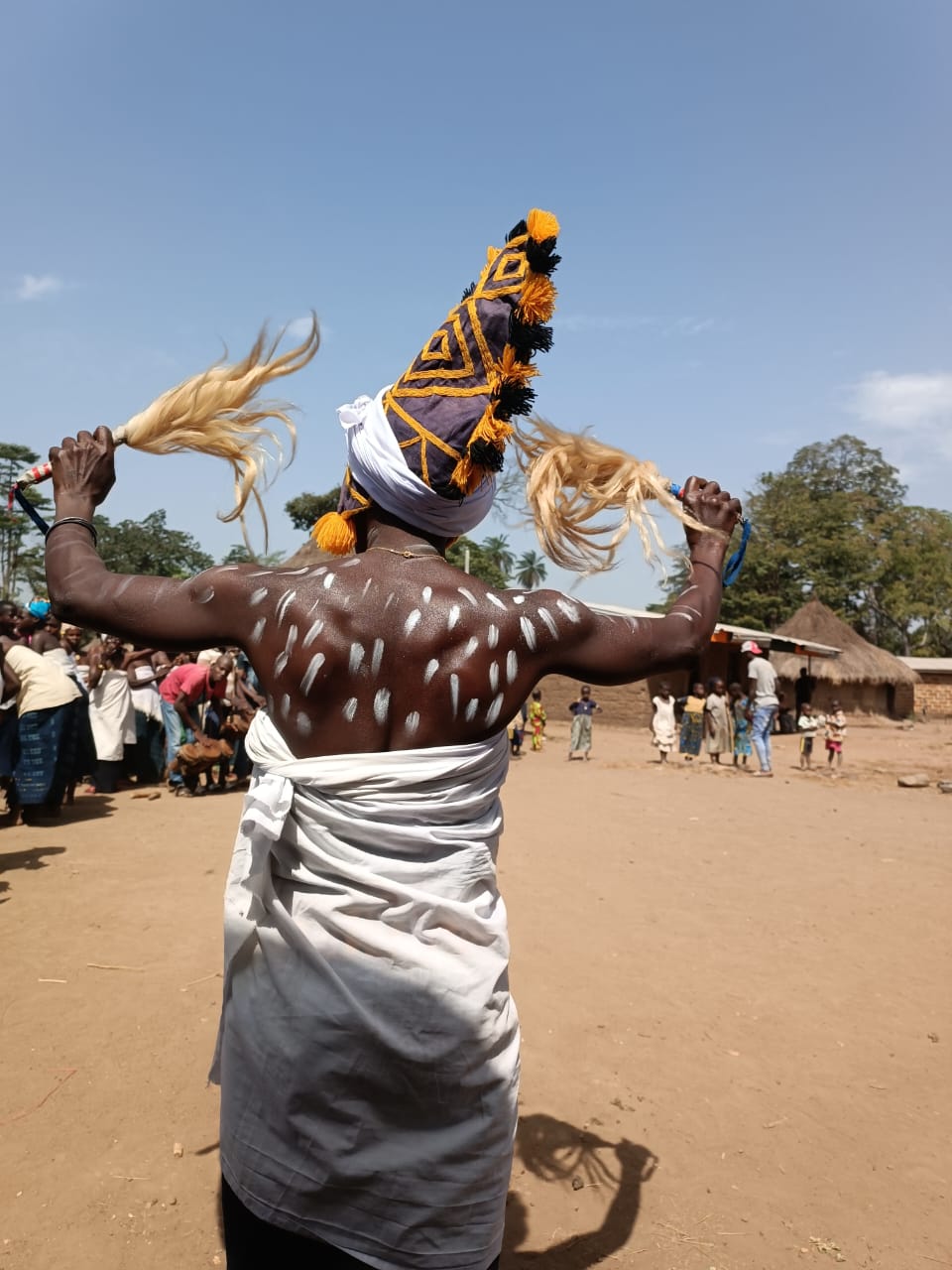
- After lunch, we’ll continue north to Bouaké to experience a traditional Goli dance performance with a local Baoulé community. This cultural ceremony includes masks, vibrant costumes, powerful drumming, and energetic dancing. It’s one of the best ways to connect with Ivorian culture and witness a centuries-old tradition that is still alive today.
- After the ceremony, we’ll have dinner at a restaurant nearby.
- Overnight at our hotel in Bouaké.
Day 5 -Bouaké, Tiassalé and Abidjan
- After breakfast, enjoy a short city tour of Bouaké, Côte d’Ivoire’s second-largest city. We’ll explore the local markets, and visit craft shops where skilled artisans create traditional wood carvings, masks, and jewellery.
- After exploring the city, we’ll depart south toward Tiassalé driving through scenic landscapes with cocoa and rubber plantations.
- Lunch at a local restaurant in Tiassalé.
Afternoon
- After lunch, continue the drive back to Abidjan. Upon arrival, check in at our hotel and take some time to relax, freshen up before dinner.
- Farewell dinner at a local Abidjan restaurant, celebrating the end of your Côte d’Ivoire adventure.
- Overnight in Abidjan.
Day 6 – Abidjan
- Breakfast in our hotel.
- Tour end, transfer to Abidjan International Airport for departure or onward travel.
Bespoke Ivory Coast tours
In addition to our already scheduled Ivory Coast tours, we can also arrange bespoke tours. Contact us if you wish to do something that is not listed.
Ivory Coast Cocoa and Coffee tour
Côte d’Ivoire is the world’s largest cocoa producer and a major coffee exporter, making it a paradise for food lovers and agricultural enthusiasts. This tour shows you the country’s cocoa and coffee regions, offering a behind-the-scenes look at how these iconic crops are grown, harvested, and processed.
Explore plantations near Bouaké, Tiassalé, San Pedro, and Divo, and see the process of turning raw beans into chocolate and coffee. Visit local markets and artisan villages along the way, where you can see traditional crafts and taste regional specialties.
Combo Ivory Coast Tours
Côte d’Ivoire is the perfect starting point for a West African adventure, with easy connections to neighbouring countries we also run tours to. Combine your custom Ivory Coast tours with Ghana, Togo, Benin, Liberia or Sierra Leone for a deeper look at the region’s diverse cultures, and to make the most out of your time in this region. Contact us to mix and match countries to suit your travel style and schedule.
Filming in Côte d’Ivoire
Through our media arm Pioneer Media we can make arrangements for productions, journalists, or others to film within Ivory Coast from big-budget to guerrilla productions. We can also arrange meetings in country, as well as correct visas for journalists wishing to do projects within Ivory Coast.
Frequently asked questions about travel to Ivory Coast
Côte d’Ivoire FAQ
Gallery