To understand Venezuela today and the context in which Nicolás Maduro came to power, you need to start with Hugo Chávez. He was the man who transformed the country, reshaped its politics, and created a movement that still dominates Venezuelan society. Maduro inherited the structures, ideology, and public loyalty that Chávez built.
Before Chávez came to power, Venezuela was an oil-rich country with vast inequality. The ruling elites controlled the wealth, and ordinary Venezuelans struggled with poverty, poor public services, and little access to healthcare or education. Despite enormous oil reserves, most of the population had few opportunities. By 1998, frustration and anger were widespread. People wanted a leader willing to challenge the status quo, so Chavez delivered the biggest revolution in the Americas since Castro.
Click to read our take on Socialist Countries.
Table of Contents
Early Life From Plains to Politics
Hugo Rafael Chávez Frías was born in Sabaneta, Barinas, in 1954. He was the son of schoolteachers and grew up in a modest household. From a young age, he admired Venezuela’s national heroes, particularly Simón Bolívar, and became aware of social inequalities.
Chávez joined the military academy originally with the goal of playing baseball, but the army exposed him to political ideas that would shape his future. He became interested in nationalism, social justice, and the need to challenge entrenched political elites. By the late 1970s, he was organising within the military and developing a vision for Venezuela’s future.
In 1992, Chávez attempted a coup against President Carlos Andrés Pérez. The coup failed, and he was imprisoned. Yet his televised speech taking responsibility and declaring “for now” the mission had failed turned him into a national figure. Many Venezuelans admired his courage and his willingness to confront a system that had ignored them. He was released in 1994 and began organising a political movement that would eventually carry him to the presidency.
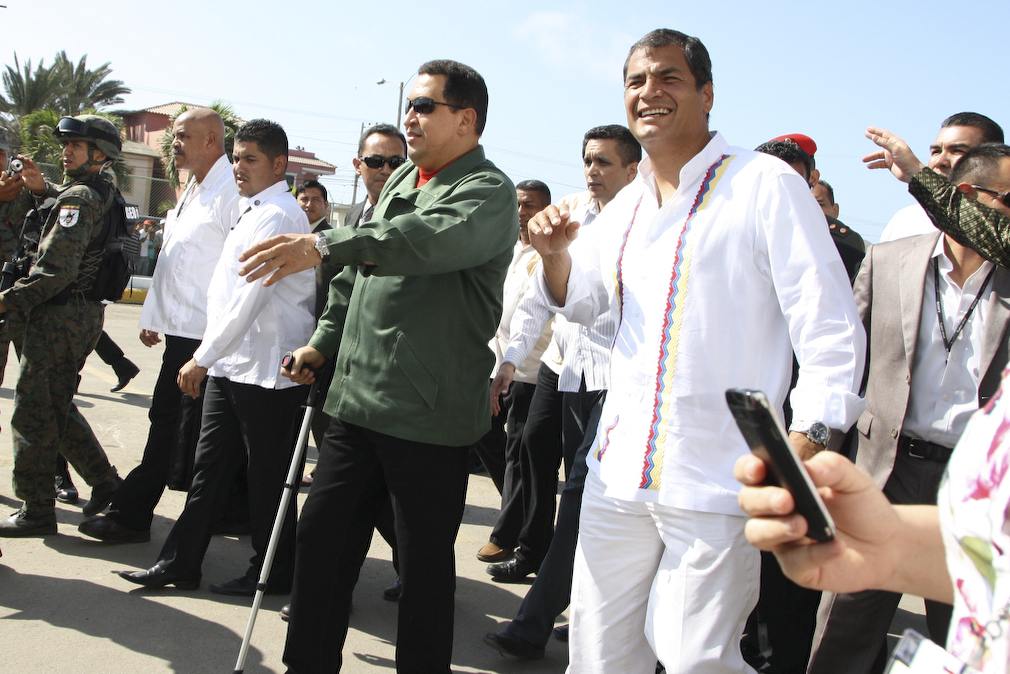
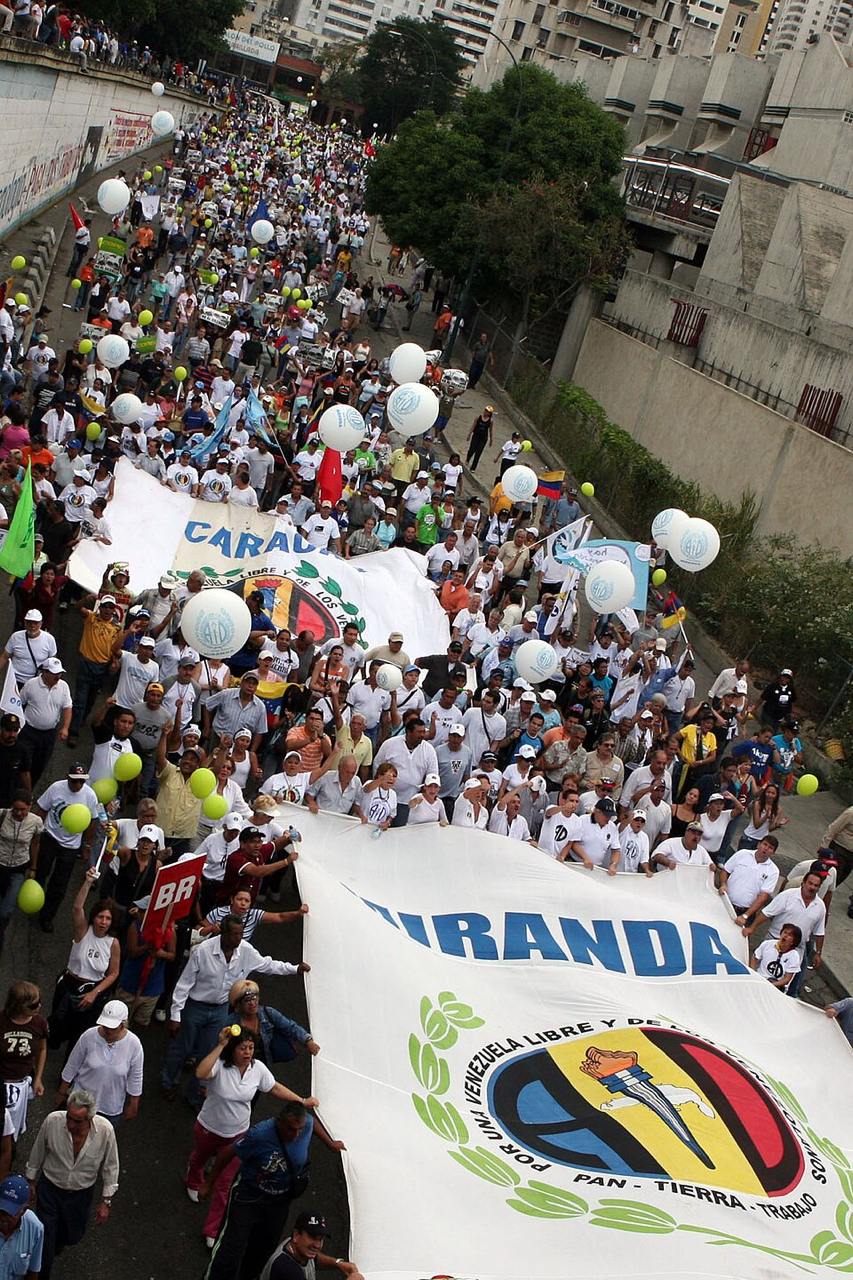
The Rise to Power and the Bolivarian Revolution
Chávez was elected president in 1998 on a platform of using Venezuela’s oil wealth to improve the lives of ordinary people, providing better healthcare, education, and social support. He also promised to confront corruption and give citizens a greater voice in their government.
One of his first acts was to convene a constituent assembly to rewrite the constitution, creating the Bolivarian Republic of Venezuela. This was the start of the Bolivarian Revolution, a mix of nationalism, socialism, and social programs aimed at empowering the poor. Chávez introduced literacy campaigns, healthcare missions, subsidised food distribution, and housing projects.
He was an outspoken leader, often addressing the nation directly on television. His style was confrontational and charismatic, qualities that drew attention both inside Venezuela and abroad. He cultivated a strong connection with ordinary citizens, many of whom saw him as a man genuinely fighting for their interests.
Social and Economic Changes
During the early years of his presidency, Chávez implemented programs that significantly improved living conditions for many Venezuelans. Literacy rates rose, access to healthcare expanded, and housing programs reached people who had long been neglected. His administration nationalised key industries, particularly in the oil sector, to ensure that the country’s wealth could fund these programs.
Chávez’s foreign policy was equally bold. He fostered relationships with other left-leaning governments in Latin America and positioned Venezuela as an independent actor on the global stage. Many Venezuelans admired this defiance, seeing it as a restoration of national pride and dignity.
His policies created a sense of hope and empowerment for citizens who had previously been excluded from the benefits of Venezuela’s oil wealth. For millions, Chávez represented a change that had tangible results and a sense that their voices and needs finally mattered.
Click to read about the largest political parties in the world.
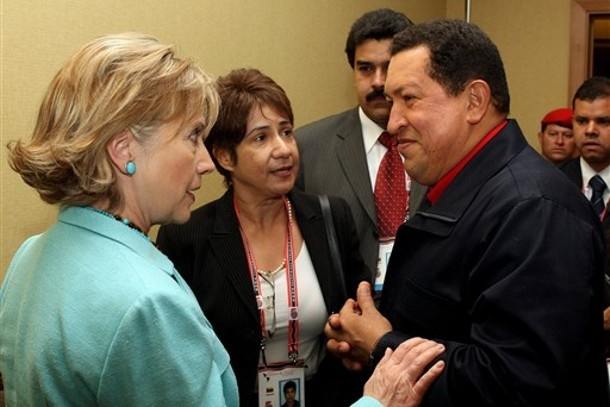
Chávez’s Later Years
Chávez’s later years were marked by his battle with cancer, first diagnosed in 2011. Despite his illness, he continued to govern and maintain a visible presence in the country, ensuring that his political movement remained united. He made it clear that Nicolás Maduro was his preferred successor, someone he trusted to continue the Bolivarian project.
Chávez passed away on March 5, 2013, at the age of 58. His death was a major national event. Thousands of Venezuelans gathered to mourn, and his burial at the Cuartel de la Montaña in Caracas became a site of remembrance and devotion.
I visited Caracas the year after his death and went to his grave. Even then, the affection for Chávez among ordinary people was palpable. In markets, on the street, and in taxis, locals spoke warmly of the programs he had introduced and the sense of pride he had instilled. Despite ongoing challenges, the admiration for Chávez’s vision and the Bolivarian Revolution was clear.

Nicolás Maduro The Successor
Nicolás Maduro, a longtime supporter and deputy of Chávez, succeeded him after his death. Maduro inherited the structures, ideology, and political movement that Chávez had built. He continued the Bolivarian Revolution and maintained the symbolic connection to Chávez that remains central to Venezuelan politics.
What is important in understanding Venezuela today is that Maduro was shaped by Chávez. The policies, programs, and institutions that Chávez established continue to influence the country, and the loyalty that Chávez inspired still plays a significant role in how Venezuelans relate to their government and nation.
Chávez’s Legacy
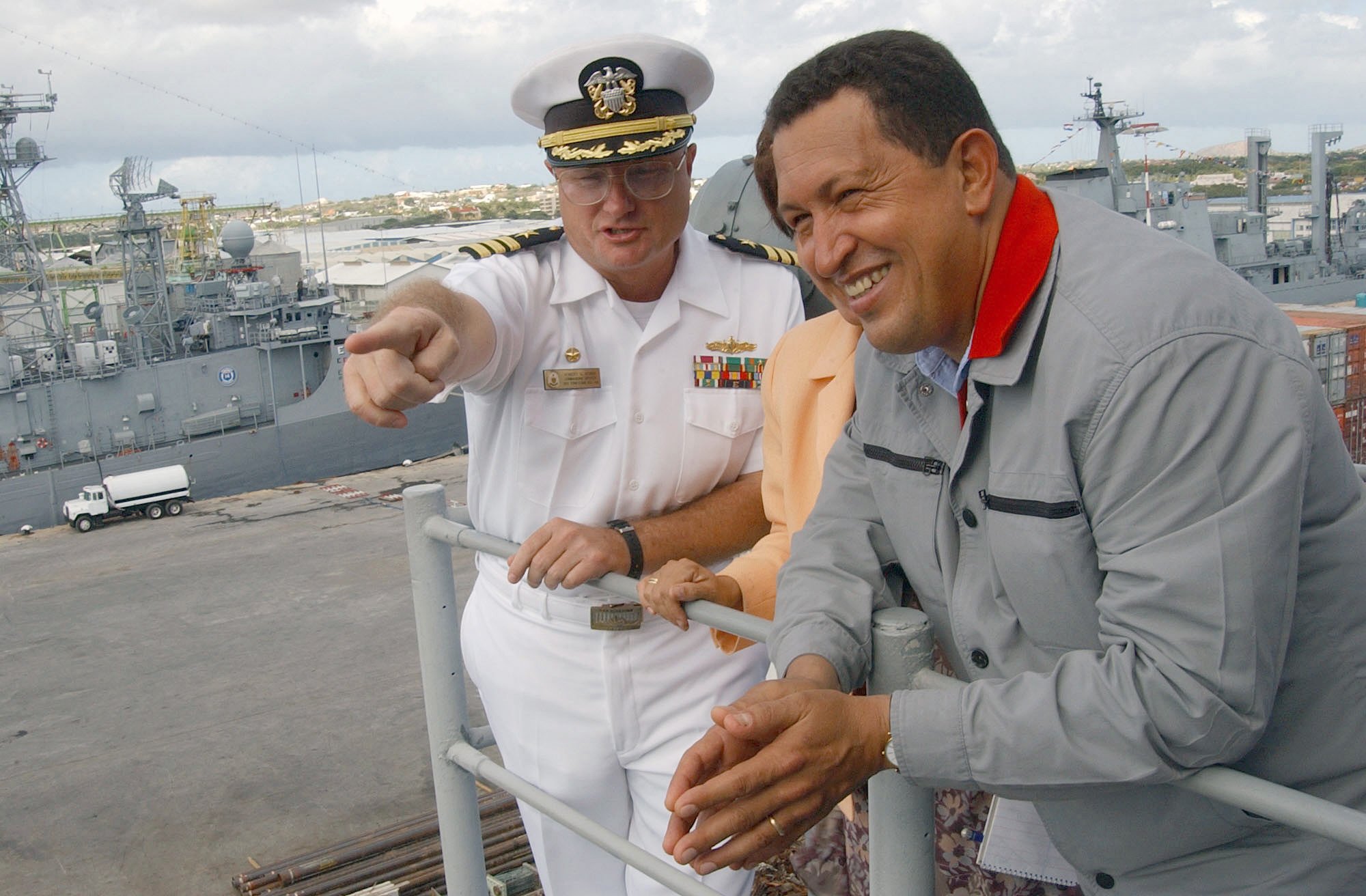
Hugo Chávez left a profound imprint on Venezuela. He transformed politics, reshaped social programs, and gave a voice to people who had long been ignored. His leadership style, charisma, and vision created a movement that continues to define the country.
Visiting Caracas, walking through streets adorned with murals and monuments, and speaking with locals, it is clear that Chávez’s memory is very much alive. His programs improved many lives, and for millions of Venezuelans, he remains a figure of hope and pride. Understanding Venezuela today requires understanding Chávez. Without him, there is no Maduro and no modern Bolivarian Revolution.
Chávez’s story is essential to anyone wanting to grasp the country’s history, politics, and society. He was a man who reshaped his nation, left a lasting imprint, and continues to be remembered by those who believe that Venezuela, under his leadership, was finally a country where the people mattered.
Will this now change? Perhaps as history is written by the victors. Yet no mater what occurs and whatever you may feel about the current government, you cannot deny the impact that Chavez had on history.
Click to see our Venezuela Tours.
About Post Author