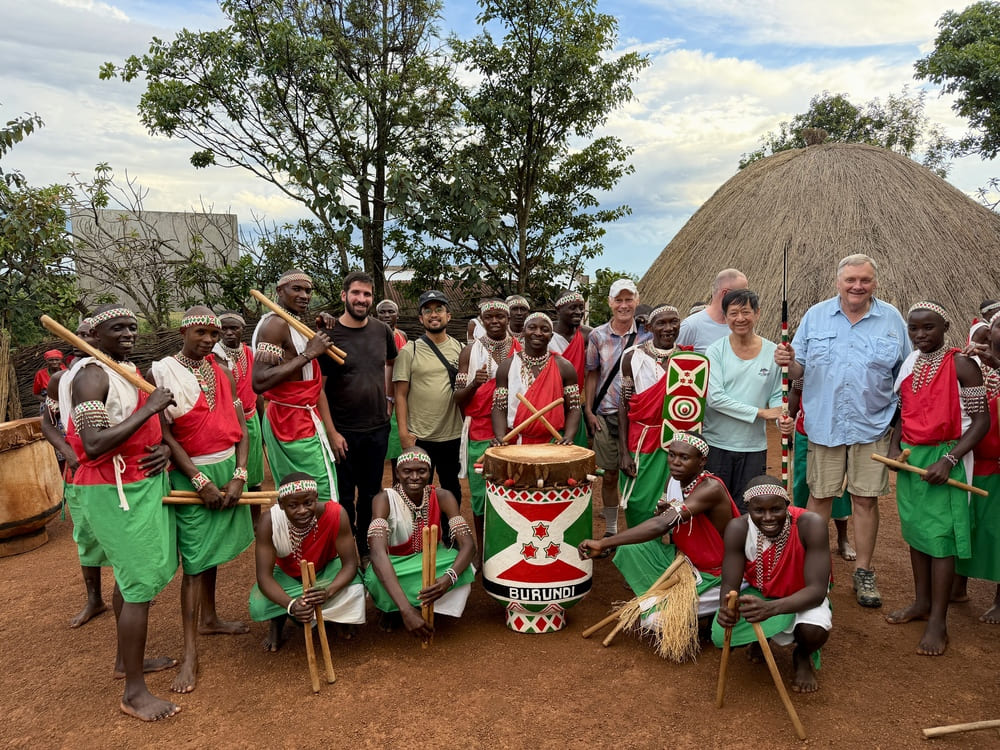
Located just outside Gitega, the Gishora Drummers Sanctuary is the most complete surviving royal drum site in Burundi. It preserves a tradition that predates colonial rule and was once central to the functioning of the Burundian monarchy. Here are the 5 reasons why they should not be missed while visiting Burundi.
Table of Contents
1 – The drum as political authority
In pre-colonial Burundi, the drum was not symbolic in a loose sense, it was an instrument of governance. The karyenda, the most important drum, was closely associated with the mwami (king) and, in some accounts, was believed to “speak” royal commands. Messages transmitted through drumming patterns could signal mobilisation, agricultural cycles, or royal decisions.
Control over the drums meant control over political legitimacy. The monarchy maintained strict authority over who could perform, where, and on which occasions. Drummers were not entertainers, they were state functionaries.
2 – The Gishora drummers’s role in the Royal network
Gishora was one of several royal drum sanctuaries, but it stands out today because it has remained active. It was established in the 19th century under Mwami Gisabo, during a period when the monarchy was consolidating authority across the territory.
The site functioned as:
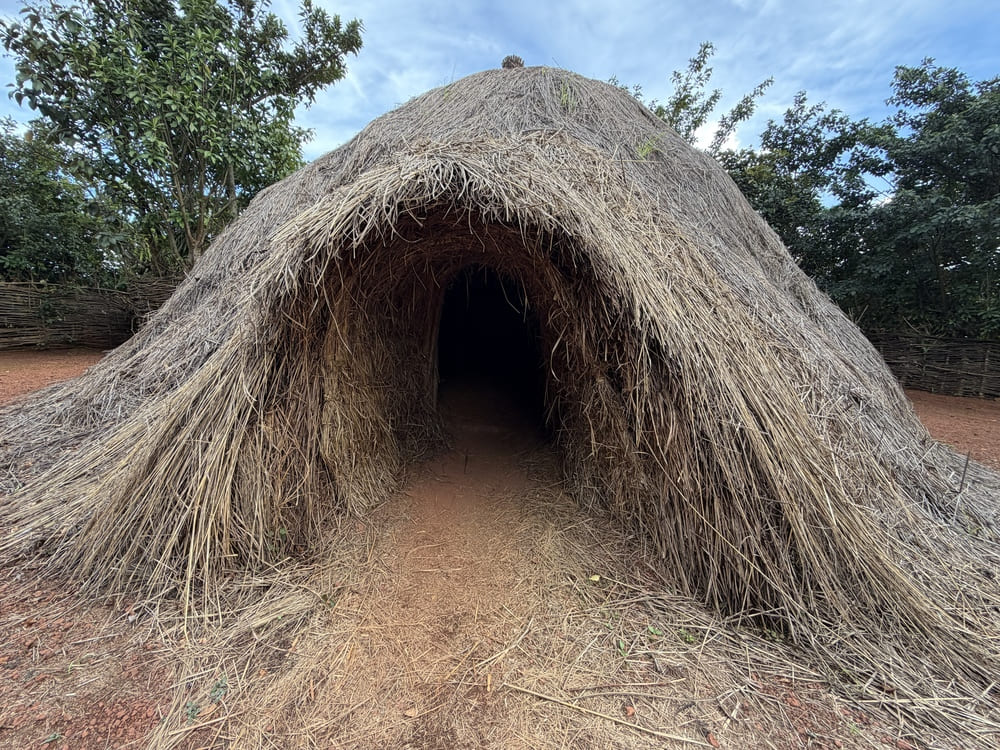
- A ceremonial centre, hosting performances tied to royal rituals
- A training ground, where new drummers were instructed in technique and protocol
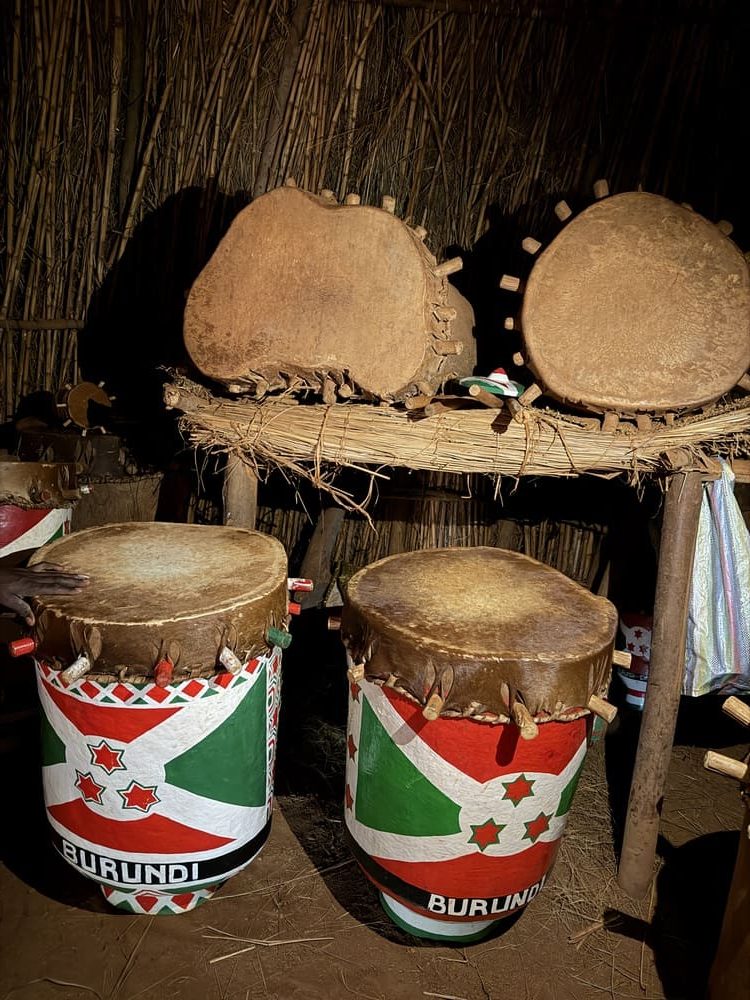
- A repository of sacred drums, some of which were never played casually
Other sanctuaries existed across the kingdom, forming a network linked to the court. Most declined during the colonial period under German and later Belgian rule, when traditional power structures were weakened or reconfigured.
3 – An incredible technical composition
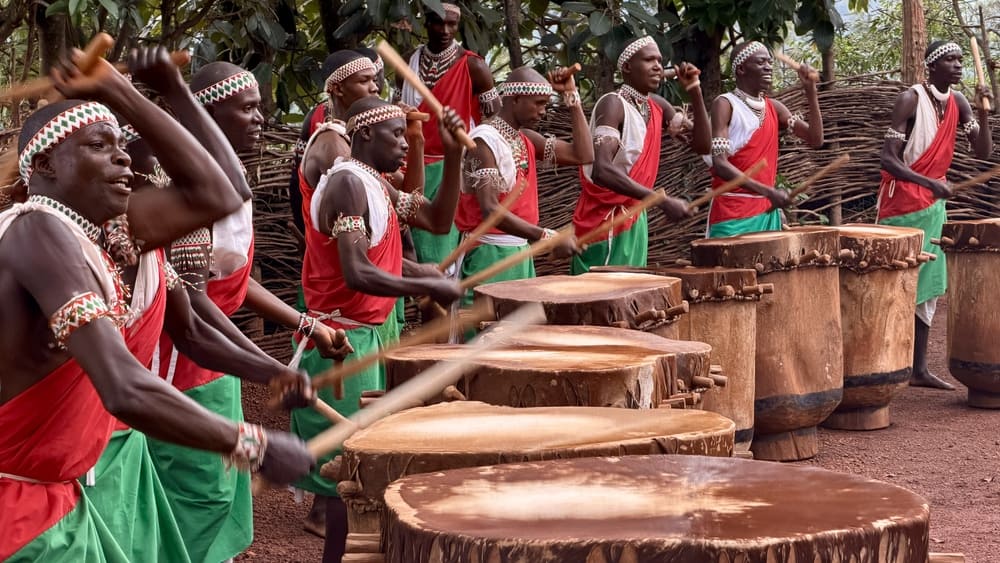
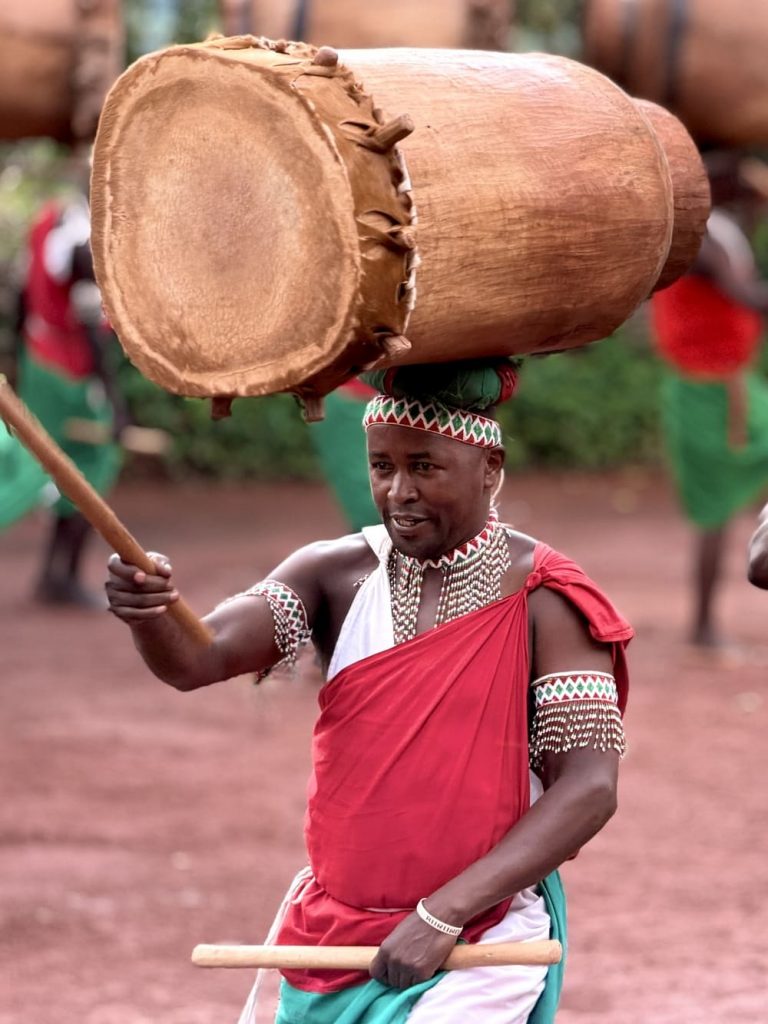
The Royal Gishora Drummers use large drums carved from tree trunks, typically from local hardwoods. The drumheads are made from animal hide, stretched and fixed using traditional methods that affect tone and resonance.
Each ensemble is organised with defined roles:
- Inkiranya: the lead drum, sets tempo and signals transitions
- Amashako: maintain the core rhythmic base
- Ibishikiso: introduce variations and syncopation
The rhythm is polyrhythmic and cyclical, requiring precise coordination. There is no improvisation in the modern sense, patterns are codified and transmitted through repetition.
Choreography and Discipline
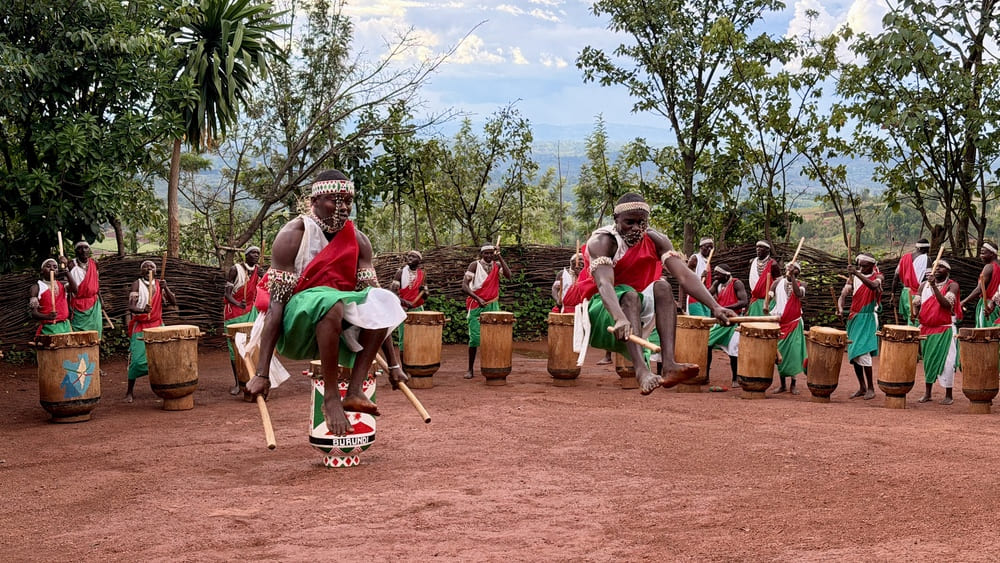
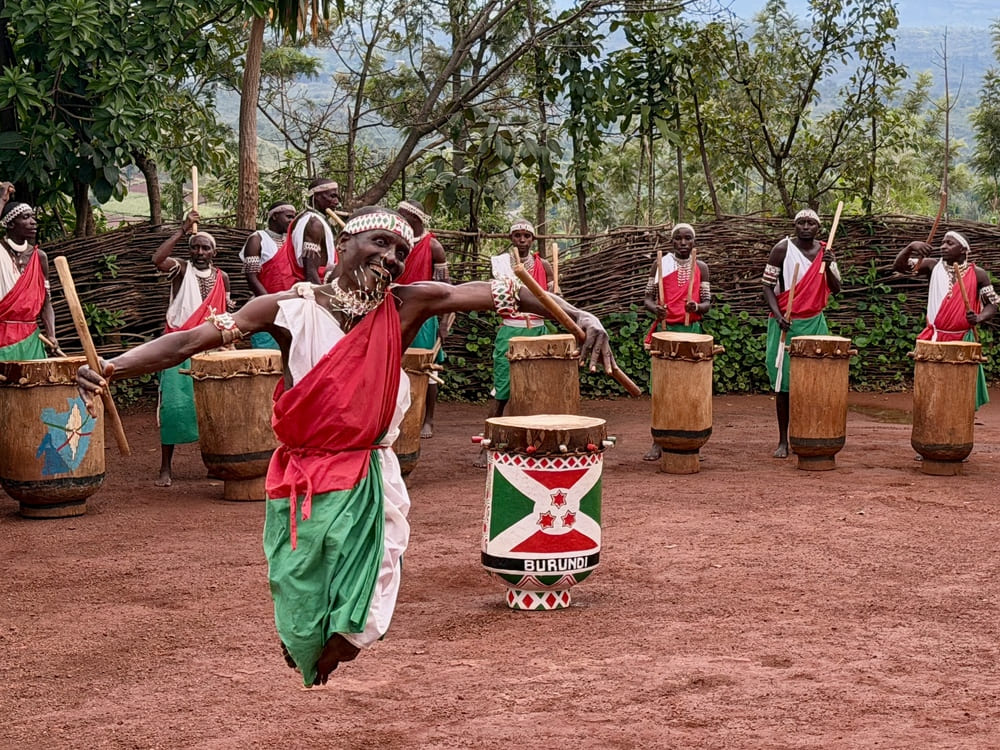
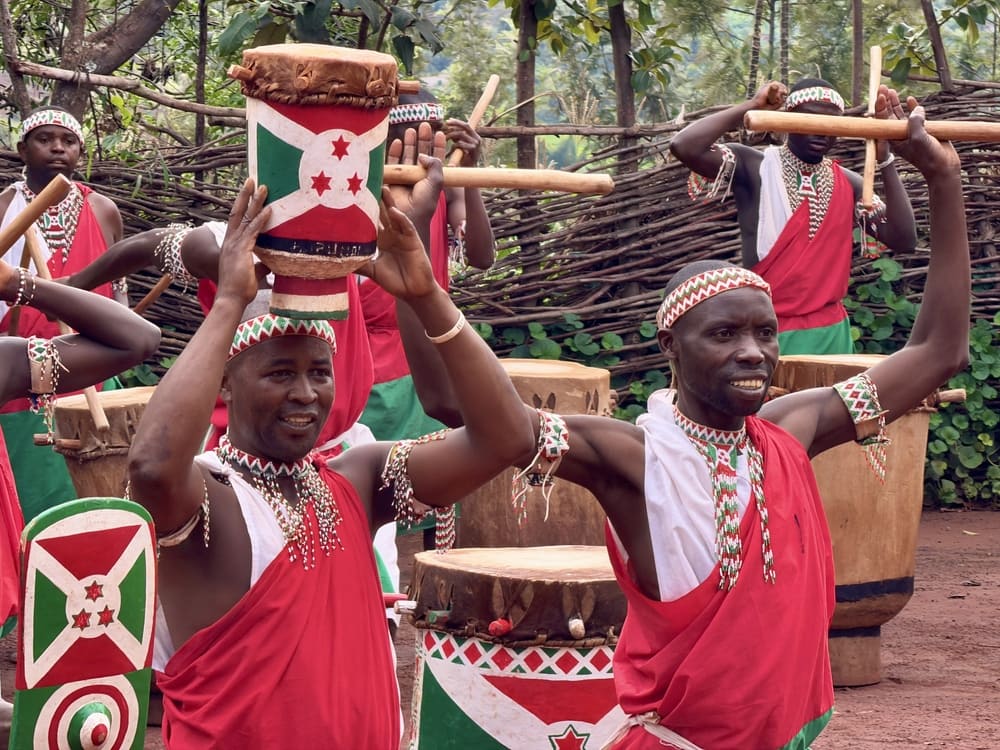
Performance involves more than sound. Drummers carry the instruments on their heads, stabilising them while striking in synchronised movements. The physical control required is considerable, particularly given the size and weight of the drums.
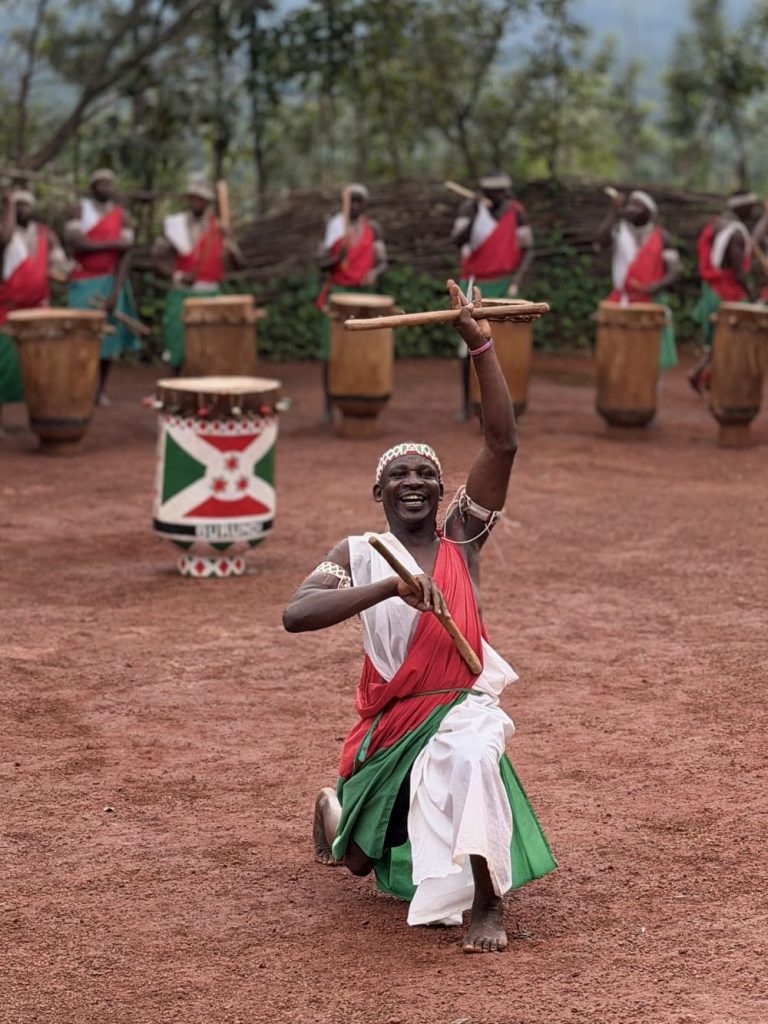
Formations change throughout the performance, often moving in arcs or lines that reflect hierarchy within the group. The lead drummer directs shifts through rhythm rather than verbal cues.
Attire is also standardised, traditionally consisting of white, red, and green elements, colours associated with national identity and continuity.
4 – A unique transmission tradition
Drumming was historically restricted to specific lineages. Membership was hereditary, and training began early, often within family groups tied to the royal court.
Knowledge transfer is oral and practical:
- Rhythms are memorised rather than written
- Hierarchies are learned through participation
- Ritual significance is embedded in performance, not explained separately
Despite the abolition of the monarchy in 1966, these structures did not disappear entirely. Gishora continued to operate informally, maintaining continuity through periods of political instability, including the Burundian Civil War (1993–2005).
After independence in 1962, and especially following the end of the monarchy, the tradition shifted from a state-controlled institution to a cultural one. This transition was not centrally organised, it relied on the persistence of practitioners.
The survival of Gishora is notable because many comparable institutions in the region either disappeared or became detached from their original context.
5 – UNESCO Recognition and International Exposure
In 2014, the Royal Drummers of Burundi were inscribed on the Intangible Cultural Heritage list by UNESCO. This recognition was based on:
- Continuity of practice
- Cultural and historical significance
- Community-based transmission
The drummers have also performed internationally, often representing Burundi at cultural events and festivals. These performances adapt to stage conditions but retain core structures.
Today, the Gishora drummers operate in a hybrid role:
- Cultural preservation, maintaining traditional forms
- National representation, performing for official events
- Tourism interface, offering demonstrations at the sanctuary
Importantly, the site itself has not been heavily reconstructed. The layout remains consistent with its historical function, a central courtyard, surrounding structures, and designated spaces for sacred drums.
Visiting the Gishora drummers
Gishora is reachable by road from Gitega and can be visited as part of a broader exploration of Burundi. Performances are typically arranged in advance and follow established sequences rather than being improvised for visitors.
Unlike staged cultural shows elsewhere, what is presented at Gishora is directly tied to the historical structure of the tradition. The rhythms, roles, and choreography are not modified for ease of consumption.
The Gishora drummers represent a rare case of continuity in Central Africa. This is not a revived or reconstructed practice, but a system that has adapted without losing its core structure.
Understanding Gishora provides insight into how power, ritual, and performance were historically intertwined in Burundi, and how those relationships can persist even after the political system that created them has disappeared.
About Post Author