In the world of travel, some discoveries arrive not as grand landmarks or dramatic landscapes, but as quiet, sensory revelations. The Chiku, also known as Sapota, Sapodilla, Sawo, and Lamood – is one such delight. Modest in appearance yet rich in character, this fruit invites travellers to slow down, taste deeply, and connect with the everyday rhythms of tropical life.
A Journey Rooted in the Tropics
Known scientifically as Manilkara Zapota, this fruit’s story begins in the warm landscapes of southern Mexico, Central America (specifically Belize and Guatemala) and the Caribbean. From there, it journeyed across oceans through centuries of trade, eventually flourishing in regions like India, Malaysia, Singapore, Indonesia, Thailand, the Philippines, and Vietnam.
Each destination embraced the fruit and gave it a new name – Chiku in India/Malaysia/Singapore, Sapota in parts of South Asia & South-East Asia, Sawo in Indonesia, Sapodilla in international markets, and Lamood in Thailand. For the traveller, these names become small cultural clues, hinting at how deeply the fruit is woven into local identity. Watch link on what is Chiku.
Market Encounters and First Impressions
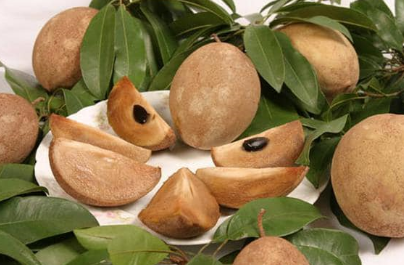
Unlike the vibrant hues of mangoes or dragon fruit, Chiku rarely demands attention. Its dusty brown skin and simple form often see it tucked quietly among more flamboyant produce. But wander through a bustling market in Mumbai or a roadside stall in rural Thailand, and you may notice locals selecting the fruit with care – gently pressing to test for ripeness, a sign of its hidden sweetness.
Peel back the thin, earthy skin, and the experience transforms. Inside lies soft, amber flesh with a texture reminiscent of a ripe pear. The taste is where Chiku truly shines: a deep, caramel-like sweetness with notes of brown sugar and malt, occasionally touched with a whisper of spice. It is less a burst of freshness and more a slow, lingering indulgence. Watch how to cut and eat Chiku.
A Taste of Place
What makes Chiku especially captivating for travellers is how it adapts to local culinary traditions. In India, it often finds its way into creamy milkshakes, traditional sweets, or is simply eaten fresh as an afternoon treat. Street vendors blend it into thick, cooling drinks that offer respite from the heat.
In Thailand, where it is known as Lamood, the fruit is frequently enjoyed chilled or transformed into smoothies, its natural sweetness complementing coconut-based desserts. In other parts of South-East Asia, it may appear in fruit salads or be paired with tropical ingredients that enhance its mellow richness.
For travellers, tasting Chiku in different countries becomes a subtle culinary journey – one fruit, many expressions, each shaped by local culture and climate.
More Than Just a Sweet Treat
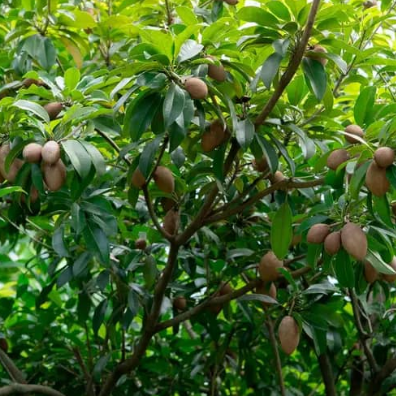
Beyond its flavour, the Sapodilla tree holds a unique place in history. Its milky sap, known as “chicle,” was once the original base for chewing gum, linking this humble fruit to a global industry. It’s a reminder that even the most unassuming plants can have far-reaching influence.
Nutritionally, Chiku offers more than indulgence. It is rich in fibre, natural sugars, and essential nutrients, making it both energizing and satisfying – ideal for travellers navigating long days of exploration.
The Beauty of the Unassuming
In an age where travel often chases the extraordinary, Chiku represents something quieter yet equally meaningful. It is the fruit you discover not in glossy brochures, but in local markets, shared by vendors, or recommended by a passer-by with a knowing smile.
Whether you encounter it as Chiku, Sapota, Sapodilla, Sawo, or Lamood, the experience is the same: a gentle, caramel-sweet introduction to the soul of the tropics. And perhaps that is its greatest charm – not just its taste, but the way it connects you to place, people, and the simple pleasures that make travel truly memorable.
Other fruits you could try when travelling through South-East Asia are Pomelo (Giant Citrus Fruit), Jackfruit (World’s Largest Fruit), Snake Fruit, Durian (King of Fruits), Mangosteen (Queen of Fruits), Langsat, Rambutan (Hairy Fruit), or Longan (Dragon Eye).
For YPT’s Tours of South-East Asia (click here).
About Post Author