YPT tours to Cameroon
Located in Central Africa along the Gulf of Guinea, Cameroon is often referred to as “Africa in miniature” because it contains nearly every major African landscape, from beaches and mountains to dense rainforest and savannah. It is also home to more than 250 ethnic groups, creating an incredible mix of traditions, languages, and cultures.
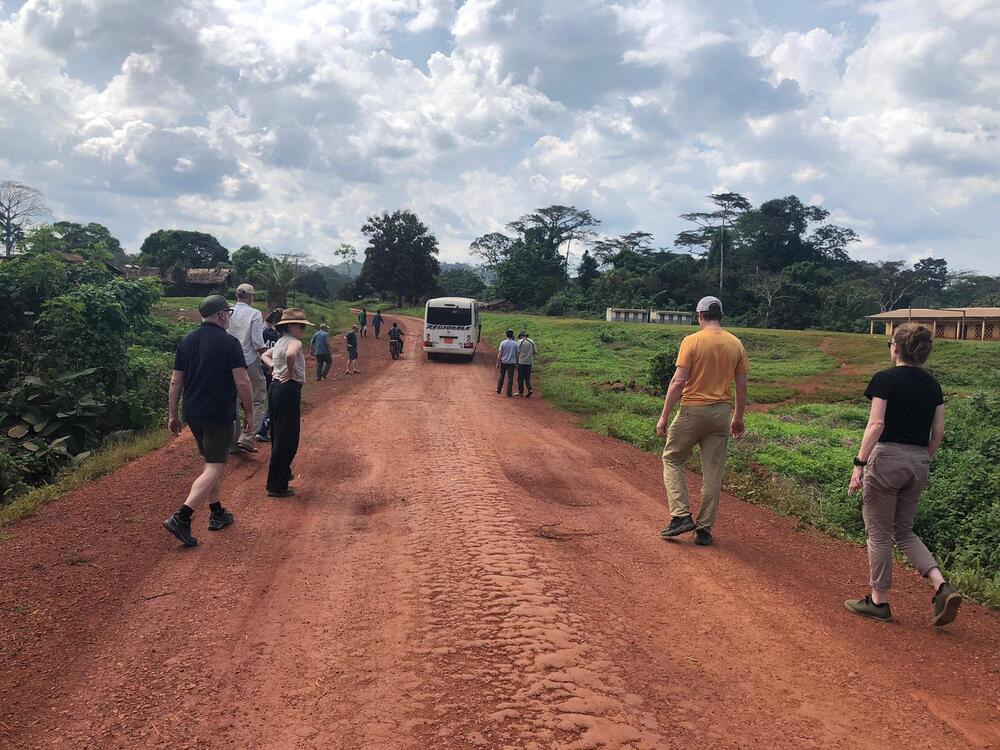
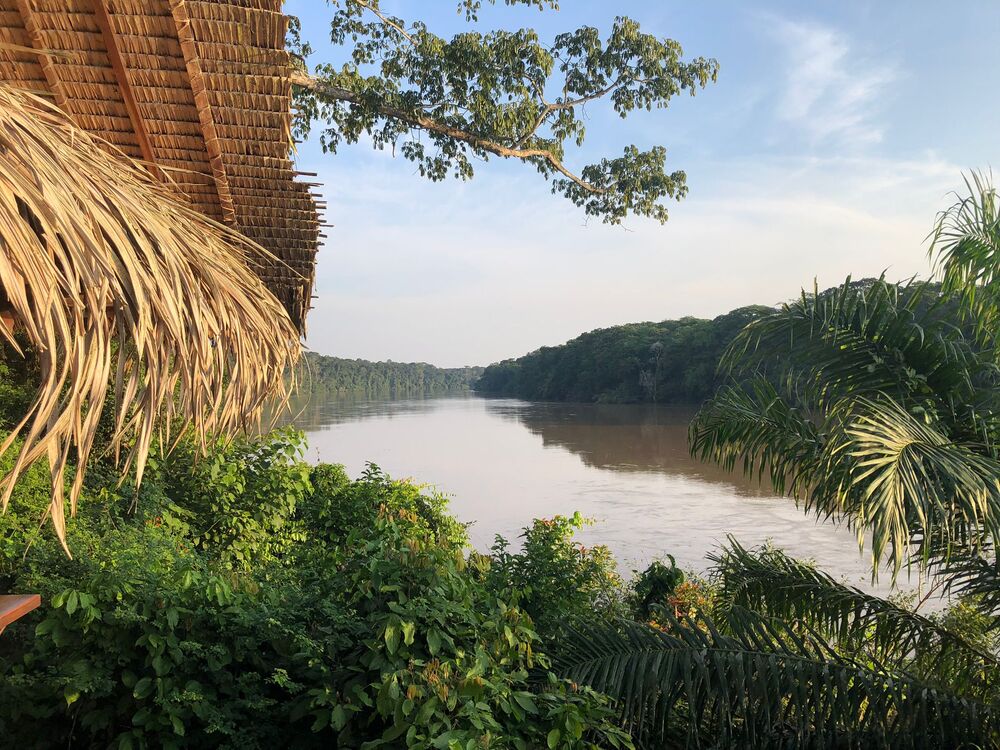
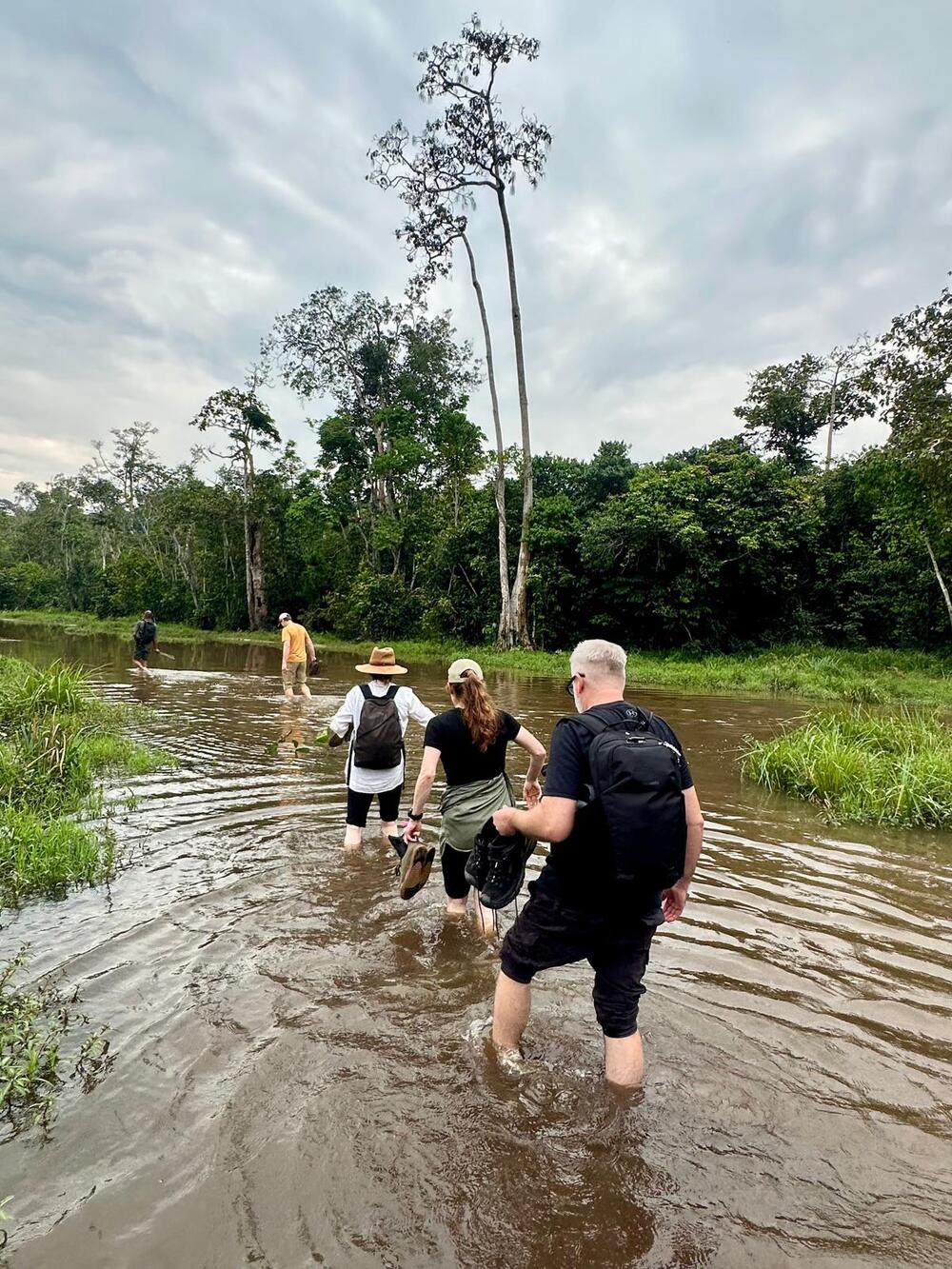
Our Cameroon tours begin in the capital Yaoundé before heading east through towns such as Bertoua and Yokadouma, travelling deep into Cameroon’s rainforest towards the Sangha River where the borders of Cameroon, the Central African Republic, and the Republic of the Congo meet.
Group tours to Cameroon
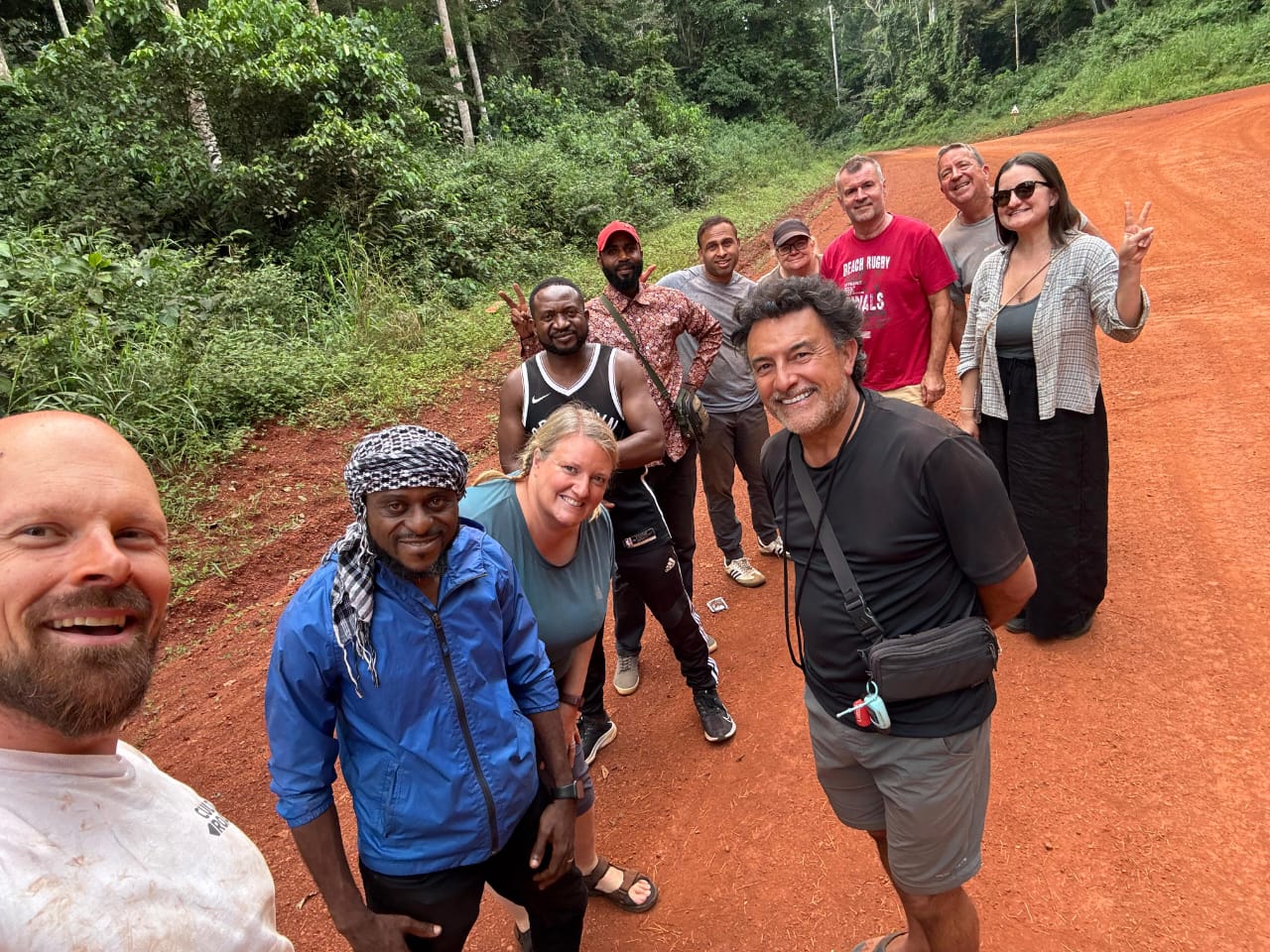
We are currently offering a yearly group tour to Cameroon, combined with the Central African Republic.
Cameroon & Central African Republic Adventure – November 7th to 16th, 2026 – €4495
Independent tours to Cameroon
If our scheduled Cameroon tours don’t fit your plans, or if you’d prefer a more personalized experience, we also offer independent and tailor-made Cameroon tours. Whether you’re looking for a custom itinerary or simply just want the flexibility to explore at your own pace, we can help design a trip that suits you.
Example of an Cameroon tour Itinerary (5 days)
Day 1 – Yaoundé
- Arrive in the capital Yaoundé at your own convenience, with international flight connections from Paris, Istanbul, Addis Ababa and other major African hubs.
- Transfer to our hotel to check in and freshen up before a guided city tour of Yaoundé.
Afternoon
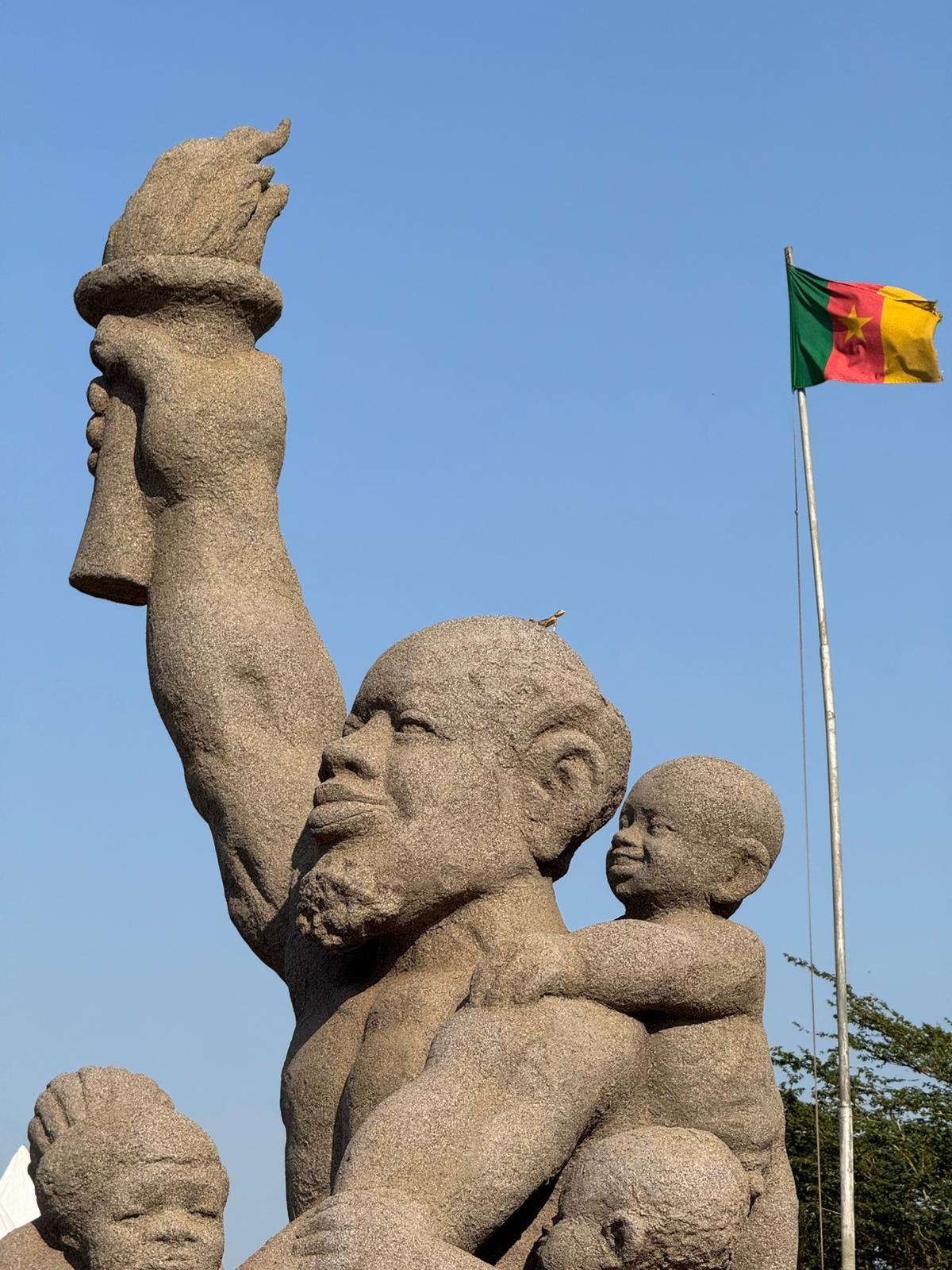
- Start the city tour with a visit to the Reunification Monument, a spiral-shaped monument symbolising the reunification of British Southern Cameroon and the former French-administered Cameroon in 1961.
- We then head to Mokolo Market, one of the busiest markets in the city, where traders sell colourful fabrics, spices, handcrafted goods and traditional medicines. It’s a great place to observe everyday life and practice a bit of bargaining.
- Dinner at a local restaurant where you can sample Cameroonian dishes such as grilled fish, fried plantains and the popular bitterleaf stew ndolé.
- Overnight in Yaoundé.
Day 2 – Yaoundé and Douala
- Breakfast at the hotel before starting the drive towards Douala, Cameroon’s largest city and economic hub. The drive takes around 4 to 5 hours, and takes us through changing landscapes of forest, farmland and small roadside villages.
Afternoon
- After arriving in Douala we’ll check in to our hotel, before going out for lunch in Bonanjo district.
- After lunch we’ll explore the Bonanjo district, which once served as the centre of German colonial administration in Douala. Here we’ll see the historic Palace of the Kings Bell and learn about the important role the Duala kings played during the colonial period.
- Next, we’ll stop by the colourful Marché des Fleurs, a fascinating market famous for traditional herbal medicine and spiritual remedies used by local healers. Here you can buy dried plants, roots and potions believed to treat everything from illness to bad luck.
- Dinner and overnight in Douala, and optional (but highly recommended) exploration of the city’s lively nightlife!
Day 3 – Douala and Limbe
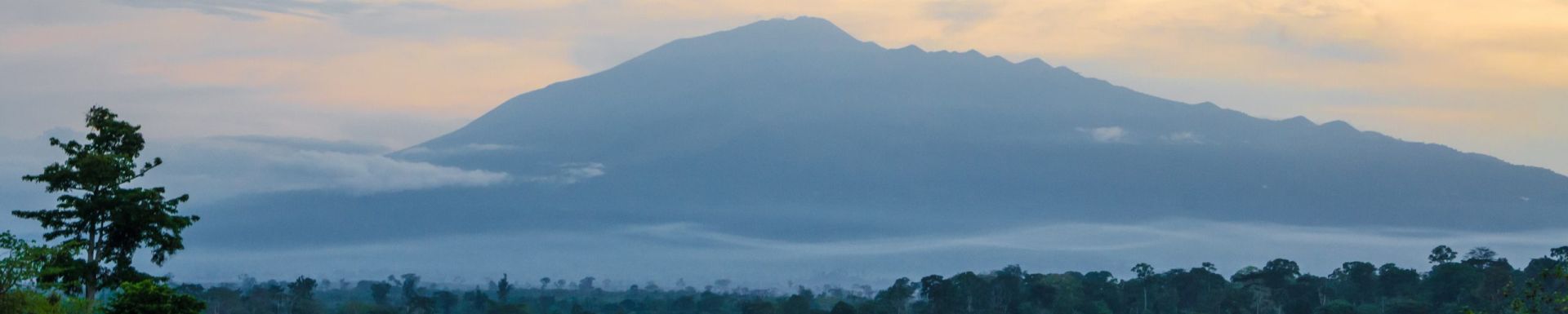
- We’ll have breakfast at the hotel before starting the 2 hours long drive along the coast toward Limbe, a relaxed seaside town located at the foot of the towering Mount Cameroon, the highest mountain in west and central Africa.
- After arriving in Limbe, we’ll visit the Limbe Wildlife Centre, one of Central Africa’s most important conservation projects. Here rescued chimpanzees, drills, monkeys and other animals are rehabilitated after being confiscated from the illegal wildlife trade.
Afternoon
- We’ll have lunch at a local restaurant located at one of Limbe’s famous black volcanic sand beach. After lunch we’ll relax at the beach.
- Later we visit the nearby Bimbia Slave Trade Site. With our local guide we’ll walk through the ruins and forest trails exploring the remains of slave holding cells, trading posts and routes used during the transatlantic slave trade to learn more about this dark side of Cameroon’s past.
- In the evening we’ll head back to the beachfront for dinner at a restaurant overlooking the ocean, where you can try local specialties such as fresh grilled fish, pepper soup, and roasted fish served with plantains, all popular dishes in Limbe.
- Overnight in Limbe.
Day 4 – Limbe, Mount Cameroon and Douala
- We’ll have breakfast at the hotel before travelling to the nearby town Buea, located on the slopes of Mount Cameroon. This town served as the capital of German Cameroon during the colonial period and still contains a lot of historic architecture from that era.
- We’ll go for a guided hike on the lower slopes of Mount Cameroon, the highest mountain in West and Central Africa. The trail passes through lush rainforest, old lava flows and small farming villages, offering fantastic views across the coastline on clear days.
Afternoon
- After the hike we’ll have lunch at a local restaurant in Buea.
- After lunch we’ll go for a guided walk around Buea, which used to be the capital of German Cameroon. During the walk we’ll explore several landmarks from the colonial era, such the Bismarck Fountain and the former German governor’s residence. We’ll also pass through parts of the town centre, giving us a glimpse into everyday life in this historic mountain town before returning to Douala.
- Dinner and overnight in Douala.
Day 5 – Douala and Yaoundé
- We’ll have breakfast at the hotel before starting the return journey to Yaoundé. Along the way we pass through small towns and roadside markets where you can pick up last-minute souvenirs or snacks.
- Arrival in Yaoundé, transfer to the airport for departure or onward travel. Tour concludes.
Bespoke Cameroon tours
In addition to our scheduled departures, we can also arrange bespoke Cameroon tours. Contact us if you’re interested in exploring something not listed in our current itineraries or if you’d like a custom adventure tailored to your interests.
Tribal Cameroon tours
Cameroon is one of the most culturally diverse countries in Africa, home to more than 250 ethnic groups, each with their own traditions, languages and cultural practices. Many of these communities live in regions that remain largely untouched by mass tourism, offering a rare opportunity to experience authentic local culture.
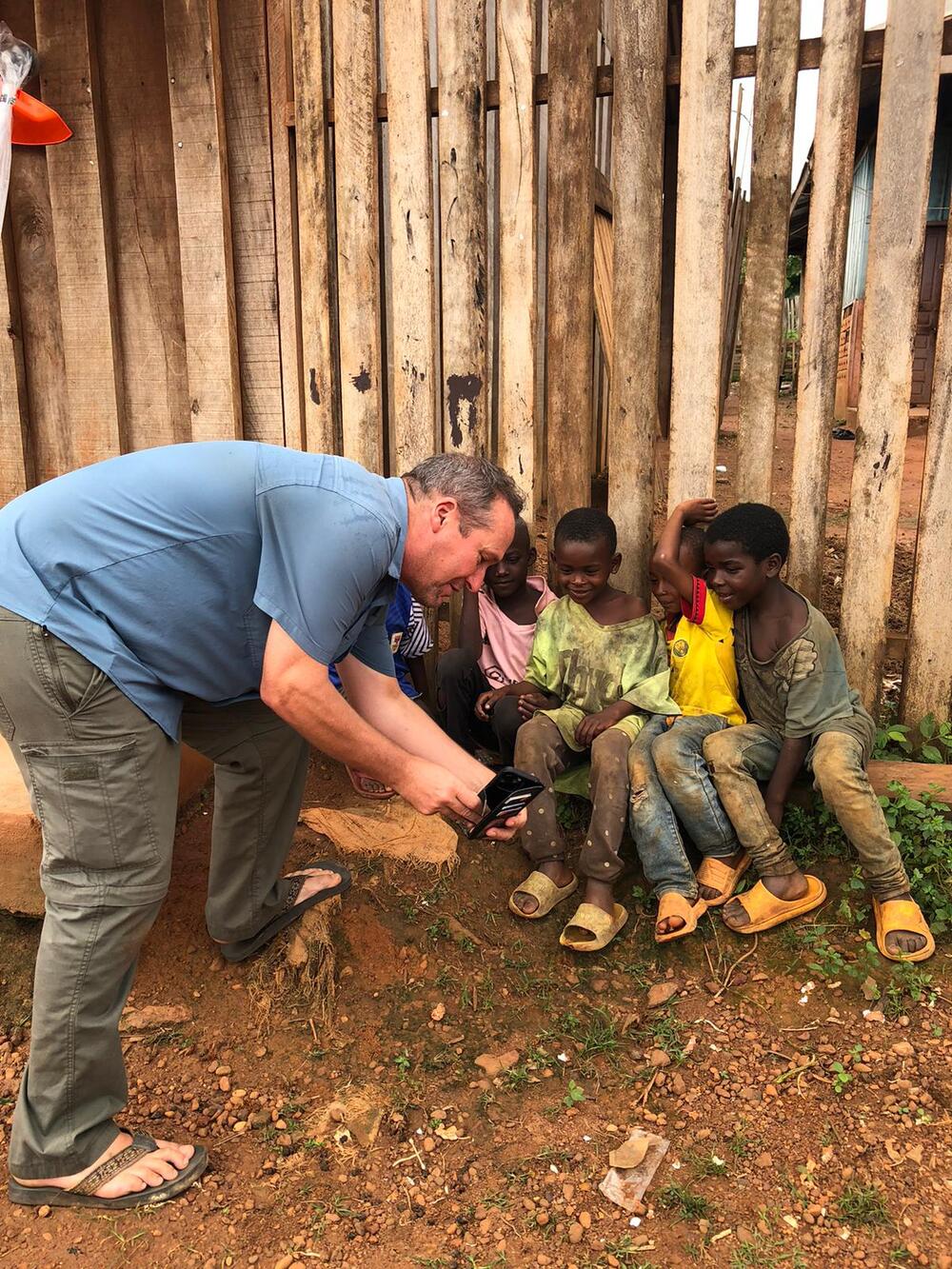
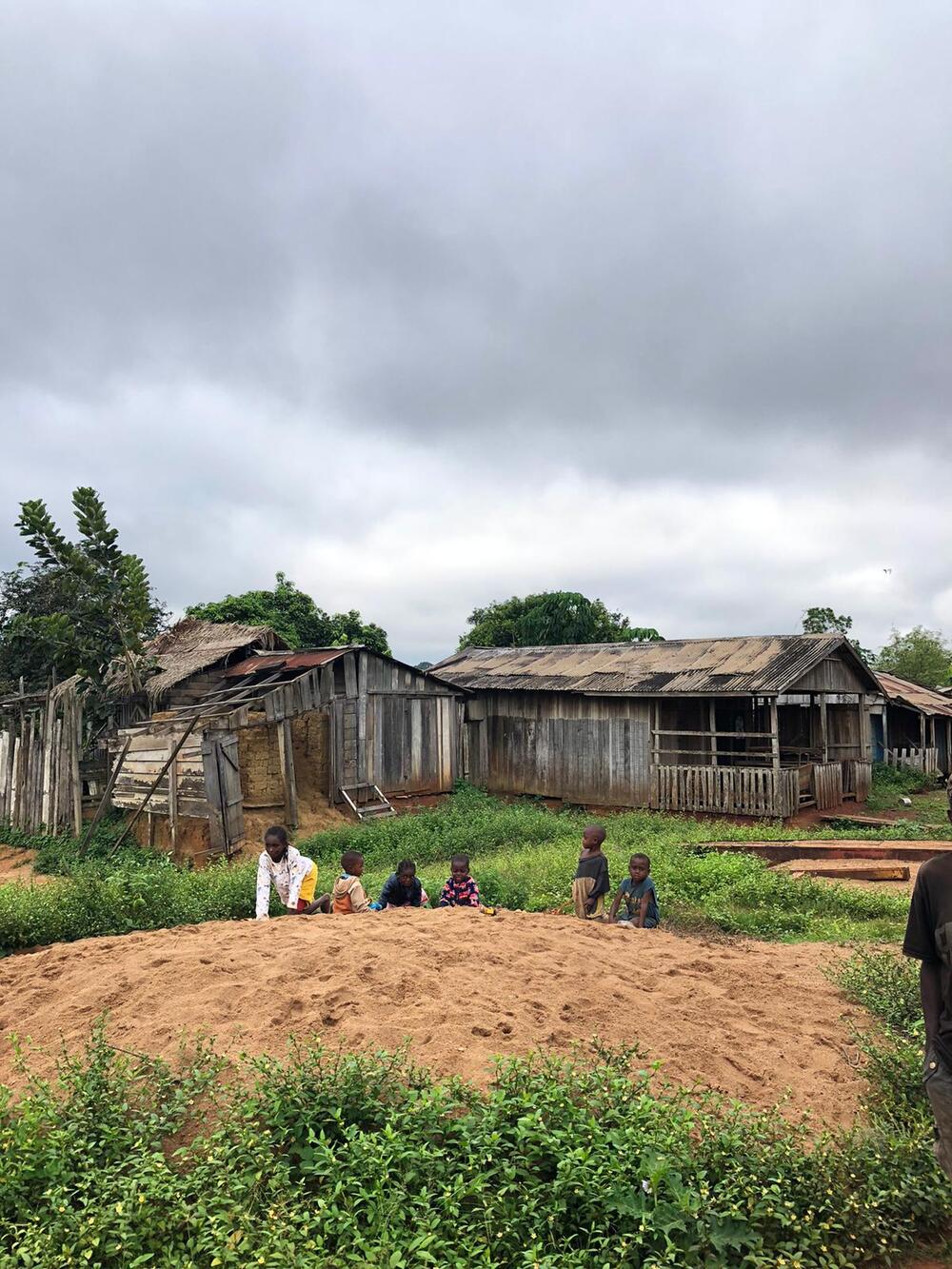
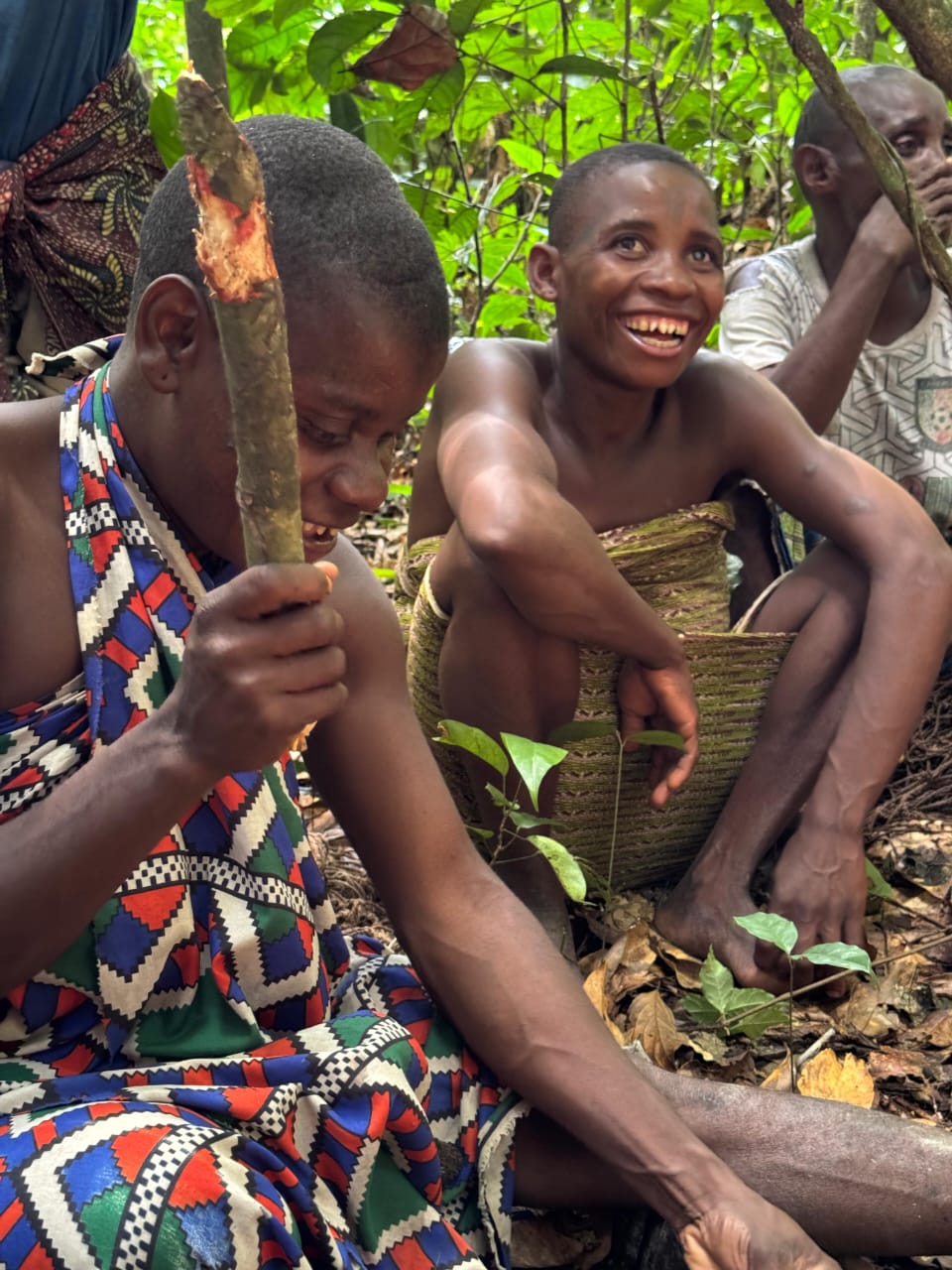
On a tribal Cameroon tour you can visit traditional chiefdoms in the western highlands and meet communities such as the Bamileke, Bamoun and Baka forest peoples. Visit royal palaces, witnessing traditional dances and festivals, learn about local crafts such as wood carving and mask making, and visit rural villages to experience everyday life in Cameroon.
Nature and Wildlife Cameroon tours
Cameroon’s incredible diversity of landscapes has given it the nickname “Africa in miniature.” From rainforest and savannah to volcanic mountains and tropical beaches, the country includes every major landscape in Africa.
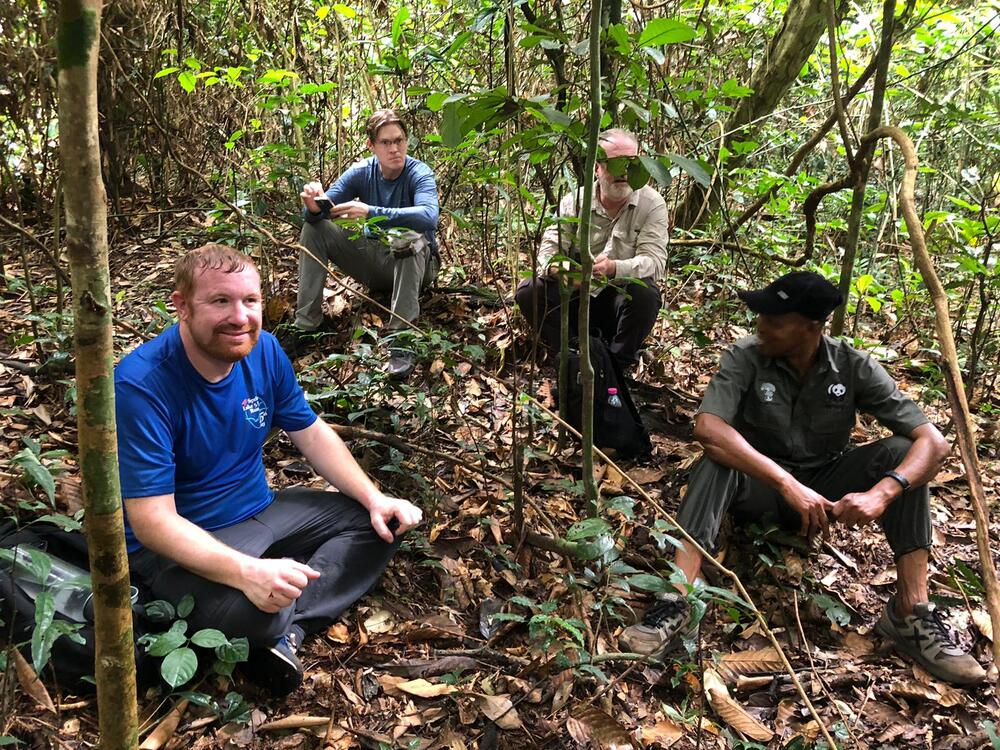
Hike along the slopes of Mount Cameroon, the highest mountain in Cameroon and the tallest peak in West and Central Africa, visit wildlife conservation projects such as the Limbe Wildlife Centre and travel through remote rainforest regions where forest elephants, primates and diverse birdlife can be found.
We can arrange different variations of these Cameroon tours for you, including visa assistance, transport arrangements and customised itineraries to fit your schedule
Filming in Cameroon
Through our media arm Pioneer Media we can make arrangements for productions, journalists, or others to film within Cameroon from big budget to guerrilla productions. We can also arrange meetings in country, as well as correct visas for journalist wishing to do projects within Cameroon.
Frequently asked questions about travel to Cameroon
Cameroon Tours FAQ
Gallery