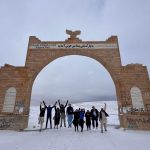
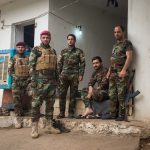
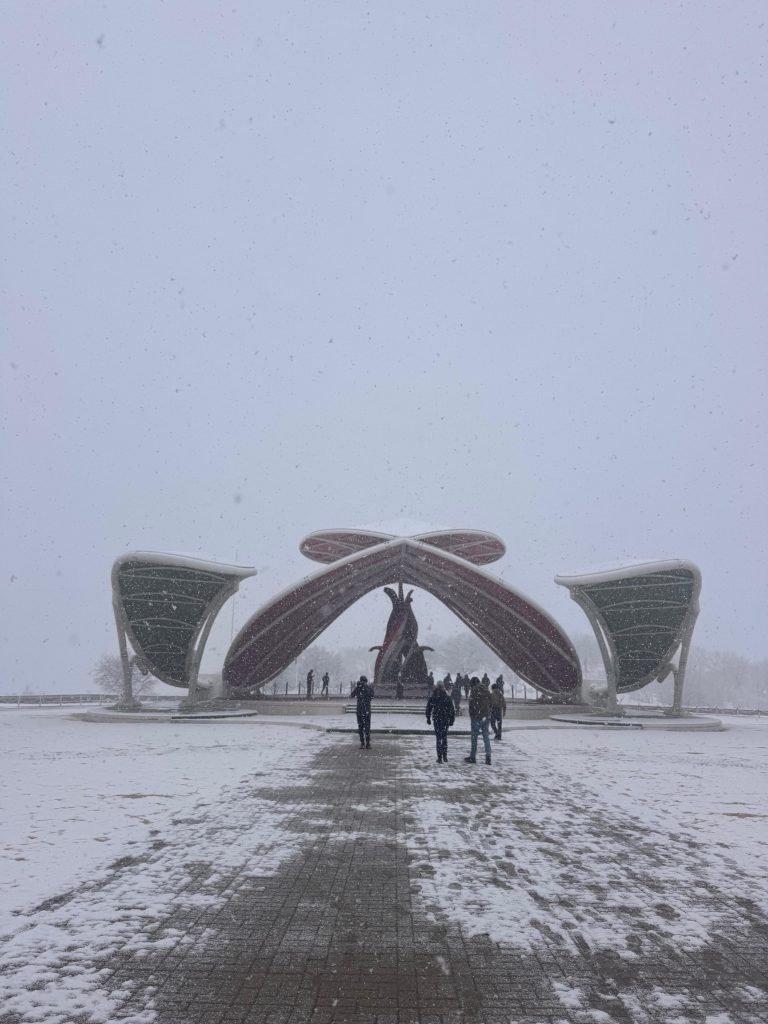
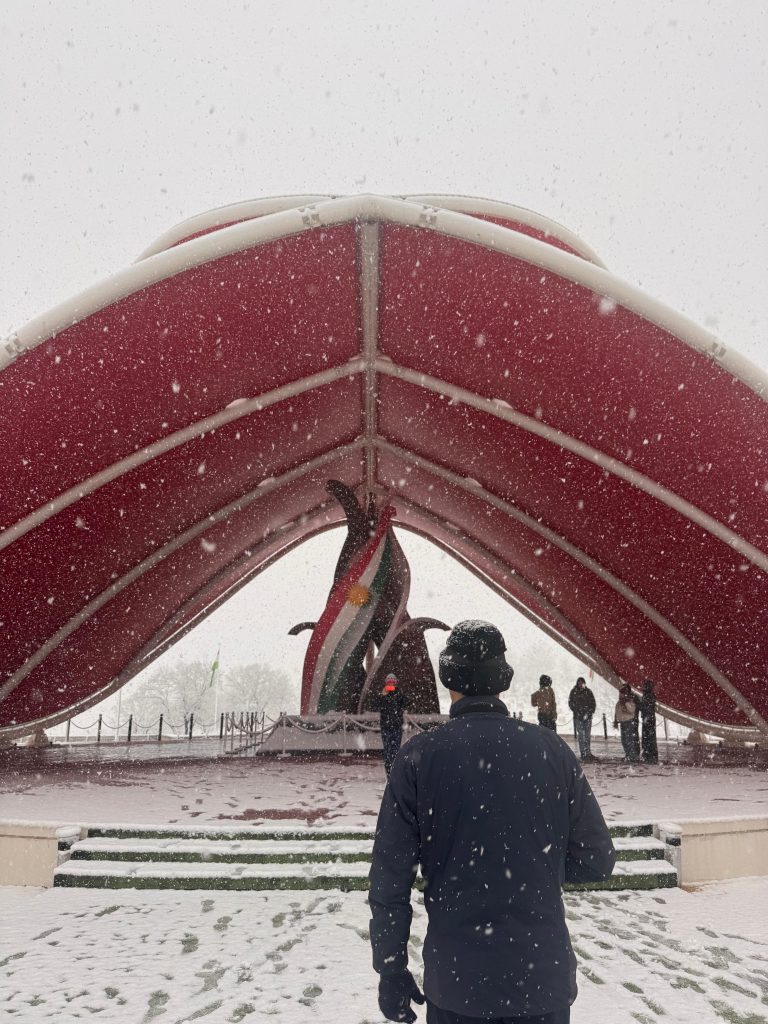
The Barzan Genocide is one of the least well known genocides in the 20th century. On 31st July 1983, Ba’athist regime forces entered the village of Barzan north of Erbil (Howler) and abducted 8,000 men and boys over the age of 14 around breakfast time. They were never heard from again. In the town of Barzan today, there is a Barzani Genocide Museum and memorial is dedicated to those men who lost their lives, as well as a genocide museum so that the next generation does not forget the collective punishment and what happened to those who dared to challenge the Ba’athist regime.
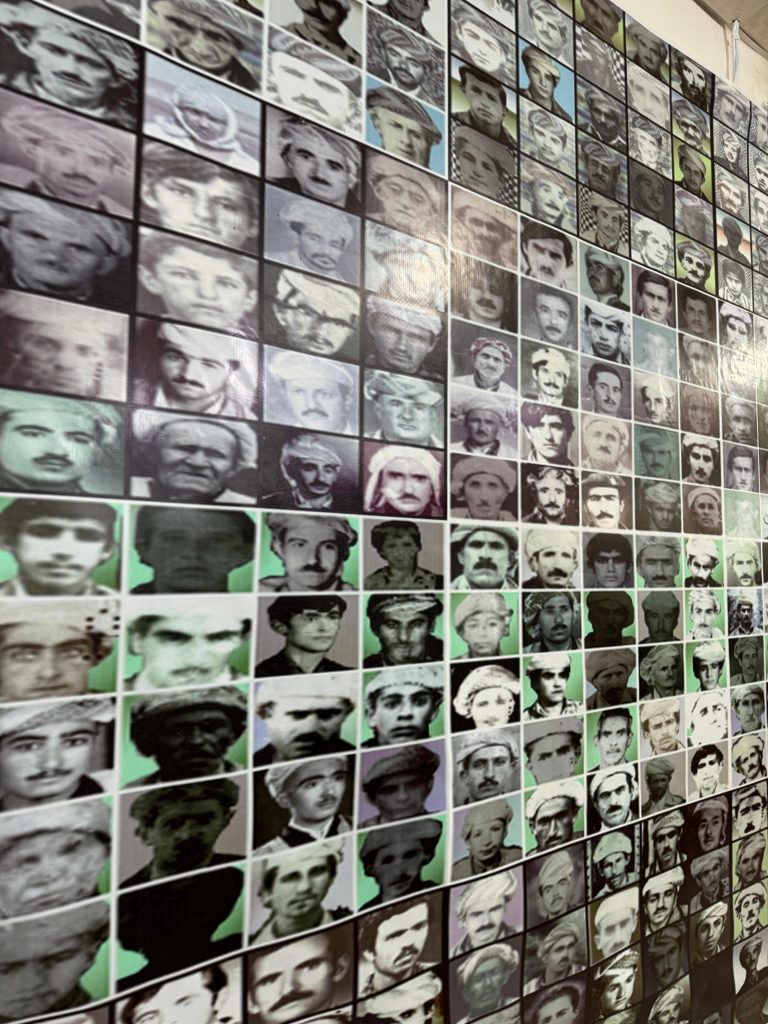
Table of Contents
Who are the Barzani’s?
The Barzanis are a tribe of Kurds situated in Northern Iraq (Southern Kurdistan) around the village of Barzan. Origionally of Yazidi herritage, the tribe adopted Sunni Islam and strengthening their Sufi links in the 1800s, the tribe gained power and clashed with Ottoman and Iraqi rule.
In the latter quarter of the Ottoman rule, Sheikh Abdul Salam Barzani was a key figure in Kurdish resistance to the Ottoman empire. He was executed in 1914 by the Ottoman empire and his brother Sheikh Ahmed Barzani continued the struggle against the British empire, with the aim of Kurdish autonomy and independence.
One of the most important Barzani political figures, Mullah Mustafa Barzanim, rose to prominence in 1940s as an opponent to Iraqi control of the region. In 1946 he founded the Kurdistan Democratic Party (KDP) which became a vessel for Kurdish independence. After his death in 1979, his son Masoud Barzani rebuilt the Kurdistan Democratic Party into the powerhouse of Iraqi Kurdish politics. After the 1991 Gulf War and the creation of a Western-protected no-fly zone, Iraqi Kurdistan effectively broke away from Baghdad, with Barzani’s KDP running much of the north — often in a tense power struggle with Jalal Talabani’s rival PUK.
Barzani later took the top job as President of the Kurdistan Regional Government, steering the region through its formative years of self-rule, oil deals, and complicated relations with the Iraqi state. Today, the Barzani family still sits at the heart of Kurdish politics as he still is the elected representative of the Kurdistan Region.
The Barzani Genocide
Due to their political activism, the Barzani family faced threats and injury at the hands of their opponents. The town of Barzan has been destoryed at least 16 times over the last 100 years and many of the Barzan members have been executed by various opponents such as the fate of Sheikh Abdul Salam Barzani.
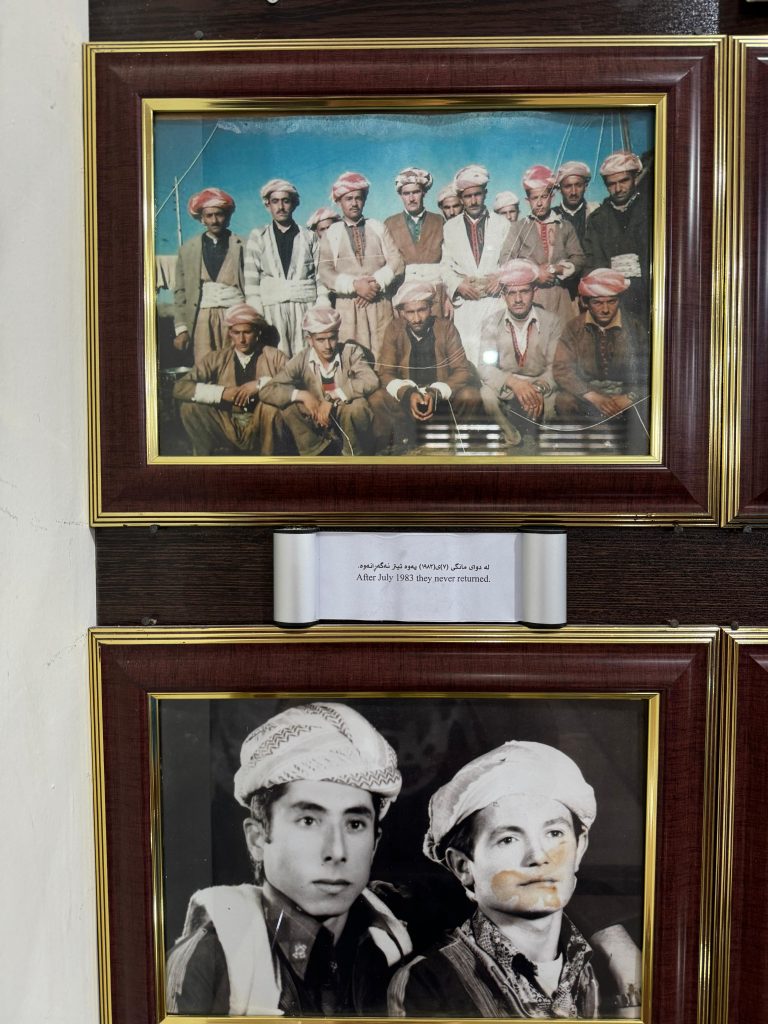
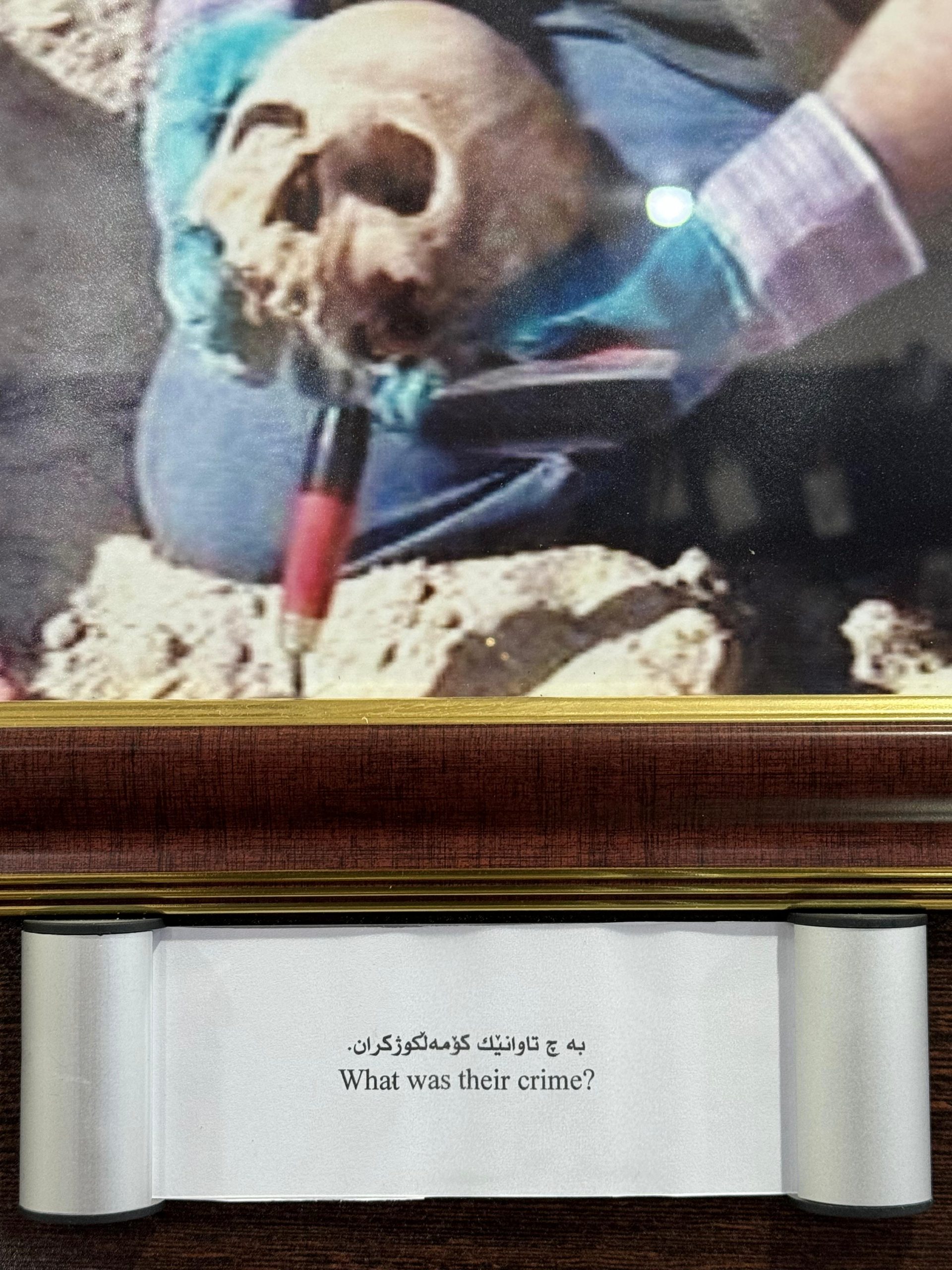
The genocide against the Barzanis accumulated under the Ba’athist Saddam regime where on 31 July 1983, regime soldiers invaded the city of Barzan and kidnapped 8,000 Barzani men and boys over the age of 14. They were taken to various ‘refugee’ camps and were displaced without explanation. Unfortunately, these men were never to return home. These men were executed on mass in mass graves in the southern, arid desert areas of Iraq. Only approximately 696 bodies have been recovered, with the rest of the victims buried somewhere under the immense desert, yet to be repatriated.
This genocide was carried out under the direct orders of Saddam Hussein. Its aim was not just to eliminate politically active members of the Barzani tribe, but also to target anyone associated with them — including children and non-political civilians. The Barzanis are easily recognised by their distinctive red-and-white turbans, a symbol of their identity. On the day of the attack, two Christian men wearing the same style of turban were also captured and killed, alongside members of the Barzani tribe.
This was apart of a larger programme, Anfal, which targeted Kurdish people under the Saddam Hussein regime.
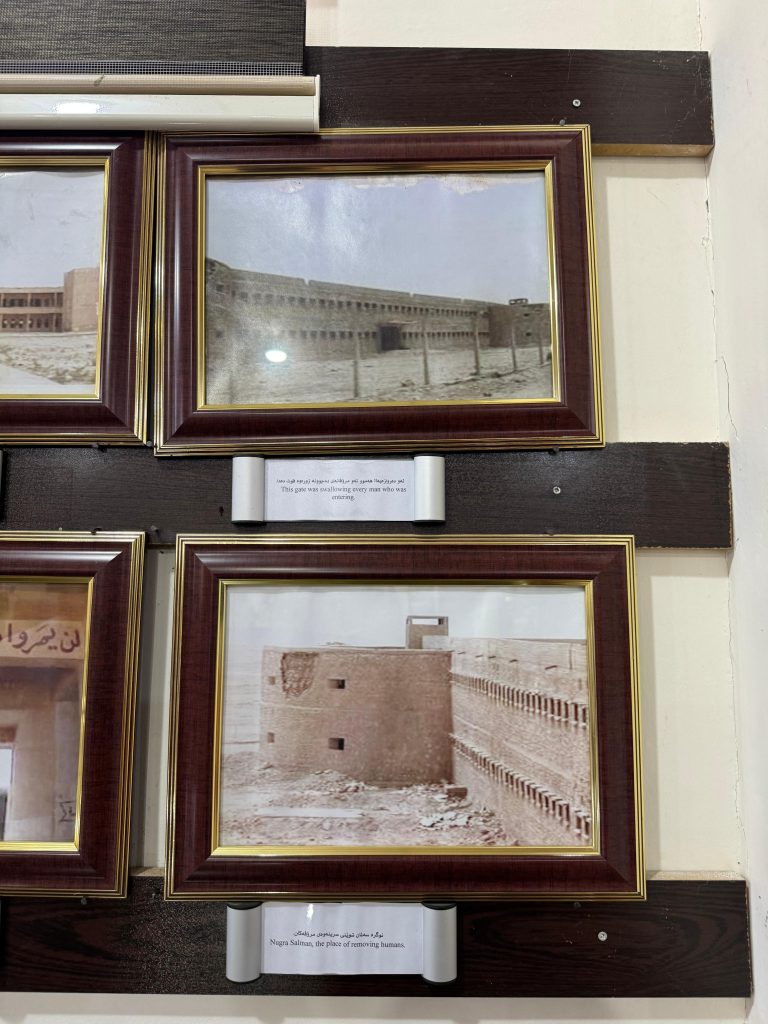
The ANFAL program:
The Anfal Campaign was Saddam Hussein’s all-out war on Iraq’s Kurdish population, launched in 1988 during the final phase of the Iran–Iraq War. While Baghdad framed it as a counter-insurgency operation, in reality it was a systematic attempt to break Kurdish society by wiping out its villages, families, and support networks. The name Anfal was taken from the Qur’an, but what followed was one of the darkest chapters in modern Middle Eastern history.
Under the command of Ali Hassan al-Majid, better known as “Chemical Ali,” Iraqi forces swept through Kurdish areas of northern Iraq, flattening towns, burning farmland, and rounding up civilians. Entire communities were emptied overnight. Men were separated from their families and taken away, often never to be seen again. Women, children, and the elderly were deported to camps or dumped in remote areas with little food or shelter.
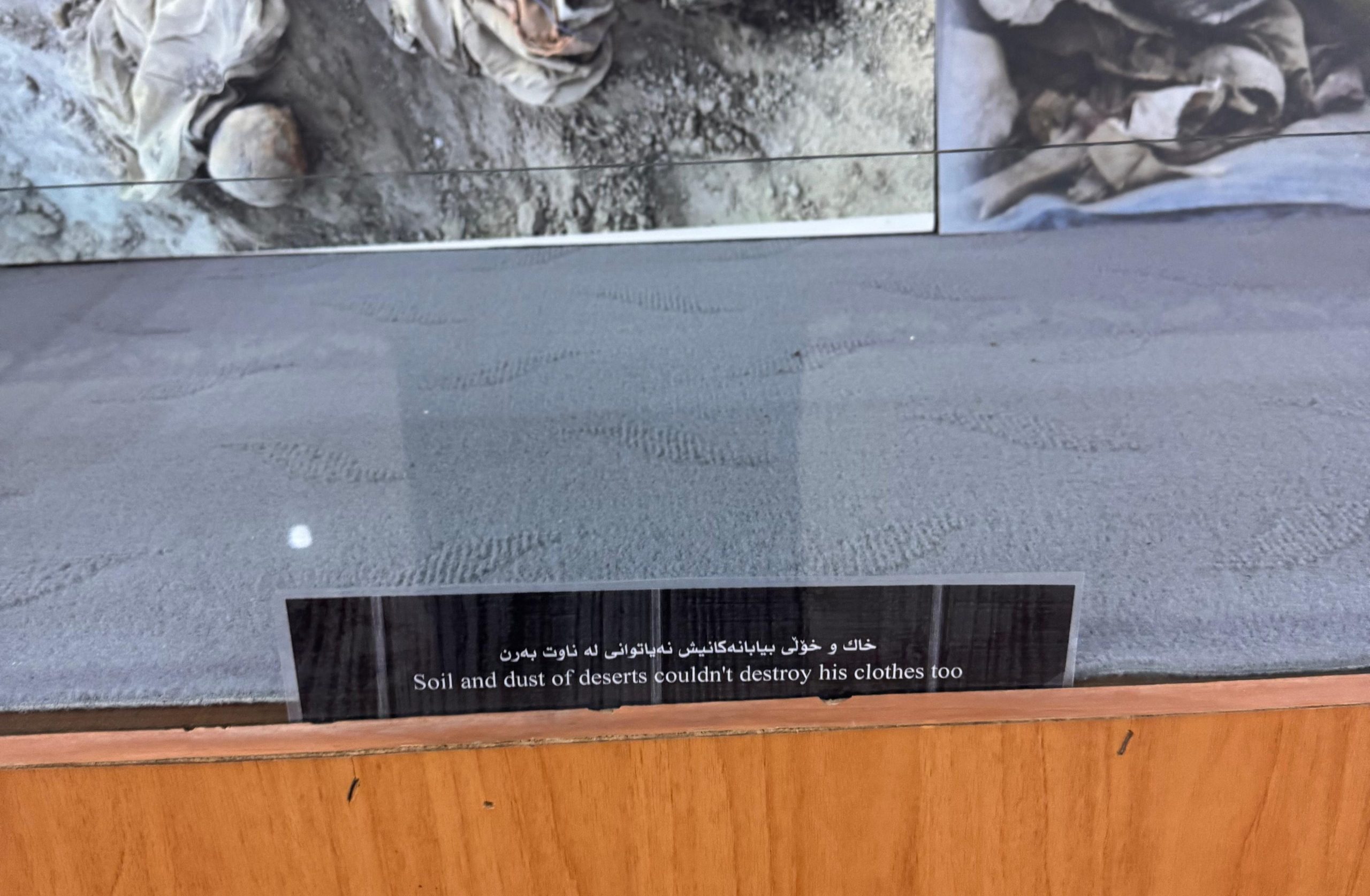
Chemical weapons were also used, most infamously in Halabja, where poison gas killed thousands of civilians in a single day. Across Kurdistan, thousands of villages were erased from the map, and hundreds of thousands of people were displaced. Mass graves in the deserts of southern Iraq later revealed the scale of the killing, with tens of thousands of Kurdish civilians buried far from their homes.
Consequences Of The Barzani Genocide
The Barzan genocide was not just at attack against the 8,000 Barzani men, but Kurdish safety in general. One, msotly untalked about consequence, was the reality for those who remained in Barzan, including the women.
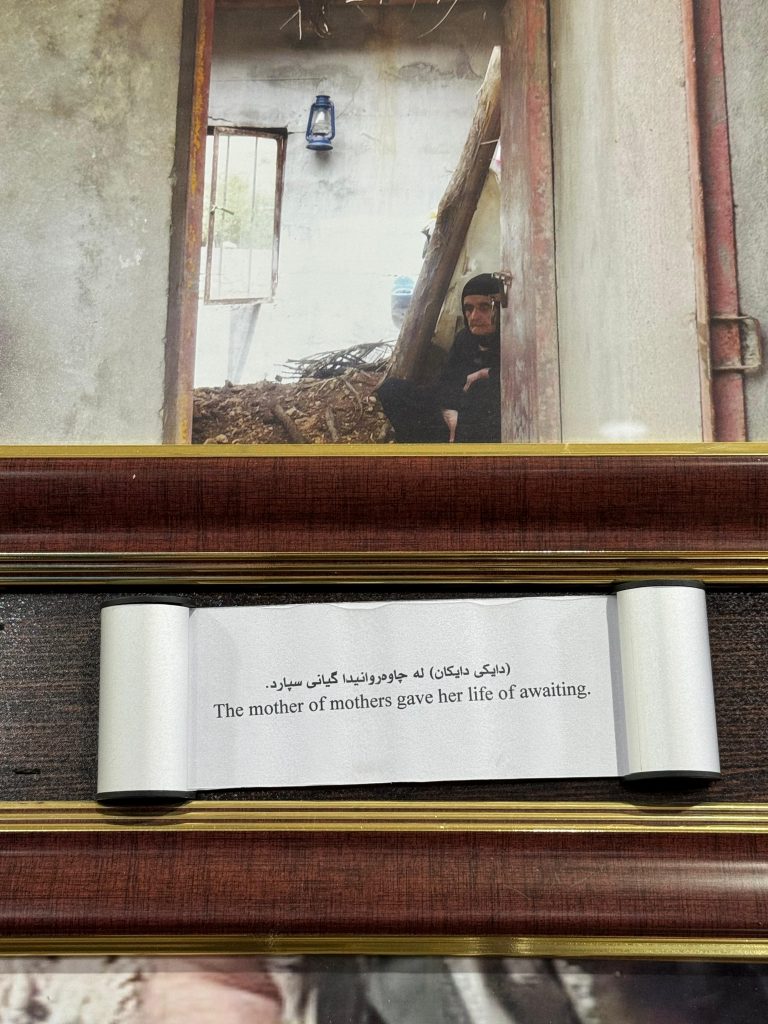
Many of the women were left waiting for decades to hear any news about their sons, husbands and fathers. One woma never ate breakfast again after her husband was taken on the 31st of July in the morning, when they would usually eat breakfast. This is one story of thousands who were left waiting for any news on their loved ones.
With the loss of the men from their village, the women also faced economic hardship as the breadwinners of the family were plucked from the village overnight. Additionally, many faced poverty, fear, and the burden of caring for families without support.
Remembering Those Who Were Lost – The Barzani Genocide Museum and Memorial
Inside the Barzani Genocide Museum, personal stories come to life: photographs of men taken just before their abduction, the tribe’s signature red-and-white turbans, and letters, documents, and weapons that reveal lives caught up in political struggle. Everyday items like teapots, jewelry, and tools show the families whose homes were destroyed and lives uprooted.
Maps trace the forced marches and mass grave sites, while video and audio testimonies let survivors speak for themselves. Outside, the memorial offers quiet reflection, with plaques listing the names of those lost and a courtyard where families still gather to remember.
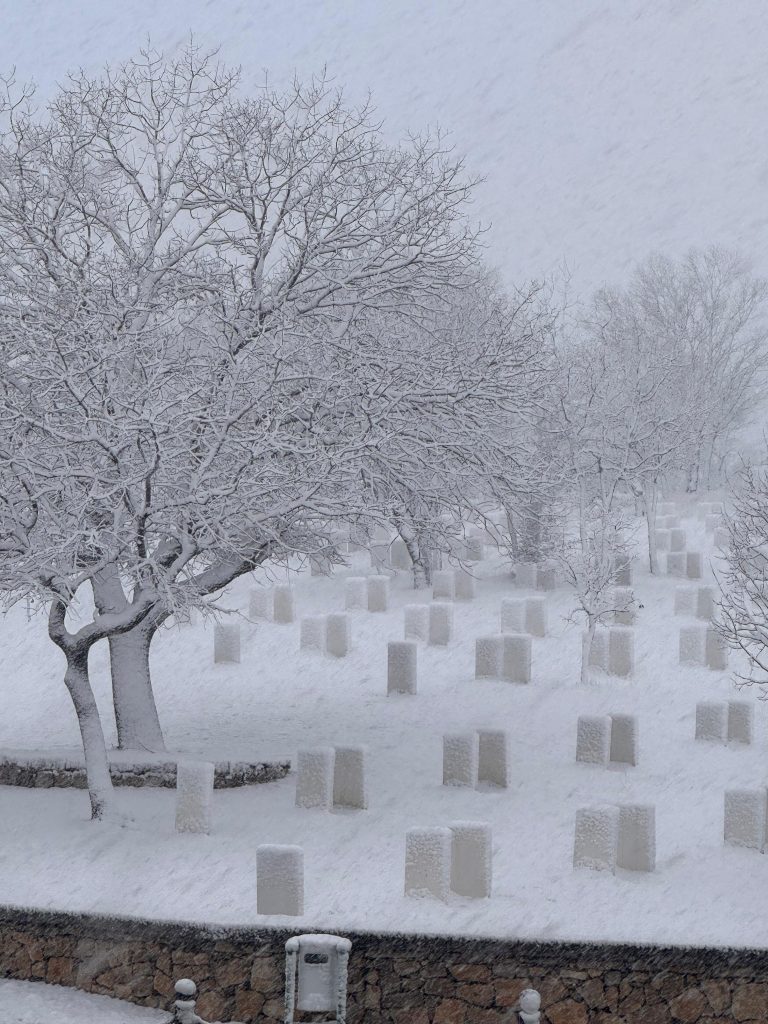
The Barzani Genocide Museum is close to a Memorial site includes a cemetery with the reburied remains of hundreds of victims discovered in mass graves in southern Iraq after 2003. The remains of many victims however are still missing today.
Tours To Iraqi Kurdistan
All our tours visit the Barzani Genocide Museum so that visitors can reflect and learn about the struggles faced by the Barzani community and the legacy of their political activities which shape the Iraqi Kurdistan region today.
Visit the Barzani Genocide Museum on our group tours
About Post Author