While the Republic of South Sudan is famously the world’s newest republic, as in it does not have a king, it is full of a whole hotchpotch of tribes, some of which follow the royal way of thinking.
One of these is the Azande Kingdom, which was not only one of the most important empires of the region, but in 2022 reinstated their kingdom after 117 years of dormancy. Yet before you Every Passport Stamp and country collector nerds get too excited, it is still very much part of South Sudan. Well, at least for the time being anyway.
Table of Contents

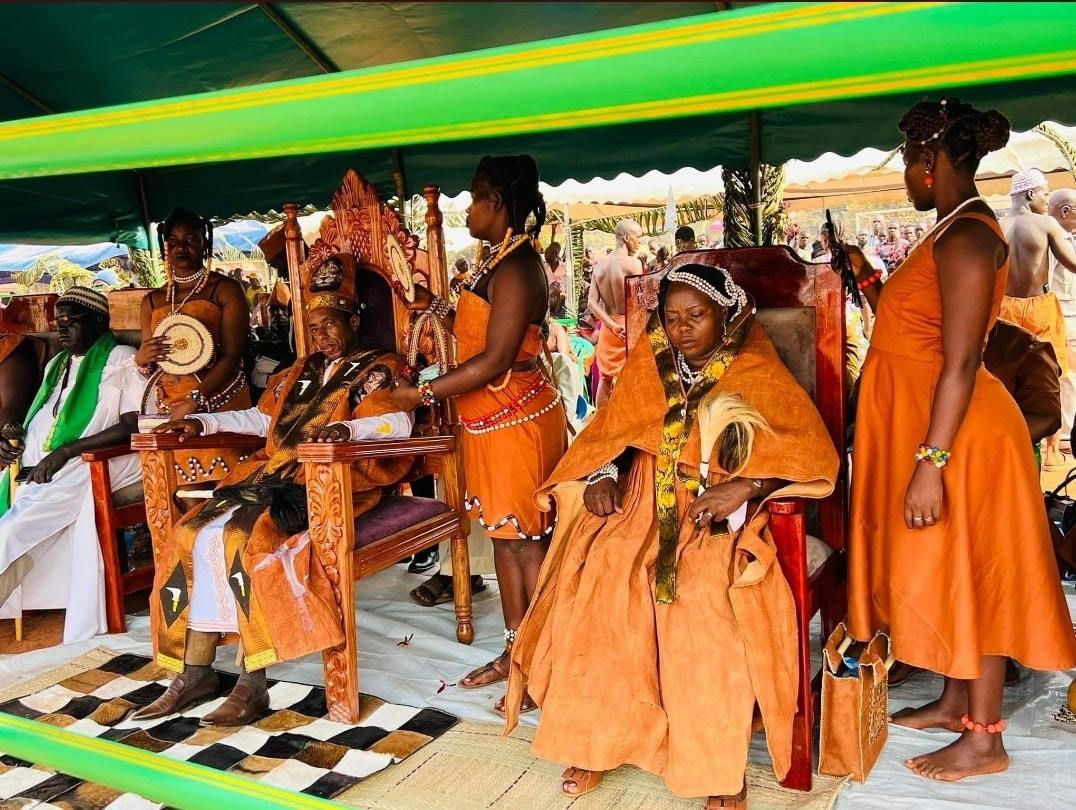
The Azande Kingdom
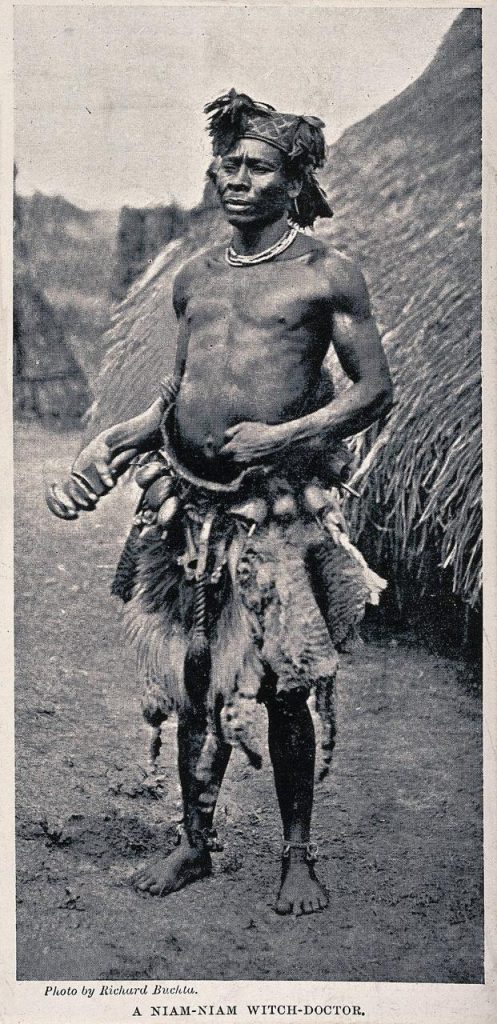
The Azande Kingdom rose in the late 17th century and became a serious power by the early 19th century under King Gbudwe, its most famous ruler. Gbudwe expanded the kingdom across what is now Western Equatoria, parts of the Democratic Republic of Congo, and the Central African Republic. He led a disciplined army armed with iron weapons and crushed rival tribes with ruthless efficiency. T
he kingdom survived famine, internal wars, and early European contact longer than most African states. Gbudwe died in 1905 fighting Belgian forces, and the monarchy collapsed. Colonial administrators installed puppet chiefs, leaving the kingdom dormant for 117 years. During that time, elders maintained authority in villages, witchcraft and prophecy guided decisions, and stories of the nyim and his campaigns passed through generations. The army, ironwork, and social hierarchy continued to influence daily life even without a king.

Reinstating the Monarchy
In 2022, Azande elders and community leaders petitioned the South Sudanese government to formally recognise the kingdom. After months of meetings, consultations, and traditional rituals, Nyim Ngundeng Baba was crowned in Yambio in a ceremony following centuries-old customs.
While he has no formal political power under South Sudanese law, he is treated as the local authority. He resolves disputes, enforces customary law, presides over ceremonies, and ensures the old rules are followed. His authority is real in social, cultural, and spiritual matters, linking the pre-colonial kingdom to the present and keeping the Azande running by their own rules. This has parallels in much of Africa.

The Azande Tribe
The Azande are tough, practical people living across villages and towns in Western Equatoria. They farm cassava, sorghum, and maize, hunt small game, and make iron tools and pottery the traditional way. Clans are organised around elders who settle disputes, punish cheats, and call out witches. Music, drumming, and dancing dominate social life.
Funerals, coronations, and harvest festivals are loud, chaotic, and crowded, often lasting days. Masks, ritual fights, and communal feasts are common. Life is harsh, survival comes first, and even today the Azande enforce their own rules and traditions, refusing to be tamed by modern society.
You can check out their customs through many YouTube videos that showcase how they live.
How to Visit the Kingdom
Fly to Juba International Airport, then take a domestic flight to Yambio – named after the old King, which takes about two hours. Overland from Juba is roughly 650 km on poor, mostly dirt roads; a 4×4 is essential. In Yambio, hire a local driver or guide; public transport is unreliable. Accommodation options are small hotels such as Teak Lodge and local guesthouses with limited electricity and running water. To visit the palace or villages, arrange permission through the nyim’s office in advance.
Bring South Sudanese pounds, food and water for long drives, mosquito netting, and a reliable phone or GPS device for navigation.

This though is far far far from an adventure that you should try to do solo. Lets not forget that this is not just a war torn area and nation, but also way off of the beaten track.
The great news here though us that YPT can indeed help you to navigate the Azande Kingdom with our bespoke South Sudan Tours!
About Post Author