Aleppo, Syria is one of the world’s oldest cities, dating back to 5000 BC, or the 3rd millennium. Since Aleppo has seen the rise and fall of empires throughout its history, and in more recent times, it has faced severe destruction during the civil war. Despite this, Aleppo is one of the top destinations to visit in Syria, boasting an incredible citadel, a remarkable souq complex, and of course, Aleppian cuisine, which is considered amongst the best in the country. Below is your complete Aleppo guide on all the sites you need to visit on your trip to Aleppo!
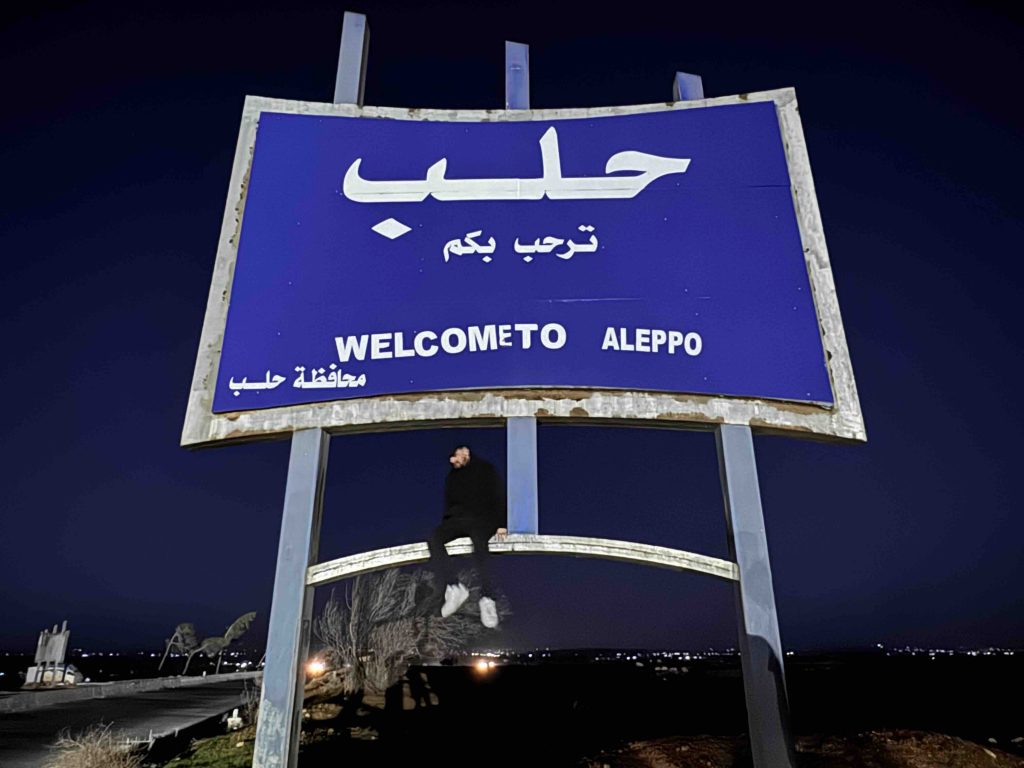
Table of Contents – Aleppo Guide
Aleppo Citadel
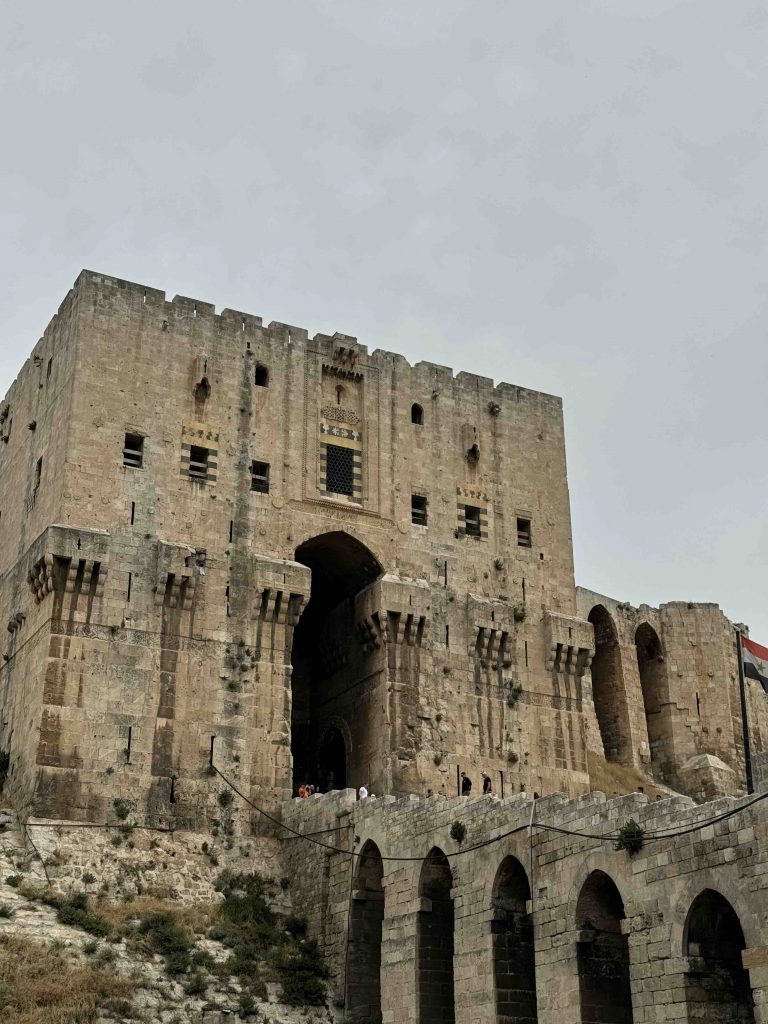
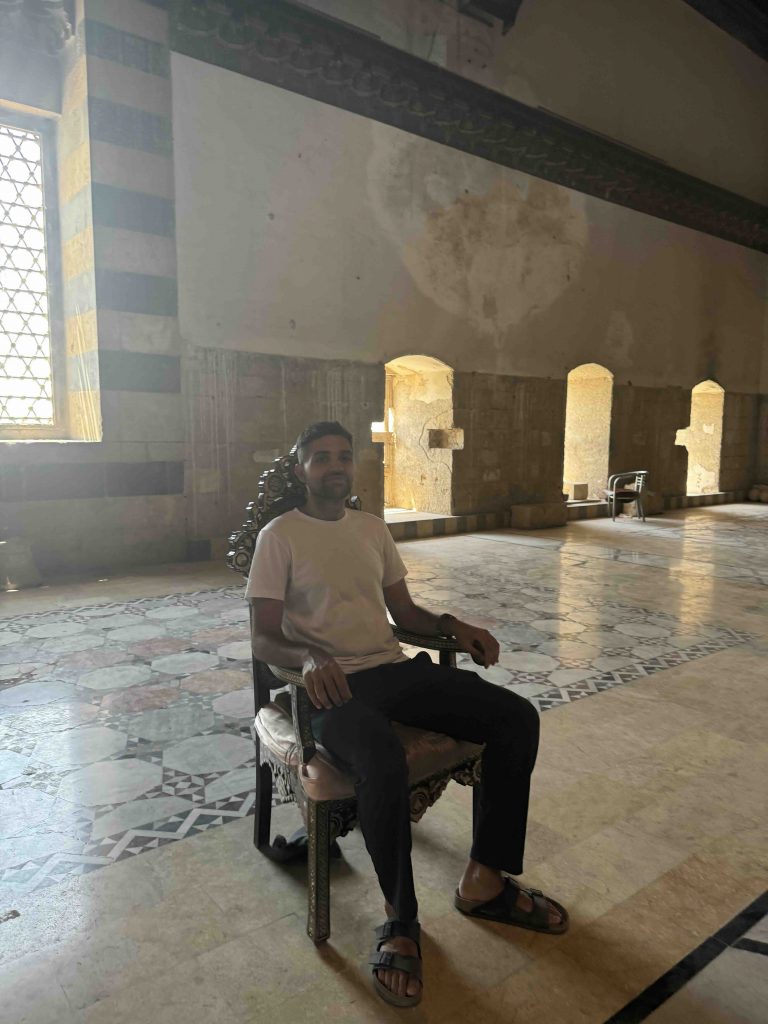
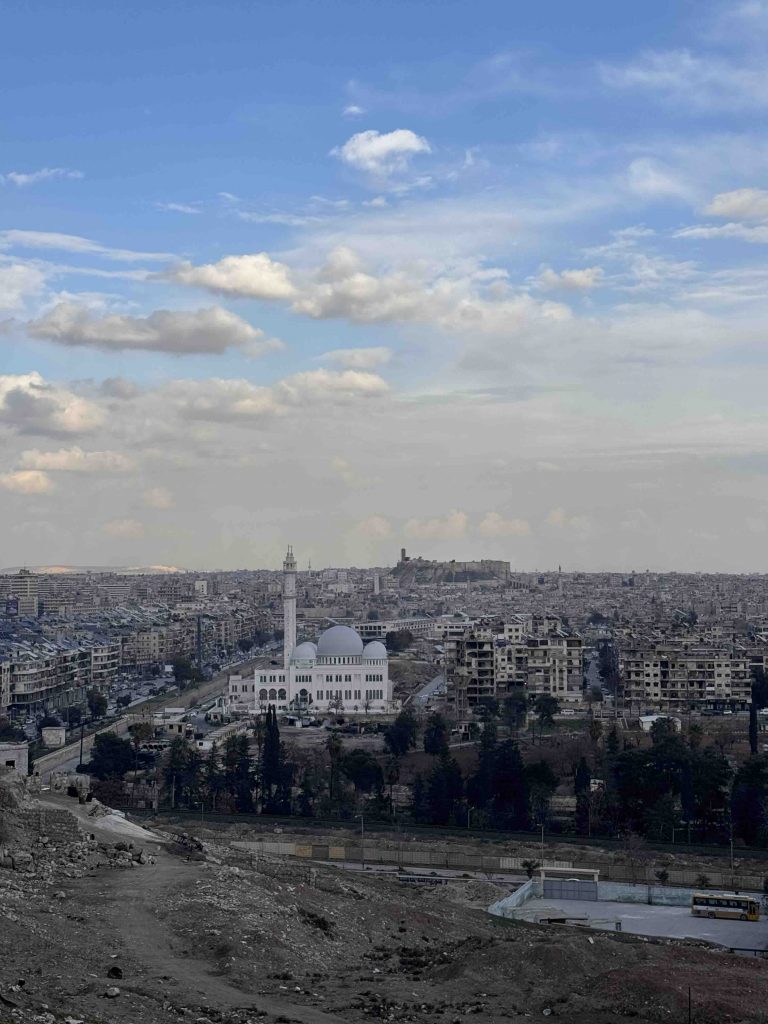
The Citadel of Aleppo is the city’s most famous landmark and one of the oldest castles in the world. The citadel is in the heart of Aleppo and features a moat with an elevated citadel in the middle. The citadel has been used by many different civilizations over thousands of years, including the Greeks, Romans, Byzantines, Ayyubids and Ottomans. Most of the structure visible today dates back to the medieval period, especially during the rule of Saladin’s son, Al-Zahir Ghazi, who transformed it into a powerful fortress.
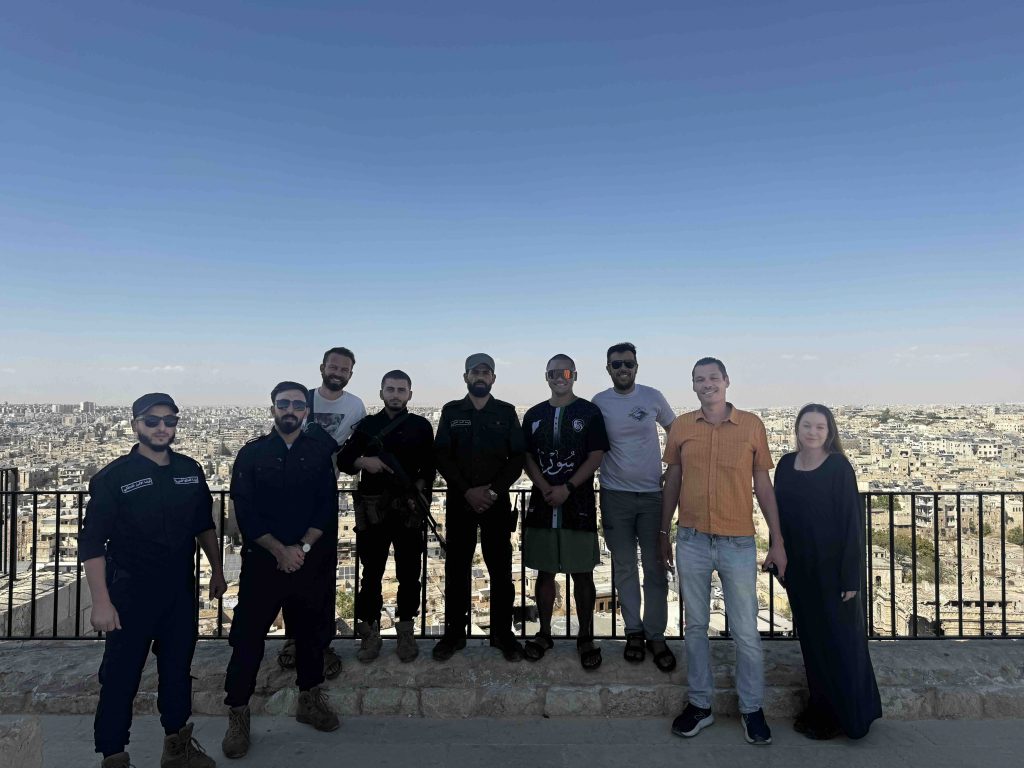
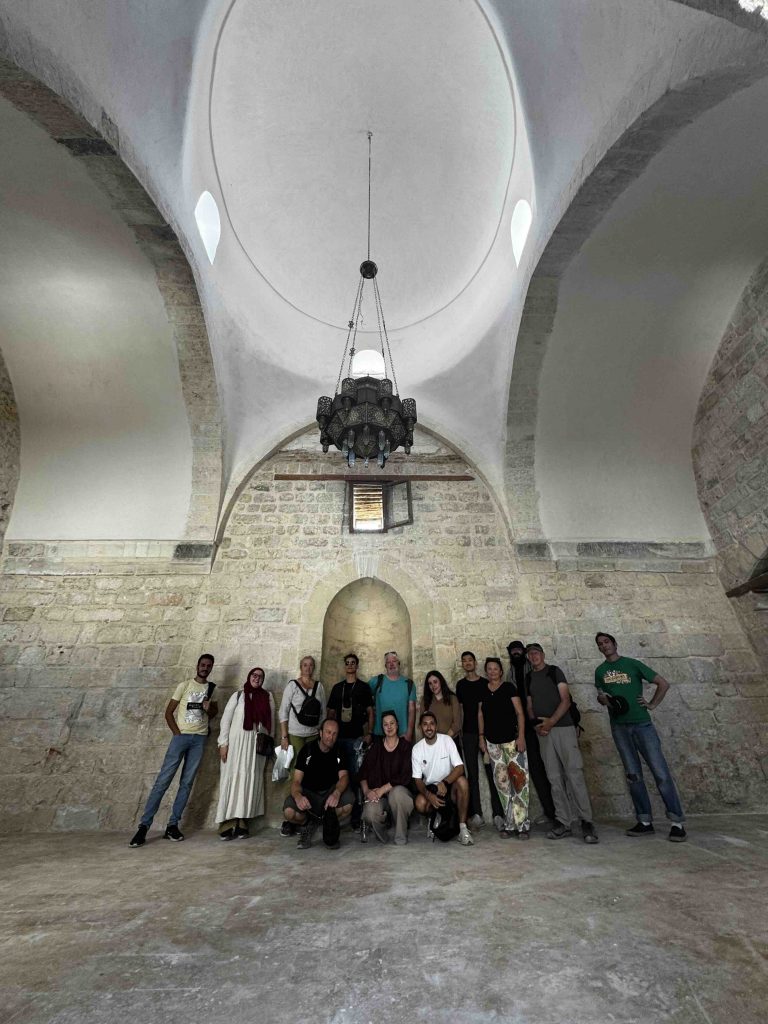
Visitors enter across a long stone bridge leading to an enormous fortified gateway, which was designed with twists and sharp turns to make invading armies vulnerable. Inside, there are mosques and minarets, underground passages, courtyards, wells, bathhouses, a modern theater and the remains of palaces. From the top of the citadel, you can enjoy 360 degree views over the city and the damaged old neighborhoods below. Although the site suffered damage during the Syrian war, restoration work has continued in recent years.
Aleppo Souqs
Al-Madina Souq is one of the oldest and largest covered markets in the Middle East. Stretching for many kilometres through the old city (13km + in total), the souq has been a centre of trade for centuries, connecting Aleppo with merchants from across Asia, Europe and the Arab world. It was considered the longest souq in the world until it was compartmentally destroyed during the Syrian Civil War.
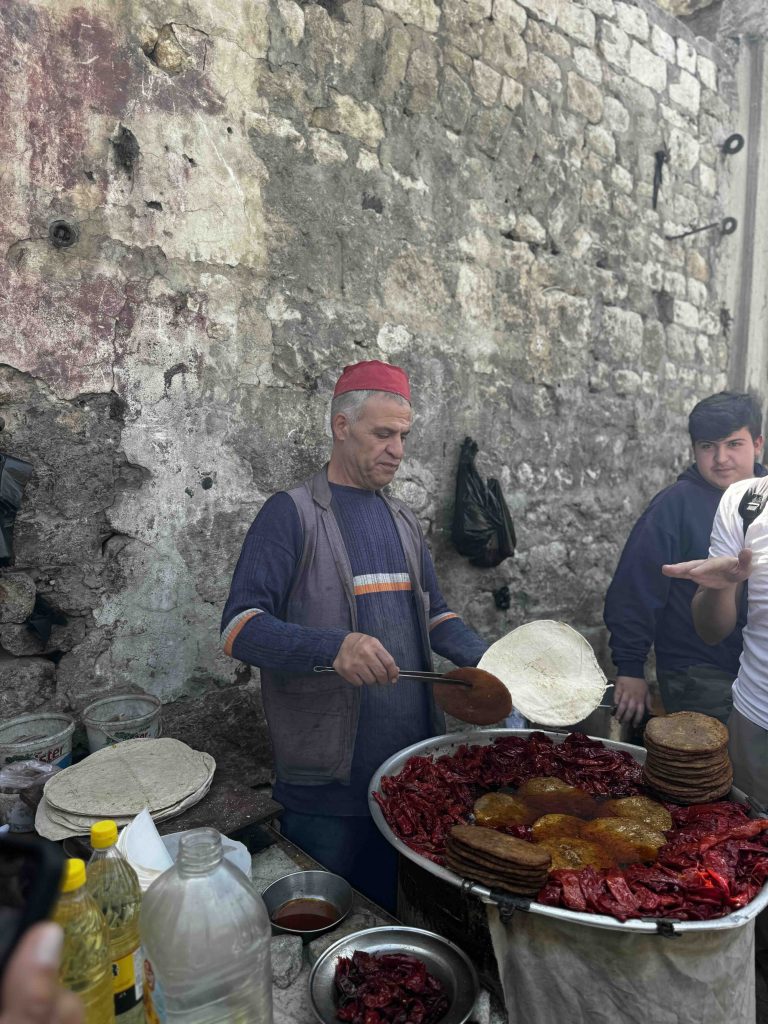
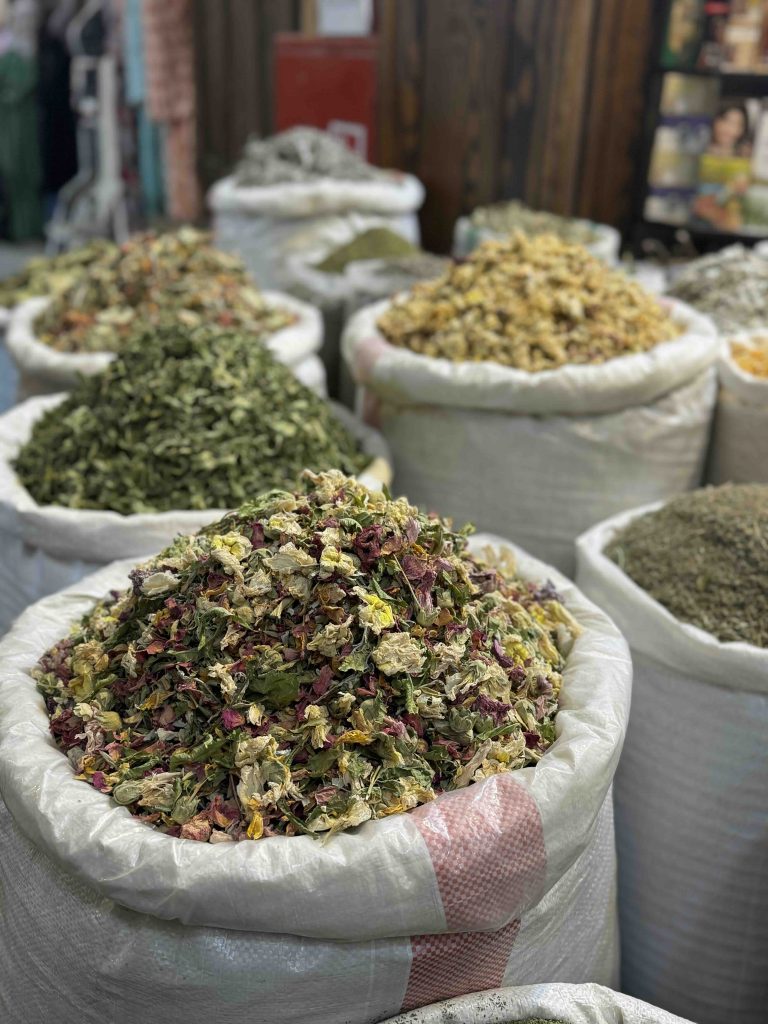
The market is famous for its narrow stone alleyways, vaulted ceilings and endless rows of small shops selling spices, sweets, textiles, jewellery, soap, carpets and traditional crafts. Walking through the market is one of the best ways to experience the atmosphere of old Aleppo, with the sounds of shopkeepers calling out, the smell of spices and coffee, and the sight of merchants working in tiny stalls.
Large sections of the souq were badly damaged by fire and fighting during the war, but many parts have now been restored and reopened. Today, the market is gradually returning to life thanks to NGOs such as Aga Khan Trust for Culture and UNESCo and remains one of the most memorable places to visit in the city.
Jbeil Soap Factory
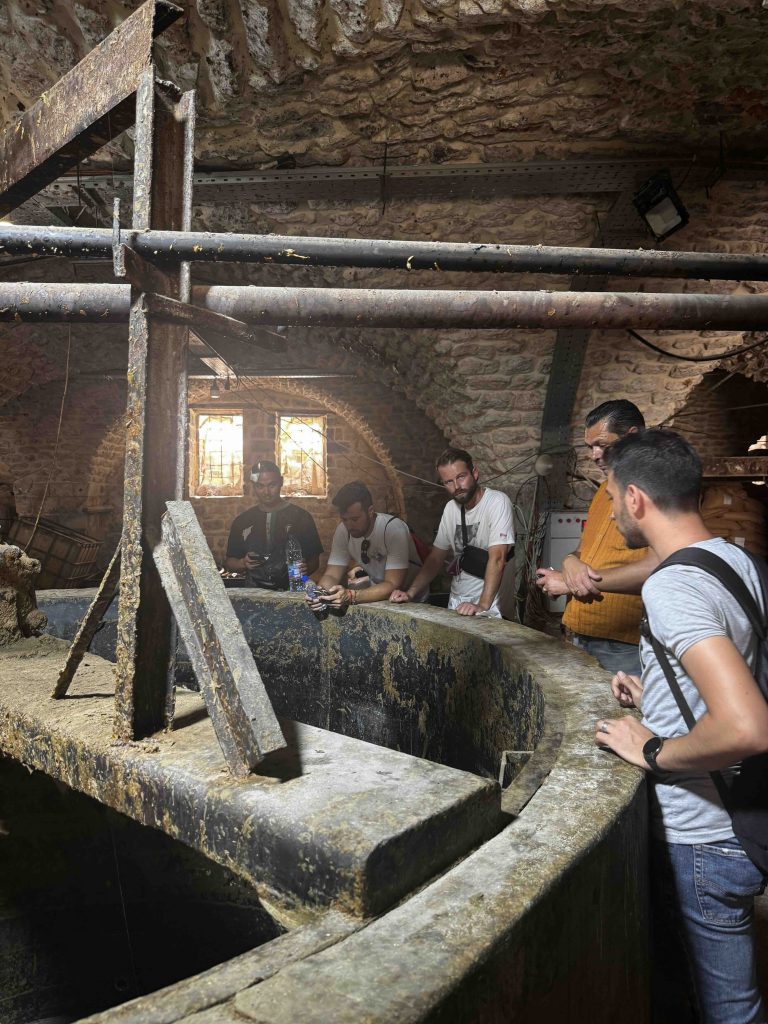
Aleppo has been known for its soap-making industry for centuries, particularly its famous olive oil and laurel soap, often considered one of the oldest types of soap in the world. The Jbeil Soap Factory gives visitors the chance to see how this traditional craft is carried out, from mixing the oils to drying and cutting the finished bars by hand. The process has changed very little over the centuries, and the soap is still made using natural ingredients and traditional methods.
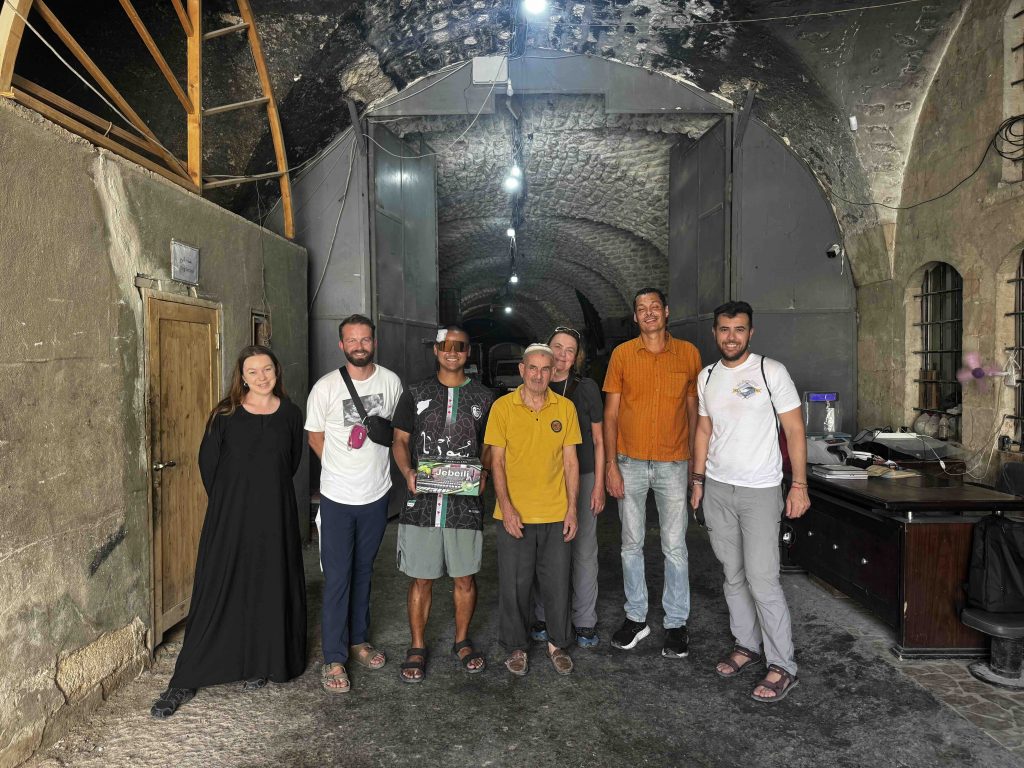
Walking through the factory, visitors can see large drying rooms stacked with neatly arranged cubes of soap and learn about how Aleppine soap became an important export product across the Middle East and Europe. The factory has been run by the Jebeili family since 1330 and they welcome guests from everywhere to learn about their production of this famous soap!
The World’s Largest Soap Bar
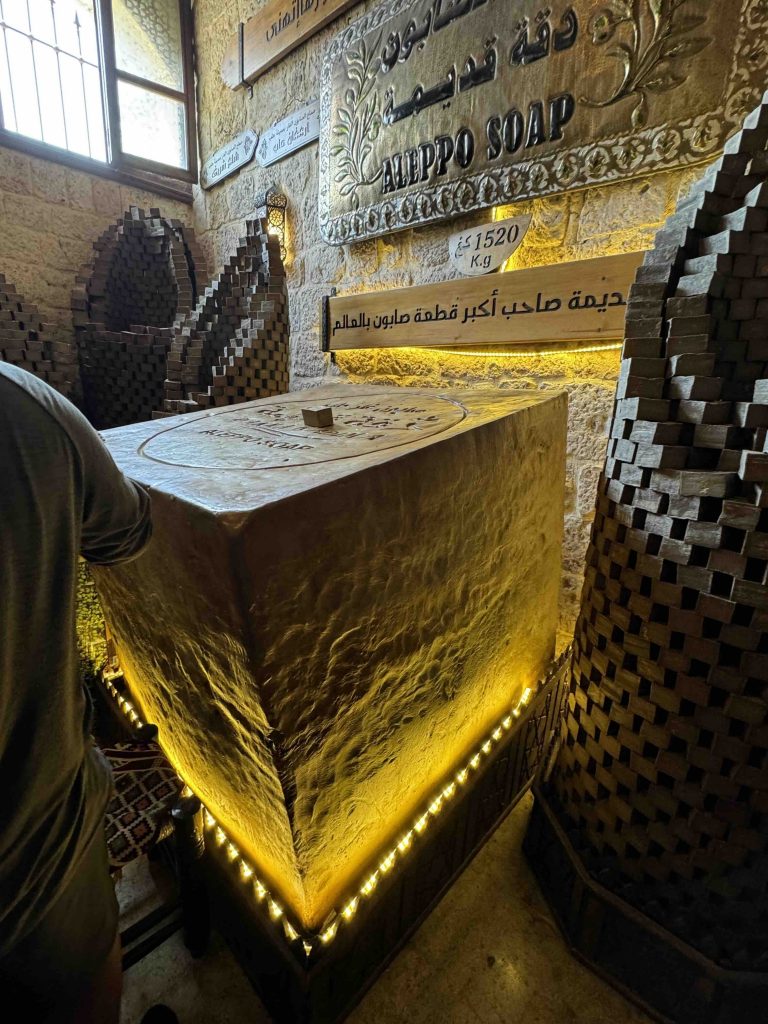
The World’s largest soap bar is indeed in Aleppo, in a shop called Khan al-Saboun (Soap Caravansarai, an ode to Aleppo’s decades under the Ottoman Empire). The bar itself weighs 1,520 kg. It is not currently listed in the Guiness World Records due to regional sanctions, but nonetheless it is the biggest soap bar in the world!
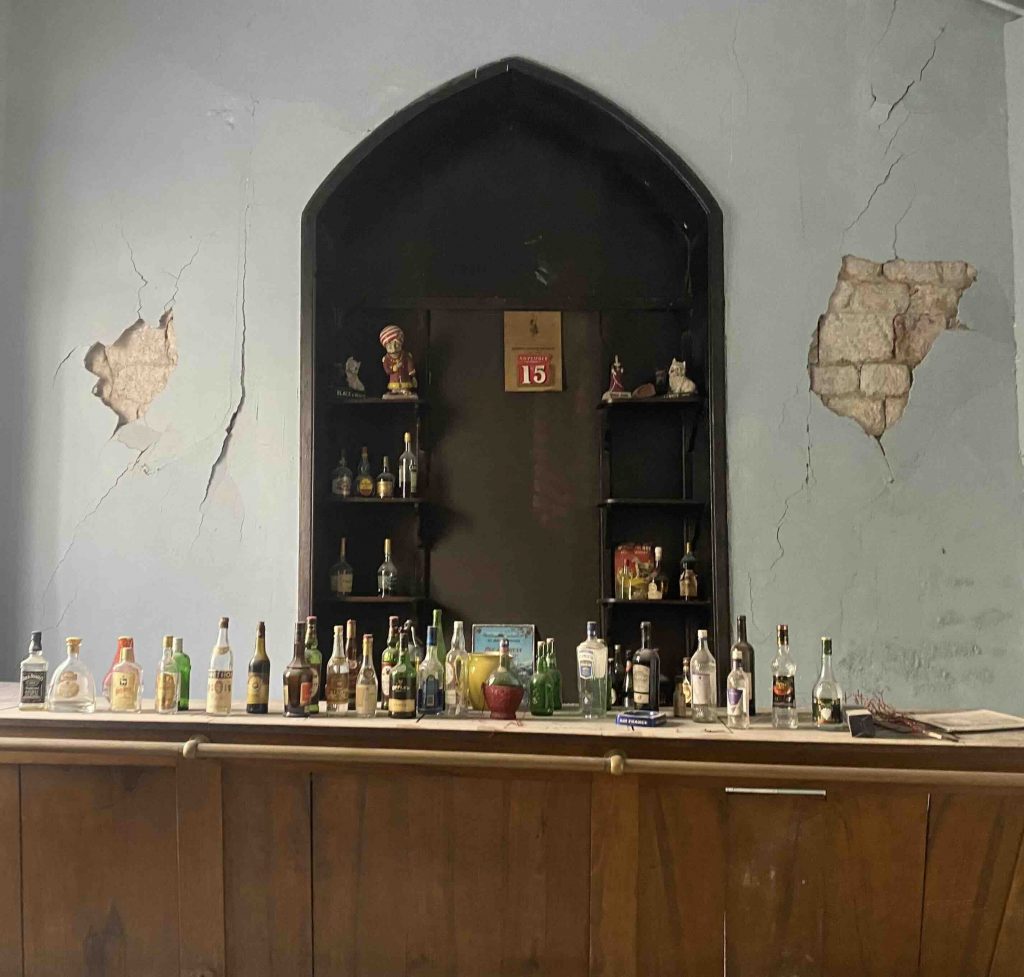
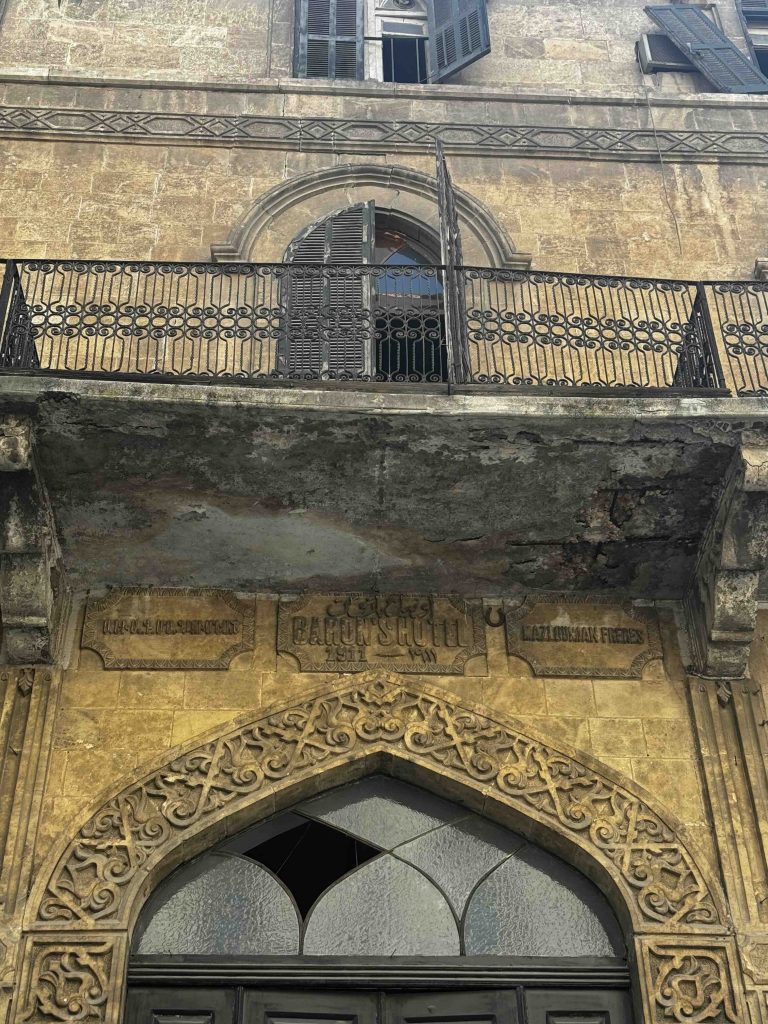
Baron Hotel
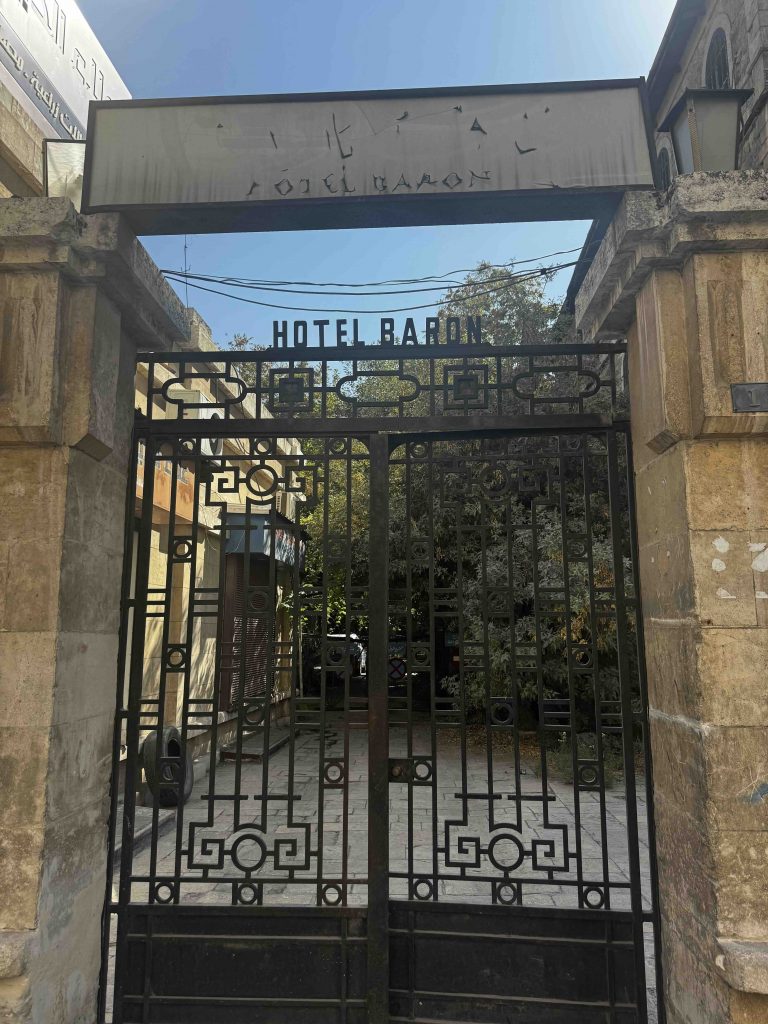
The Baron Hotel is one of Aleppo’s most famous landmarks and one of the best-known historic hotels in the Middle East. Opened in the early 1900s by the Armenian Mazloumian family, it quickly became the city’s most luxurious hotel and attracted diplomats, explorers, military officers and wealthy travellers from around the world. Located on Baron Street near Aleppo’s old city, the hotel was known for its grand staircases, antique furniture and elegant atmosphere.
The Baron became especially famous because of the important figures who stayed there over the years. Guests included Lawrence of Arabia, Charles de Gaulle, Gamal Abdel Nasser, Mustafa Kemal Atatürk and Charles Lindbergh. The British writer Agatha Christie also stayed at the hotel and is said to have written part of Murder on the Orient Express there.
The hotel is closed for guests to stay and for visitors, with the owner only willing to sell the hotel to someone who is Armenian.
Aleppo Cuisine
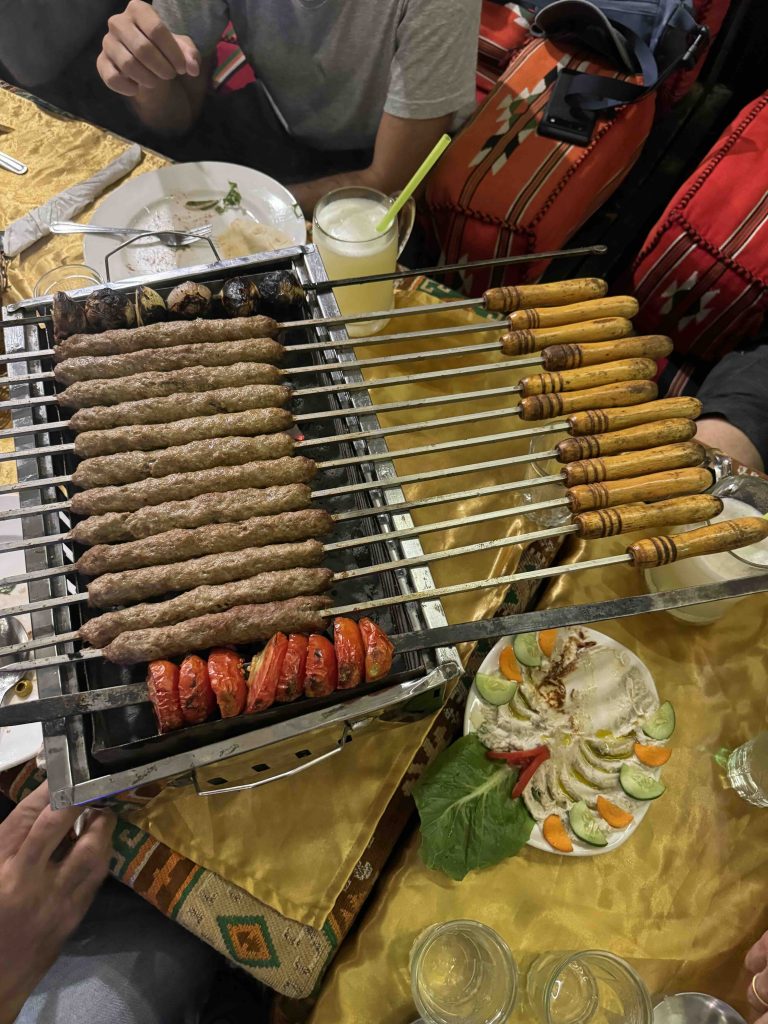
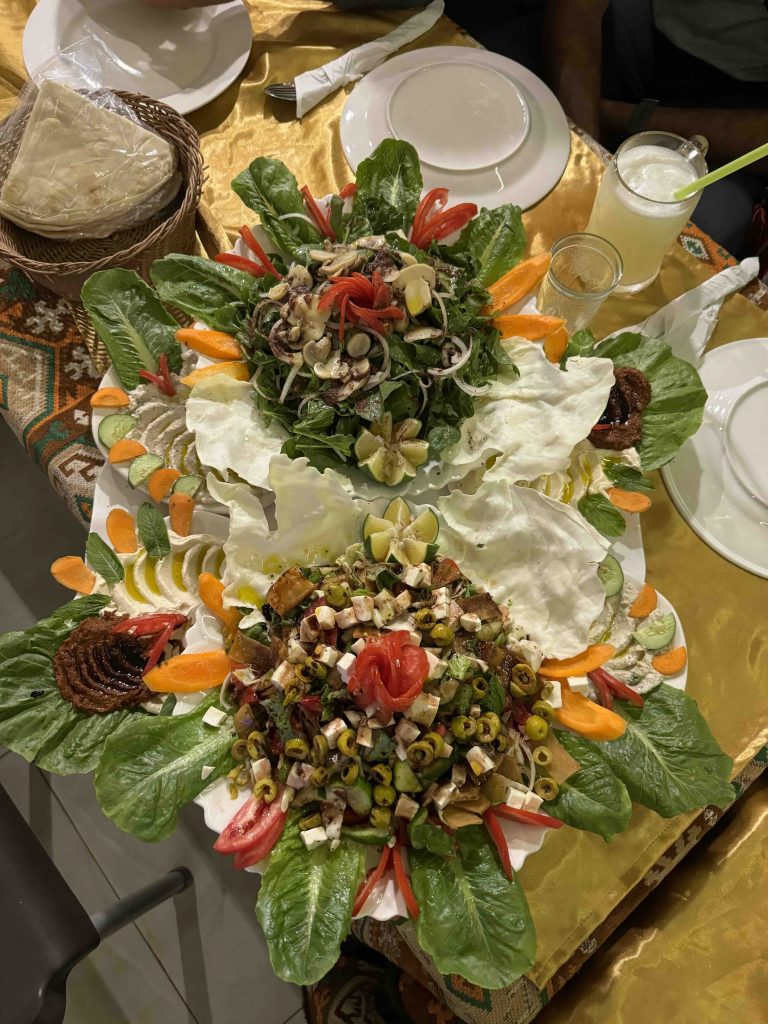
Aleppo is famous for having unique dishes and mixing savoury and sweet – below are some of the must try dishes when visiting Aleppo!
- Kabab bil Karaz (Cherry Kebab): Tender lamb meatballs simmered with stewed sour cherries, a hallmark sweet-and-sour Aleppine dish.
- Kibbeh Varieties: Aleppo is the “capital of kibbeh,” with varieties like Kibbeh summaqiyeh (in sumac broth), Kibbeh sfarjaliyeh (with quince), and Kibbeh Nayyeh (raw).
- Kabab Halabi: Grilled meat served with a spicy tomato sauce and Aleppo pepper.
- Yalanji Vegetarian stuffed grape leaves, often cooked with pomegranate molasses and served cold.
- Muhammara: A spicy dip made of roasted red peppers, walnuts, breadcrumbs, and pomegranate molasses.
Armenian Sujuk
In Aleppo, Armenian sujuk became especially important because the city developed a large Armenian population after survivors of the Armenian Genocide settled there. Over time, Armenian families in Aleppo became famous for producing sujuk, basturma and other cured meats. The city’s Armenian neighbourhoods, especially Jdeideh and Suleimaniyeh, were known for small butcher shops and restaurants selling it.
Sujuk saj (sandwiches) are a great snack to have while in Aleppo!
Amo Hamid Falafel
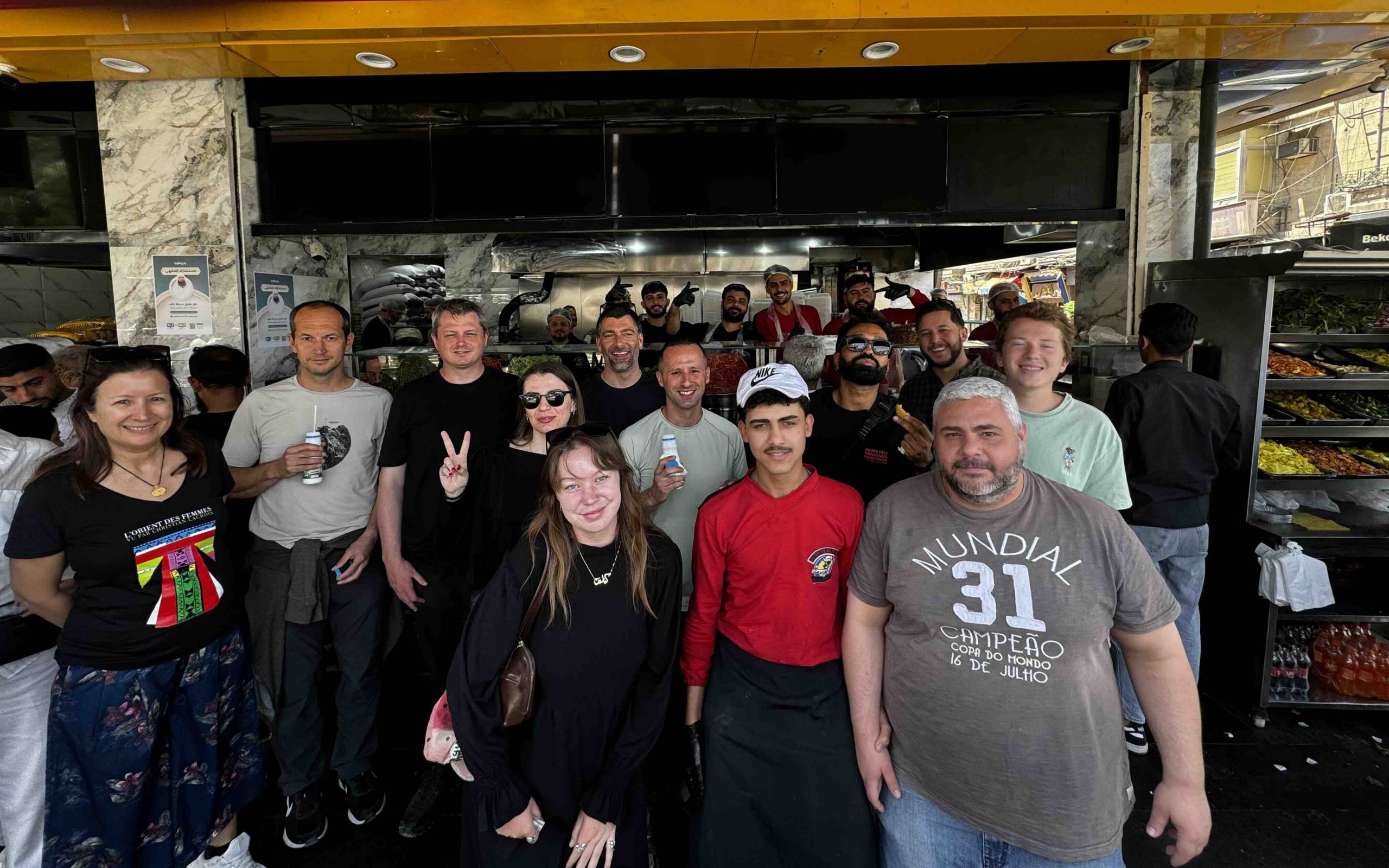
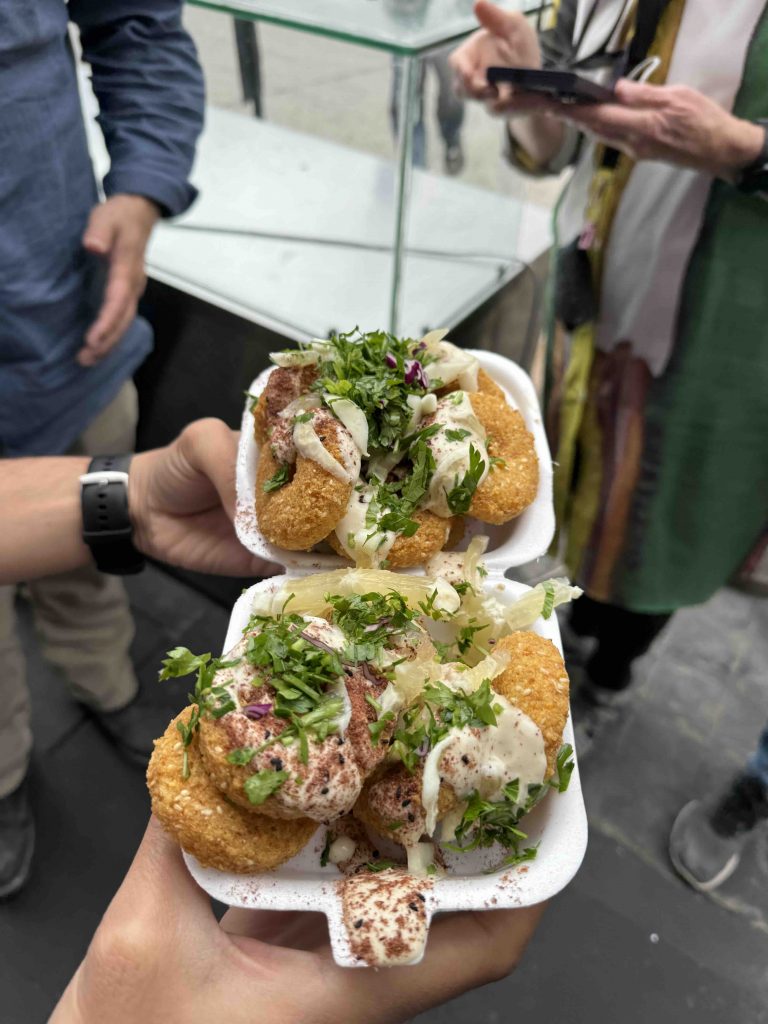
Amo Hamid or ‘Uncle Hamid’ is one of the most popular falafel and shawarma stops in the city – we recommend trying their falafel wraps which are often noted by our guests as the best falafel they have ever tried!
Al-Qama Restaurant
This is a quieter, lesser known restaurant which is a great place to try all local dishes. The staff are friendly and often they will have live bands and singers playing traditional Aleppian music.
Join Us In Syria!
We know Syria inside and out and have many tours yearly to join! Our Aleppo guide is just the start – we offer more sites within Aleppo to visit on tour!
About Post Author