Tucked into the Wakaliga neighbourhood of Kampala, the capital of Uganda, Wakaliwood is one of the most unusual film ecosystems in the world. It operates almost entirely outside formal structures, with no institutional funding, no film schools feeding into it, and very little access to conventional equipment. What exists instead is a self-sustaining network of filmmakers who learned by doing, then passed those skills on.
Table of Contents
How Wakaliwood Actually Works
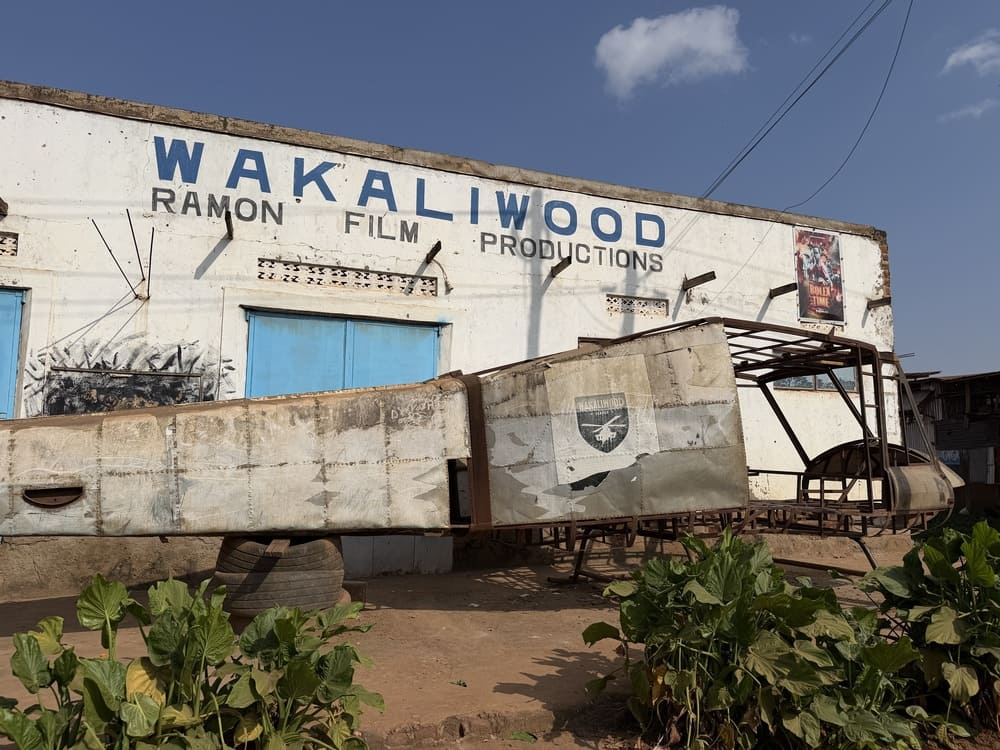
Wakaliwood began in 2005 with Isaac Nabwana, often referred to locally as Ramon. He founded Ramon Film Productions with a simple idea, to make action films in Uganda using whatever resources were available. At the time, there was no real pathway into filmmaking for most people in the area, so everything had to be built from scratch, including the knowledge.
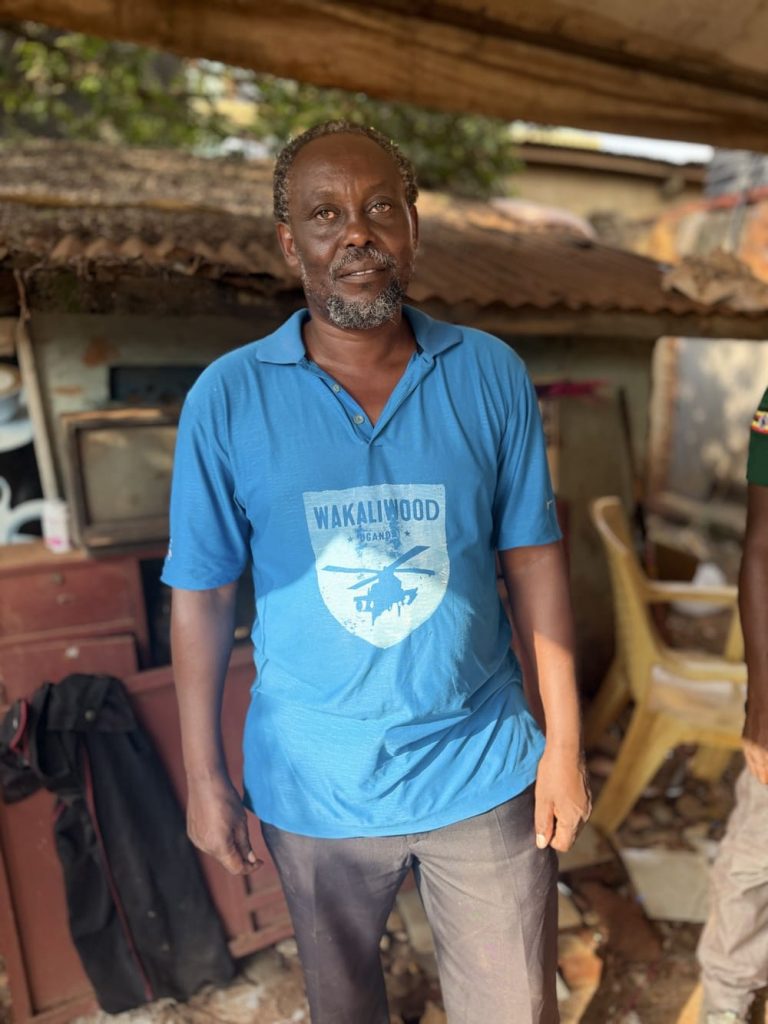
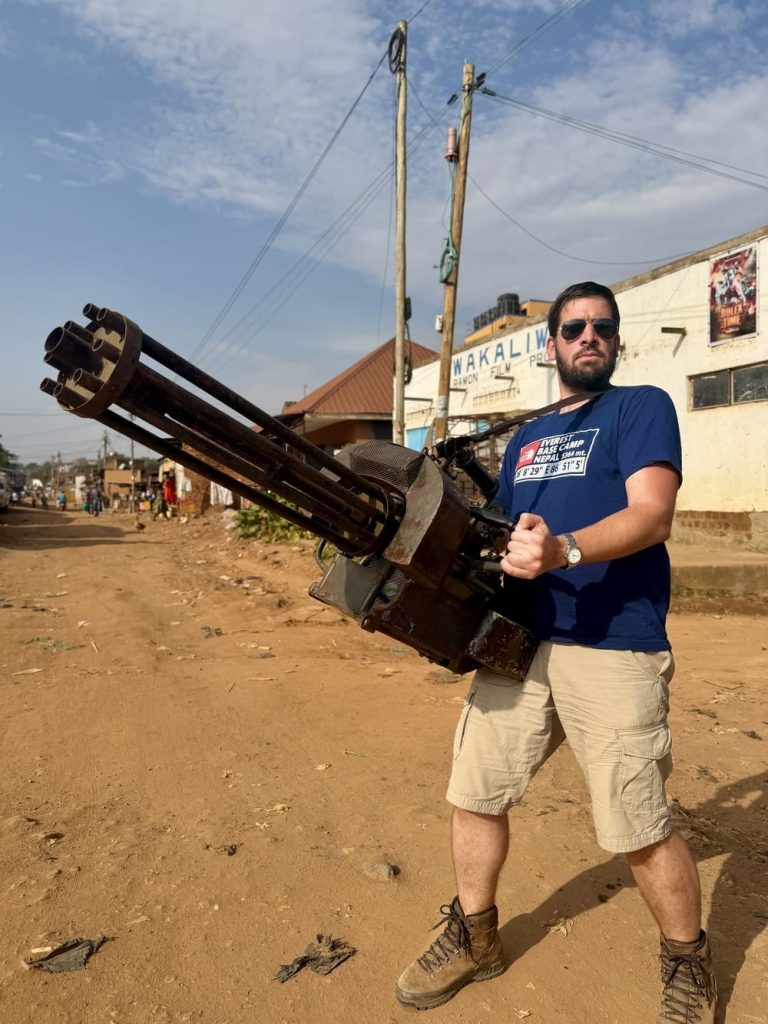
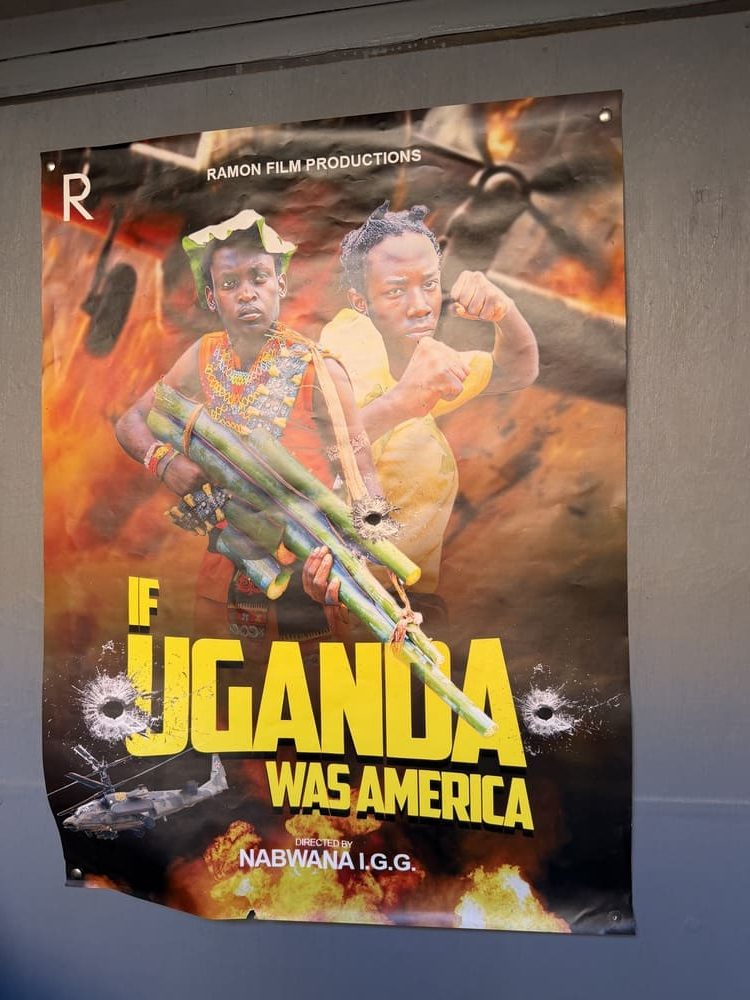
This origin still defines the model today. There is no clear distinction between professional and amateur. Actors are local residents, mechanics become prop makers, and editors learn software through trial and error. When someone becomes proficient, they frequently branch out and create their own small studio. That is how Wakaliwood expanded into more than 30 micro-studios, each operating independently but sharing techniques and occasionally collaborating.
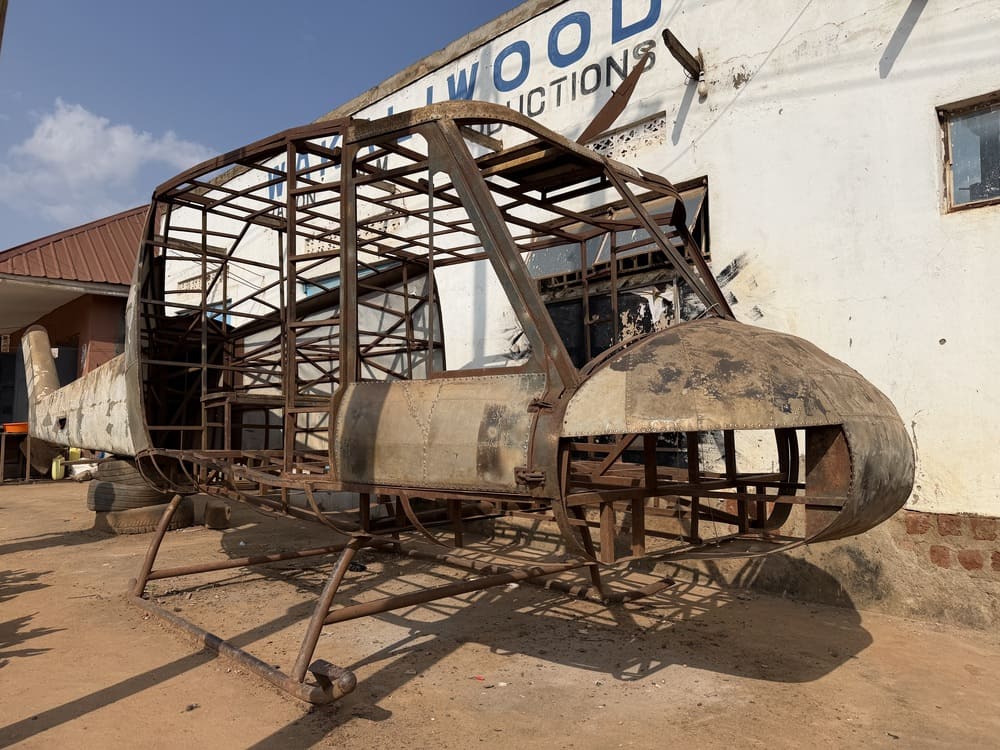
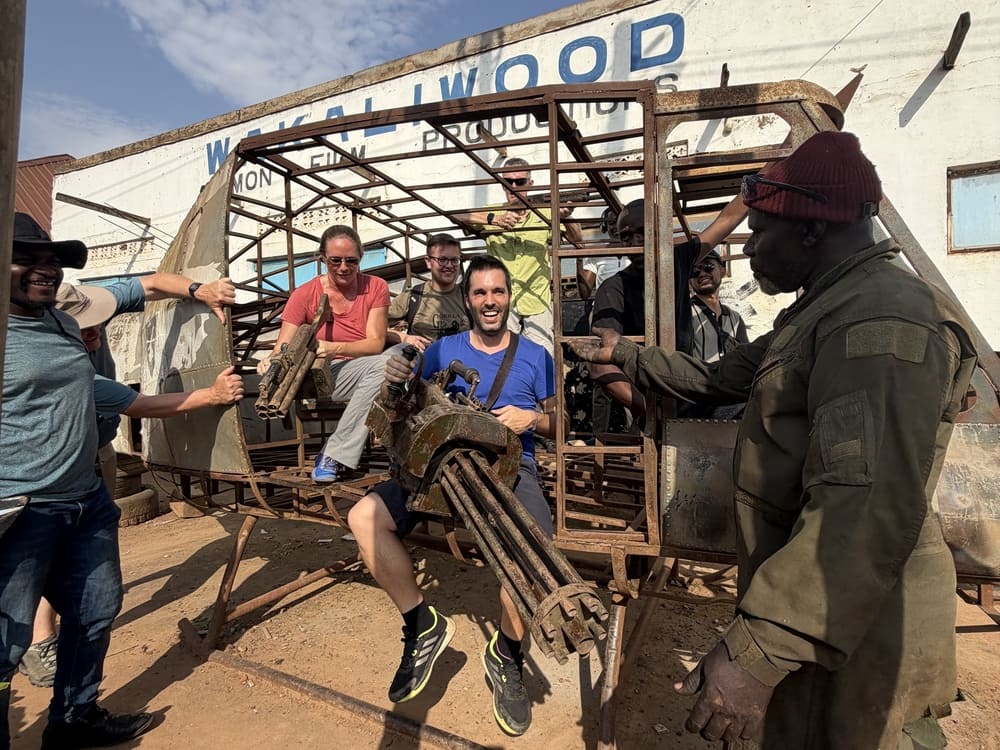
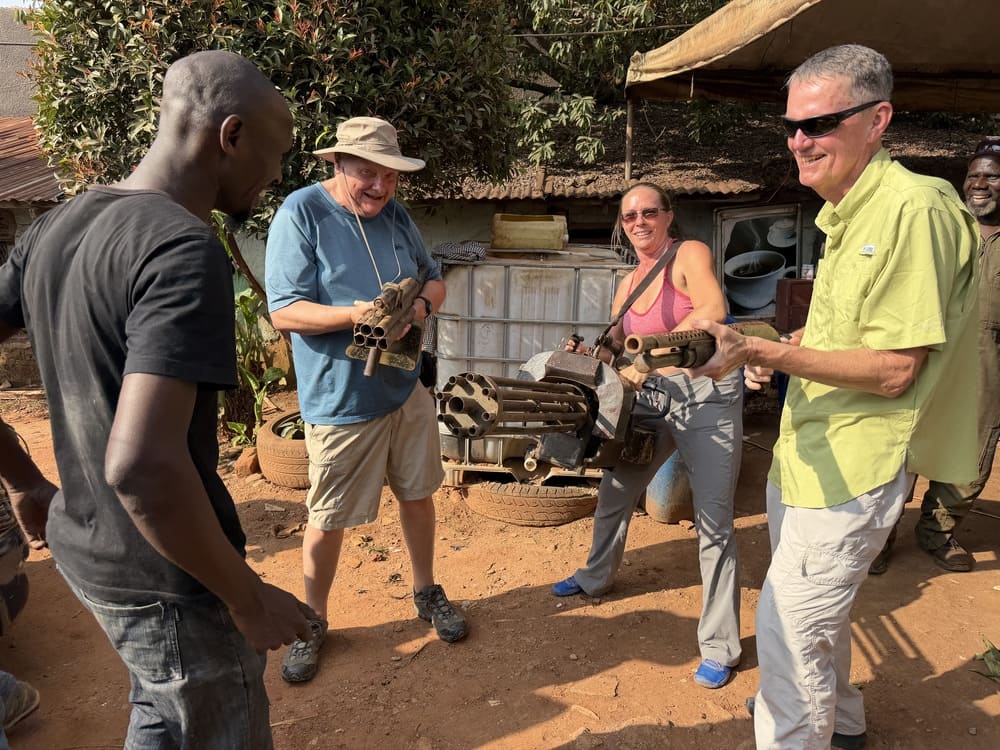
Budgets remain extremely low. A full film can cost around $200. That figure covers basic food, transport, and minimal equipment maintenance. Cameras are second-hand; props are fabricated locally. Guns are carved or assembled from scrap materials, and explosions rely on digital post-production. The limitations are obvious, but they shape a very specific aesthetic, fast cuts, exaggerated action, and a constant sense of improvisation.
The Turning Point For Wakaliwood
The film that brought Wakaliwood international attention was Who Killed Captain Alex?. Released in 2010, it was initially a local project, but gained global traction after being uploaded online. Its structure is chaotic by conventional standards, but that is precisely what made it distinctive. It gained viral notoriety for being produced on a reported budget of under $200. Producer Alan Hofmanis actually stated that the production value was $85.
A key element is the “Video Joker”, a narrator who overlays the film with commentary, translation, and humour. This format reflects local viewing habits in Uganda, where audiences often expect a more interactive experience. What might appear unconventional to foreign viewers is, in fact, rooted in regional entertainment culture.

A Parallel Film Economy
Wakaliwood does not operate in isolation, but it does exist parallel to Uganda’s formal film sector. It fills a different niche, producing highly accessible, locally relevant content with almost no financial barrier to entry.
Distribution is informal. Films circulate via DVDs, local screenings, and increasingly online platforms. Revenue is inconsistent, which explains why many participants treat filmmaking as a part-time activity rather than a primary source of income.
Despite this, Wakaliwood has achieved a level of international visibility that far exceeds its resources. Screenings at events such as the Pan African Film Festival introduced these productions to wider audiences, not as curiosities, but as examples of a distinct cinematic language shaped by constraint.
Post-Covid Reality
Before Covid-19, Wakaliwood was gaining momentum. There was a steady output of films, increasing international interest, and a growing number of participants entering the scene.
The pandemic disrupted that trajectory. With fewer opportunities to gather, train, and shoot, many people moved on to more stable forms of work. The network shrank, and production slowed. Unlike larger industries, there were no financial buffers.
Even so, Wakaliwood did not disappear. Core figures remained active, and new projects continue to be developed, including titles such as Eaten Alive in Uganda. The scale may be smaller than before, but the underlying model remains intact.
Visiting Wakaliwood during a Uganda tour
For travellers to Uganda, Wakaliwood offers a perspective that is rarely captured in conventional itineraries. It is not a polished attraction, nor is it curated for visitors. What you encounter is a working environment where films are actively being made under real constraints.
A visit provides insight into how creative industries can emerge without formal infrastructure, how knowledge circulates in informal networks, and how global visibility can be achieved without significant capital.
In practical terms, it is also highly interactive. Visitors are often invited to observe filming, handle props, or even take part in scenes. This is not staged participation, but a reflection of how open and collaborative the environment is.
Wakaliwood is not important because it imitates Hollywood. It is important because it does not. It demonstrates what filmmaking looks like when it is shaped entirely by local conditions, limited resources, and a strong collective drive to create.
About Post Author