This striking landmark in Angola is a must-see site. Steeped in history, legends, and local folklore, it is as culturally significant as it is visually stunning.
Let’s explore its formation, history, location, and a few practical tips to help you make the most of your visit.
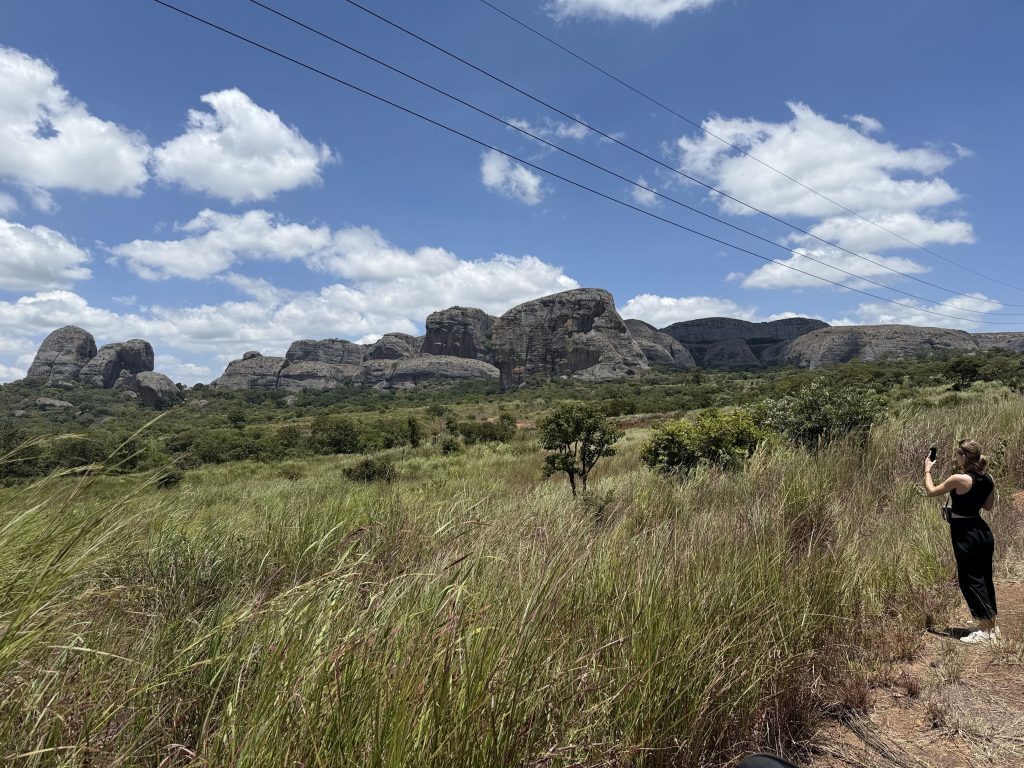
Table of Contents
Geological formation
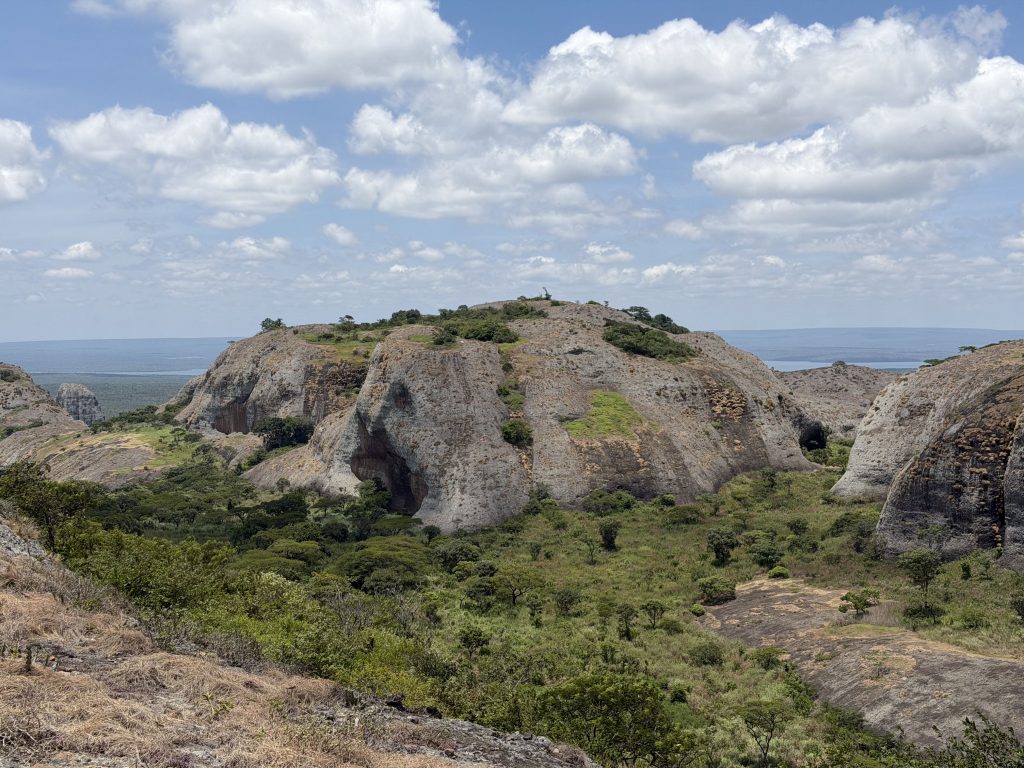
The geological structure of Pedras Negras de Pungo Andongo makes it very distinctive. These rock formations can rise as high as 200 metres above ground level.
These natural monuments are believed to have formed hundreds of millions of years ago through a combination of volcanic activity and sediment deposition, forming what is known as conglomerate rock.
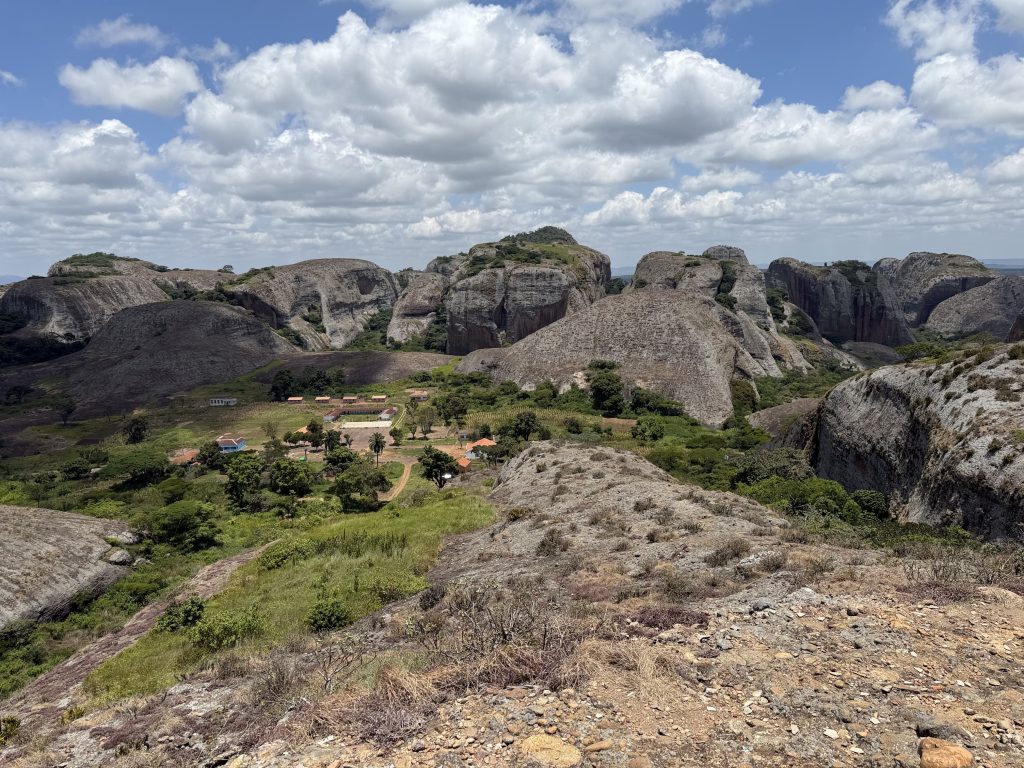
Over the course of aeons, wind, rain, and temperature changes slowly eroded the surrounding softer land. The harder rock remained, leaving behind these standing monoliths rising from the plains.
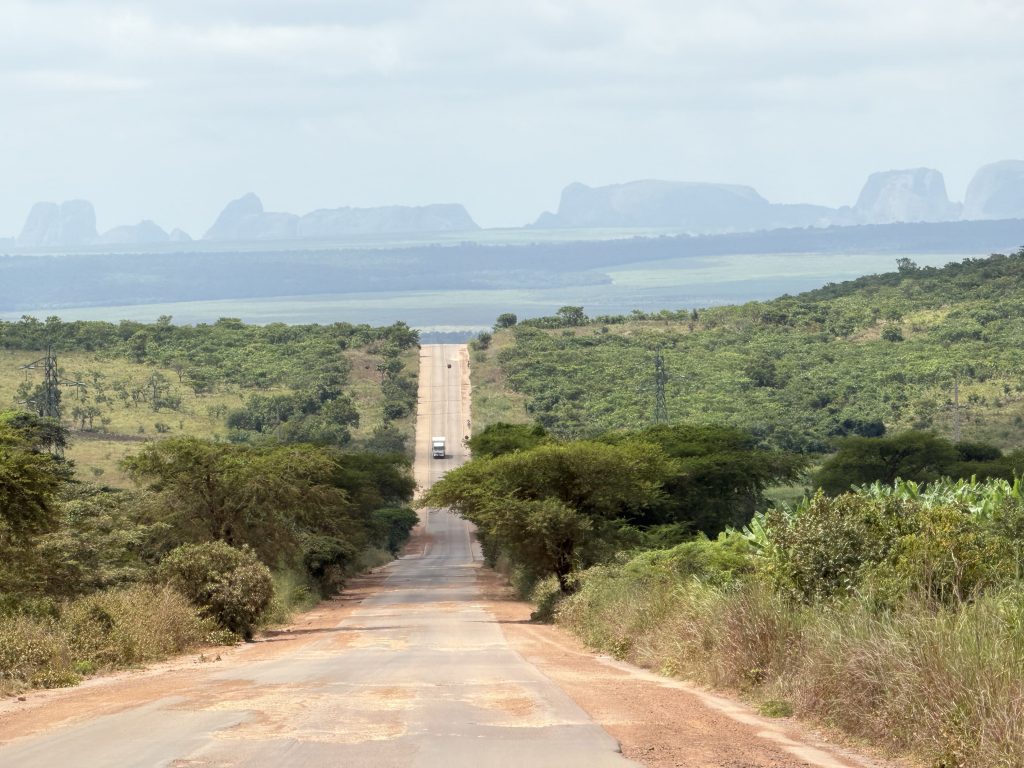
Because the surrounding savanna landscape is relatively flat, the stone towers appear even more impressive and can be seen from far away. Their unusual shapes and towering silhouettes give the whole area an almost surreal appearance.
Historical importance
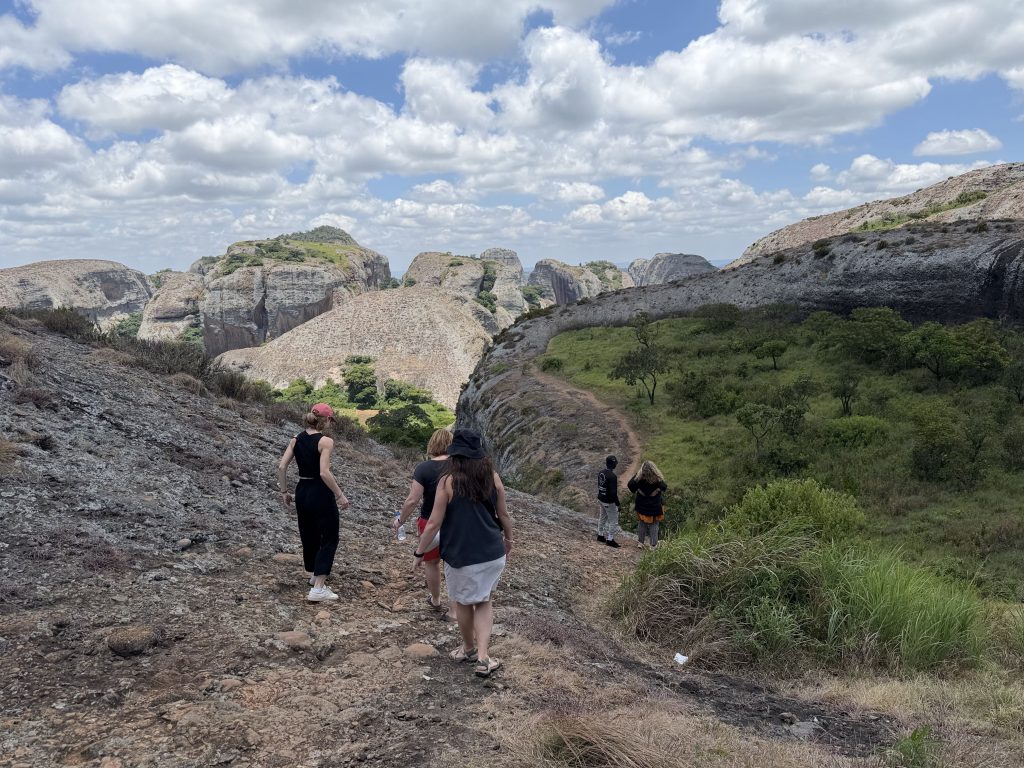
Beyond their beauty, they hold deep cultural and historical significance. For centuries, these towering rock formations acted as a natural stronghold for local communities. With its cliffs and complex terrain, the area was a perfect place to defend and extremely hard for opposing forces to attack.
This region served as the capital grounds for the late Kingdom of Ndongo, a powerful state that existed in central Angola from the 16th century up until European colonisation. As Portuguese colonisers reached the area in the late 17th century, they eventually managed to capture it, but not without a long and difficult siege.
Following the conquest and understanding the benefits of this stronghold, they constructed their own base, the Fortress of Pungo-Andongo, next to the formations. The ruins of the fortress still exist today and serve as a reminder of its historical importance.
Legends and local folklore
For local communities inhabiting the area, these rocks are not just a geological wonder, but a sacred place deeply connected to spiritual beliefs, historical heroes, and cultural traditions.
One of the most famous legends is about the last ruler of the Kingdom of Ndongo, Queen Nzinga. This beloved queen reached legendary status through her fierce resistance against Portuguese colonialism. She literally left her footprint in the area, or so the local folklore says.
As the story goes, while escaping from enemy forces, she stepped on one of the stones and magically imprinted the rock with her footprint.
Another aspect that has produced generational folklore is the resemblance of animals, people, and objects seen in the rocks. These shapes have inspired numerous stories. Some say they were formed by ancient beings turned into rock by powerful spirits, while others believe the area is a spiritual ground connecting people to their ancestors, and that these so-called “whispering rocks” relay messages from beyond.
Nonetheless, for most locals, this site holds a very special place in their lives. Our local guide told us that even today, some people climb to the top on Sundays to gather, pray, and chant; their voices can be heard echoing across the savanna. There used to be a chapel there, which no longer exists, but you can still see the ruins.
Location and how to get there
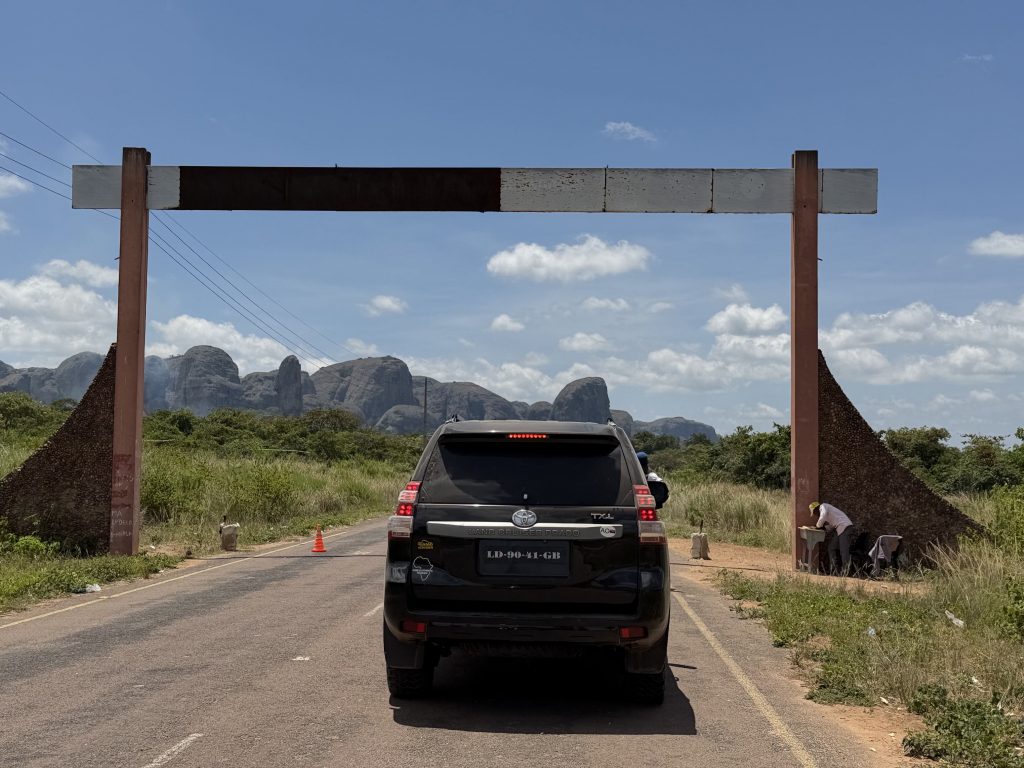
The Pedras Negras is located in the central part of Angola in the municipality of Pungo-Andongo, around 116 kilometres from the city of Malanje and approximately 350 kilometres from the capital city, Luanda.
As most visitors start their journey from Luanda, the first destination of the trip is the city of Malanje. This will take you about 5–6 hours by car, which is the most common and practical way for travellers.
Once you have made your way to Malanje, you can head south towards the rocks. This should take about two hours, but as the route offers scenic views of Angola’s countryside with rivers, small villages, and open savanna, you will barely notice the time go by.
There is also the option of doing this journey via public or shared transport, which will be more affordable but will also require more planning and flexibility. You can take a bus from Luanda to Malanje; however, once you reach Malanje, there is no public transport to Pedras Negras, and hiring a private car there might not be an easy thing.
The site is open during daylight hours (often cited as around 08:00-18:00), but amenities on site are minimal, so bring water and snacks. The entrance ticket costs around 1000 Kwanza (~USD $1).
Tourism and attractions on site
Visitors can walk around the base of these stones, observing their unusual shapes and textures up close while enjoying the serenity and beauty of nature.
Some rocks are accessible with a bit of hiking or climbing and offer panoramic views of the savanna and even the Kwanza River, perfect for photography, especially during sunrise and sunset.
There are several trails you can take to explore the area, but it’s highly recommended to have an experienced local guide to help you navigate and share stories about the site.
Wear comfortable and sturdy shoes, lightweight clothing, a hat, and sunscreen. And make sure to bring plenty of water to help you with the heat.
Many travellers combine a visit here with other nearby attractions. One of the most popular being Kalandula Falls, the largest waterfall in Angola and one of the largest in Africa, located just 80 kilometres away from Pedras Negras. If you would like to check more about the falls, I also have a post about them: Visiting Kalandula Falls – Angola.
Click here to check our Angola tours.
About Post Author