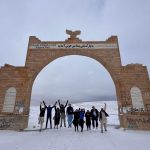
Set on Morocco’s far southern Atlantic coast, close to the frontier of Western Sahara, Tarfaya is a town of wind, salt air and long horizons. Yet for aviation historians and literary travellers alike, it holds outsized importance. This was once Cap Juby, a remote airmail outpost where a young Antoine de Saint-Exupéry served as station chief between 1927 and 1929. Today, the small but carefully curated Musée Antoine de Saint-Exupéry provides rare context for both his life and the formative years of intercontinental aviation.
Table of Contents
Cap Juby and the Aéropostale Years
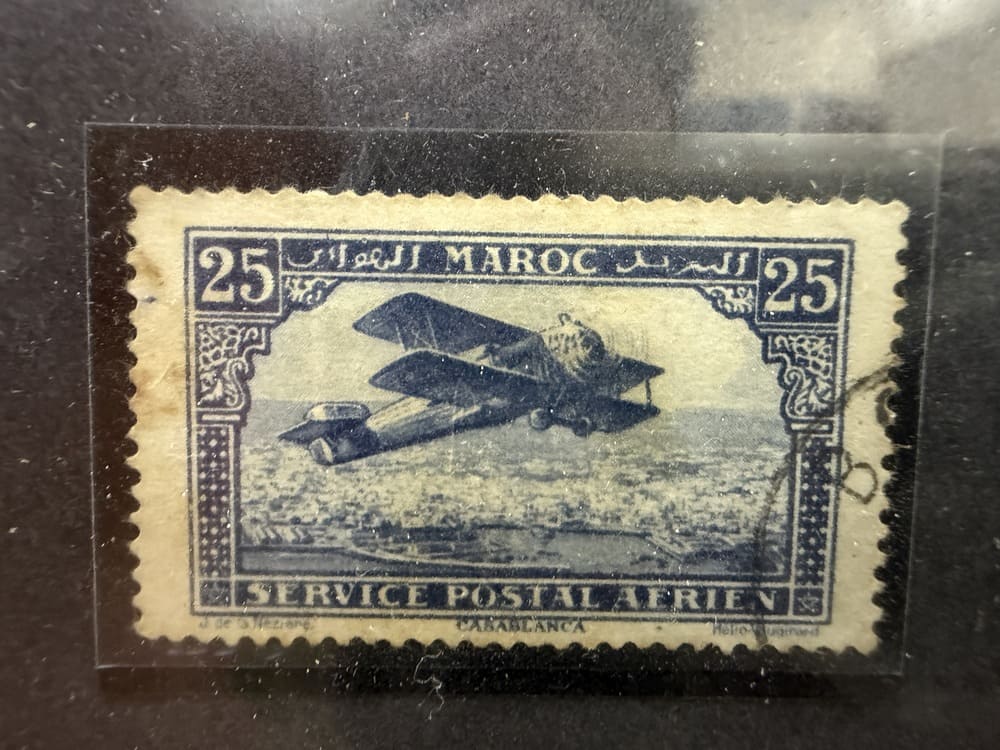
In the late 1920s, Tarfaya formed part of the pioneering network of the Aéropostale, the French company that established regular air links between Europe, North Africa and West Africa. These flights connected Toulouse with Dakar, via Casablanca, Cap Juby and other desert stations. Aircraft were fragile; navigation relied on basic instruments and visual landmarks; forced landings in the Sahara were common.
Saint-Exupéry, then in his mid-twenties, was appointed chef d’aéroplace at Cap Juby. His responsibilities went well beyond administration. He negotiated with local Sahrawi tribes for the release of downed pilots, organised rescue missions into the desert, maintained aircraft, and ensured the continuity of mail routes that were commercially and politically significant for France. The isolation and responsibility shaped his outlook profoundly.
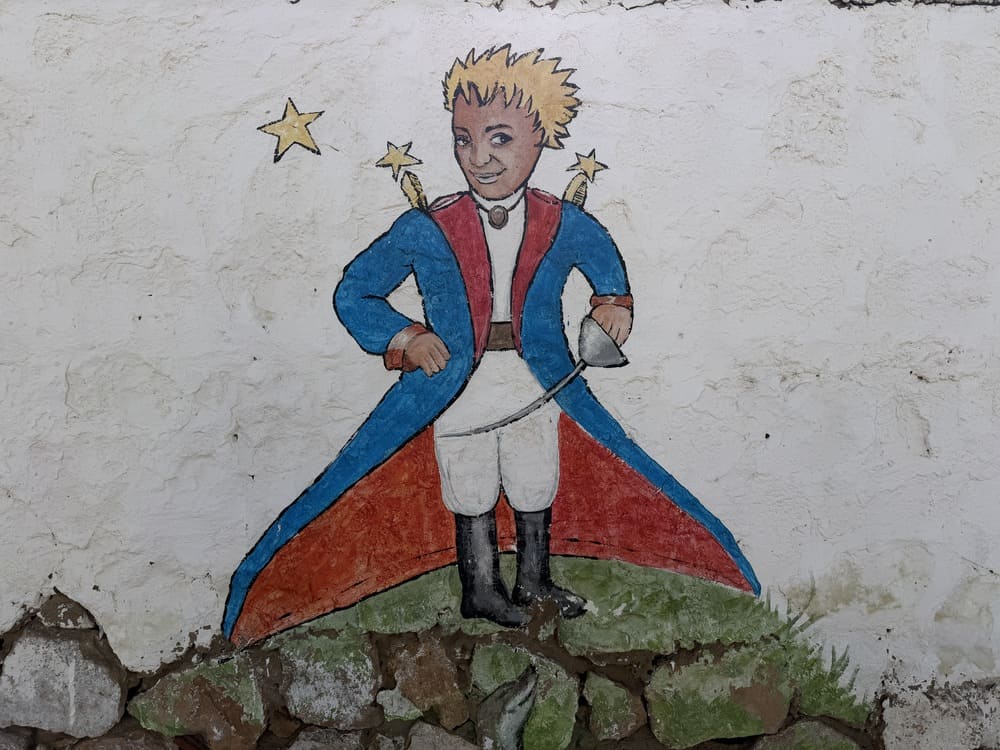
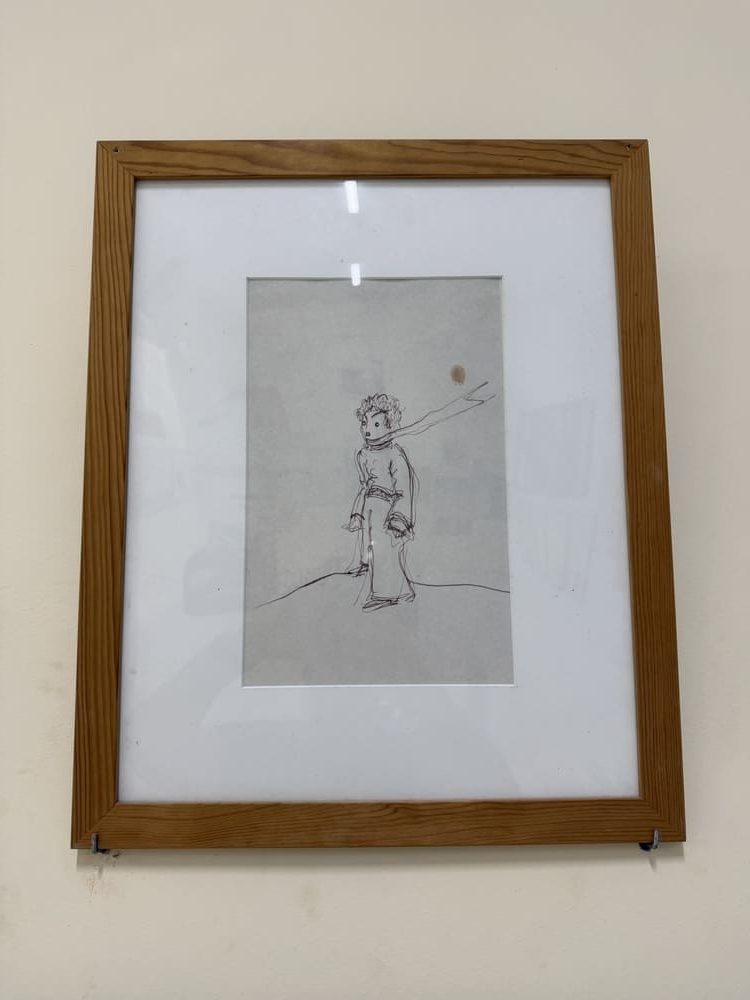
His time here directly influenced his early writing, notably the novel Courrier Sud (1929), which draws heavily on his experience in southern Morocco. The themes of solitude, duty, comradeship and the immensity of desert landscapes later resurfaced in Vol de nuit and, more poetically transformed, in Le Petit Prince. The vast skies over Tarfaya, the silence of the dunes and the vulnerability of men in small aircraft all fed into the philosophical tone for which he became known.
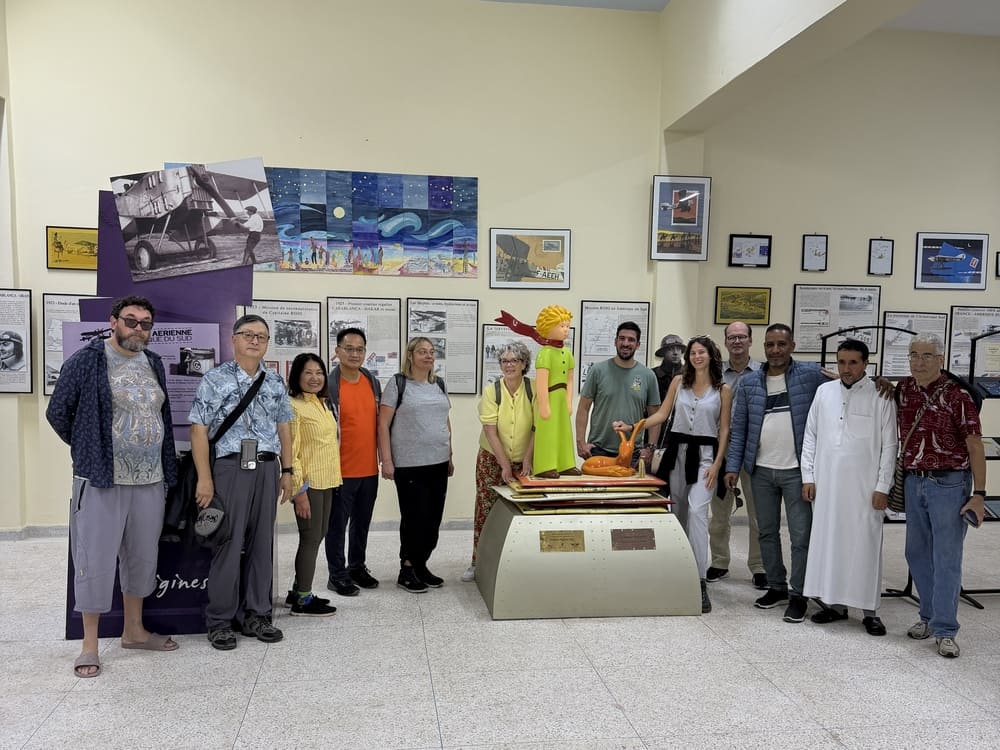
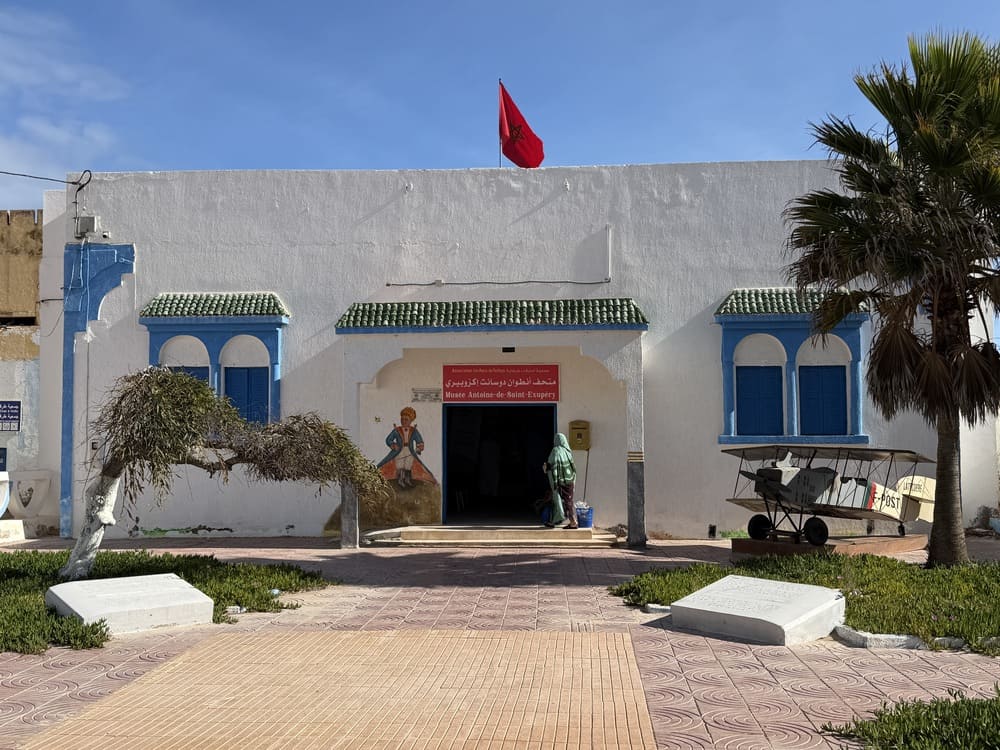
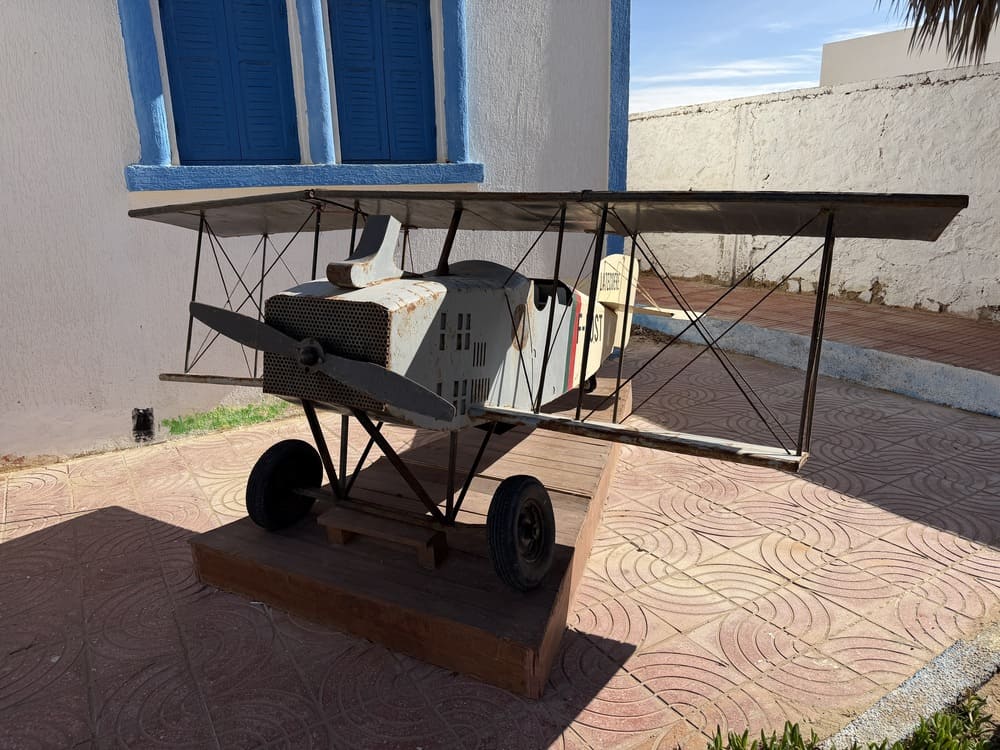
The Musée Antoine de Saint-Exupéry: Structure and exhibits
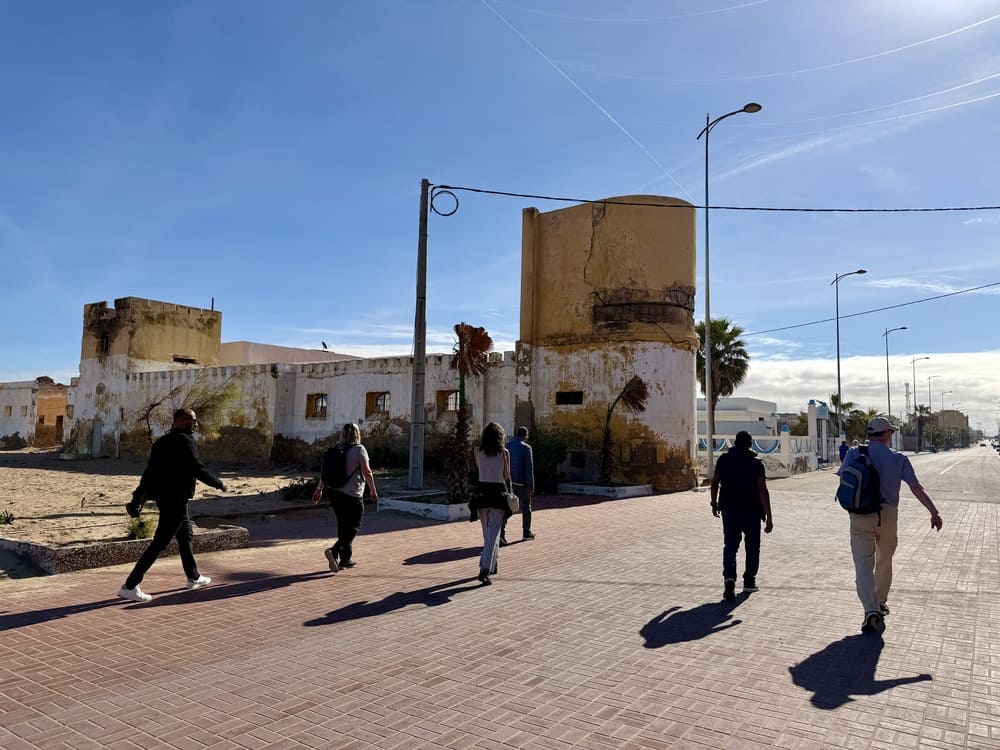
The Musée Antoine de Saint-Exupéry is located near the shoreline, not far from the remains of the old Scottish colonial fort Casa del Mar. The building itself is modest, reflecting the town’s scale rather than attempting grandiosity. Inside, the exhibition is structured around three main themes:
The Aéropostale Network
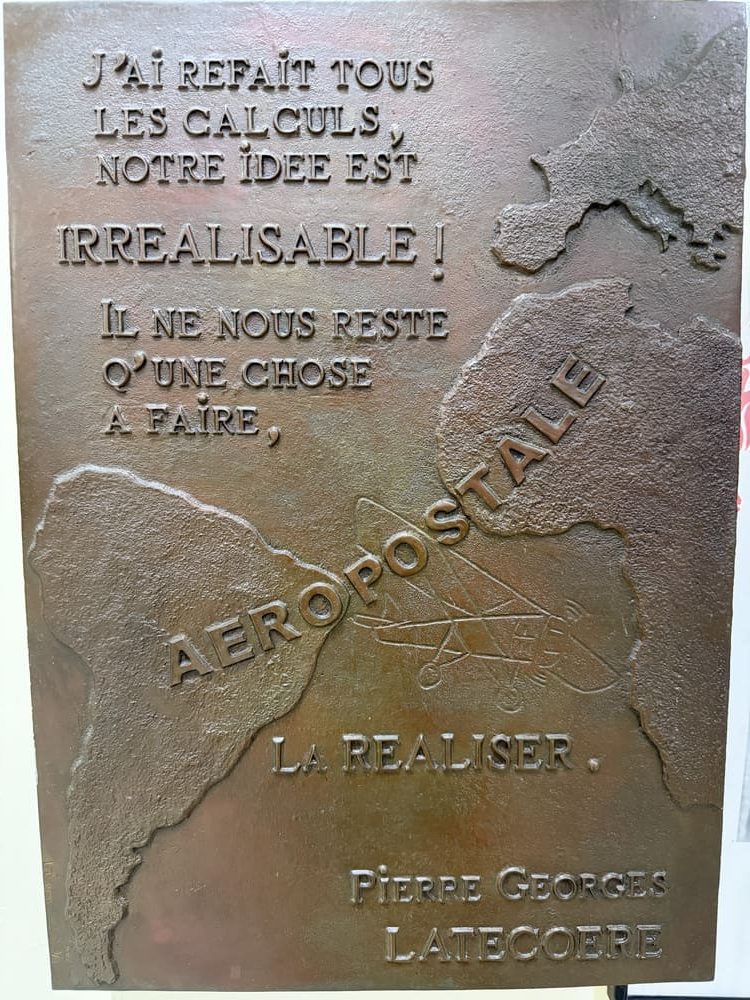
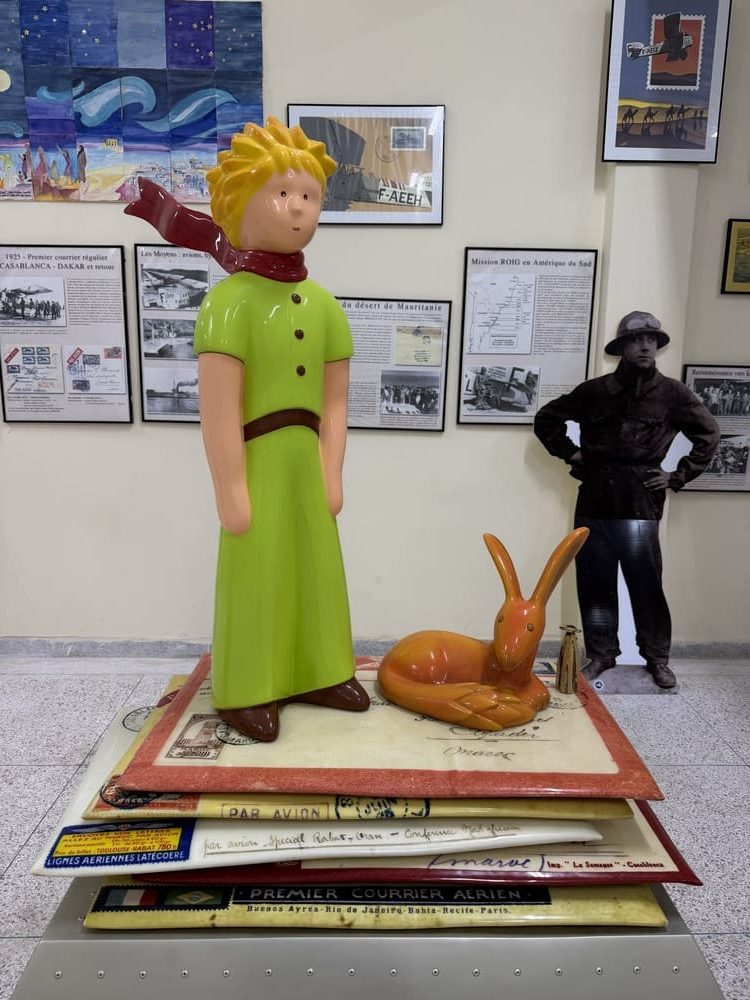
Maps detail the Toulouse–Dakar route and its extension toward South America. Photographs of pilots, mechanics and aircraft illustrate the human dimension of the enterprise. Models of period planes, including types similar to the Bréguet and Latécoère aircraft used on the line, provide technical context.
Saint-Exupéry at Cap Juby
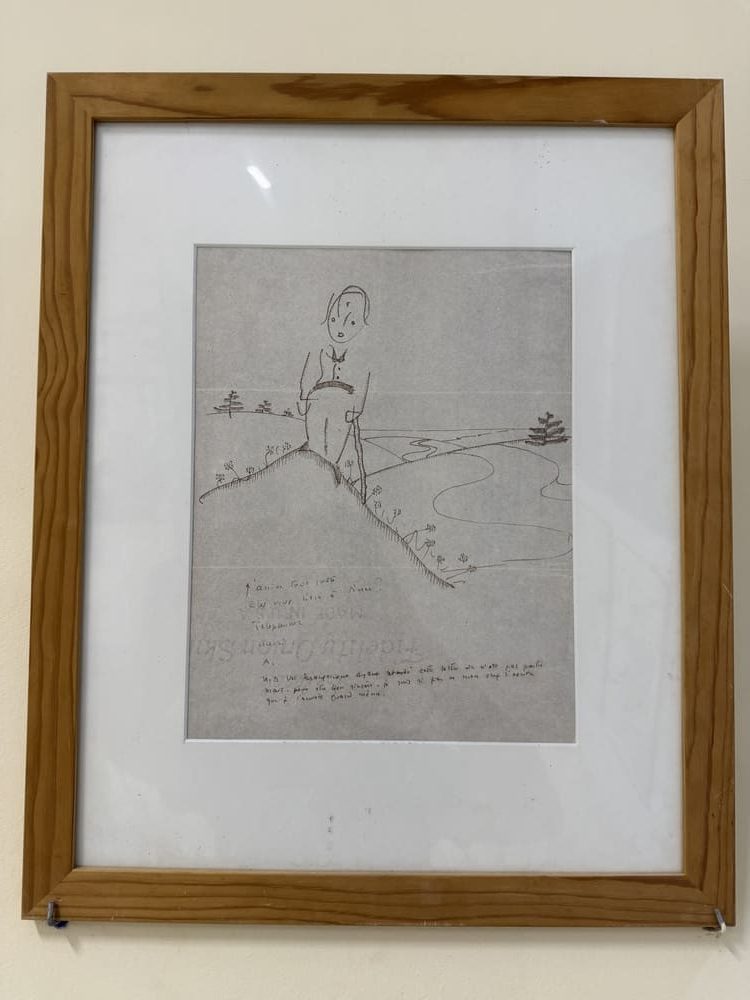
Archival photographs, copies of correspondence and explanatory panels recount his daily life in Tarfaya. The museum explains his role as mediator between colonial authorities, local tribes and company management, offering insight into the political and logistical complexity of maintaining an air link in a contested desert region.
Literary Legacy
Editions of his works in multiple languages demonstrate the global reach of his writing. Panels trace how his desert experiences informed recurring motifs: stars, flight, responsibility, and human connection across distance.
While compact, the museum is informative, particularly for those interested in early aviation history rather than solely in literary nostalgia. Explanatory texts are generally available in French and Arabic, with some material in Spanish; English coverage can be limited, so guides or prior reading enhance the visit.
Context Within Tarfaya
A visit to the museum gains depth when combined with exploration of Tarfaya itself. Offshore lies the wreck of a ship visible at low tide,. Nearby stands a monument commemorating the early airmail pilots, reinforcing how experimental and dangerous these routes once were.
Tarfaya was also briefly under British influence in the late nineteenth century, and later Spanish control, before integration into Morocco. This layered colonial history forms the backdrop to the Aéropostale story; Cap Juby functioned at the intersection of European imperial ambitions and Saharan realities.
Visiting the Musée Antoine de Saint-Exupéry with YPT
For Young Pioneer Tours, this is precisely the sort of location that rewards those who travel beyond headline destinations. The Musée Antoine de Saint-Exupéry is not large, nor is it polished in a metropolitan sense. Its value lies in geographical authenticity. You are standing where a foundational chapter of commercial aviation unfolded, and where one of the twentieth century’s most translated authors developed his worldview.
Understanding Saint-Exupéry in Tarfaya shifts perception. Rather than viewing him only as the creator of a philosophical fable, visitors encounter a working pilot, administrator and negotiator operating in a harsh frontier environment. The romance of flight becomes grounded in logistical difficulty and political negotiation.
In practical terms, Tarfaya is best accessed by road from Laâyoune or further north along Morocco’s Atlantic highway. Facilities are basic, accommodation options limited; this remains a frontier town. That, however, is precisely its appeal. The museum visit takes roughly one hour, though aviation enthusiasts may linger longer. You can visit it as part of our Western Sahara tour, each January.
About Post Author