At YPT we love a weird ex-country and well it does not get much weirder than the Central African Empire. Now if you think that name sounds a bit familiar, then you would not be wrong for this country is and also was the Central African Empire.
What though led to Empire and decline? Well that is the subject of today’s piece. What happened to the Central African Empire?
Table of Contents
The pre-empire Central African Republic
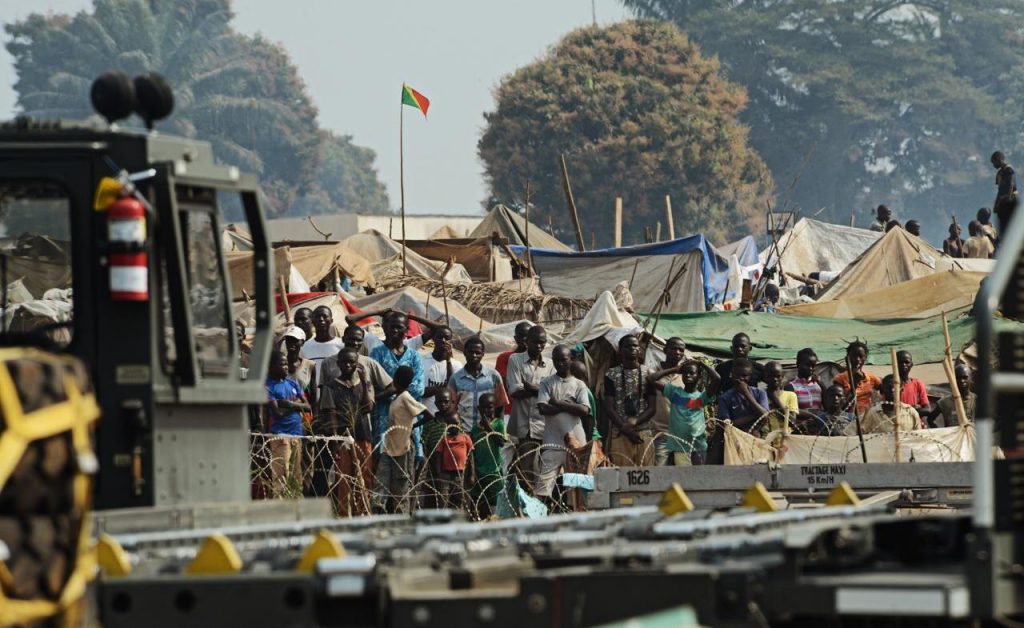
The Central African Republic emerged from French colonial rule in 1960. The country had always been considered remote, poor, and politically unstable, sandwiched between more powerful neighbours like Chad and Sudan. David Dacko became the first president, trying to navigate independence with limited resources and minimal infrastructure.
The country suffered from coups and internal unrest almost immediately, with local warlords and the military having far more power than civilian institutions. By the late 1970s, the political situation was fragile and the country lacked a coherent identity beyond the post-colonial state, setting the stage for something far stranger than anyone could have imagined.

And the Central African Empire?
In 1976 David Dacko was overthrown in a coup by his cousin, Jean-Bédel Bokassa, a man already known for his brutality and erratic leadership. Bokassa promptly declared himself Emperor of the Central African Empire, modelling his coronation on Napoleon, complete with a gold-trimmed crown, robes, and a ceremony that reportedly cost a quarter of the country’s annual budget. The extravagance was insane for one of the poorest countries on earth. Schools, hospitals, and infrastructure crumbled while Bokassa threw lavish parties and declared himself the ultimate authority, often using violence to enforce loyalty. He even reportedly forced children to join his private army.
International opinion was horrified, though some countries played along because of Cold War alliances. By 1979, widespread discontent, corruption, and international pressure led to his removal in yet another coup, and the Central African Empire collapsed back into the Central African Republic. The country never recovered its stability, but at least it returned from one of history’s most absurd monarchies.

The Emperor and his family
Bokassa’s family was as extravagant and chaotic as he was. He had dozens of children and multiple wives, with some reportedly living in lavish compounds in the capital. Members of the family held positions in government and the military, often without qualifications, purely because of their connection to the Emperor.
After the fall of the Empire, many fled the country or went into hiding to avoid reprisals. Today, a few of Bokassa’s descendants still live in the Central African Republic and France, a living reminder of a dynasty built on excess, fear, and absurdity. The family story remains inseparable from the bizarre memory of the Empire itself.

What can you still see today?
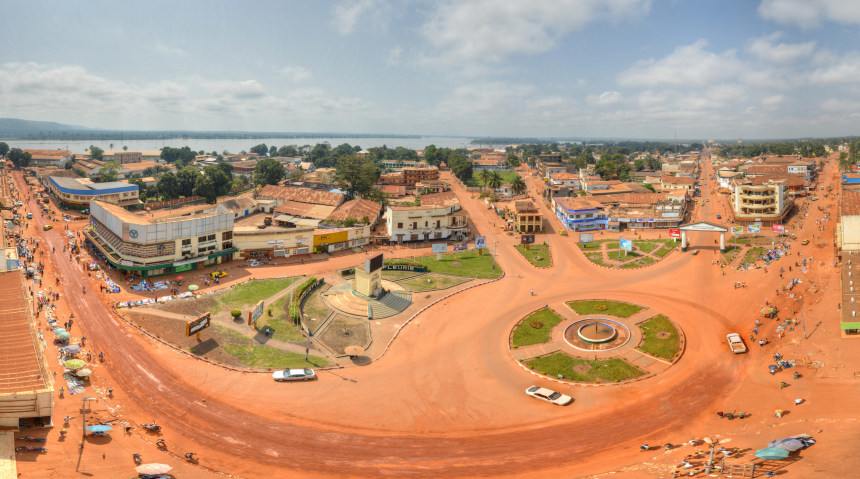
Tourism in the Central African Republic is limited and often risky, but the remnants of the Empire can still be glimpsed. The old presidential palace in Bangui, though heavily damaged and neglected, hints at the opulence of Bokassa’s reign. Some ceremonial regalia, crowns, and robes are preserved in local museums for those willing to visit.
Roads to rural areas where Bokassa once built military outposts are rough, but adventurous travellers can still find traces of his private army camps. The capital’s streets occasionally feature statues or monuments from the Empire, crude reminders of one of Africa’s strangest historical footnotes. It is not a conventional tourist destination, but for those who like history at its most absurd, it is unmatched.
And that is our take on another great former country that you can actually visit. And visit indeed with Young Pioneer Tours.
About Post Author