This may seem like an easy question and answer – Why is Jordan still facing a 60% drop in tourism? Perhaps because of regional instability since 2023. However, if this was the case, we would likely see a drop in tourism rates in all surrounding countries, however, interestingly enough, tourism in some countries has increased.
So why is Jordan facing a 60% drop in tourism? There are many factors that may contribute.
Table of Contents
Why is Jordan Still Facing a 60% Drop In Tourism? The Facts:
Alongside almost every country on earth, Jordan reported a significant loss in revenue during the COVID-19 pandemic years. Worldwide the tourism industry hit a brick wall, hard, leading many businesses to cease operations for several months, years or indefinitely.
The drop of tourism rates in 2020 dropped a massive 76.9%. While the number is monumental, it is not exactly unique. Many countries reported similar statistics during this period. The years 2021 until mid 2023 saw a regeneration of tourists back to pre COVID levels and above. However this increase halted towards the end of 2023 and during 2024, Jordan reported a loss in visitors by -3.9%.
War In Gaza
The War in Gaza saw a significant drop in tourism rates throughout the region. Many neighbouring countries also reported a decline in tourism, such as Lebanon, Egypt, Tunisia and Morocco – despite some of these countries being thousands of kilometers away.
But why? While of course, war rightfully reduces the amount of visitors to a country, Tunisia and Morocco have had no involvement in the war, yet faced 15-20% drop in bookings shortly after the conflict commenced.
So Why Were They Affected?
Geographic Proximity and Spillover Effect
When conflict breaks out, neighbouring countries feel the shockwaves — at least in terms of tourism. Jordan, Lebanon, and Egypt sit right next to the Gaza crisis, and even though the fighting isn’t happening on their soil, many travellers assume it could “spill over.” That fear alone is enough to trigger mass cancellations and a sharp drop in new bookings.
Safety and Security Perceptions
Most travellers put safety above everything else, and the wall-to-wall media coverage painted the entire Middle East as unstable. From the outside, especially for people watching from North America or Europe, it looked like the whole region was in crisis. Even destinations that were completely calm saw interest drop because the broader image of “the Middle East” took a hit.
Government Travel Advisories
As soon as the conflict escalated, countries like the US and Canada updated their travel warnings — advising against travel to Israel and Lebanon, and telling people to be cautious in Jordan and Egypt. These advisories play a huge role: they influence insurance policies, tour operators, and ultimately whether travellers feel comfortable booking at all.
Suspension of Flights and Cruises
Once airlines and cruise companies start suspending routes, the message to travelers is pretty clear: avoid the region. With major carriers pulling out or reducing service, getting to these destinations became either difficult or impossible, reinforcing the perception that the whole area was unsafe.

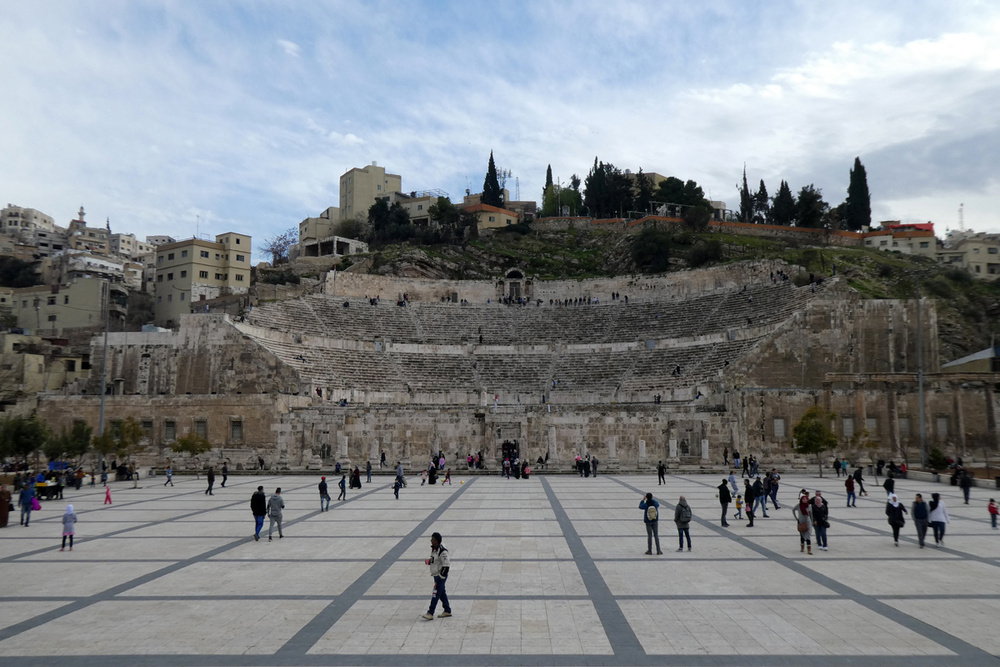
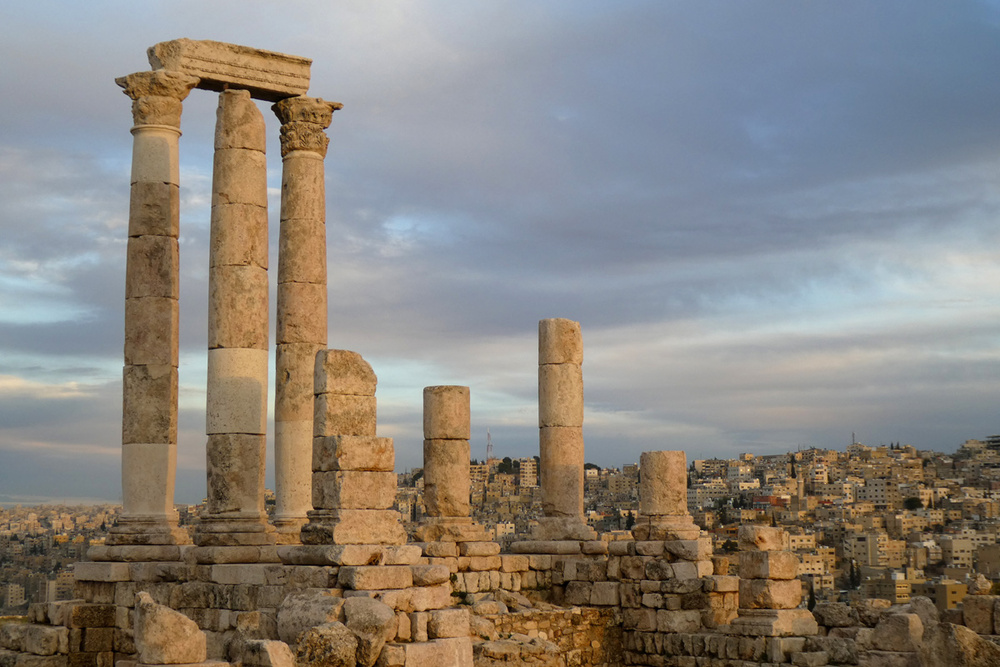

Tourism in Jordan Today:
While Jordan is geographically close to the conflict (and shares a long border with Israel), the two signed a security agreement more than 30 years ago. The “Treaty of Peace Between the State of Israel and the Hashemite Kingdom of Jordan,” or the Wadi Araba Treaty, established diplomatic relations between the two countries and worked our resource planning such as the Dead Sea, water resourcing and also acted as a peace agreement to end decades of war and unrest.
The two countries have stuck to their treaty and not engaged in active warfare.

Incursions In The Region:
Lebanon: Lebanon has had 13,600+ incursions in its territory since 2023, which has led to higher travel advisory warnings and, like Jordan, Lebanon has faced significantly lower rates of tourism.
Syria: While Syria has experienced many changes in the region, they have experiences 700+ incursions since 2023. Tourism now is on a slight incline compared to last year as the new government settles in.
Iraq: Iraq is the new face of Middle Eastern Tourism, with Baghdad labeled as the ‘Capital of Arab tourism’ in 2025. While there are no official estimates, there have been widespread reports regarding airstrikes and drone presence in Iraq.
Tourism in more precarious countries such as Iran and Yemen have also suffered in the last two years, however actual statistics are not published.
Will Tourism In Jordan Pickup Again?
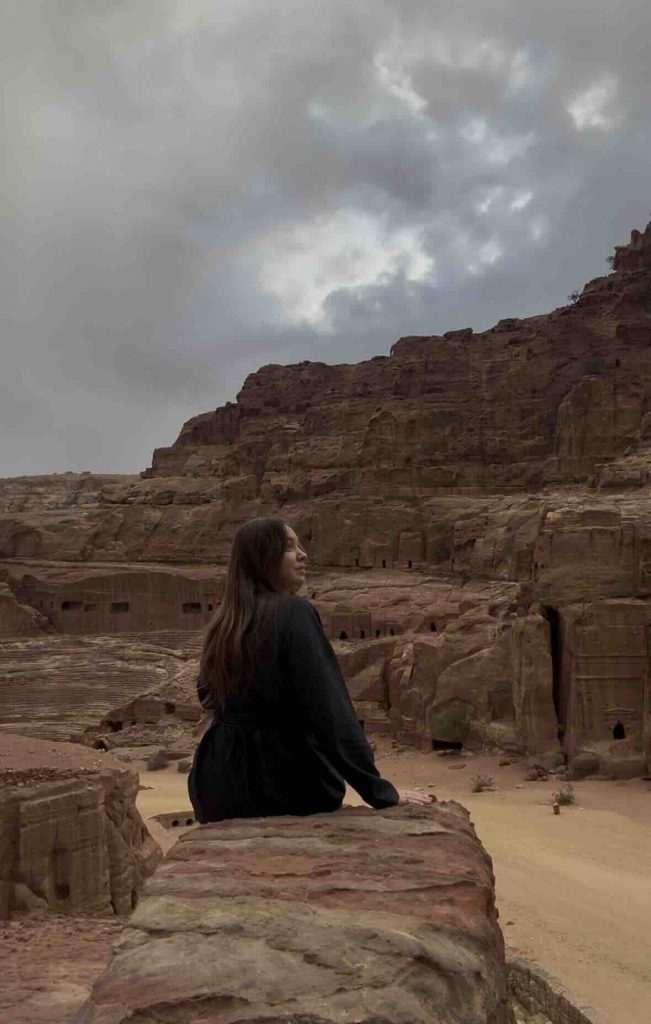
The short answer is yes, but this may take a long time. One city dependent on tourism is Wadi Musa, the home of Petra. Some locals informed me that they have lost their jobs, seen a 50% drop in stays and overall lack of financial gain from tourism related business.
Tourism agencies have decided to take a new approach – diversify the market. While traditionally, tourism has relied on North America, local agencies have reportedly begun shifting their focus to Asia, Europe and the Indian subcontinent.
“The USA is too unpredictable. Europe is more stable and we see potential in Asia – countries like China and India”.
We are likely to see tourism in Jordan recover soon, making it a great time to visit. You can support the tourism industry, get cheap deals and beat the crowds at formerly packed tourist sites!
Do You Want To Visit Jordan?
We have a group tour and can arrange private tours for your budget, timeline and time of year!
About Post Author