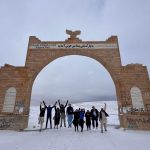
Yan’an is known as the cradle of China’s revolutionary history. When people think of Yan’an, they often picture cave dwellings, red flags and the Red Army. Many revolutionary sites are found across the city, and the Zaoyuan Revolutionary Site is one of them.
Zaoyuan Revolutionary Site lies in the western suburbs of Yan’an in Shaanxi Province. It was the residence of revolutionary leaders and served as a centre of command during a crucial period of the Chinese revolution.
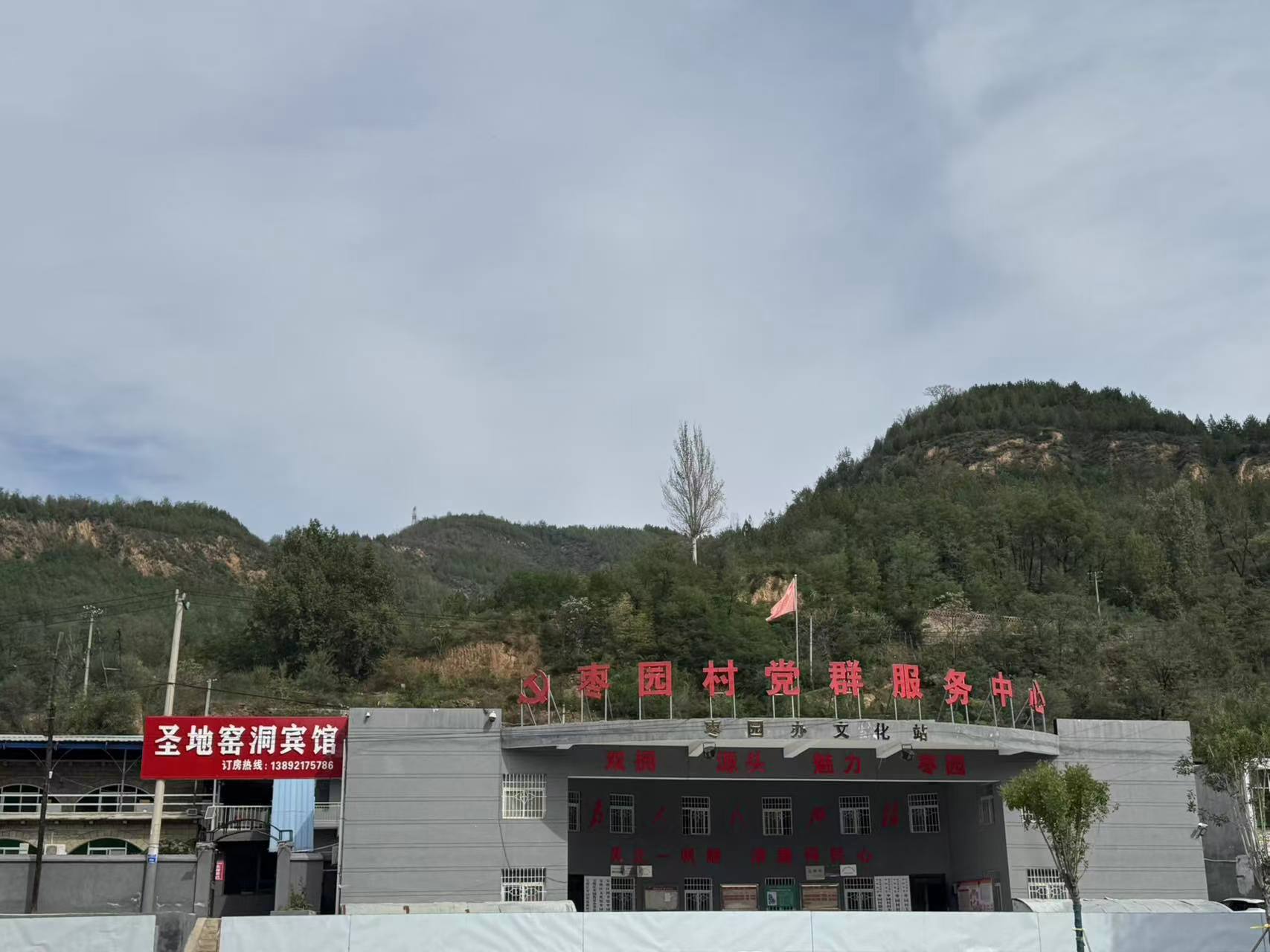
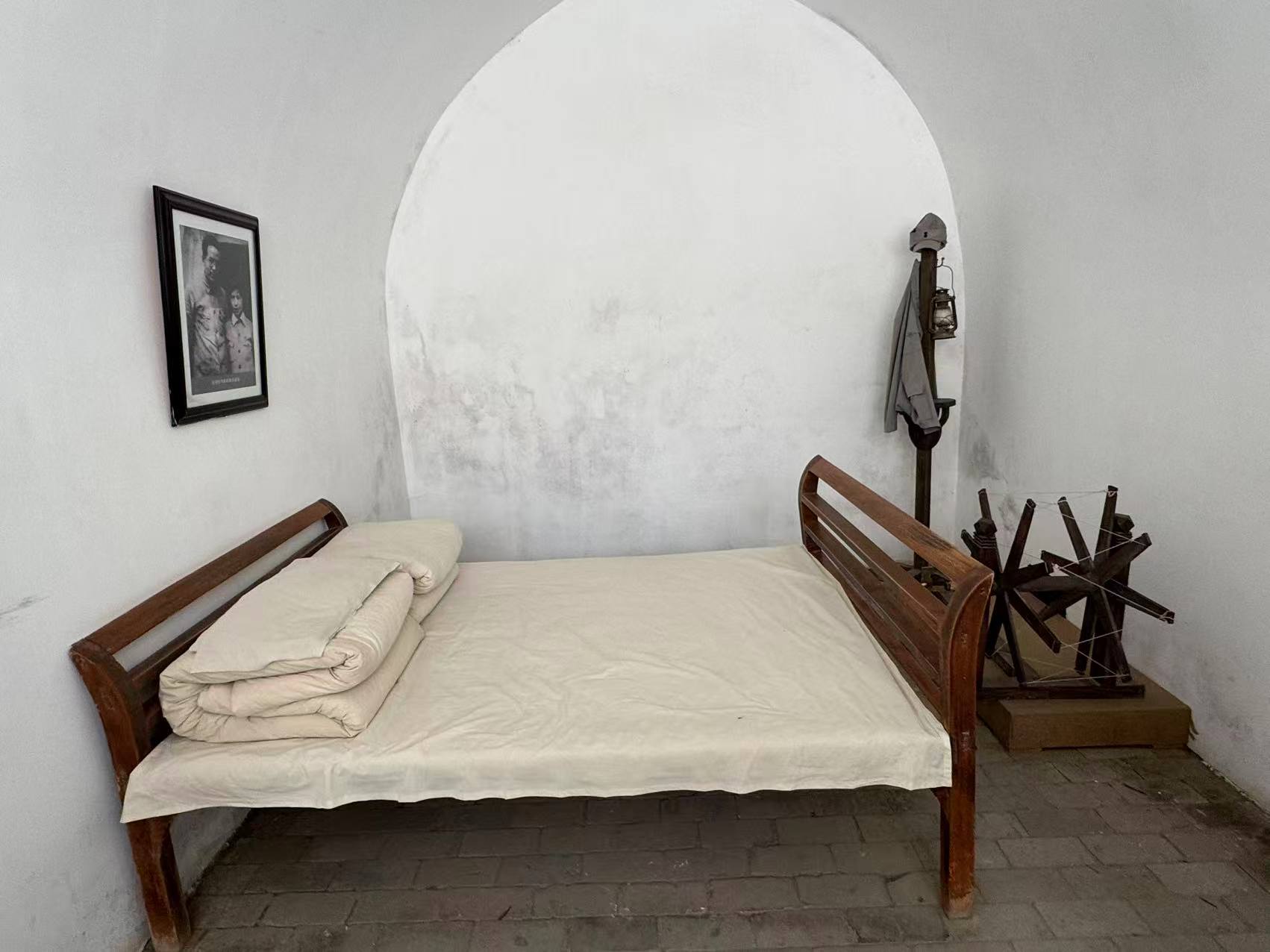
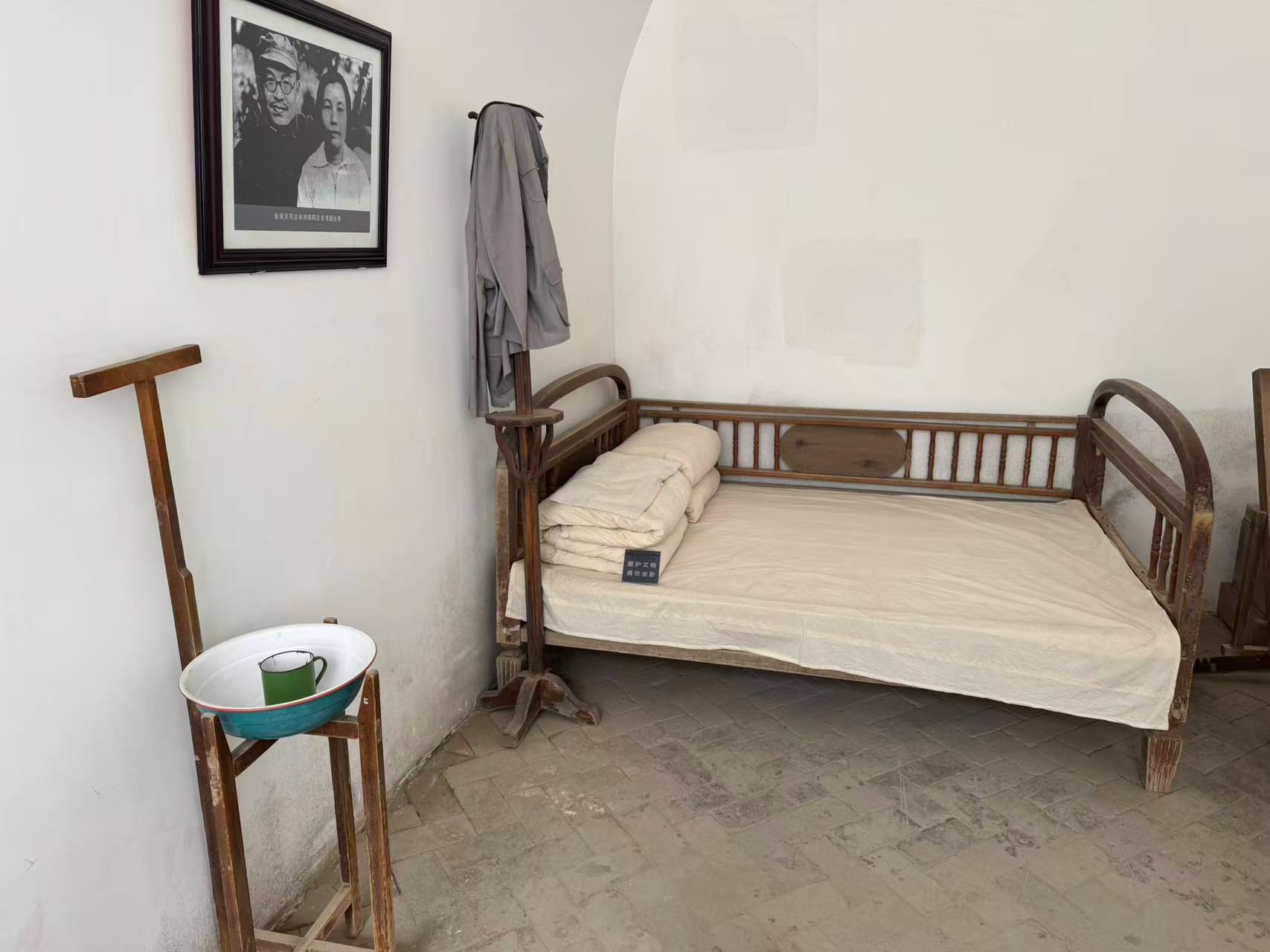
Table of Contents
Historical background of the Zaoyuan Revolutionary Site
The Zaoyuan Revolutionary Site is eight kilometres northwest of Yan’an. It covers an area of about eighty mu. It was the location of the Secretariat of the Central Committee of the Communist Party of China from October 1943 to March 1947.
In the Qing Dynasty, it was an estate owned by a landlord. It gained the name Zaoyuan (Jujube Garden) because of the large number of jujube trees planted there. After the founding of the Republic of China, it was taken over by the Kuomintang garrison under Gao Shuangcheng. After the Central Committee of the Communist Party of China moved to Yan’an, the area became the base of the Central Social Department and was renamed Yanyuan. The two characters of Yanyuan written by Kang Sheng can still be seen on the stone pillars at the gate.
From 1944 to March 1947, the Secretariat of the Central Committee moved from Yangjialing to this site. During this period, the Secretariat continued to lead the rectification movement and the large-scale production movement in the liberated areas. It prepared for the Seventh National Congress of the Communist Party of China. It led the Chinese people to the final victory in the War of Resistance against Japan. It also led the struggle for democracy, unity and peaceful nation-building. It confronted the hard-line Kuomintang forces and made full preparations to defeat the full-scale civil war launched by the reactionary Kuomintang.
In March 1947, when Yan’an was occupied by the troops of Chiang Kai-shek and Hu Zongnan, some buildings here were damaged. After the founding of the People’s Republic of China, the site was restored to its original state.
On 4 March 1961, it was listed as a national cultural heritage site. On 14 October 1996, it was named a national patriotism education base.
Core landmarks of the Zaoyuan Revolutionary Site
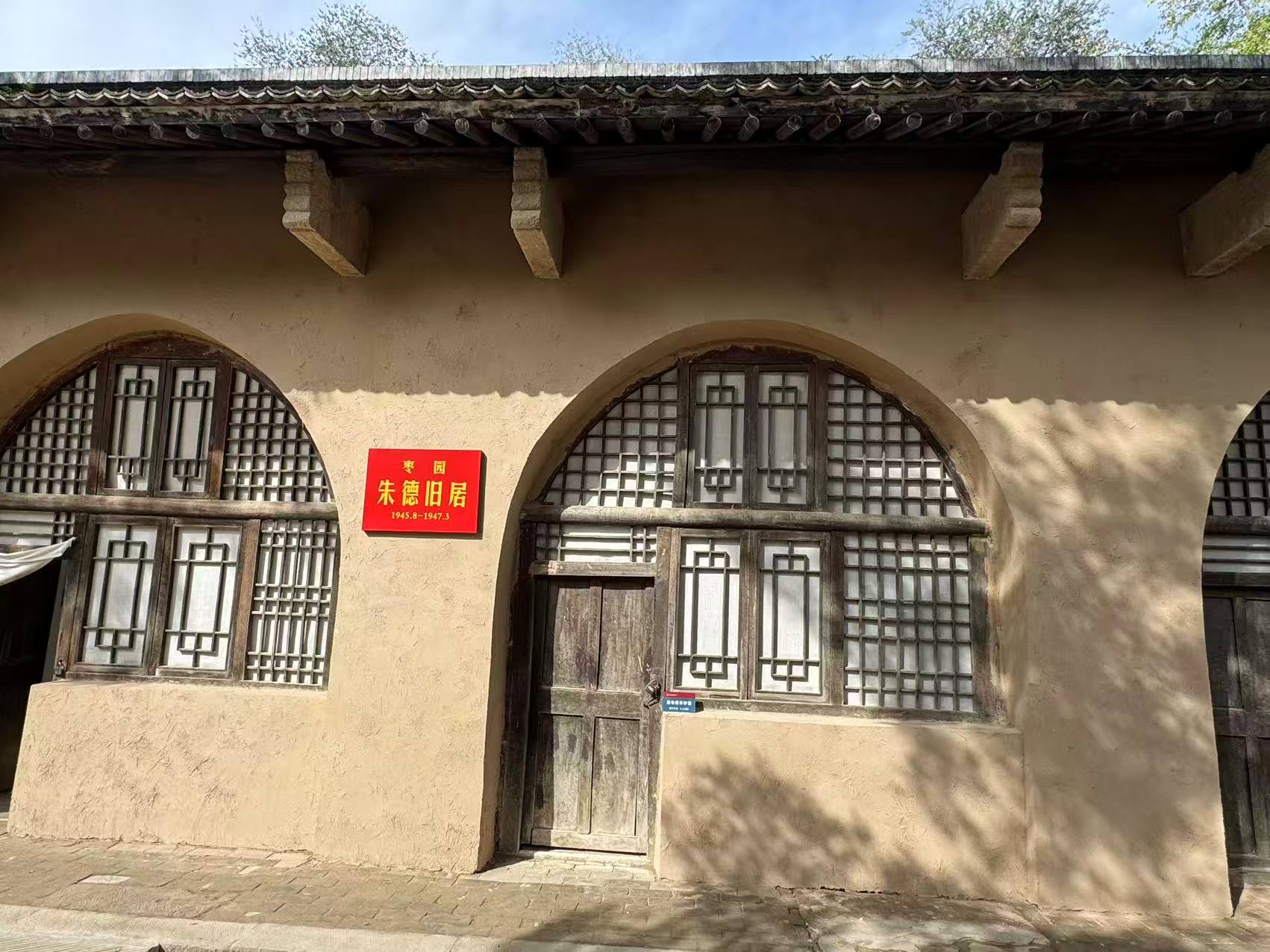
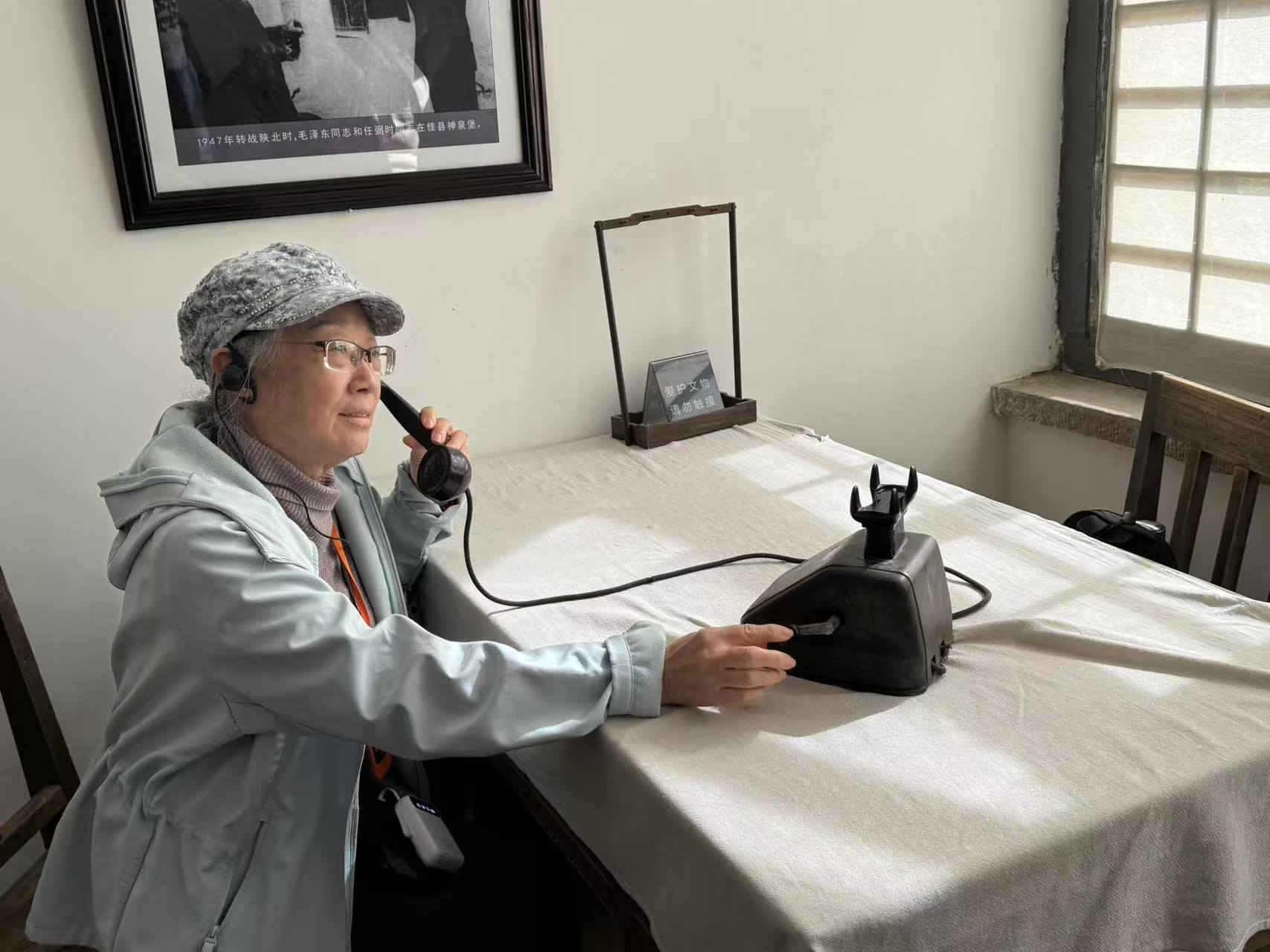
The most well-known attraction at the Zaoyuan Revolutionary Site is the group of cave dwellings once used by revolutionary leaders. These caves were dug into the loess hills and served as simple living quarters for leaders of the Communist Party of China. Mao Zedong, Zhou Enlai, Liu Shaoqi and Zhu De once lived here. Inside the caves are plain wooden beds, desks and stools. Many items are modern replicas, and signs ask visitors not to sit or touch them. Even so, many visitors still sit at the desks and pick up a telephone to take photos.
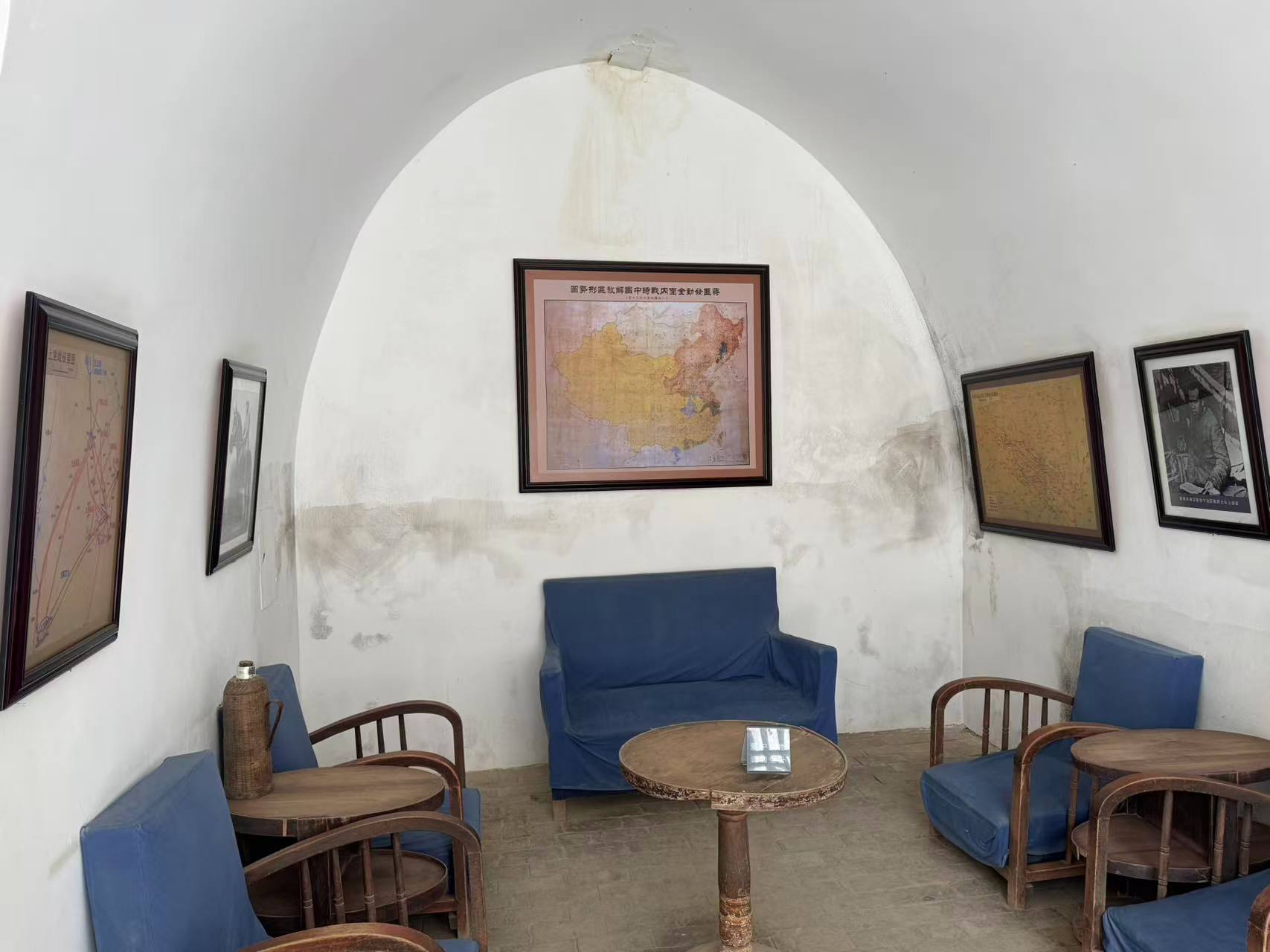
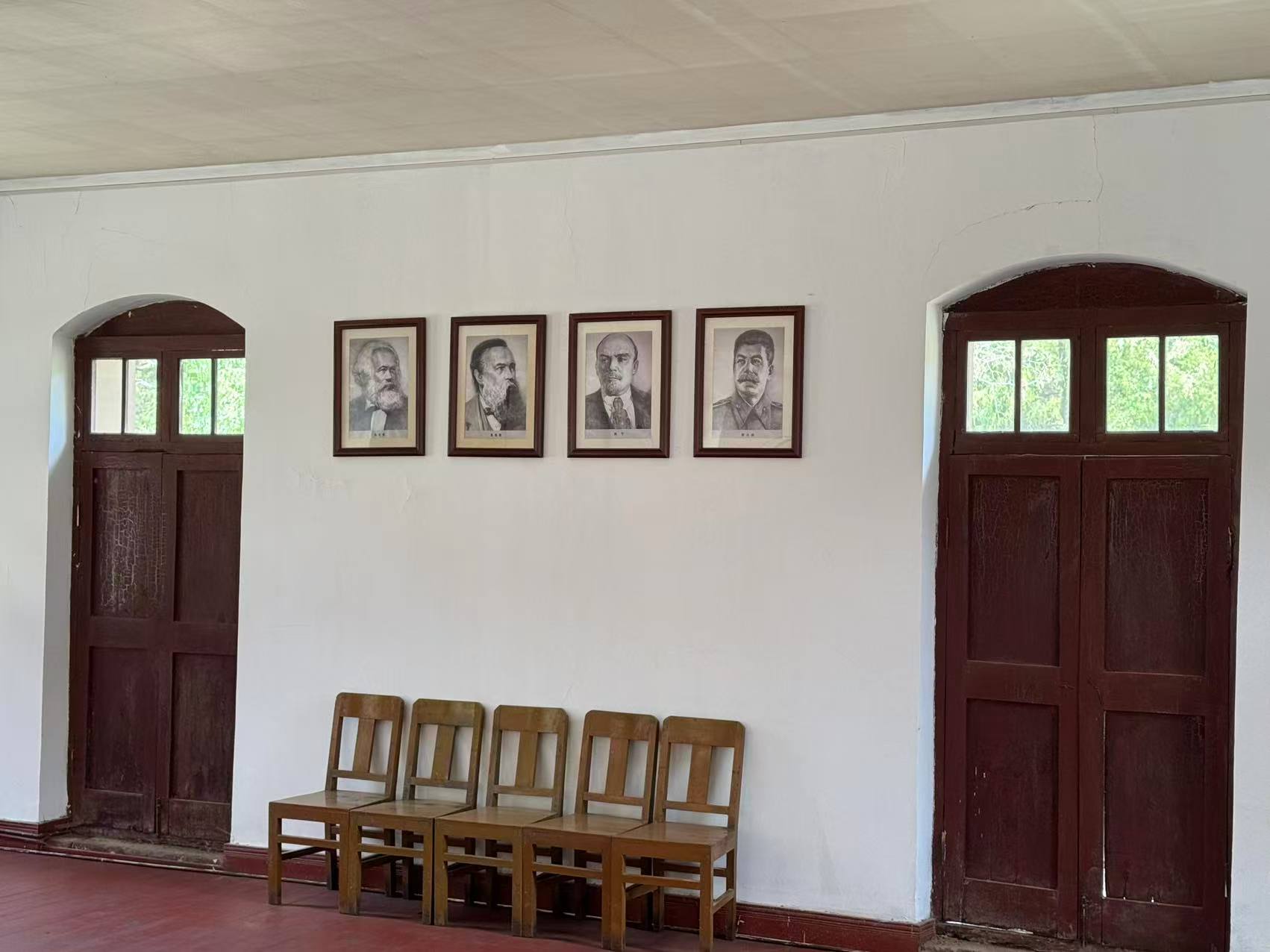
Another important site in Zaoyuan Revolutionary Site is the auditorium of the Secretariat of the Central Committee. Many key meetings were held here, and major decisions of the Party were made in this space. The auditorium was not only used for meetings. It was also the dining hall for the secretaries and sometimes served as a venue for dances and film screenings. In 1945, the decision for Mao Zedong to accept Chiang Kai shek’s invitation to go to Chongqing for talks was made at an enlarged Politburo meeting held in this small auditorium.
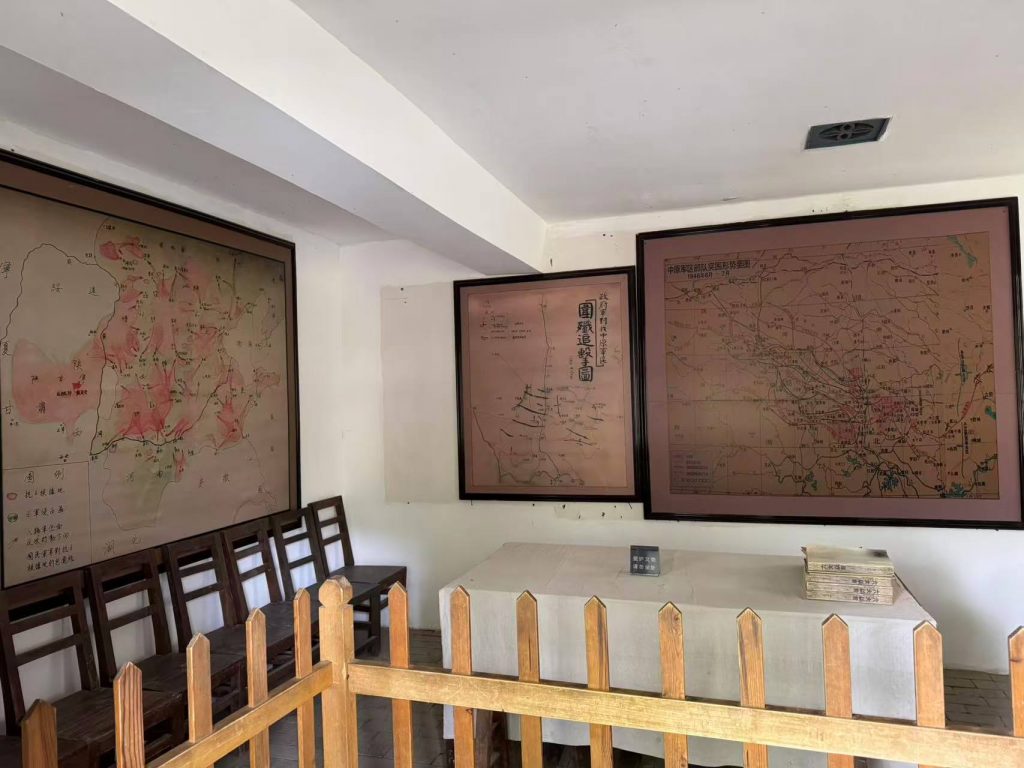
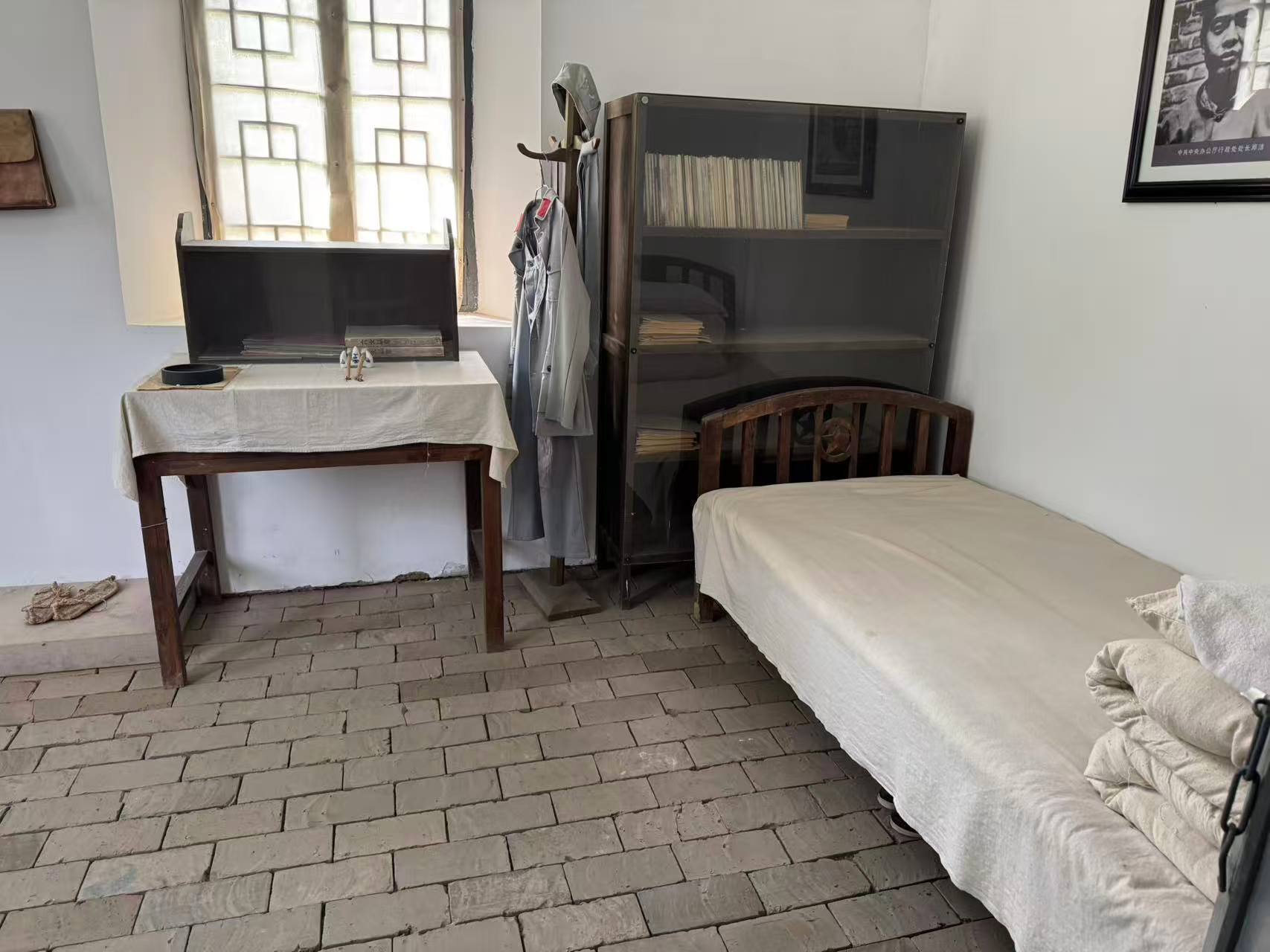
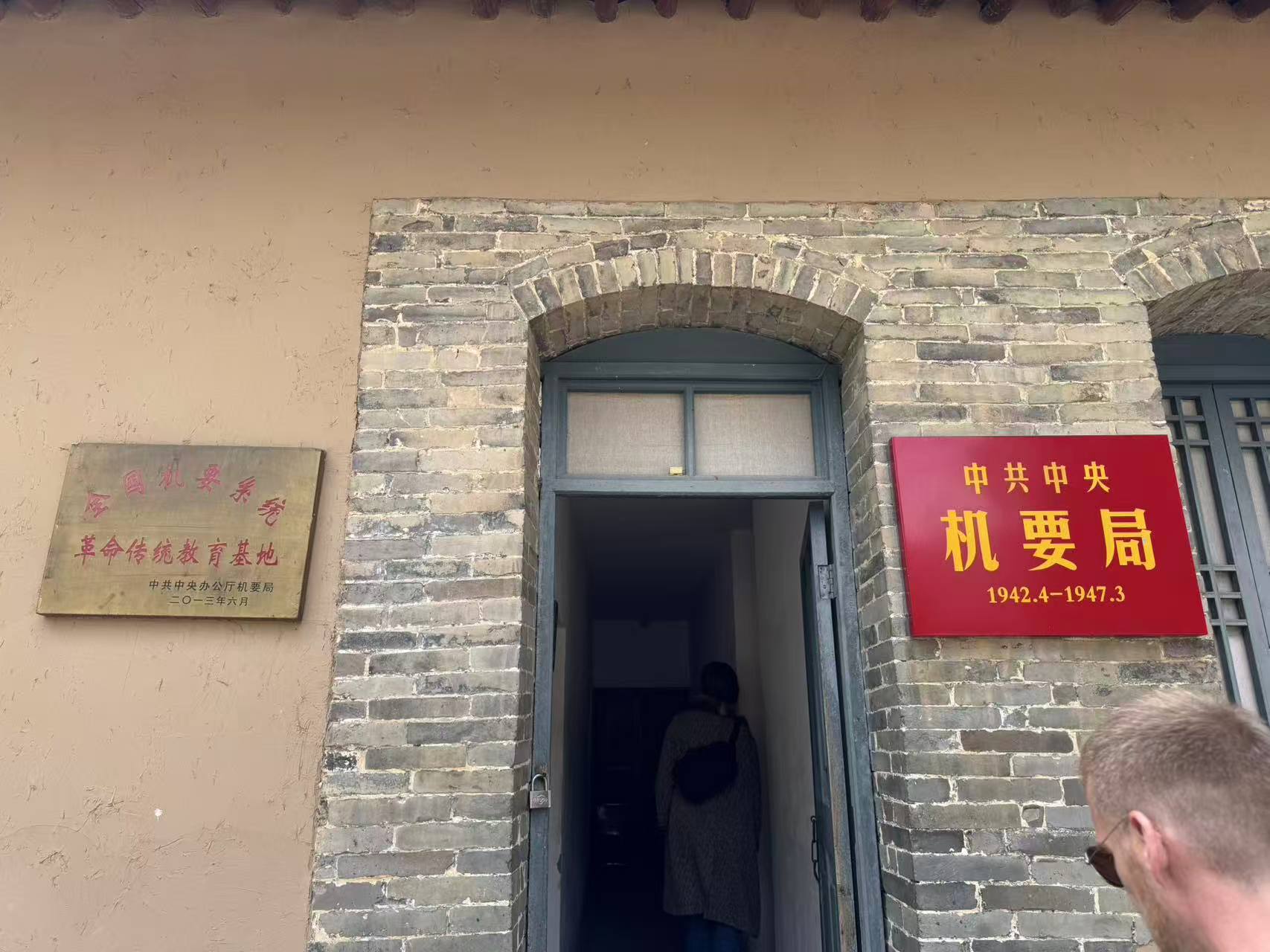
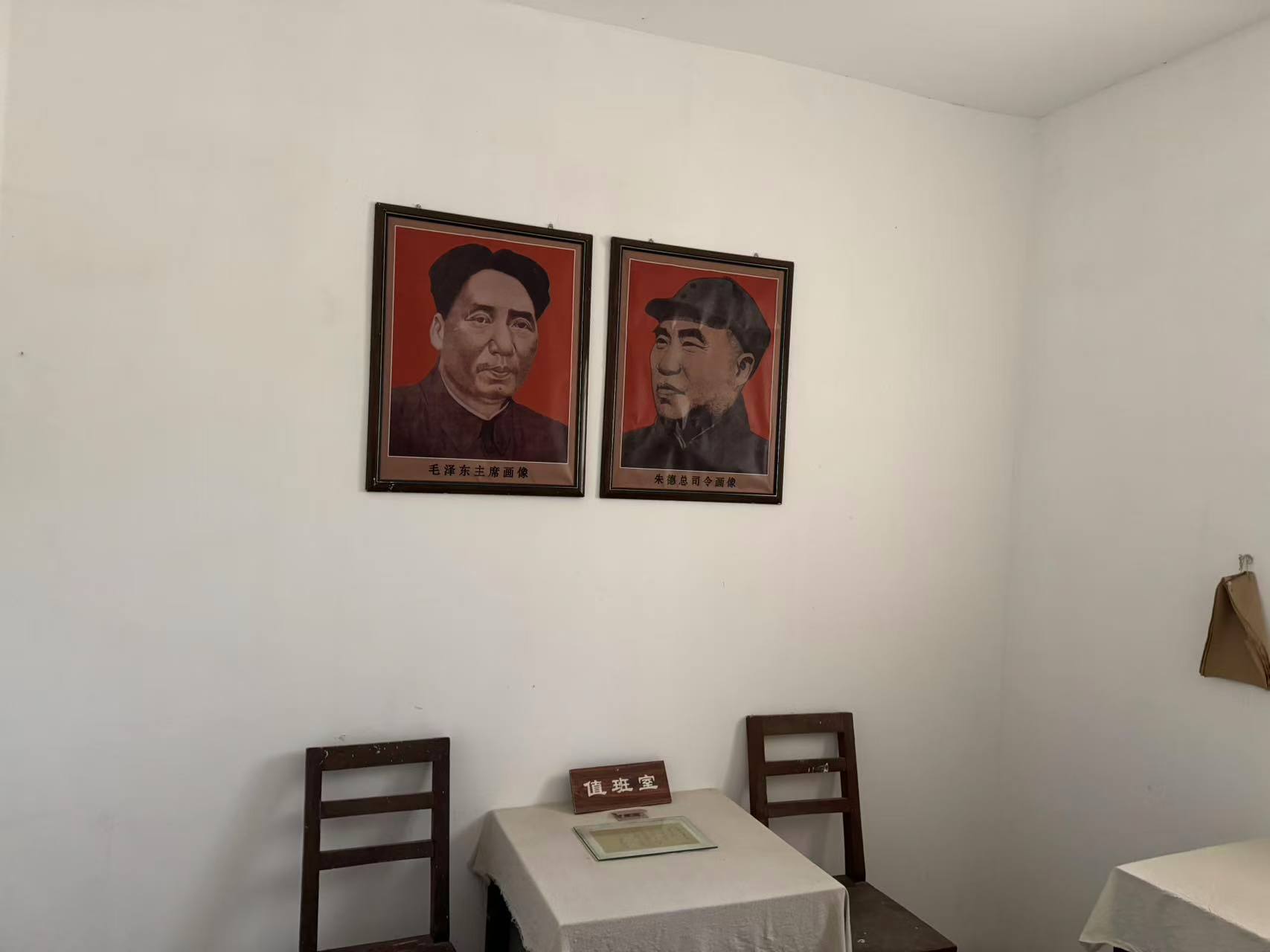
Opposite the auditorium is the Confidential Affair Bureau of CPC. This ordinary looking building was the centre of early intelligence and secret communications work of the Communist Party. Many important telegrams were sent and received here, and intelligence officers carried out their duties in this place. Today, some rooms remain as they were, while others have been turned into exhibition rooms. Through photos and objects, they show the development of the Party’s intelligence and confidential work.
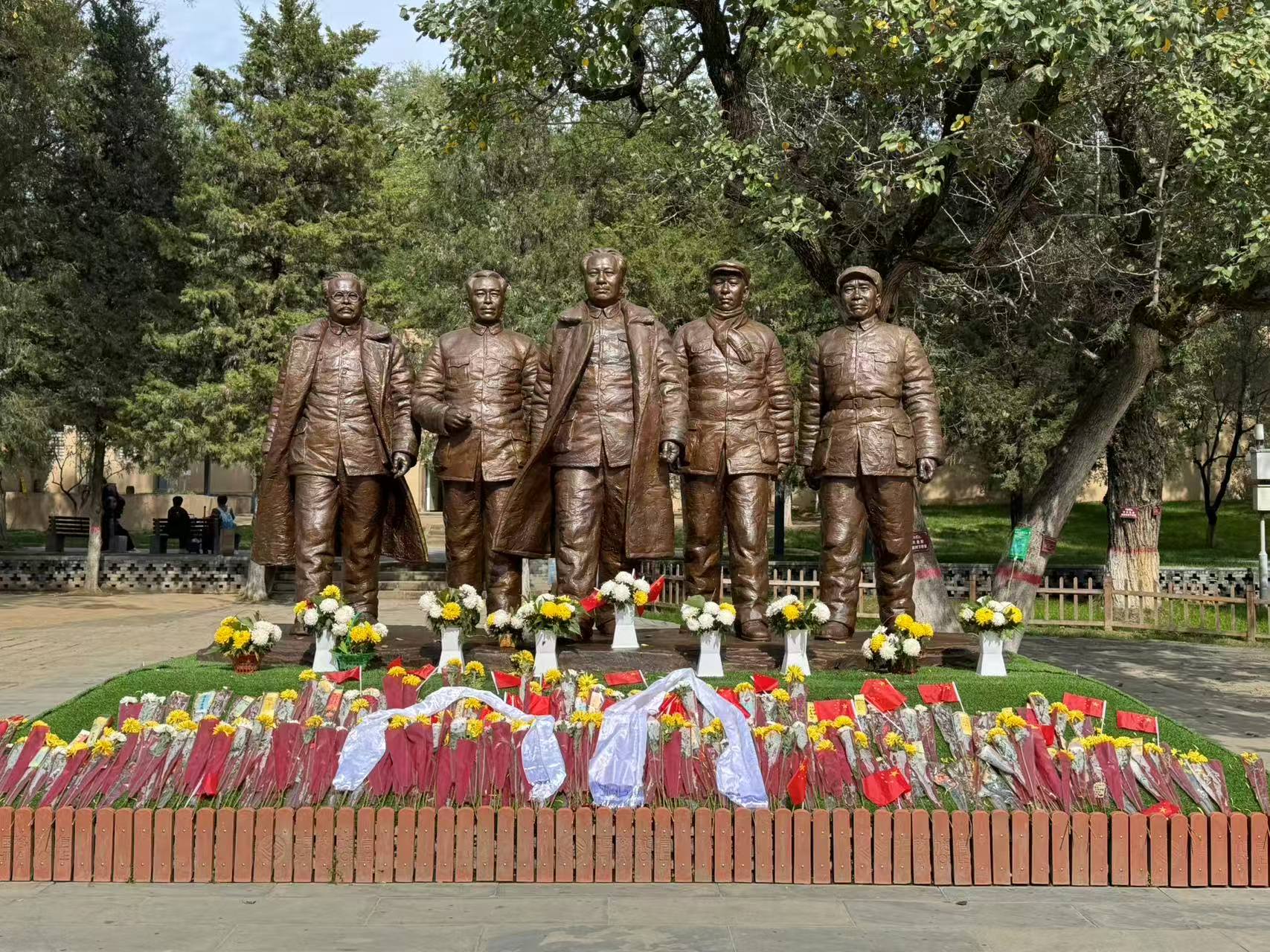
Before entering the leaders’ living area, visitors can see a bronze statue of the five senior Party secretaries of the time. They are Ren Bishi, Zhou Enlai, Mao Zedong, Liu Shaoqi and Zhu De, shown walking forward together with confidence.
Zaoyuan Revolutionary Site also has a famous spot where Chairman Mao delivered the speech Serve the People. He gave this speech in memory of Zhang Side. Zhang and his comrades were digging a charcoal kiln during heavy rain. When the kiln collapsed, he pushed his comrades out to safety but lost his own life.
Conclusion
The Zaoyuan Revolutionary Site is one of many revolutionary sites in Yan’an. Its importance as the headquarters of the Communist Party of China during the Yan’an period makes it a place worth visiting.
YPT’s China Revolutionary Red Base Tour takes visitors to Yan’an and other places in the region. It provides a full introduction to the history of the Chinese revolution. It is also the only tour that offers a complete English language service in this region.
Click to read more about YPT‘s China Revolutionary Red Base Tour and our other China tours.
About Post Author