The Yangjialing Revolutionary Site holds a special place as the cradle of ideological innovation and political unity. Yangjialing was where the Communist Party of China shaped its core theories, held landmark meetings, and formed a shared vision for the New China. This site is located in the northern suburbs of Yan’an, Shaanxi Province. It witnessed the creation of ideas that laid the foundation for China’s future development.
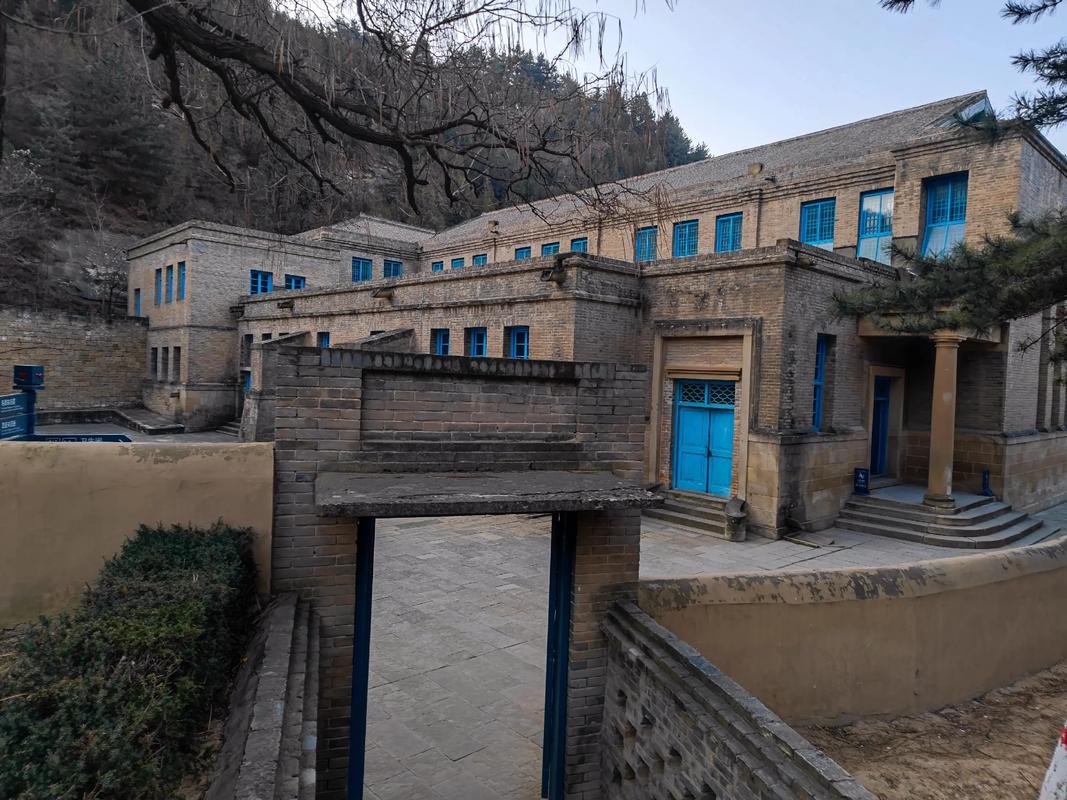
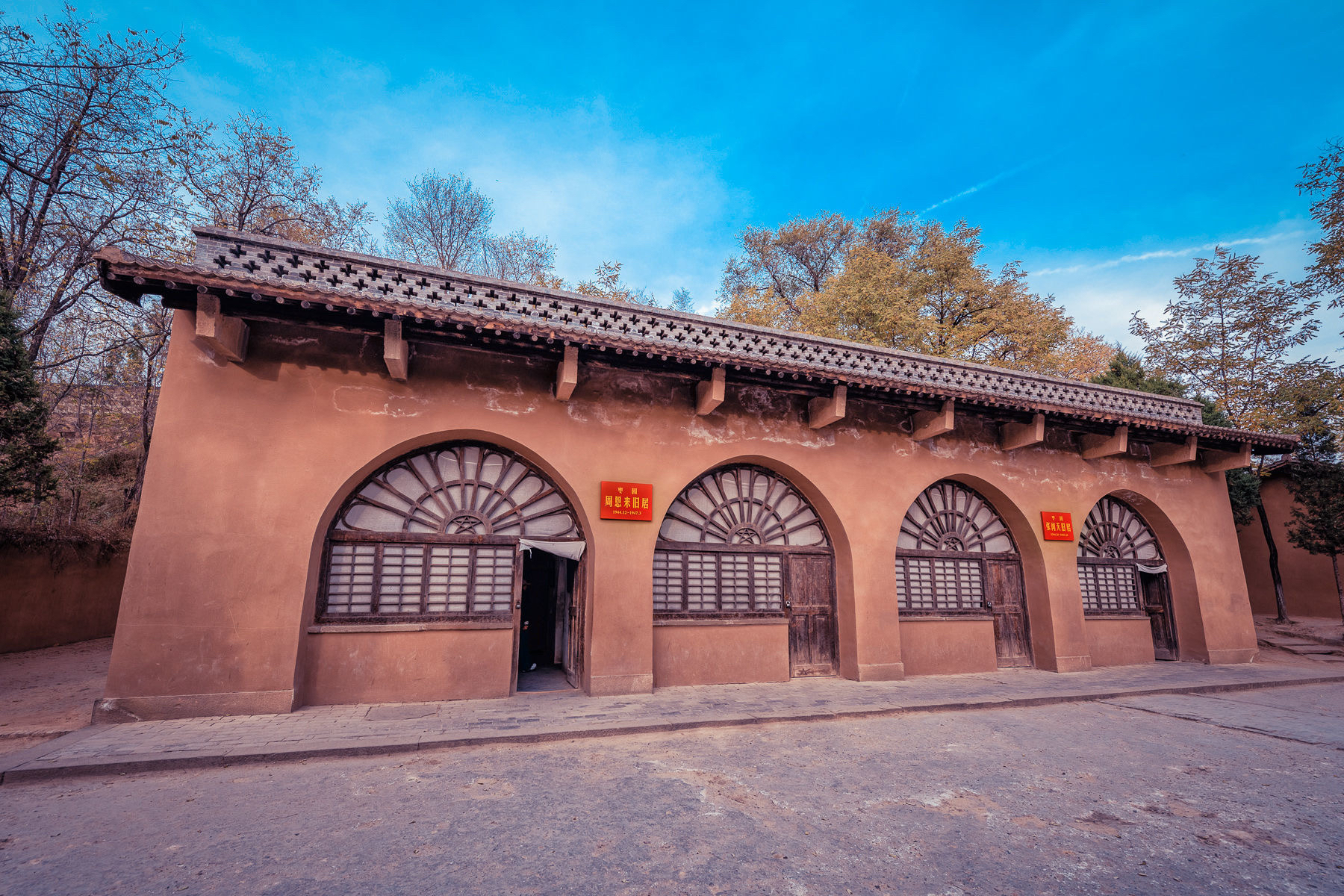
Table of Contents
Historical Background of the Yangjialing Revolutionary Site
The Yangjialing period began in 1938 and ended in 1947. This era marked a critical stage of the Chinese revolution. It covered the War of Resistance against Japanese Aggression and the early years of the War of Liberation.
On 20 November 1938, Japanese aircraft carried out heavy bombing over Yan’an. After this attack, the central organs of the Communist Party of China moved from the city into Yangjialing overnight. For nearly ten years, it became the political and ideological centre of the revolutionary cause. At the Yangjialing Revolutionary Site, the Party refined its theories, strengthened internal unity, and mobilised the Chinese people to strive for national independence and liberation.
The unique value of Yangjialing lies in its role as a hub for ideological development. Many important meetings were held here. These meetings reviewed revolutionary experience, adjusted strategies, and clarified guiding principles.
The most significant was the Seventh National Congress of the Communist Party of China in 1945. This congress marked a turning point in Party history. It formally established Mao Zedong Thought as the guiding ideology of the Party. Yangjialing also witnessed the Yan’an Rectification Movement. This movement focused on political and ideological education. Its aim was to strengthen unity and maintain discipline within the Party.
Core Landmarks of the Yangjialing Revolutionary Site
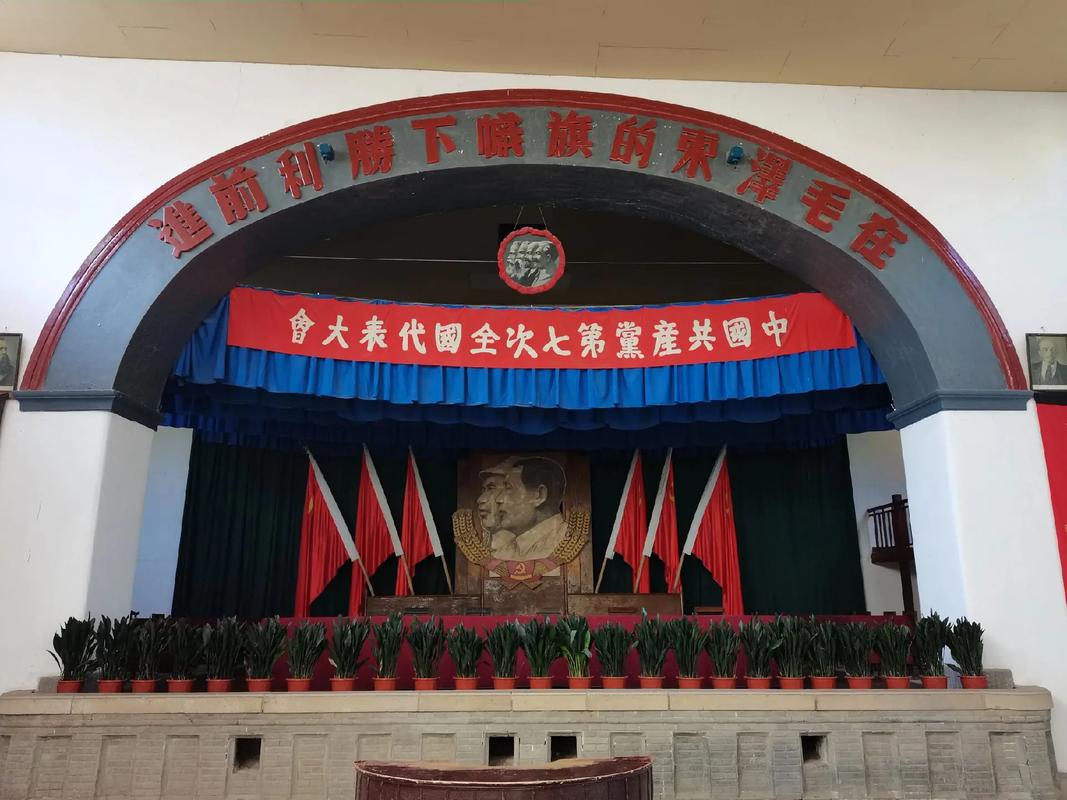
The Yangjialing Revolutionary Site covers an area of about 4.8 hectares. The cave dwellings, meeting halls, and office areas are well preserved and remain close to their original condition. The most famous landmark is the Auditorium of the Seventh National Congress of the Communist Party of China. This simple and dignified building was constructed by Party members, soldiers, and local villagers. It was the venue of the Seventh National Congress held in 1945.
In 1947, when Hu Zongnan launched an attack on Yan’an, the roof of the auditorium was damaged. After the founding of the People’s Republic of China, it was gradually restored according to its original design. It officially opened to the public in 1959.
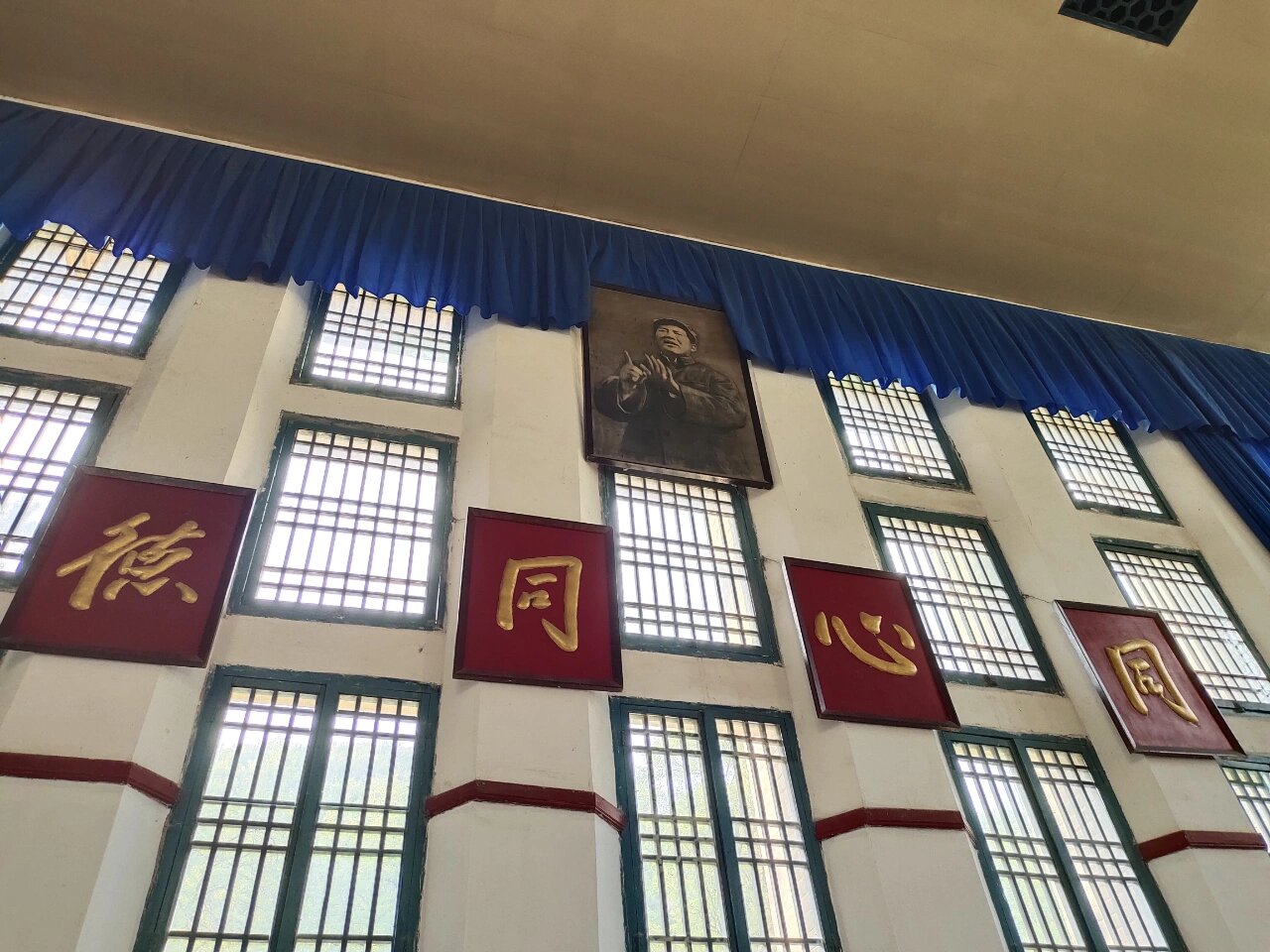
Today, the interior is displayed as it appeared during the Seventh National Congress. Portraits of Mao Zedong and Zhu De hang at the centre of the rostrum. The tables and chairs in front of the rostrum mark the seats of the five members of the Secretariat of the Central Committee. Above the rostrum is a banner showing the political slogan of the congress, which calls for advancing victoriously under the banner of Mao Zedong. The V-shaped wooden frame on the wall represents the first letter of the English word victory. It holds twenty-four Party flags.
The building of the General Office of the Central Committee also holds great historical value. In May 1942, the Central Propaganda Department held the famous Yan’an Forum on Literature and Art here. The meeting set out the principle that literature and art should serve workers, peasants, and soldiers. It also stressed that writers and artists should integrate with the people. New works created under this guidance attracted more than twenty thousand people at their first performance, even without any sound equipment.
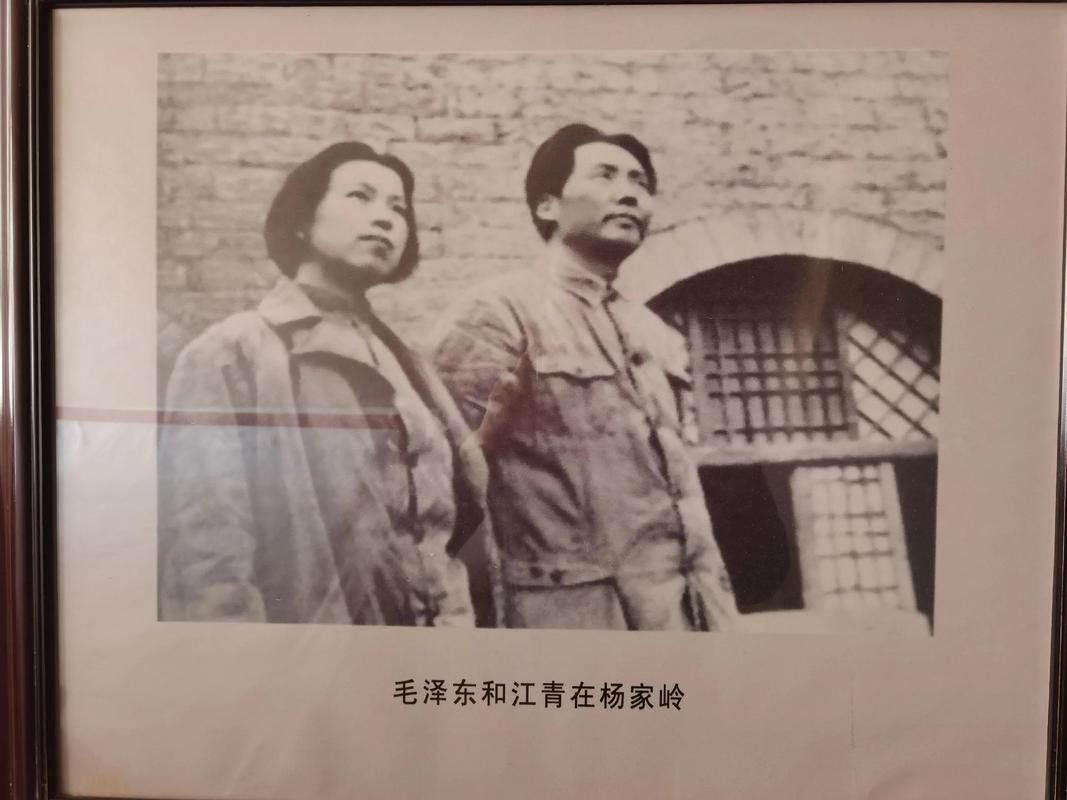
Like other revolutionary bases, the Yangjialing Revolutionary Site includes a group of cave dwellings used by central leaders. Mao Zedong, Zhou Enlai, Liu Shaoqi, and Zhu De lived and worked in these caves during their time in Yangjialing. Inside Mao Zedong’s cave, visitors can still see the desk where he wrote important works such as On Practice and On Contradiction.
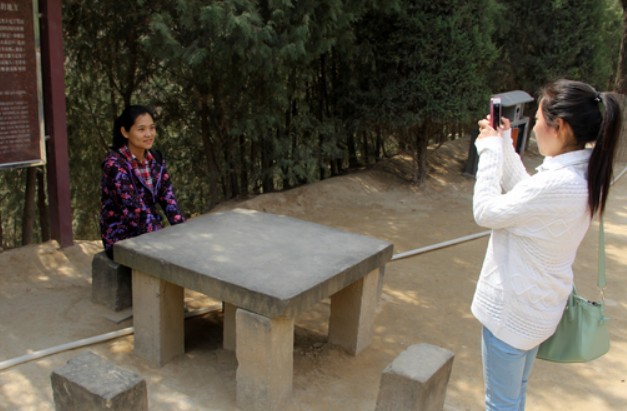
On 6 August 1946, Mao Zedong received the well-known American journalist Anna Louise Strong at Yangjialing. The stone table where they sat during the interview can still be seen today. At that time, the Chinese Civil War was underway. Chiang Kai-shek, with support from the United States, claimed that the Commies could be defeated within three to six months. Due to the imbalance of strength, many people at home and abroad doubted whether the Party could win the war. Strong came to Yangjialing with these questions.
During the interview, Mao Zedong stated that the reactionaries of the United States and Chiang Kai-shek were paper tigers. At first, this caused confusion, as the interpreter translated paper tiger as straw man. Mao later explained that a paper tiger was even weaker than a straw man. A straw man could at least scare birds in a field, while a paper tiger would fall apart at a single touch or wash away in the rain.
The Yangjialing Revolutionary Site also preserves the vegetable plot cultivated by Mao Zedong during the Great Production Movement. At that time, he was not assigned any production tasks by the organisation. Feeling dissatisfied, he personally reclaimed the land and planted vegetables himself.
Conclusion
The Yangjialing Revolutionary Site was the ideological core of the Yan’an revolution. It witnessed the formation of key theories and the unification of will across the entire Party.
YPT’s China Revolutionary Red Base Tour takes visitors to Yan’an and other places in the region. It provides a full introduction to the history of the Chinese revolution. It is also the only tour that offers a complete English language service in this region.
Click to read more about YPT‘s China Revolutionary Red Base Tour and our other China tours.
About Post Author