Each year on January 23, one of the world’s most remote communities marks a holiday rooted in mutiny, survival, and deliberate isolation. Bounty Day commemorates the burning of HMS Bounty at Pitcairn Island in 1790, a defining moment that gave birth to a community whose descendants still live on the island today. Although the island would later become, and remains today, a British Overseas Territory, the burning of the Bounty represented a deliberate renunciation of British authority and identity by the mutineers.
While little known outside the Pacific, Bounty Day remains one of the most important cultural and historical observances on Pitcairn, and is also remembered by Pitcairn descendants on Norfolk Island and in New Zealand.
What Was the Bounty and Why Was It Burned at Pitcairn?
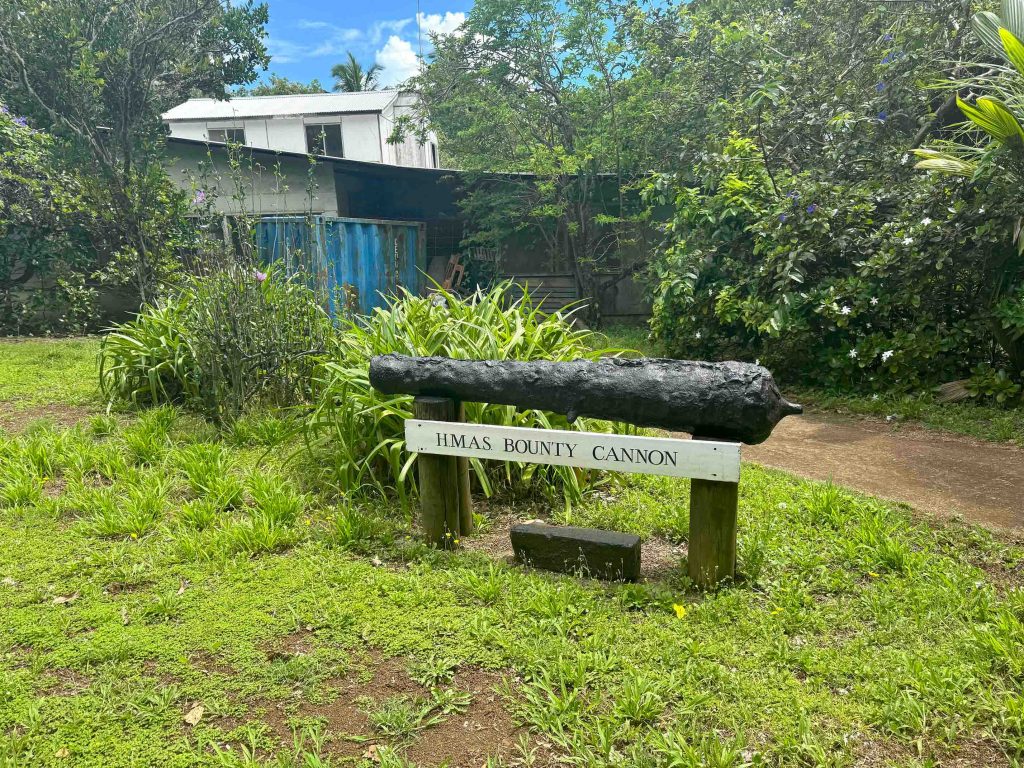
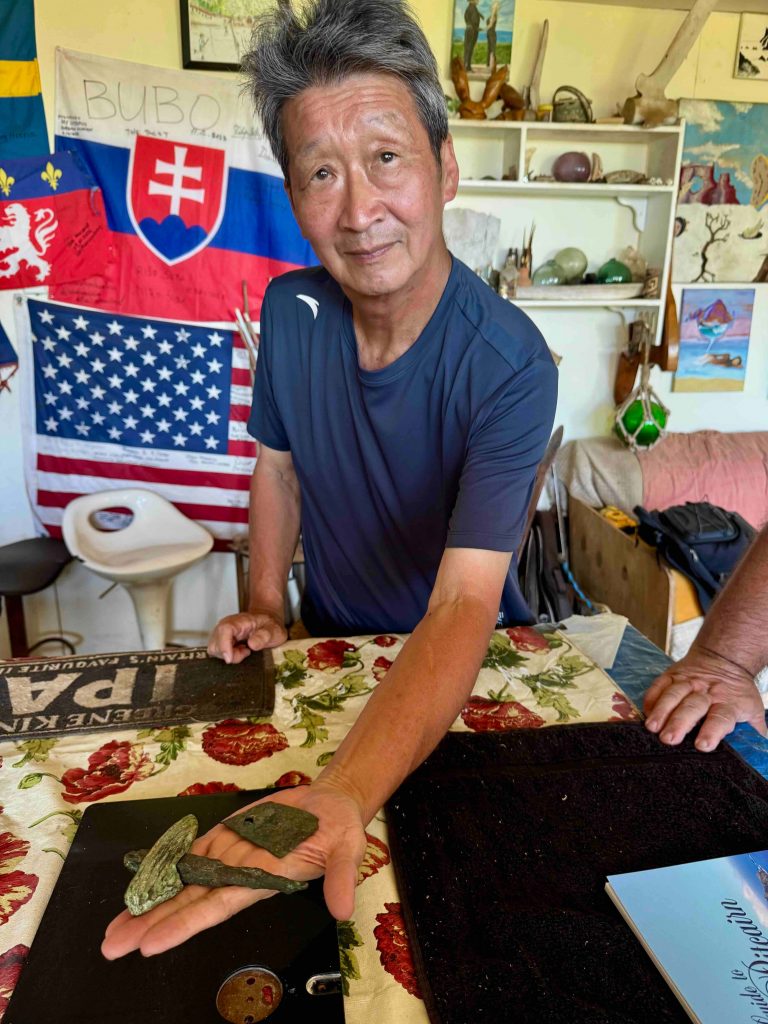
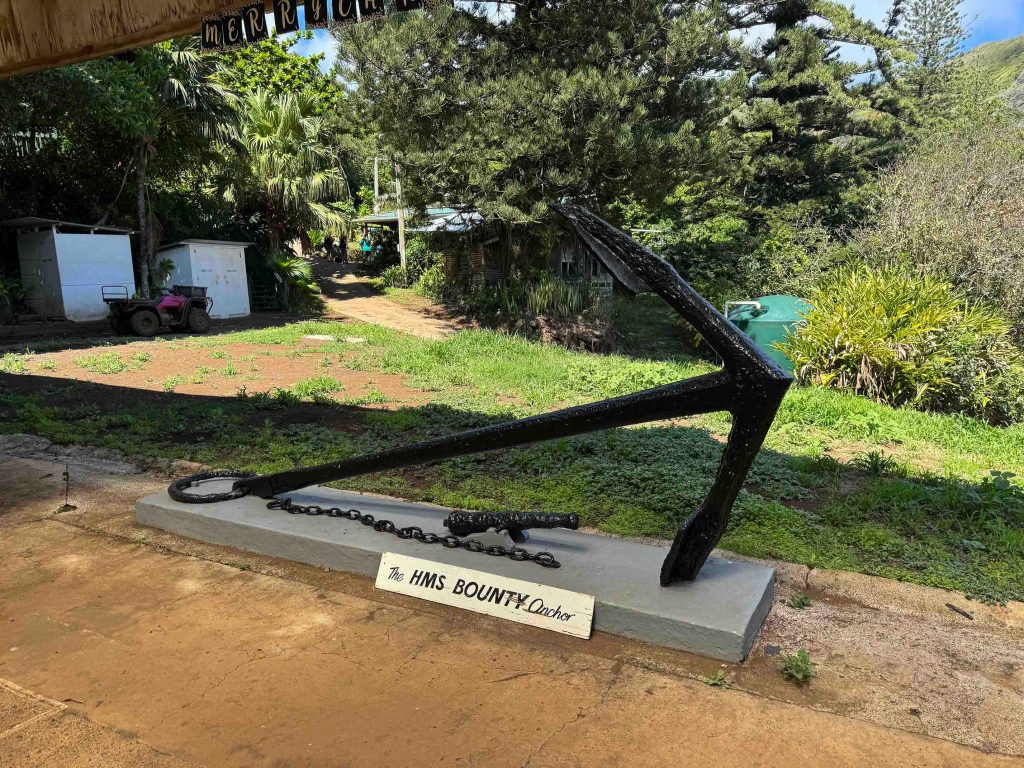
HMS Bounty was a British Royal Navy vessel sent to the Pacific in 1787 on a seemingly straightforward mission: collect breadfruit plants in Tahiti and transport them to the Caribbean as a cheap food source for enslaved laborers.
After spending months in Tahiti, tensions between Captain William Bligh and his crew escalated. On April 28, 1789, Fletcher Christian led a mutiny, casting Bligh and loyal crew members adrift in a small open boat. Against the odds, Bligh survived and eventually returned to England. A search party was dispatched under Captain Edwards aboard HMS Pandora to locate the mutineers and bring them to justice.
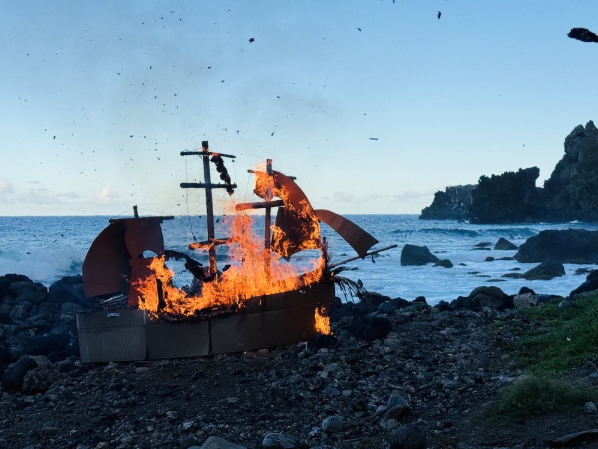
Knowing they were wanted by the Royal Navy, Christian and the mutineers initially struggled to find a place to settle. After failed attempts elsewhere, they rediscovered Pitcairn Island, which was incorrectly charted on British maps and therefore unlikely to be found. In January 1790, the group landed with Tahitian men and women, unloaded their supplies, and on January 23, 1790, deliberately burned HMS Bounty in what is now known as Bounty Bay.
The act was symbolic and practical. Burning the ship ensured they could not leave and could not easily be discovered. It also marked a permanent break from the outside world which continues on the island to this day.
The mutiny on the Bounty, one of the most notorious maritime mutinies in history, has long captured the imagination of travelers, writers such as Charles Nordhoff and James Norman Hall, and even Mark Twain, as well as Hollywood filmmakers, ultimately inspiring three major studio adaptations of the story.
Where Is Bounty Day Celebrated?
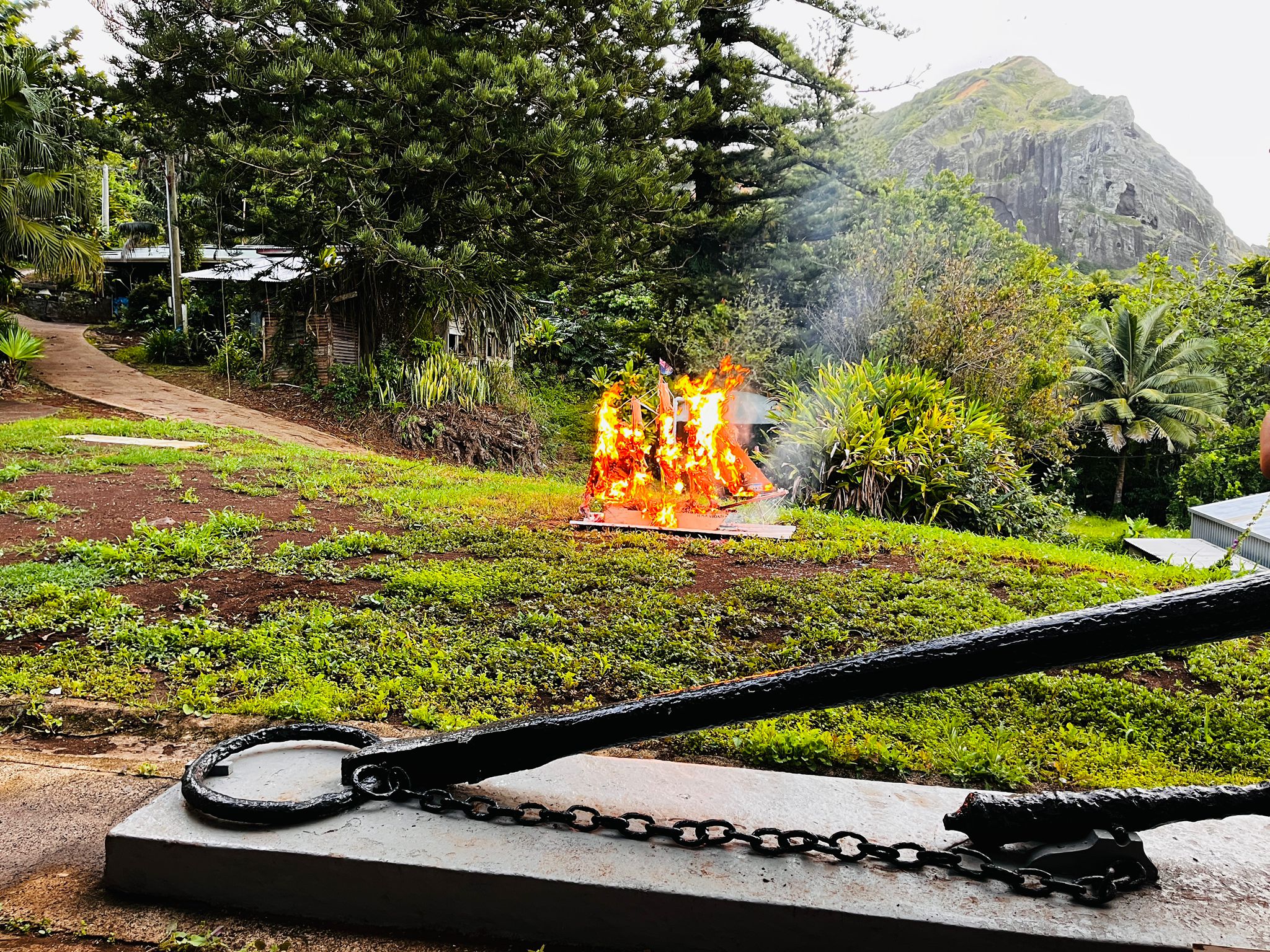
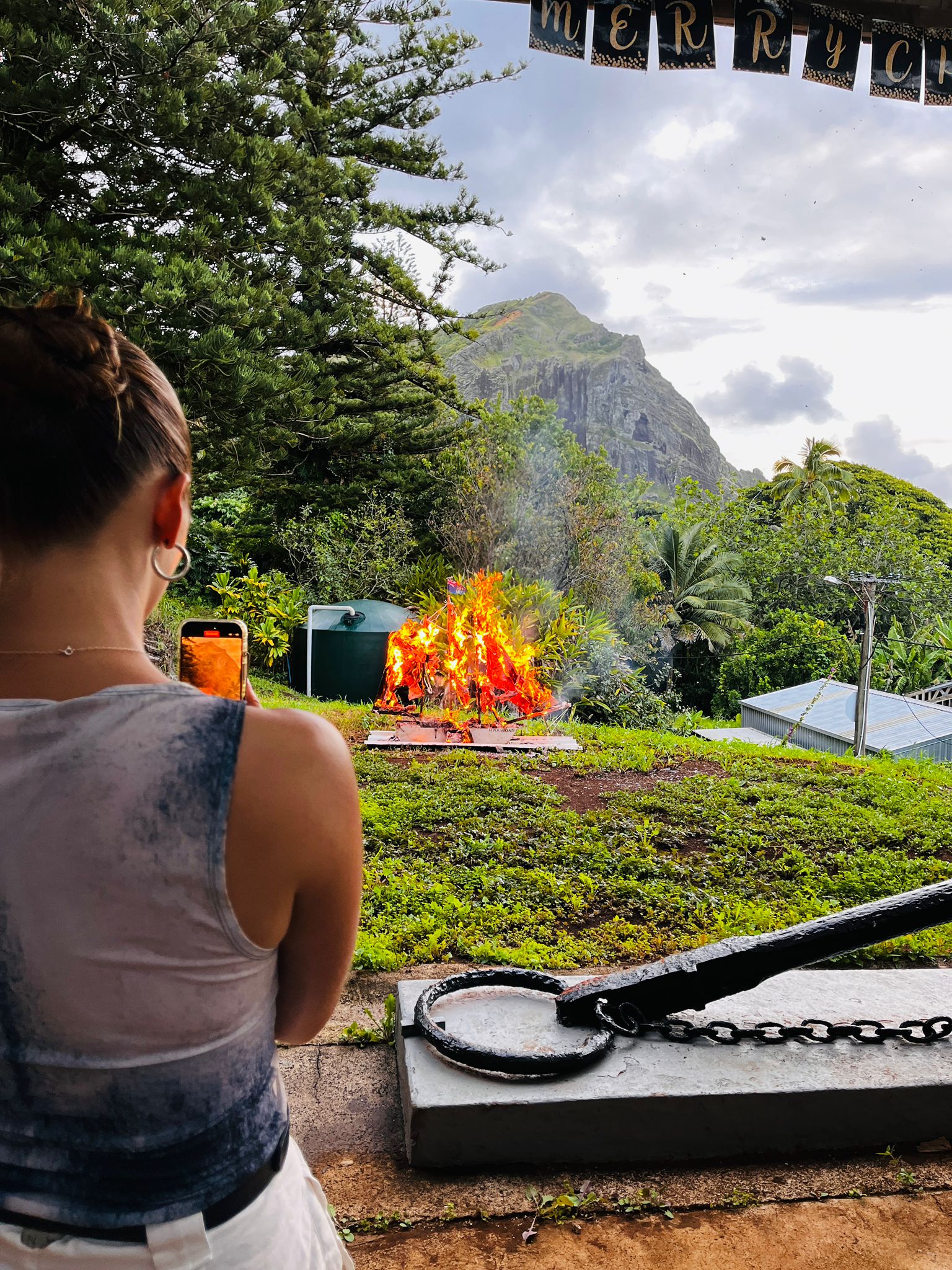
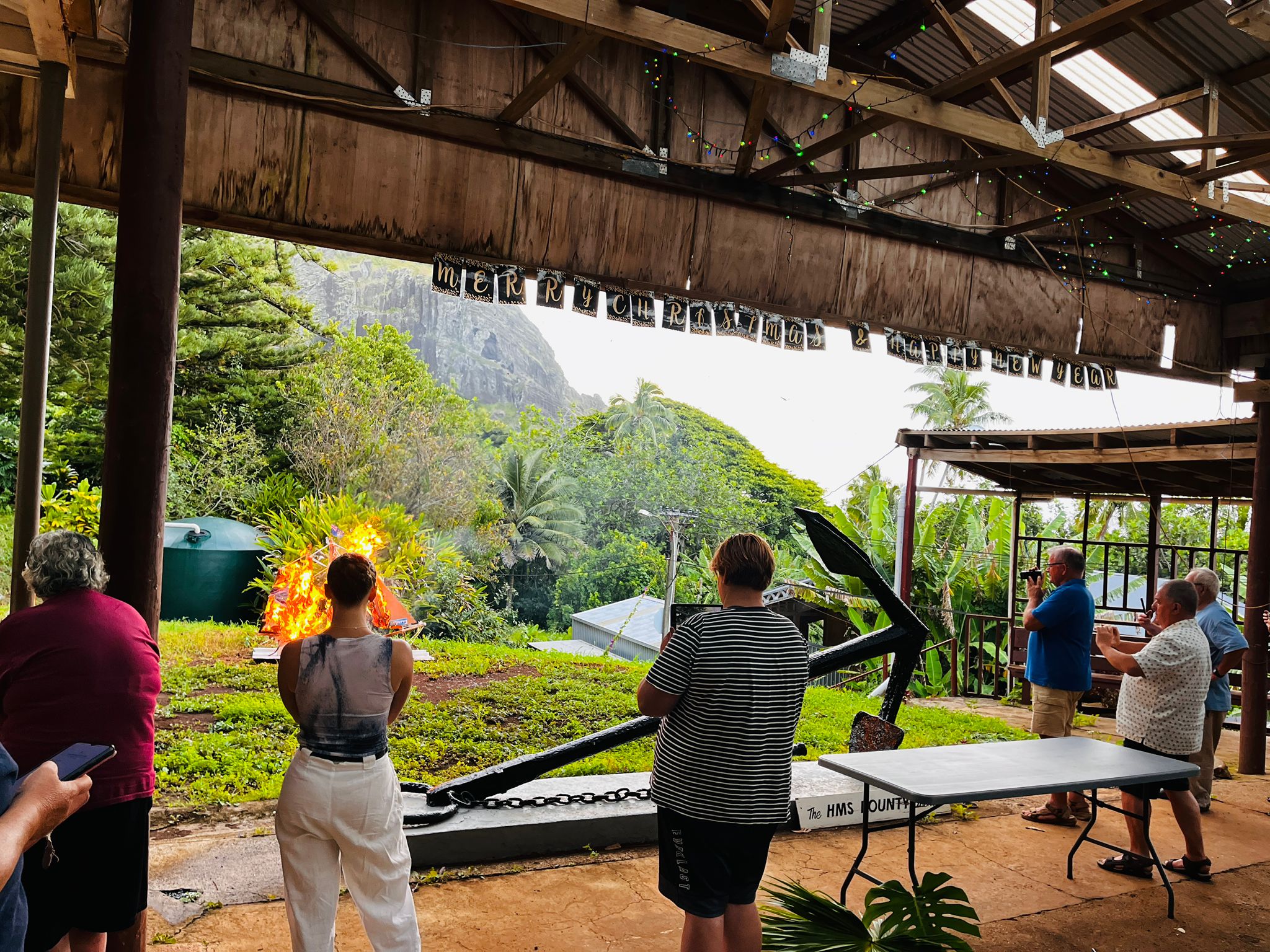
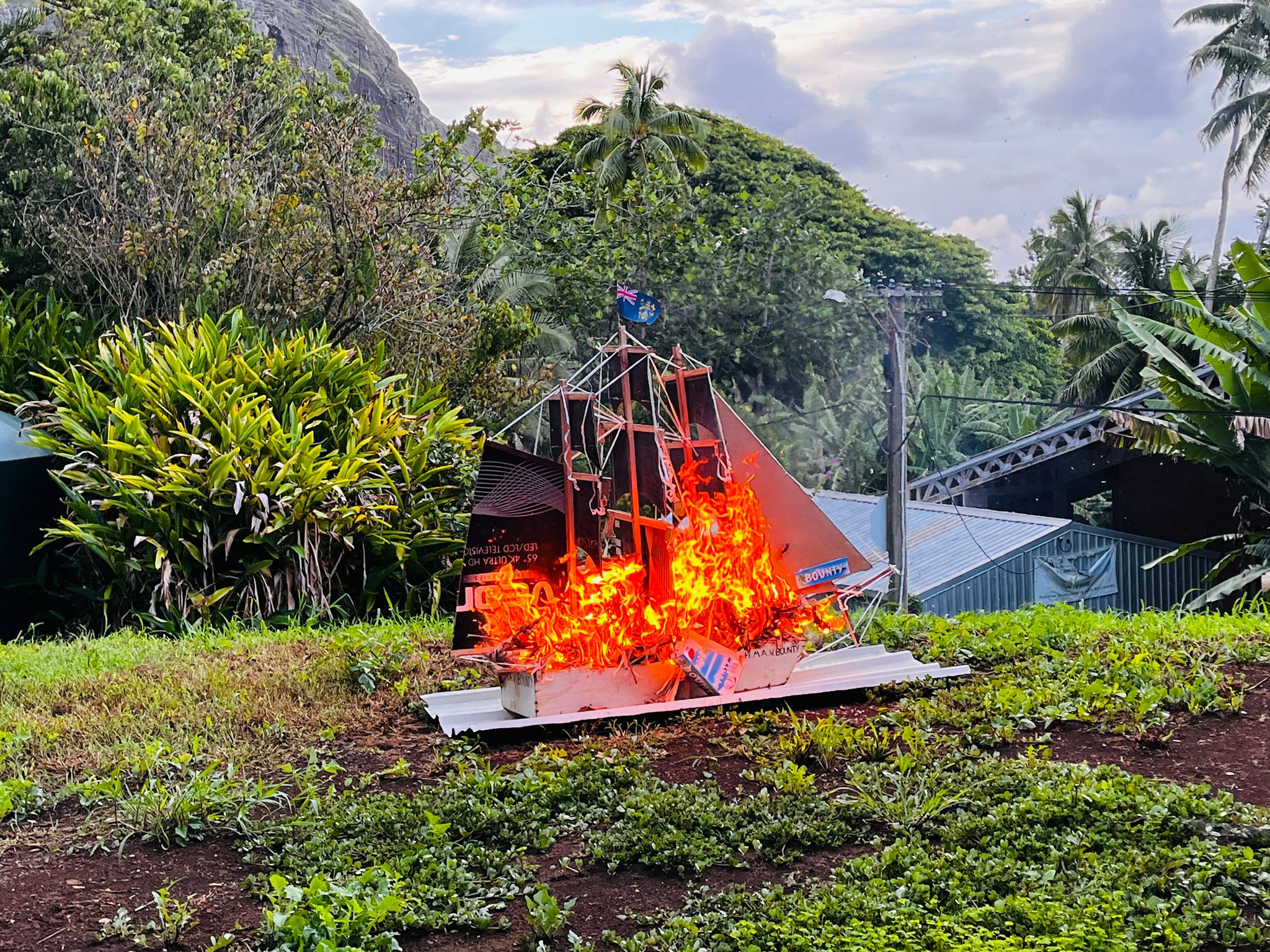
Pitcairn Island
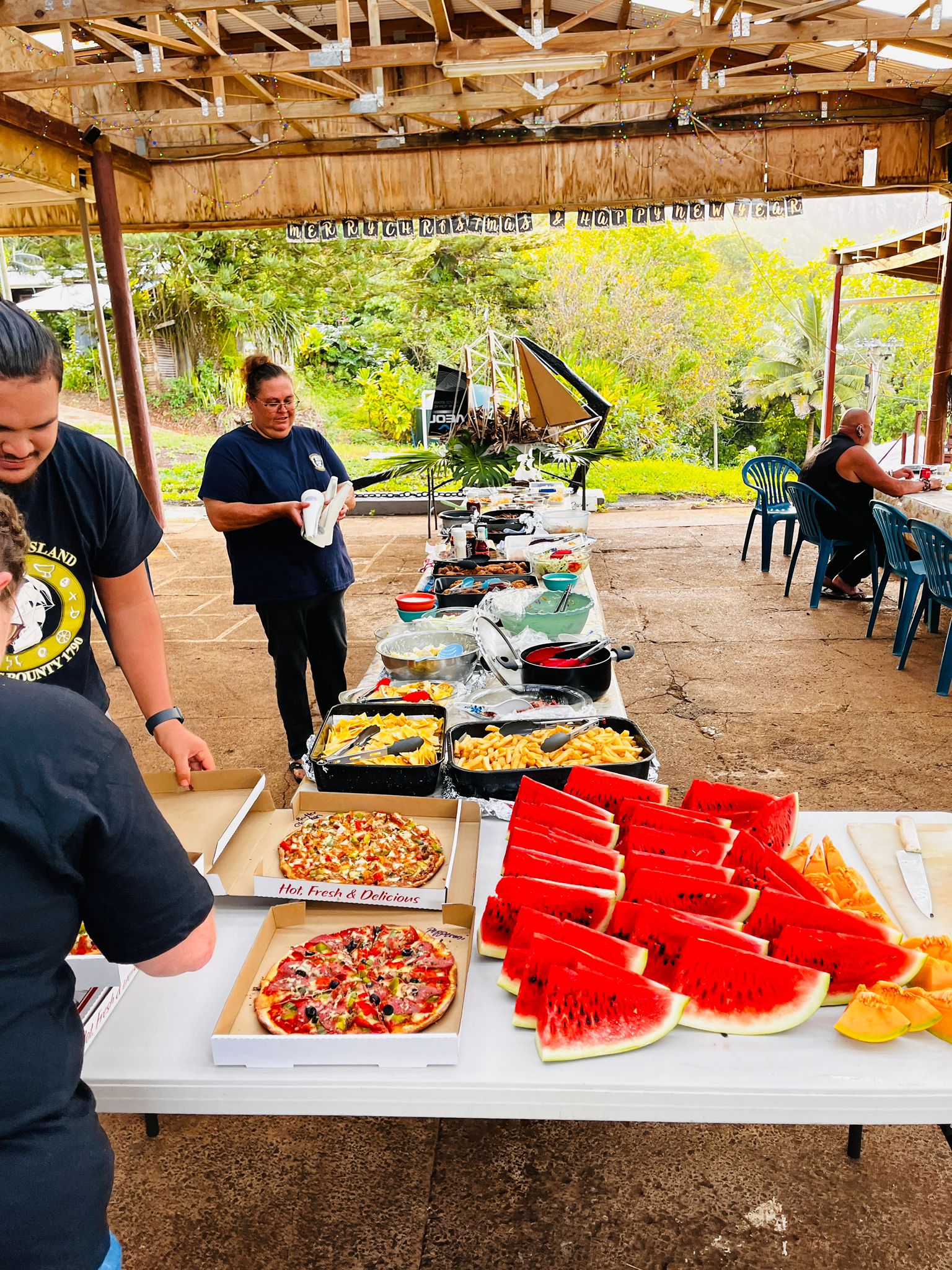
On Pitcairn itself, January 23 is a public holiday and one of the most important days on the island’s calendar. Most of today’s Pitcairn Islanders are direct descendants of the Bounty mutineers and their Tahitian companions, making Bounty Day not just historical, but deeply personal.
Norfolk Island
Bounty Day is also commemorated on Norfolk Island, though on June 8 rather than January 23. This date marks the 1856 arrival of the Pitcairn community on Norfolk Island, when Pitcairn became too small to support its growing population. Norfolk’s Bounty Day celebrates migration, survival, and shared ancestry rather than the burning of the ship itself.
Pitcairn Descendants in New Zealand
Smaller, informal observances also take place among Pitcairn descendant communities in New Zealand, where the legacy of the Bounty remains a strong part of family identity and oral history.
How Is Bounty Day Traditionally Celebrated?
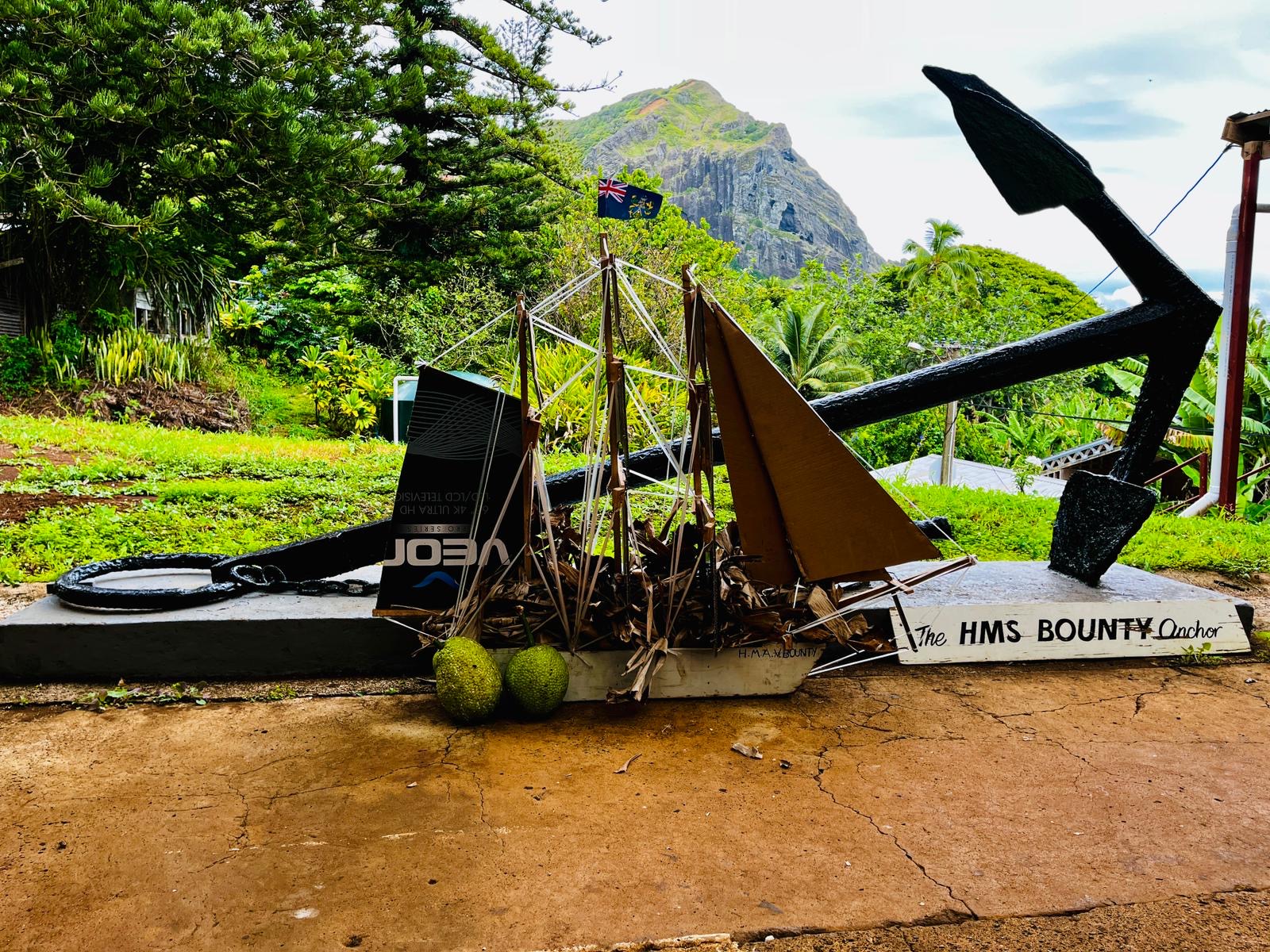
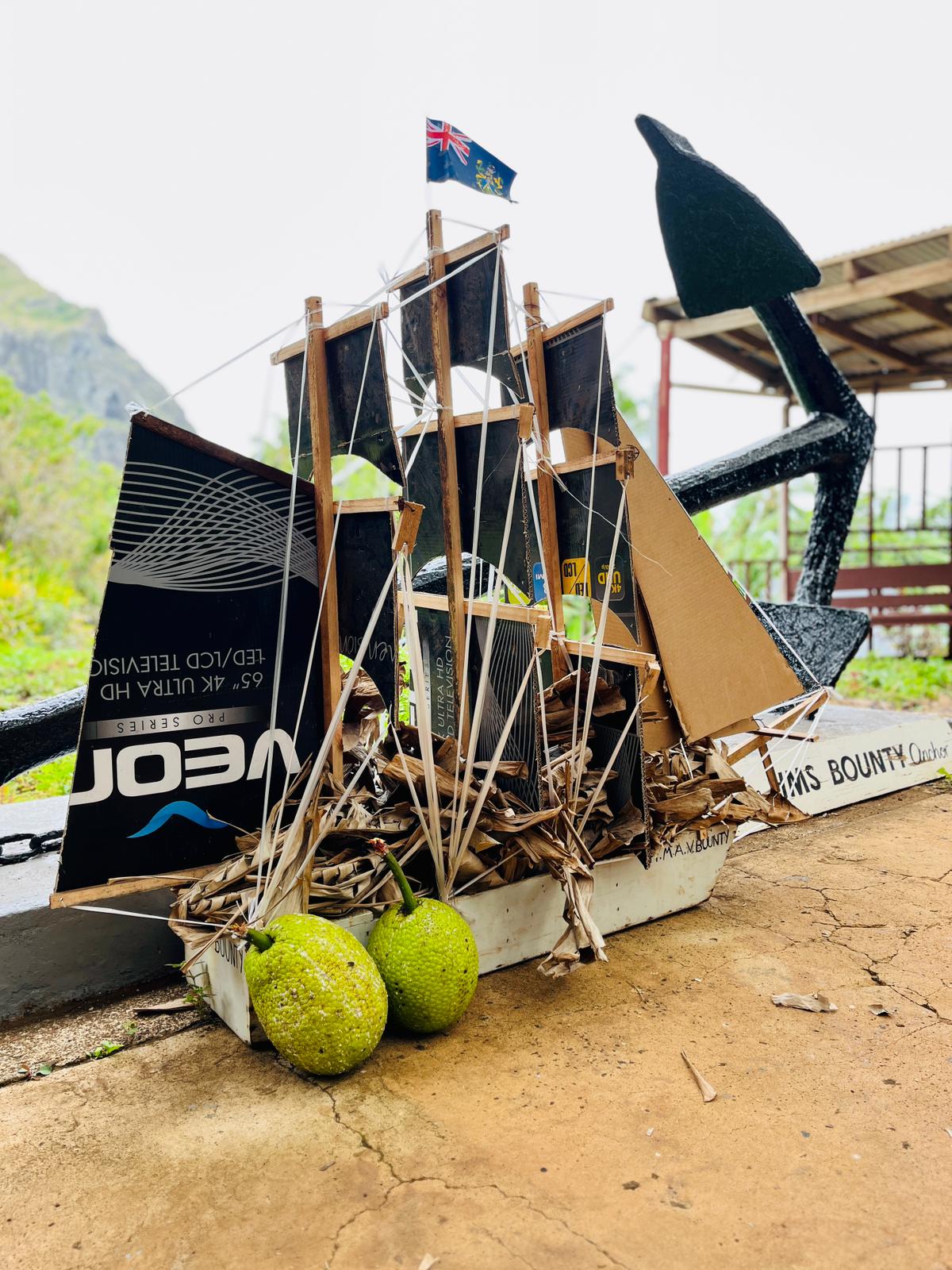
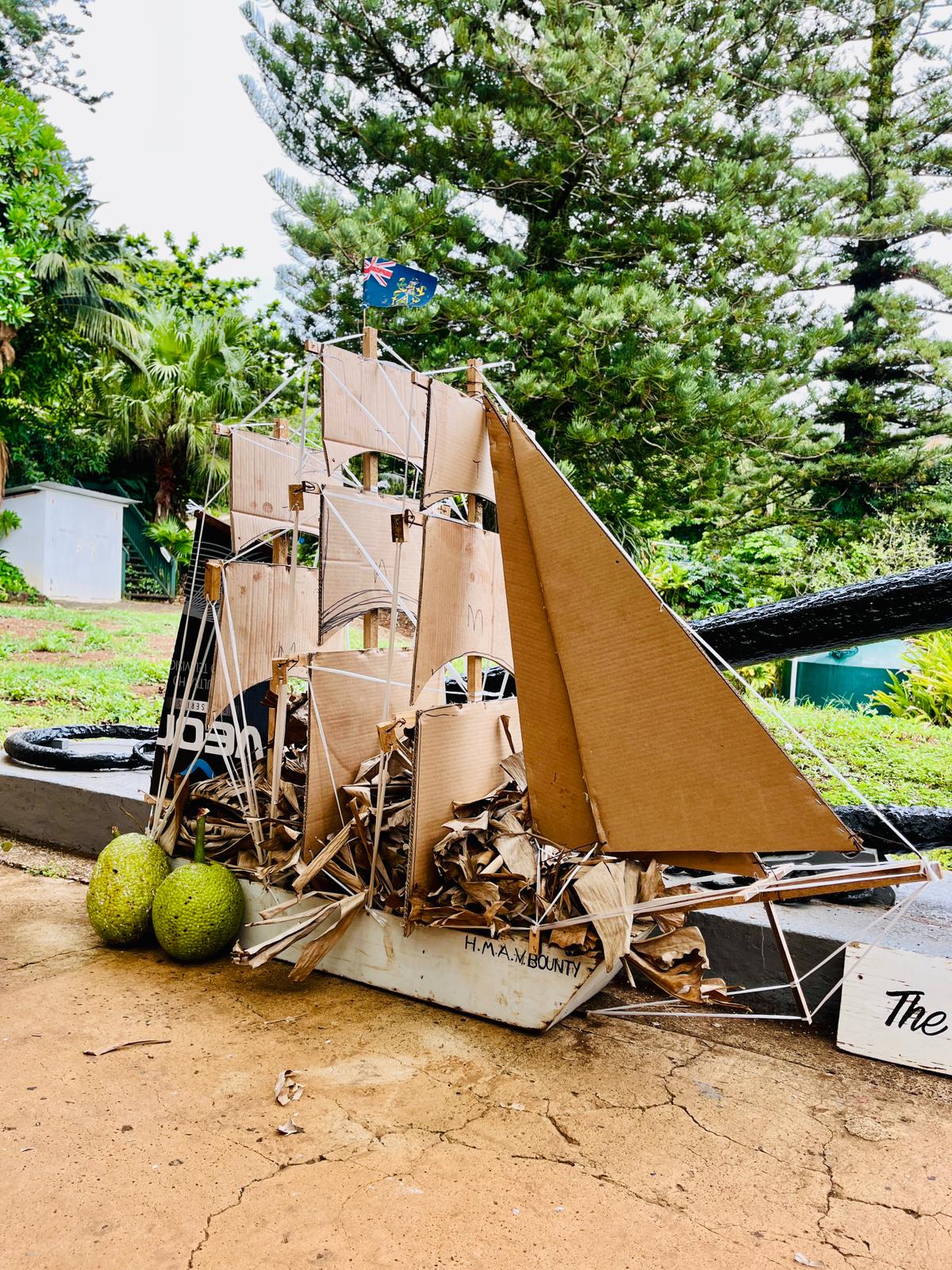
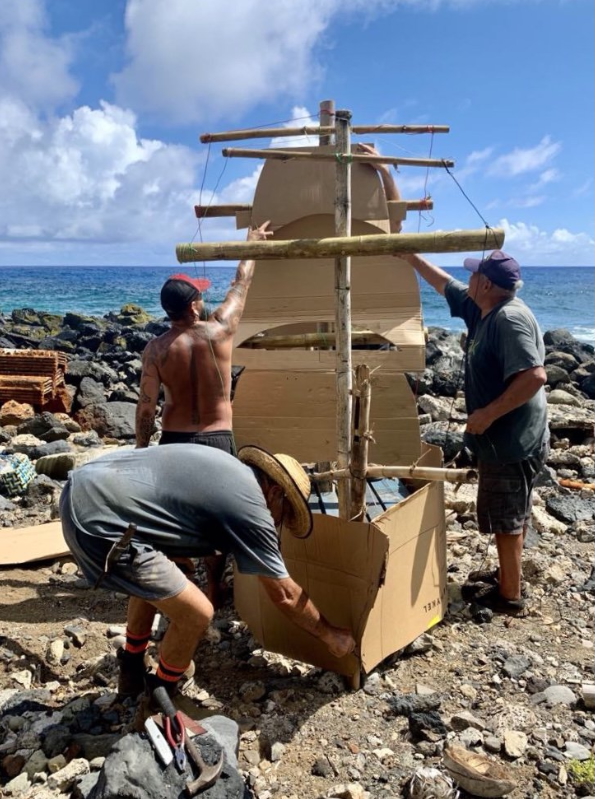
On Pitcairn Island, Bounty Day is a communal event that blends history with celebration. The focal point is the burning of a replica model of HMS Bounty, usually carried out near Bounty Bay. Islanders gather to watch as the ship is set alight, echoing the moment that sealed their ancestors’ fate more than two centuries ago.
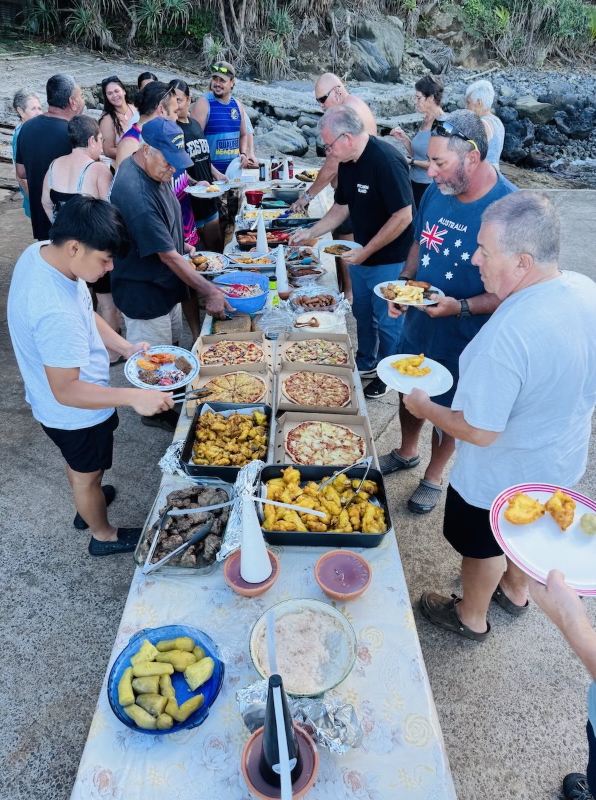
The day typically includes communal meals, social games, singing, and time spent together as a community. For visitors lucky enough to be on the island at the time, it offers a rare opportunity to witness living history in one of the most isolated places on Earth.
On Norfolk Island, celebrations are larger and more ceremonial. They often include historical reenactments, period dress, processions, hymns, and communal feasts, emphasizing the continuity of Pitcairn culture and identity in a new home.
How Can You Experience Bounty Day?
Bounty Day is not a reenactment staged for tourists. It is a living reminder of a moment when a small group of people chose isolation over punishment, and unknowingly created one of the world’s most unique societies. For travelers interested in maritime history, human resilience, and the far edges of the map, it remains one of the Pacific’s most compelling cultural observances.
You can experience Bounty Day on Pitcairn Island on YPT’s annual Pitcairn Cruise Tour which is scheduled to coincide with Bounty Day celebrations!
About Post Author