If you are heading to Georgia, the first thing to realise is that the language will kick your ass if you underestimate it. Georgian is nothing like Russian, English or Turkish.
It has its own alphabet, its own pronunciation, its own rules, and it refuses to compromise. This is survival language for anyone wandering Tbilisi, Kazbegi, Batumi or any of the rural backwaters.
Click to read about Bills as a business hub.
Table of Contents
Origins of the Georgian Language
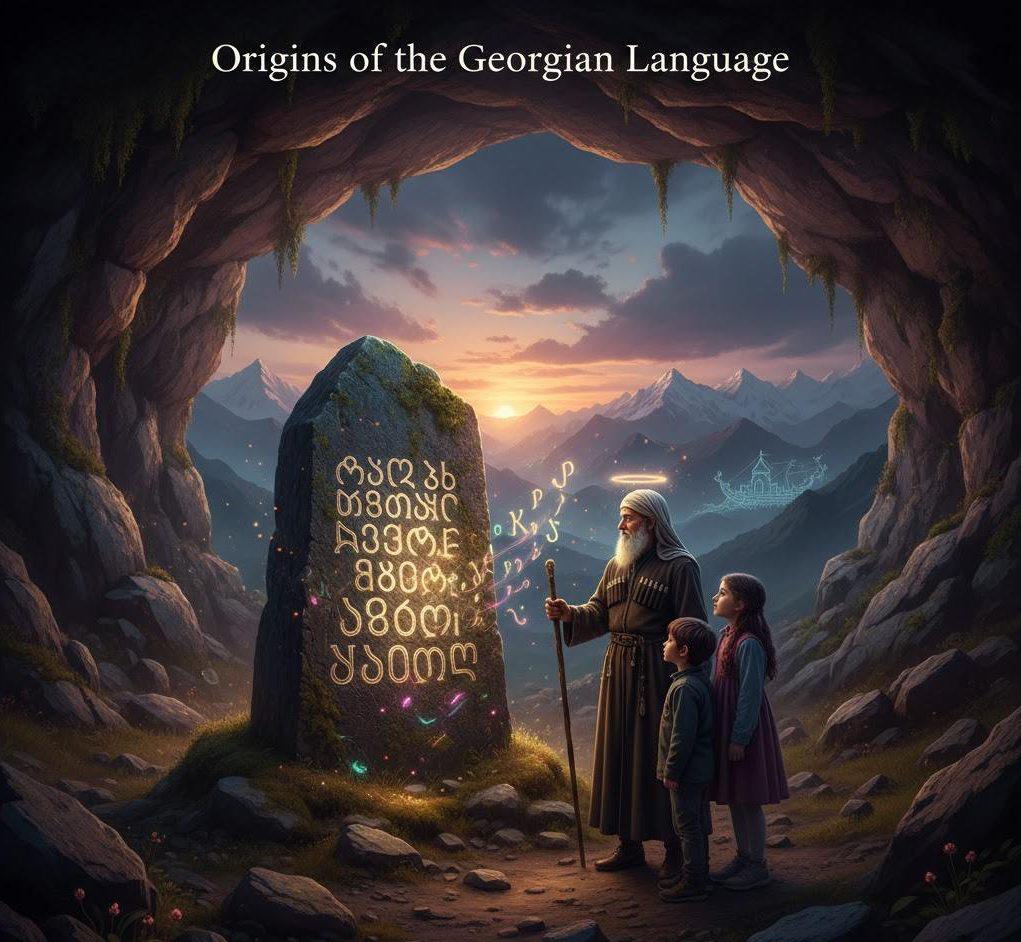
Georgian belongs to the Kartvelian language family. Its closest relatives are Mingrelian, Laz, and Svan. These are all spoken in pockets of Georgia, but Georgian proper is the national language. Written Georgian has been around since at least the fifth century.
Over the centuries, it survived Persian, Ottoman, Mongol, and Russian rule, keeping its structure largely intact. Loanwords crept in from Arabic, Persian, Turkish, and Russian, but Georgian grammar remained stubbornly Georgian. Learning to speak it is not optional if you want to understand street signs, menus, or even ask for directions in remote villages.
The Georgian Script
The Georgian alphabet is called Mkhedruli. Unlike most alphabets, it has no capital letters. Each letter looks the same whether it’s on a road sign, a restaurant menu, or an official government document. The alphabet is completely phonetic: what you see is what you pronounce. If you get it wrong, people will understand you, but it will mark you as a tourist immediately. There are 33 letters. Some consonants are hard, some are aspirated, some are glottal stops. It’s complex, but once you learn it, you can read almost anything in Georgia.
The Georgian Alphabet
ა a
ბ b
გ g
დ d
ე e
ვ v
ზ z
თ t
ი i
კ k
ლ l
მ m
ნ n
ო o
პ p
ჟ zh
რ r
ს s
ტ t hard
უ u
ფ p aspirated
ქ k aspirated
ღ gh
ყ q glottal
შ sh
ჩ ch
ც ts
ძ dz
წ ts hard
ჭ ch hard
ხ kh
ჯ j
ჰ h
This alphabet may look intimidating, but it is actually far easier than memorising 26 letters with capitals and lowercase forms. Each letter is consistent. Once you know them, you can read street signs, menus, and government forms with minimal confusion.
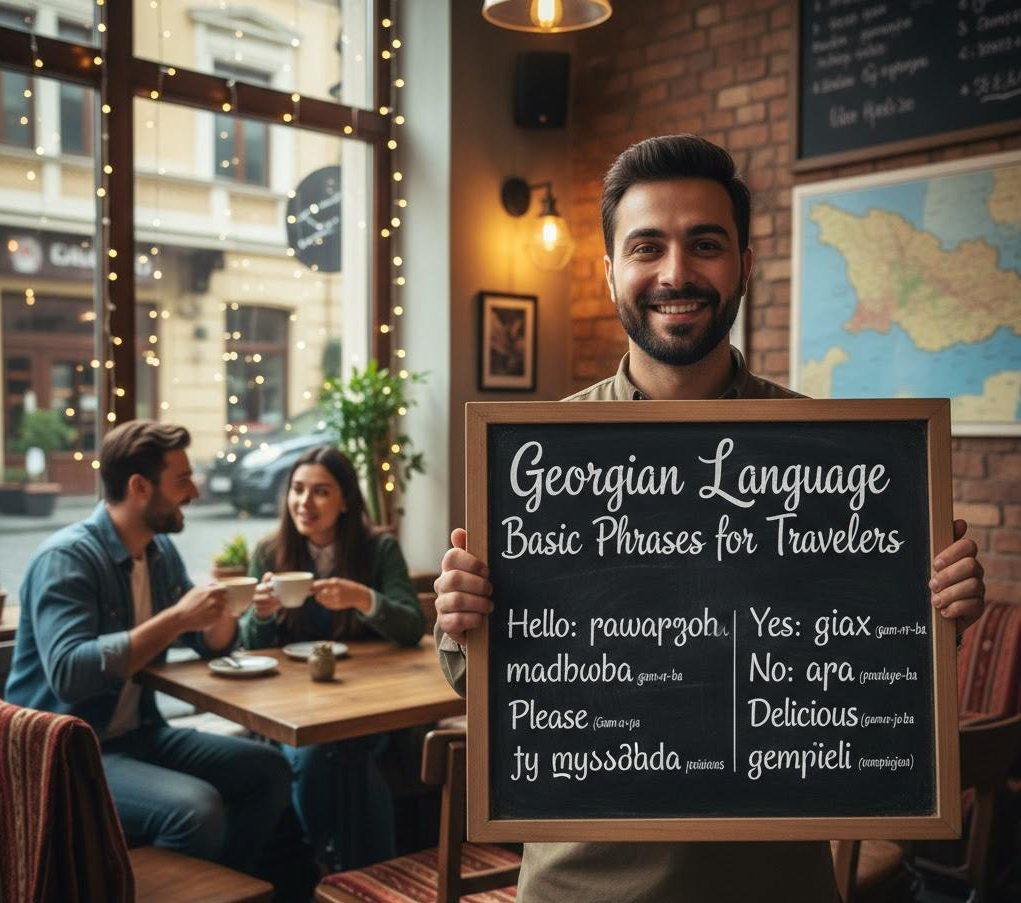
Basic Phrases for Travellers
Hello
გამარჯობა
Gamarjoba
Goodbye
ნახვამდის
Nakhvamdis
Please
გთხოვ
Gtkhov
Thank you
მადლობა
Madloba
Yes
კი
Ki
No
არა
Ara
Excuse me
უკაცრავად
Ukatsravad
Sorry
ბოდიში
Bodishi
How are you
როგორ ხარ
Rogor khar
I am fine
კარგად ვარ
Kargad var
What is your name
რა გქვია
Ra gkvia
My name is
მე მქვია
Me mkvia
Do you speak English
ინგლისურად ლაპარაკობ
Inglisurad laparakob
A little
ცოტა
Tsota
Food and Drink Phrases
Beer
ლუდი
Ludi
Wine
ღვინო
Ghvino
Water
წყალი
Tskali
Meat
ხორცი
Khorts’i
Bread
პური
Puri
Cheese
ყველი
Qveli
Delicious
გემრიელია
Gemrielia
The bill please
ანგარიში თუ შეიძლება
Angarishi tu sheidzleba
Too expensive
ძალიან ძვირია
Dzalian dzviria
Directions and Transport
Where is
სად არის
Sad aris
Left
მარცხნივ
Martsxniv
Right
მარჯვნივ
Marjvniv
Straight ahead
პირდაპირ
Pirdapir
Bus
ავტობუსი
Avtobusi
Train
მატარებელი
Matarebeli
Taxi
ტაქსი
Taksi
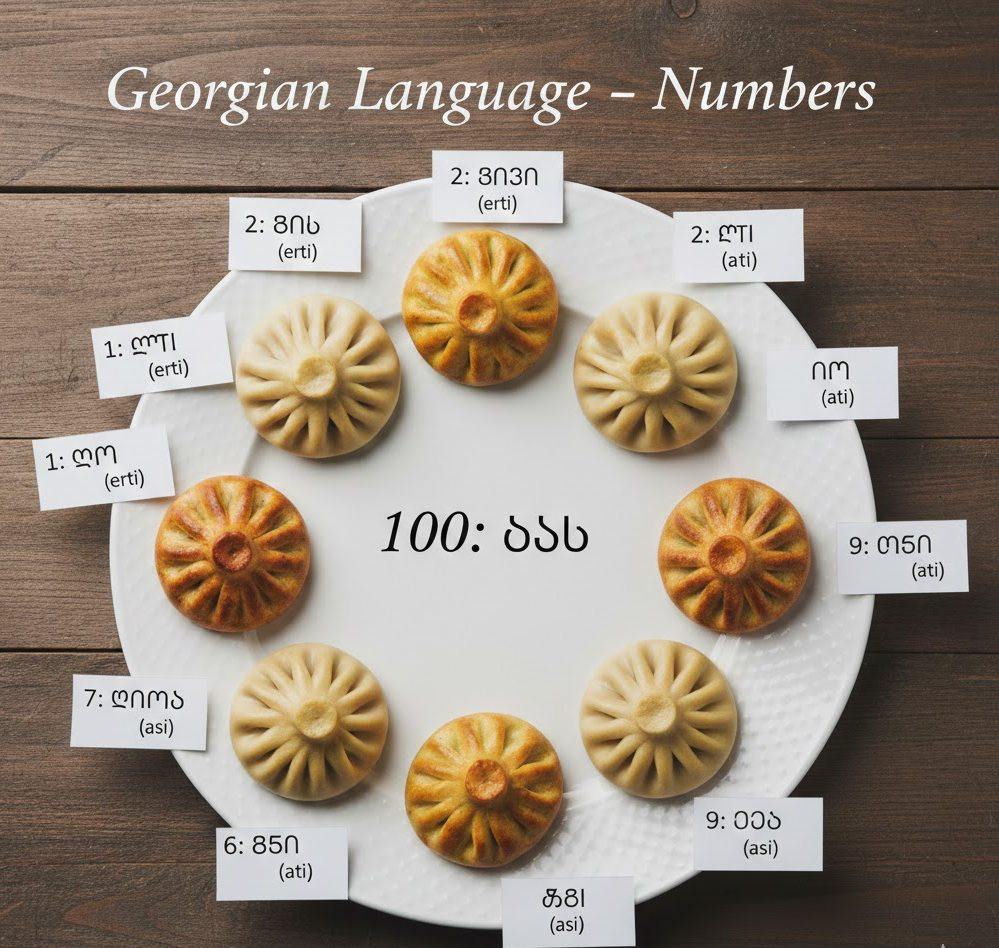
Numbers
One
ერთი
Erti
Two
ორი
Ori
Three
სამი
Sami
Four
ოთხი
Otkhi
Five
ხუთი
Khuti
Six
ექვსი
Ekvsi
Seven
შვიდი
Shvidi
Eight
რვა
Rva
Nine
ცხრა
Tsxra
Ten
ათი
Ati
Georgian Grammar
Verbs change depending on tense, subject, and object. Word order is flexible, but typically Subject-Object-Verb. Consonant clusters are common. There are no silent letters. Cases exist: nominative, ergative, dative, genitive, instrumental. For practical travel, focus on basic tenses: present, past, future. Reading phonetically will get you through most situations.
History and Cultural Notes
Georgian has a long history. The earliest texts were religious: the Bible, hymns, and inscriptions in monasteries. Mkhedruli script gradually replaced older scripts called Asomtavruli and Nuskhuri. Today, Mkhedruli is everywhere: government, literature, advertisements, and graffiti. Despite centuries of occupation, Georgian remained the glue that held the country together. Knowing a few words will get you smiles in every village, especially outside Tbilisi.
Special Notes on Pronunciation
The most difficult sounds for outsiders are:
- ყ (q) – glottalised
- ჭ (ch hard) – very strong aspirated
- ღ (gh) – voiced, like the French r
- ხ (kh) – like Scottish loch
Vowels are easy: a, e, i, o, u. Each is pronounced clearly. Georgian is fast-paced, so prepare to have your ears rattled in Tbilisi markets or Kutaisi streets.
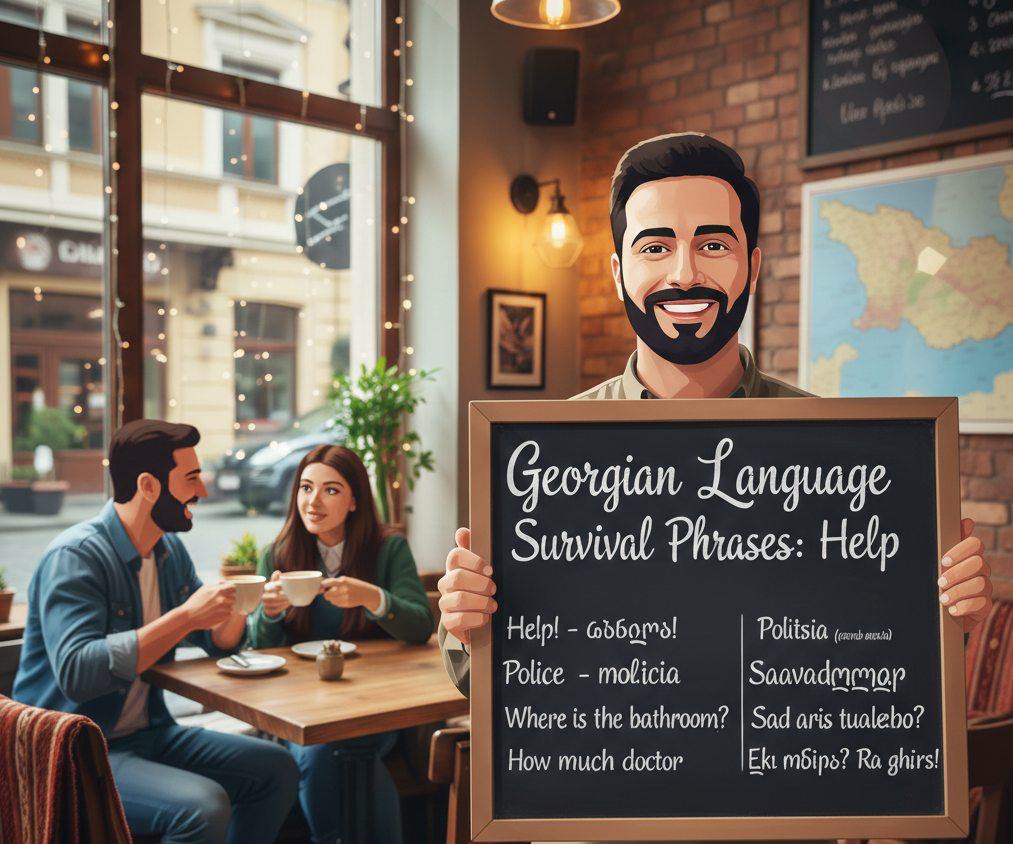
Useful Survival Phrases
Help
დახმარება
Dakhmareba
Police
პოლიცია
Politsia
Hospital
ავადმყოფი
Avdmakhobi
Where is the bathroom
სად არის ტუალეტი
Sad aris tualeti
I need a doctor
მჭირდება ექიმი
Mits’rdinebi eqimi
How much is this
რამდენია ეს
Ramdenia es
Travel Tips
Signs in English exist in Tbilisi, Batumi, and some airports. In rural Georgia, knowing phrases is essential. Markets, guesthouses, taxis, and restaurants often have staff with no English. Ask slowly. Repeat slowly. If you master Gamarjoba, Madloba, and Rogor khar, you’ll be fine.
Click to read about the best English breakfast in Tbilisi,
Summary on Georgian Language
Georgian is a unique language, difficult to pronounce at first, with a completely separate alphabet. Once you learn the 33 letters of Mkhedruli, the pronunciation of consonants and vowels, and basic phrases for greetings, food, numbers, and directions, you are equipped to survive anywhere in Georgia.
History, scripts, and phonetics all combine to make Georgian a language worth learning, if only for practical reasons while touring the country.
Click to see our Georgian Tours.
About Post Author