Not just the capital of the Peoples Republic of Bangladesh, but also the cultural hub for all things Bengali in the region, visiting Dhaka is an essential highlight of any trip to the country.
And while the city is a pretty crazy one for visitors it offers not just unparalleled culture and food within the region, but also some of the friendliest people on the subcontinent. Per‑capita one of the least visited capital cities on earth, but this is part of the charm, rather than part of the problem.
Table of Contents
What the Dhaka?
Dhaka is a megacity of over 24 million people packed into a chaotic mix of rickshaws, buses, markets and mosques. It began as a Mughal trading post in the 17th century and later became an important centre under British colonial rule.
After Bangladesh gained independence in 1971, it was established as the capital. Today it is a whirlwind of ancient alleys, colonial buildings, and modern business districts. The city is loud, energetic and relentless, but that’s what makes it unforgettable.
What is there to do in Dhaka?
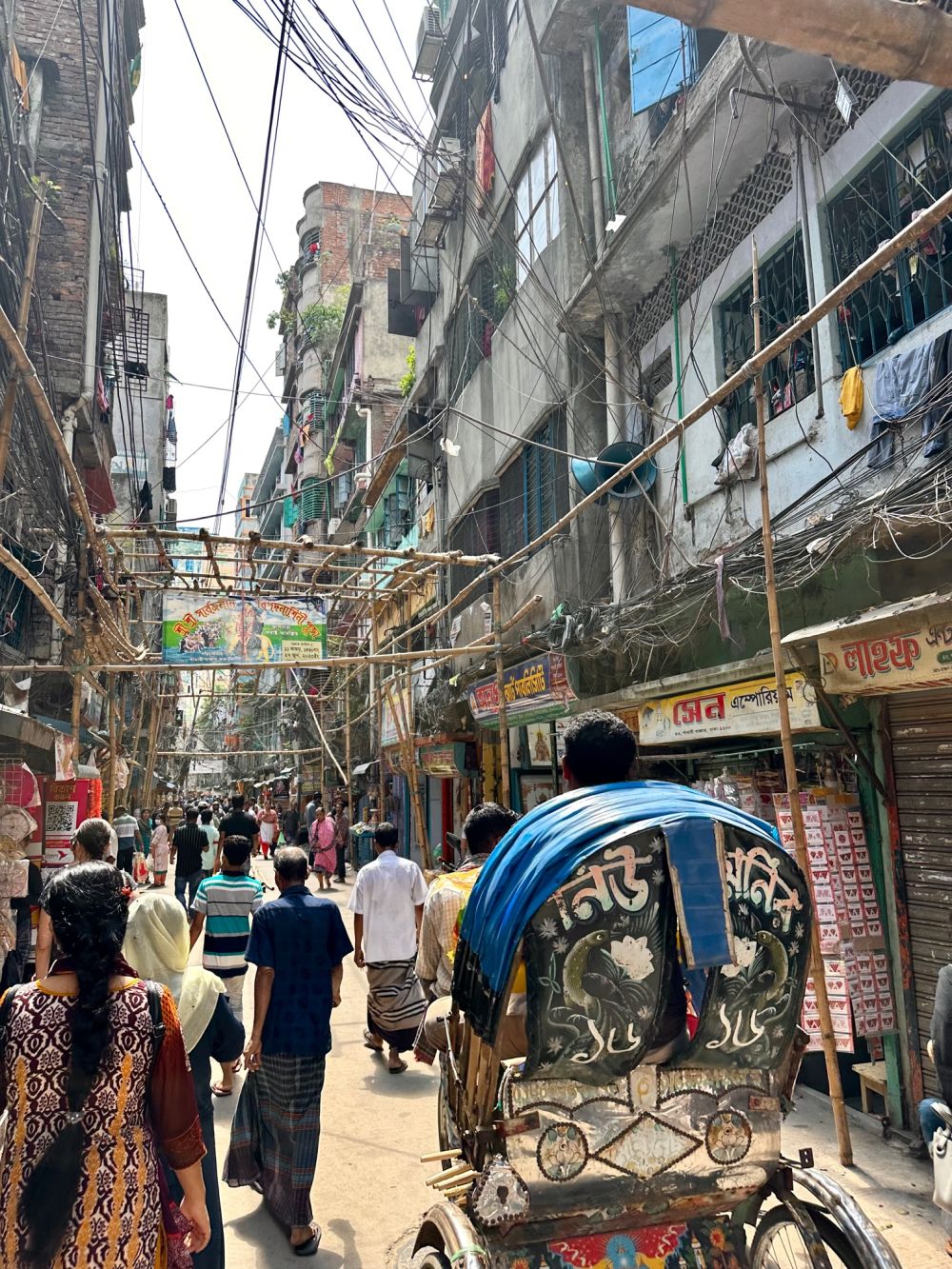
Dhaka is packed with history, culture, chaos and charm. Within the maze of streets and rickshaws, you can explore centuries-old forts, grand palaces, impressive museums, sprawling parks and the bustling riverfront. The trick is to get out early, beat the heat and traffic, and dive into the city’s vibrant energy.
Lalbagh Fort
A 17th century Mughal fort with gardens and ruined palace structures. Ideal to visit early in the morning to avoid the heat and crowds. Locals and pigeons add life to the courtyards.

Ahsan Manzil
The Pink Palace on the Buriganga River, home to the Nawabs of Dhaka. Its flamboyant architecture makes it perfect for photos and wandering the museum rooms.

Bangladesh National Museum
A comprehensive museum covering the country’s history, art, and culture. You can spend hours exploring exhibits on archaeology, ethnography, and liberation history.

Ramna Park
A peaceful oasis in central Dhaka. Wide lawns, shady trees, and a large lake make it perfect for a quiet walk or picnic.
Bahadur Shah Park
An old colonial-era park in Old Dhaka with monuments and open spaces. Great for an evening stroll and people watching.

Eating in Dhaka
Dhaka cuisine is rich, bold and deeply Bengali. Expect lots of rice, fish, lentils, and slow-cooked meat curries, plus the iconic hilsa fish. Biryanis, bhuna khichuri, kacchi meat dishes, and sweet desserts like roshogolla are everywhere.
Dhaka blends traditional restaurants with modern cafés in Gulshan, Banani, Dhanmondi and Old Dhaka. The city is perfect for serious food lovers particularly if you don’t mind a curry that is a wee bit spicy.

Sultan’s Dine
House No. 13, Road 5 & 6, Dhanmondi R/A – Famous for kacchi biryani and Mughlai dishes, always busy with locals.

La Diplomat Restaurant & Bar
House No. 88, Road 25, Dhaka 1212 – Traditional Bengali dishes and a decent selection of drinks in a relaxed setting.

Sakura Restaurant & Bar
Road 8, Mohammadpur – Asian fusion and Bangladeshi classics with a chilled evening vibe.

Fish & Co. Bangladesh
Gulshan North Avenue – Seafood-centric restaurant with both local and international dishes.

Al Razzaque
Nayabazar – Long-standing local spot for traditional Bangladeshi curries and rice plates.
Street Food Dhaka
Dhaka’s street food is a chaotic, delicious spectacle. Markets and streets light up at dusk with vendors serving hot, spicy, tangy and crunchy snacks. Popular spots include Love Road in Mirpur, Chawkbazar in Old Dhaka, and areas near Dhaka University. Street food is messy, flavour-packed, and perfect for exploring the city like a local.

Fuchka
Crispy hollow balls filled with spicy water, potatoes and chickpeas. Tangy, addictive, and a must-try.

Chotpoti
A hot, tangy mix of peas, potatoes and spices. Messy but full of flavour.

Jhalmuri
Puffed rice tossed with mustard oil, peanuts, chilies, and herbs. Perfect for walking and snacking.

Singara
Deep-fried pastry pockets filled with spiced vegetables or meat. Dhaka’s answer to the samosa.

Haleem / Kebabs
Slow-cooked wheat and meat stew or grilled skewers from vendors in Old Dhaka and Mohammadpur. Filling, hearty, and spicy.
Drinking in Dhaka
Alcohol laws are strict. You cannot buy drinks in the street or consume alcohol publicly. Licensed venues in hotels and select bars serve beer, spirits and cocktails. Prices are higher than usual due to regulations. Expat areas like Gulshan and Banani have bars catering to foreigners. For non-alcoholic options, try fresh fruit juices, tea, lassi, or borhani, a spicy yoghurt drink served widely.
Bars / Venues
• La Diplomat Restaurant & Bar – local dining with drinks
• Sakura Restaurant & Bar – casual dinner and drinks
• Hotel bars in Gulshan and Banani – licensed, safer, and more comfortable

Sleeping in Dhaka
Hotels range from luxury international chains to boutique and mid-range options. Location is key because traffic is terrible. Gulshan and Banani are best for dining and nightlife, Dhanmondi for local food. Larger hotels provide security, food, and licensed bars. Expect clean rooms, good service, and convenient bases to explore the city.
Westin Dhaka – Gulshan Avenue
High-end hotel with large rooms, restaurants, and a comfortable bar.

Hilton Dhaka – Gulshan Avenue
Modern property with lounges, restaurants, and spacious rooms.
Pan Pacific Sonargaon Dhaka – City Centre
Classic Dhaka hotel with pool, restaurants, and easy access to major sights.

Getting out of Dhaka Guide
Dhaka is chaos, traffic, horns, and the centre of everything in Bangladesh, but it’s also the hub that will get you anywhere you want to go. Hazrat Shahjalal International Airport is the main point for leaving the city, with flights to South Asia, the Gulf, and beyond. You can hop straight to Delhi, Kolkata, Kathmandu, Bangkok, Dubai, or Doha. Domestic flights are cheap, frequent, and the only sane way to cover long distances. Chittagong, Sylhet, Rajshahi, Barisal, Khulna, and Cox’s Bazar are all under 90 minutes by air.
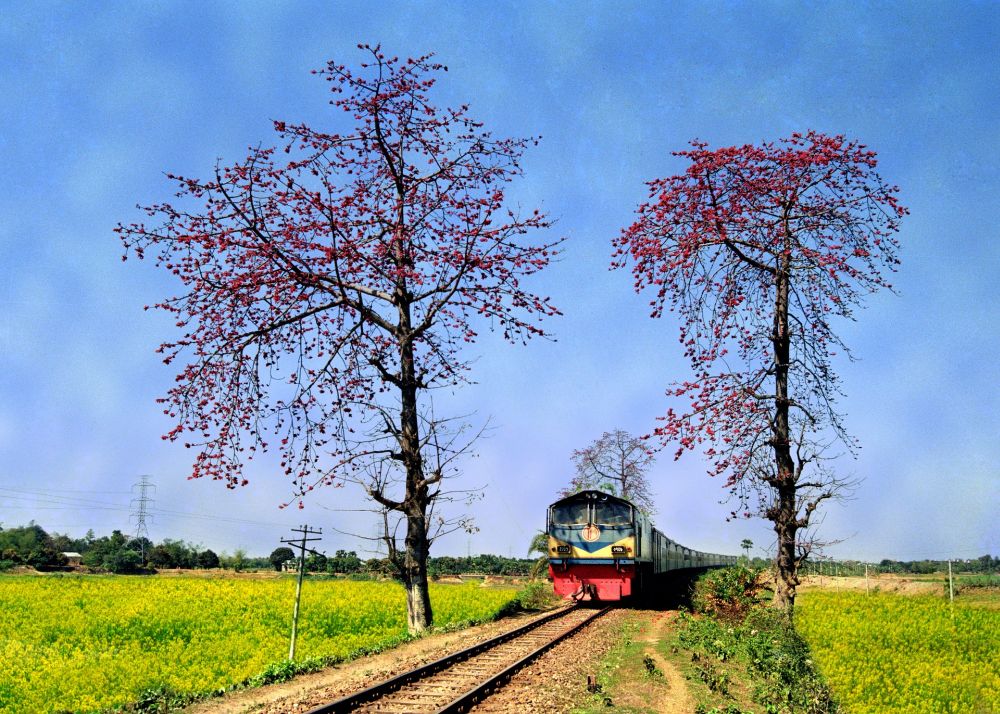
Trains are the proper adventure. Dhaka connects to Chittagong (250 km, 4–5 hours), Sylhet (300 km, 7–8 hours), Rajshahi (270 km, 6–7 hours), and Khulna (330 km, 7 hours). Pick your class: AC sleeper if you like comfort, general if you like to breathe humanity in bulk. Trains classes are not equal in Bangladesh, much like India.
Buses and cars are messy but necessary. Dhaka to Benapole border into India is about 320 km, usually 8–10 hours depending on traffic and how quickly customs feel like moving. From there you can continue to Kolkata or Assam. Regional routes also hit Comilla, Tangail, Narayanganj, and smaller towns, perfect if you want to see the countryside but be ready for chaos.
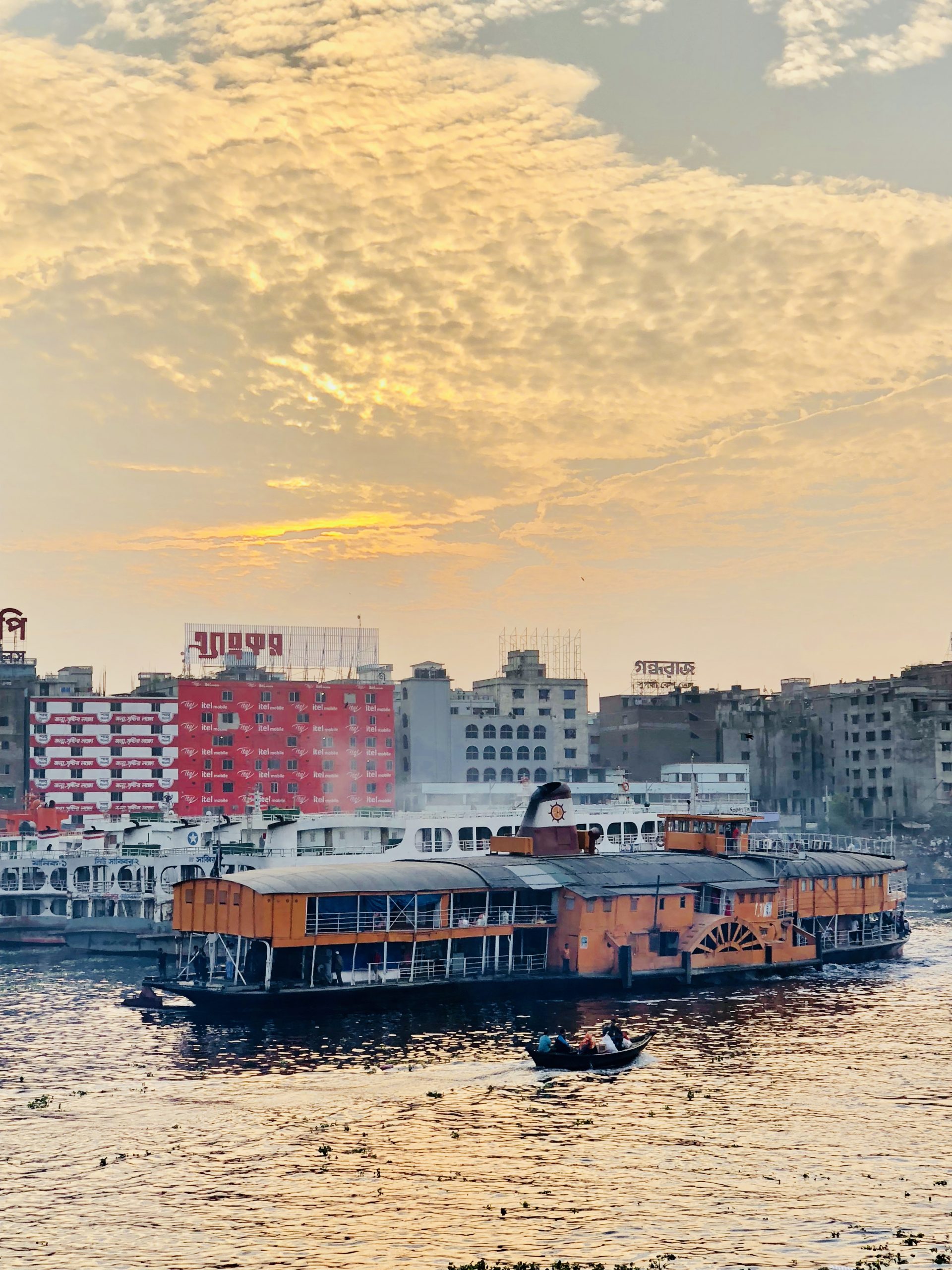
Boats and ferries are often the hidden option. From Dhaka you can take launches down the Buriganga and Padma rivers to Barisal, Khulna, or Chandpur. These trips can take 6–12 hours depending on boat class and river conditions, but they’re scenic, local, and perfect if you want a slow, authentic journey. Overnight ferries exist for the further south routes, and cargo launches carry passengers if you’re flexible and tough.
Overland adventures are common from here. People use Dhaka as a launchpad into West Bengal or Assam. Expect roadblocks, slow trucks, and hours of horn-filled highways, but it’s the authentic experience. Dhaka is a city that beats you up and spits you out somewhere else, ready for the next leg of your journey.
Conclusion
So, that’s our guide to Dhaka, one of our favorite cities in one of our favorite countries and indeed a place where we will be expanding with more tours. A place you can really let your hair down and embrace Bengali and Bangladeshi culture.
Click to see our Bangladesh Tours.
About Post Author