With so much war and hostilities happening around the world, it’s easy to get thrown out of the loop on some of the less-reported ones.
Initially when Thailand and Cambodia resurfaced their long-standing disputes, it was given some spotlight, but soon fell into the background in the Western media.
I’m sure many were left with an unsafe feeling about this area and might miss out on an amazing adventure due to false perceptions.
Let’s dive into the situation a little from the insight of an expat having lived here through the recent upheaval.
Table of Contents
Where it all started
Thai-Cambodian border disputes have been ongoing for more than a century, originating from colonial-era treaties in the early twentieth century that left large sections of the border poorly defined and open to interpretation.
These unclear boundaries have repeatedly caused tension between the two countries. One of the most significant causes of this long-running conflict occurred in 1962, when the International Court of Justice ruled that the Preah Vihear temple belonged to Cambodia.
This decision has since been frequently cited as a central source of dispute, as the surrounding land and access routes remain contested.
Tensions resurfaced dramatically between 2008 and 2011 after UNESCO listed the temple as a World Heritage Site, triggering armed clashes and diplomatic strain.
The most recent escalation took place in May 2025, when a fatal clash between soldiers ignited a new crisis, leading to increased military buildup on both sides of the border and the eventual full closure of land crossings on 23rd June 2025.
Impact on Cambodia
During this latest conflict, both countries have faced serious humanitarian and social consequences.
When fighting hit its peak in December 2025, more than 600,000 people were displaced within Cambodia alone. At the same time, roughly 900,000 (out of an estimated 1,2 million total) Cambodian migrant workers living in Thailand have had to return home, placing additional pressure on local communities and the national economy.
The conflict also severely disrupted education, with over 1,300 schools in affected areas forced to close.
Even as of now in early February, approximately 110,000 Cambodian people remain unable to return to their homes, remaining displaced due to property damage, unexploded ordnance, and ongoing uncertainty. Highlighting the long-term impact of the violence beyond the immediate clashes.
Impact on tourism
The unrest has also had a harsh effect on the tourism industry.
While some travellers may reconsider visiting the region due to safety concerns, the closure of land borders between Thailand and Cambodia has been particularly damaging for Cambodian tourism.
These land crossings are a crucial and cost-effective route for tourists, especially backpackers, who often travel between the two countries due to their popularity within the budget travel community.
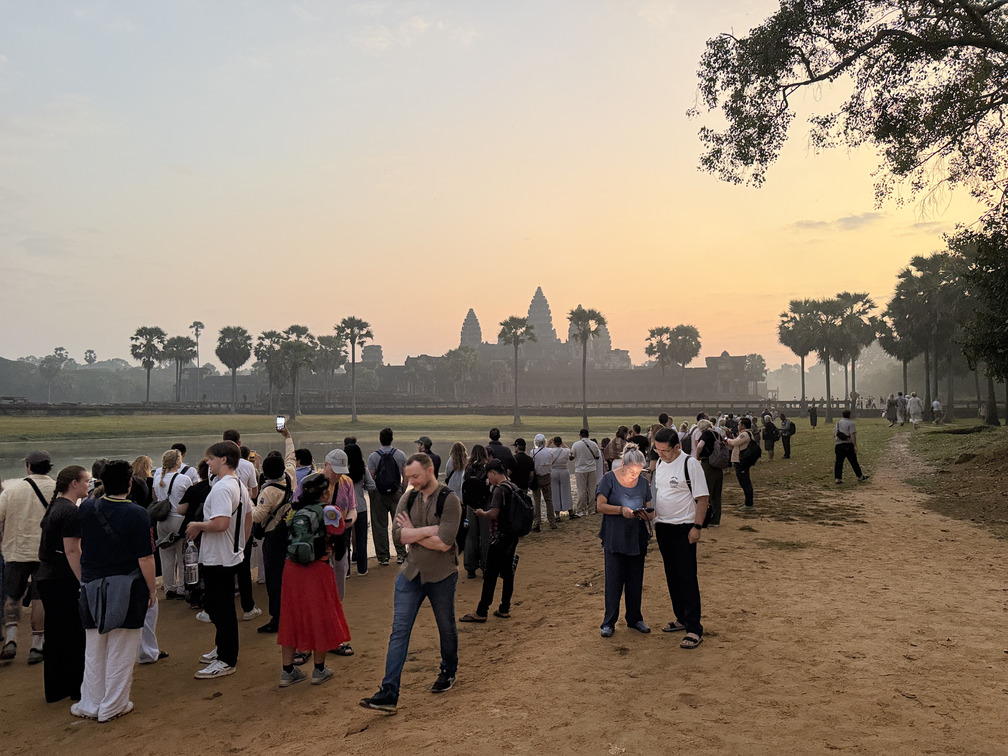
From my own experience living in Cambodia, having just travelled in the country, and speaking with local people, it is easy to notice the difference compared to the period before the conflict resurfaced.

Fewer travellers, reduced cross-border movement, and growing economic uncertainty are all visible signs of how deeply the renewed tensions have affected everyday life.
Is it safe to travel to Cambodia?
Even as the hostilities have negatively affected the tourism of this beautiful country, it is, without a doubt, still a worthwhile and safe destination to choose.
Bearing in mind that while the clashes seem to be dying down and the situation appears to be easing, it is not recommended to travel within the affected areas.
The larger tourist sites and the vast majority of the country continue to offer a safe and welcoming atmosphere.
When will the land crossings open, and how to get there
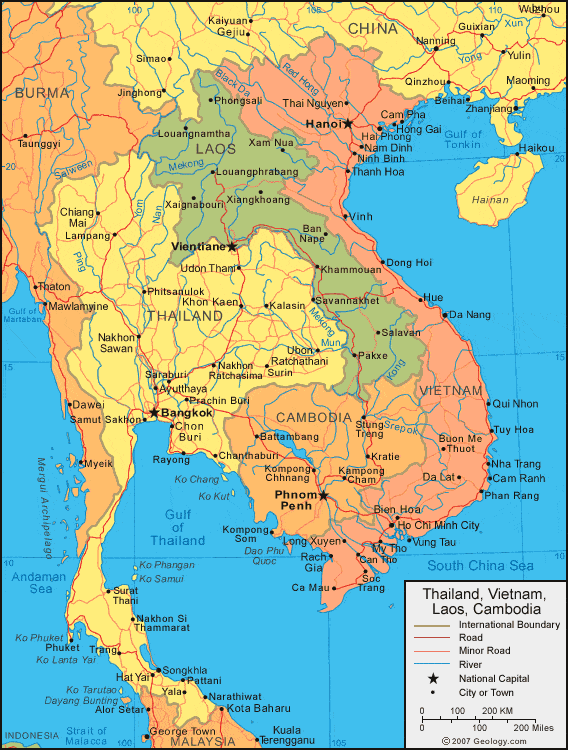
As of now (early February), the only direct way to get here from Thailand is still by plane, since flights remain unaffected and are operating normally.
Another route is to use Laos as a transit point and then continue overland into Cambodia through a land crossing from there.
As for the land crossings between Thailand and Cambodia, there is still no solid information or expected time frame on the situation. The crossings remain closed.
The good news is that a ceasefire has been in effect since late December and has brought with it more sense of safety and stability.
We remain in high hopes that the situation will be resolved promptly, and the backpacker highway between these two countries could reopen as soon as possible.
Click to see our Cambodia Tours
About Post Author