With our tours to both Sikkim and Assam originating from Siliguri in West Bengal, traveling to Calcutta, or indeed taking the train from Siliguri to Calcutta and vice versa, is an excellent add on for the trip.
How though easy is it to take the train from Siliguri to Calcutta, what is the cost and is it a great journey, or more hell on earth? As always the answer is somewhat nuanced, hence why we have put together this guide.
Click to read about taking the train in Vietnam.
Table of Contents
Getting to Siliguri Guide
Siliguri and its train stations, as well as Bagdogra Airport, are exceptionally well connected to India and a few international countries. Train wise you can get pretty much anywhere in the country, including the ride to New Delhi which I have previously taken.
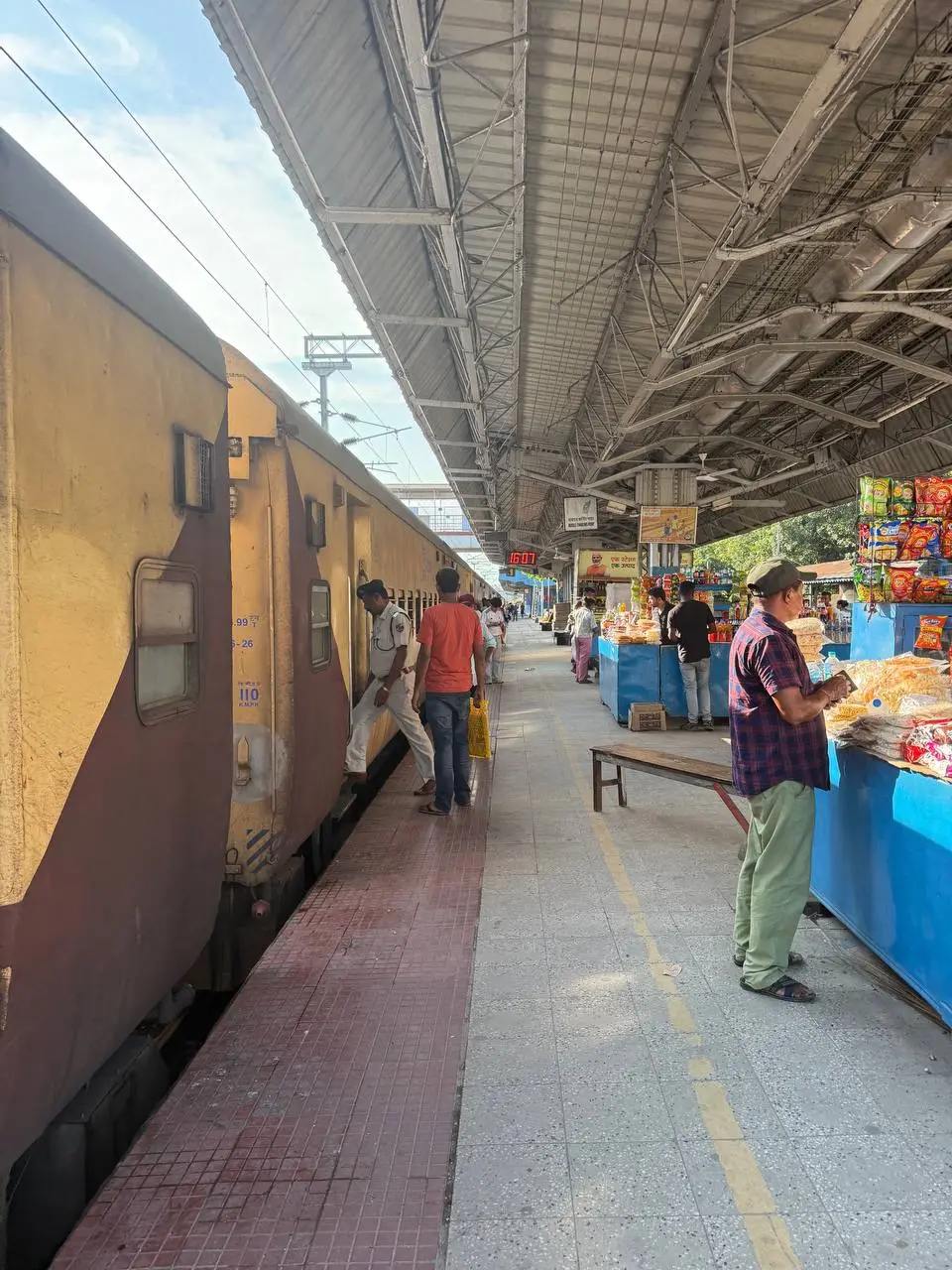
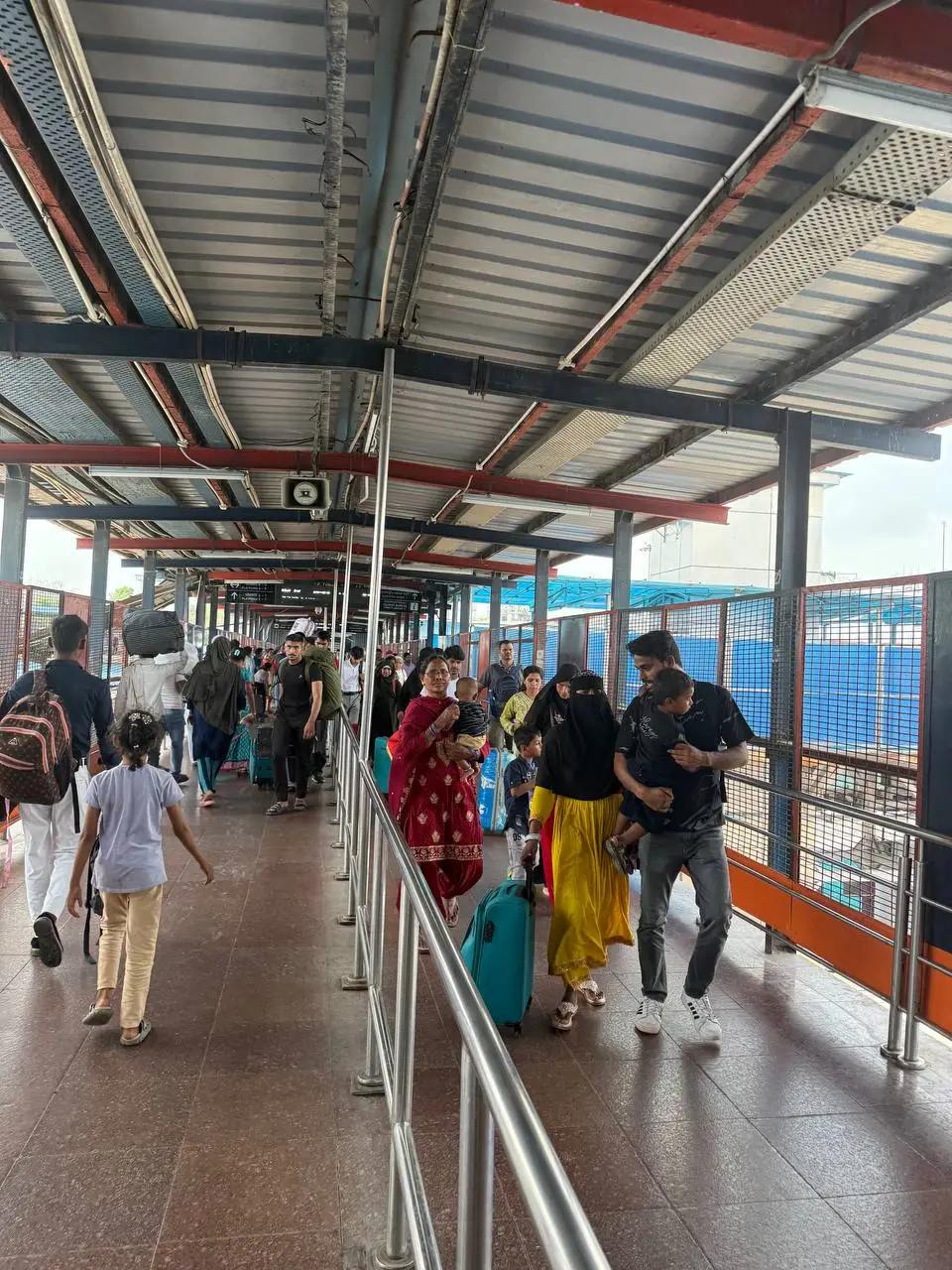
The main rail hub here is New Jalpaiguri, better known as NJP, which stands for New Jalpaiguri railway station. This is where most long distance trains start and finish. There is also Siliguri Junction railway station, which is smaller and in many ways easier to deal with if you are already in town.
Bagdogra Airport, officially Bagdogra Airport, is connected to all major Indian cities, as well as internationally to Bhutan and Nepal, usually via one change. This is because Siliguri is the gateway to Sikkim, Darjeeling and even to a degree Bhutan. That though is not to say it is a great place itself, with us even putting it on the Shit City list.
Click to read about Siliguri.
Siliguri to Calcutta Trains
There are actually a number of trains connecting these two cities, via both NJP and Siliguri Junction station. If you get the option then the latter is the easier of the two in terms of size and general chaos, but NJP has far more departures.
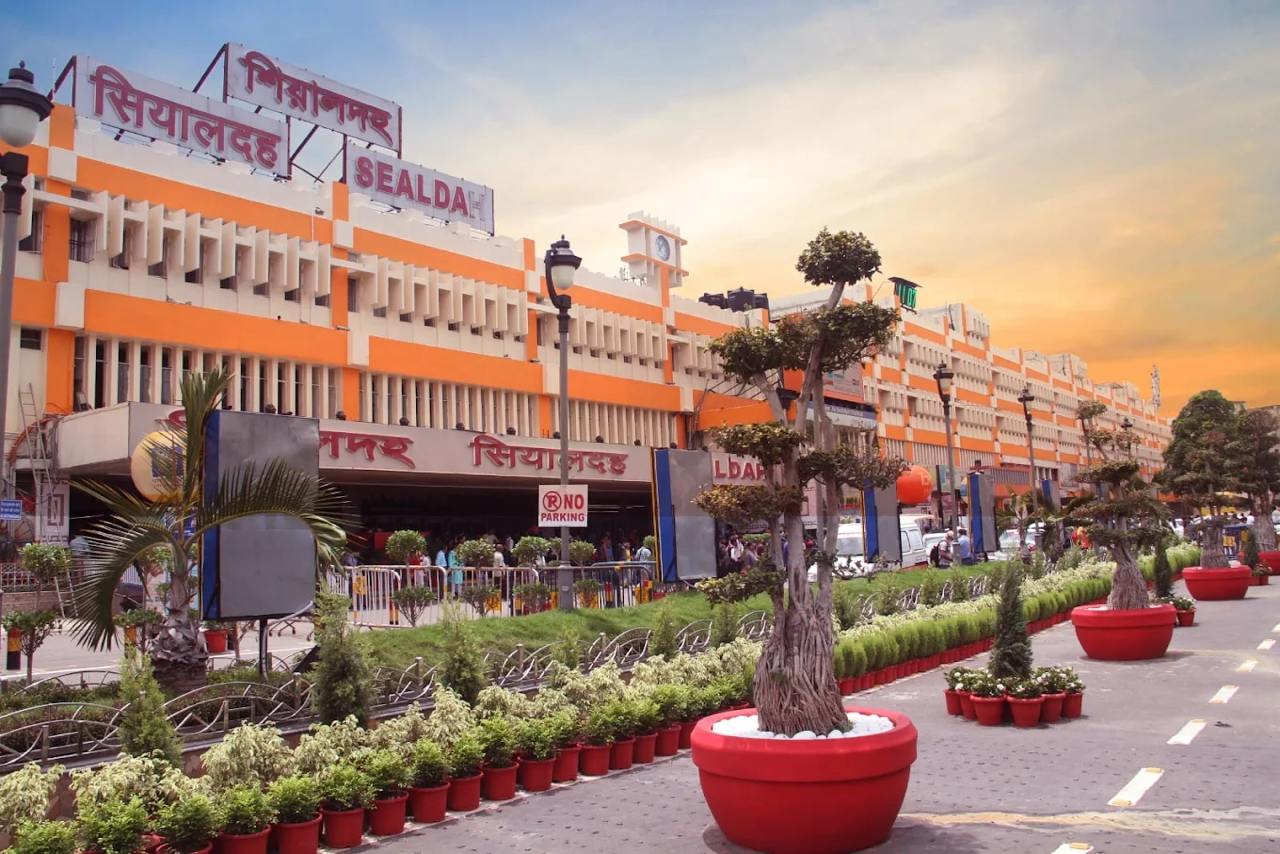
Most trains run to Sealdah railway station or Howrah railway station, the two main railheads serving Calcutta, officially known as Kolkata.
Below are some of the main options. Timings can change, so always double check on IRCTC or at the station.
| Train Name | Train Number | From | Departure | To | Arrival | Duration |
| Darjeeling Mail | 12344 | NJP | 20:00 | Sealdah | 06:05 | ~10h |
| Padatik Express | 12378 | NJP | 23:20 | Sealdah | 09:00 | ~9h 40m |
| Kanchankanya Express | 13150 | Alipurduar via NJP | 20:30 | Sealdah | 08:15 | ~11h 45m |
| Teesta Torsha Express | 13142 | NJP | 15:00 | Sealdah | 03:35 | ~12h 30m |
| Saraighat Express | 12346 | NJP | 12:05 | Howrah | 22:45 | ~10h 40m |
Journey times are usually between 9 and 12 hours depending on the service and how much the Indian Railways gods decide to smile on you that day.
A question of class
Indian trains come in different classes and indeed levels of comfort. This of course goes to such a degree that people are known to go on the top of the train. Yeah we would love to do that, but it is probably not the safest.
Here is a rough breakdown of what you can expect on an overnight train from Siliguri to Calcutta.
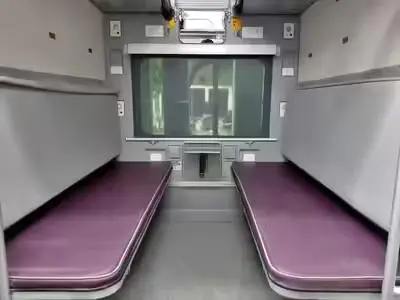
First AC or 1A
Two or four berth lockable cabins with air conditioning and bedding provided. This is as good as it gets on Indian Railways. Expect privacy, relative quiet and fewer people wandering through. Price is roughly 2500 to 3500 rupees, about 30 to 42 USD.
Second AC or 2A
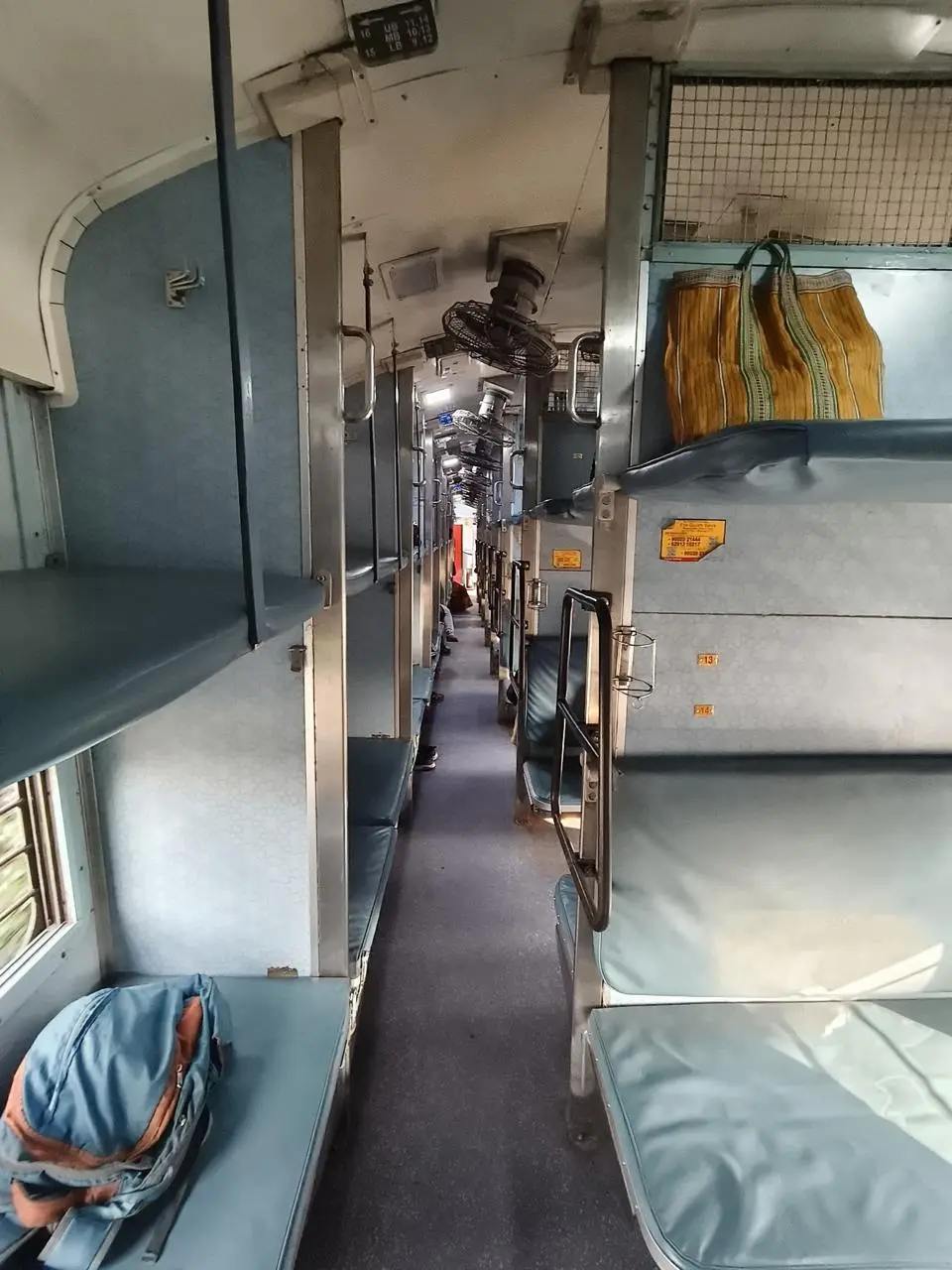
Open bays with four berths and two side berths, curtains for a bit of privacy and air conditioning. Comfortable and popular with middle class Indian families. Around 1500 to 2200 rupees, roughly 18 to 27 USD.
Third AC or 3A
Six berths in an open bay plus two side berths, air conditioning but no curtains. Busy, social and perfectly manageable. Around 1000 to 1500 rupees, about 12 to 18 USD.
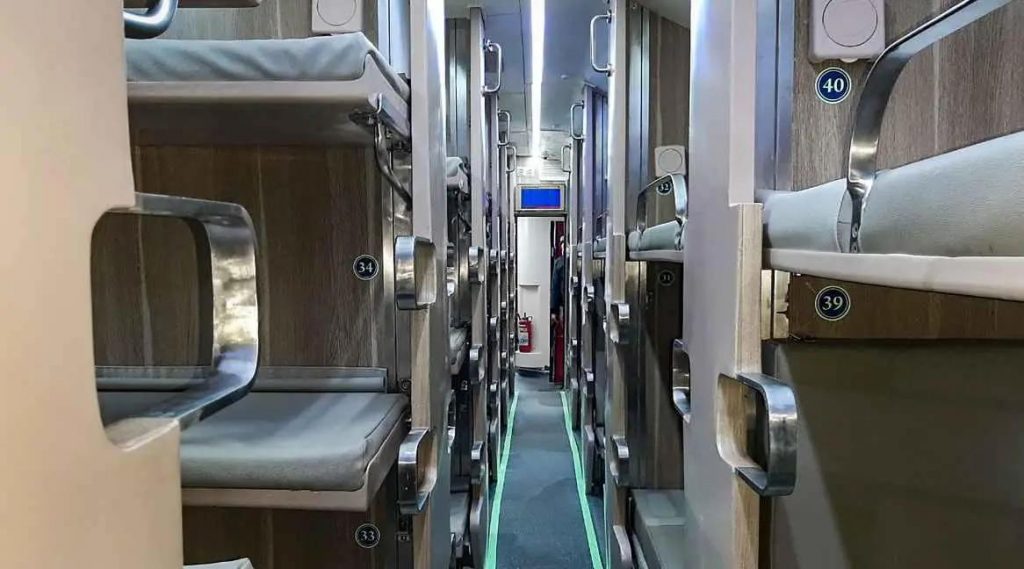
Sleeper Class
No air conditioning, open windows, packed in peak season and very much the classic Indian train experience. Around 400 to 600 rupees, roughly 5 to 7 USD.
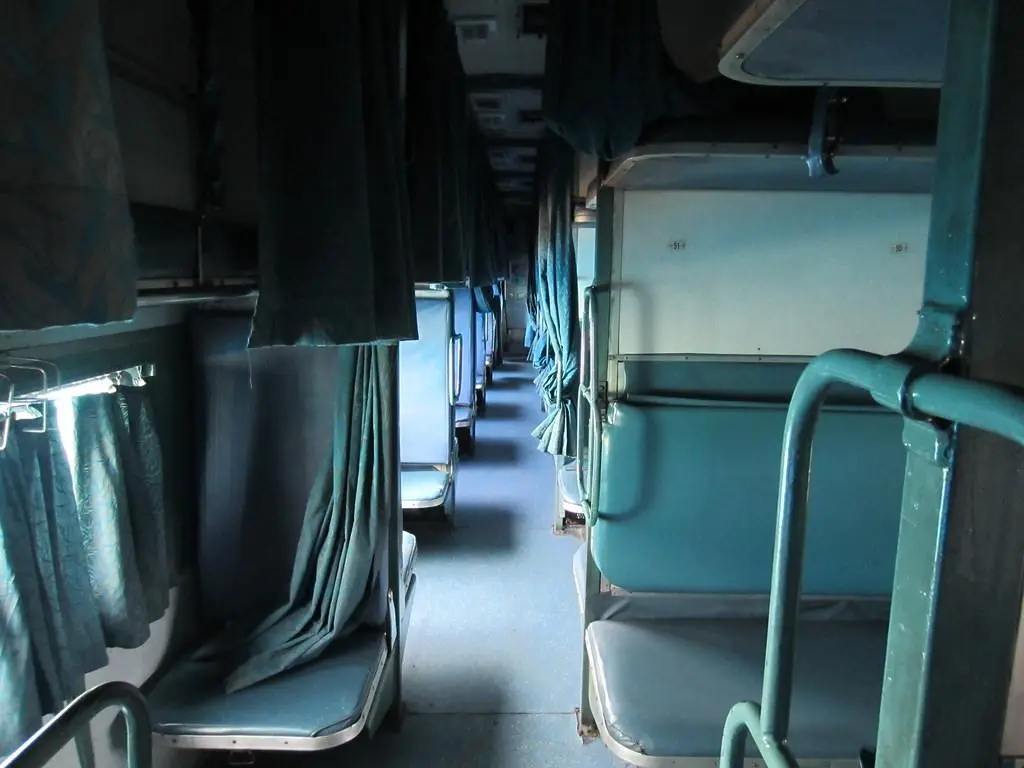
Second Sitting
Basic seats, no beds. Fine for day trains but not something you want to do overnight unless you enjoy pain. Around 200 to 300 rupees, about 2 to 4 USD.
What is the journey like from Siliguri to Calcutta
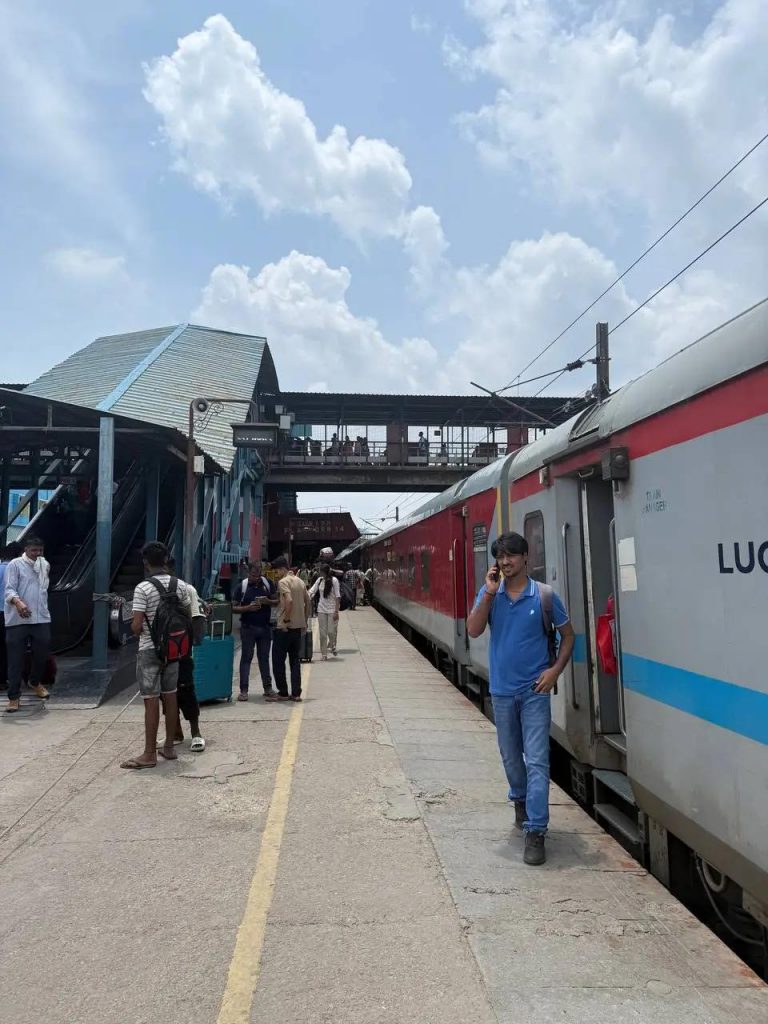
I will run by my specific journey, for it is the one I can talk about. I went for the two berth 1A tickets, so first class with AC. I went from Siliguri Junction which is much smaller than NJP and easier to navigate, particularly with bags. This though is a very rough and ready Indian station and not for the faint hearted.
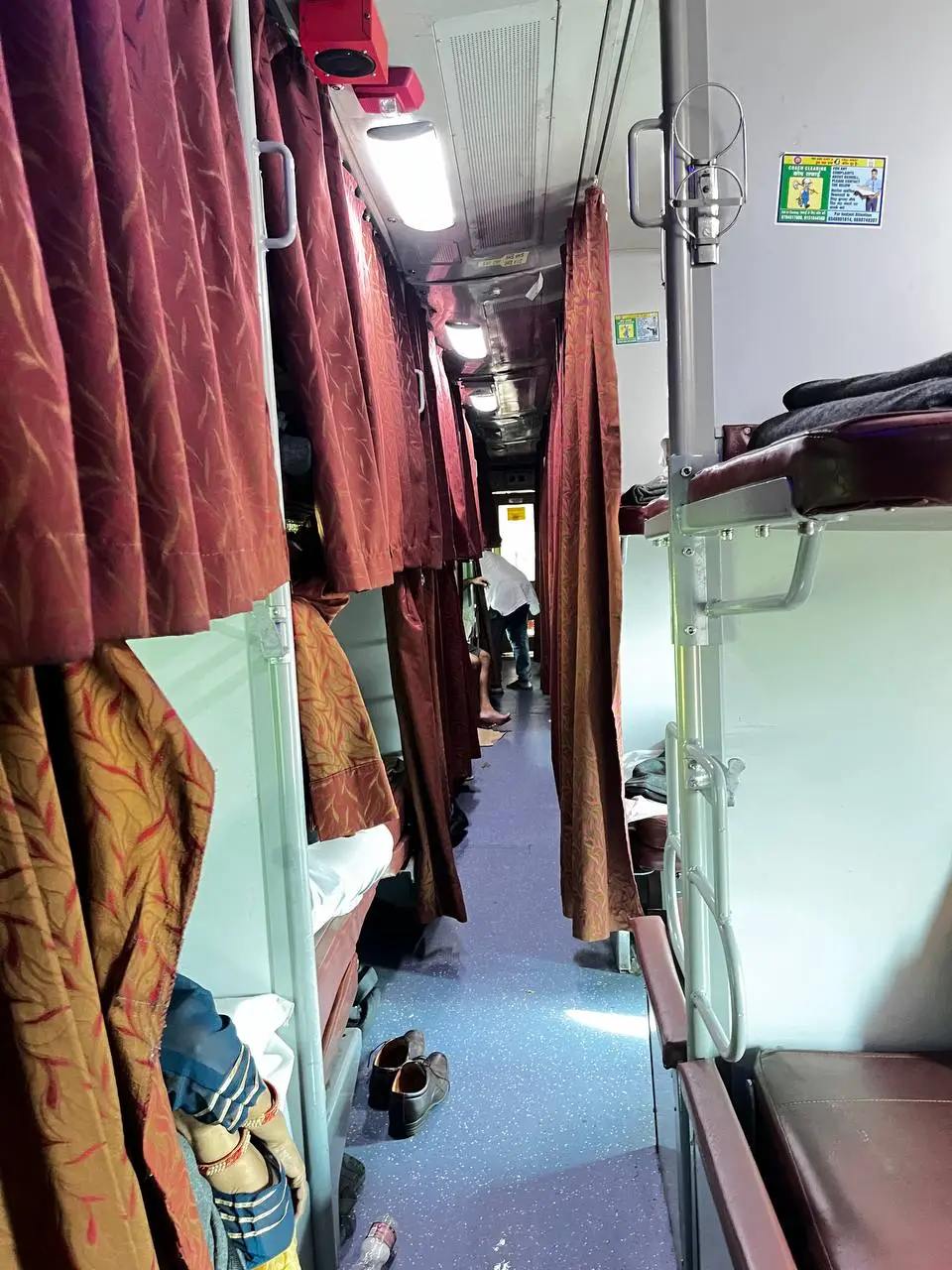
Initially there was some confusion which meant I got to see Indian second class, as well as third. Second is not all that bad and a bit like Russian third class, but devoid of privacy. Third class is something I could have done when I was a bit younger, but would not fancy now.
As I had taken a night train the views were not all that great until the morning, but it was super relaxing and they bring you tea and food directly to your cabin, which is nice. Now as for 1A cabins. You get two beds in bunk bed fashion, while toilets are shared, but at least Western style. I find them very comfortable, but if you are expecting the Orient Express then boy will you be disappointed.
You rumble through rural West Bengal, past stations with names you cannot pronounce and platforms full of chai sellers shouting at 5 am. There is something very calming about Indian long distance rail when you are in the right class. You wake up, have your chai, look out at the flat plains and before you know it you are pulling into the urban sprawl of Calcutta.
And then 10 to 12 hours later you arrive in Calcutta.

What to do in Calcutta
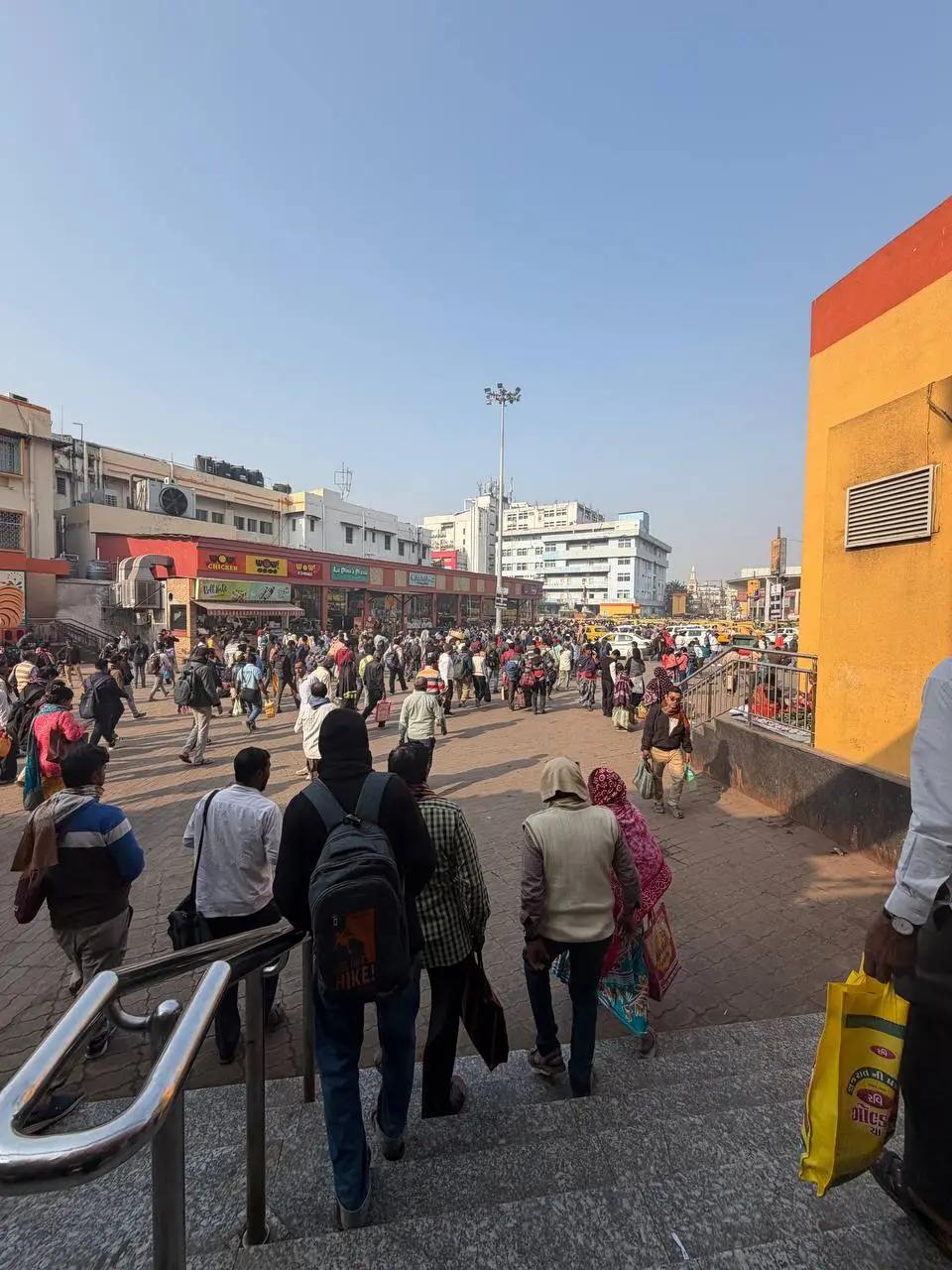
Arriving at either Howrah or Sealdah is an assault on the senses. The station is absolute chaos. Porters in red shirts screaming for business, families sleeping on the floor, endless yellow taxis and a wall of humidity that hits you like a brick. It is brilliant and mental all at once.
Uber works perfectly well, so you can easily arrange a car and head into town rather than fighting with taxi drivers.
Calcutta is a city of extremes. You can visit the Victoria Memorial for a slice of colonial grandeur, explore the chaotic flower market under Howrah Bridge, or take a boat on the Hooghly River.
For the more hard core traveler, there is Sonagachi, often described as the largest red light district in Asia. It is not a zoo and not somewhere to treat as a spectacle, but it is very much part of the city’s fabric.
Add in street food, crumbling Raj era buildings and some of the most intellectual coffee house debates in India and you have a city that is raw, exhausting and fascinating.
Conclusion
While I would far from put Siliguri into the lexicon of international, nor even Indian epic train rides, it is comfortable, it will give you a taste for Indian railways and it does the job of getting you to Calcutta.
Calcutta itself is a bit Marmite like with some loving and others hating the place. It is though without doubt the place to learn about West Bengali culture and a superb launching point for travels around India, or internationally.
Click to see our guide to taking Indian Trains in general.
About Post Author