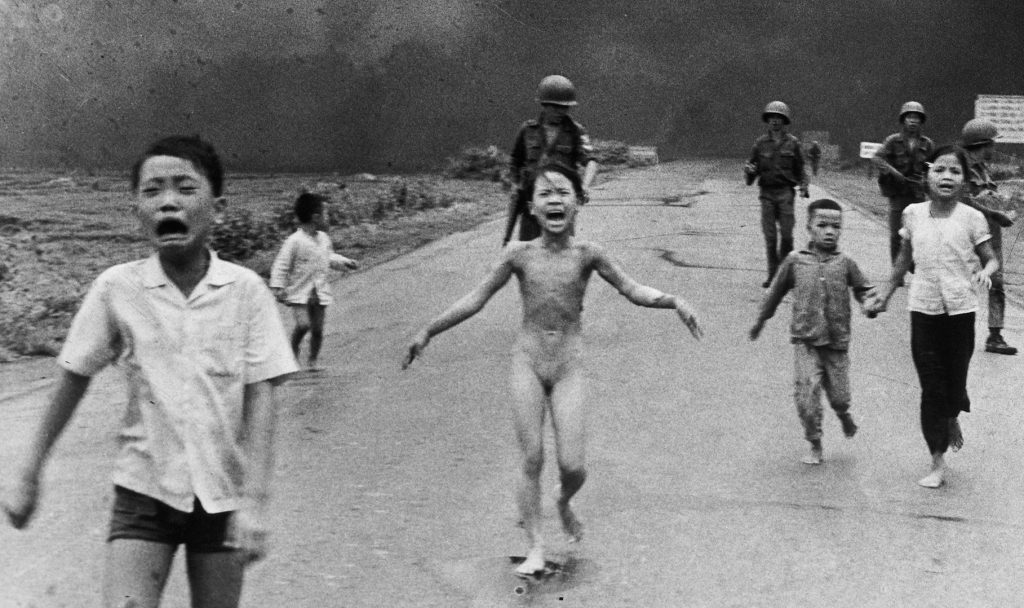
Few photographs captured the reality of war like “The Terror of War.” Taken by Nick Ut during the Vietnam War in 1972, this image of a young girl running from a napalm attack shocked the world.
At a time when the truth about the war was often hidden, the photo revealed the harsh realities that many were trying to ignore.
Today, visitors can walk the highway where the photo was taken, see the temple where people sought shelter before the attack, and, if they are lucky, meet some of the children from the photo or their relatives.
Table of Contents
The Vietnam War
The Vietnam War lasted from 1955 to 1975.
It began after Vietnam, which was once part of French Indochina (along with Laos and Cambodia), was divided into North and South at the 17th parallel following the end of French colonial rule in 1954.
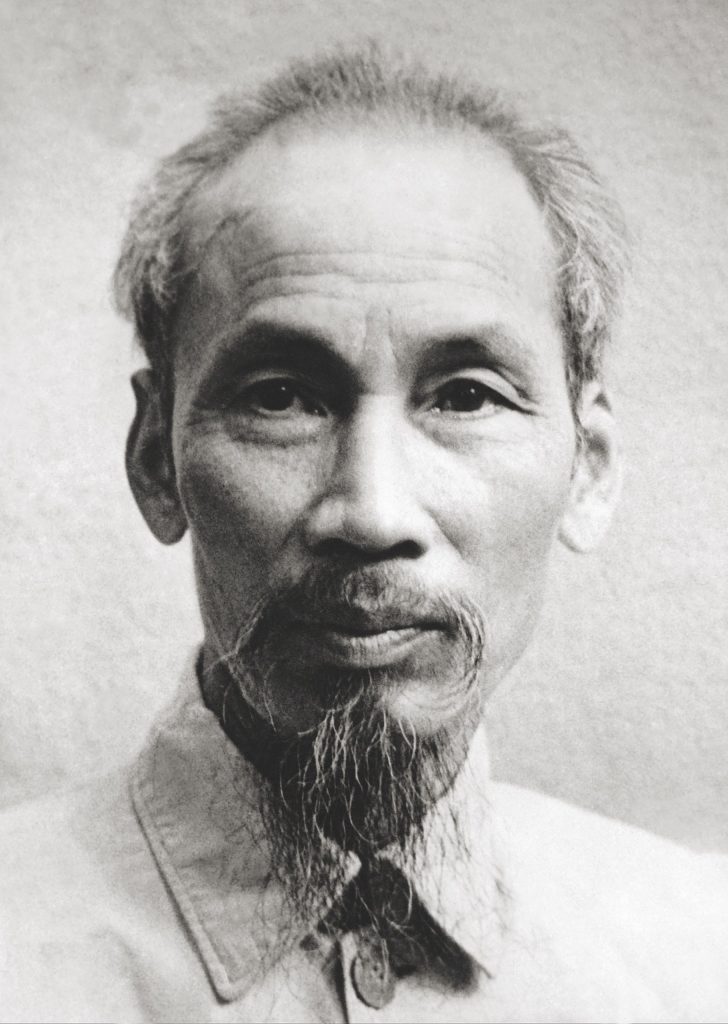
North Vietnam, led by Ho Chi Minh, was communist and supported by the Soviet Union and China, while South Vietnam, led by a series of anti-communist governments, was backed by the United States.
The U.S. began deploying large numbers of troops in 1965 to fight the Viet Cong, a communist guerrilla force in the south. The Viet Cong used hit-and-run tactics, hidden tunnels, and the Ho Chi Minh Trail, a network of supply routes through the jungle, to bring in reinforcements.
Every time the U.S. or South Vietnamese forces killed Viet Cong fighters, more would appear. Many South Vietnamese were unhappy with their government due to corruption, heavy reliance on the U.S., and constant bombing campaigns. Some civilians even switched sides to support the North.
The war became increasingly destructive, causing massive civilian casualties and widespread suffering.
The day of the photo
On June 8th, 1972, near the village of Trang Bang in Tay Ninh Province (then part of South Vietnam), villagers, including children, and South Vietnamese soldiers had gathered in a local Buddhist temple for shelter.
That morning, based on intelligence that communist forces (the Viet Cong) might be hiding nearby, the South Vietnamese air force launched an attack using planes carrying incendiary napalm bombs.
When napalm bombs fell near the temple, people fled in panic. Among them was nine‑year‑old Phan Thi Kim Phuc, the girl at the center of the iconic photograph. The napalm set fire to her clothes and burned her skin. Instinctively, she ripped off the burning clothes and ran screaming, “Too hot! Too hot!” down the nearby highway.
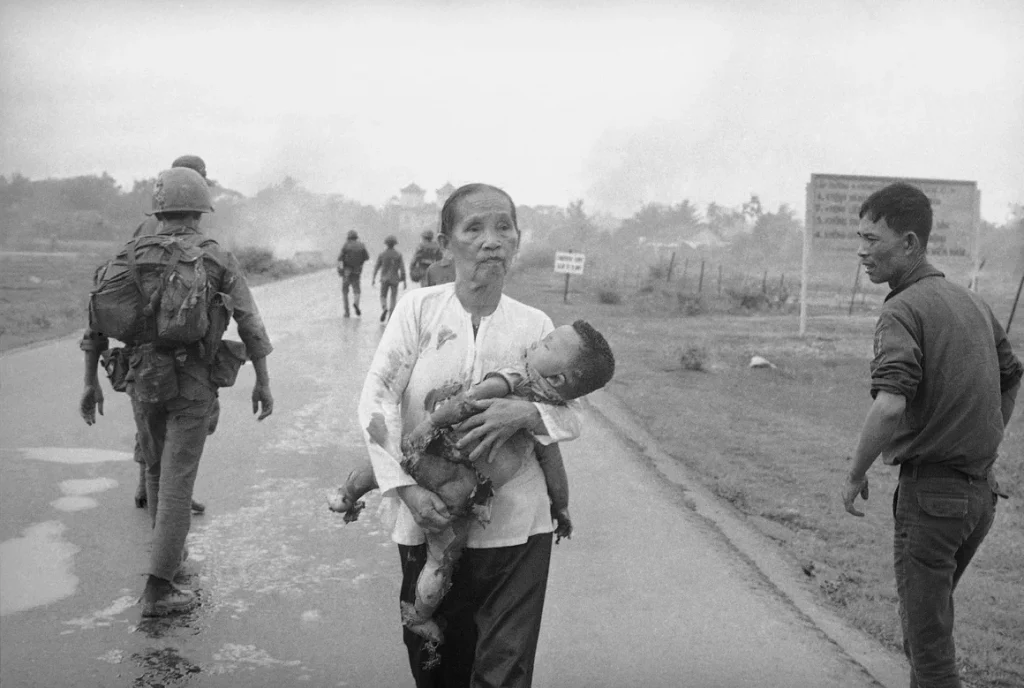
Photo: Nick Ut.
At that moment, 21‑year‑old photographer Nick Ut, working for the Associated Press, was nearby, documenting the aftermath of the attack. He snapped what would become a world‑famous image, later titled The Terror of War (commonly known as “Napalm Girl”).
Immediately after taking the shot, Ut dropped his camera, helped Kim Phuc and other wounded children into his vehicle, gave them water, and drove them to the hospital. At first, the doctors were unwilling to accept more patients, but Ut insisted, arguing that without immediate treatment, they would die.
Kim Phuc survived, though she endured months of painful treatment for severe burns. Two of her cousins and other villagers died in the attack.
Today and the Aftermath
More than 50 years later, Kim Phúc and Nick Ut returned to Trảng Bàng, revisiting the highway, the temple, and the village. They also met relatives of other survivors, reconnecting with people whose lives had been forever changed by that day.
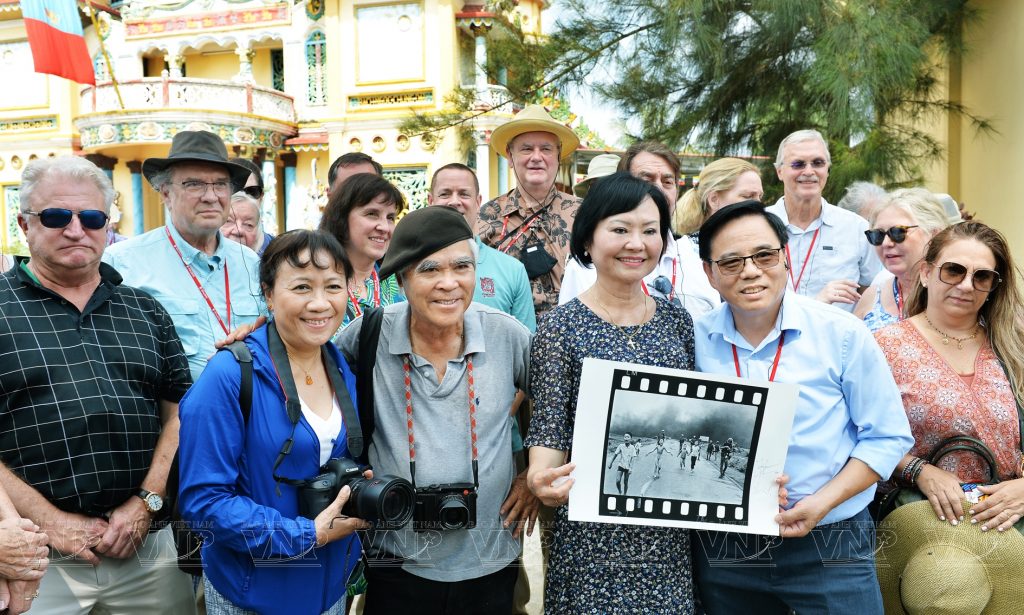
The images from that day, children running down the highway, smoke rising behind them, and the burned village remain some of the most haunting and powerful in 20th-century photojournalism. They continue to remind the world of the human cost of war.
Kim Phúc became a symbol of peace. She now works as a UNESCO Goodwill Ambassador, sharing her story worldwide and advocating for healing, forgiveness, and the protection of children in conflict zones.
Nick Ut’s photograph changed photojournalism, showing the world the reality of war through one powerful image. He won the Pulitzer Prize and has spent decades reflecting on the responsibility of documenting human suffering.
Visiting Trang Bang today
Today, Trang Bang is a quiet, small town with limited attractions beyond its historical sites. Aside from walking along the highway or visiting the Cao Dai Temple, there’s little else to do, no interesting markets or major entertainment spots. The town’s charm lies in its calm, rural atmosphere and the chance to connect with residents who remember its past.
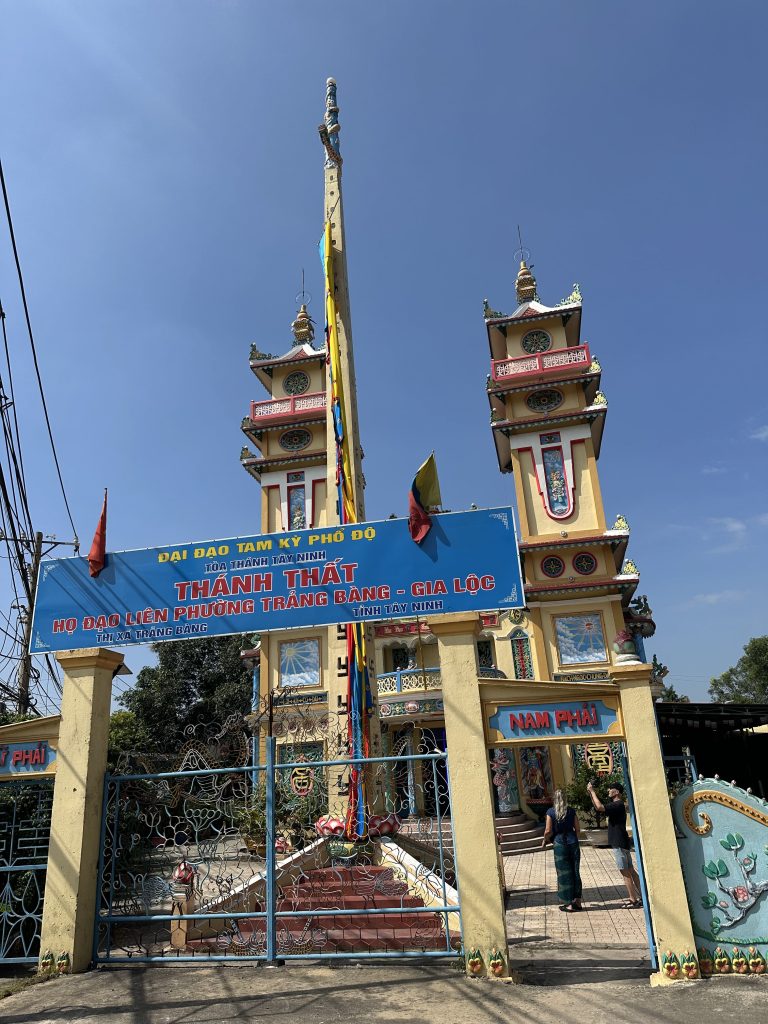
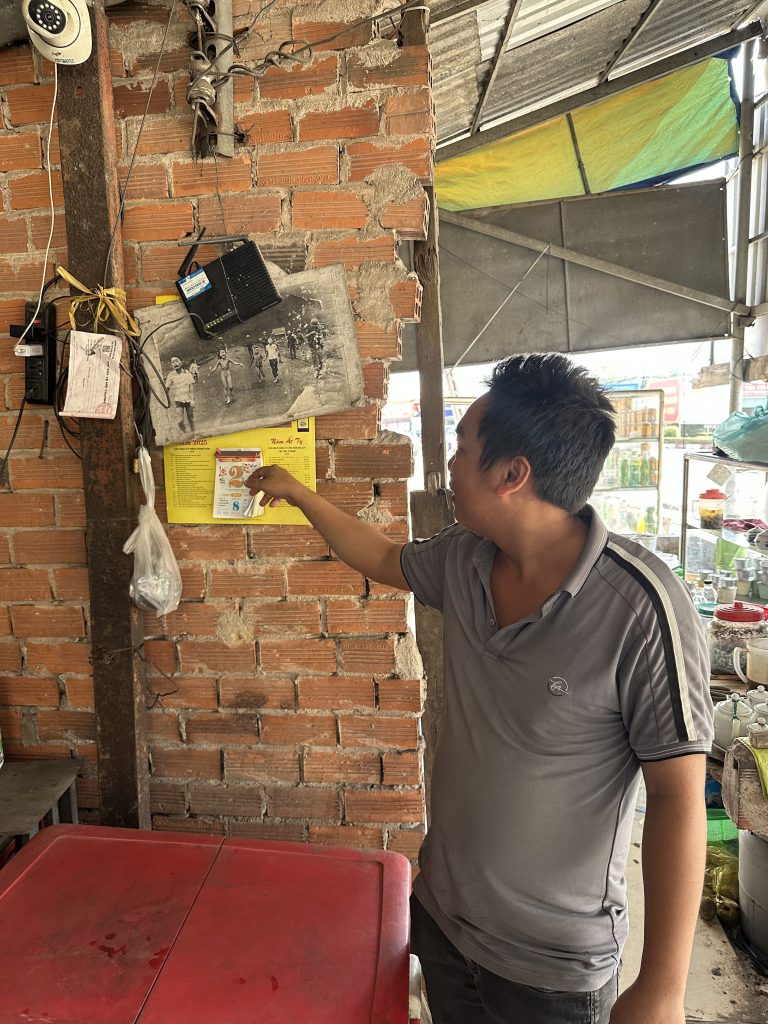
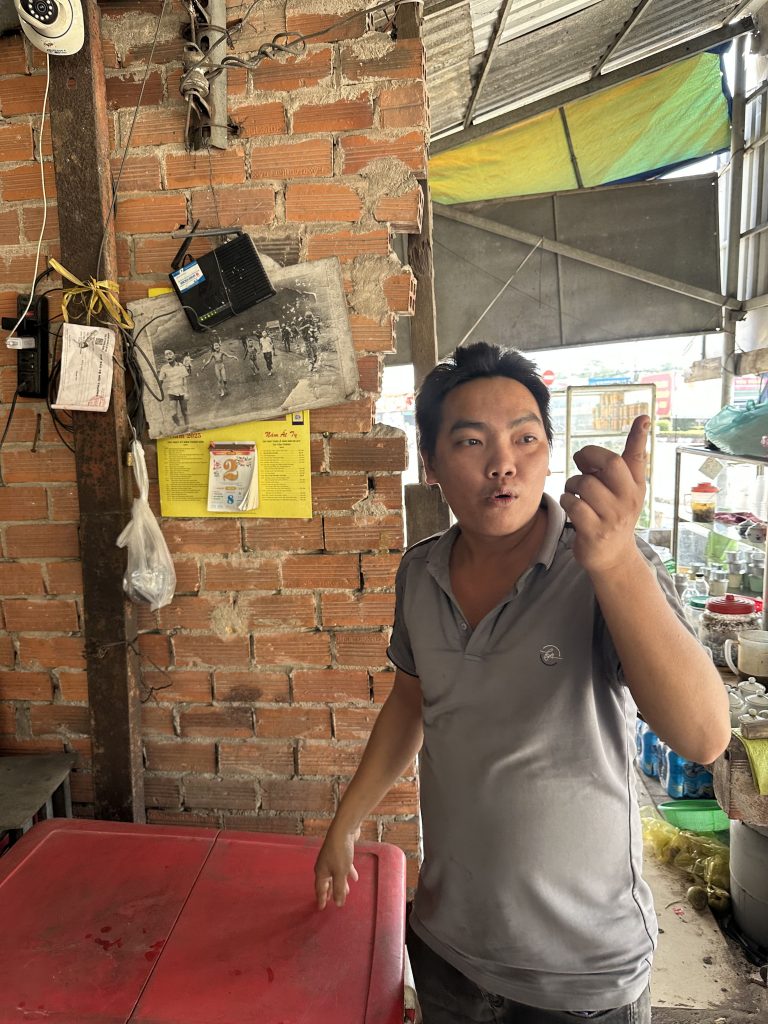
When I was there, I found a small café owned by the Phúc family, located right in front of the temple. I also had the chance to meet the son of the little boy who is running in the photograph, wearing black trousers and a shirt.
The best way to get there is by car, as public transport options are minimal and less convenient for exploring. Driving from Ho Chi Minh City along National Route 22 is straightforward, taking roughly 1.5 hours under normal traffic conditions.
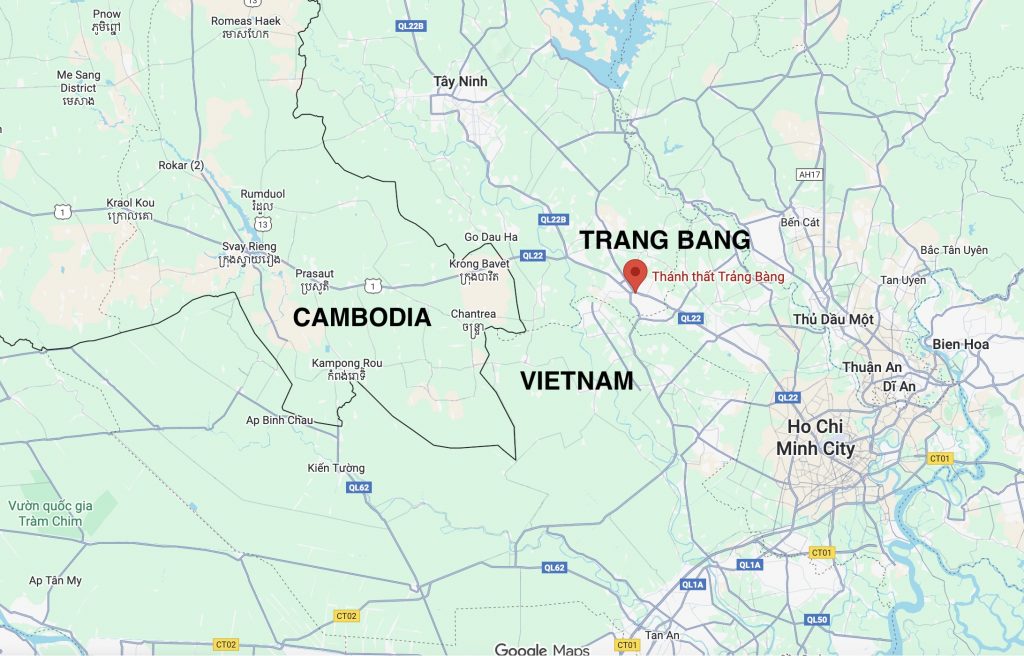
Trang Bang lies along the route toward Mộc Bài Border Gate, one of the main land crossings between Vietnam and Cambodia. From Ho Chi Minh City to Mộc Bài is about 70 km, and Trang Bang is on that same axis heading northwest.
Click to check our Ultimate Southeast Asia Adventure.
About Post Author