With its unique mountain location, as well as proximity to India, China, Nepal and Bengal, Sikkimese cuisine is a rather strange, but rewarding hotch potch of the regions food that surrounds it.
And while in many ways the food of Sikkim is built for sustenance rather than deliciousness there are a few gems to look out for here, such as momo (मोमो), of which it excels at.
Here’s our guide to navigating food when you travel to Sikkim.
Table of Contents
History of Sikkimese Cuisine
Sikkimese cuisine is shaped almost entirely by geography and migration. Sitting in the eastern Himalayas, Sikkim spent centuries as an isolated Buddhist kingdom before being absorbed into India in 1975. Long before that, waves of Lepcha, Bhutia and Nepali settlers brought their own food traditions with them.
From Tibet came dumplings, noodles and fermented flavours. Nepal introduced lentils, pickles and rice based meals. Bengal added spice blends and sweets. What you get today is mountain survival food influenced by trade routes linking India, China and Nepal.
Because farming here is hard and winters are brutal, traditional meals focus on simple carbs, preserved vegetables and protein heavy dishes designed to keep you warm. Fermentation plays a big role, as does steaming. Fancy presentation was never the goal. Calories were.
Modern Sikkimese food still reflects this. It is practical, filling and built for altitude rather than Instagram.
Basics of Sikkimese Cuisine
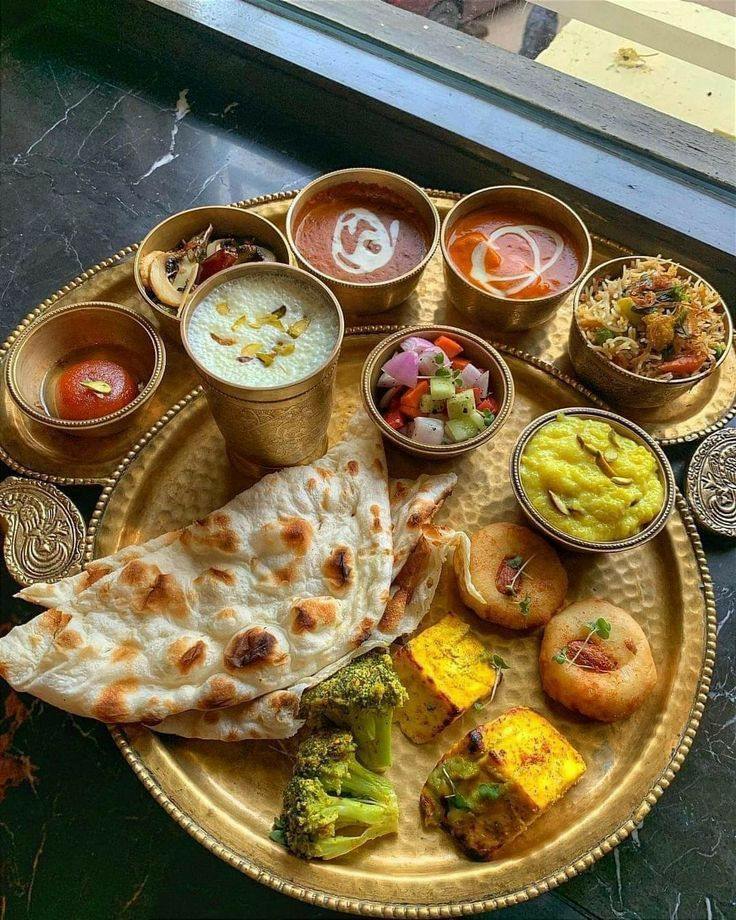
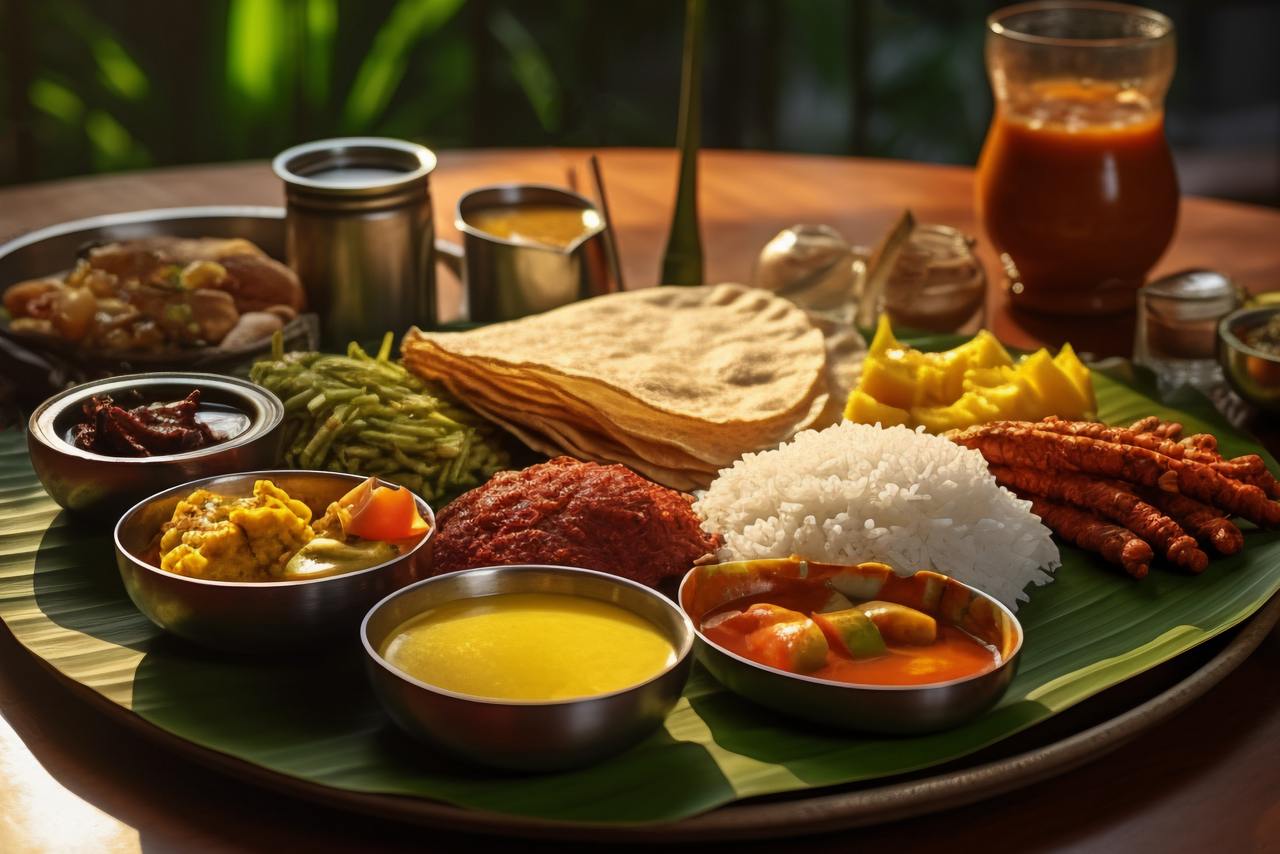
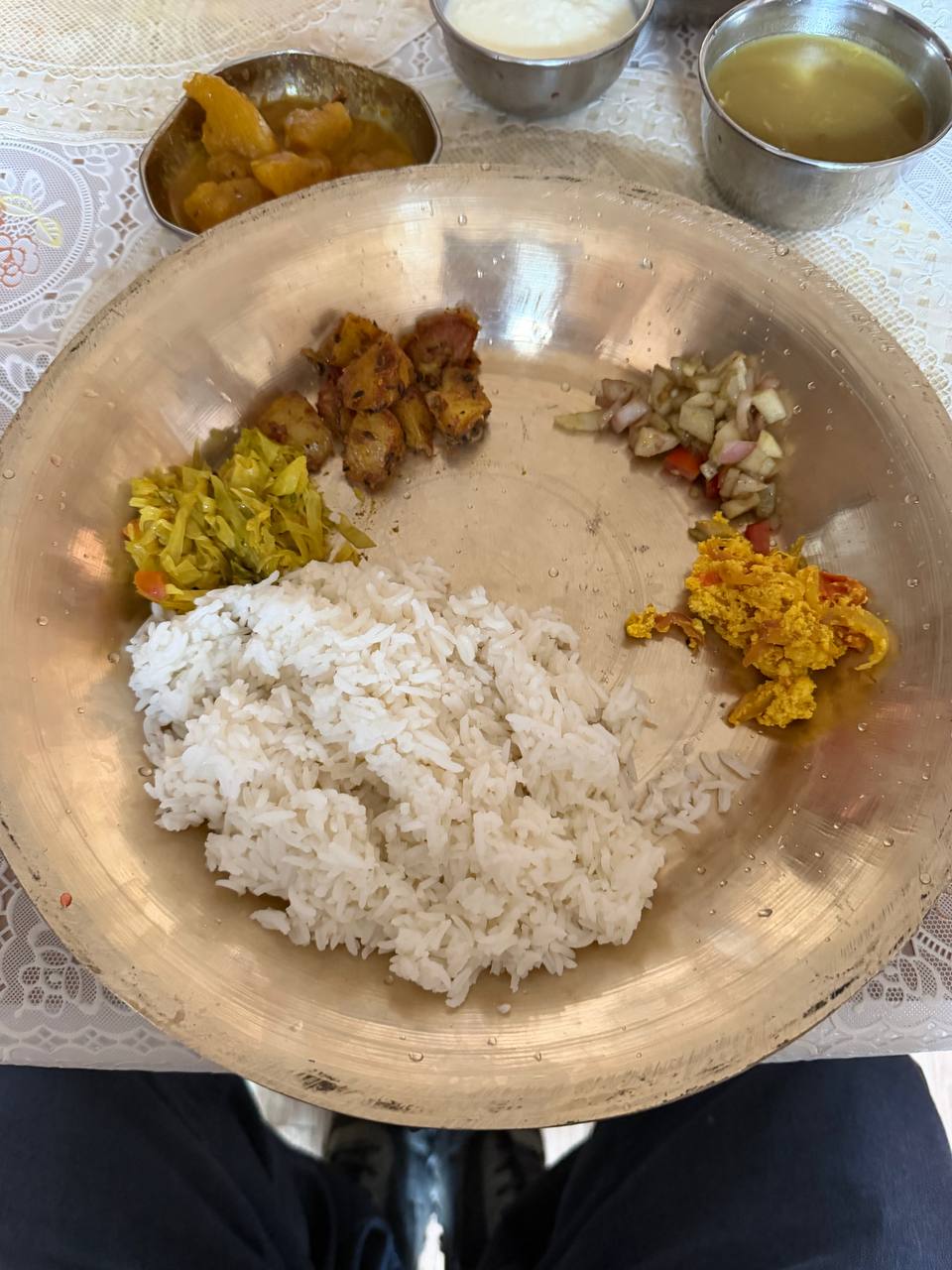
At its core Sikkimese cuisine is rice (भात bhaat), soup and vegetables with heavy Tibetan and Nepali influence.
Rice is the main staple, usually served with dal (दाल), seasonal vegetables and some form of achar (अचार pickle). Noodles appear everywhere, either in thukpa (थुक्पा) style soups or stir fried plates. Pork dominates, followed by chicken and buffalo, while beef is common due to Tibetan influence.
Fermented foods are everywhere. Gundruk (गुन्द्रुक fermented greens), sinki (सिन्की fermented radish) and kinema (किनेमा fermented soybeans) add sharpness to otherwise simple meals. Cheese comes in the form of churpi (चुर्पी), basically yak milk turned into something with the texture of rubber.
Spice levels are mild compared to most of India, but chilli is used freely. Meals are hearty rather than complex. Portions are big. Oil is light. This is mountain food meant to keep you alive, not impress influencers.
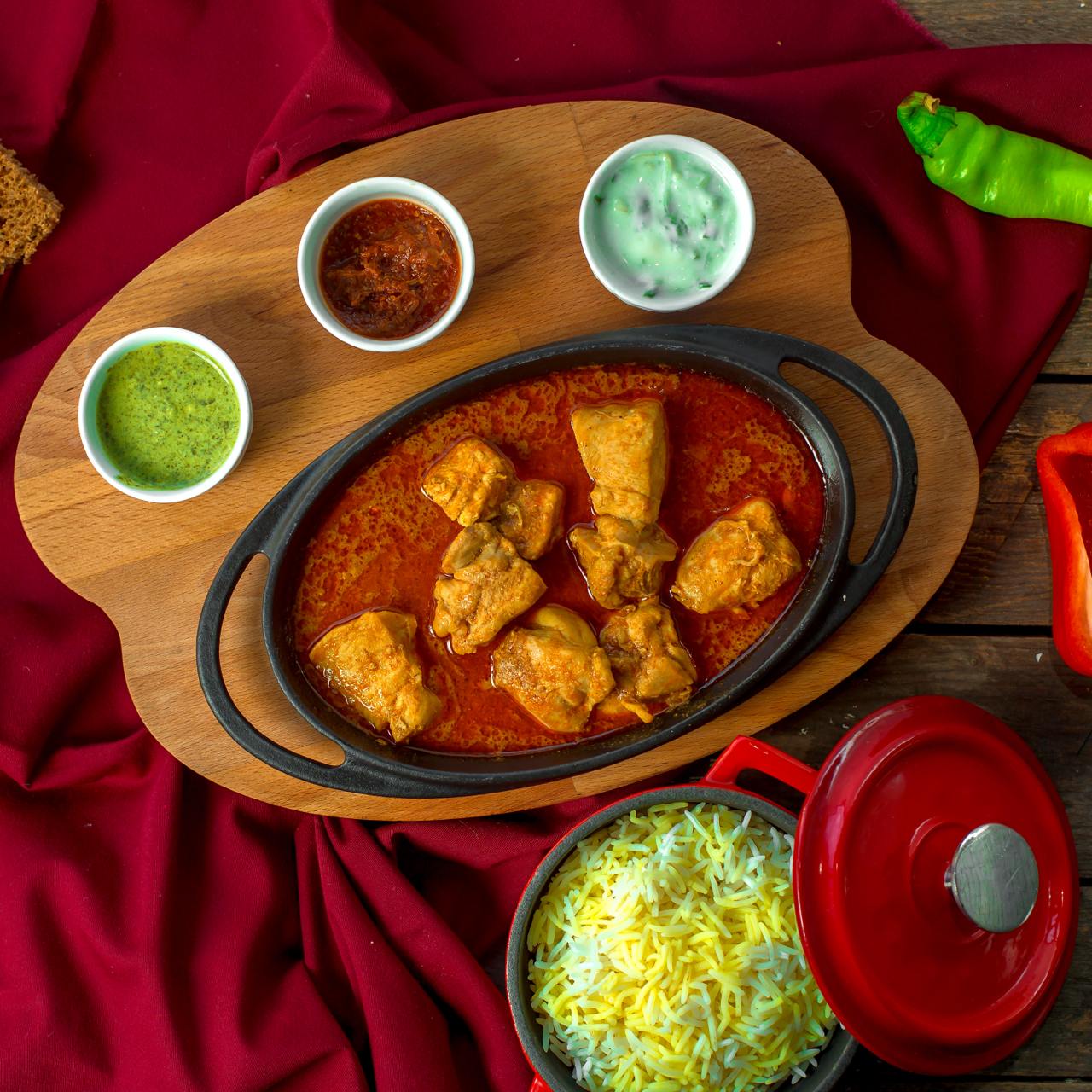
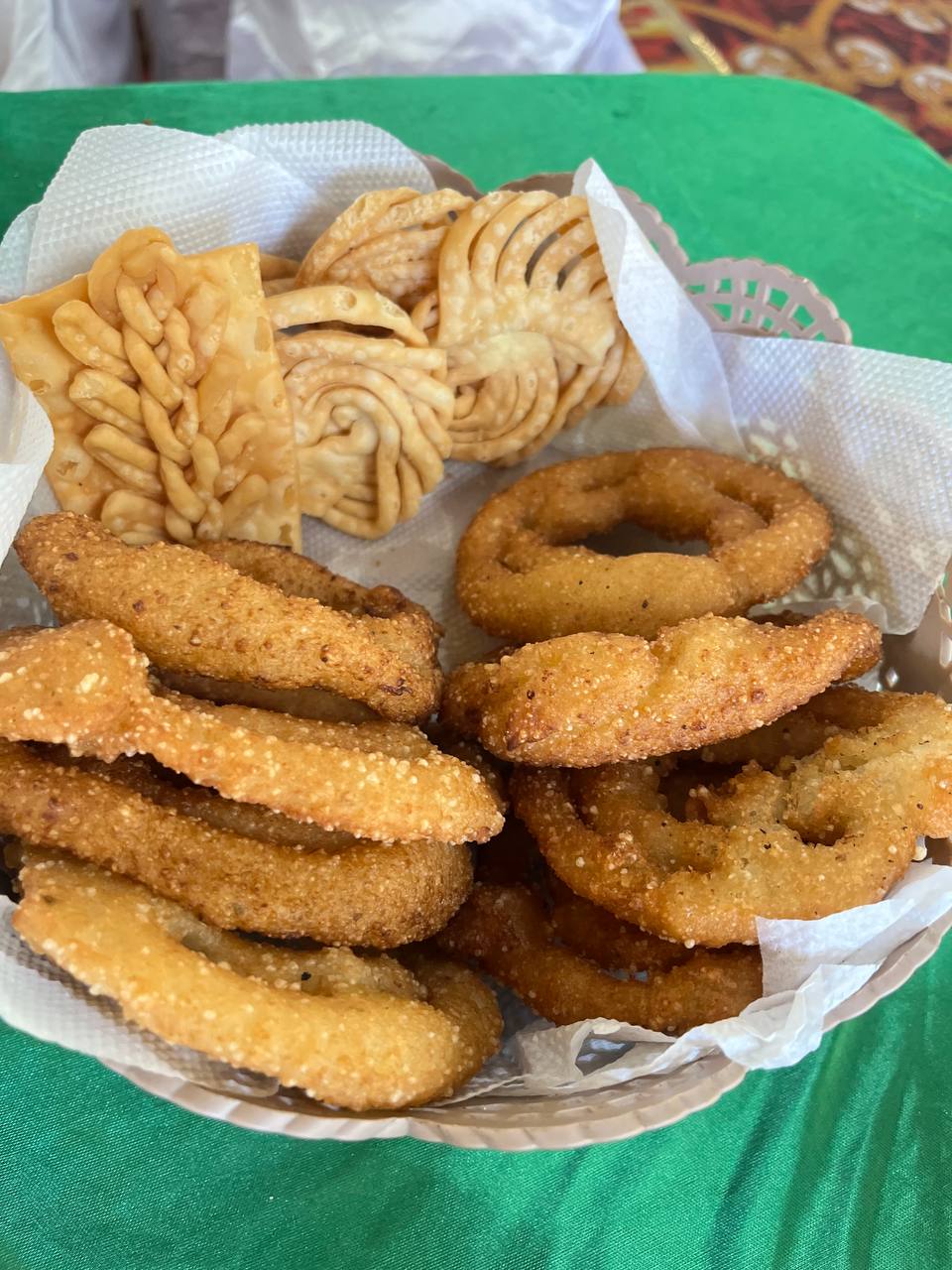
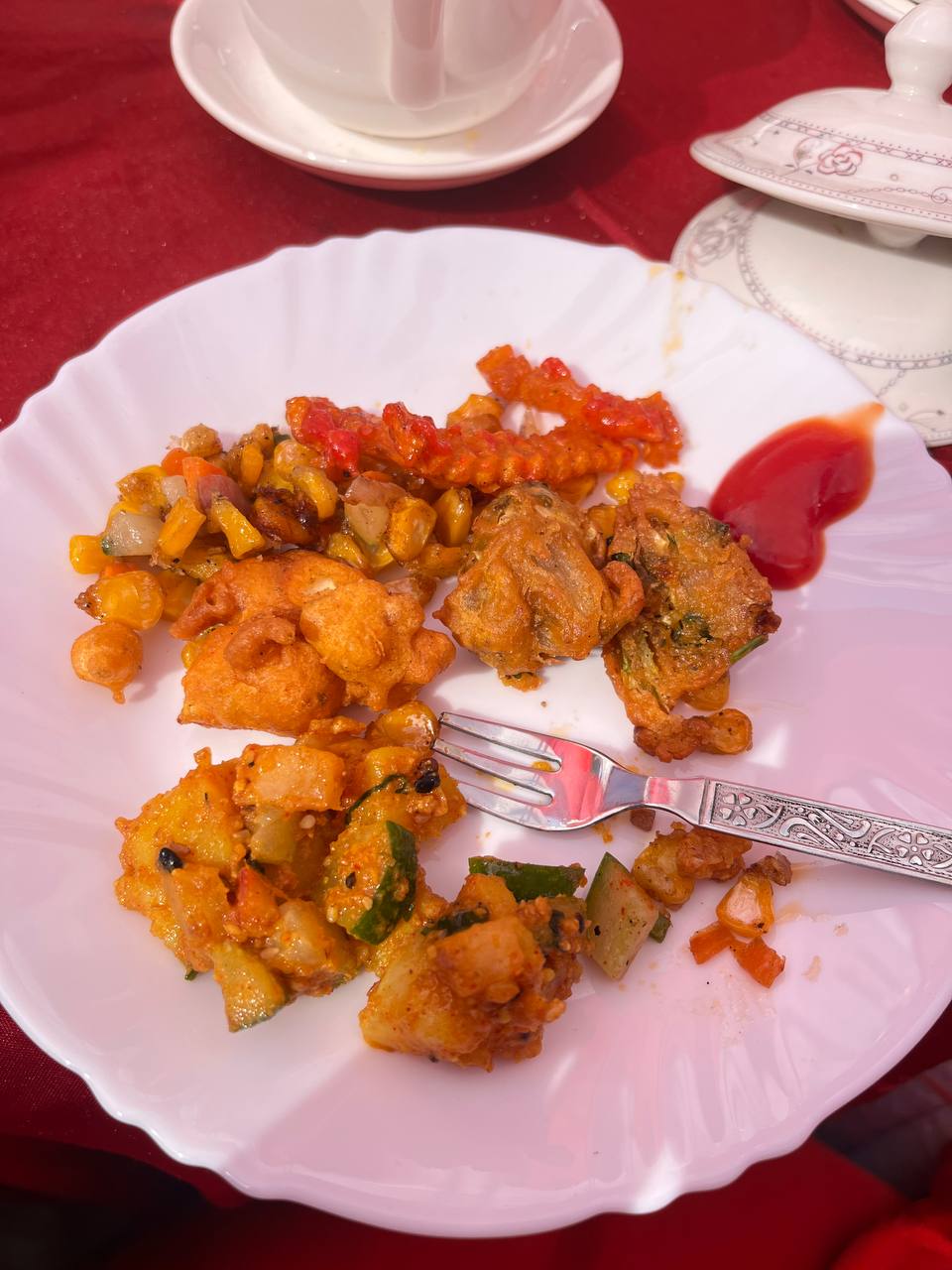
Drinking in Sikkim
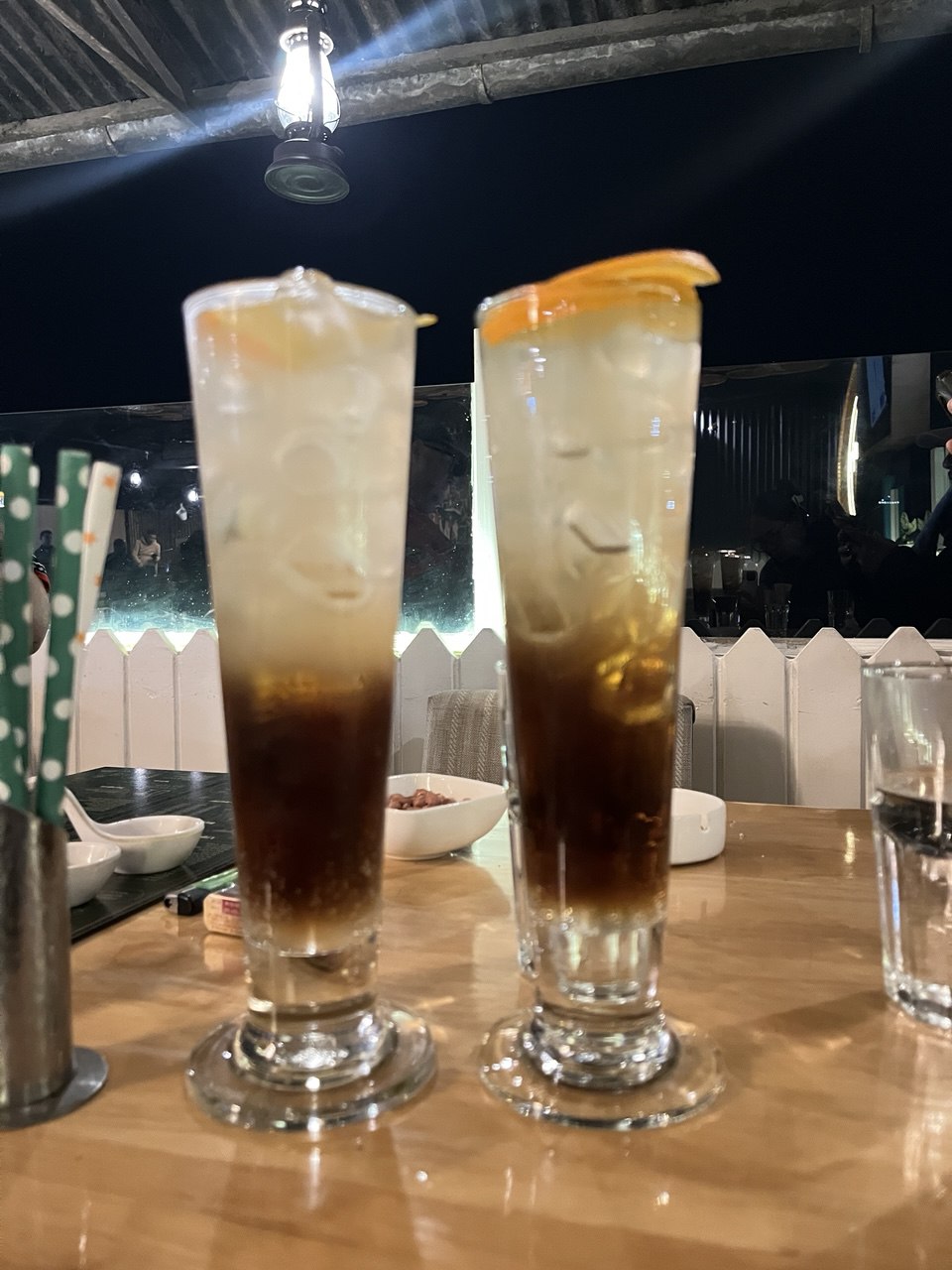
Sikkim is not a big drinking destination, but you won’t go thirsty.
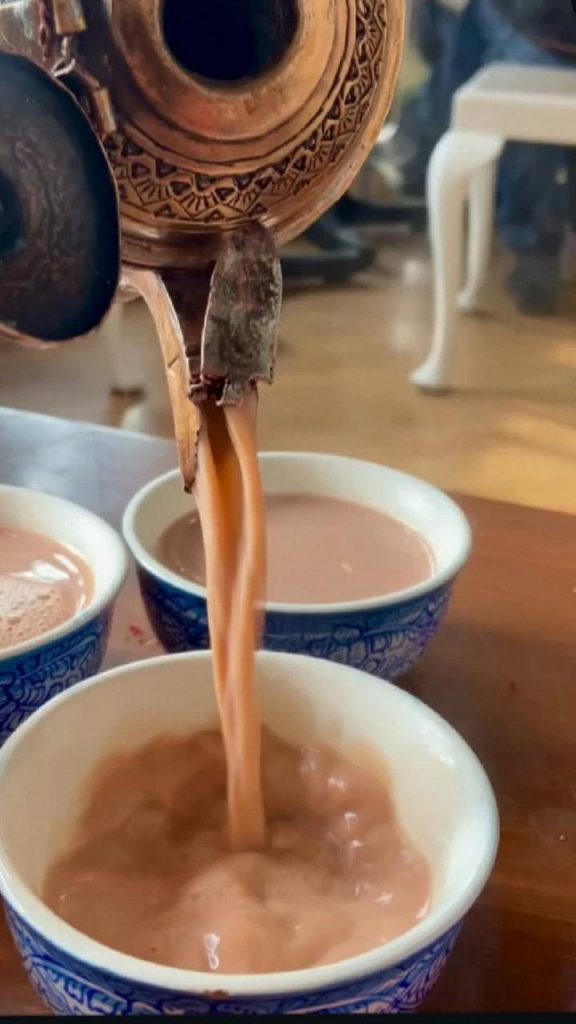
Tea rules daily life, especially butter tea (पो चा Po Cha) in Tibetan areas and standard milk chai (चाय) everywhere else. Coffee exists but expectations should be low. Soft drinks are widely available including Coke, Sprite and local brands, even in remote villages.
Beer is easy to find, mostly Indian labels like Kingfisher and Tuborg. The interesting option is chang (छाङ), a fermented millet or rice beer served warm in homes and small eateries. It is weak but endlessly topped up, which is how it catches you out.
Stronger local spirits exist but are usually homemade and unpredictable. Drinking culture is relaxed and social. You drink with meals or quietly in guesthouses. This is the Himalayas, not a beach party.

Top 5 Food to Eat in Sikkim
Sikkim doesn’t have endless signature dishes, but these five are worth tracking down.
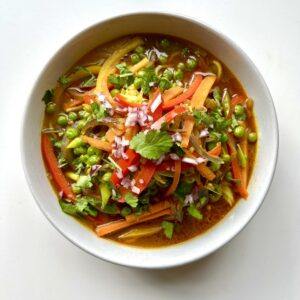
5 Thukpa (थुक्पा)
Tibetan noodle soup packed with vegetables and chunks of meat. Warming, filling and perfect after a cold day in Gangtok. Usually served with chilli paste. Basic but dependable.
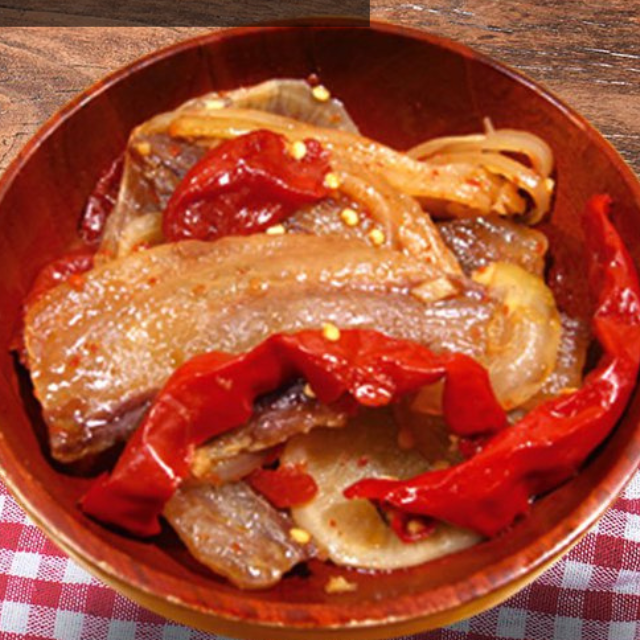
4 Phagshapa (फाग्शापा)
Bhutia pork cooked with dried radish and chillies. No gravy. No nonsense. Fatty pork and fermented bite. One of the few genuinely Sikkimese dishes around.
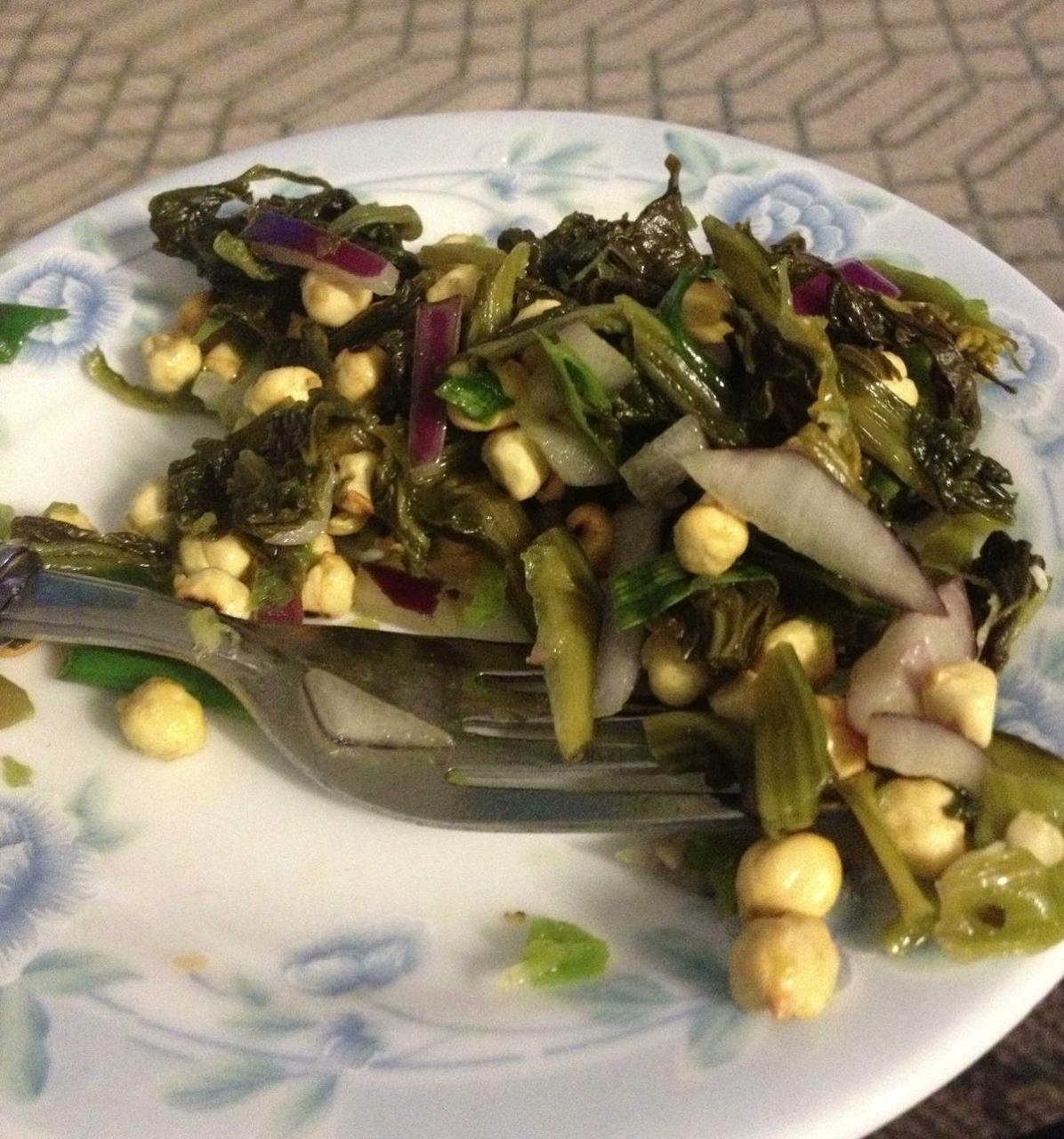
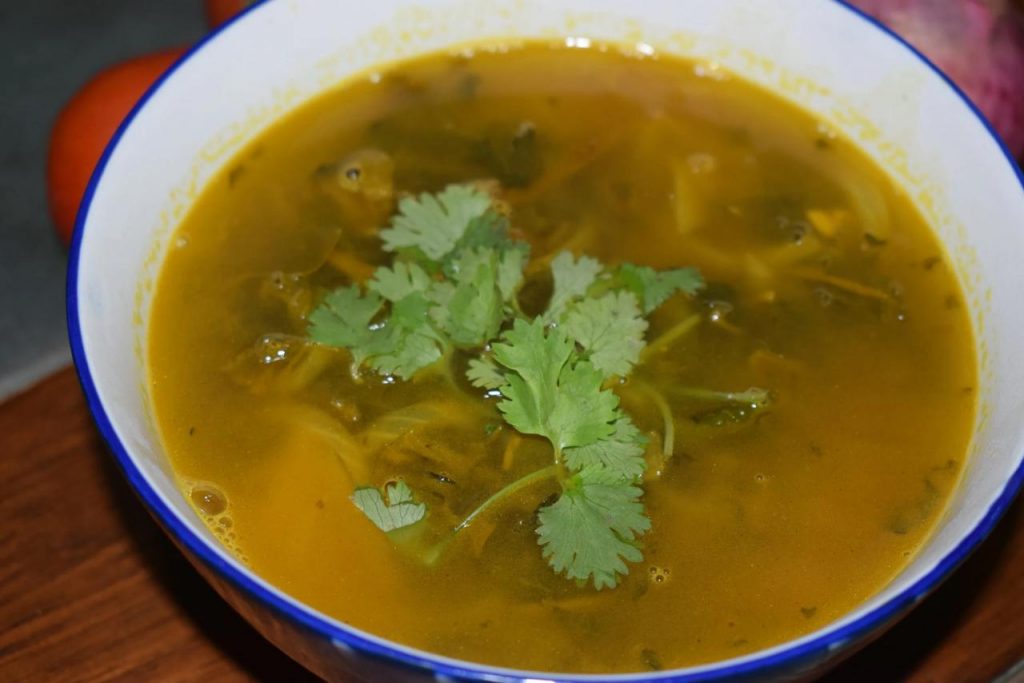
3 Gundruk Soup (गुन्द्रुक झोल)
Fermented leafy greens turned into soup or side dish. Smells rough, tastes great. Sour, earthy and essential to understanding Himalayan food.
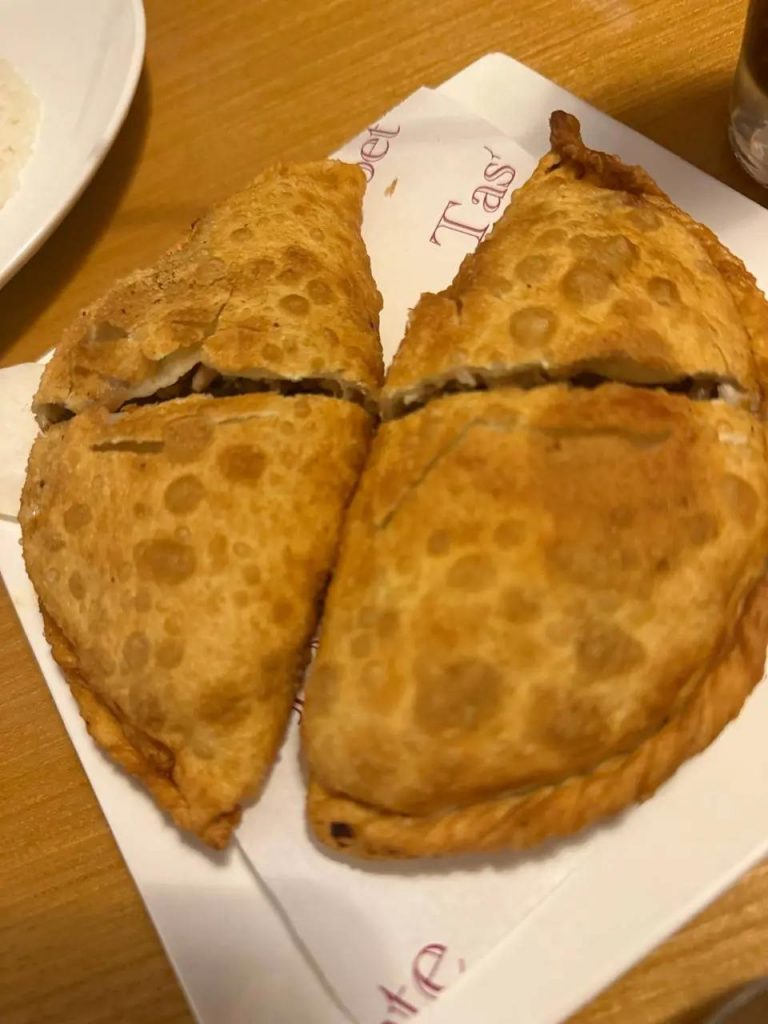
2 Sha Phaley (शा फाले)
Deep fried Tibetan bread stuffed with minced meat and cabbage. Crispy outside, juicy inside. Basically momo’s greasy cousin and absolutely lethal with chilli sauce.
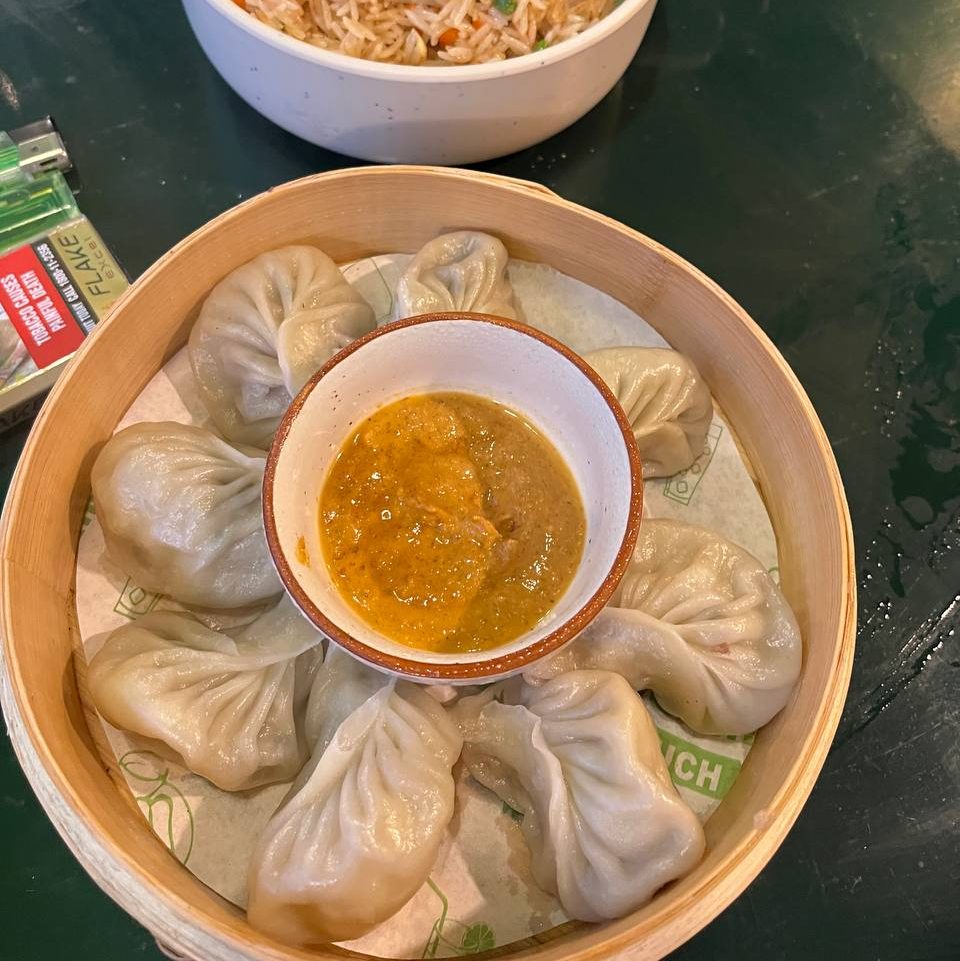
1 Momo (मोमो)
The king. Steamed or fried dumplings filled with pork, chicken, beef or vegetables. Sikkim does momo better than almost anywhere else in India thanks to real Tibetan technique. Served with savage chilli sauce. You will eat these daily whether you intend to or not.
Street Food Sikkim
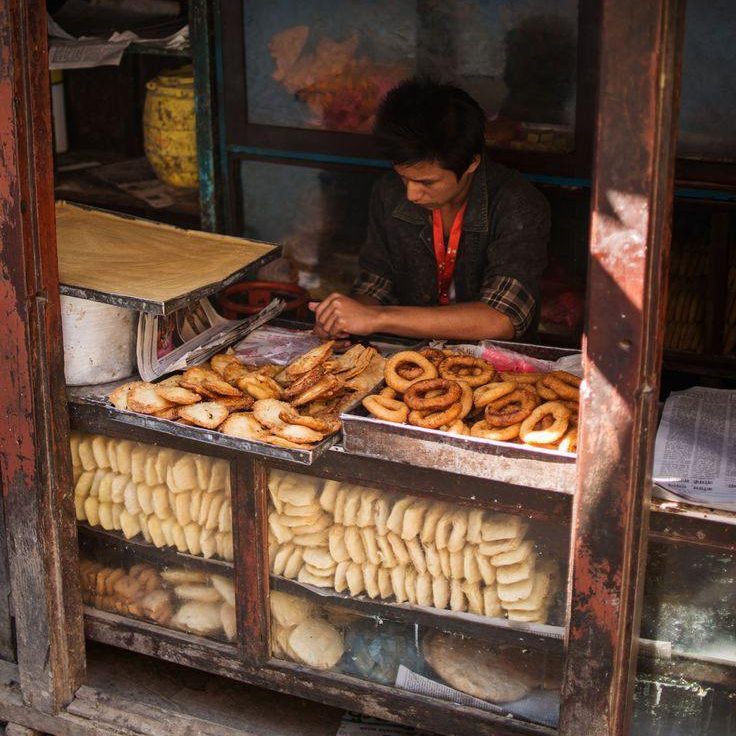
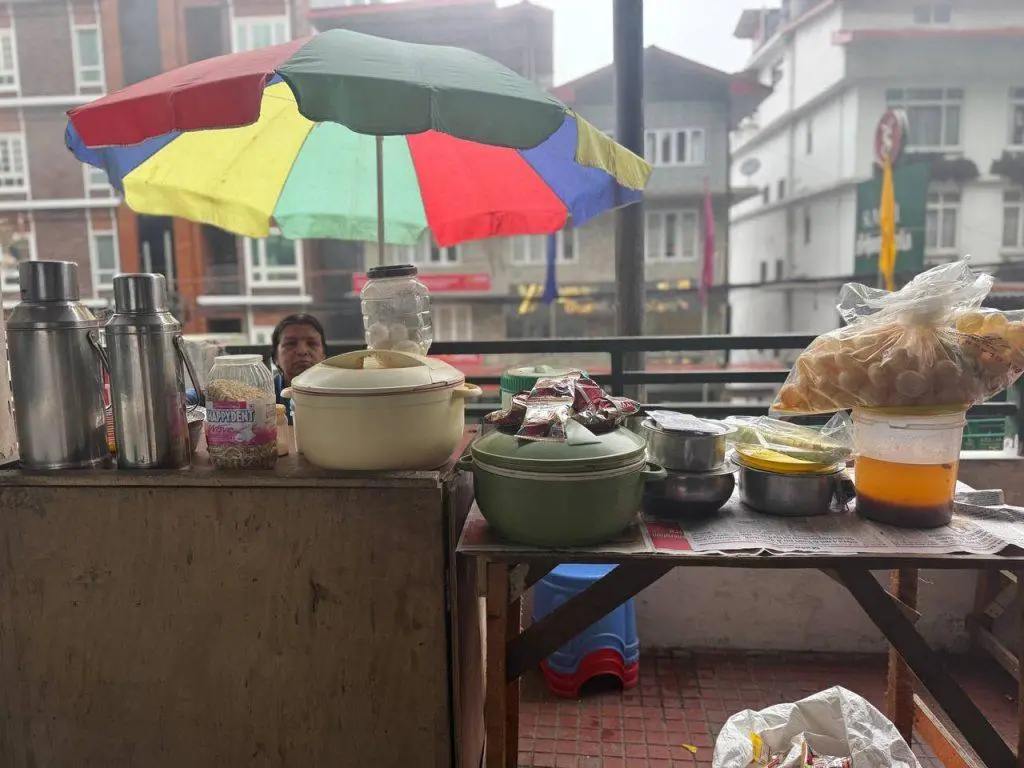
Street food in Sikkim is simple and functional rather than exciting. You won’t find massive variety or wild flavours, but it does the job when you’re hungry and cold. Most stalls focus on momos (मोमो dumplings), thukpa (थुक्पा noodle soup) and sha phaley (शा फाले fried meat bread). You’ll also see aloo chop (आलु चप potato fritters), pakora (पकोड़ा battered veg) and plates of chowmein (चाउमिन). Everything comes with aggressive chilli sauce. It’s cheap, filling and consistent, but don’t expect culinary fireworks. Sikkim street food exists to keep locals moving, not to impress us foodies.
Click to read about street food in Gangtok.
Conclusion
Sikkimese food isn’t fancy and it isn’t delicate. It’s mountain cuisine built around survival, migration and cold weather. Expect dumplings, noodles, pork and fermented sides rather than complex curries. Come with realistic expectations and you’ll eat well. And if nothing else, the momos alone justify the trip.
Click to check our Sikkim Tours.
About Post Author