YPT tours to Senegal
Along the West African coast, you’ll find the starting country to one of our biggest combo tours, the West African Overland tour, Senegal. But our Senegal tours aren’t just a great starting point to any West African visit, as it’s an incredible country to visit by itself as well.
The capital, Dakar, is known for its vibrant nightlife and live music, such as mbalax, reggae, and afrobeat. Dakar is also the westernmost city in Africa, and played a major role in the transatlantic slave trade. This dark history can be explored on key sites such as Gorée Island.
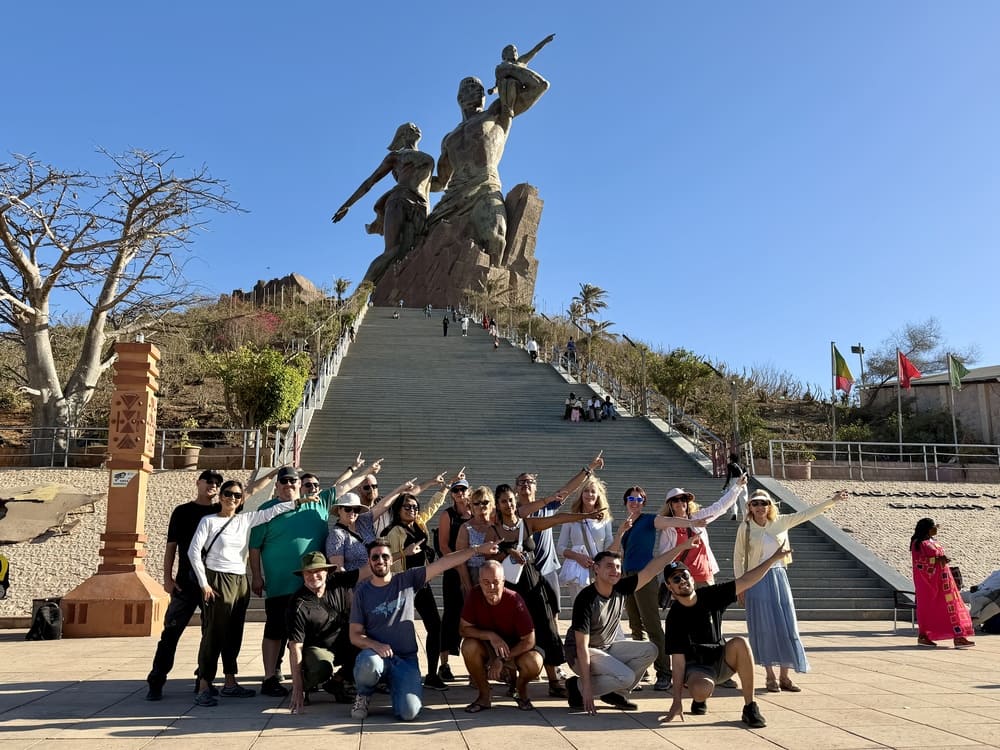
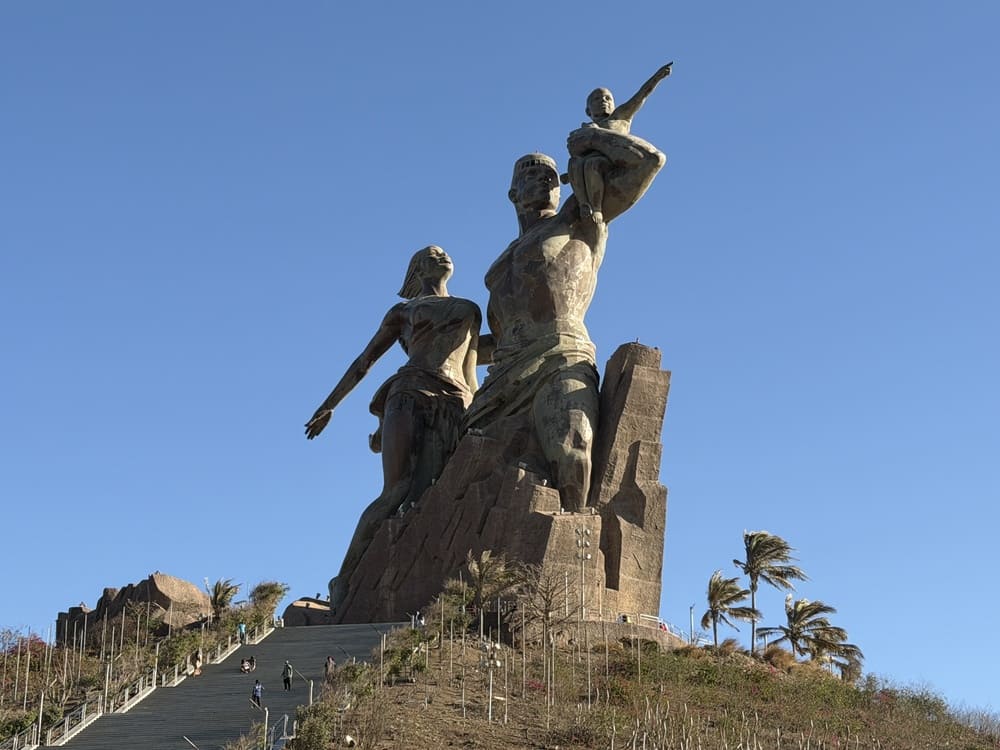
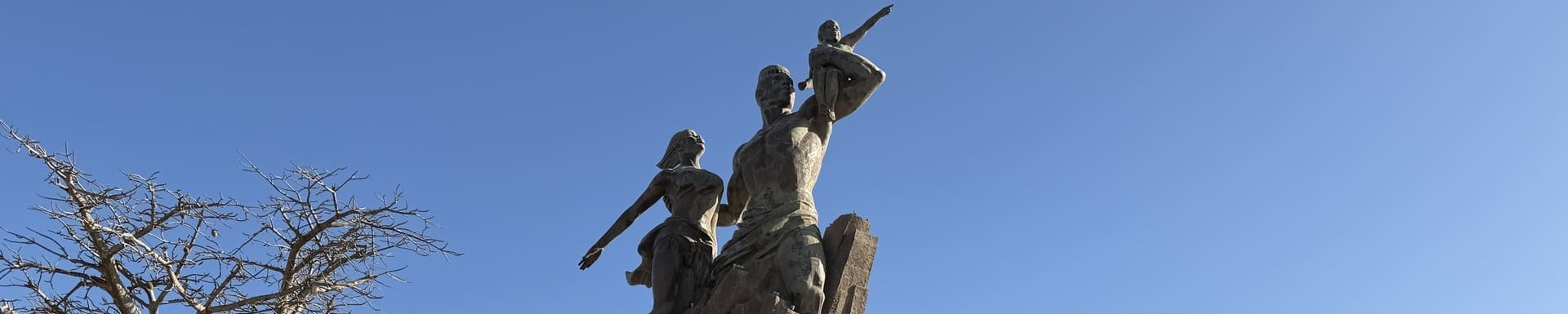
.And there’s no YPT tour to Senegal without a visit to the African Renaissance Monument, the tallest monument in Africa, which was constructed by the experts when it comes to massive monuments: North Korea!
Group Tours to Senegal
We are currently offering group Senegal tours as part of our West Africa Overland tour, taking in Senegal, Gambia, Guinea-Bissau, Guinea-Conakry, Sierra Leone and Liberia.
West Africa Overland Tour: Senegal, Gambia, Guinea-Bissau, Guinea-Conakry, Sierra Leone & Liberia – 2027 dates to be announced soon
Independent tours to Senegal
As well as our already scheduled group tours, we offer independent Senegal tours, perfect for those who require more flexible dates or prefer to travel without a group.
Example of an Senegal Itinerary (4 days)
Day 1 – Dakar and Gorée Island
- Arrive at Blaise Diagne International Airport in Dakar, which is well connected with direct flights from many main cities across Africa, Europe, North America and the Middle East.
- Transfer you to your hotel for check in and a late breakfast.
Afternoon
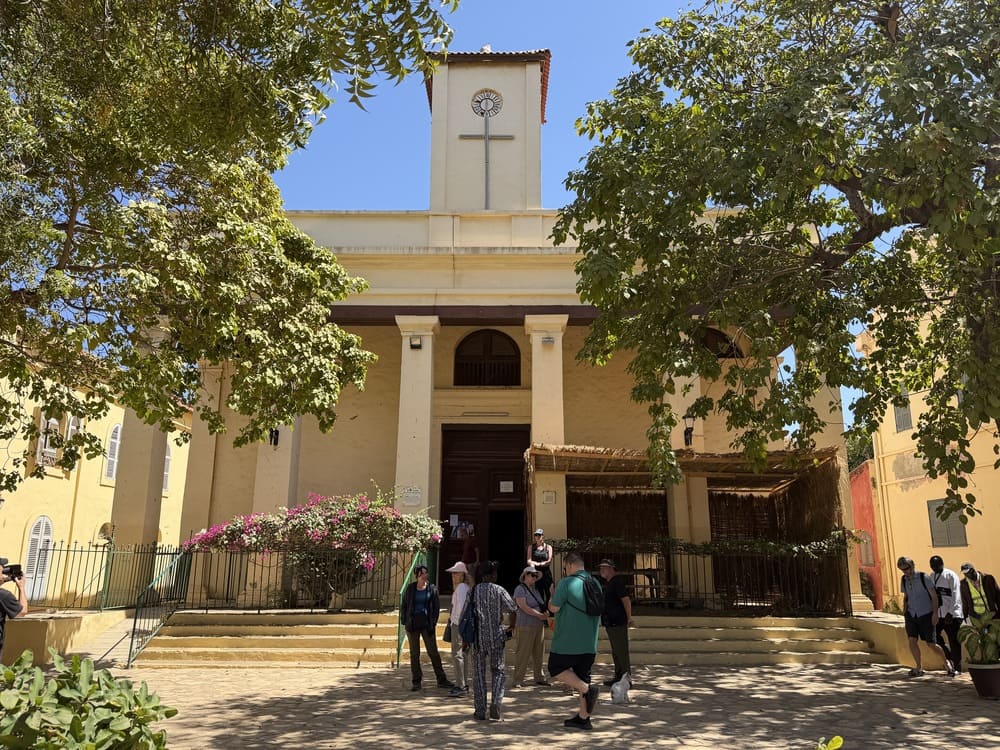
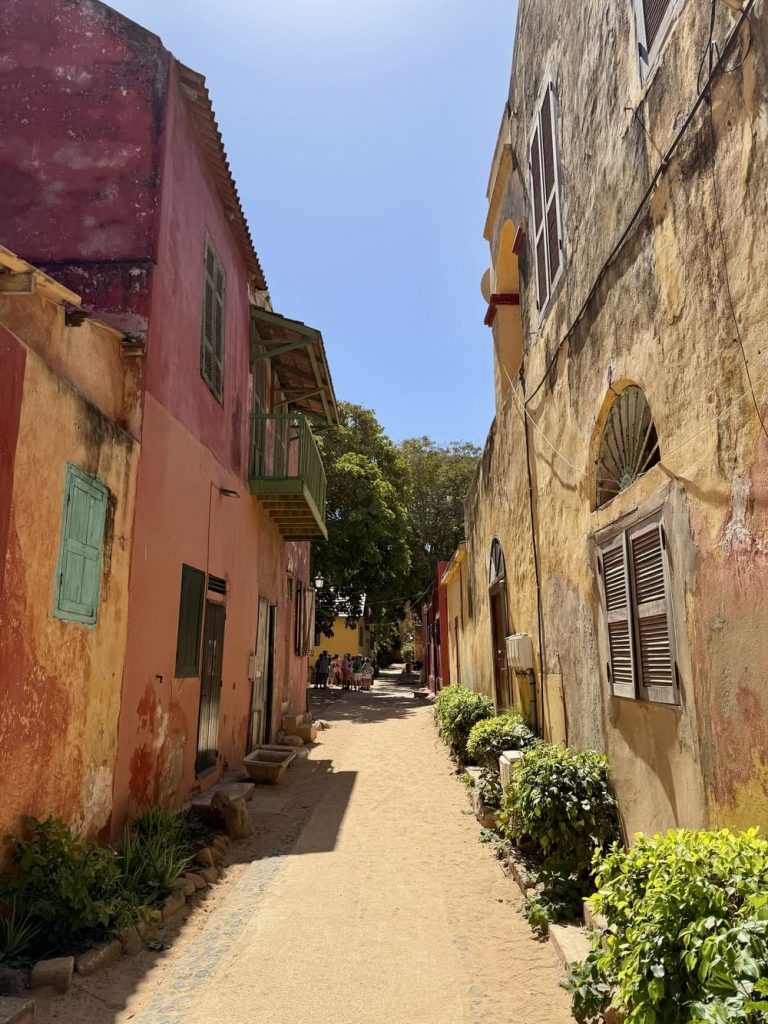
- We’ll take the public ferry to Gorée Island, one of West Africa’s most important historical sites, famous for its pastel-coloured colonial buildings, cobbled streets, and its big role in the Atlantic slave trade. Today it’s a UNESCO World Heritage Site.
- We’ll explore the island’s colonial streets, local art spaces, and waterfront cafés for lunch.
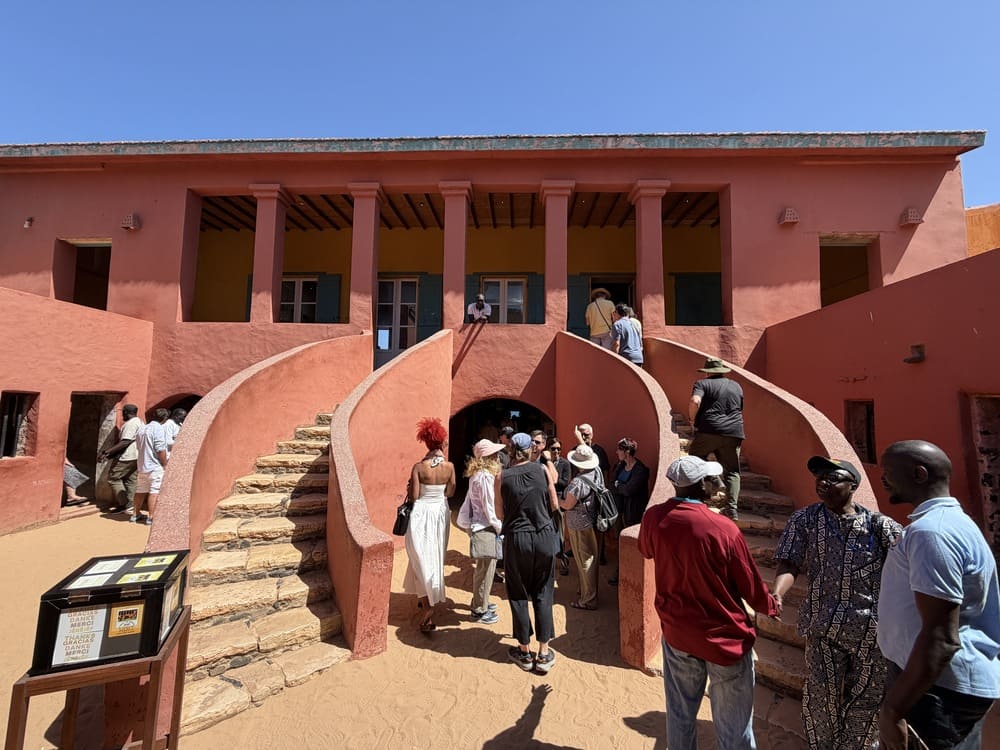
- After lunch, we’ll visit the “Maison des Esclaves” (House of Slaves), the most visited site on Gorée Island, including the famous Door of No Return. The Door of No Return is the most symbolic part of the “Maison des Esclaves”, representing the final exit for enslaved Africans being shipped across the Atlantic during the transatlantic slave trade. The door has become a global symbol of memory, resilience, and the enduring impact of slavery.
- We’ll take the ferry back to Dakar, and return to our hotel to freshen up.
- Dinner at a local seaside restaurant. Here you can try Senegal’s national dish, Thieboudienne, directly translated to “rice and fish”.
- After dinner, we’ll dive into Dakar’s unique nightlife scene, with live music at local clubs, where you can experience energetic mbalax, reggae, and afrobeat performances, a staple in Senegalese culture.
- Overnight in Dakar.
Day 2 – Pink Lake
- After breakfast in the hotel, we’ll drive about 30 minutes northeast of Dakar to Lac Retba, Senegal’s famous Pink Lake.
- Here, you’ll see the pink waters caused by salt-loving algae, watch local workers harvesting salt using traditional methods, and enjoy a scenic walk along the shoreline, with lots of unique photo opportunities.
Afternoon
- For lunch, we stop by the nearby coastal village Rufisque, where you’ll taste fresh, locally prepared Senegalese dishes and experience a glimpse of everyday village life.
- After lunch, we’ll jump into 4×4 vehicles and drive across the surrounding golden sand dunes. Optional camel riding.
- Photo stop at the African Renaissance Monument on our drive back to Dakar. This is the tallest monument in Africa, constructed by North Korea!
- Free evening at a local market in Dakar for those who want to test their bargaining skills, and this is a perfect spot for some Senegalese street food for dinner. Further exploring of Dakar’s nightlife is highly recommended!
- Overnight in Dakar.
Day 3 – Lion Walk and Safari at Fathala wild life reserve
- Early breakfast in our hotel.
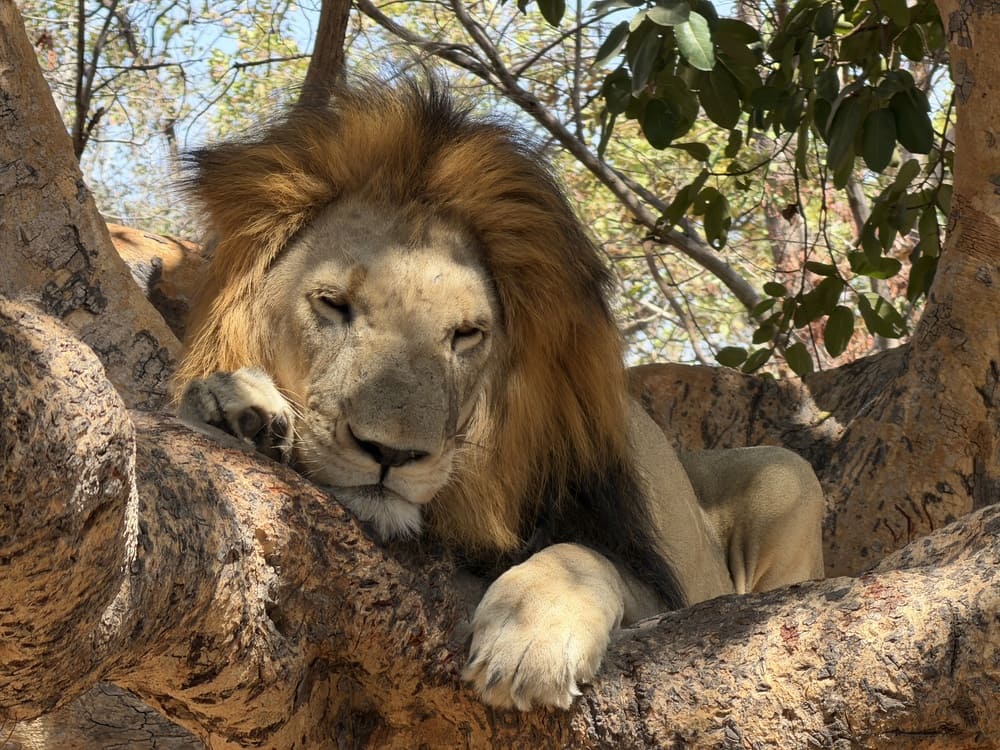
- We’ll start the drive south toward the Gambian border to reach Fathala Wildlife Reserve (approx. 4–5 hours). Fathala is one of the few reserves in West Africa offering a regulated Lion Walk experience.
Afternoon
- Lunch is served at the lodge inside the reserve.
- After a mandatory safety briefing, we’ll enter the reserve with trained handlers. In small groups, we get to walk alongside full-grown lions, under professional supervision. Expect good photo opportunities!
- Afterwards, we head out on a 4×4 safari through the reserve, where you’ll see giraffes, white rhinos, antelopes, warthogs, monkeys and a wide variety of birdlife
- Sengalese dinner and overnight at Fathala Lodge, the main accommodation in Fathala Reserve, with savannah views from the bungalows.
Day 4 – Dakar
- Breakfast at the lodge, before we start the drive back to Dakar.
- Arrival in Dakar, and tour commences.
Bespoke tours to Senegal
As well as our already scheduled Senegal tours, we can also arrange bespoke Senegal tours and tailor an itinerary that’s perfect for you. Contact us if you wish to do something that is not listed.
YPT Senegal Dark History Tour
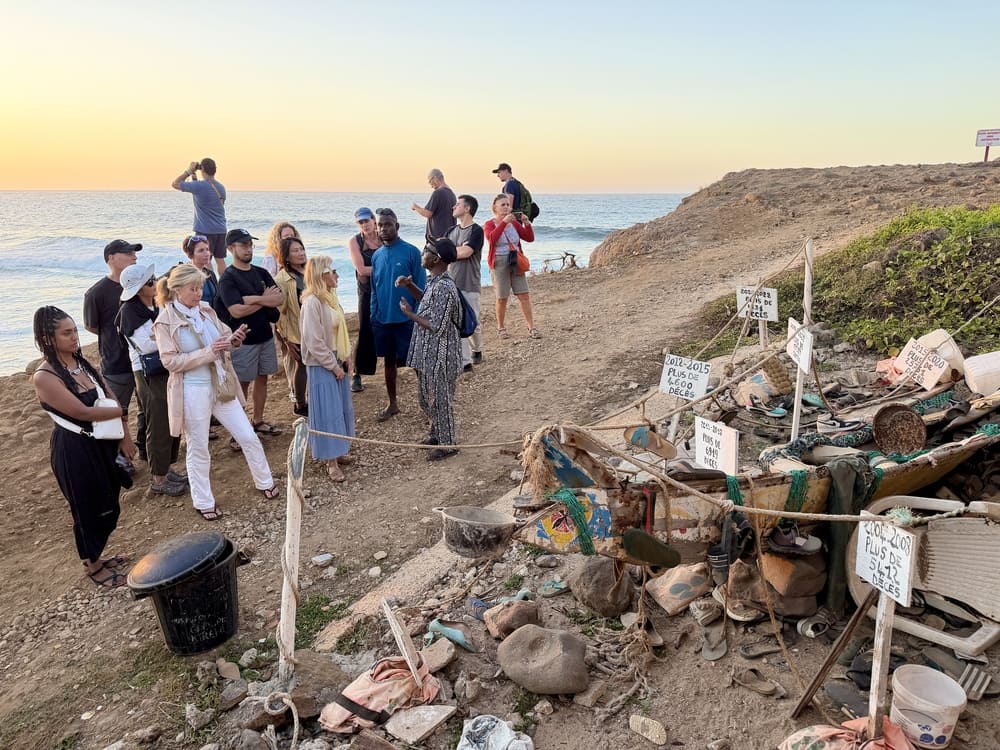
Deep dive into some of Senegal’s most challenging past, playing a central role in the transatlantic slave trade, particularly through the port of Gorée Island, one of the main departure points for enslaved Africans. Visit Gorée Island, the Maison des Esclaves, and the Door of No Return, and learn everything about this dark part of Senegalese history. Explore the historical neighbourhoods and museums in the capital Dakar, where you can see the remains of colonial control and resistance. Visit Saint-Louis and rural villages, where you can hear local stories of oppression, resilience, and their fight for independence.
Senegal – Gambia Borderlands tour
The Senegal – Gambia borderlands are a unique and historically rich region. Gambia is a narrow country located along the Gambia River, and is entirely landlocked by Senegal, creating an interesting mix of two major colonies; British in Gambia and French in Senegal. This region is home to diverse ethnic groups, including the Mandinka, Wolof, and Fula, each with their own languages, music, and traditions. Tours in the borderland region offers a unique experience of history, culture, and nature that can’t be seen in Senegal or Gambia alone.
Combo Senegal tours
Senegal is the starting country to one of our biggest combo tours; the “West Africa Overland Tour”, which covers Senegal, Gambia, Guinea-Bissau, Guinea, Sierra Leone and Liberia. To make the most out of your trip to West Africa, we recommended to combine your trip to Senegal with some of the neighboring countries. Contact us, and we can mix and match these countries to your preferences.
Filming in Senegal
Through our media arm Pioneer Media YPT can arrange for different forms of production within Senegal. Get in touch for more information.
Frequently asked questions about travel to Senegal
Senegal FAQ
Gallery