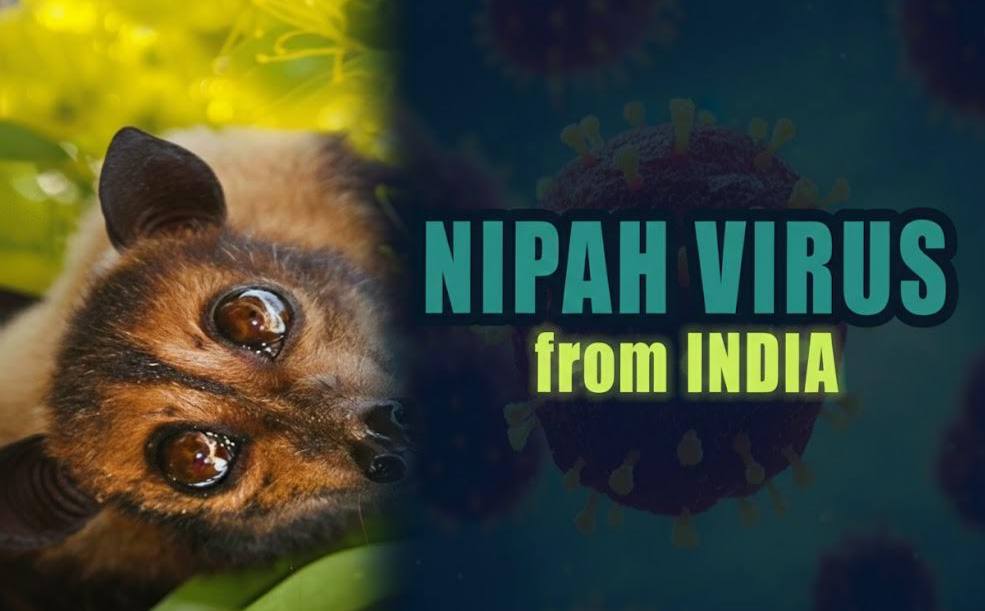
There is currently a limited outbreak of Nipah virus in India. Nipah is a serious disease with a high fatality rate in confirmed cases, but it is also a virus that spreads poorly and historically remains confined to small, localised clusters. The current situation does not warrant avoiding travel to India as a whole, but it does require awareness of where cases are occurring and how authorities typically respond.
Nipah is transmitted from animals to humans, primarily through fruit bats, and occasionally through pigs. Human to human transmission is possible but requires close and prolonged contact, usually in household or medical settings. It does not spread easily through casual contact, crowded streets, public transport, or normal travel activity. Symptoms usually begin with fever, headache, muscle pain, and sore throat. In some cases the disease progresses to severe respiratory illness or encephalitis. There is no vaccine or targeted treatment, and care is supportive.
Past outbreaks in South and Southeast Asia show a consistent pattern. Nipah appears in a defined area, authorities isolate cases and contacts, movement is restricted locally, and the outbreak burns out. It does not spread nationally or internationally in the way respiratory viruses do.
Table of Contents
Current Location and Scope of the Outbreak
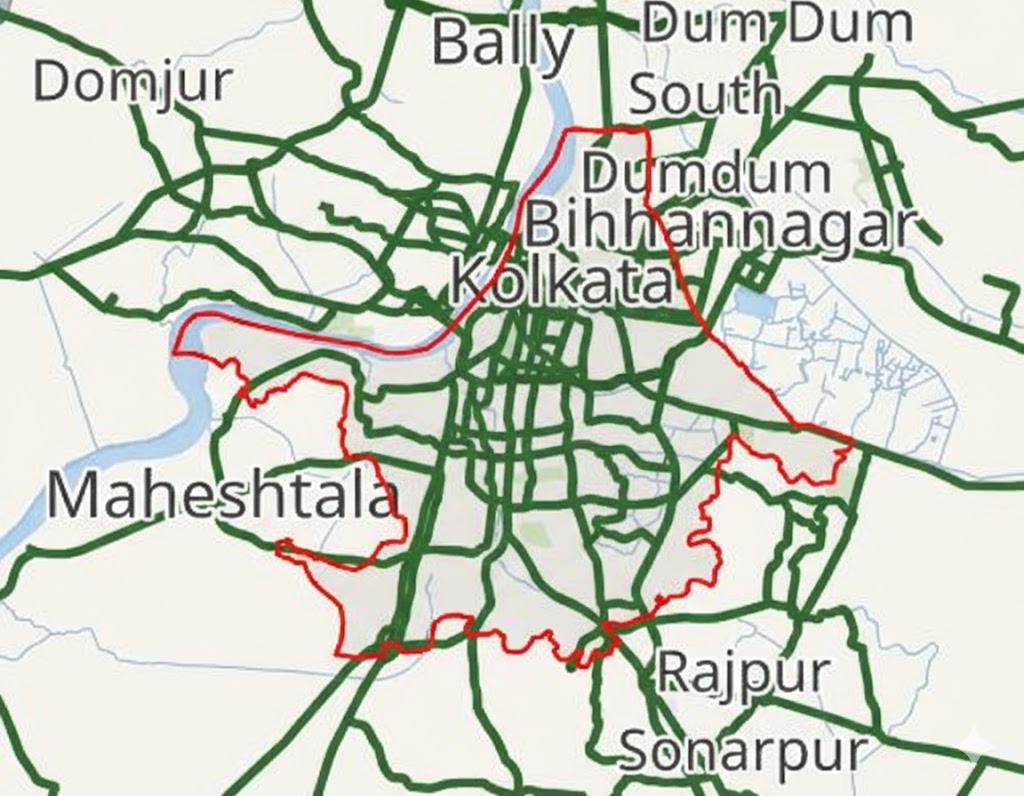
At present, confirmed cases are concentrated in West Bengal, primarily in and around Kolkata and nearby districts. This is the only region in India affected. There is no evidence of widespread transmission beyond this area.
Local authorities have implemented containment measures including isolation of confirmed cases, monitoring of contacts, and public health controls in affected districts. These actions are routine for Nipah outbreaks and are designed to prevent wider spread.
The rest of India is unaffected. There are no restrictions, alerts, or abnormal conditions in other states. Transport networks, accommodation, and tourism operations across the country are functioning normally.
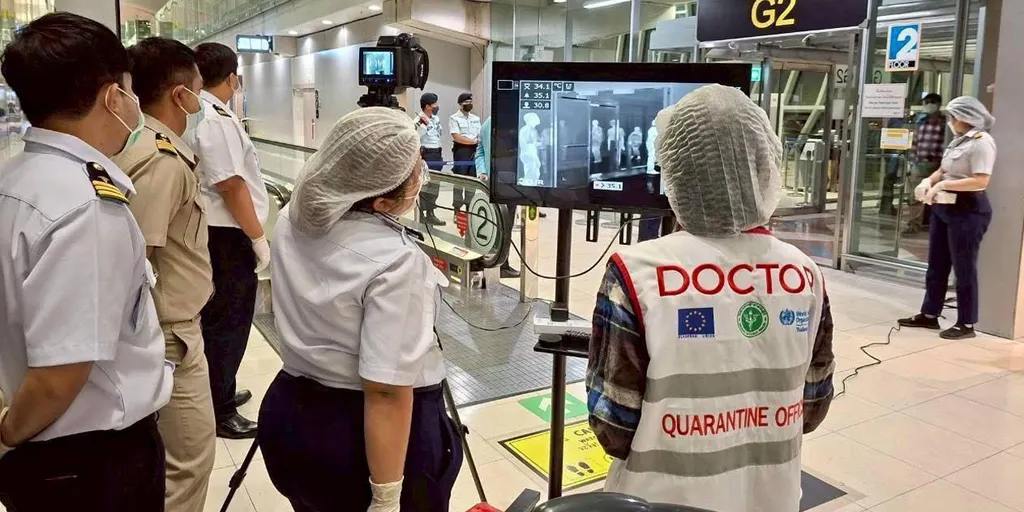
Some international airports, particularly in East and Southeast Asia, have introduced screening for passengers arriving from affected areas. This typically involves temperature checks and health declaration forms. These measures are precautionary and do not indicate an escalation of risk.
Travel Guidance
Travel to India outside West Bengal can continue as normal. There is no advisory basis to cancel or delay travel to regions such as Delhi, Rajasthan, Maharashtra, Goa, Kerala, Tamil Nadu, or other unaffected states.
Travel to West Bengal should be reconsidered for the duration of the outbreak. While the absolute risk remains low, there is no practical reason to visit an active outbreak area unless travel is essential. Postponing or rerouting itineraries away from Kolkata and surrounding districts is sensible risk management.
Standard hygiene precautions are sufficient. Wash hands regularly, avoid consuming fruit that appears damaged or exposed, and avoid close contact with individuals who are visibly ill. No additional protective measures are required for normal travel activity.
Travellers who develop symptoms consistent with infection during or after travel should seek medical care promptly and disclose recent travel history.
Possible Developments if the Situation Changes
If the outbreak expands geographically, authorities may increase screening requirements or impose temporary entry restrictions on travellers arriving from affected areas. Some countries may introduce short-term quarantine measures for passengers with recent exposure.
In a more severe scenario, regional travel restrictions could be applied specifically to West Bengal. This would not equate to a nationwide restriction on India and would likely be time-limited.
Based on historical data, widespread international disruption is unlikely, at least for now.. Nipah outbreaks have consistently remained contained when appropriate public health measures are applied.
And for now we feel this will not affect our tours to Sikkim, which do originate in West Bengal.
Summary
The Nipah virus outbreak in India is real but limited in scope. Risk to travellers outside West Bengal is low. Travel to most of India can continue without modification. Avoidance of the affected region is prudent until the outbreak is declared over.
Monitor official updates, comply with screening requirements, and apply basic hygiene, but there is no justification for broad travel avoidance or panic-driven decisions.
About Post Author