Morocco has become one of the most fascinating destinations for travelers seeking a blend of ancient history, vibrant culture, and unforgettable experiences. From the golden dunes of the Sahara to the bustling souks of Marrakech, this North African gem offers something special for every type of adventurer.
Whether you’re planning your first trip or returning for another visit, understanding what makes Moroccan travel unique will help you make the most of your journey. This guide breaks down everything travelers need to know before packing their bags for this incredible country.
Best Times to Visit Different Regions
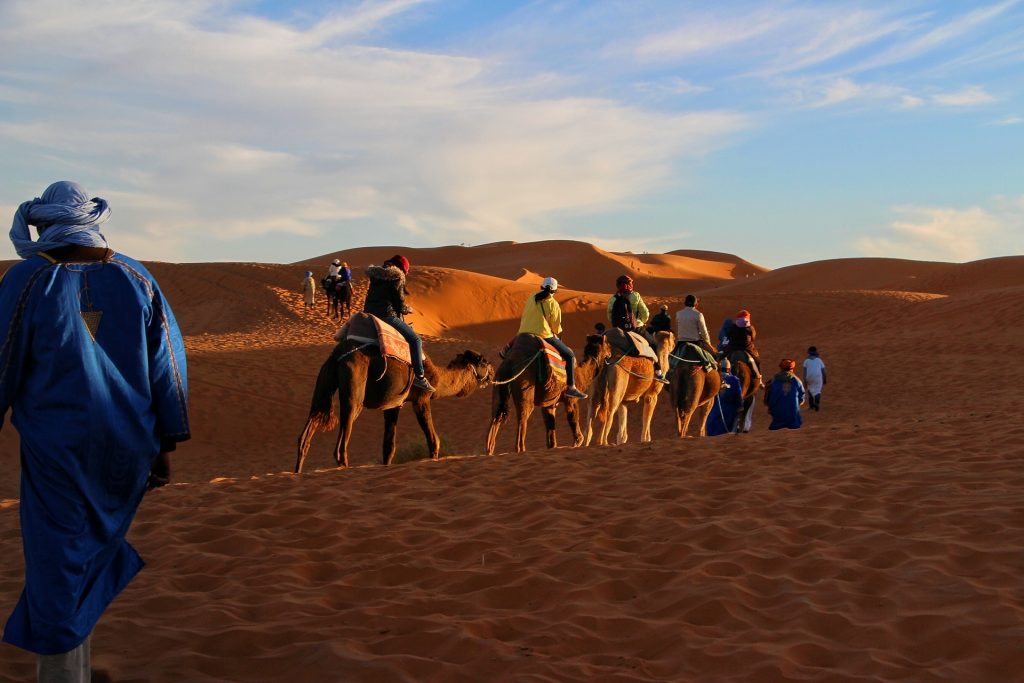
Timing your Moroccan adventure correctly can make the difference between a comfortable trip and an exhausting one. The summer months from June to August bring scorching temperatures across much of the country, with desert areas and inland cities like Marrakech reaching well over 40°C (104°F), making outdoor exploration nearly impossible during midday hours. The ideal travel window falls between October and April when the weather becomes pleasant for sightseeing, desert adventures, and exploring the imperial cities.
Morocco’s diverse geography offers year-round appeal with varying climate zones. Those interested in exploring the imperial cities and the Sahara landscapes should consider Morocco Tour Packages that operate during the cooler months for maximum comfort. Coastal areas along the Atlantic and Mediterranean enjoy milder conditions year-round, while the Atlas Mountains can even see snow during winter months, offering skiing opportunities.
Understanding the Cultural Landscape
Morocco is home to a rich tapestry of Berber, Arab, and French influences, and respect for local customs goes a long way in making your trip smooth and enjoyable. Dress modestly when visiting religious sites and traditional neighborhoods, which usually means covering shoulders and knees. Friday is the holy day of prayer, so expect some shops and attractions to close or operate on reduced hours.
Learning a few basic Arabic or French phrases like “Shukran” (thank you) and “Salam” (hello) can bring genuine smiles and warmer interactions with locals. Moroccan hospitality is legendary, and travelers often find themselves invited for mint tea or engaged in friendly conversations that turn into lasting memories.
Navigating Transportation and Getting Around
Getting around Morocco has become increasingly easier with improved infrastructure and various transportation options available to travelers. Major cities like Casablanca and Rabat have modern train services connecting key destinations efficiently and affordably. The ONCF railway network links cities along the coast and inland, offering comfortable first and second-class options.
Many travelers find that joining organized Morocco Tours takes the stress out of navigation while providing expert insights into historical sites, kasbahs, and hidden gems that independent travelers might miss, particularly when venturing into the Sahara or Atlas Mountains.
Food Adventures and Dining Etiquette
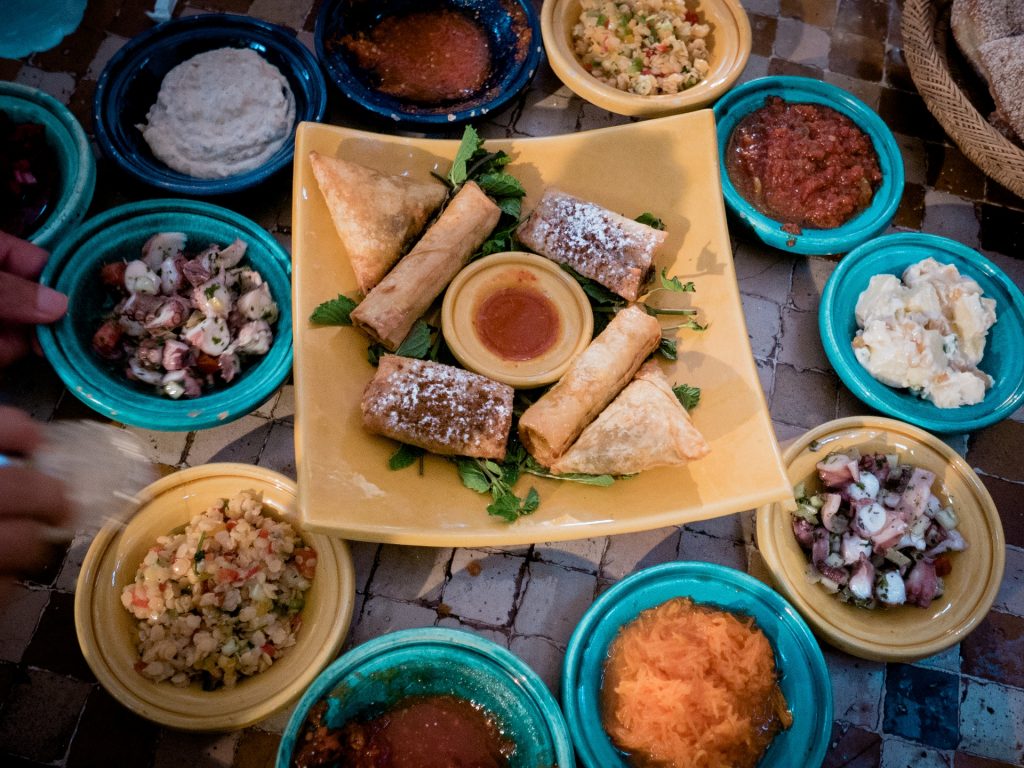
Moroccan cuisine deserves its reputation as some of the most flavorful and aromatic food in the world. The country brings its own distinctive specialties to the table, from slow-cooked tagines with preserved lemons to fluffy couscous, fresh seafood along the coasts to sweet and savory pastilla. Street food culture thrives throughout Morocco, offering delicious and budget-friendly options like flaky flatbread, harira soup, and fresh-squeezed orange juice.
Dining often becomes a social event that lasts hours, with multiple courses and endless glasses of sweet mint tea. When invited to someone’s home, bringing a small gift like pastries shows appreciation, and it’s customary to wash your hands before eating.
Safety Tips and Practical Advice
Despite common misconceptions, Morocco welcomes tourists with an excellent safety record and well-developed tourism infrastructure. Staying informed about current conditions before traveling makes sense, and keeping digital copies of important documents stored securely online is always wise. The country is politically stable and has invested heavily in its tourism sector.
Travel insurance covering medical emergencies and trip cancellations provides peace of mind for unexpected situations. Women traveling solo will find Morocco generally safe and welcoming, though dressing conservatively and being aware of surroundings helps avoid unwanted attention.
Conclusion
Morocco rewards travelers with experiences that stay with them long after returning home. From witnessing sunrise over the Sahara’s endless sand dunes to exploring ancient medinas that have thrived for centuries, every moment offers something extraordinary. The country’s combination of traditional heritage and modern development creates a unique travel experience unlike anywhere else.
With proper preparation, cultural awareness, and an open mind, travelers discover that Morocco exceeds expectations and challenges stereotypes. The warmth of its people, the richness of its history, and the stunning diversity of its landscapes make it a destination worth exploring multiple times, with each visit revealing new layers of this captivating country.
About Post Author