North Korea is not a country known for a wide range of exports, nor does it dominate many global industries. There is, however, one field in which it is widely regarded as virtually unchallenged: the construction of monumental art.
The country has produced some truly exceptional artists and sculptors, most notably through the Mansudae Art Studio in Pyongyang. This state run institution also operates an international arm, the Mansudae Overseas Project Group, which has been commissioned to design and build striking monuments across the globe.
While these works can be found in several countries, the overwhelming majority of North Korean built monuments stand in Africa, where their scale, craftsmanship, and unmistakable style have left a lasting imprint on city skylines and national memorials alike.
Below, we highlight Five remarkable monuments around the world built by North Korea, showcasing a little-known but fascinating export of the DPRK.
5. Fairy-tale Fountain – Frankfurt, Germany
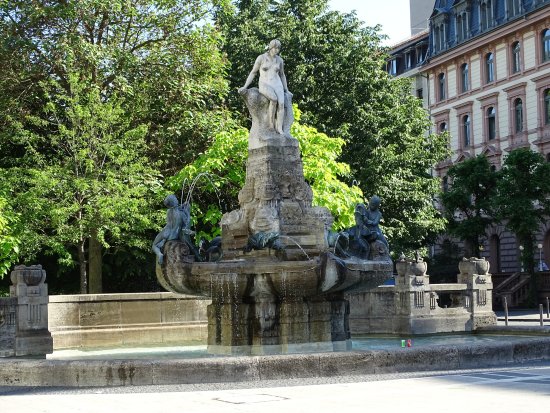
Also known in German as the Märchenbrunnen, this entry may come as a surprise to many readers, as it is located in Germany. It’s not the most visually impressive monument on this list, but its European setting and the fact that countless people walk past it every day without realising Mansudae Art Studio’s role in its reconstruction which gives it a particularly good story.
Originally unveiled in 1913, the fountain did not survive World War II intact. Parts were allegedly melted down for their metal, while others were stolen or damaged beyond repair. Various restoration attempts using rough reproductions were made in the decades that followed, but with no surviving plans of the original work, the city of Frankfurt ultimately turned to Mansudae Art Studio.
Using only historical photographs as reference, North Korean artists reconstructed the fountain as it stands today. So if you’ve ever been to Frankfurt, there’s a good chance you’ve unknowingly walked past one of the most notable North Korean built artworks in Europe.
4. The Unknown Soldier – Windhoek, Namibia

Bearing a striking resemblance to Sam Nujoma, Namibia’s founding president and the man who commissioned it. This monument has long been a source of controversy. Mansudae Art Studio was awarded the contract to build the statue, obelisk, and surrounding memorial without a competitive tender, prompting allegations of corruption and claims that the project’s final cost more than doubled from its original estimate.
The site, known as Heroes’ Acre, sits on a hill south of Windhoek and clearly draws inspiration from Pyongyang’s Revolutionary Martyrs’ Cemetery, infused with unmistakable North Korean stylistic elements: a towering bronze statue, a monumental obelisk, and an eternal flame for good measure. Like its counterpart on Mount Taesong in Pyongyang, Heroes’ Acre includes graves for national heroes. Many still unoccupied, awaiting future generations of Namibians who played a role in the country’s struggle for independence.
3. The Angkor Panorama Museum – Siem Reap, Cambodia
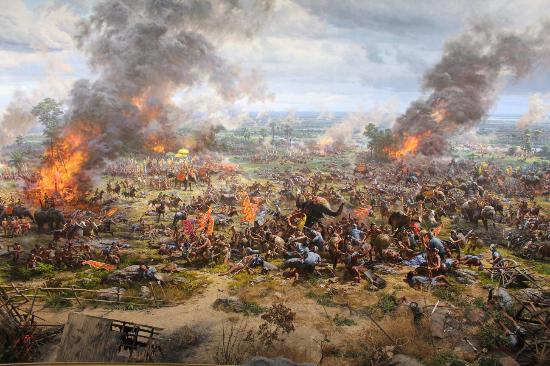
The most recent entry on this list, the Angkor Panorama Museum, officially opened on 4 December 2015. Dedicated to Cambodian history rather than Korean narratives, the museum reportedly cost over US$30 million to construct. Before additional international sanctions were enforced, North Korean staff working at the museum including guides assigned to the panorama were recalled to Pyongyang. Prior to this, it was arguably one of the few places in the world where visitors could speak English with North Koreans without actually traveling to North Korea.
The project was overseen by a Merited Artist from Mansudae Art Studio specializing in panoramas, dioramas, and cycloramas (try saying that ten times fast). In total, 63 artists worked on the installation, which took two years to complete.
North Korea and Cambodia share a long standing relationship dating back to the personal friendship between President Kim Il Sung and Samdech Euv Norodom Sihanouk in the 1940s. However, the Angkor Panorama Museum marked the first major reminder of this historic connection in decades, following Cambodia’s gradual pivot toward South Korea.
2. The Agostinho Neto Mausoleum – Luanda, Angola
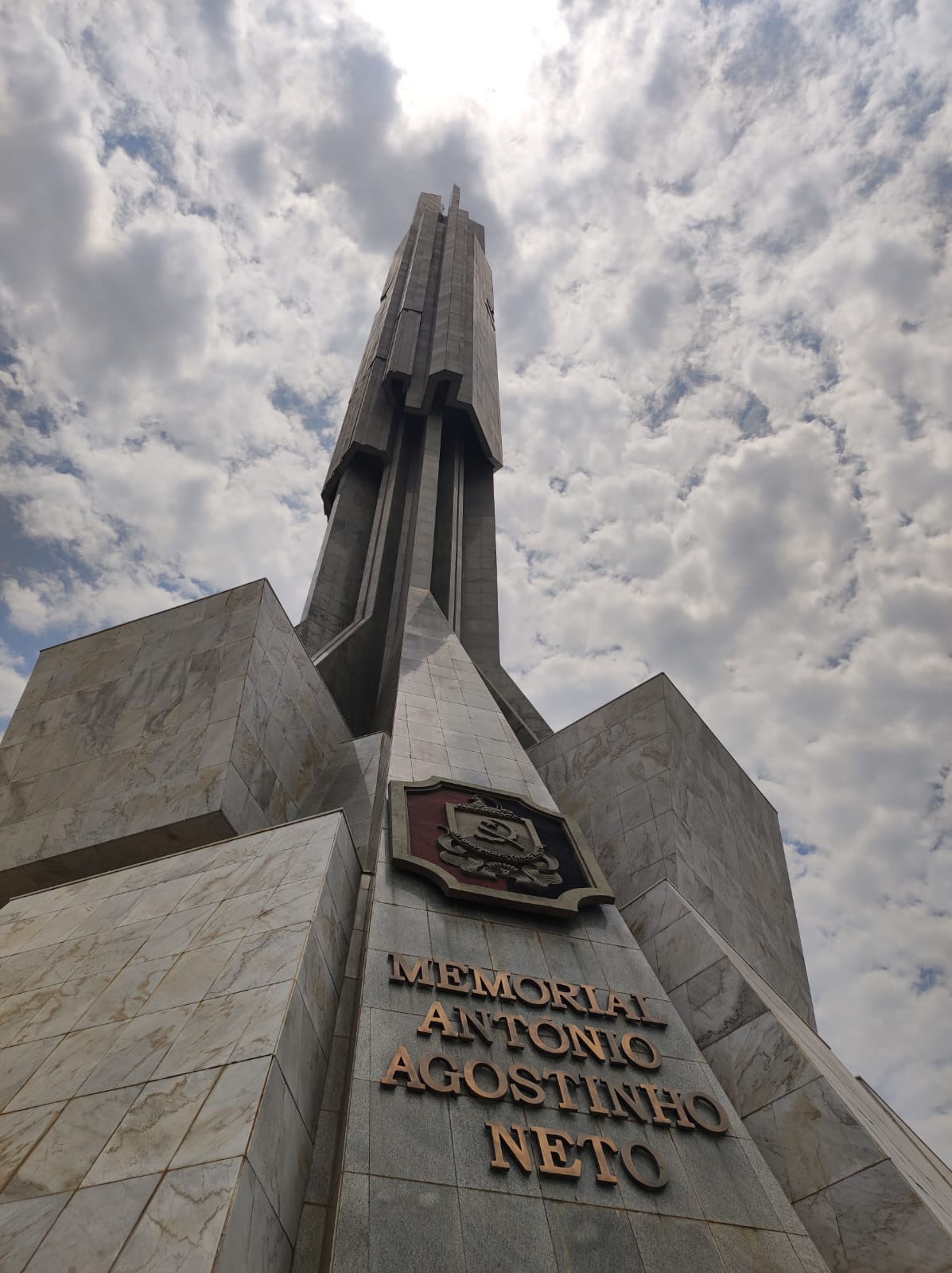
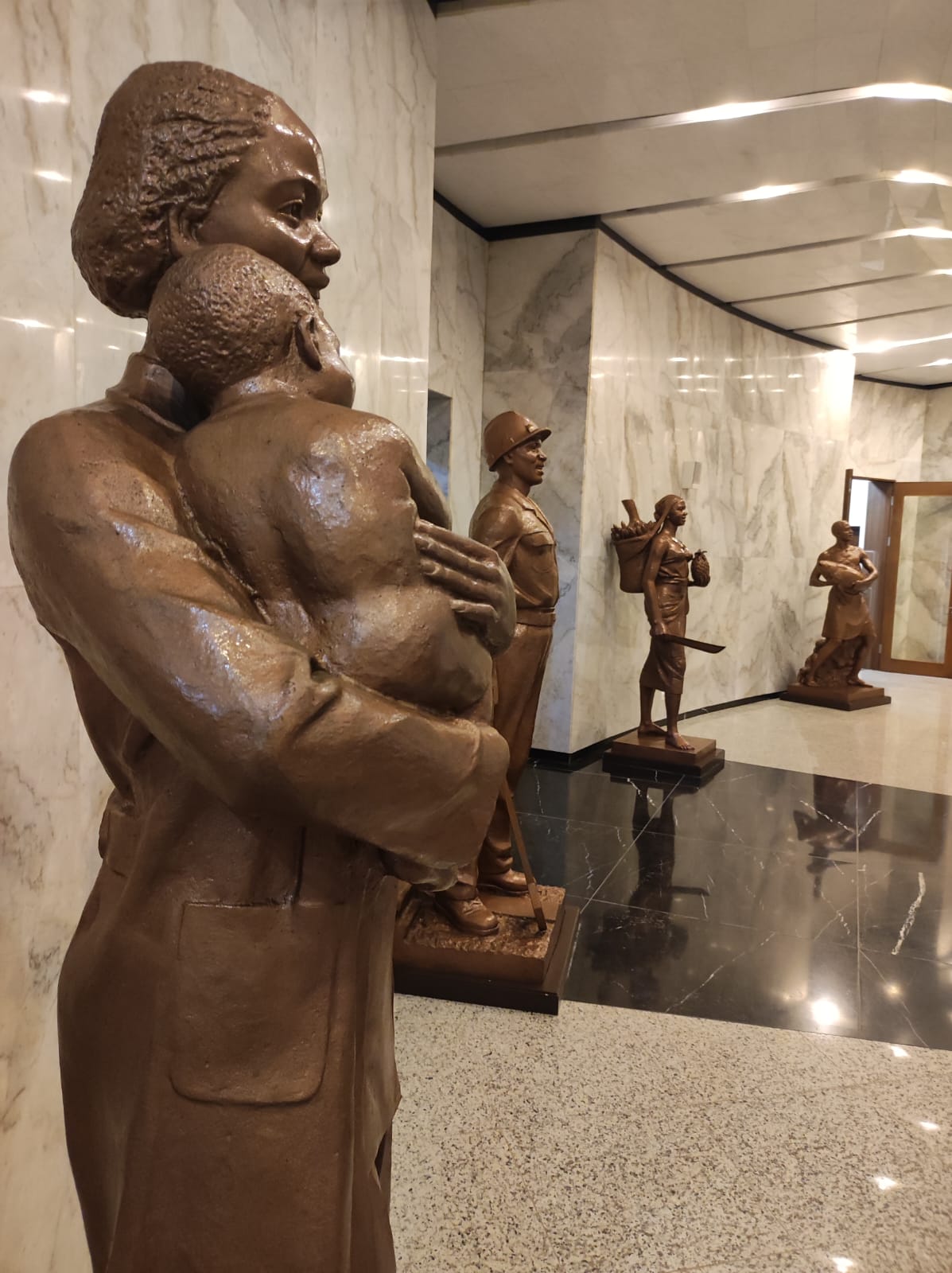
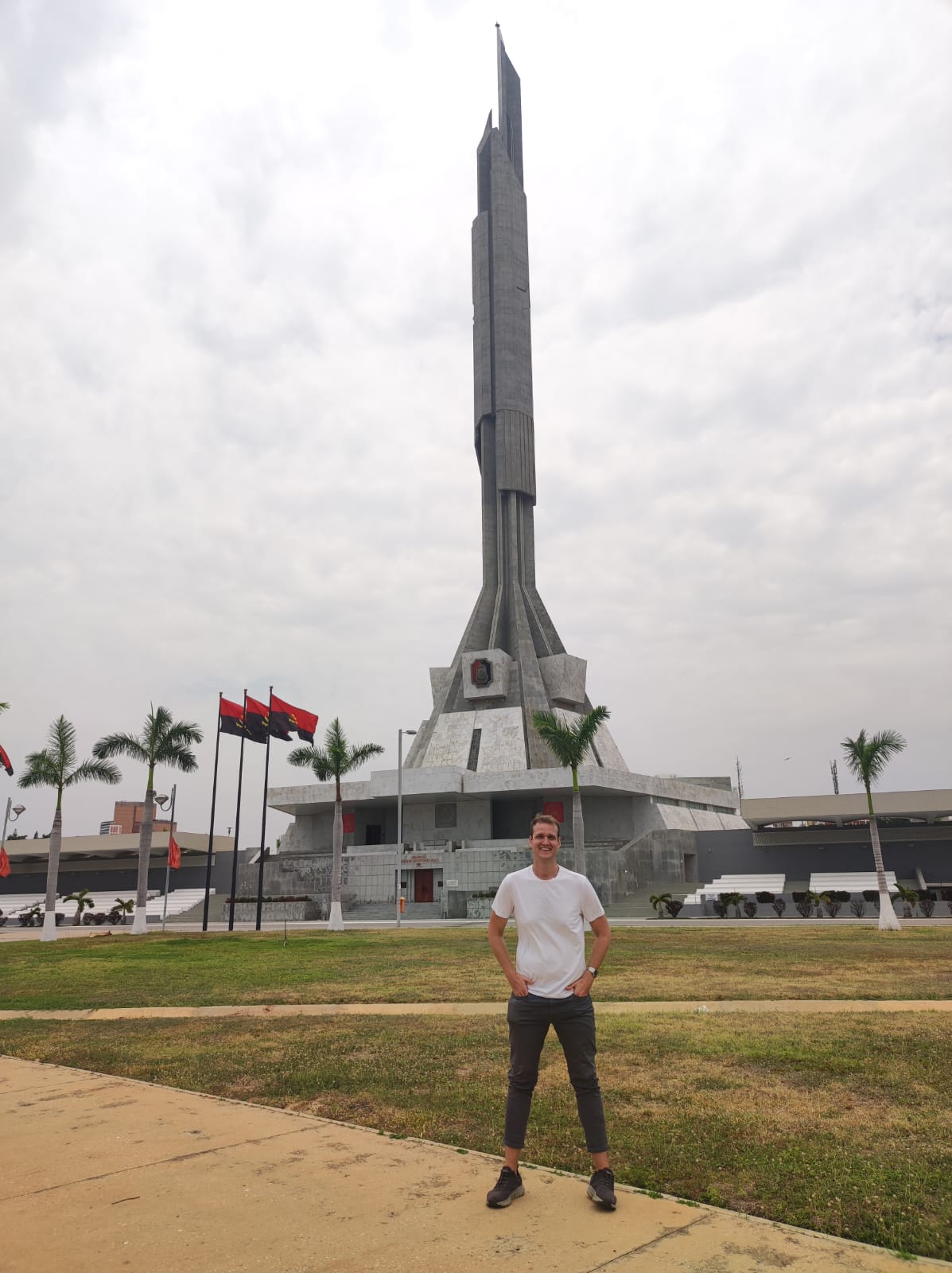
Spectacularly Brutalist in design, this 120 metre monument looks like a sci-fi reimagining of the Tower of Sauron, at least to me, if not to most people. Locals instead nicknamed it “Sputnik,” thanks to its unmistakable resemblance to a rocket ship.
Taller than the Statue of Liberty, the structure reportedly cost around US$40 million although perhaps it didn’t. Persistent rumours suggest the deal involved barter arrangements, including aviation fuel and military exchanges.
Originally awarded to a Brazilian construction company, the project was ultimately completed by the Mansudae Overseas Project Group, further reinforcing their reputation as the undisputed masters of monumental construction. Built in 2012, it would also become one of Mansudae Art Studio’s final major international projects, as Angola cancelled all remaining contracts with the studio by 2018.
We visit this magnificent site on our tours to Angola.
1. The African Renaissance Monument – Dakar, Senegal
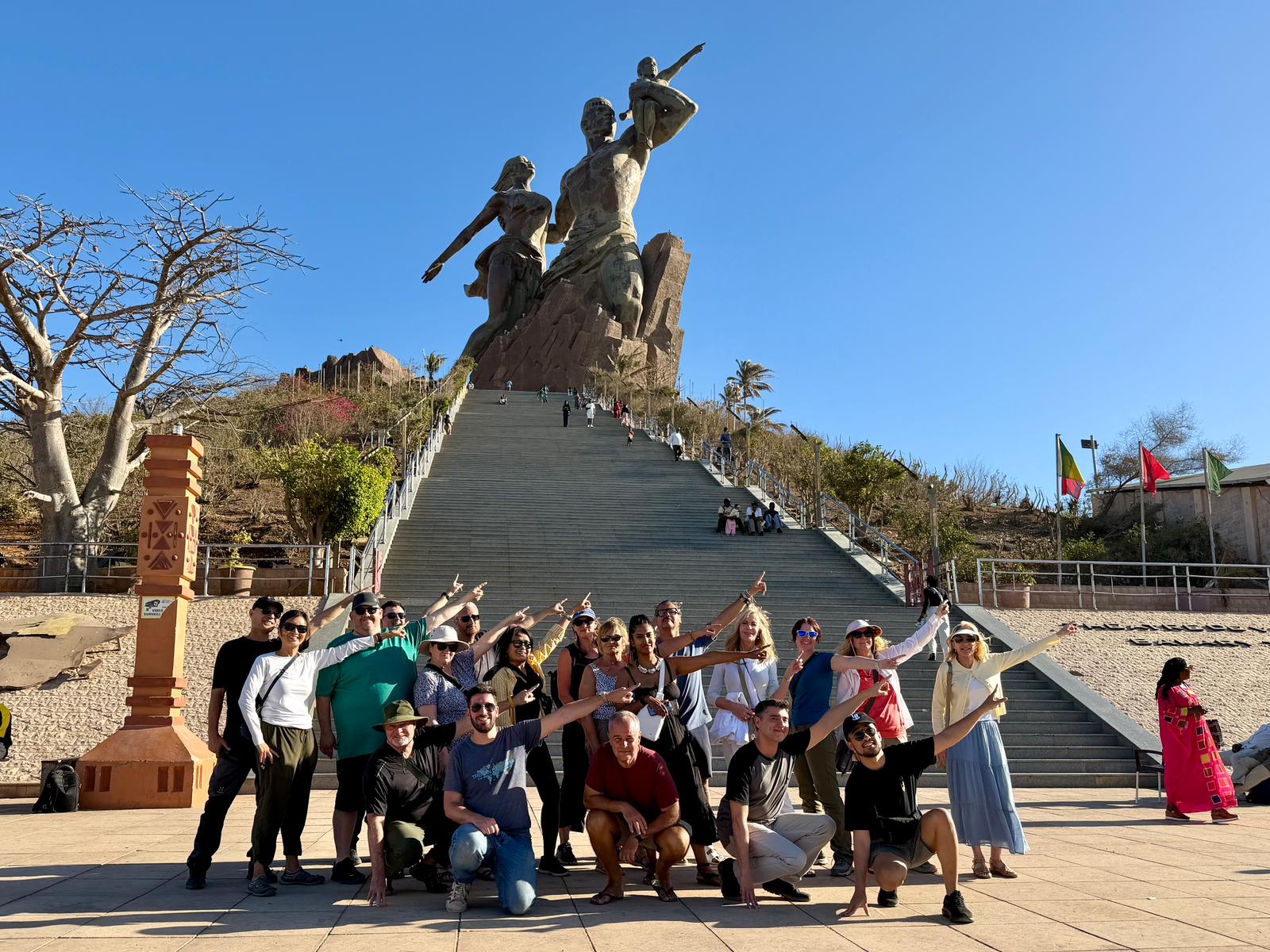
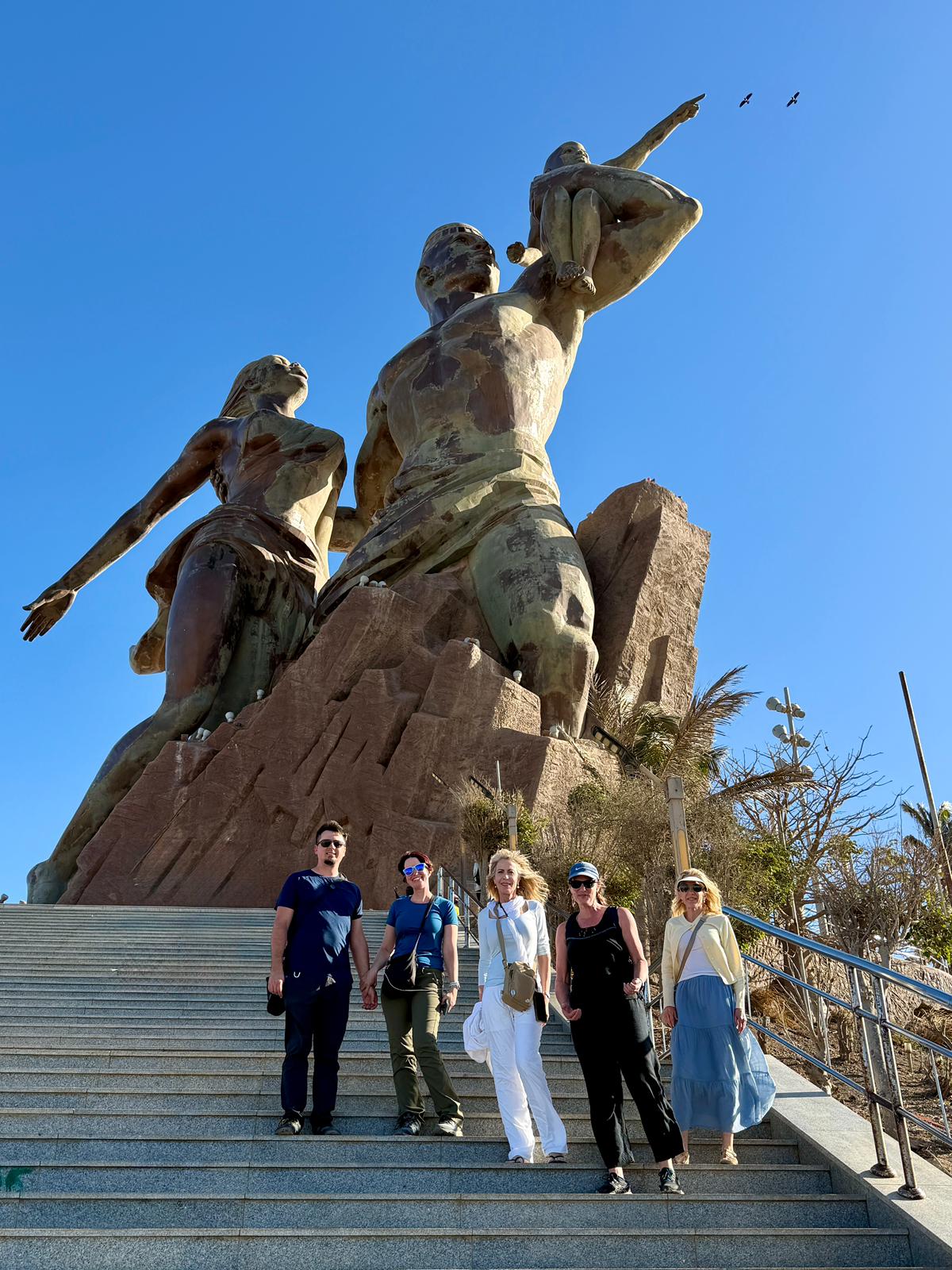
Arguably the finest of the North Korean made statues, this monument demands attention regardless of your taste in art. Perched on a 100 meter high hill, the 49 meter tall bronze figure absolutely refuses to be ignored, much to the chagrin of its critics. Officially unveiled on 4 April 2010, marking Senegal’s 50th anniversary of independence from France (and nearly eight years after their valiant efforts to teach France how to score goals in football), it instantly became Africa’s tallest statue.
Criticism has been abundant and varied. Christians bristled after the then president compared the statue to Jesus, Islamic Imams decried it as immodest and idolatrous, art critics deemed it “meh,” and others have called it both misogynistic and the opposite of its intended message.. given it was designed by a Romanian and constructed by North Korea.
It’s definitely worth visiting which is why we’ve included this on our West Africa Overland tour.
About Post Author