Talking about money in Ivory Coast is simple: cash rules everything. If you turn up expecting cards to work everywhere, you are going to have a bad day. Money in Ivory Coast runs daily life. Whether you are in Abidjan, Yamoussoukro, or a small village somewhere along the coast, the currency of Ivory Coast decides how you pay for taxis, street food, and market stalls. Ivorian money is everywhere, and not understanding it will make life a headache.
The official currency of Ivory Coast is the West African CFA franc. This is what people use for almost every transaction. Markets, taxis, small shops, and street vendors all rely on Ivorian money, while hotels and bigger restaurants may accept larger bills or euros. Understanding how the currency of Ivory Coast works will make traveling here far easier, because you cannot escape cash.
Table of Contents
Colonial History and Early Currency
Ivory Coast money has its roots in French colonial rule. The CFA franc was introduced during the colonial period and has stuck around since independence in 1960. It is pegged to the euro, which gives Ivorian money a stability that other West African currencies do not have. The CFA franc keeps markets moving, trade flowing, and makes cross-border business with neighbors straightforward.
This history explains why coins are rare and why small change is often ignored. The CFA franc is practical, stable, and works for daily life in Ivory Coast. Understanding this is essential before you start handling Ivorian money.
Coins and Banknotes of Ivory Coast
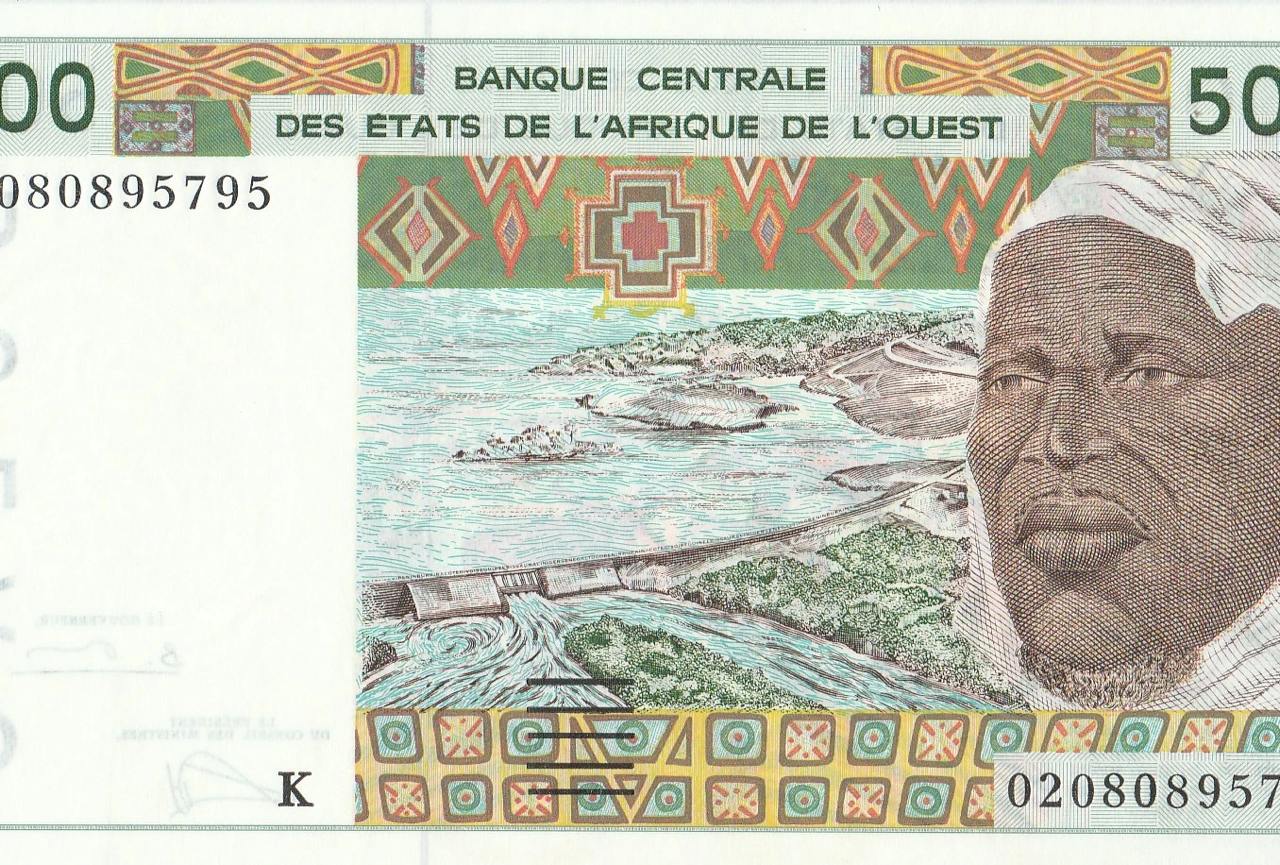
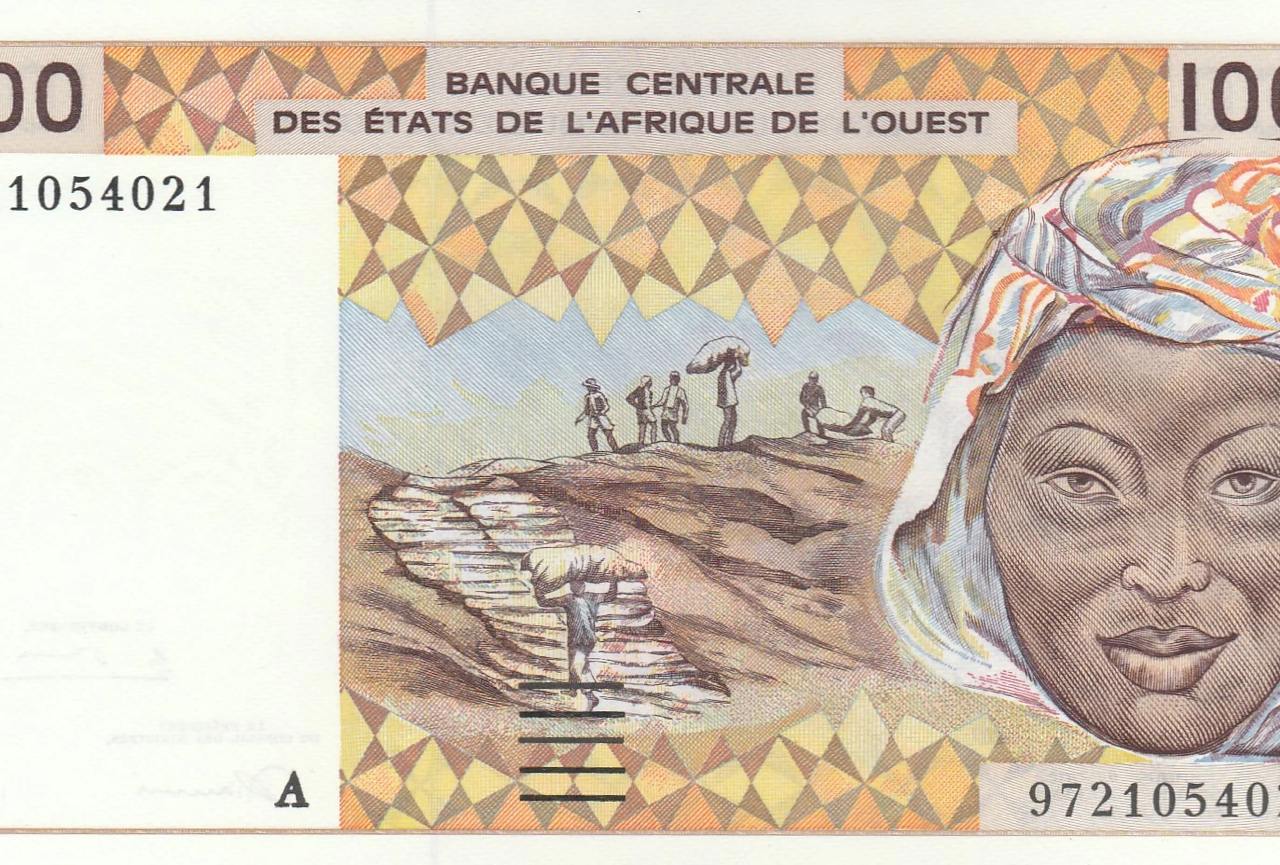
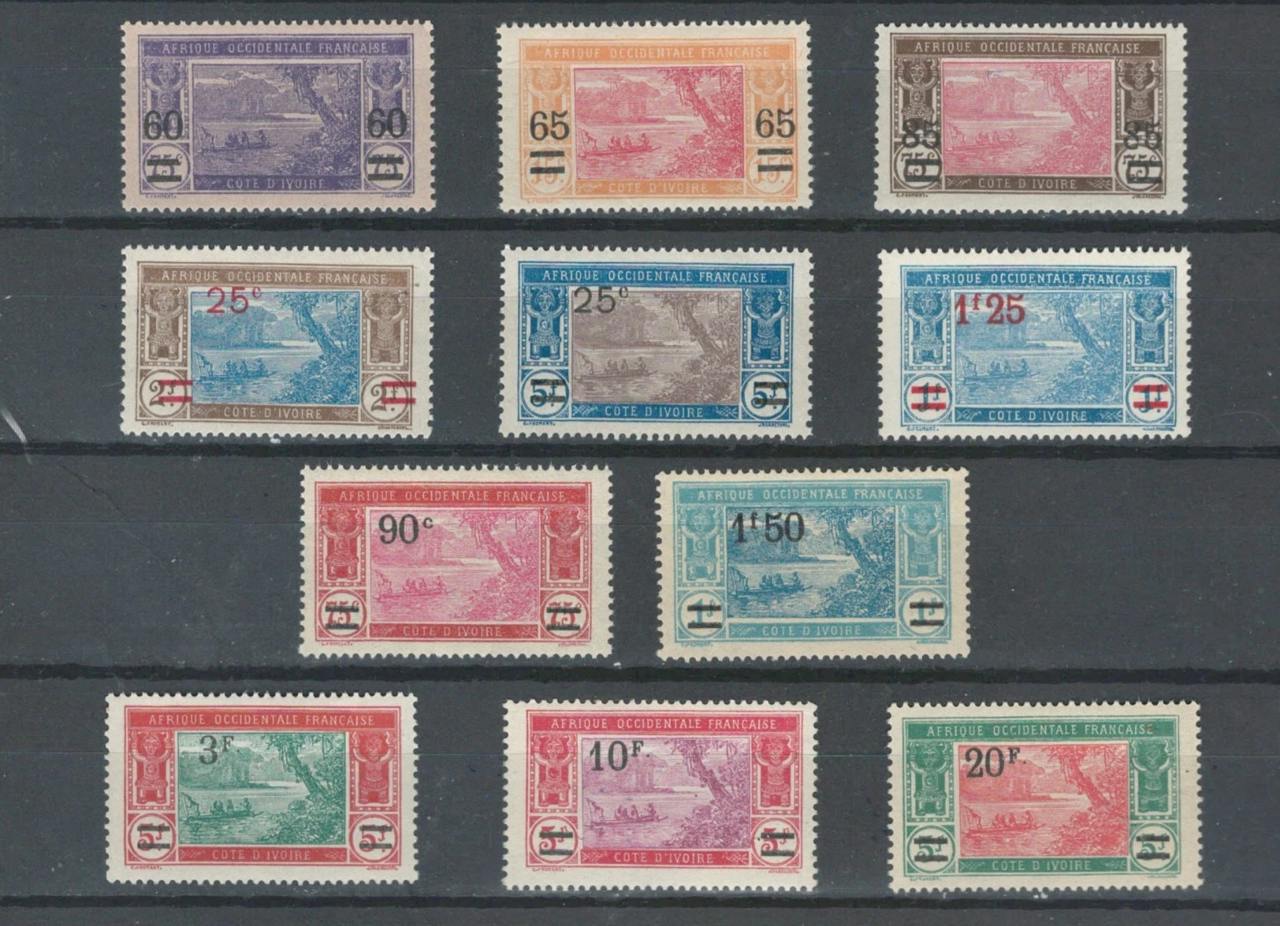
Ivory Coast money exists in coins and banknotes, though coins are almost irrelevant in daily life. Banknotes come in 500, 1,000, 2,000, 5,000, and 10,000 CFA francs. Smaller notes are useful for markets, taxis, and street food. Larger notes are necessary for hotels, restaurants, and bigger purchases.
Coins exist in 1, 5, 10, 25, 50, 100, and 500 CFA francs but are rarely used. Prices are often rounded, and vendors do not expect exact change. Older notes occasionally appear, featuring national symbols, wildlife, or historical figures. Handling Ivorian money becomes second nature once you spend a day in the markets or on the streets.
Using Money in Ivory Coast Daily
Cash is king in Ivory Coast. Almost everything requires Ivorian money. ATMs exist in Abidjan and a few other cities, but they fail, run out of cash, or reject cards. Large bills can be tricky to break in small shops, so smaller notes are essential. Coins are largely irrelevant.
Markets, taxis, and street vendors will only take cash. Hotels and restaurants may accept cards or euros, but only sometimes. Learning how Ivorian money works in daily life will save you frustration and prevent you from being shortchanged.
Exchanging Money in Ivory Coast
Exchanging foreign currency into Ivory Coast money is easy in cities. Banks and official bureaus handle euros, US dollars, and sometimes pounds. Rates are consistent thanks to the CFA franc peg.
Outside the main cities, exchanges are harder to find. Street money changers exist but are risky and often offer bad rates. Sticking to banks ensures you get proper Ivorian money.
Using Credit Cards in Ivory Coast
Credit cards are rare. Some hotels or international businesses may take them, but connections fail, machines break, and suddenly it’s cash only. Anyone traveling in Ivory Coast must rely on cash. Ivorian money and some euros for bigger transactions are the only reliable options. ATMs exist but have limits and high fees.
The county though is at least not sanctioned when it comes to using plastic and or flexible friends.
Practical Tips on money in Ivory Coast
Carry a mix of small and large notes. Use small notes for taxis, street food, and markets. Keep larger bills for hotels, restaurants, or anything expensive. Exchange currency only at official banks or bureaus. Keep cash on you at all times. Understanding Ivorian money makes negotiating prices simple and daily life smoother.
Its All About the Money in Ivory Coast
Money in Ivory Coast is not just coins and notes. It is how people live, trade, and get through each day. The CFA franc provides stability and keeps markets moving.
For travelers, understanding money in Ivory Coast is essential. For locals, it is the backbone of daily life. So, take a look at how the locals do it, get in your head the exchange and start splashing some cash.
Click to see our tours to the Ivory Coast.
About Post Author