Just outside Kinshasa, within a protected area of forest, lies one of the Democratic Republic of the Congo’s most important conservation initiatives. Lola ya Bonobo Sanctuary is a rescue, rehabilitation and rewilding centre dedicated to the survival of one of humanity’s closest relatives, the bonobo.
Table of Contents
For travellers interested in conservation, primatology and the realities of wildlife protection in Central Africa, a visit to Lola ya Bonobo provides direct insight into how endangered species are rescued, healed and prepared for life back in the wild.
Who Are the Bonobos?
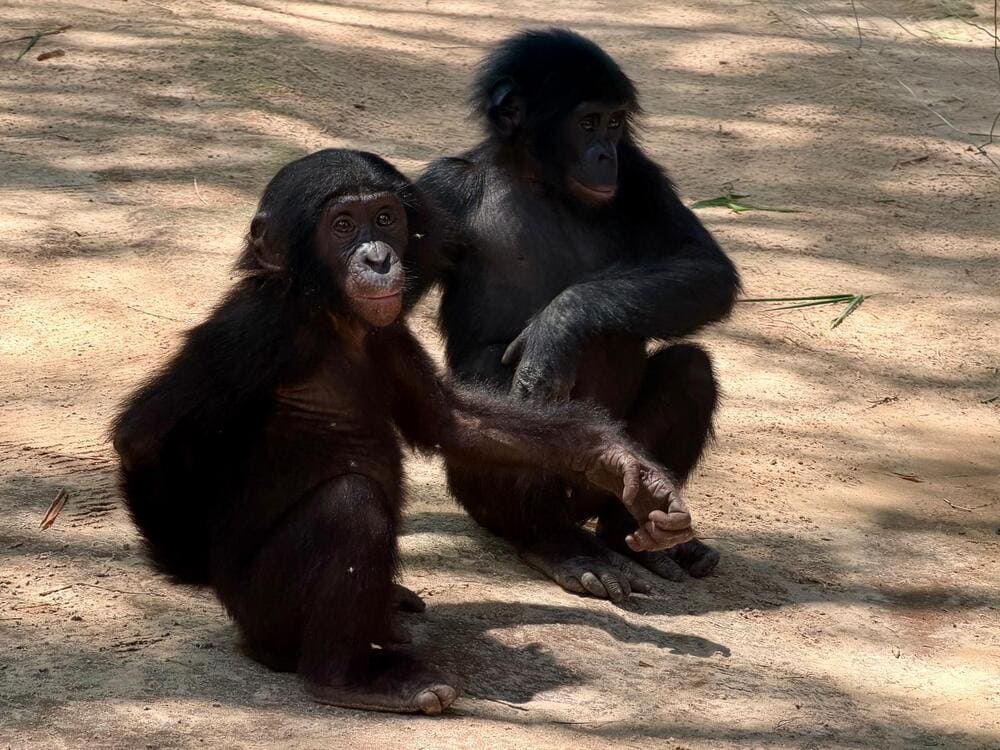
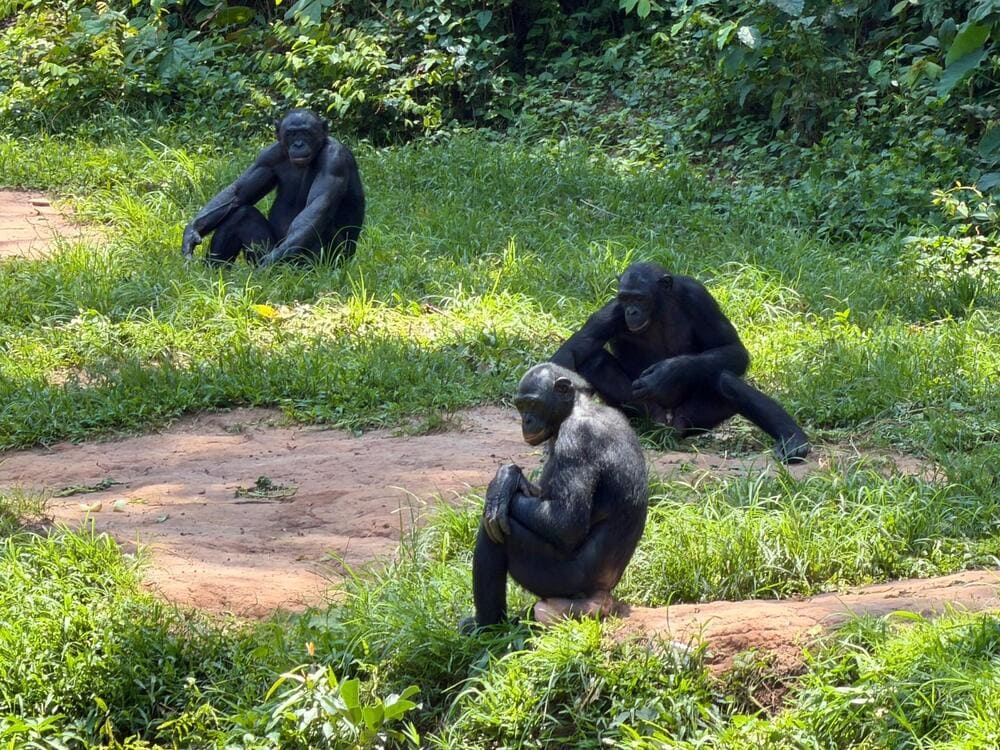
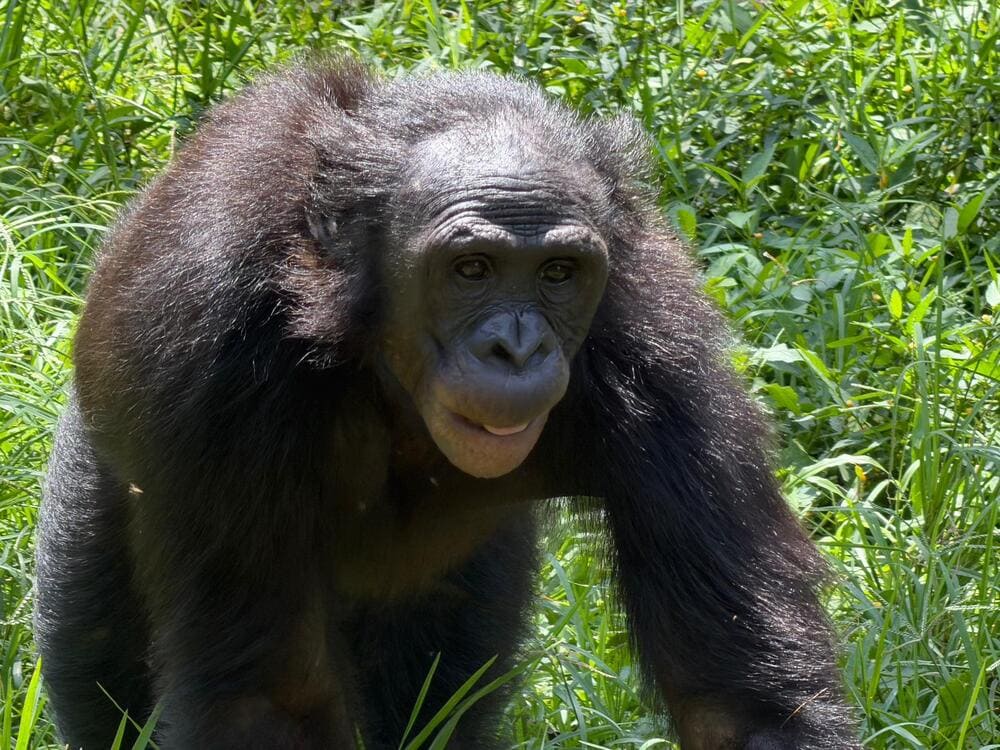
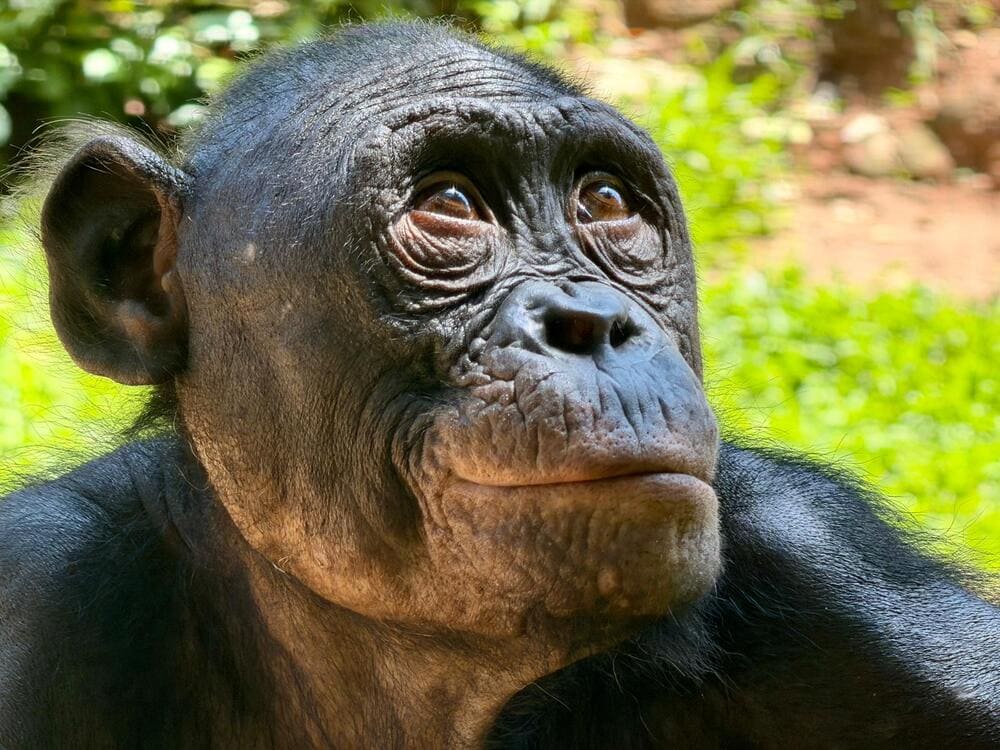
Bonobos (Pan paniscus) are one of the two species of chimpanzee and share approximately 98.7 percent of their DNA with humans. They are found exclusively in the forests south of the Congo River, making them endemic to the Democratic Republic of the Congo and one of the country’s most significant natural treasures.
Bonobos live in complex, matriarchal societies and are widely studied for their cooperation, strong social bonds and sophisticated conflict-resolution behaviour. Their limited geographic range, combined with pressure from habitat loss, bushmeat hunting and the illegal wildlife trade, places the species at serious risk.
The Origins of Lola ya Bonobo
Lola ya Bonobo was founded in 1994 by Claudine André, a long-term resident of the Congo and committed conservationist. Its creation coincided with a period of profound political instability during the 1990s, when enforcement of wildlife protection laws weakened and the capture of infant bonobos increased sharply.
Young bonobos were often taken after their mothers were killed for bushmeat and then transported to urban areas, particularly Kinshasa, where they were kept as pets or sold illegally. Confiscated animals had nowhere suitable to go.
Claudine André initially cared for rescued bonobo infants in her own home. As the number of animals increased, the need for a dedicated facility became urgent. Working with Congolese authorities, land was secured on the outskirts of Kinshasa, and Lola ya Bonobo officially opened in 1997, becoming the only sanctuary in the world dedicated exclusively to bonobos.
From the outset, the sanctuary was designed as a centre for recovery, social reconstruction and long-term conservation, rather than permanent captivity.
Rehabilitation and Social Recovery
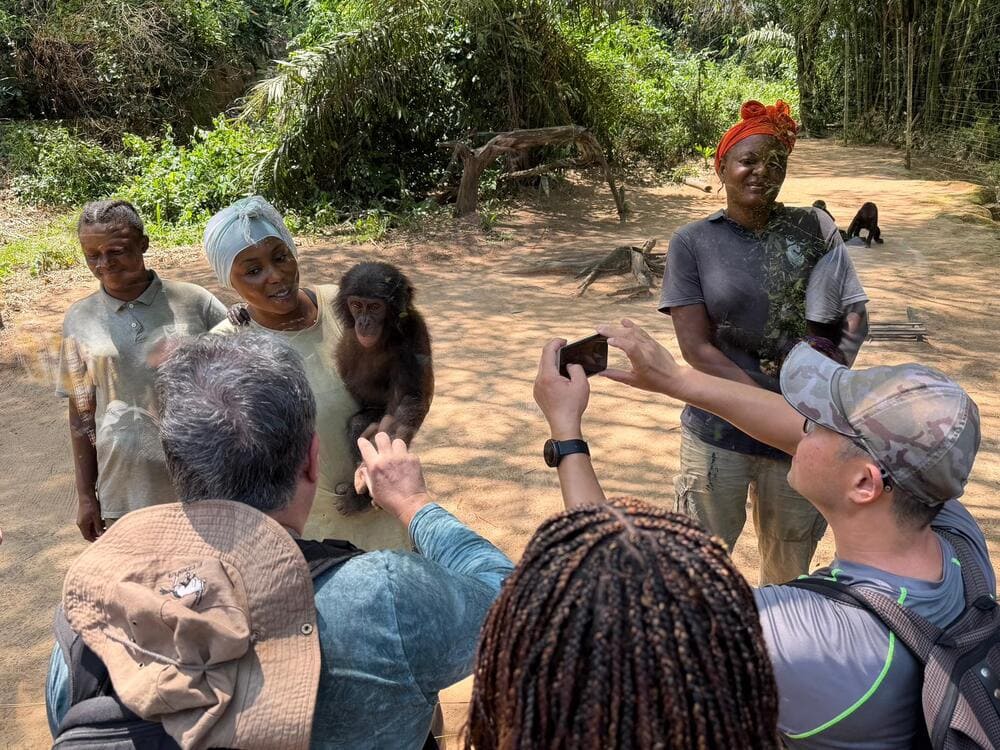
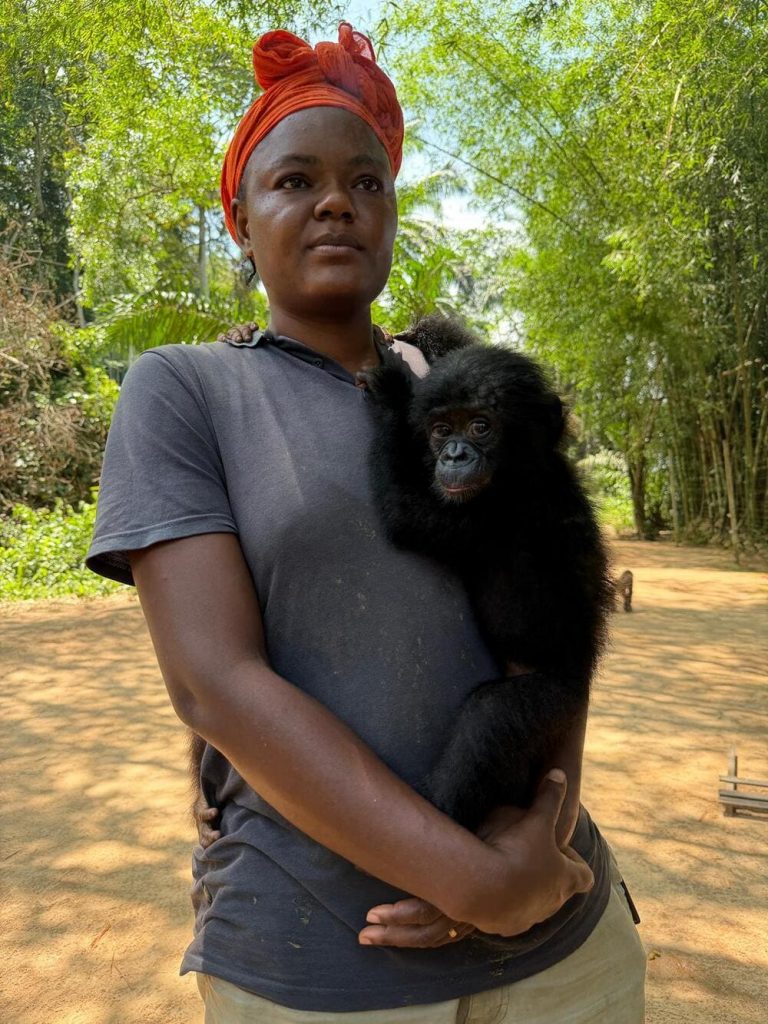
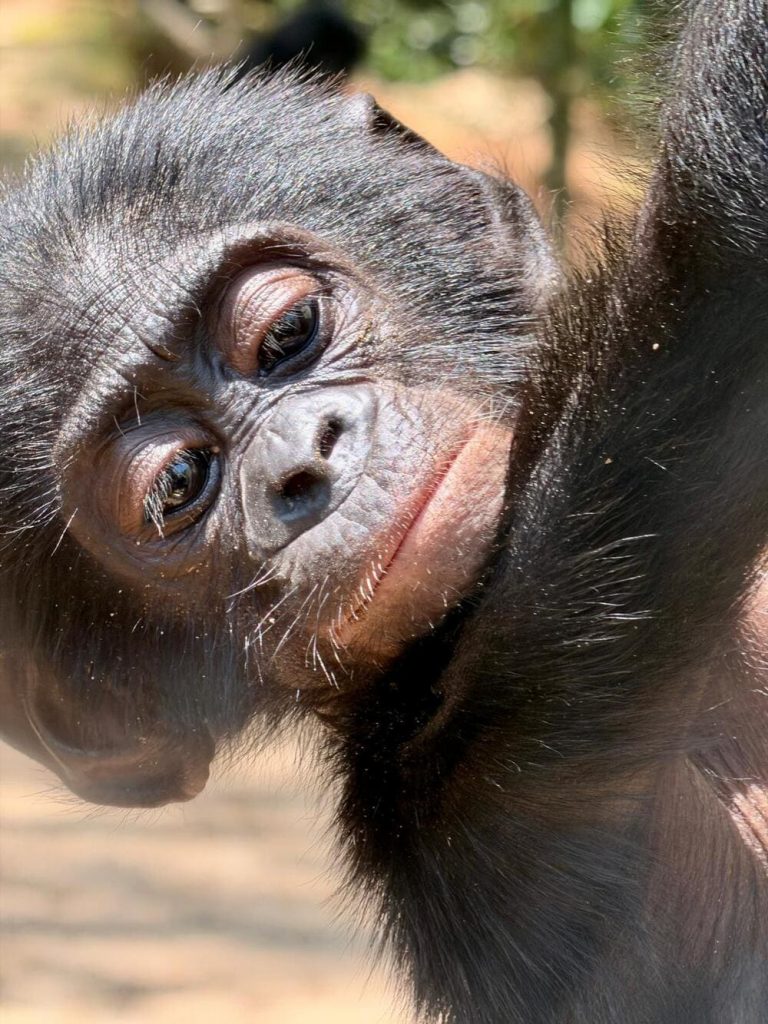
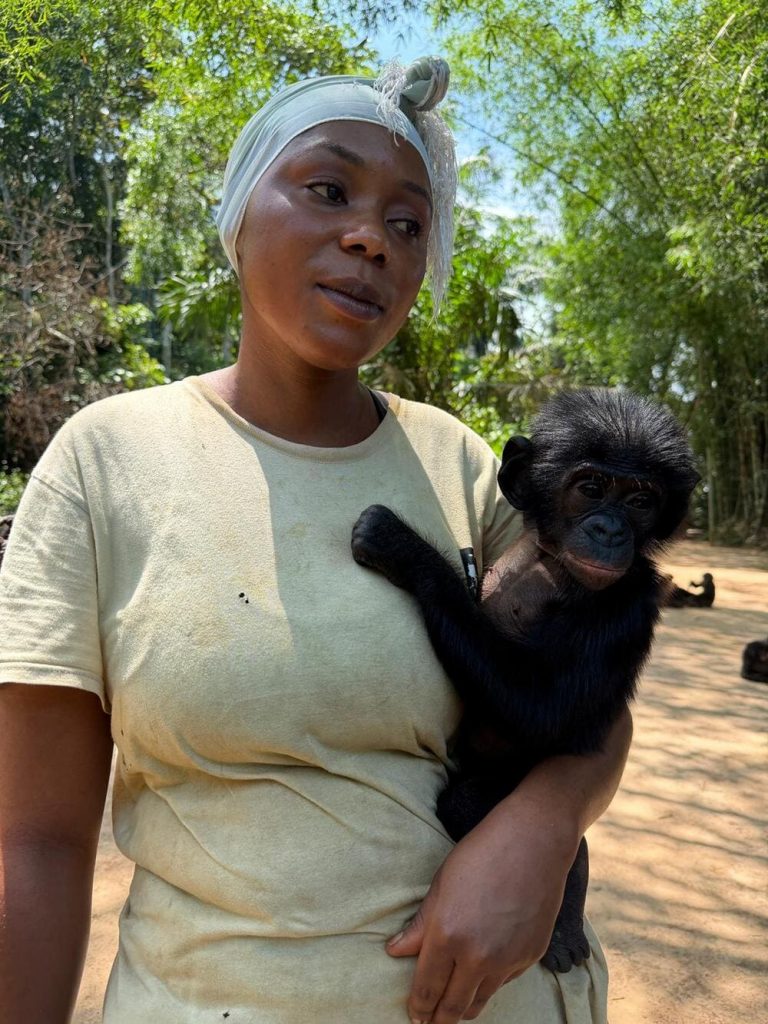
Bonobos arriving at Lola ya Bonobo are almost always orphans, many suffering from malnutrition, illness and psychological trauma. Young bonobos require constant emotional support and structured social learning, which is provided by trained Congolese caregivers acting as surrogate family figures.
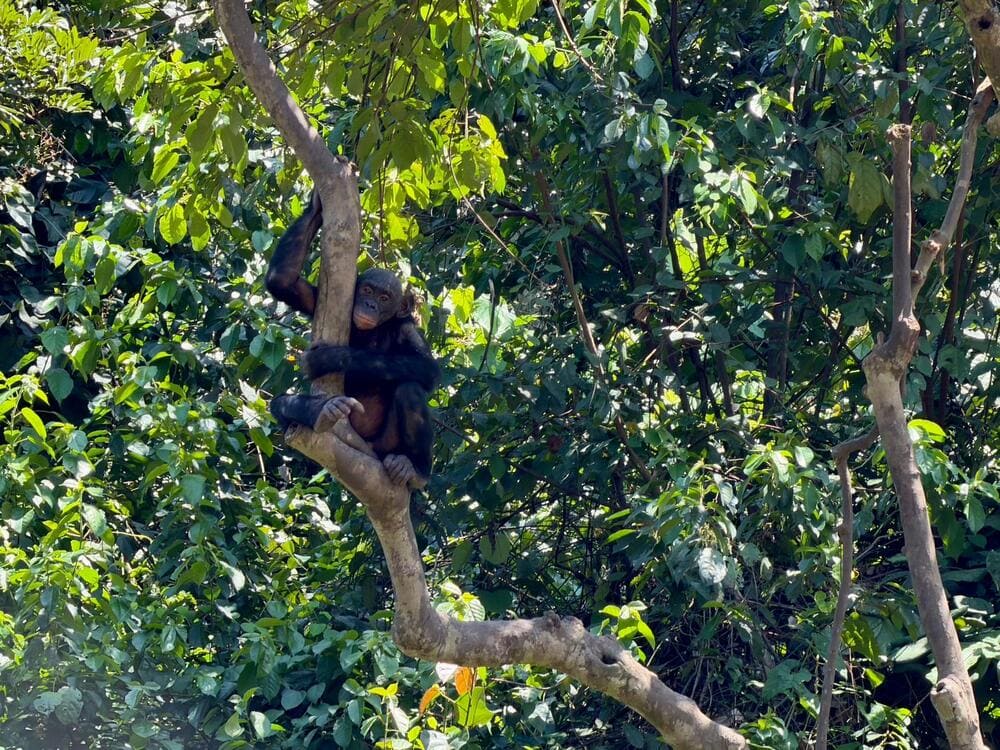
Rehabilitation follows a carefully structured process. Infants are raised in small, supervised groups before being gradually introduced to larger social units and expansive forested enclosures. These environments encourage natural behaviours such as climbing, foraging, grooming and play.
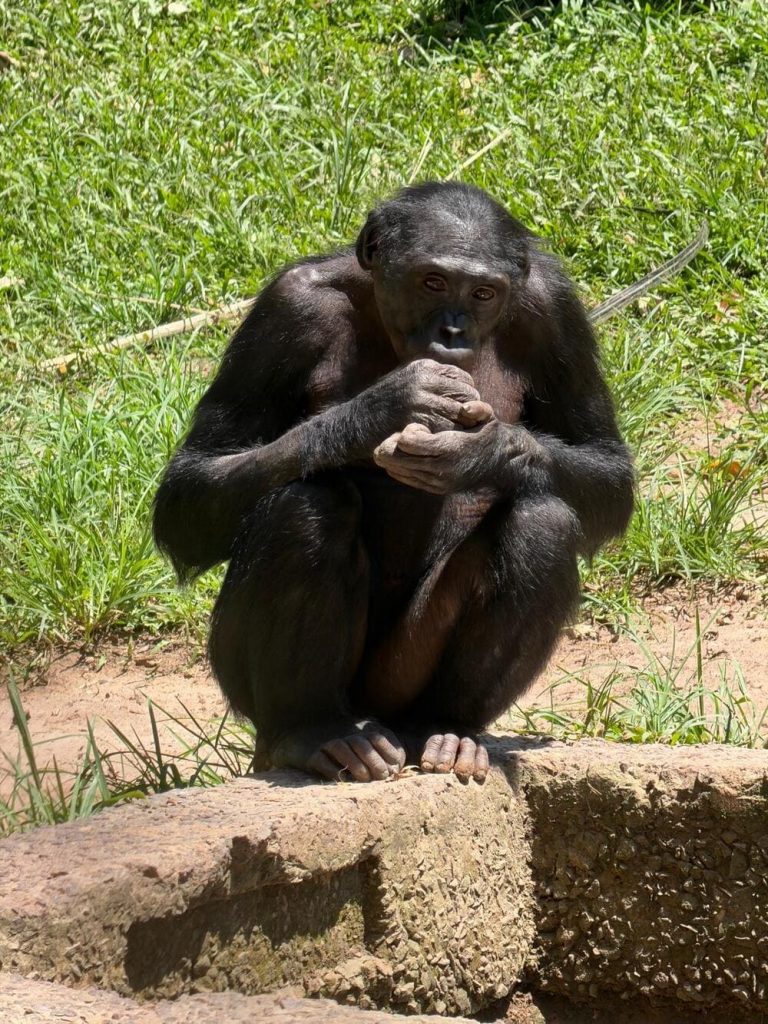
As the bonobos mature, human interaction is progressively reduced. Strong social bonds form within bonobo groups, allowing independence and natural hierarchy to develop in preparation for life outside the sanctuary.
Reintroduction to the Wild
A defining achievement of Lola ya Bonobo is the successful reintroduction of rehabilitated bonobos into protected forest.
Once rehabilitated at the sanctuary and old enough to form stable social groups, the bonobos are released into Ekolo ya Bonobo, a 480 square kilometre natural reserve located in equatorial forest approximately 666 kilometres north of Kinshasa. The name translates as “the land of the Bonobos” in Lingala.
The reserve is managed in partnership with the local communities of Ilonga Poo, Baenga and Lisafa, ensuring that conservation is directly linked to community stewardship and long-term protection of the forest.
Before release, the bonobos undergo a quarantine period to prevent the transmission of disease. They are then given the necessary time to adapt gradually to forest conditions, developing full independence before human support is withdrawn.
To date, two groups have been successfully reintroduced, the first in 2008 and the second in 2022. These releases place Lola ya Bonobo among a small number of great ape sanctuaries worldwide with a functioning and proven rewilding programme. Further releases are planned as protected habitats expand and monitoring capacity increases.
Education and Congolese Leadership
Lola ya Bonobo places strong emphasis on Congolese leadership and education. The majority of staff are Congolese nationals, many of whom have developed deep expertise through long-term involvement with the sanctuary.
The site also functions as an educational centre, welcoming school groups, university students and community organisations. By presenting bonobos as a uniquely Congolese species of global importance, the sanctuary fosters national pride and long-term engagement with conservation.
Visiting Lola ya Bonobo
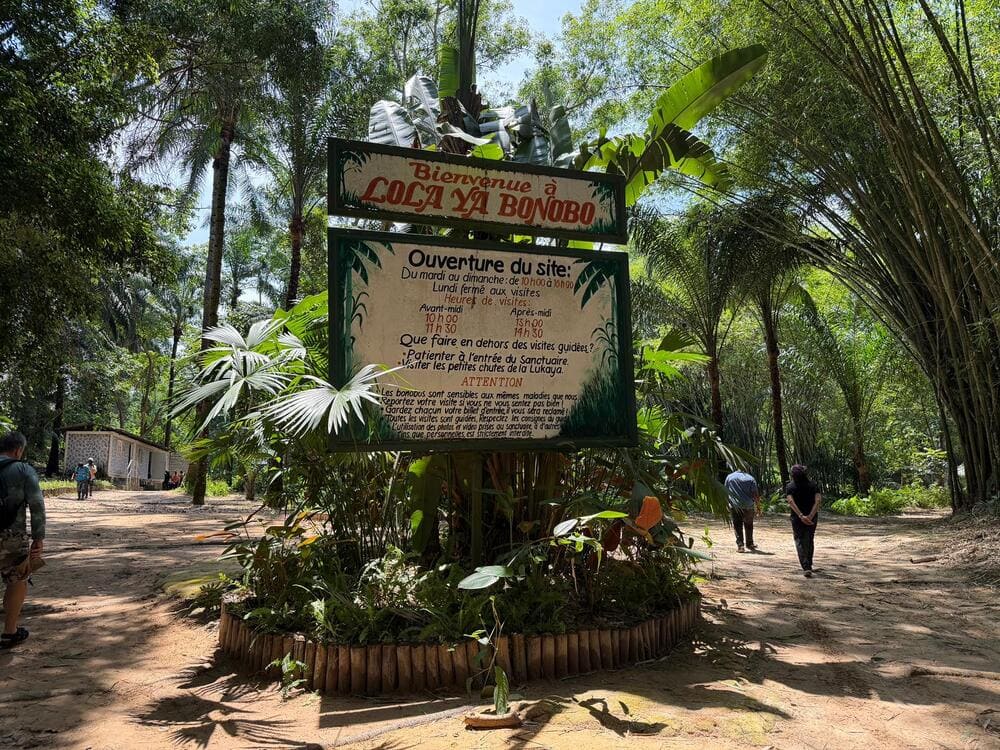
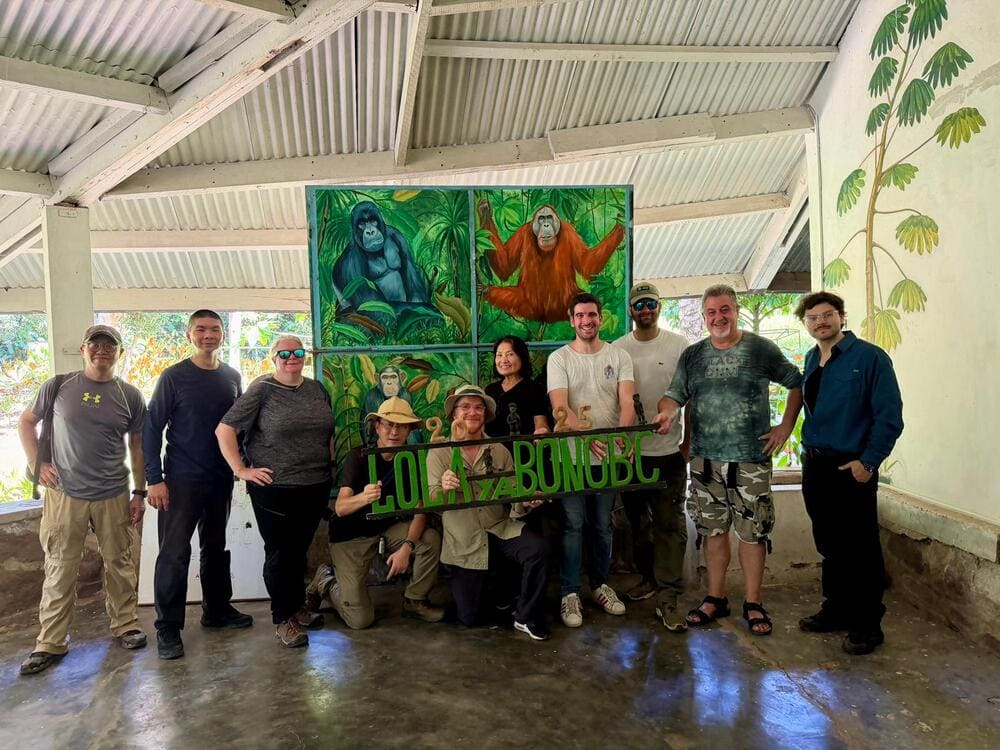
Visitors, such as during our DRC, Congo and Cabinda tour, experience the sanctuary through guided walks along forest paths and observation platforms overlooking natural enclosures. The setting feels immersive while remaining easily accessible from Kinshasa.
Guides introduce individual bonobos, explain rehabilitation techniques and discuss the wider conservation challenges facing the species. Observing social interaction, communication and play offers a clear sense of the bonobos’ intelligence and emotional complexity.
Photography is permitted without flash, and visitors are encouraged to observe quietly and respectfully.
Why Lola ya Bonobo Matters
Bonobos exist only within the borders of the Democratic Republic of the Congo. Their future depends on effective conservation, habitat protection and sustained local engagement.
Lola ya Bonobo demonstrates that long-term conservation delivers results, even in complex political and economic environments. For Young Pioneer Tours travellers, a visit offers meaningful engagement with conservation work that is active, practical and impactful.
Lola ya Bonobo stands as a sanctuary shaped by crisis, sustained by commitment, and directed towards recovery, resilience and return to the wild.
About Post Author