Beyond Yan’an’s iconic revolutionary headquarters lies Liangjiahe Revolutionary Site, a quiet village in the loess hills of northern Shaanxi with a special place in China’s modern history. In today’s China, Liangjiahe Revolutionary Site holds a level of reverence comparable to the Mangyongdae Revolutionary Site in North Korea, as it is closely linked to the early life and experiences of China’s current president, Xi Jinping.


Table of Contents
Historical Background of Liangjiahe Revolutionary Site
Liangjiahe Revolutionary Site is located in Liangjiahe Village, Wen’anyi Town, Yanchuan County, Yan’an City. It is about a one and a half hour drive from Yan’an. It is one of the most important stops in today’s red tourism routes around Yan’an.
Without its connection to Xi Jinping, this place would have been an unknown village in northern Shaanxi. It would never have attracted outside visitors. Everything changed in 1969, when a young man named Xi Jinping arrived. He later became the president of China.
In 1969, China was in the middle of the Cultural Revolution launched by Mao Zedong. Xi Jinping’s father, Xi Zhongxun, had lost power at that time, and the family was broken apart. Communist Party policies sent educated youth to poor rural areas to learn from peasants through hard labour. Xi Jinping was not yet sixteen and had no other choice. Going to the countryside was his only path and also a form of salvation. He later said that on the train to the northwest, most young people were crying. The carriage was filled with sadness, but he felt genuine happiness.
After arriving in Liangjiahe, Xi Jinping and other educated youths from Beijing struggled with the poor living conditions. They chose to endure them. They used their knowledge and worked hard to improve the village. Over time, Liangjiahe became a more liveable place. In 1975, with the recommendation of local villagers, Xi Jinping went to study at Tsinghua University. This marked the end of his seven years as an educated youth.
After leaving Liangjiahe, Xi Jinping often spoke about the village and its importance in his life. He also continued to support the village through his actions. Today, Liangjiahe Revolutionary Site is one of the key places used by the Communist Party of China to shape the public image of Xi Jinping and to build narratives around him. It holds an unshakable position in China’s red tourism landscape.
Core Landmarks of the Liangjiahe Revolutionary Site
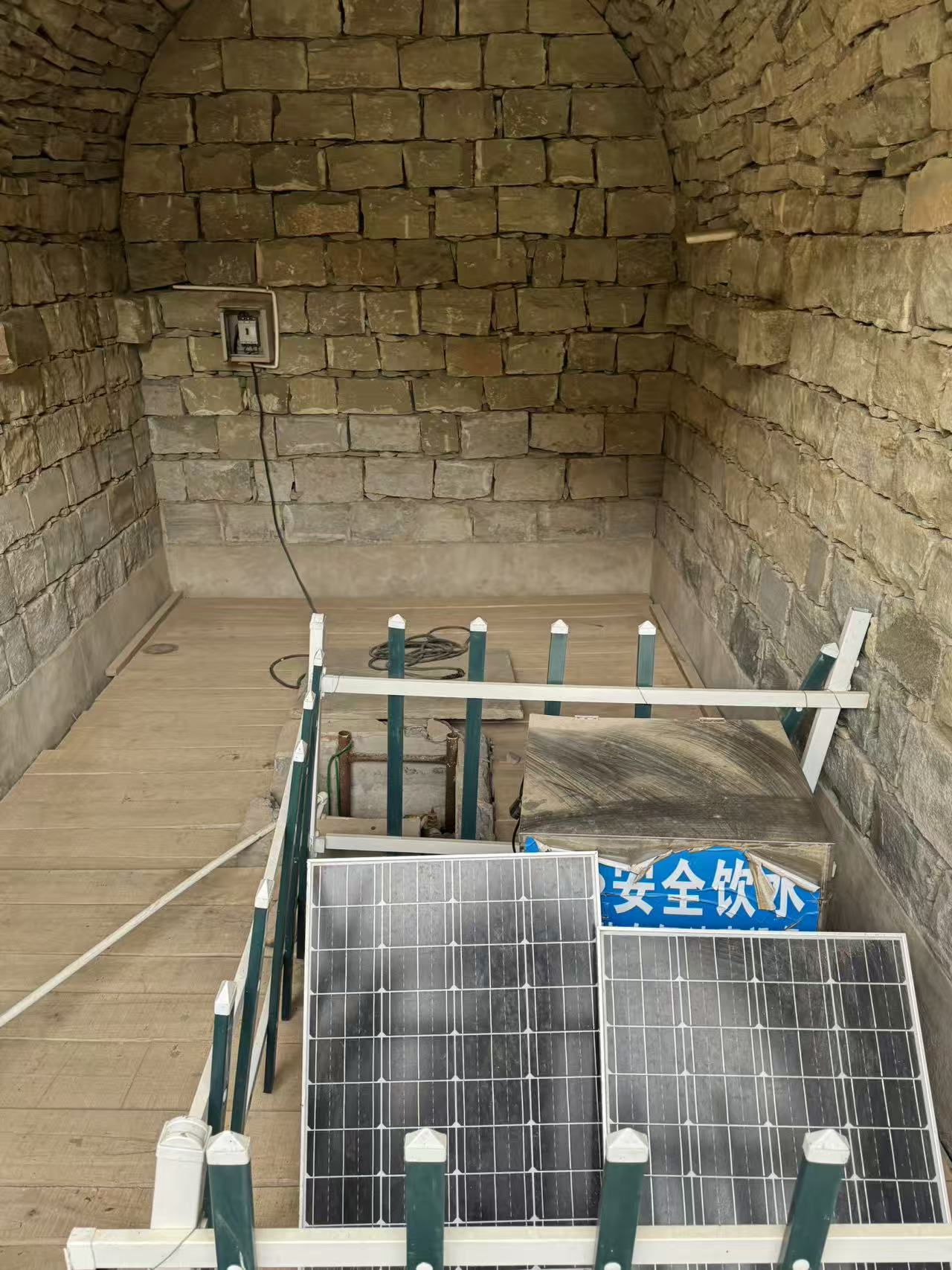
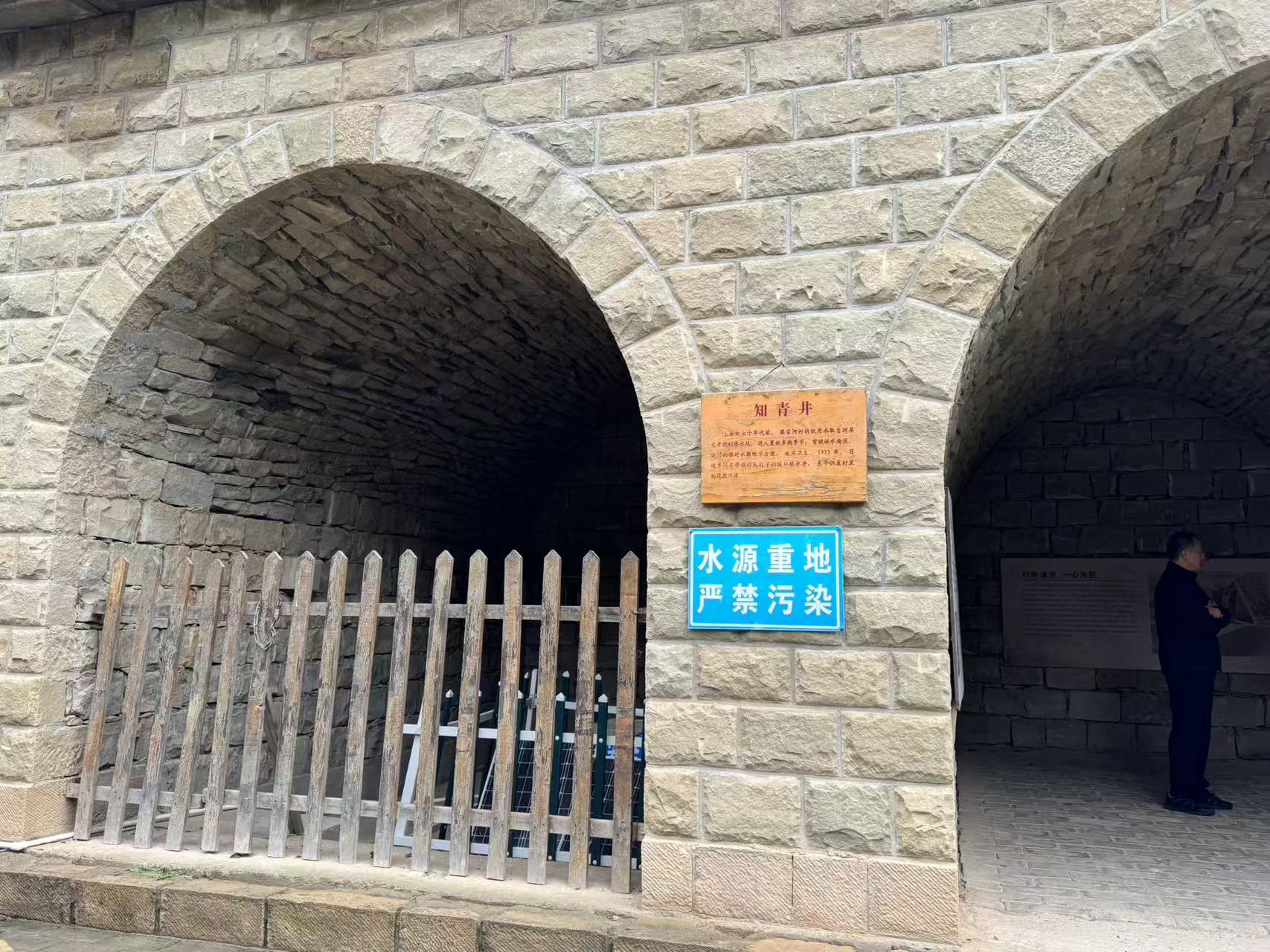
Upon entering Liangjiahe Revolutionary Site, the first place to visit is the Educated Youth Well. In the 1970s, villagers in Liangjiahe collected drinking water from shallow roadside pits. This was inconvenient and unhygienic. In the winter of 1973, Xi Jinping led villagers to work for over two weeks to dig a deep well. It solved the problem of drinking water and also helped with irrigation. The well is still used as a water source today.
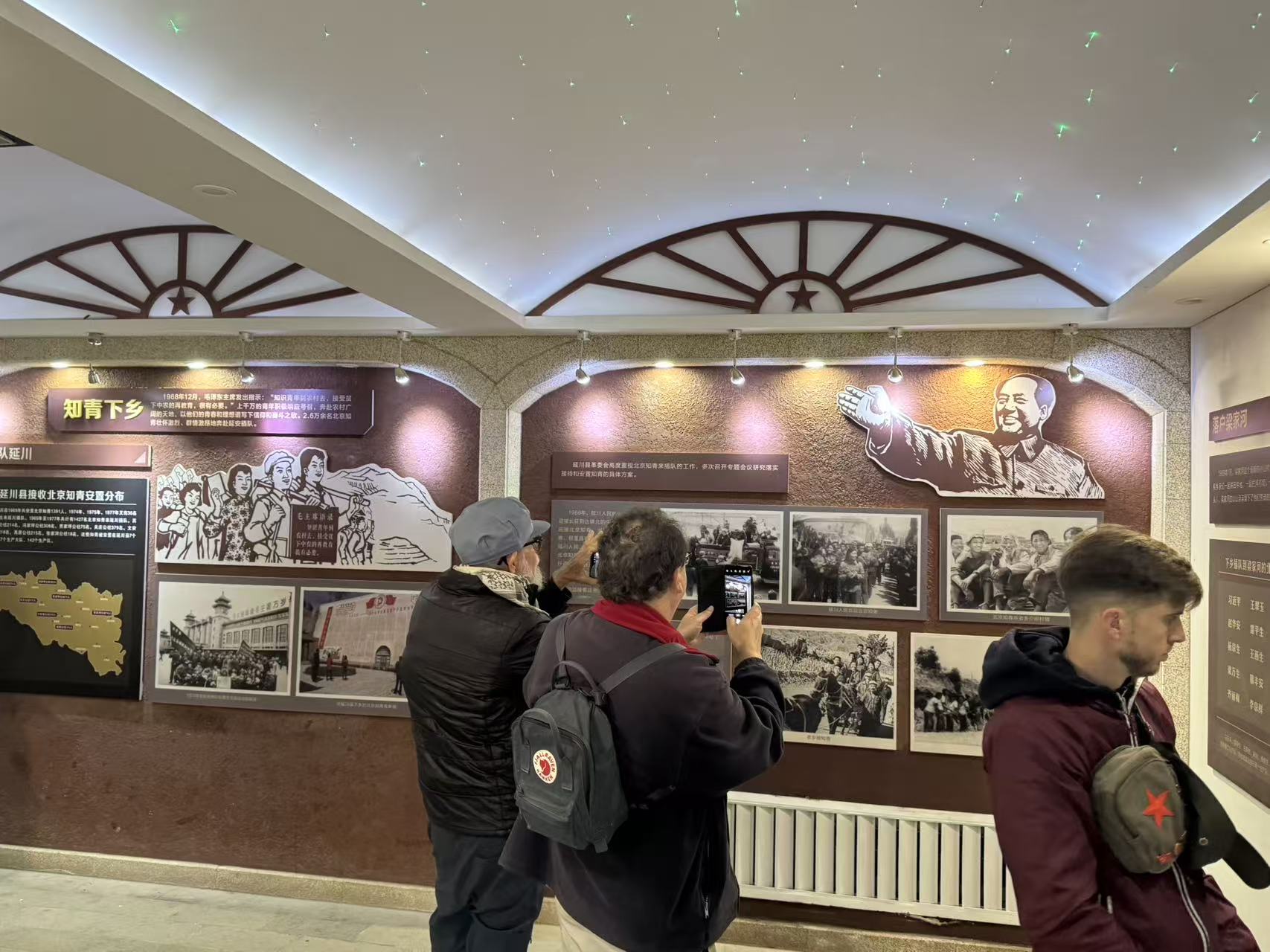
Continuing forward, visitors reach the Liangjiahe Village History Museum. It offers a brief overview of the village’s historical development. It gives detailed attention to the period after educated youths arrived in Liangjiahe. Local militia members serve as trained guides. They present vivid official narratives about Xi Jinping’s years as an educated youth.
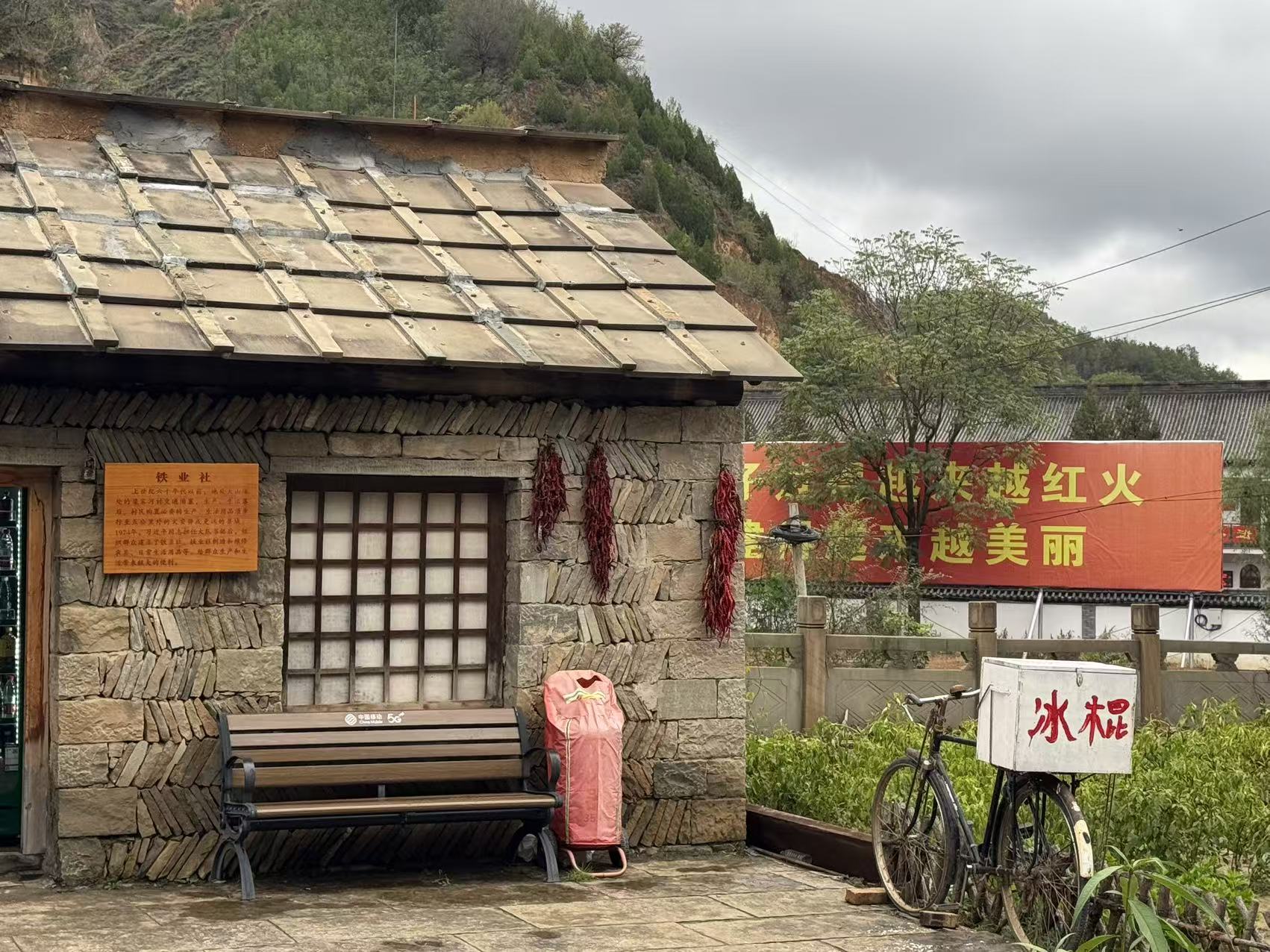
The next site is the Iron Workshop Cooperative. Liangjiahe was deep in the mountains and poorly connected. Daily production and living were difficult. Villagers had to walk at least five kilometres to buy tools. In 1974, Xi Jinping organised the establishment of the iron workshop. From then on, villagers could make their own iron farming tools.
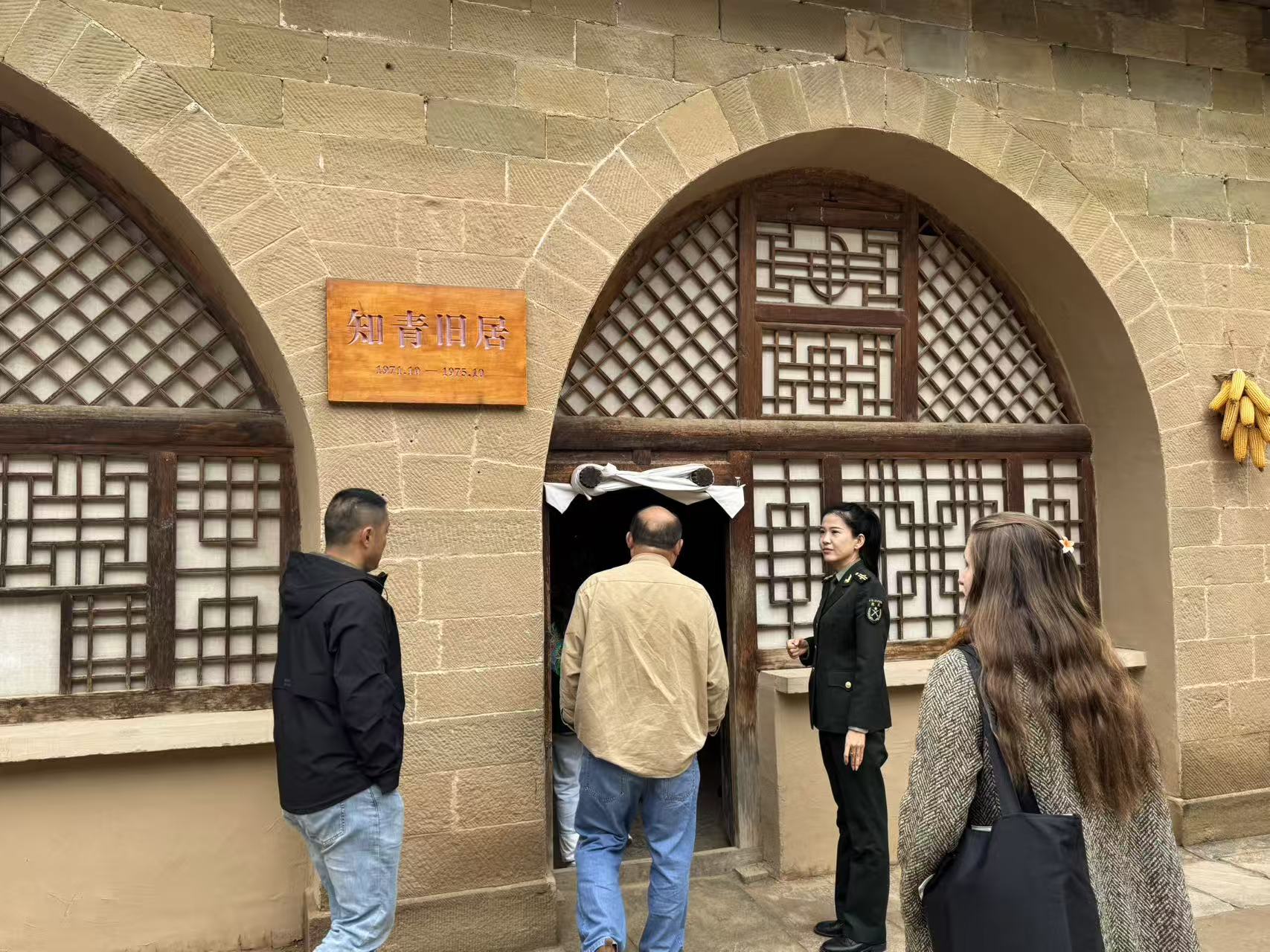
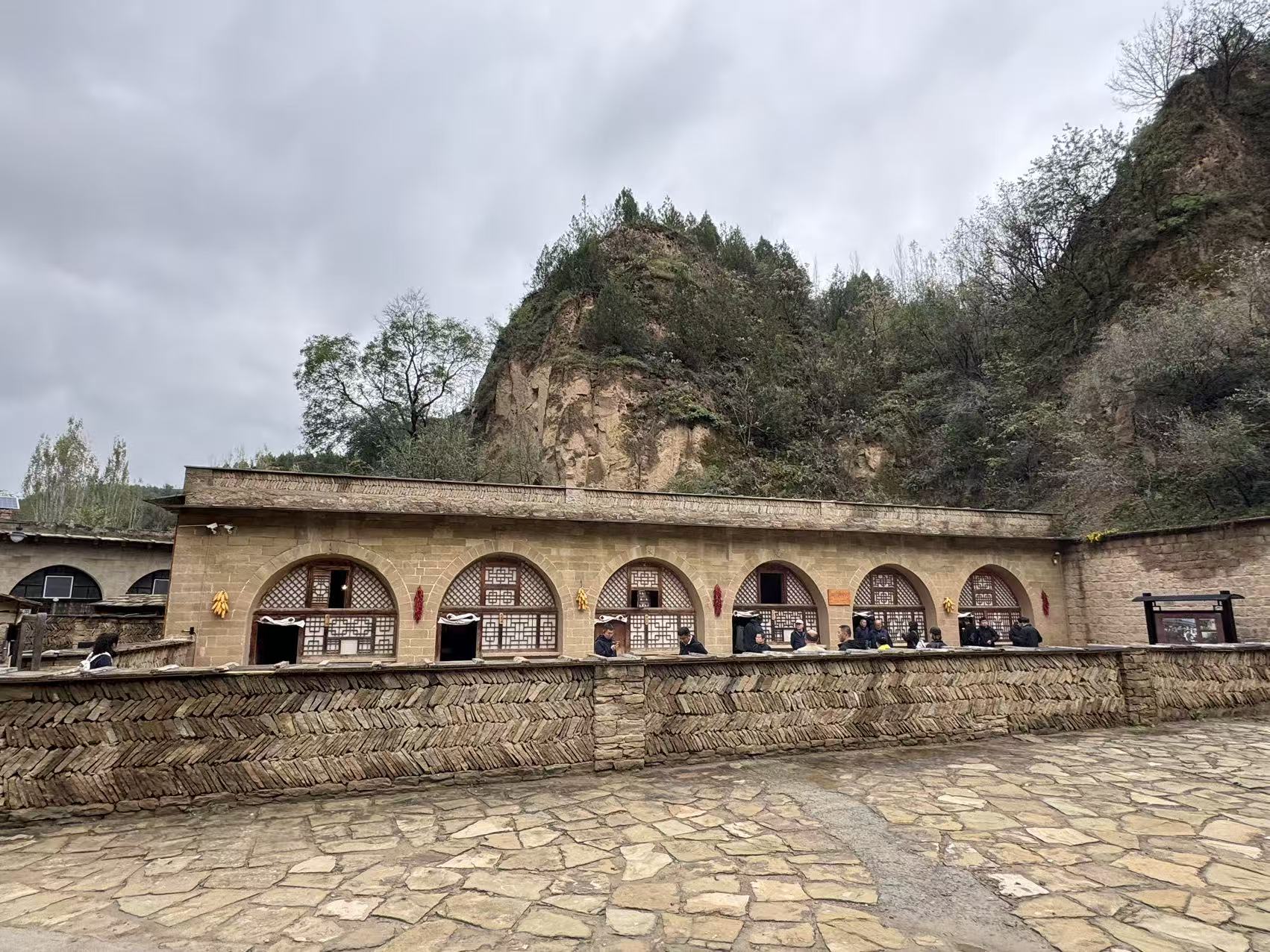
Like other revolutionary sites around Yan’an, Liangjiahe has preserved former living quarters of leaders. The educated youth living area includes three cave dwelling courtyards. One courtyard was built in 1970 by the production team for educated youths. Eight stone cave dwellings remain today. They show restored scenes of daily life at that time. The two caves where Xi Jinping lived, along with items he used personally, are well preserved.
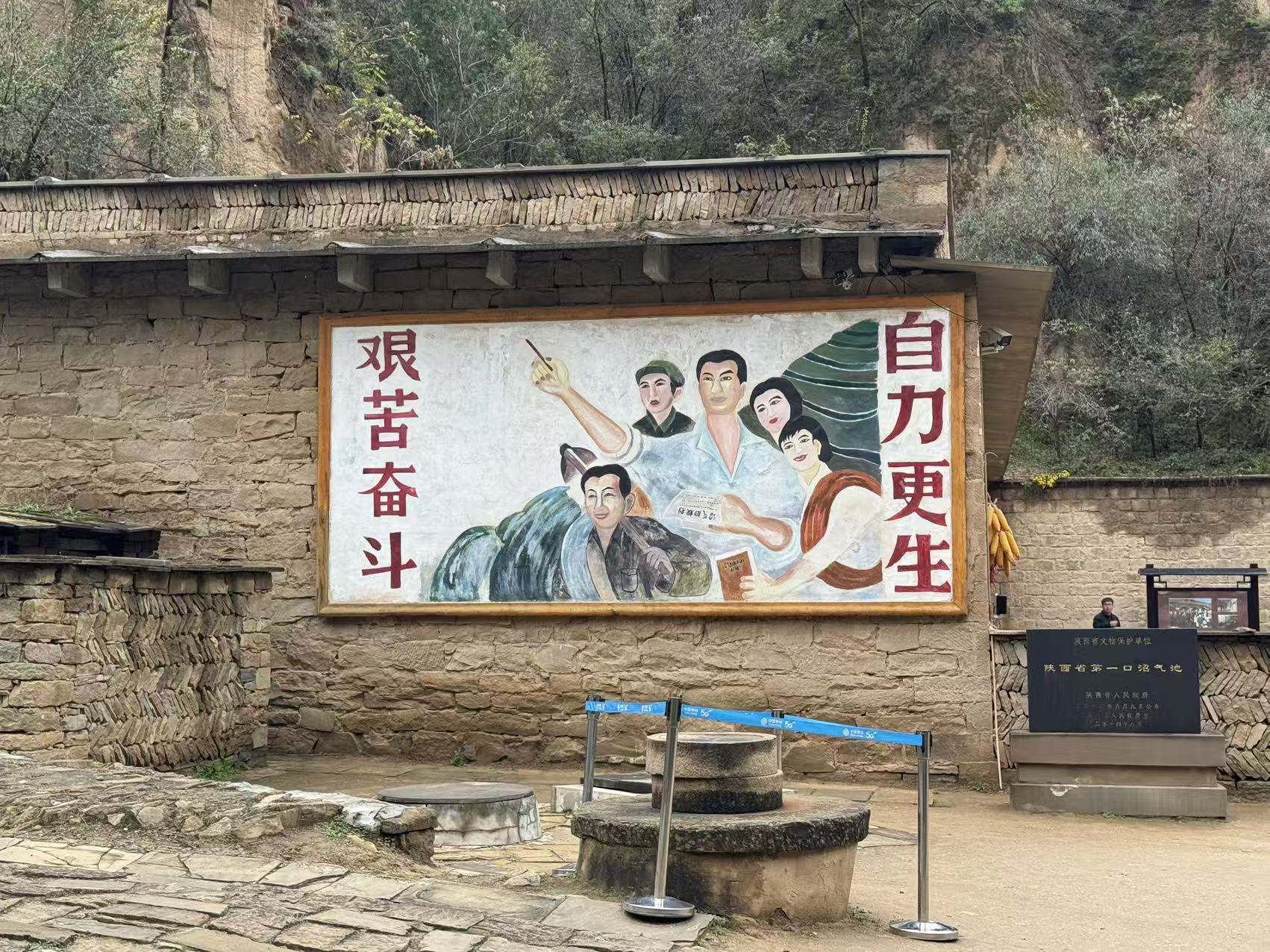
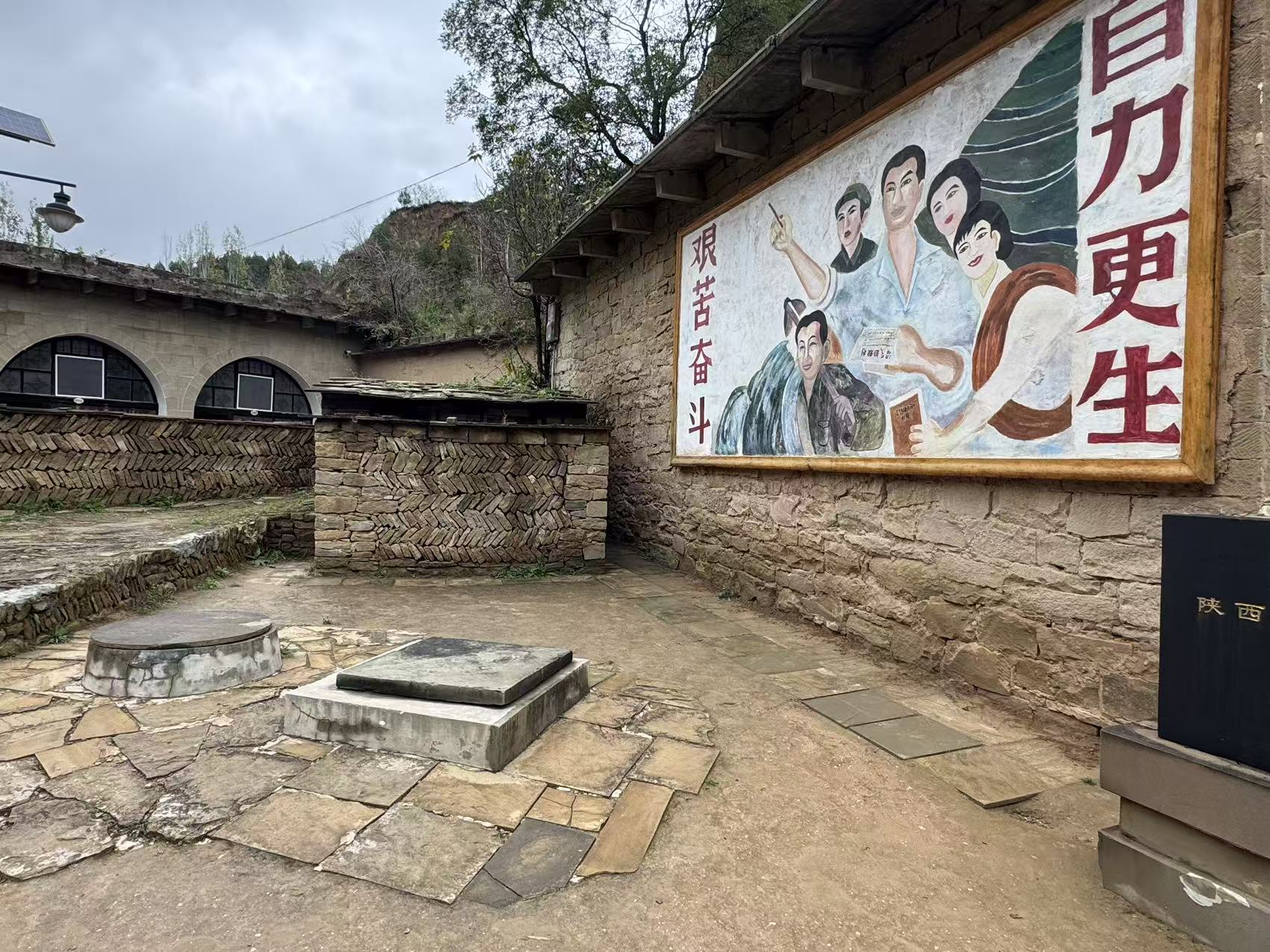
Liangjiahe is also home to Shaanxi Province’s first biogas pit. In 1974, Xi Jinping read a newspaper report about rural areas in Sichuan using biogas to solve energy problems. He travelled to Sichuan to study the idea. After returning, he led villagers to build the first biogas pit in Shaanxi. After its success, the province built forty two more biogas pits based on this model. These projects helped solve problems with firewood use and lighting. The first biogas lamp in northern Shaanxi was lit here. On the outer wall of a nearby cave dwelling, a hand painted slogan reads self reliance and hard struggle in large red characters.
Conclusion
Liangjiahe Revolutionary Site is different from revolutionary bases such as Zaoyuan and Wangjiaping. Those sites preserve key traces from the period of the Chinese revolution. Liangjiahe instead reflects the difficult and winding process of construction after the revolution succeeded.
Today, Liangjiahe presents itself as a model village linked to China’s reform and opening up period. After the revolution, internal political struggles unexpectedly turned it into a place where a second-generation revolutionary family member lived. It was also transformed through the leadership of this educated youth. After more than forty years of reform and opening up, this former educated youth has led China in a more politically conservative direction. He has often said that his first lesson in life was learned in Liangjiahe.
Visiting Liangjiahe Revolutionary Site is one of the most direct and effective ways to experience the political narrative system of contemporary China.
YPT’s China Revolutionary Red Base Tour takes visitors to Yan’an and other places in the region. It provides a full introduction to the history of the Chinese revolution. It is also the only tour that offers a complete English language service in this region.
Click to read more about YPT‘s China Revolutionary Red Base Tour and our other China tours.
About Post Author