If you’ve been trying to read anything about the latest US travel ban online you’ve probably seen a hundred versions, half of them wrong and most of them dramatic. So here’s a straight, unfiltered explanation of what’s actually going on, who is banned, who isn’t banned but still has to go through the visa process, and how getting a US visa works in 2026 if the old ESTA system doesn’t cut it for you.
This isn’t some tiny tweak or a one‑sentence press release. The latest US travel ban is a mixture of policy changes, security decisions, and administrative restrictions that affect different groups in different ways. There are two main pieces travellers need to understand: the actual travel ban that limits visas for certain nationals, and the ESTA/visa waiver restrictions that affect people based on where they have travelled.
Table of Contents
Actual US Travel Ban – Who is Banned
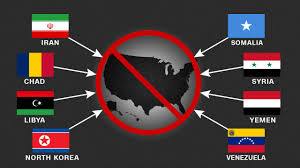
When people talk about the “travel ban” they usually mean the part that restricts entry and visa issuance to people from certain countries. As of early 2026 the US government has blocked or severely limited new visas if you are a national of certain countries and were outside the United States on 1 January 2026 without a valid visa.
Countries With Full Restrictions
These are the countries where nationals are effectively barred from new immigrant and non‑immigrant visas if they were outside the United States on 1 January 2026 without a valid visa:
- Afghanistan
- Burma (Myanmar)
- Burkina Faso
- Chad
- Republic of the Congo
- Equatorial Guinea
- Eritrea
- Haiti
- Iran
- Laos
- Libya
- Mali
- Niger
- Sierra Leone
- Somalia
- South Sudan
- Sudan
- Syria
- Yemen
- Individuals travelling on travel documents issued or endorsed by the Palestinian Authority
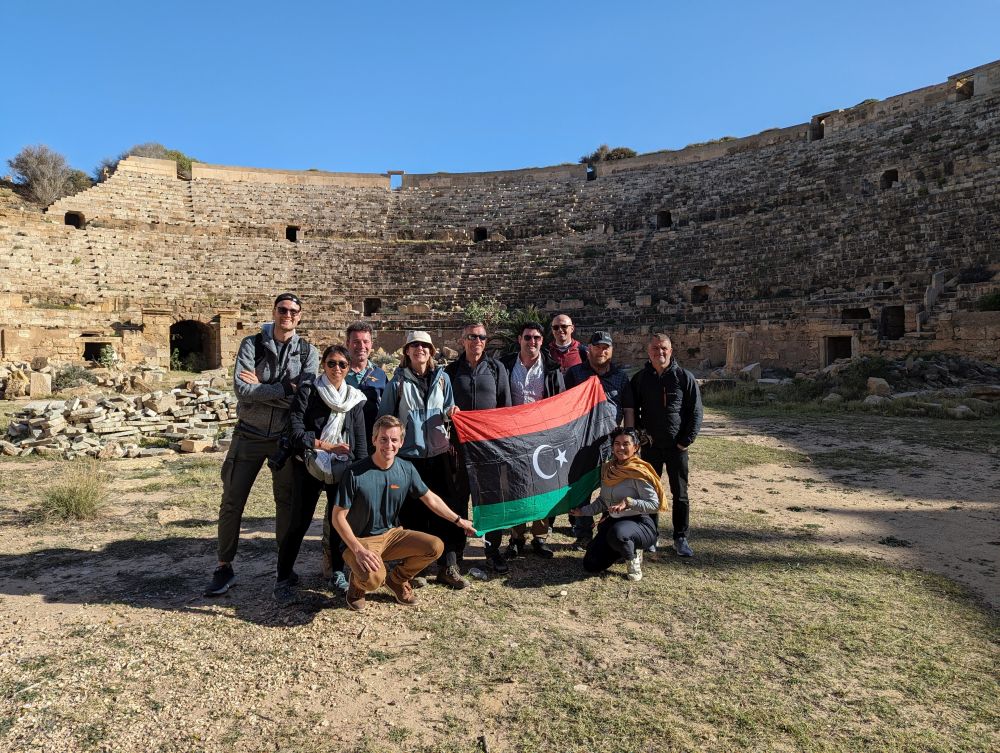
And yes YPT do tours to ALL of the above nations. For whatever reason and surprisingly the DPRK does not actually feature on the list.
This means, in practice, that if you are a national from any of these places and you don’t already have a valid US visa from before 1 January 2026, you won’t be issued a standard tourist visa, business visa, student visa or most work visas. Exceptions exist for certain diplomatic or emergency cases, but for most travellers this is as close to “you’re banned” as it gets.
Partial Restrictions and Visa Delays
Some countries aren’t banned entirely, but visas are subject to suspension, extra screening, delays and limits on how long they are valid. These affect immigrant visas and common non‑immigrant visas such as visitor B1/B2, student F/M, and exchange J visas. People from these places can sometimes still get visas, but they are slowed down and made more complicated:
- Angola
- Antigua and Barbuda
- Benin
- Burundi
- Côte d’Ivoire
- Cuba
- Dominica
- Gabon
- The Gambia
- Malawi
- Mauritania
- Nigeria
- Senegal
- Tanzania
- Togo
- Tonga
- Venezuela
- Zambia
- Zimbabwe
- Turkmenistan (immigrant visas suspended, but other non‑immigrant visas may still be issued)
In these cases the consulate may still give you a visa, but expect additional questions, additional documents and shorter validity. What you don’t get is the automatic open door that the US used to offer under easier rules.
If you already held a valid US visa from before 1 January 2026, it generally stays valid until its expiry, even if you are from one of the countries above.
Not Banned But Still Affected – ESTA and Travel History
You don’t need to be from a country on the travel ban lists above to be affected. If you are a citizen of a normally visa‑free country — the UK, Ireland, most of Europe, Australia, New Zealand, Japan, South Korea and others, you usually enter the US using the Visa Waiver Programme through ESTA.
ESTA is quick, cheap and most travellers treat it like an online ticket to the States. But if your passport shows travel to certain “high risk” countries, you automatically lose ESTA and must apply for a full visa instead.
Oh and FYI this was an Obama, not a Trump invention.
Countries That Trigger ESTA Loss
If you have visited any of the following countries since 2011 you are no longer eligible for ESTA and must apply for a full US visa, even if you are British, European, Australian, or from a normally visa‑free place:
- Iran
- Iraq
- Libya
- Somalia
- Sudan
- Syria
- Yemen
- North Korea
- Cuba
This applies even if the visit was totally legal and peaceful. A short layover, a tour group trip, a documentary shoot, whatever. Once your passport has those stamps the system flags you and ESTA is blocked.
This means no quick online form, no minor fee, no minor nine‑second approval. You go to the full embassy process every time.
How to Get a US Visa After Losing ESTA
Losing ESTA does not mean you are banned. It means you have to go through the visa process the old‑fashioned way, and that takes paperwork, patience and organisation.
The standard route for most travellers is the B1/B2 tourist/business visa. Here’s how that process plays out in the real world:
First you fill out the DS‑160 form online. This thing is long. It asks about your travel history, your jobs, your family, where you will stay, why you want to go, how long you want to stay and so on. Be honest. Never lie on this form.
Next you pay the visa fee. For a B1/B2 visa in 2026 the fee is about 185 US dollars. It’s non‑refundable even if they ultimately reject you, so make sure your paperwork is solid.
Then you book an appointment at the US embassy or consulate in your city or region. This is where the wait times can hurt. In big cities like London, Paris, Berlin or Tokyo you might be waiting four to eight weeks for the interview slot. In smaller cities it can be faster or slower depending on demand. Cancellations happen and checking obsessively can score earlier appointments.
On interview day you turn up, passport in hand, DS‑160 confirmation and payment receipt in your pocket. They take fingerprints. They ask questions about why you want to travel, your ties at home, your travel history, and yes they will ask why you visited a place like Cuba or North Korea if that is on your record.
This is not a police interrogation. It is bureaucracy. You do not get yelled at. You do not sit under a naked light bulb. Most of the time it is quick and straightforward.
If the consular officer is satisfied with your answers they keep your passport for a few days to insert the visa. Sometimes it takes a week or two. Sometimes it takes longer if they send it for additional checks, but in most cases it’s a relatively short wait.
After it’s approved you get a multiple‑entry visa valid for up to ten years. Ironically, after all the hassle you often walk away with something more flexible and lasting than the ESTA you lost.
How Long It Takes to Get a Visa
From start to finish, most travellers who need a visa because of ESTA loss or because of sensitive travel history should expect:
Complete DS‑160 and pay fee: Same day
Wait for embassy appointment: 4 to 12 weeks (location dependent)
Interview and processing: 1 to 4 weeks
Total realistic timeline: 8 to 14 weeks (or worse)
Yes that feels awful compared to the 30‑second ESTA, but planning ahead eliminates last‑minute stress.
Examples From Real Travel
People who have been to North Korea always panic about the US. It’s understandable. The name triggers fear and misinformation. In reality, most of these travellers just go to the embassy, fill paperwork and get their visa. Essentially they ask why you went, you say tourism.
Frequent travellers who have visited Iran, Iraq or Syria for documentary work or overland routes often run into this too. They do not suddenly get banned forever. They just lose ESTA, do the visa interview, and get on a plane.
An example customer once went to Cuba with us, then found out his ESTA was blocked on return. He booked an appointment in Amsterdam, filled the forms, smiled through the interview and walked away with a ten‑year multiple entry visa. Really not all that bad.


Refugees, Immigrant Visas, and the Broader Travel Environment
The Latest US Travel Ban also affects immigrant visas and refugee resettlement, and this is where politics bites hardest. For nationals of places like Syria, Somalia or Yemen, family reunion visas and green card pathways have been paused or delayed. Waivers exist but are heavily discretionary and unpredictable.
This part does not affect most people reading this for normal tourism, but it’s important context.
What This Means for Travellers
If your nationality isn’t on the hard ban list then:
You are not banned under the latest US travel ban.
If you have no “problem” stamps you may still use ESTA.
If your passport shows travel to sensitive countries you must apply for a full visa.
If your nationality is on the hard ban list and you were outside the US on 1 January 2026 without a valid visa, new standard visas are blocked unless you qualify for rare exceptions.
What will the latest US Travel Ban mean for the World Cup?
No one quite knows, but the short sharp reality is that there are many many countries on the banned list that have qualified for the 2026 World Cup. This means that unless the US does some kind of exemption for the tournament then many fans will not be able to come.
And partly because of these policies and perhaps the overall political landscape tickets are currently not selling very well at all. This is all the more absurd as even Russia let everyone in when they hosted. Some are also worried that it might even affect the integrity of the FIFA Peace Price.
In summary
The latest US travel ban is annoying, bureaucratic and punitive in places, but it is not the end of travel to the United States. It means planning, paperwork, interviews and patience. It means reading rules instead of panicking on forums. It means keeping calm and booking that embassy appointment.
So, in some respects the US is still open for business and tourism. In reality though tourist numbers have plummeted and many are now worried that even if they do get a visa entry will still prove a nightmare. What you now do with this info is down to you….
About Post Author