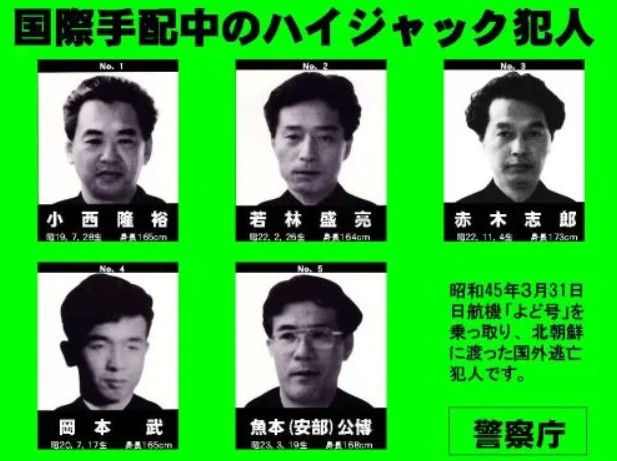
On 31 March 1970, the famous Japan Airlines Flight 351 Incident happened. It is perhaps one of the most well known hijacking cases in the history of aviation – nine members of the Japanese Red Army used fake guns and a fake bomb to seize a Boeing 727 and forced the domestic flight in Japan to fly to Pyongyang in North Korea.
In this blog, we will explore this shocking and rather absurd hijacking in full detail, from its planning to the events that followed.
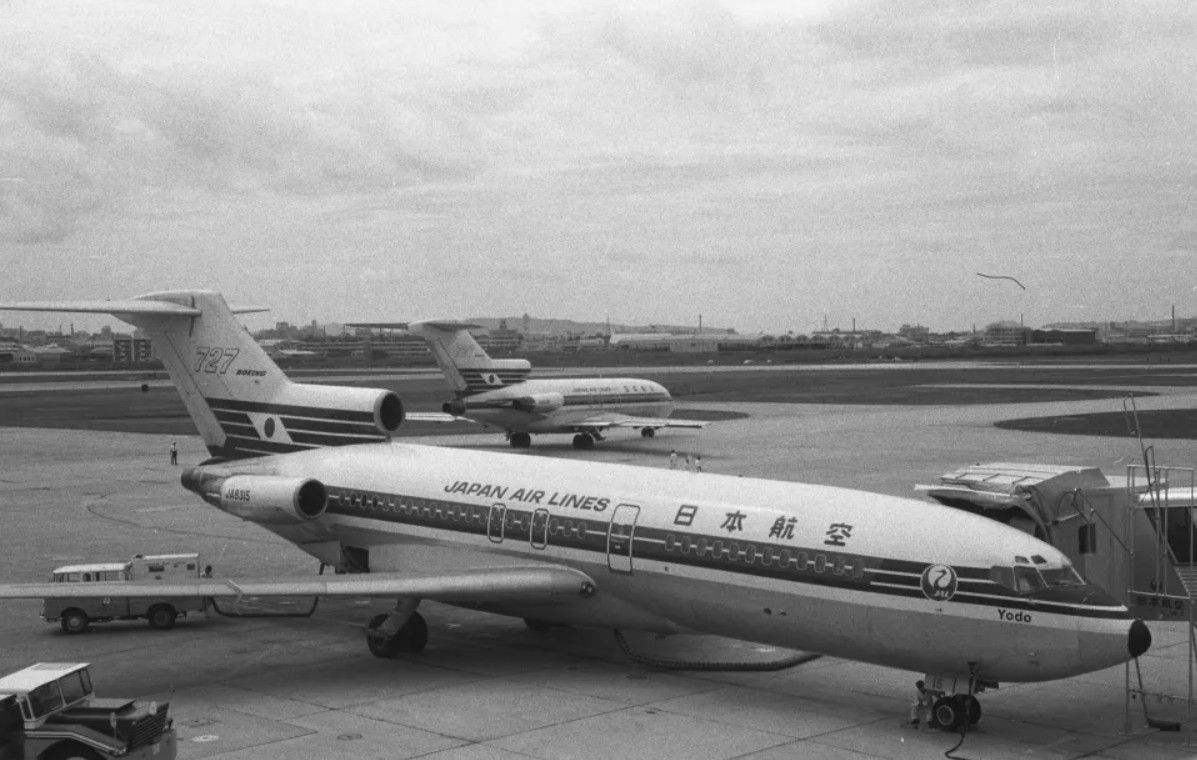
Table of Contents
Background of the Japan Airlines Flight 351 Hijacking Incident
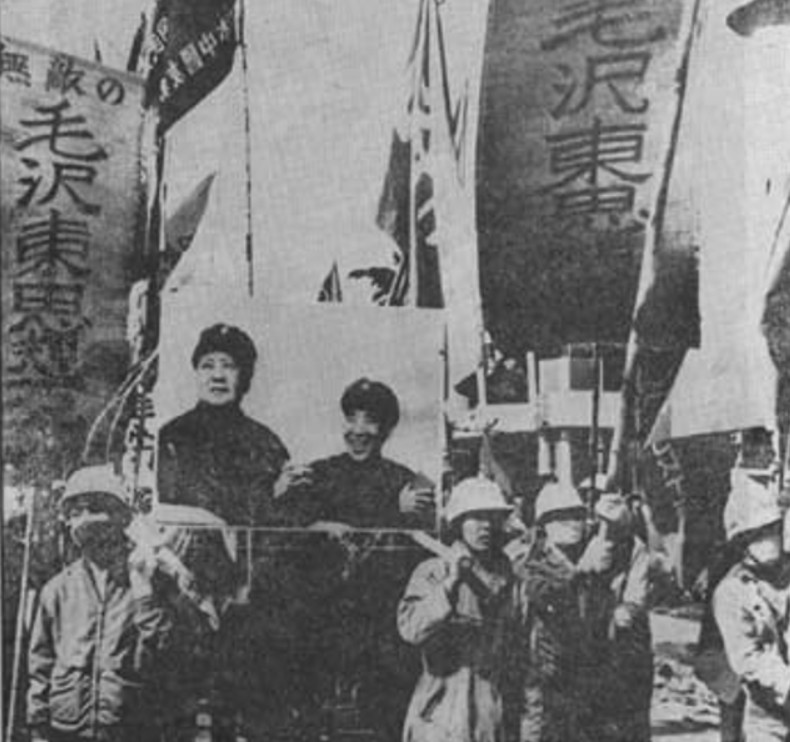
During the late 1960s, Japanese society experienced significant unrest, with frequent protests against the U.S.-Japan Security Treaty and widespread campus conflicts.
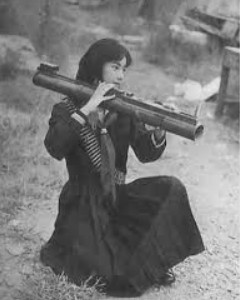
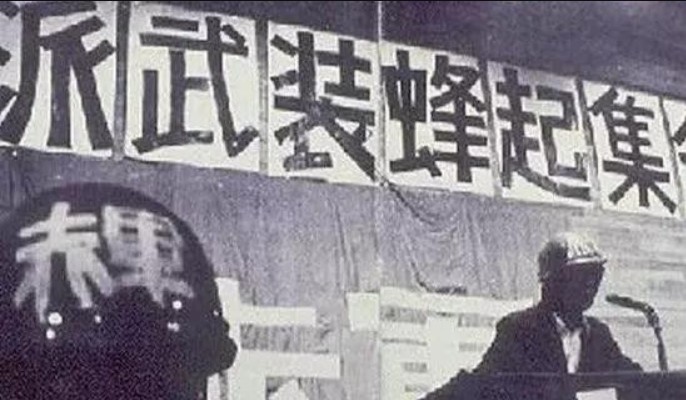
In 1966, the previously dissolved Marxist student organisation Communist League (also known as the Bund) was reformed as the “Second Bund.” Its radical Kansai faction, centred around Doshisha University, evolved into the “Red Army Faction” by 1968, advocating an armed proletarian revolution in Japan as a catalyst for a global anti-U.S. movement. After splitting from the broader organisation in 1969 due to strategic disagreements, the group moved toward direct action.
The Red Army Faction developed the theory of an “international base,” arguing that a sustained communist revolution in Japan required establishing overseas strongholds. From 1969 onward, they began planning to dispatch members abroad. North Korea was chosen not out of ideological alignment, but because of its geographic proximity and its perceived opposition to Japanese imperialism.
According to their vision, the group even intended to transform North Korea into a revolutionary military base and “Red Army-ize” its system through radical restructuring. Notably, prior to these plans, the faction had no contact with Chongryon, the pro-North Korean organisation in Japan.
In early 1970, leader Takaya Shiomi planned a hijacking operation to reach Cuba for military training. Although he was arrested shortly before the plan was carried out, the remaining members proceeded with the plan, hijacking a domestic flight on March 31, 1970, an event that became known as the Japan Airlines Flight 351 incident.
The Japan Airlines Flight 351 Hijacking Incident
Depart from Tokyo
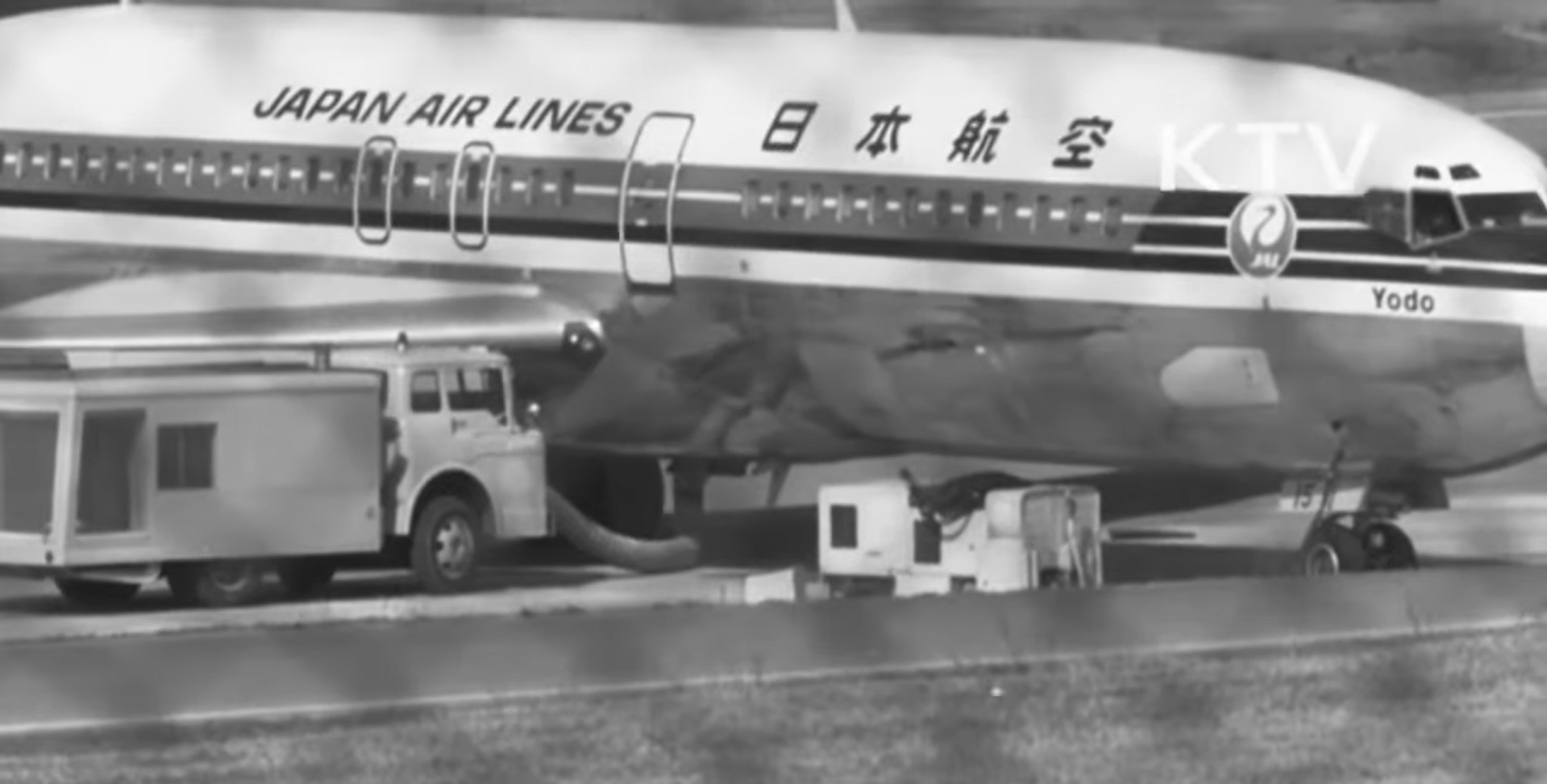
At 7:33 in the morning on 31 March 1970, Japan Airlines Flight 351 departed from Haneda Airport, Tokyo. It was scheduled to fly to Itazuke Airport, now known as Fukuoka Airport. While flying over Mount Fuji, the aircraft was hijacked.
The hijackers carried what appeared to be a samurai sword, a handgun, an axe, and a bomb. They moved the male passengers to window seats and tied them up with ropes they had brought. Some of the hijackers then entered the cockpit. They took control of the aircraft and ordered the captain and first officer to fly to Pyongyang.
In response to the demand to fly to North Korea, the first officer told them that this was a domestic flight to Fukuoka. He said the aircraft did not have enough fuel to reach Pyongyang, and used this as a reason to request refuelling and to obtain a route map for the flight to Pyongyang.
In fact, the aircraft had reserve fuel on board and was fully capable of flying directly to Pyongyang. At 8:59am, the Japan Airlines Flight 35 landed at Itazuke Airport in Fukuoka to refuel.
The Fukuoka police tried several methods to stop the hijacking. They arranged for fighter jets of the Air Self-Defence Force to block the runway by pretending to have a fault, which had angered the hijackers. After negotiations by the crew, the hijackers agreed to release some hostages if the fighter jets were removed. At 13:35, they released 23 passengers, including women, children, elderly people, and those who were ill.
At Fukuoka, the Japan Airlines Flight 351 crew received a so called route map. It was actually a photocopy of a school atlas for middle school students. It was crude and did not even show a proper route. However, there was a note in one corner that said “monitor 121.5 MC”. 121.5 MC is the emergency communication frequency used in civil aviation, so the crew adjusted their radio to this frequency and continued the flight.
The Japan Airlines Flight 351 then flew along the eastern side of the Korean Peninsula. When it reached near the 38th parallel, the crew believed they had entered North Korean airspace. They used the assigned frequency and called in English several times, saying “This is Japan Airlines Flight 351, requesting to land at any airport”, but received no reply.
In reality, the Japan Airlines Flight 351 had crossed the geographical 38th parallel. However, the actual armistice line does not follow this line exactly, so the aircraft was still in South Korean airspace.
Soon after, the aircraft received a radio message that said “This is Pyongyang approach control”. The controller instructed the crew to change frequency. In fact, this was a South Korean Air Force controller. He was acting under direct orders from President Park Chung-hee, who had instructed that the aircraft must be made to land at Seoul at any cost.
During the stop in Fukuoka, South Korea had already prepared a plan to guide the aircraft to land within its territory. They also prepared Gimpo International Airport in advance to make it appear as if it were Pyongyang.
The crew realised that the frequency used was common in capitalist countries. They suspected that it was not truly Pyongyang. The hijackers did not understand Korean and had very limited English, so they did not notice anything unusual. The crew followed the radio instructions and gradually flew south towards Seoul.
Landing in Seoul
At 15:16, the Japan Airlines Flight 351 landed at what was presented as “Pyongyang International Airport”. In reality, it was Gimpo International Airport in Seoul. During the landing, the crew saw clear rural scenery with rice fields on the ground that were small and irregular in shape. They did not resemble the large collective farms of a socialist country, which increased the hijackers’ suspicions.
To deceive the hijackers and resolve the situation within South Korea, South Korean soldiers wore North Korean military uniforms and held signs that read “Welcome to Pyongyang”. The authorities also arranged for women in traditional dress holding flowers. North Korean flags were displayed around the airport, and South Korean and Western aircraft were moved away. Vehicles with South Korean company logos were repainted yellow.
However, the hijackers began to notice problems. They saw aircraft from airlines such as Northwest Airlines, which clearly did not belong in North Korea. They also noticed a fuel truck with the Shell logo. South Korean police, pretending to be North Korean officials, told them that they would soon meet the Japanese ambassador. This caused further doubt, as Japan and North Korea had no diplomatic relations. Some also say that the hijackers saw African American soldiers from the United States inside the airport buildings.
After the hijackers realised that they had landed at Gimpo International Airport, the South Korean authorities began negotiations and refused to allow the aircraft to depart.
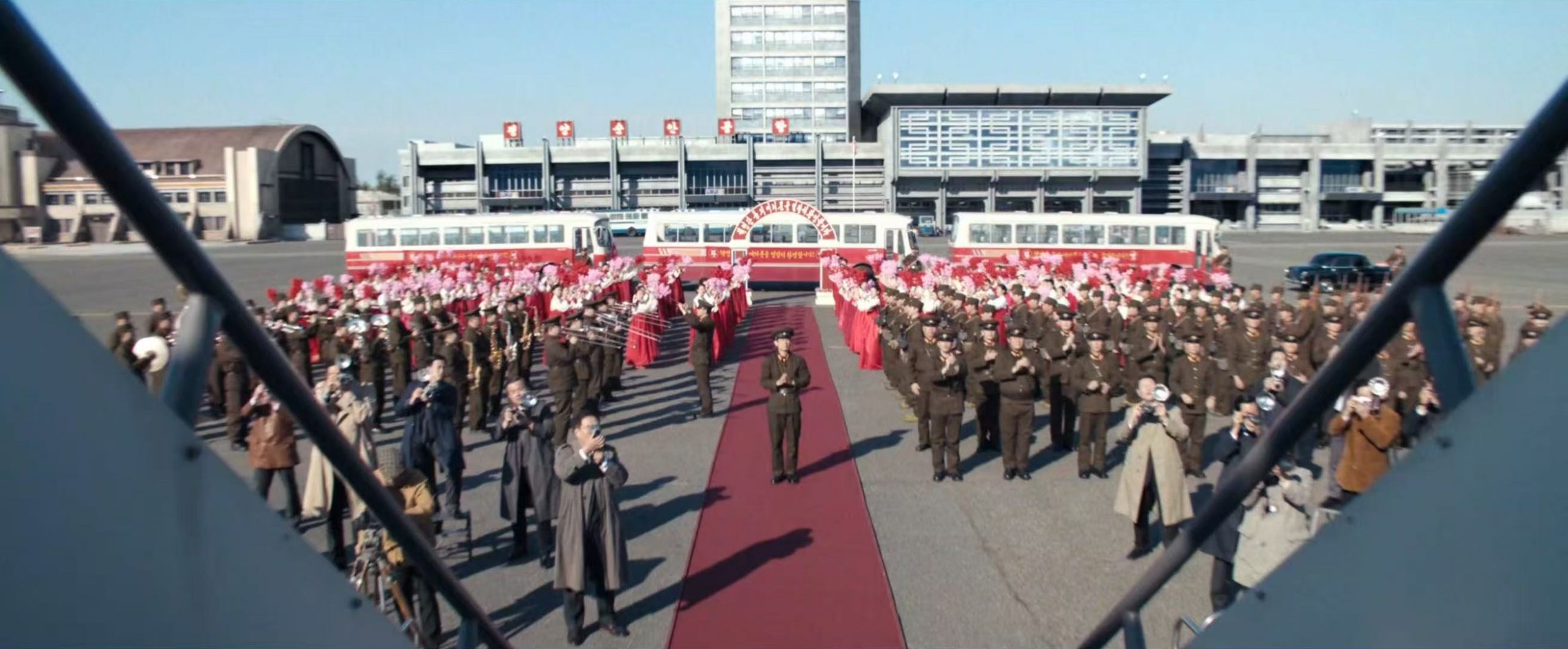
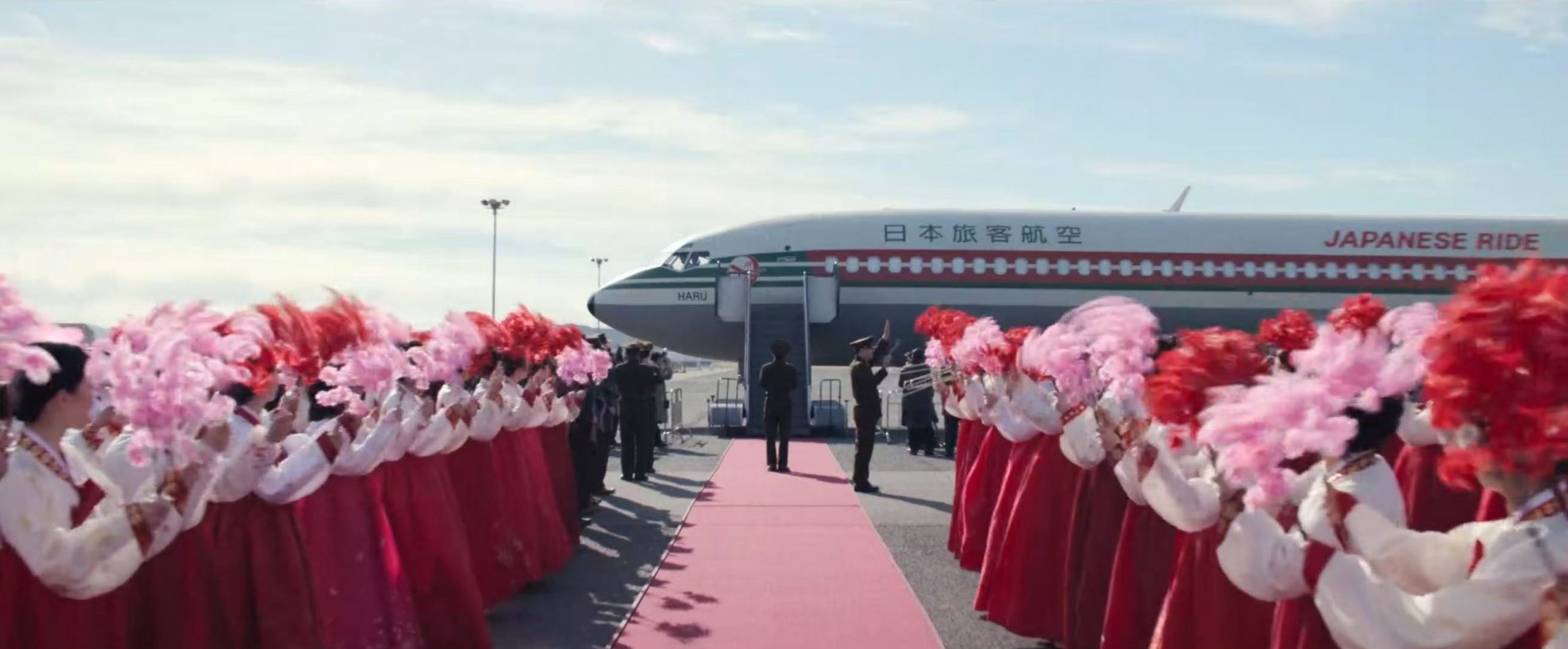
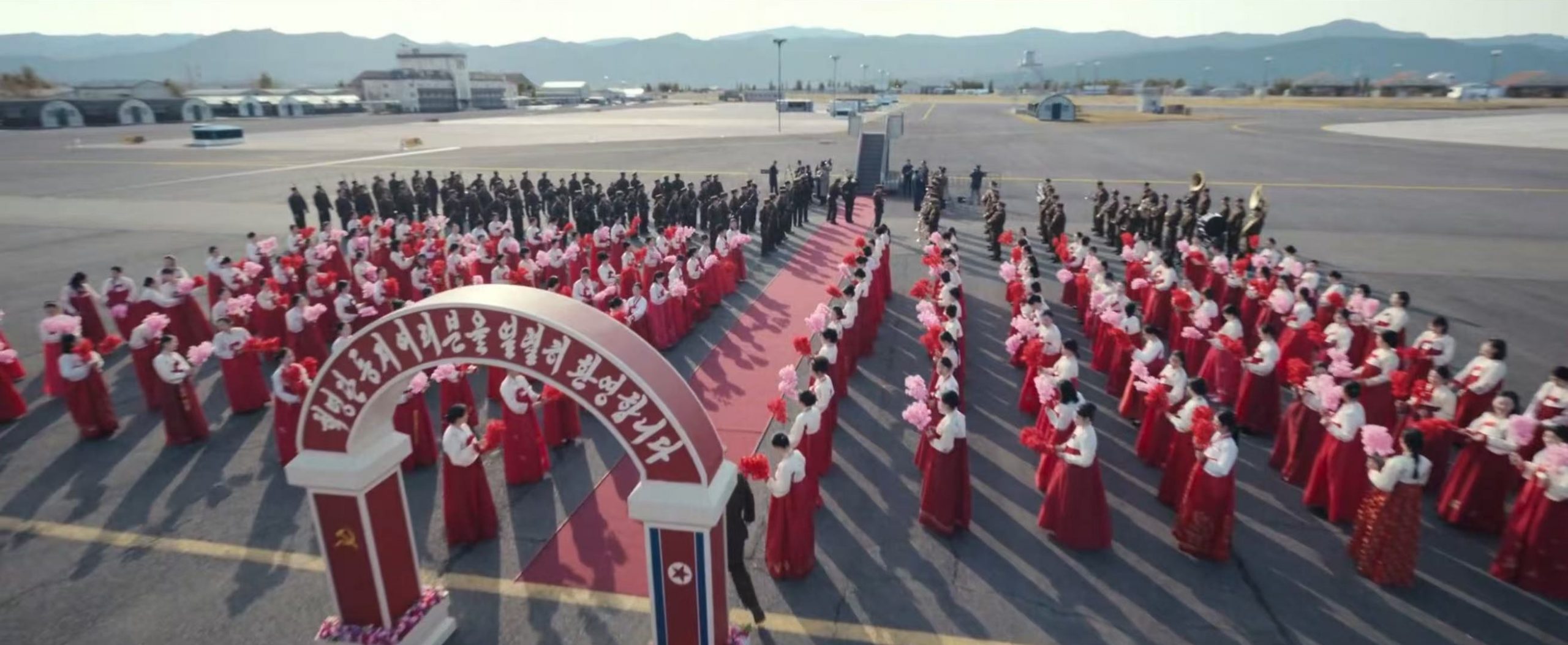
On the afternoon of 31 March, a special Japan Airlines aircraft left Haneda Airport carrying Japanese government representatives and airline staff. It arrived in Seoul early on 1 April. These officials then formed a negotiation team with the South Korean Minister of Defence and others. As the hijackers did not understand English or Korean, South Korean officials who had received the Japanese style education during the colonial period conducted the talks in Japanese.
During the standoff, the first officer took advantage of a moment when the hijackers were distracted. He threw a paper cup out of the cockpit window. Inside it was information about the number of hijackers, their positions, and their weapons. This allowed the authorities to understand the situation on board. The South Korean side considered sending special forces to storm the aircraft, however, the Japanese government strongly opposed this plan due to concerns for the safety of the hostages, and the assault was cancelled.
On 2 April, the Japanese government made a request to North Korea through the Soviet Red Cross and the International Red Cross. They asked that if the Japan Airlines Flight 351 reached North Korea, the passengers should be protected, returned, and the aircraft handed back. The North Korean authorities replied that, on humanitarian grounds, all people on board would be returned immediately if the aircraft entered their airspace.
However, for South Korea, the situation was sensitive. In the previous year, the Korean Air YS-11 hijacking had resulted in passengers who were still not released. South Korea wanted to avoid a similar outcome. The Japanese government then made a strong request – if the hijackers released the passengers, they should be allowed to fly to North Korea. For humanitarian reasons, South Korea accepted this plan.
On the afternoon of 1 April, the Japanese Minister of Transport flew to South Korea. After several days of negotiations, an agreement was reached on 3 April. State Secretary of Transport Shinjiro Yamamura agreed to take the place of the hostages, so the passengers could be released in stages. Finally, on the boarding stairs, Yoshimi Tanaka exchanged places with the last passenger, who was then released. In addition, the cabin crew were allowed to leave the aircraft.
Fly to Pyongyang
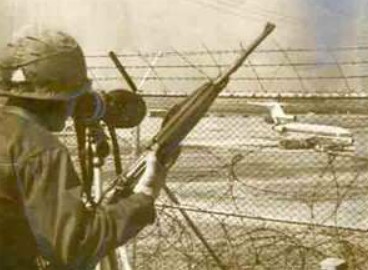
At 18:05 on 3 April, the Japan Airlines Flight 351 took off from Gimpo International Airport. It crossed the 38th parallel and entered North Korean airspace. At this point, the captain still did not have a proper route map. After entering North Korean airspace, there was no response on the radio. No North Korean fighter aircraft were scrambled to intercept the flight as well.
As night fell, the captain relied on his experience as a former air force instructor during the war. He located a small runway by sight, at 19:21, the aircraft landed on this runway. It was not Pyongyang International Airport, but the Mirim Airfield, which is located about 25 kilometres southeast of Pyongyang. Today, it is known as the Mirim Aviation Club.
After landing, the North Korean side demanded that the hijackers give up their weapons. Only then did everyone realise the truth – of all the weapons they carried, only one axe was real. The bomb, the handgun, and even the samurai sword were fake.
In the end, all 13 people on board were taken into custody by the North Korean authorities. This included the nine hijackers, three crew members, and the hostage Shinjiro Yamamura.
After the Japan Airlines Flight 351 arrived, the attitude of North Korea became more rigid. They stated that they could not guarantee the early return of the crew or the aircraft. They also criticised the Japanese government and claimed that it had failed in its responsibilities. On 4 April, North Korea again criticised Japan, but announced that it would return the aircraft and the crew on humanitarian grounds. At the same time, they stated that the “students who arrived by hijacking the aircraft” would be investigated and dealt with properly. This showed that they were willing to accept the hijackers.
In the early morning of 5 April, the crew were taken to Mirim Airfield to prepare for departure. However, there was a problem – North Korea did not have a compatible starter unit for a Boeing 727. The aircraft could not start its engines at all. Then, Japan Airlines arranged to send a starter unit via Moscow.
In the end, a solution was found locally. Compressed air bottles were obtained, and vehicle batteries were used to charge the aircraft’s electrical system. The engines were successfully started, and the crew followed the route instructed by North Korea and safely returned to Japan.
Aftermath of the Japan Airlines Flight 351 Hijacking Incident
If you think the Japan Airlines Flight 351 hijackers achieved their dream by reaching Pyongyang, that is not the case. When they first arrived in North Korea, they were treated well and described as “internationalist comrades advancing world revolution”. However, their idea of “red army-ise North Korea” and using North Korea as a base to launch an armed proletarian revolution in Japan was rejected by the authorities as unrealistic.
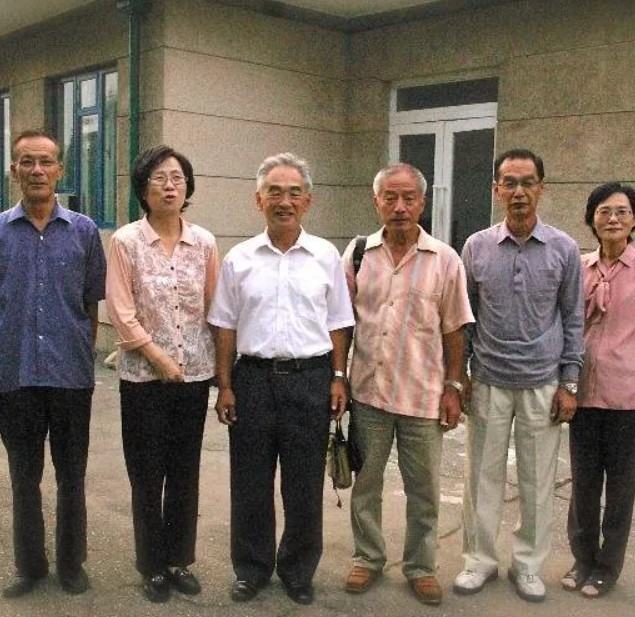
The Japan Airlines Flight 351 hijackers were settled in a Japanese village in Pyongyang. All members then went through ideological re-education under the Juche Idea system. After this, they completed naturalisation procedures and received identity documents, and lived like ordinary North Korean citizens and worked in shops that earned foreign currency. Some later claimed that they were asked to take part in the abduction of Japanese citizens or to train agents.
The Japan Airlines Flight 351 hijacker group also wrote a book called 우리 사상의 혁명 (The Revolution of Our Thoughts). In it, they reflected on their past in the Red Army faction and described their acceptance of Juche ideology. The book was published in South Korea and was widely read by young people who supported Juche idea.
The Japanese government continued to demand their extradition, describing them as hijackers and terrorists, but North Korea refused. In the early 21st century, North Korea began to ease economic pressure and improve relations with Japan. From 2001, it allowed family members of the hijackers to return to Japan, and several returns took place. In July 2004, North Korea stated that the issue was a matter between the Japanese government and the former Red Army members, and that the hijackers could be sent back to Japan.
Today, the surviving hijackers are still wanted by the Japanese government. However, their children have returned to live in Japan.
In 2015, the leader of the Japan Airlines Flight 351 hijacking group noticed the importance of Twitter during the Arab Spring and opened an account. Like ordinary North Korean citizens, they did not have direct access to the internet. They did not post content themselves. Instead, they sent messages by email to a Japanese supporter, who posted them online. Replies and questions were also passed through this intermediary. In August 2022, the hijackers stated that they believed they had completed their mission, and the account was closed.
In South Korea, many people at the time held very negative views of Japan. They were dissatisfied with Japan’s passive attitude and its failure to help ease internal political tensions in South Korea. Many people believed that Japan had caused harm in the past and would continue to do so.
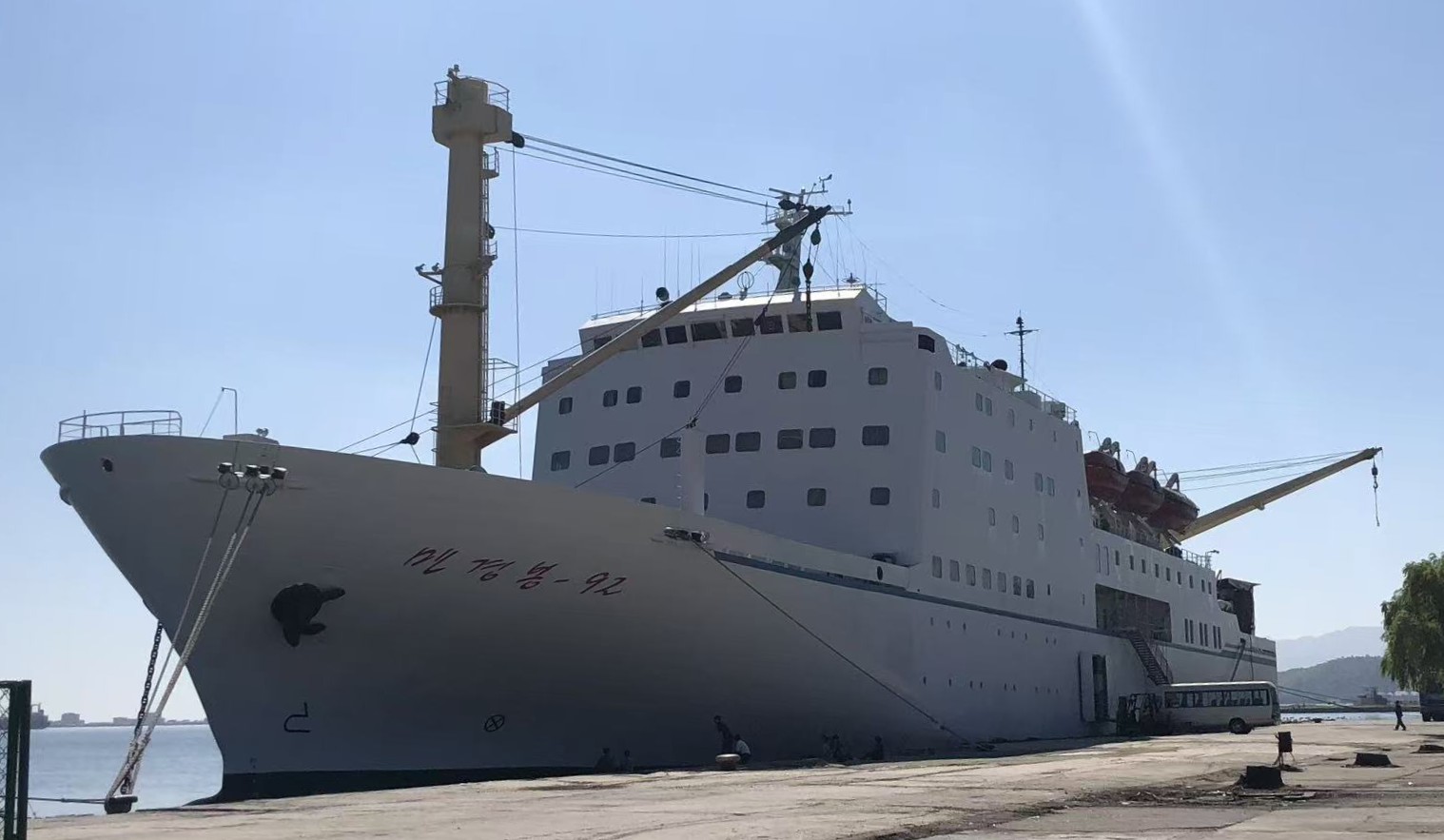
At the same time, the Japan Airlines Flight 351 Hijacking Incident allowed the South Korean government to criticise Japan more. In particular, it referred to Japan’s earlier decision to send many Korean residents in Japan back to North Korea by the Mangyongbong-92 ship, which is still docked in North Korea’s Wonsan now. Japan was grateful to South Korea during diplomatic talks, as most of the hostages were rescued at Gimpo Airport.
However, the South Korean military junta treated one key figure unfairly. Air Force Lieutenant Chae Hee Sok, who helped guide the aircraft to land at Gimpo airport was mistreated. He had successfully redirected the aircraft by switching radio frequencies between Pyongyang and Gimpo. Chae should have been recognised as a hero, instead, the government denied its own involvement and claimed that the landing was voluntary. Hnece, his role remained unknown for many years.
Even after the incident, Chae was threatened with death punishment and was banned from working in air traffic control. This forced him to leave the air force about a year later. He only told his family about the event at the age of 63. Chae first gave testimony in a newspaper in July 2003, and made his first public television appearance in March 2021.
In Japan, this was the first aircraft hijacking case in its history. It led directly to the introduction of an anti hijacking law in June of the same year. However, on 6 November 1972, another Japan Airlines Flight 351, also a Boeing 727, was hijacked again, with the hijacker attempting to divert the aircraft to Cuba.
Film adaptation of the Japan Airlines Flight 351 Hijacking Incident
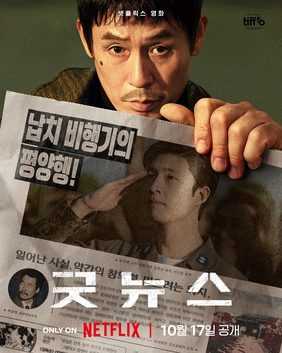
In 2025, a South Korean film titled Goodnews was released. It is based on the Japan Airlines Flight 351 hijacking incident. The film presents a fairly complete account of the whole event.
The filmmakers introduced a fictional “nobody” character with a defector background. He acts as an intermediary for the South Korean government. He is persuaded to assist in handling the situation in exchange for clearing his North Korean past.
The film uses sharp and comedic satire to portray all the parties involved. It shows the impulsive and naive behaviour of the Japanese Red Army hijackers, criticises the bureaucracy and blame shifting of officials from different countries. The authoritarian rule of the South Korean military government is clearly shown, and the lingering effects of Japanese colonialism are also highlighted. Together, these elements present the absurd nature of the hijacking and its complex historical background.
Overall, the film reflects the unique context of East Asia during the Cold War period. It is also one of the best choices for those who want to understand the full story of the Japan Airlines Flight 351 Hijacking Incident.
Conclusion
The Japan Airlines Flight 351 Hijacking Incident was a major and absurd criminal case shaped by the Cold War, a turbulent era, and the idea of world revolution. It also reflects the unique social and historical context of East Asia, involving North Korea, Japan, and South Korea.
Today, as communist movements have declined, the once turbulent vision of world revolution has largely been forgotten and left in the dust of history.
One of the best ways to understand history is to visit the places where events took place. YPT is the company that specialises in red tourism and dark tourism, you can check out our North Korea tours and Japan tours for more information.
About Post Author