In southern Ghana, funerals are social milestones, public statements, and often the most important ceremony in a person’s life. Among the Ga people of the Greater Accra region, this philosophy gave rise to one of West Africa’s most visually striking traditions: the so-called “fantasy coffins”.
Table of Contents
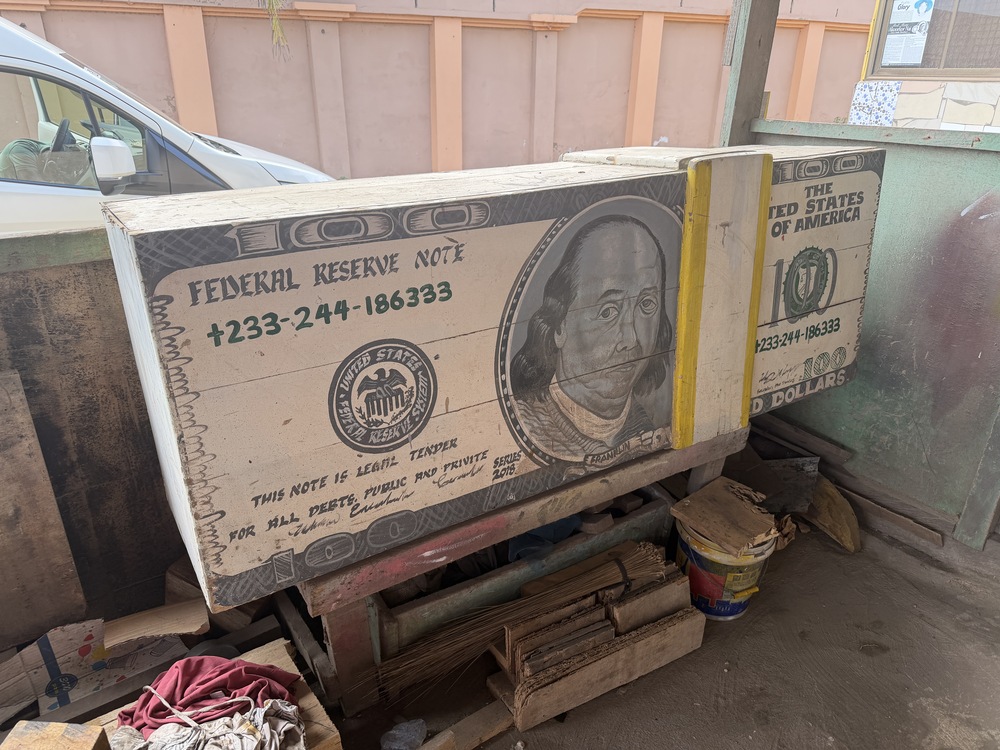
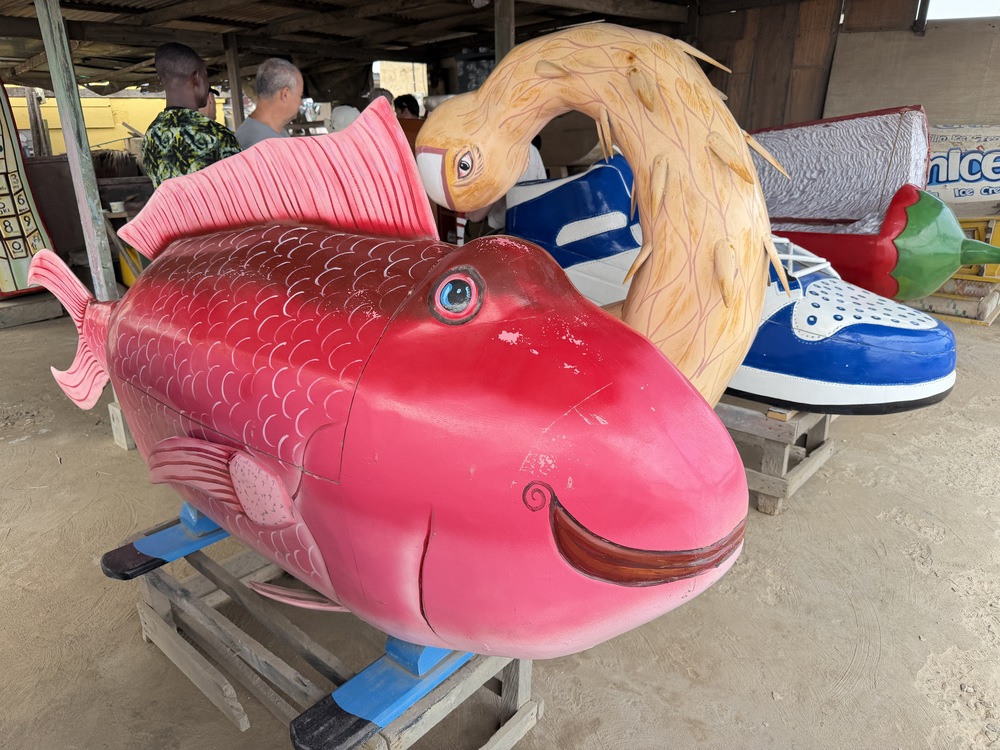
Known locally as abebuu adekai, these coffins are crafted in the shape of objects that represent the life, profession, status, or aspirations of the deceased. A fisherman may be buried in a giant wooden tuna; a cocoa farmer in an oversized cocoa pod; a driver in a Mercedes-Benz; a devout Christian in a Bible; a pilot in an aeroplane. In death, identity is not reduced, it is amplified.
A Tradition Born in Accra
The practice is widely traced back to the 1950s, when a Ga carpenter named Seth Kane Kwei created a palanquin in the shape of a cocoa pod for a local chief. When the chief died unexpectedly, he was buried in it. The concept evolved, and Kane Kwei began crafting figurative coffins for funerals rather than ceremonial display.
His workshop in Teshie, a coastal suburb of Accra, became the nucleus of a new artistic movement. Today, several generations of coffin makers continue the tradition, each piece handmade from local hardwood, carved, assembled, sanded, and painted in vivid colours. What began as a local funerary custom is now recognised internationally as a unique form of contemporary African art.
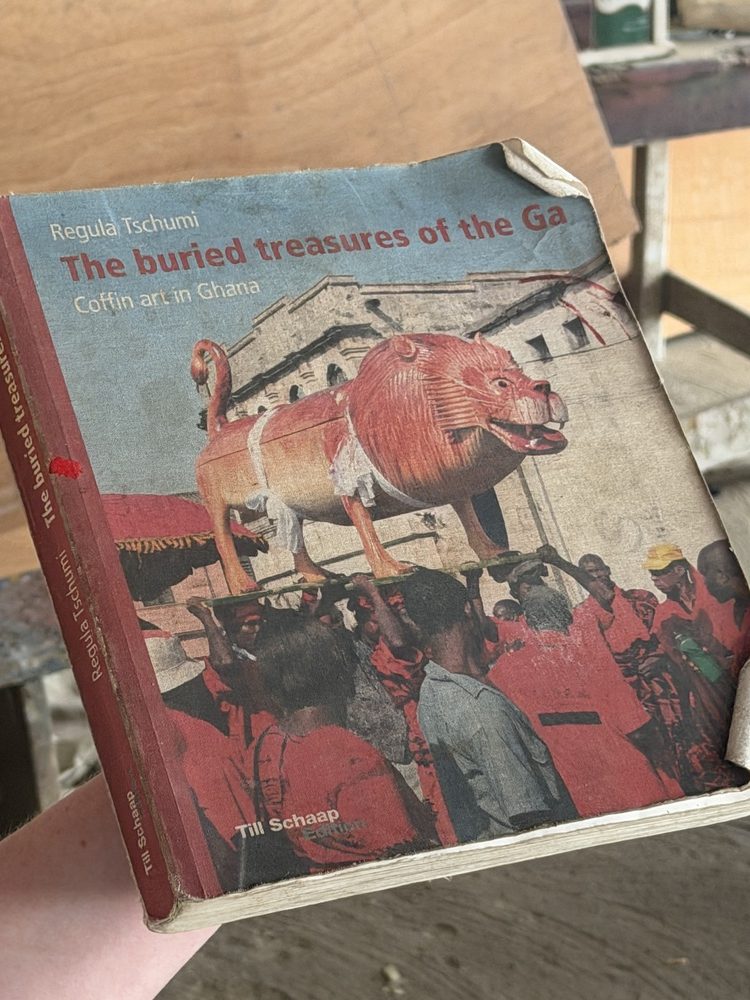
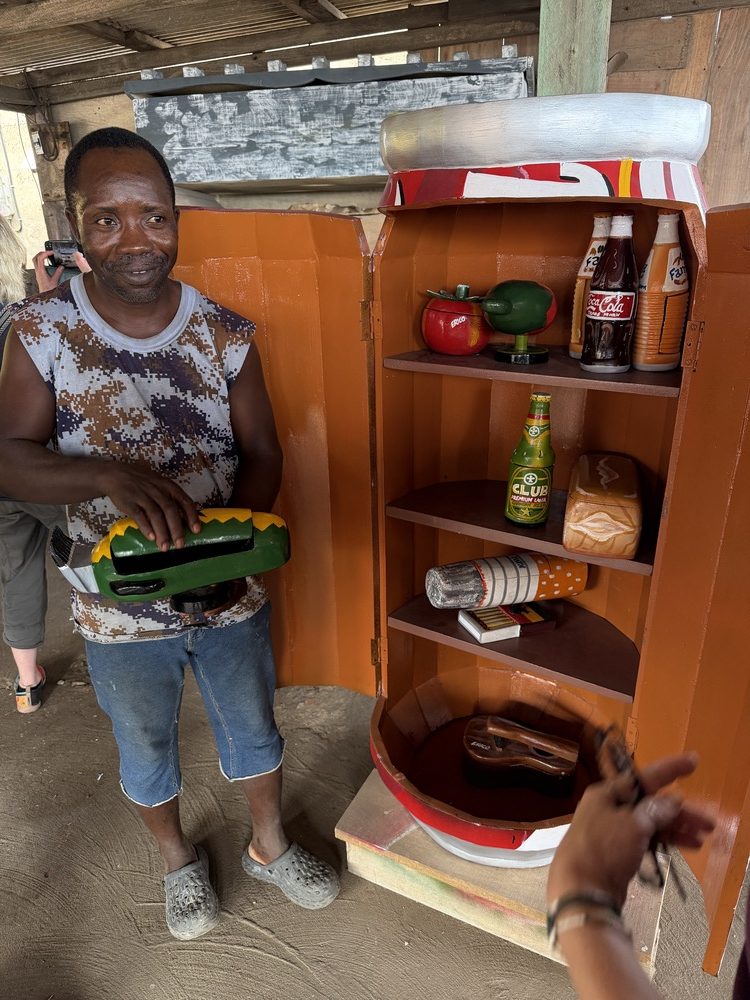
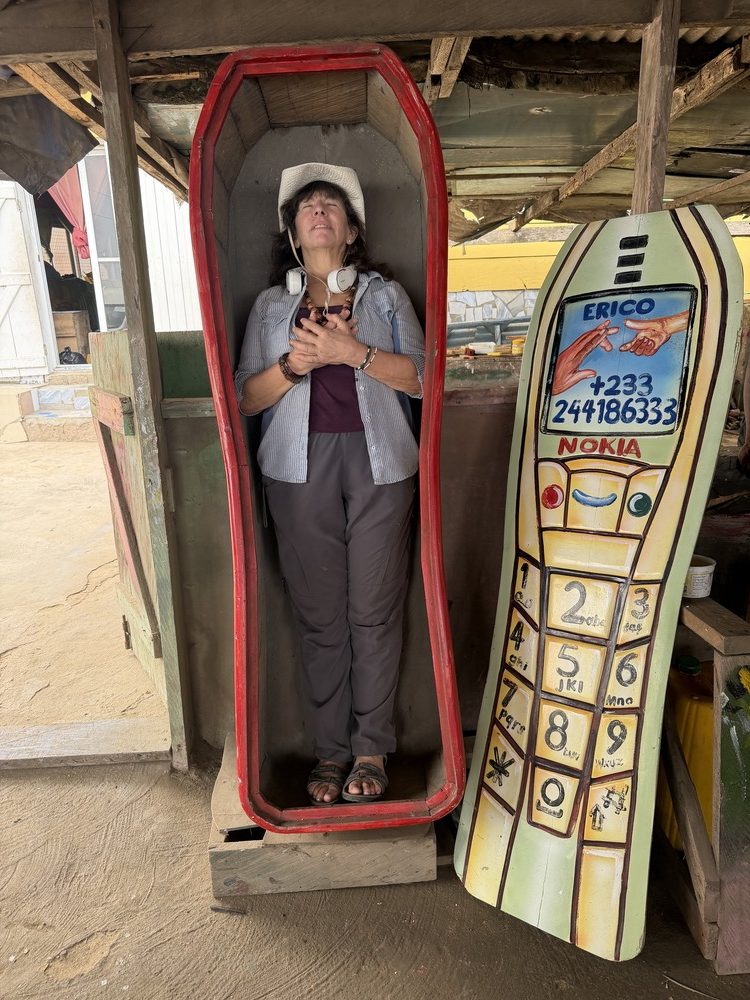
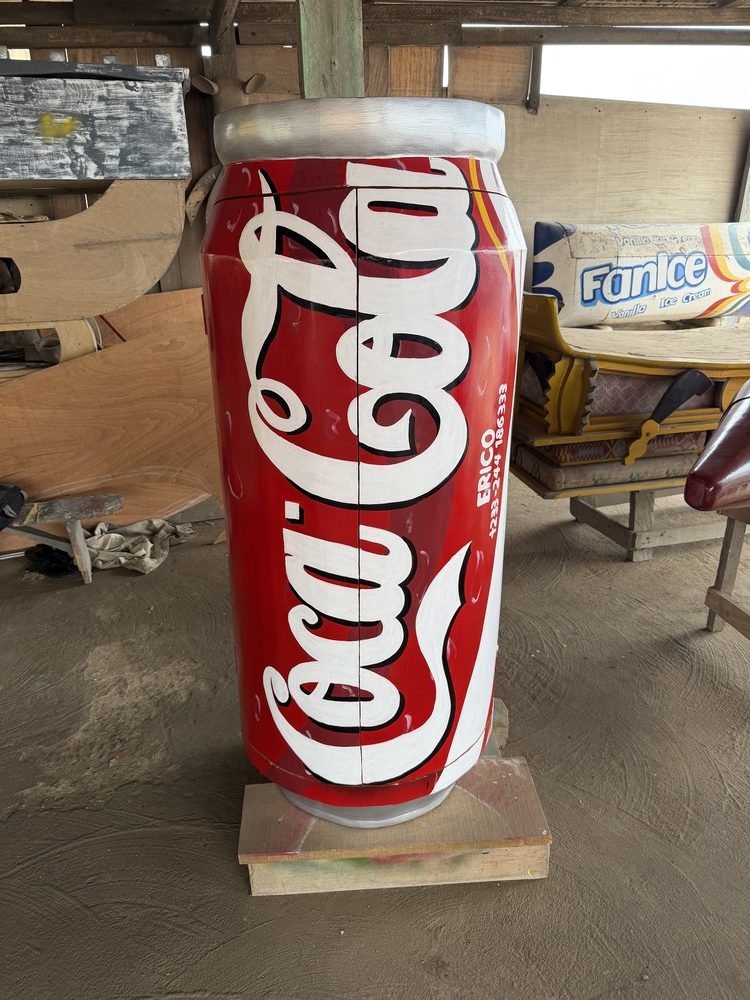
Some coffins have even been exhibited abroad, including at institutions such as the British Museum, though their true context remains the funeral procession, not the gallery floor.
The Fantasy Coffins are More Than Spectacle
To outsiders, the coffins can appear eccentric or theatrical. In reality, they are deeply rooted in Ga cosmology. Death is not considered an end but a transition to the ancestral realm. The coffin symbolises the status the deceased will carry into that next existence.
The message is deliberate. A lion signals leadership. An eagle conveys strength. A mobile phone represents business acumen. The object chosen is discussed carefully with family and elders; it must reflect how the individual was perceived by their community.
Funerals in southern Ghana often involve music, dancing, tailored cloth, extended gatherings, and elaborate ceremonies that can last several days. The coffin, carried high and sometimes accompanied by choreographed pallbearers, becomes the focal point of the event.
Craft, Skill, and Time
These are not novelty items knocked together in a few days. A complex coffin can take several weeks to complete. The structure must remain functional and structurally sound; it is still, after all, a coffin. Proportions matter. So does symbolism.
Workshops in Teshie and nearby Nungua operate on commission. Families may spend significant sums, reflecting the importance placed on honouring the deceased properly. In many cases, funerals cost more than weddings.
For travellers, visiting these workshops offers a rare insight into how art, belief, craftsmanship, and social status intersect. It is not morbid; it is cultural continuity made visible.
Visiting the Coffin Makers
Young Pioneer Tours includes visits to coffin workshops on our Ghana tours, typically based around Accra and the coastal communities of the Ga people.
Ghana’s fantasy coffins challenge Western assumptions about mourning. They remind us that funerals can be personal, expressive, and even celebratory. In a region better known to outsiders for its colonial forts and Atlantic history, this tradition offers something entirely different: a window into contemporary identity and belief.
In Ghana, even in death, you are remembered exactly as you chose to live.
About Post Author