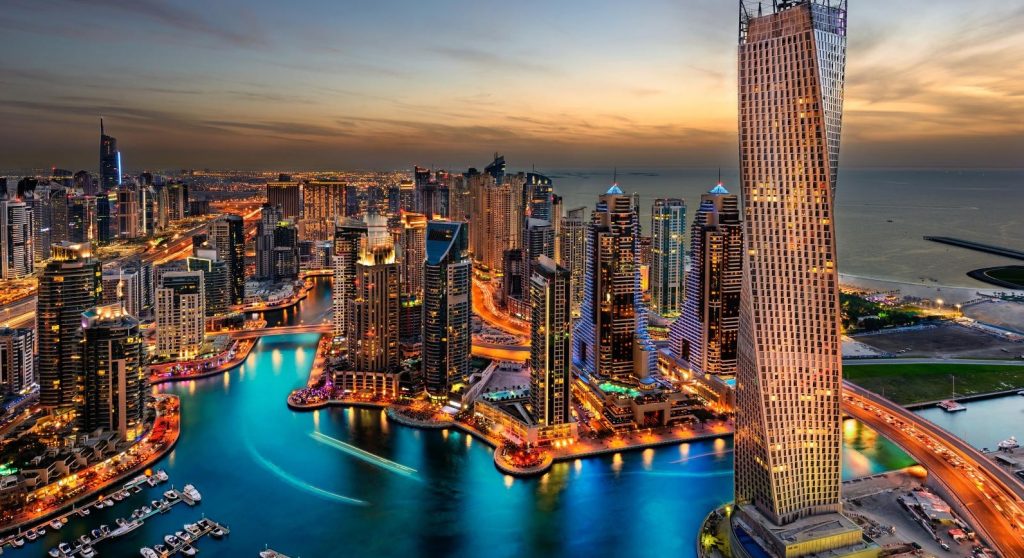
Dubai is one of the most popular travel destinations in the world. It is known for its tall skyscrapers, luxury shopping, beautiful beaches, and exciting desert experiences. Visitors can enjoy modern attractions like the Burj Khalifa while also exploring traditional markets, local food, and rich cultural history. The city is clean, safe, and welcoming, making it appealing to travelers from many countries.
Before visiting Dubai, it is important to understand local customs, laws, and basic travel details. Some rules may be different from what you are used to, especially around dress, behavior, and public conduct. Knowing these details ahead of time helps you avoid problems and travel with confidence.
This guide will share the most important things to know before tours to Dubai. It will help you plan better, respect local culture, and enjoy a smooth and memorable trip.

1. Entry Requirements and Visa Rules
Many travelers can enter Dubai with a visa on arrival, while others must apply for a visa before traveling. Visa rules depend on your nationality, so it’s important to check requirements early. Your passport should be valid for at least six months from your arrival date.
Some travelers may also need proof of return travel and hotel booking. COVID-related rules have mostly been lifted, but health requirements can change, so always review the latest entry updates before your trip.
2. Best Time to Visit Dubai
The best time to visit Dubai is from November to March, when the weather is cooler and more comfortable. This is peak season, so prices are higher and attractions are busier. Summer months are very hot and humid, but travel costs are lower. Dubai also hosts major events like the Dubai Shopping Festival and cultural celebrations, which can make your visit more exciting if you plan around them.
3. Local Laws and Cultural Etiquette
Dubai is modern but follows Islamic traditions and laws. Visitors should dress modestly in public places, especially malls and religious areas. Public behavior like loud arguments, rude gestures, or offensive language should be avoided. Taking photos of people without permission, especially locals, is not allowed. Respecting these rules helps you avoid fines and shows cultural awareness.
4. Currency, Payments, and Budgeting
Dubai uses the UAE Dirham (AED). Credit and debit cards are widely accepted in hotels, malls, and restaurants. Cash is still useful for taxis, small shops, and local markets. Tipping is not required but appreciated, especially for good service. Many restaurants include a service charge, so check your bill before tipping extra.
5. Transportation and Getting Around
Dubai has a clean and reliable public transportation system. The Dubai Metro is affordable and connects major areas. Taxis and ride-hailing apps like Uber and Careem are easy to use. Renting a car is an option, but you’ll need an international driving permit. Traffic can be heavy, so planning routes and travel times helps you move around more easily.
6. Accommodation Options and Neighborhoods
Dubai offers a wide range of accommodation options for every budget and travel style. Popular areas for tourists include Downtown Dubai, Dubai Marina, JBR, and Deira, each offering easy access to attractions and transportation.
Visitors can choose between luxury hotels, budget-friendly stays, or short-term rentals for more space and flexibility. Many travelers prefer booking Dubai Travel Packages, which often include hotels, transportation, and activities at better overall value. Prices vary by season, so booking early can help secure the best deals.
7. Food, Dining, and Alcohol Regulations
Dubai has a wide variety of food, including local Emirati dishes and international cuisine. Alcohol is only served in licensed hotels, bars, and restaurants. Drinking in public is not allowed. During Ramadan, eating and drinking in public during daylight hours may be restricted. Being respectful of dining customs helps you enjoy meals without issues.
8. Safety, Health, and Travel Insurance
Dubai is considered one of the safest cities in the world, with very low crime rates. Healthcare services are modern and high quality, but medical treatment can be expensive. Travel insurance is strongly recommended to cover health emergencies, delays, or lost luggage. Emergency services are easy to reach and respond quickly.
9. Technology, Internet, and Communication
Tourists can buy local SIM cards at the airport or malls for easy mobile access. Free Wi-Fi is available in hotels, cafes, and shopping centers. Some apps and calling services may be restricted in Dubai. VPN use has legal limits, so travelers should understand the rules before using one.
10. Popular Attractions and Experiences
Dubai is home to famous landmarks like the Burj Khalifa, Palm Jumeirah, and Burj Al Arab. Visitors can enjoy desert safaris, cultural villages, beaches, and theme parks. Shopping ranges from luxury malls to traditional souks. Whether you like adventure, relaxation, or sightseeing, Dubai offers many memorable experiences.
Conclusion
Traveling to Dubai can be exciting and rewarding when you are well prepared. Understanding entry rules, local customs, transportation, and safety helps you avoid problems and enjoy your trip. Plan ahead, respect the culture, and stay informed. With the right preparation, your Dubai visit can be smooth, enjoyable, and unforgettable.
About Post Author