Despite being hailed as the world’s largest democracy, India is far from without its problems, particularly when it comes to a lack of integration and this the creation of Indian insurgencies. The reasons are obviously myriad, but one smoking gun is the sheer ethnic and regional diversity of a country that swallowed dozens of separate polities and kingdoms into one political unit. Not everyone wants to be part of that.
And this is something that many argue has gotten worse since the Hindu nationalist BJP came to power. Today there are still a large number of insurgencies based around ethnicity, religion, economics or politics. The funny thing though is that outside the country, few have heard of them, or of the many independence movements that still simmer away.
Table of Contents
The Creation of India
India was born in 1947 out of the collapse of the British Raj. When the colonial masters walked away, they left behind a subcontinent patched together by centuries of conquest, diplomacy and trade. The hurried partition carved out Pakistan and left India with hundreds of princely states, tribal lands and cultural regions to stitch together. Some were willing; others were not.
Many small kingdoms were absorbed into the Indian Union through political pressure or the threat of force. The most controversial example in recent memory was Sikkim, a Himalayan kingdom that voted itself out of existence in 1975 after New Delhi applied heavy pressure on its monarchy. Critics then and now argue that this was little different from colonialism: a big power imposing its will on smaller neighbours, swallowing them up under the banner of unity.
For millions of people across the subcontinent, India’s creation was liberation. For others it was the beginning of a long squeeze on identity, autonomy and local power. That tension is baked into the republic’s DNA.

National Indian Insurgencies
India’s security landscape is shaped by a mix of ideological movements, ethnic demands, and religious militancy.
Naxalite Rebellion
This is the longest running internal conflict in India. Originating in 1967 from a peasant uprising in West Bengal, the Naxalites are communist insurgents who spread through central and eastern India. They recruit among landless farmers and tribal communities, railing against what they see as exploitation by the state and corporate interests. The Indian government labels them terrorists; they see themselves as guerrillas fighting injustice.

Islamist Extremism
In parts of Jammu and Kashmir there are Islamist militant groups that have waged insurgency against Indian rule since the late 1980s and early 1990s. Some are locally rooted, others have ties across the border. The conflict here is a mix of separatism, religion, and geopolitics. It remains one of the most sensitive flashpoints on the subcontinent.
There are also smaller networks elsewhere that have plotted attacks in the name of Islamist ideology. These have been met with heavy counterterror operations by Indian security forces.
Current Regional Indian Insurgencies
Here are insurgent movements that are fully or partially active today, and what they are fighting for.
Kashmir Militancy (Jammu and Kashmir)
In the disputed Himalayan region, various militant groups seek separation from India. Some want full independence, others prefer joining Pakistan. The conflict has waxed and waned for decades and remains unresolved.

Naxalite Guerrillas (Central and Eastern India)
Active across parts of Chhattisgarh, Jharkhand, Odisha and Bihar, these Maoist fighters engage in guerrilla warfare against Indian security forces. They demand land rights, redistribution and an end to what they call exploitation by external capital.
United Liberation Front of Asom (ULFA – Assam)
ULFA operates in Assam, demanding either complete independence from India or greater autonomy. It has carried out bombings and attacks against security forces and infrastructure. Also linked to militancy in Bhutan.
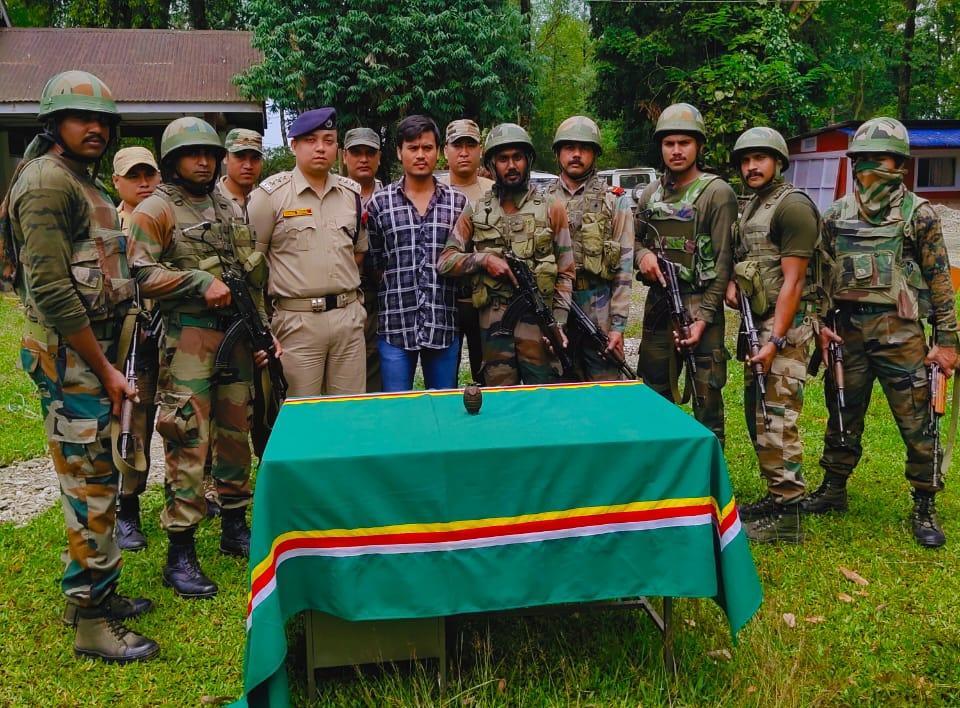
Mizo National Front (Mizoram)
Once seeking full independence for Mizoram, the MNF signed a peace accord in 1986 and now operates as a political party. Splinter factions at times still push for differing levels of autonomy.
Bodoland Movement (Assam)
The Bodo people of northern Assam have fought for a separate state called Bodoland. While some progress has been made with autonomous councils, periodic violence still flares up.
Former Indian Insurgencies
Over the decades, several insurgent movements have been largely resolved, suppressed, or transformed.
Mizo National Front (Peace Process)
Once a bitter insurgency, the MNF ended its armed struggle with a peace agreement and now participates in state politics.

Punjab Insurgency (Khalistan)
In the 1980s and 1990s there was a violent push for a separate Sikh homeland. It was crushed by Indian security forces and lost momentum.
Tripura Tribal Insurgency
Various tribal groups once fought for independence or autonomy. Most have signed peace deals and disarmed, though tensions remain under the surface.
Gorkha National Liberation Front (Darjeeling)
Fought for a separate state of Gorkhaland in West Bengal. It shifted to political negotiation, though the demand persists in political form.
Current Independence or Autonomy Movements in India
There are regions where people are not fighting outright with guns but are pushing for greater self-rule or complete independence. These movements are political, cultural and often deeply rooted in local history.
Tamil Nationalist Sentiment (Tamil Nadu)
There are fringe movements that seek more autonomy for Tamil Nadu, rooted in linguistic and cultural identity. They are not armed but are politically vocal.
Sikkimese Identity Revival
While Sikkim is part of India, there are some voices that argue for greater local control or revisit the circumstances of its merger with India. This is something you will hear a lot when you visit.

Bodo Territorial Councils Expansion (Assam)
The Bodo areas in Assam seek expanded autonomy and statehood under the Indian constitution.
Conclusion
We did not publish this to take sides against the Republic of India. The aim is to point out the vast array of peoples inside its borders. Diversity so intense that it has fermented Indian insurgencies, independence struggles and sovereign movements across the land.
Understanding these elements gives you a clearer view of how and why contemporary India functions as it does. It is not just Delhi and Bollywood. It is dozens of worlds running alongside each other, sometimes colliding, sometimes co-existing, but always shaping the story of South Asia.
About Post Author