Changxindian February 7 Memorial Hall is located in Fengtai District of Beijing. It is an important historical memorial hall that receives few foreign visitors. It is dedicated to the February 7 Movement, a key event in the history of modern Chinese labour movements.
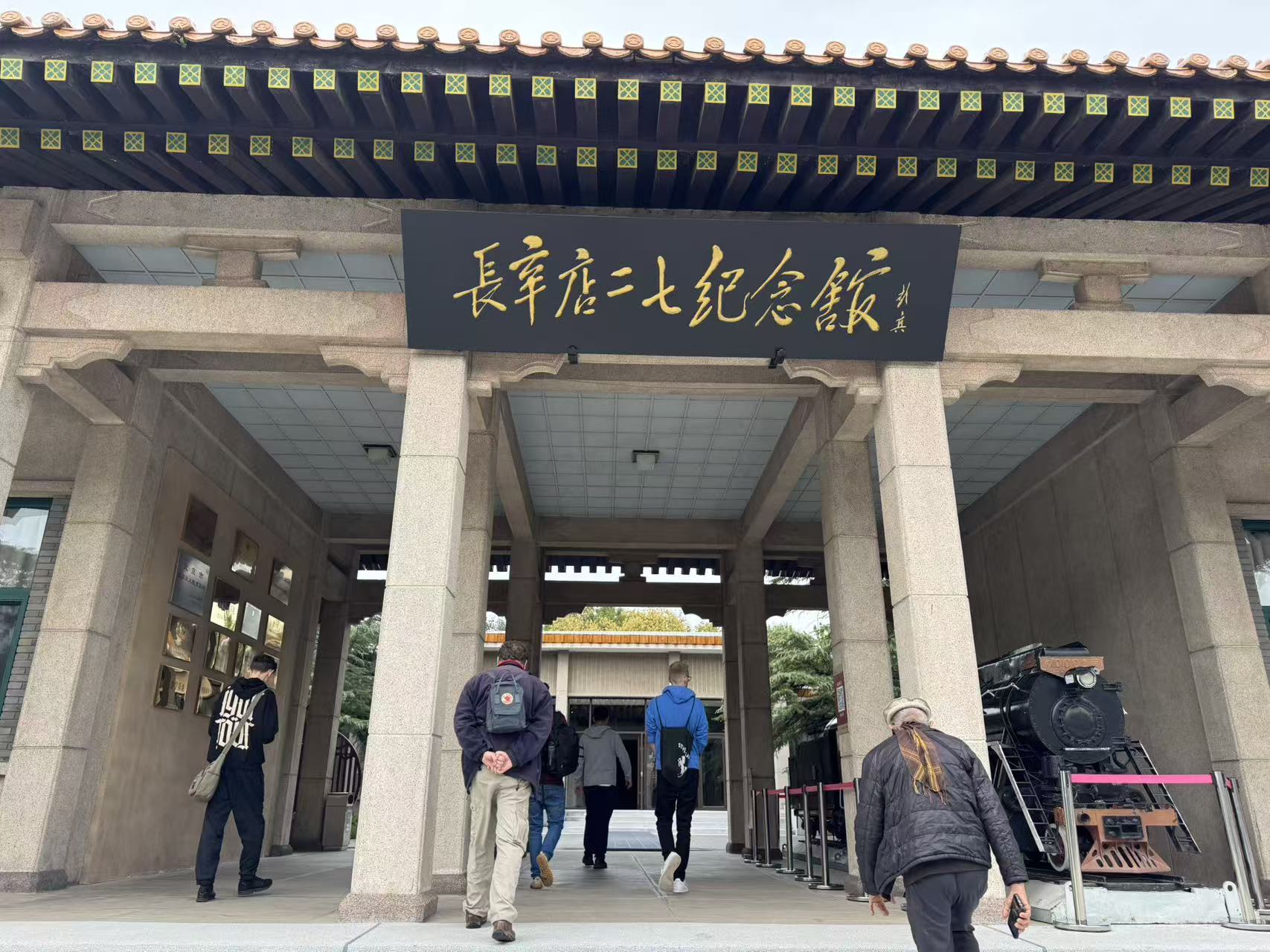
Table of Contents
Historical Background of Changxindian February 7 Memorial Hall
The February 7 Great Strike was formally known as the Beijing Hankou Railway Workers’ Strike. It marked the peak of the first major wave of workers’ movements led by the Communist Party of China. The strike ended in failure, but its influence was far reaching.
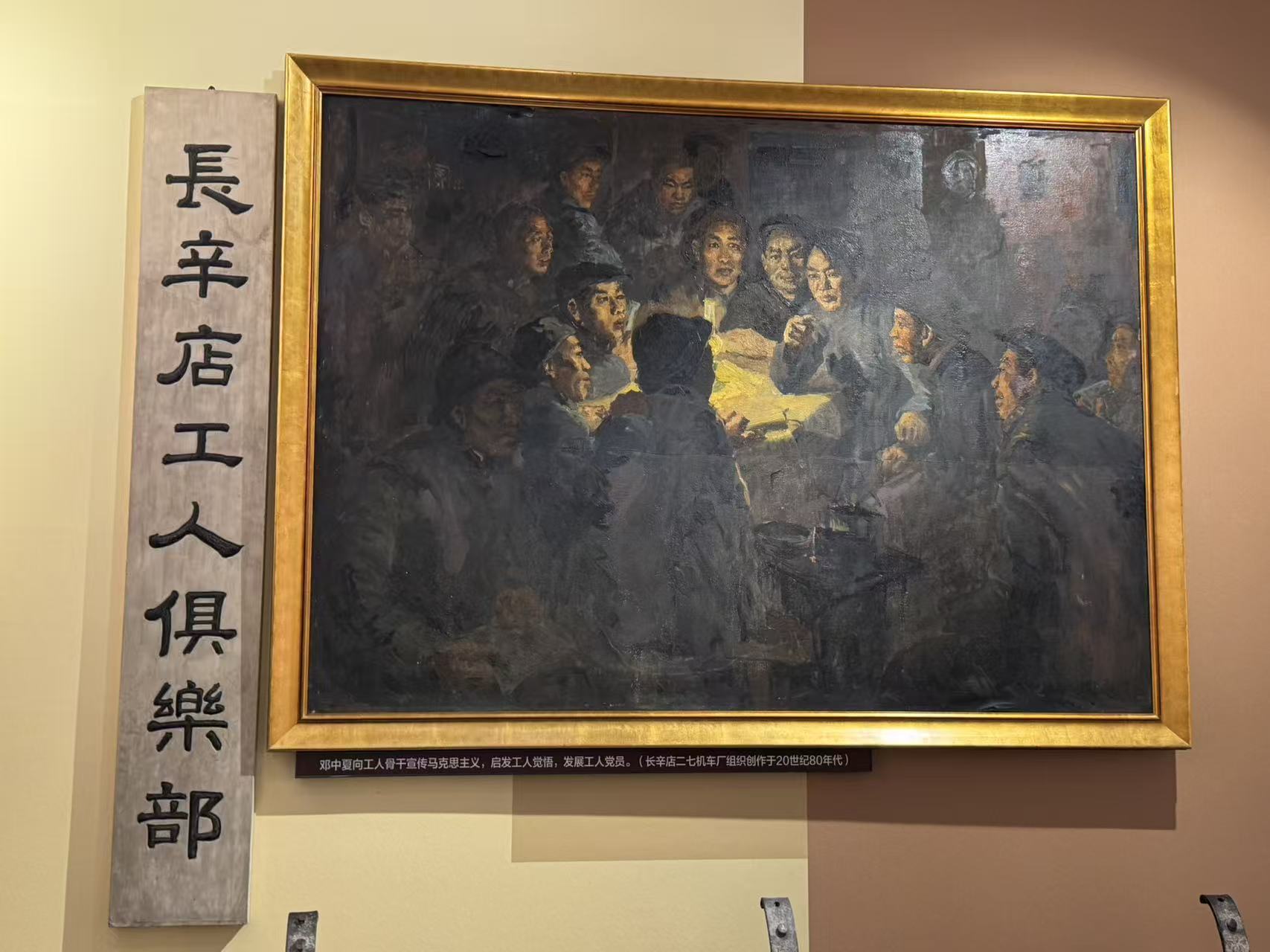
In the early twentieth century, China’s railway industry was controlled by warlords and foreign powers. Railway workers suffered severe exploitation and oppression. Low wages, long working hours and harsh conditions were common. After the founding of the Communist Party of China in 1921, railway workers began to organise under its leadership. They fought for their legal rights. In 1922, workers’ clubs were set up along the Beijing Hankou Railway. Changxindian was one of these key locations. This laid the organisational foundation for a united workers’ movement.
In January 1923, representatives of railway workers along the line decided to establish the Beijing Hankou Railway General Union. Its aim was to unite all railway workers and seek better working conditions and rights. This action alarmed the warlords, who feared the growing strength of the workers’ movement. On 4 February 1923, about 30,000 railway workers launched a general strike. The entire Beijing Hankou Railway was brought to a standstill.
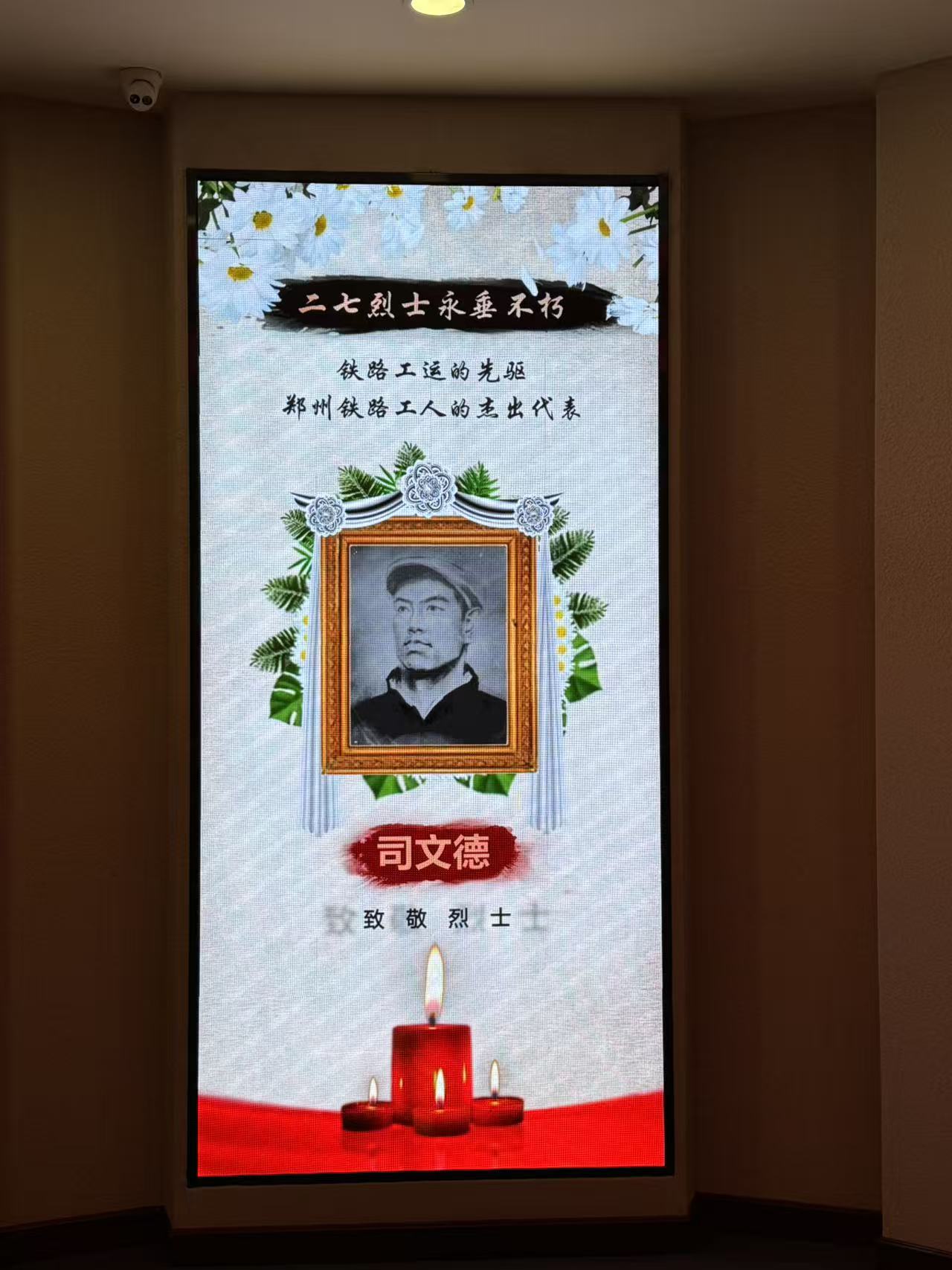
The strike lasted for three days. On 7 February, warlord Wu Peifu ordered a violent crackdown on the striking workers. This event became known as the February 7 Massacre. Many workers were arrested, injured or killed. Although the strike failed, it marked an important turning point in the Chinese labour movement. It awakened class awareness among workers and laid a vital foundation for later revolutionary struggles led by the Communist Party of China.
To commemorate the 60th anniversary of the February 7 Movement, Changxindian February 7 Memorial Hall was jointly funded by the All China Federation of Trade Unions, the Ministry of Railways and the Beijing Municipal Government. Construction began in 1983. The memorial hall officially opened to the public on 7 February 1987.
Exhibitions of Changxindian February 7 Memorial Hall
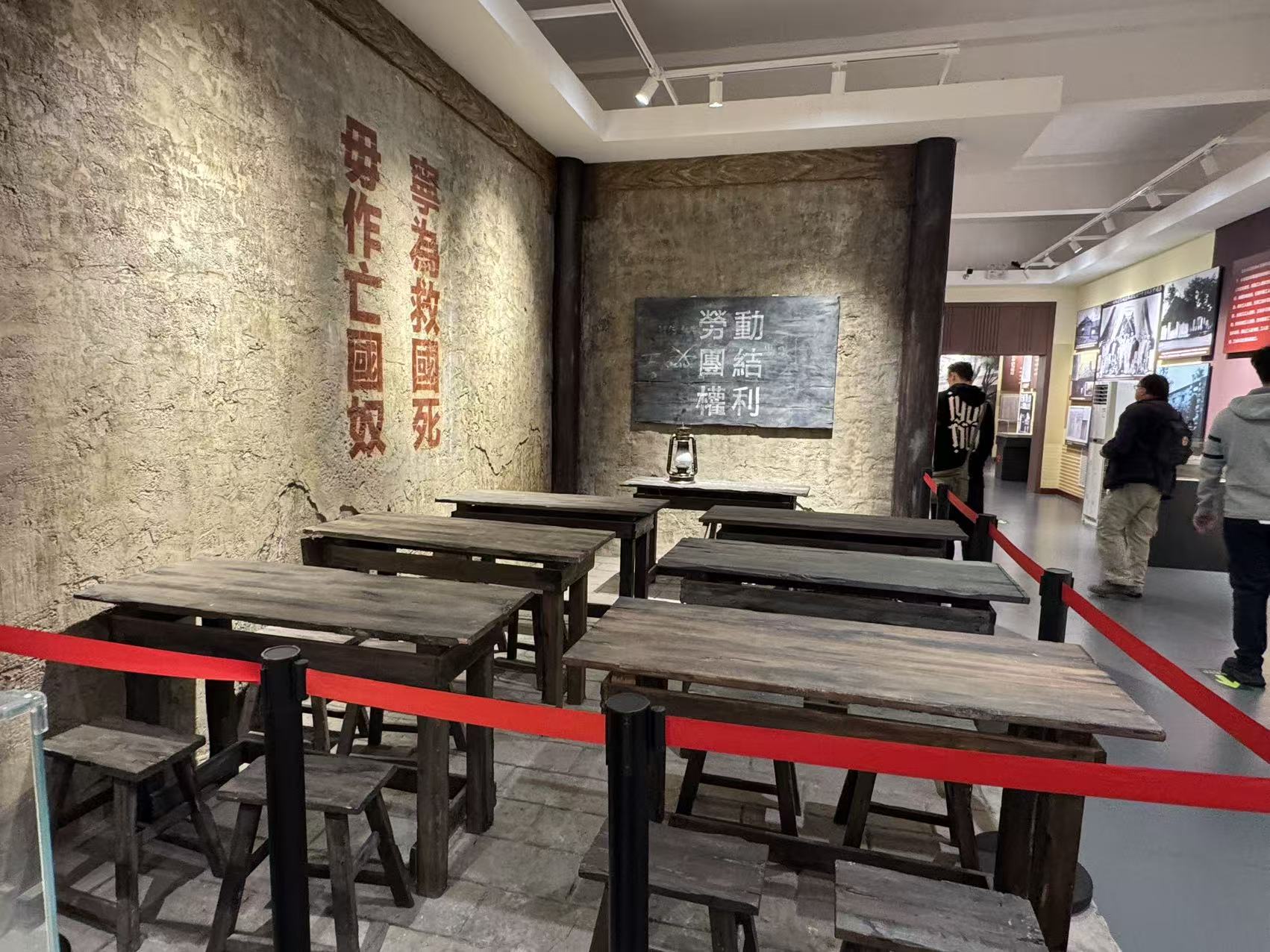
Changxindian February 7 Memorial Hall has eight exhibition rooms. They display historical documents and artefacts from the February 7 struggle. Large objects, oil paintings and models are shown outside the display cases.
The collection includes a cast iron memorial tablet from 1905 for the completion of the Yellow River Railway Bridge in the Qing dynasty. It also holds the large clock once used at Changxindian Railway Station after the Beijing Hankou Railway opened. Other items include a small cloth bag used to collect union fees in 1921, a workers’ club badge from 1922, and a steam whistle used during the August Strike. There are also an axe and a sledgehammer handle used by members of the workers’ inspection team during the February 7 Great Strike. Handcuffs and leg irons worn by arrested workers in Baoding Prison are also preserved.
Conclusion
Changxindian February 7 Memorial Hall commemorates the brave struggle of railway workers during the February 7 Movement. For anyone interested in the Chinese revolution and the workers’ movement, Changxindian February 7 Memorial Hall is a must visit site.
YPT’s China Revolutionary Red Base Tour will take you to the Changxindian February 7 Memorial Hall, and will provide a full introduction to the history of the Chinese Revolution. It is also the only tour that offers a complete English language service in Yan’an region.
Click to read more about YPT‘s China Revolutionary Red Base Tour and our other China tours.
About Post Author