OK, so South Sudanese cuisine is never ever gonna be a world leader when it comes to food. Things here are hearty, largely built around what’s available to the tribes and, well, living.
South Sudan though is located in a fairly good culinary region, with Kenya, Uganda and the joys of Ethiopia all within spitting distance. And these things combined mean that not only will you not go hungry here, but there are also a few decent dishes that are well worth a try.
Table of Contents
Background to South Sudanese Cuisine
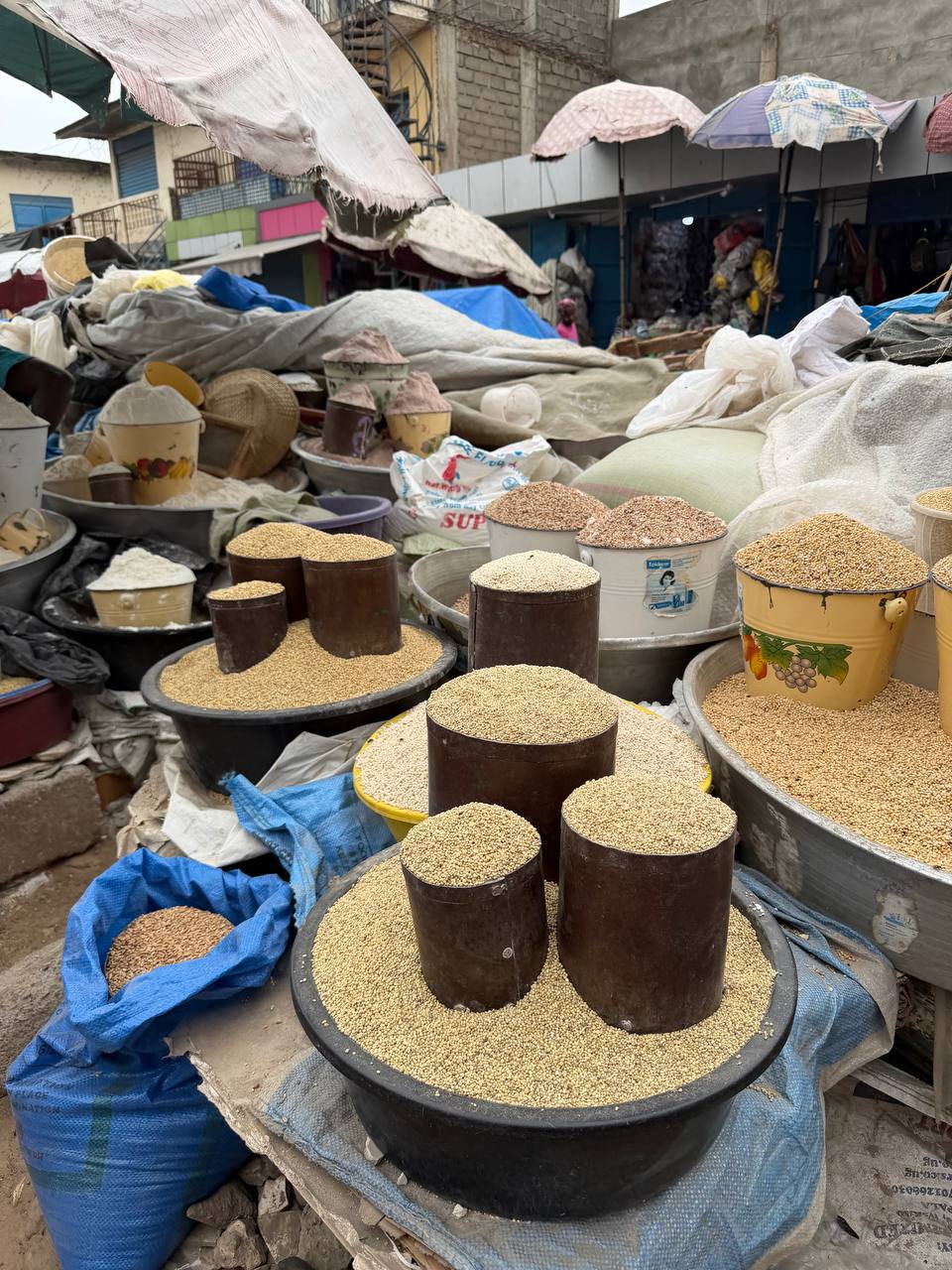
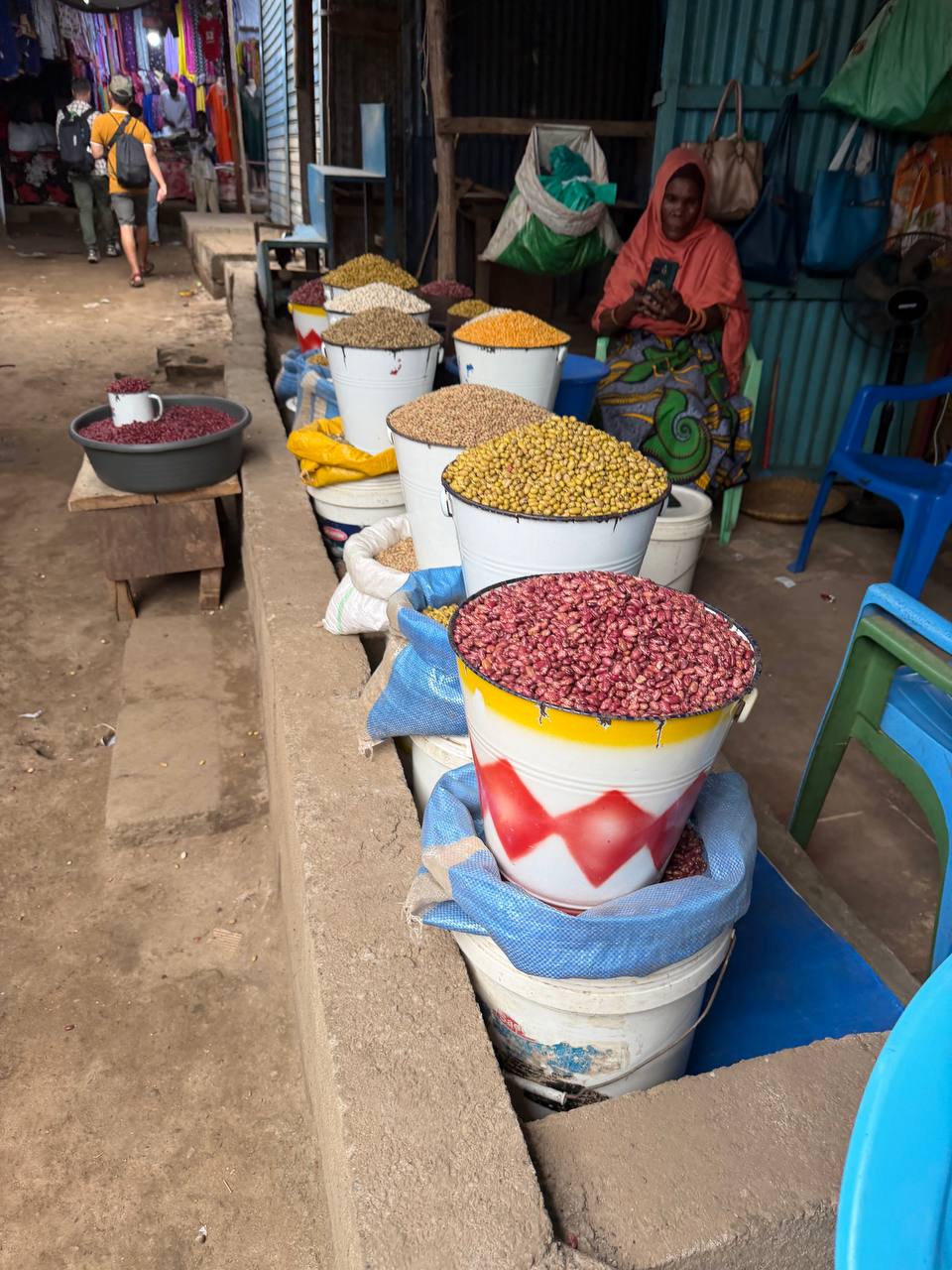
South Sudanese cuisine is grounded in the land and what livestock provides. Staples include sorghum, millet, cassava, maize, yams, and beans, with meat coming from goat, chicken, and Nile fish. Spices are simple: chilies, onions, peanuts, sometimes garlic.
Tribal traditions dominate: the Dinka, Nuer, Mundari, and Azande all have their signature dishes. Fermented flatbreads, blood stews, leafy vegetable stews, and fresh milk are central to daily life. Food is practical, filling, and designed for survival rather than finesse. Modern restaurants mix tribal staples with imported options like pizza or fried rice, but the traditional dishes remain hearty and satisfying.
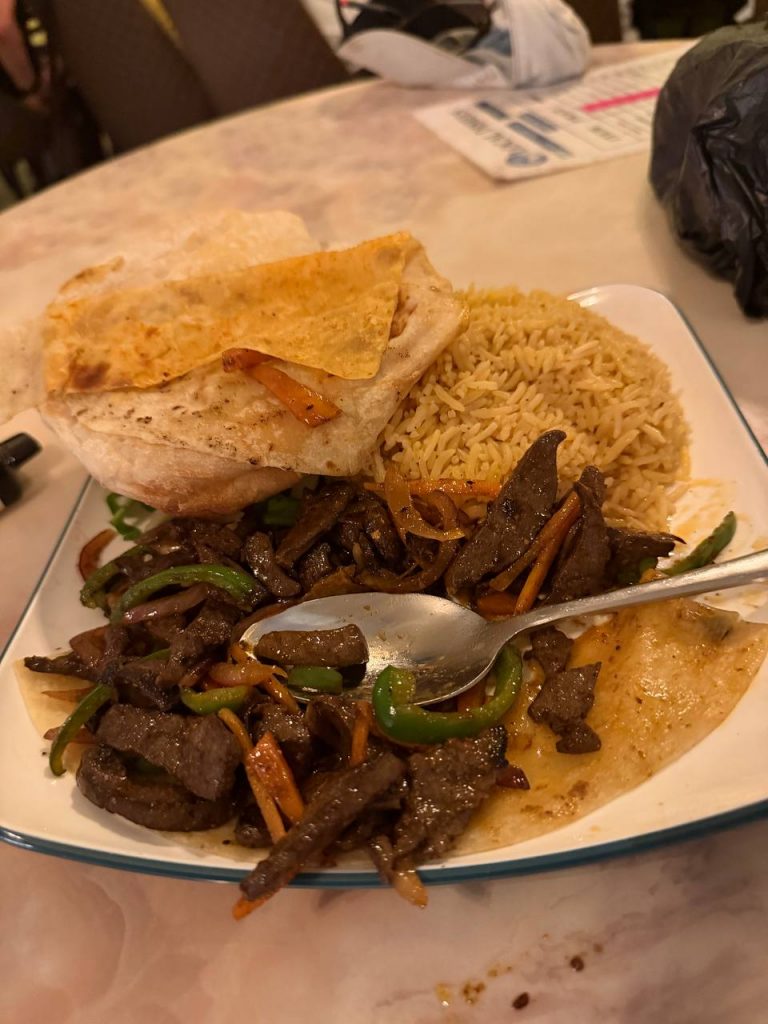
10 Must Try South Sudanese Dishes
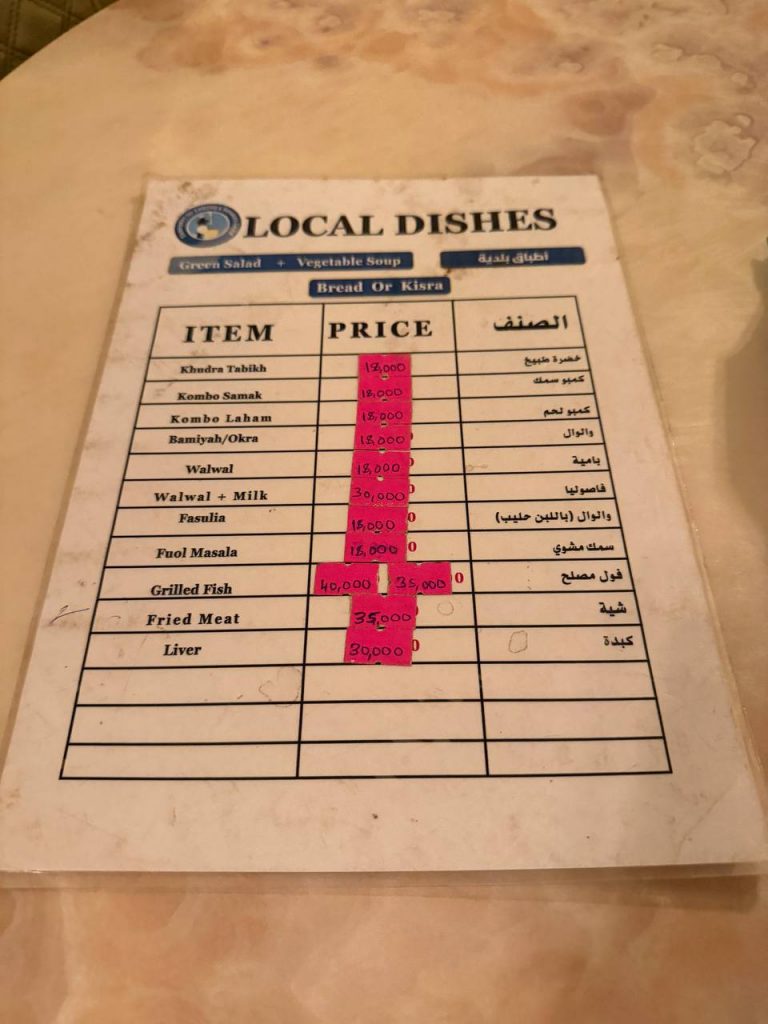
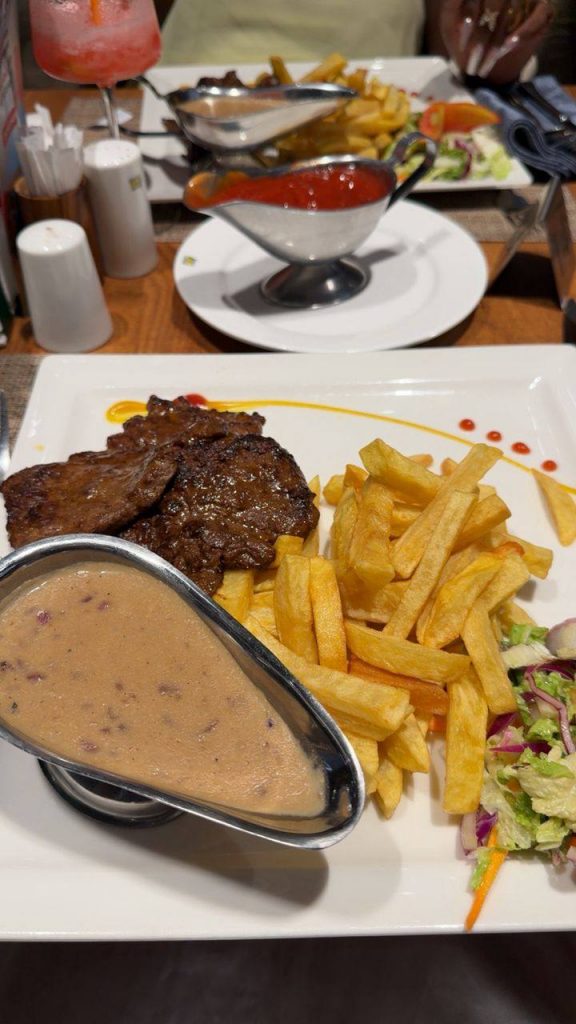
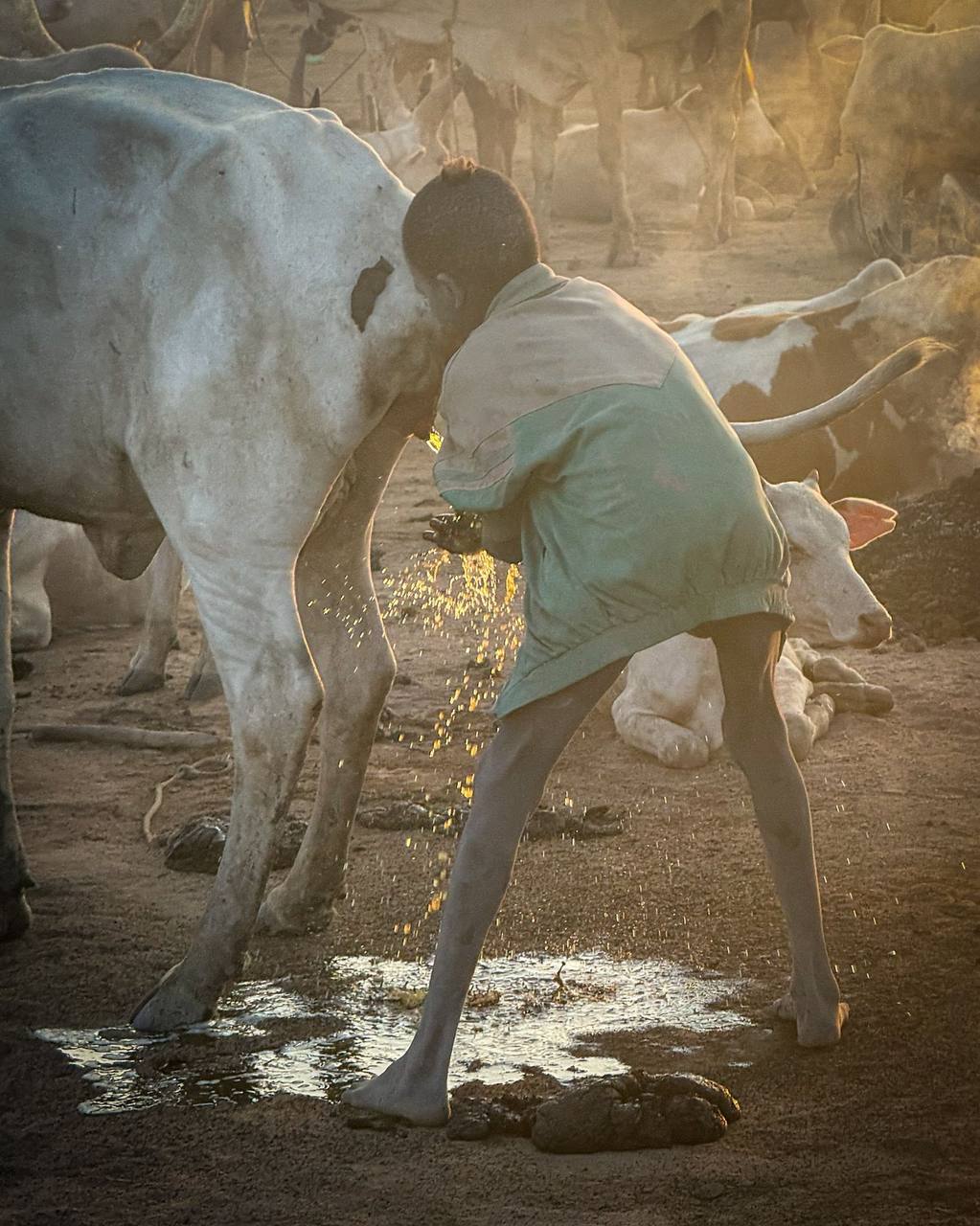
Again while there are not a whole heap of famous dishes there are enough from the restaurants and the streets that you should try when you are here, not least fresh milk with the Mundari!
10. Ful Medames (Ful)
Slow-cooked fava beans, hearty and filling. Usually eaten for breakfast or as a snack, sometimes with oil or chili.

9. Tamia (Fried Chickpea Balls)
Crunchy fried chickpea balls sold by street vendors. Cheap, hot, and perfect for a snack on the go.

8. Asida (Asida)
Stiff sorghum or millet porridge, served with meat or vegetable stew. A staple food, very filling.

Photo: Sudanese Kitchen
7. Wala Wala (Wala Wala)
Millet porridge mixed with milk, sweet or savory. Often eaten in the morning or during communal gatherings.
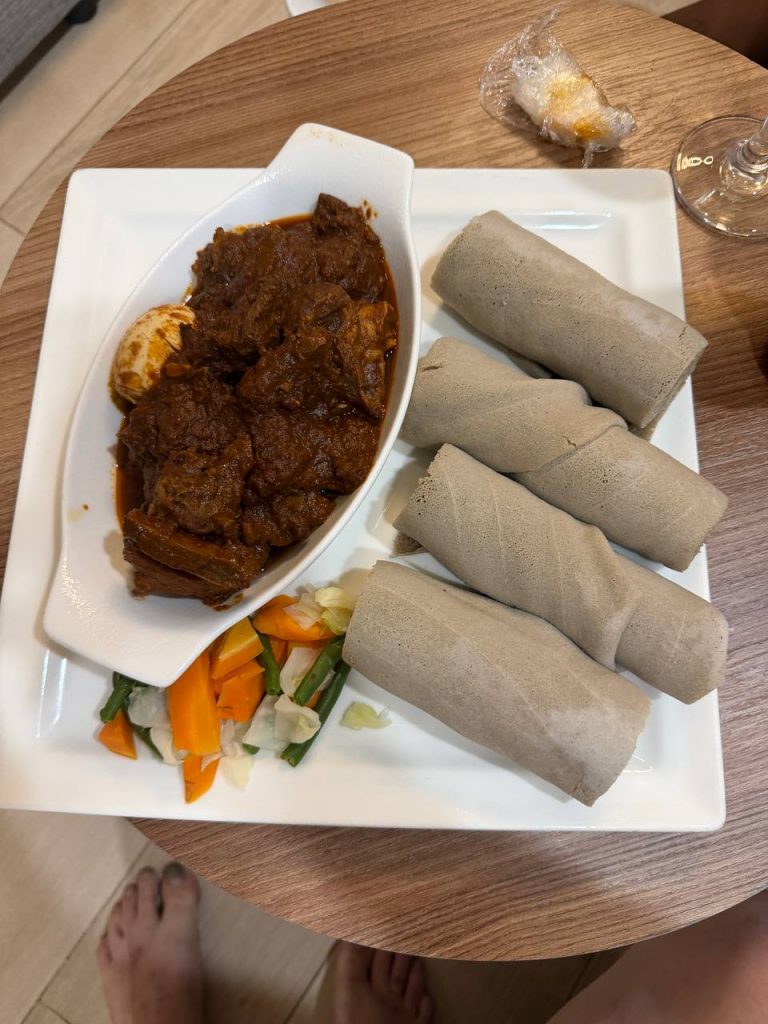
6. Goat Stew (Marqa)
Slow-cooked goat meat with tomatoes, onions, and spices. Rich, meaty, and hearty.
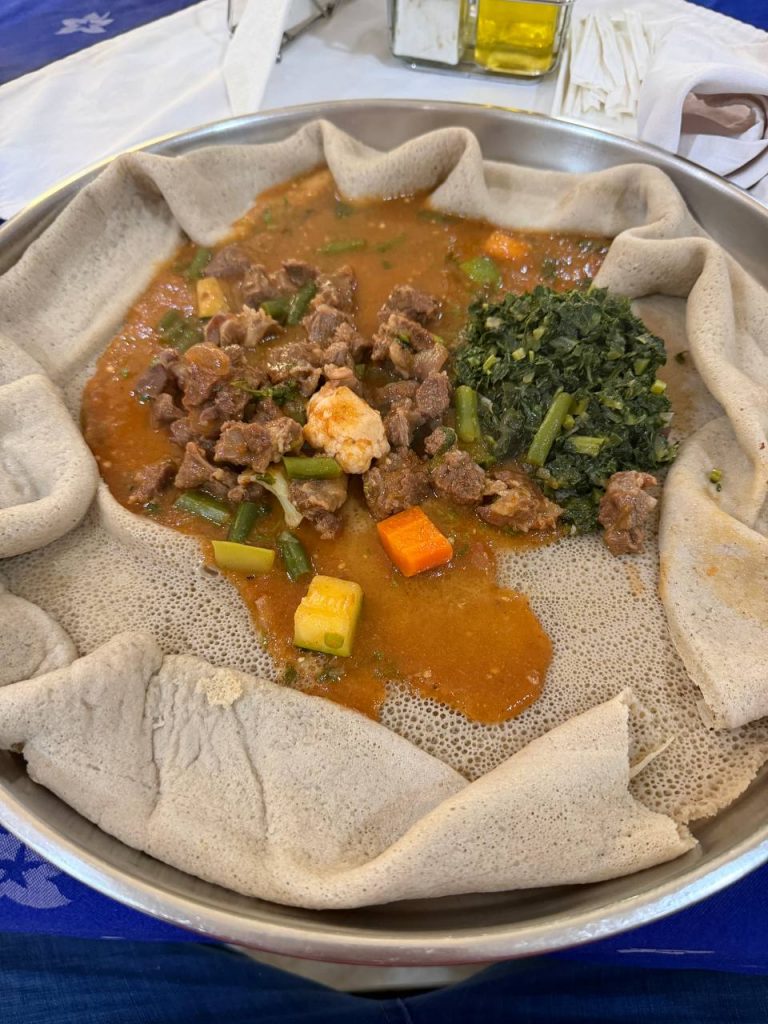
5. Cassava Leaves Stew (Molokhia / Kwang)
Thick green leaves, slightly bitter, cooked with peanuts, onions, and spices. Served with sorghum or kisra.

4. Grilled or Smoked Fish (Buto / Nile Fish)
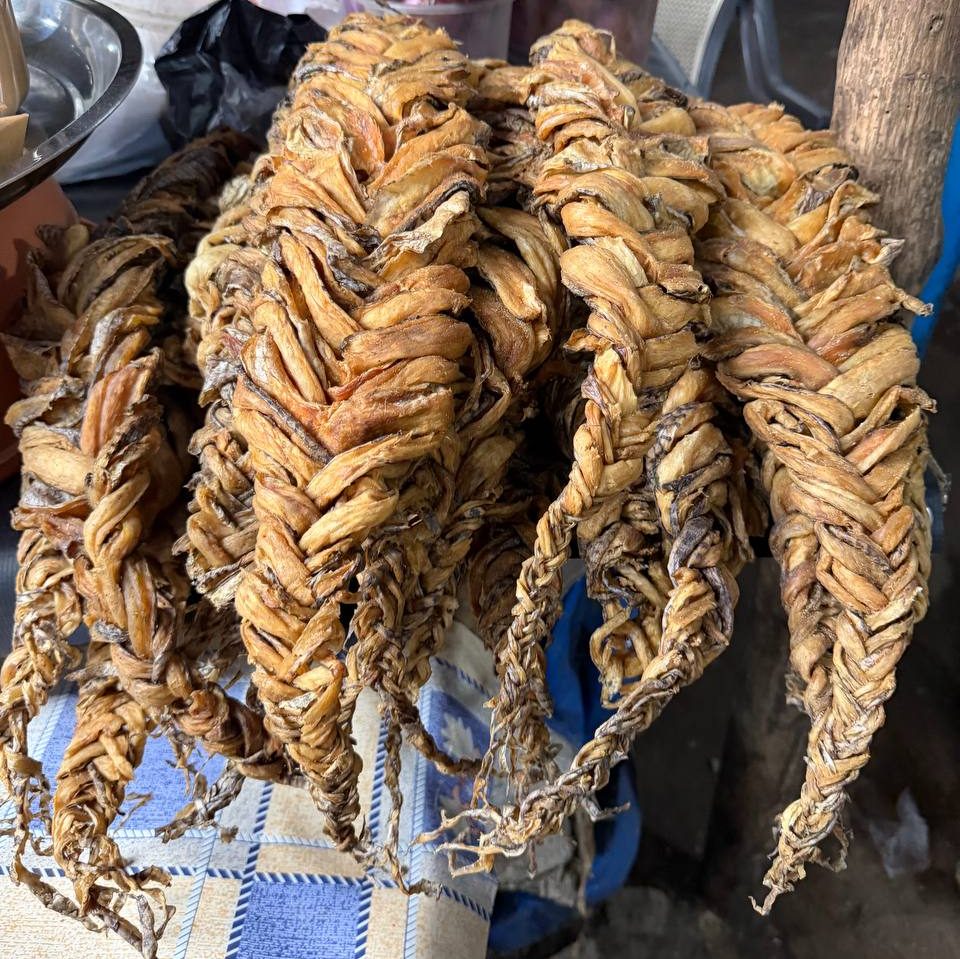
Fresh from the White Nile, grilled or smoked, often with okra or chili sauce. Must-try if you’re near the river.
3. Kisra (Kisra)
Fermented sorghum flatbread used to scoop up stews and sauces. Soft, slightly sour, essential for traditional meals.
2. Blood Stew (Tama / Cattle Blood Stew)
Traditional Mundari and Dinka dish made from fresh cattle blood, sometimes mixed with milk or meat. Not for the faint-hearted.

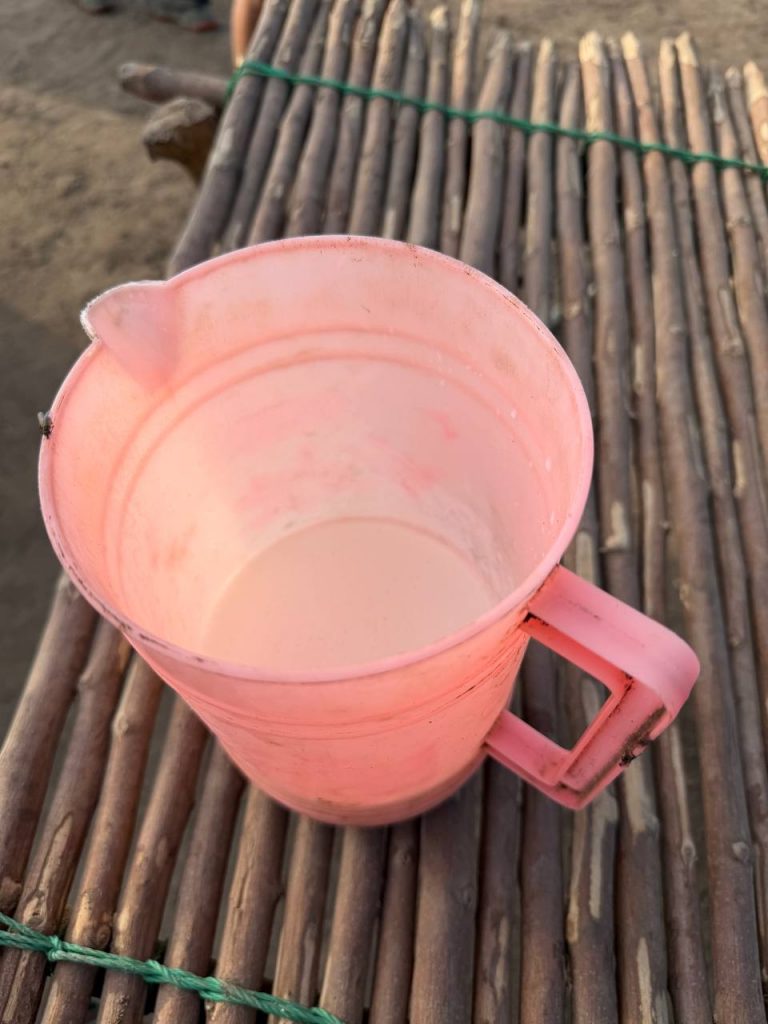
1. Fresh Milk with the Mundari (Raan / Cow Milk)
Straight from the cows, thick, fresh, and a real taste of tribal life.
Street Food South Sudan
Street food is simple, practical, and filling. Fried chickpea balls, roasted corn, small fried fish, grilled meat skewers, and fried dough are all common. Vendors operate near markets, bus stations, and main roads.
Prices are cheap and portions are hearty. Hygiene varies, so pick stalls with locals buying. And already have a review for ya.
Drinking in South Sudan
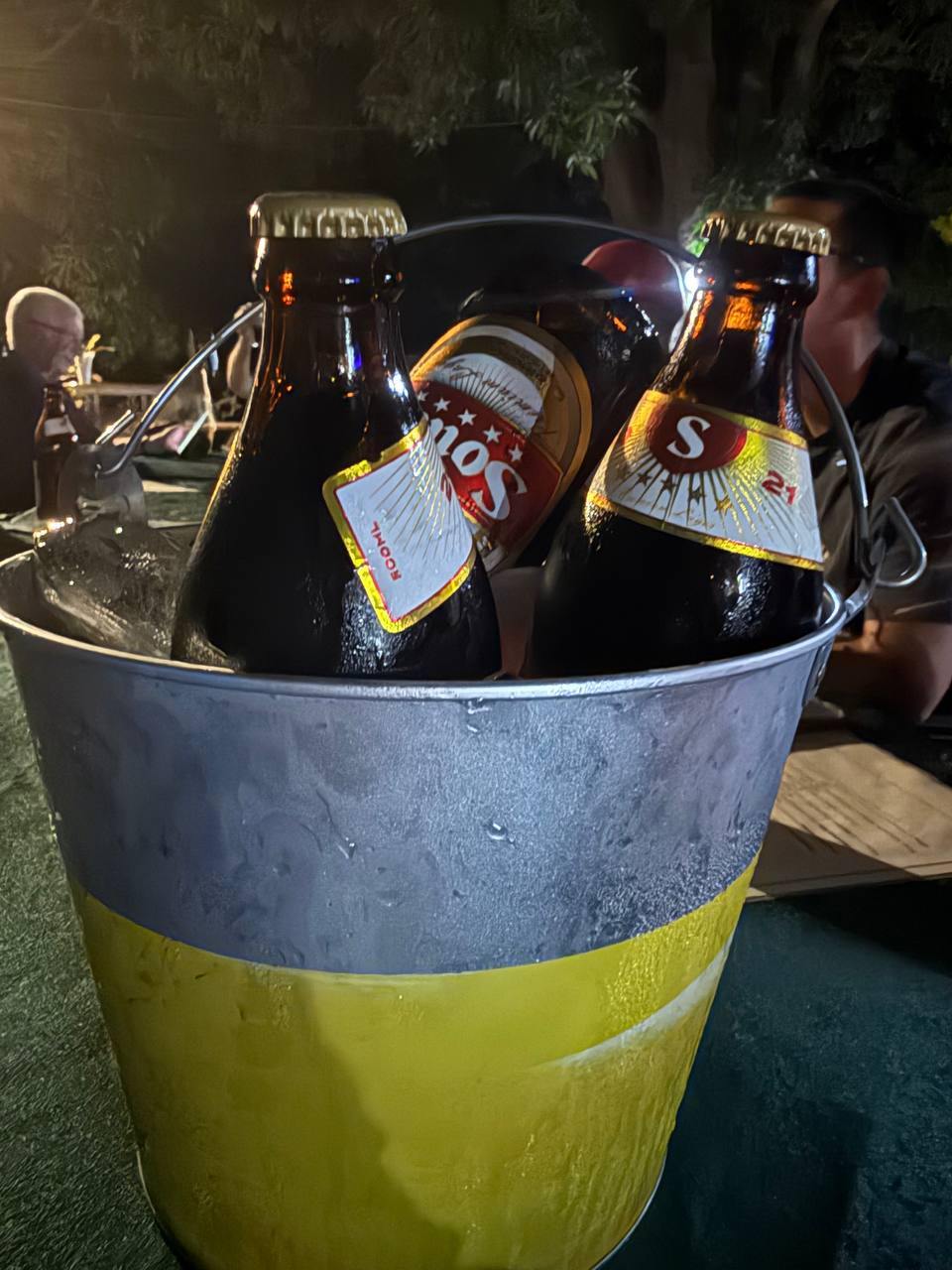
The South Sudanese are drinkers, something which was heavily oppressed when they were under northern Sudanese rule. The main weapon of choice here is beer. Local brands include Club, Eagle, and White Bull. Imported beers like Heineken, Tusker, and Castle are also widely available.
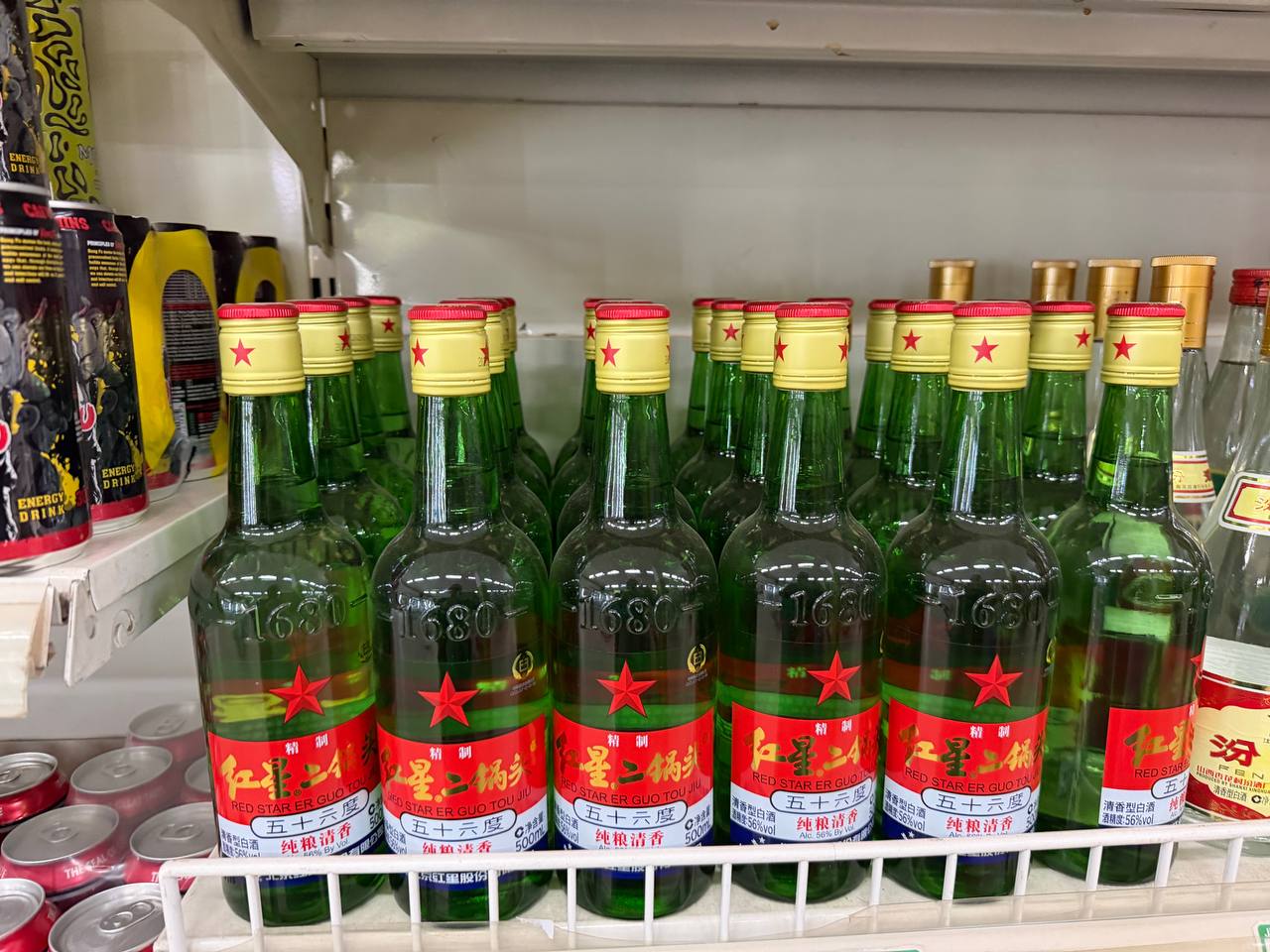
There is also moonshine known locally as konyagi, made in small batches and sold quietly in towns. Bars in Juba range from tiny, basic spots where a beer costs a few dollars to more upscale venues with cocktails for around $20. New York prices, but this is no New York…
Click to read about Pyramid Club.
Overall
Overall the food here, while far from amazing, will probably shock you at how good it is. When you camp with the Mundari on our tours, the stews, yams, fruits, and milk are incredibly good.
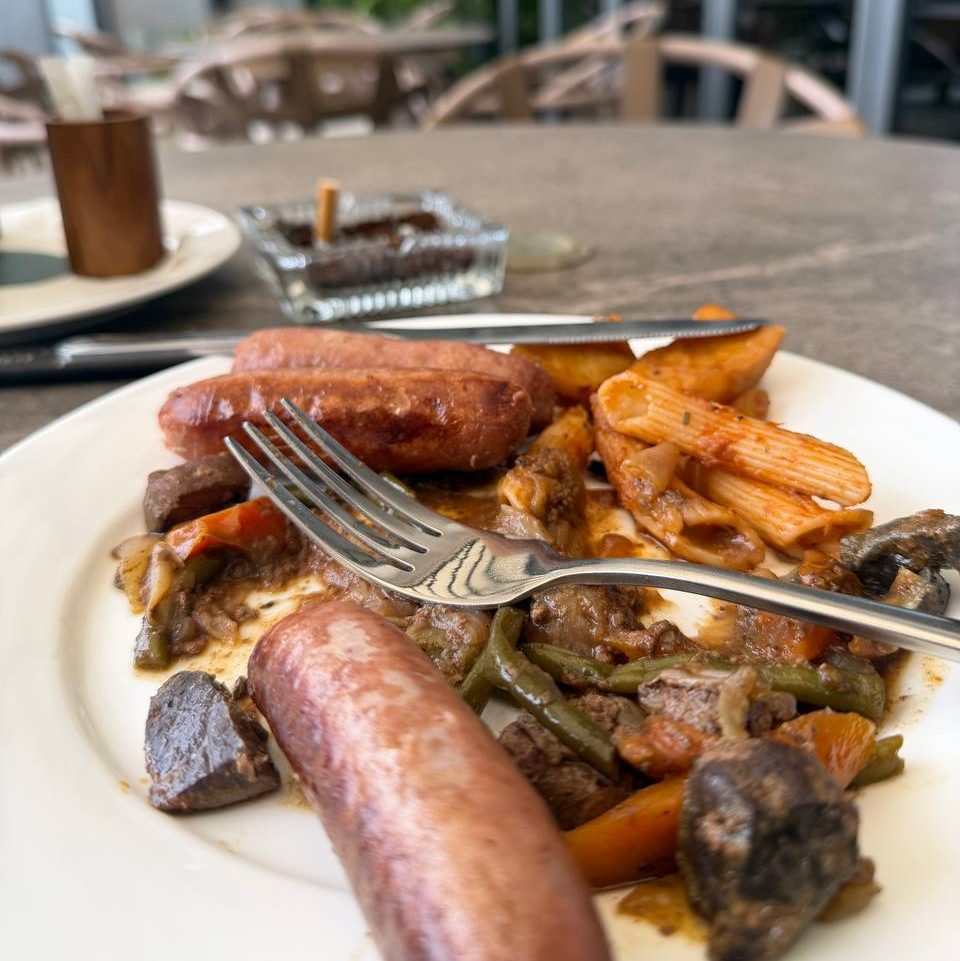
Local restaurants also serve treats, street food is honest, and if all else fails there are international options covering pizza or injera. Yep, you will not go hungry in South Sudan and you may even enjoy your food.
Click to check out our South Sudan Tours.
About Post Author